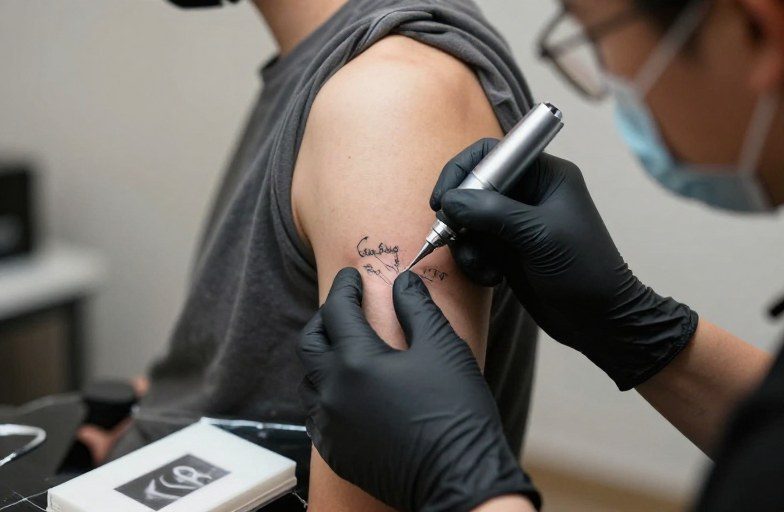
A sleeve tattoo is built in stages, not sketched in one sitting. You start with a unifying concept, subject matter, mood, or color palette, then work with an artist to map how that concept wraps around the three-dimensional canvas of your arm. The best sleeves look intentional from day one, even when completed over years.
What to Expect Step by Step
Mapping the Canvas
Your arm isn’t flat. The outer bicep catches light differently than the inner forearm, and the ditch (inner elbow crease) moves constantly. A smart design accounts for these surfaces. Many artists begin with a “flow check”, standing you in natural position to see how your arm hangs, where muscles flex, and how the eye travels.
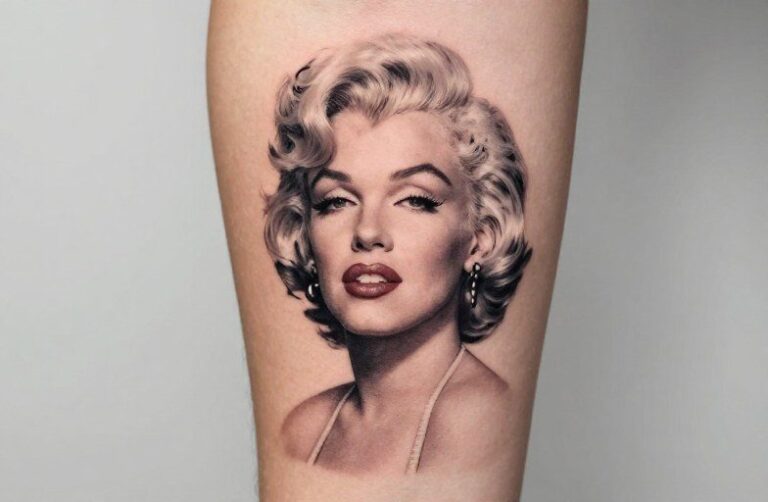
Start with placement priorities. The shoulder cap and outer upper arm offer the most visible real estate; the inner bicep and wrist are more private. Decide which areas matter most to your concept. A Japanese-style sleeve might emphasize the shoulder with a dragon or koi that descends toward the wrist. A black-and-gray realism piece might build from a portrait at the top, fading into background elements below.
Building the Composition
Most sleeves use one of three structures:
- Single subject continuous: One large image wraps uninterrupted, think a snake coiling from shoulder to wrist. Requires the most planning upfront.
- Themed collection: Multiple related images connected by background filler (smoke, waves, mandala patterns, ornamental filigree). More flexible for future additions.
- Patchwork: Separate tattoos with intentional negative space between them. Reads as collected over time; cohesion comes from consistent artist or style.
Background filler isn’t an afterthought, it’s the glue. Without it, a sleeve looks like random stamps. Talk to your artist about which filler elements complement your main subjects without competing.
Cost Factors
What Drives the Price
A full sleeve in the US typically runs from roughly $2,000 to $10,000+, depending on geography, artist reputation, and complexity. Major cities command premium rates. Color work generally takes longer than black-and-gray, raising cost. Intricate linework, heavy saturation, and large areas of solid fill all add hours.
Most artists charge by the hour ($150-$400 is common for experienced professionals) or by the session. Some established artists quote flat project rates for sleeves they’ve designed themselves. Either way, expect multiple sessions, rarely fewer than three, often eight to fifteen for dense, detailed work.
Budgeting Realistically
Spreading sessions across months or years is normal. Many collectors budget per session rather than stressing about the total. Discuss payment expectations upfront. A deposit (often $100-$500) reserves your appointments; it typically comes off the final session. Tipping 15-20% remains standard in US shops.
Don’t bargain shop. A sleeve is permanent, highly visible, and expensive to fix. Saving for the right artist beats rushing for a discount.
When to See a Professional
Design Phase
Consult a professional artist before you’re attached to a specific image. Pinterest and Instagram are starting points, not blueprints. An experienced artist translates reference into something that works on skin, adjusting for scale, how ink ages, and your specific body structure.
Bring references, but stay open to adaptation. The dragon that looks stunning on a 6’4″ frame may need reimagining for a slighter build. A good artist won’t just copy; they’ll collaborate.
Technical Red Flags
See a different professional if your current artist:
- Dismisses your concerns about flow or composition without explanation
- Can’t show you healed photos of their sleeve work (fresh tattoos look different)
- Pushes you to book before you’re comfortable with the design
- Works in an environment that doesn’t prioritize cleanliness and single-use needles
Switching artists mid-sleeve is possible but tricky. Styles don’t always blend, and new artists may need to work around existing pieces rather than integrate them ideally.
Realistic Expectations
How Ink Ages
All tattoos soften over time. Lines spread slightly; blacks lighten to charcoal; bright colors mute. On a sleeve, this happens unevenly, sun-exposed outer arms fade faster than inner biceps. Plan for this. Bold lines and saturated color hold better than fine detail and pastels. White ink often disappears into skin tone within a few years.
Your skin type matters too. Oily skin can blur lines faster. Frequent sun exposure without protection accelerates fading everywhere. A sleeve requires long-term care commitment, not just attentive healing.
The Timeline Reality
Completing a sleeve in under six months is aggressive. Skin needs recovery between sessions, typically 3-6 weeks minimum, longer for dense color packing. Your artist’s booking schedule may stretch gaps to months. Many collectors spend 1-3 years finishing a full sleeve. This isn’t failure; it’s how quality work gets done.
Expect visible unfinished stages. You’ll walk around with half-complete artwork. Choose an artist whose partial work still looks intentional, not abandoned.
Aftercare Essentials
Healing the First Piece
Your artist’s aftercare instructions take precedence, they know their methods. Generally, keep the tattoo clean and lightly moisturized, avoid submerging in water (baths, pools, hot tubs) for 2-4 weeks, and don’t pick scabs. Sleeves are awkward to protect; long sleeves can rub, but sun exposure damages fresh ink more.
Expect peeling and itchiness around days 3-7. The ditch and inner elbow heal slower and more irritably than other areas due to constant movement. Sleep with your arm raised slightly to reduce swelling if needed.
Between Sessions
Healed skin needs care too. Moisturize regularly. SPF 30+ on your arm whenever it’s exposed, this preserves your investment dramatically. Dry, sun-damaged skin makes future sessions harder for your artist and more painful for you.
Don’t schedule sessions during activities that compromise healing: vacations with heavy sun or swimming, moving houses, sports seasons where you can’t keep the area clean.
Common Mistakes
Design Errors
Overcrowding kills sleeves. Every inch doesn’t need imagery. Negative space lets subjects breathe and creates visual hierarchy. Collectors often panic about “wasted space” and fill it impulsively, then regret the clutter.
Another frequent error: copying a celebrity’s sleeve exactly. That design was built for their body, their story, their artist’s strengths. Derivative work rarely satisfies.
Process Missteps
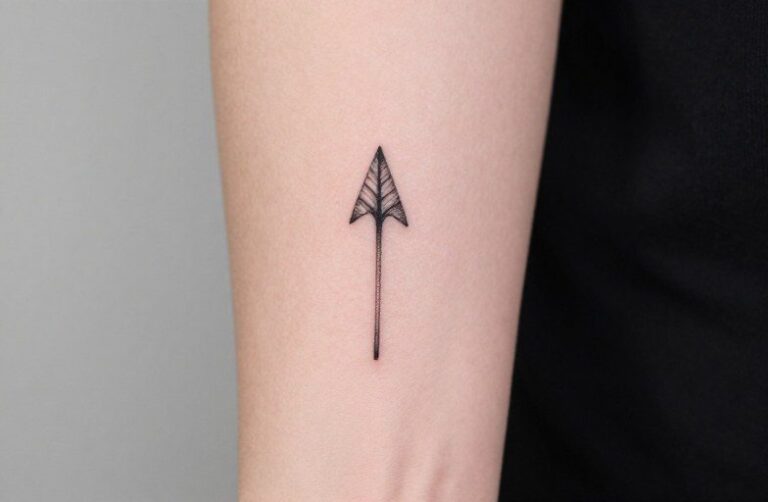
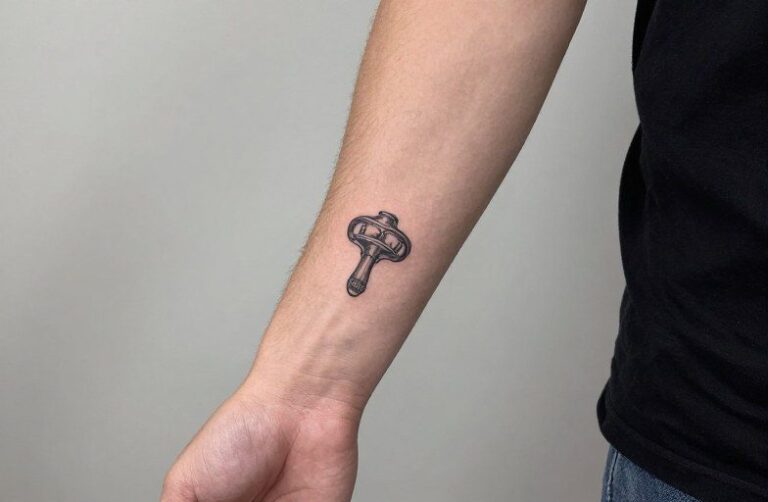
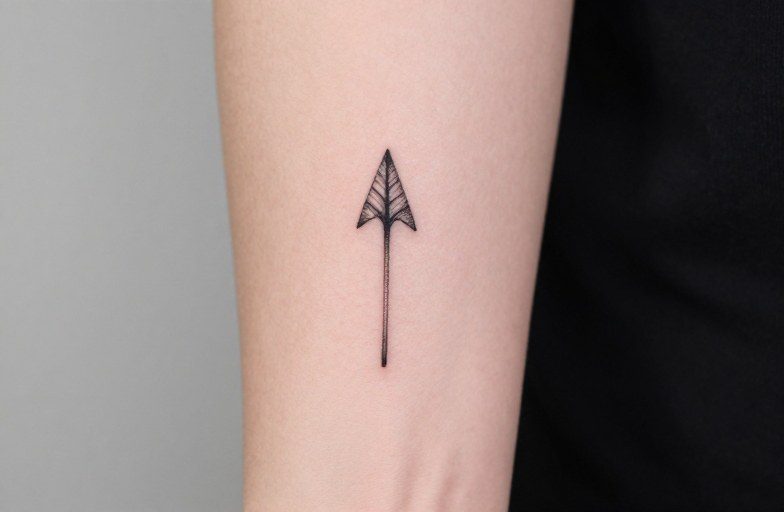
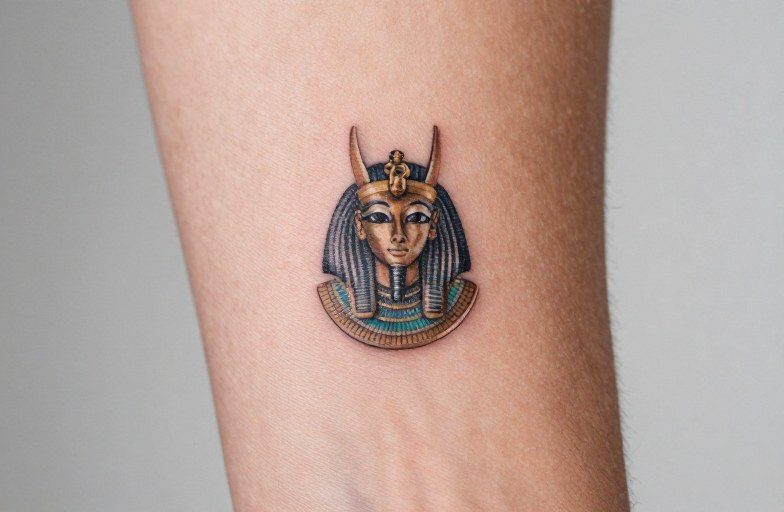
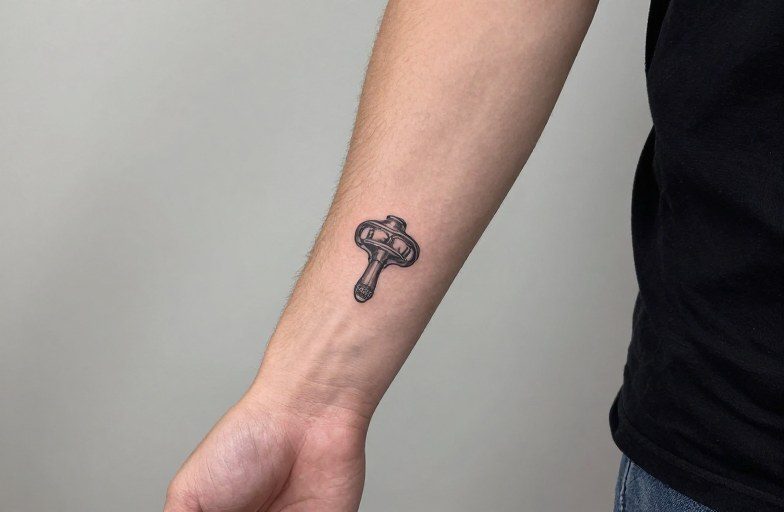
- Starting too small: tiny wrist tattoos that “we’ll just build upward” often create compositional problems the artist must solve later
- Ignoring the armpit side: the inner arm is visible to you constantly; neglecting it creates an unbalanced viewing experience
- Rushing between sessions: tattooing over unhealed skin damages both the new work and what’s beneath
- Choosing price over artist fit: the cheapest hourly rate for 40 hours isn’t savings if you need significant rework
Final Thoughts
A sleeve is a relationship, between you and your artist, between intention and adaptation, between the art you imagine and the body you live in. Start with genuine enthusiasm, not a fixed blueprint. The best sleeve tattoos grow coherent over time because the foundation was thoughtful and the artist was trusted. Take the planning seriously, but leave room for the process to surprise you. The arm you’re working with will be yours for decades; the artwork should feel like it belongs there completely.
Frequently Asked Questions
How do I choose between color and black-and-gray for my sleeve?
Black-and-gray ages more predictably and works across most styles. Color pops but requires more maintenance and sun protection. Consider your skin tone, bold colors show differently on darker skin, though skilled artists adapt palettes accordingly. Your lifestyle matters too; outdoor workers see faster fading regardless of choice.
Can I turn existing tattoos into a sleeve?
Yes, but with constraints. An artist can build around existing pieces using background filler, reworking, or strategic cover-ups. The existing tattoos dictate some compositional choices. Consult specifically about this, some artists excel at integration, others prefer blank canvas work.
How painful is a full sleeve compared to smaller tattoos?
The outer upper arm is generally manageable. The ditch, inner bicep, elbow itself, and wrist bone are significantly more intense. Pain varies by individual, but expect a sleeve to test your endurance across multiple sessions rather than one marathon sitting.
Should I design my sleeve myself or let the artist create it?
Bring your vision, references, and priorities, then collaborate. Artists understand technical elements you won’t: how images warp around cylinders, which details survive at scale, how stencil placement affects the final result. The strongest sleeves come from genuine partnership, not client dictation or artist imposition.