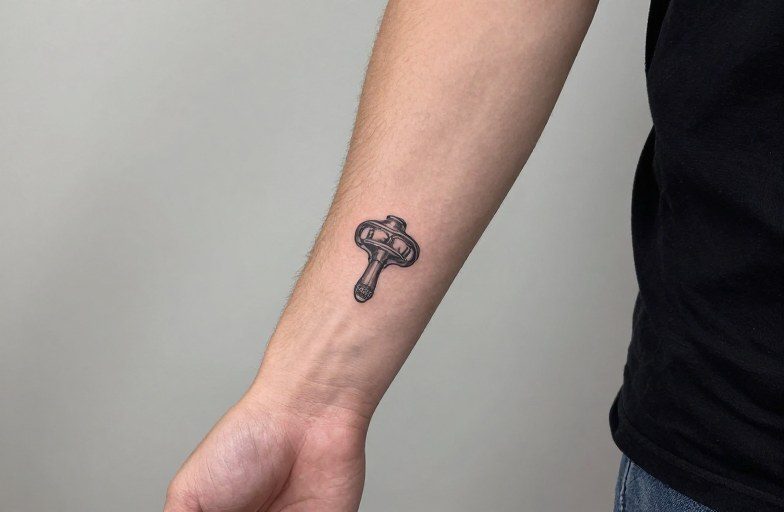

Covering an old tattoo with new designs is absolutely possible, but it demands a different approach than a fresh piece on blank skin. The new design must be larger, darker, or more saturated than what’s underneath, and the artist needs to understand how existing ink will interact with new layers. Success depends on choosing the right candidate for cover-up, designing strategically around the old tattoo’s colors and lines, and accepting that some ghost of the original may still peek through depending on age and saturation.
What to Expect Step by Step
Consultation and Assessment
Every cover-up starts with an honest conversation. Bring clear photos of your old tattoo in normal lighting, flash distorts color. The artist will evaluate how saturated the existing ink remains, whether lines have blown out or stayed crisp, and how much the pigment has faded toward your skin tone over time. Black and dark blue are the hardest colors to hide; yellows, pinks, and light greens offer more flexibility. The artist might trace the old tattoo to design around its shapes, or they may recommend a few sessions of laser fading first if the original is too dense.
Designing the New Piece
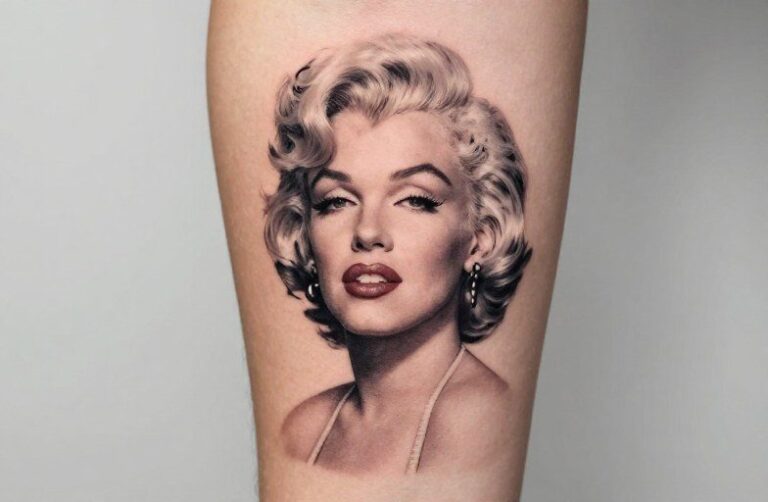
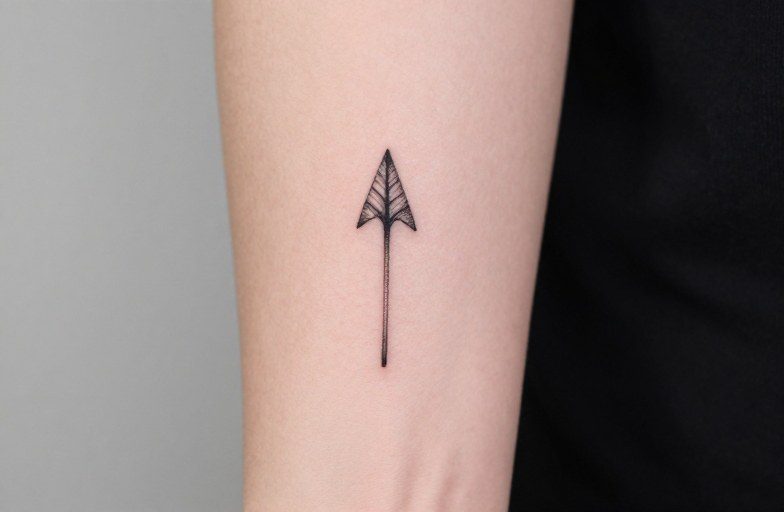
Effective cover-ups rarely replicate the original tattoo’s exact size. Plan for something 25-50% larger, with strategically placed dark elements, deep shadows, bold outlines, or saturated color fields, positioned directly over the heaviest old ink. Floral designs, tribal patterns, geometric mandalas, and Japanese-inspired work tend to cover well because they naturally incorporate dense areas. Realistic portraits and fine-line minimalist pieces generally struggle unless the old tattoo has faded substantially. Your artist will likely flip the design concept several times, testing how proposed dark zones align with existing problem spots.
- Bring reference images that show the style you want, not exact copies someone else wears
- Be open to the artist’s structural suggestions, they’re solving a visual puzzle
- Expect multiple draft revisions; this is normal and worth the time
- Ask to see healed photos of cover-ups they’ve done, not just fresh work
The Session Itself
Cover-up sessions often run longer than comparable fresh tattoos because the artist works more deliberately, packing ink over resistant scar tissue and existing pigment. Scarred skin from previous poor healing or heavy-handed work accepts ink unpredictably. You may feel the needle differently over old tattoo areas, some report more vibration, others less sensation if nerve damage occurred during the original piece. The artist will wipe frequently to check how new layers are covering old ones, adjusting technique in real time.
Healing Timeline
First Two Weeks
Fresh cover-ups look deceivingly complete when the artist finishes. The real test comes during healing. Days 1-3 bring standard redness, plasma weeping, and that tight plastic-wrap feeling. By days 4-7, heavy scabbing often forms over areas where the needle worked hardest, exactly where old ink sat beneath. This scabbing can look alarmingly thick and dark; resist checking compulsively. Peeling typically begins around day 7-10, revealing patchy, dull color underneath. This is normal. The new ink hasn’t settled, and old ink may seem visible again through the healing epidermis.
Month One and Beyond
Weeks 3-4 show the first honest preview. Color brightens as the top layer of dead skin sheds completely, but the tattoo remains slightly raised and matte. The old tattoo’s ghost, often a cool gray or brown shadow, may appear in certain lights. This doesn’t necessarily mean failure; many cover-ups require a touch-up session at 6-8 weeks once the artist sees how everything settled. Full maturation takes 2-3 months. Only then can you accurately judge whether additional passes are needed or whether the integration succeeded.
The Direct Answer
Yes, you can cover an old tattoo with new designs, but the new work must be physically larger and visually darker or more saturated than what’s underneath. Light colors do not cover black ink. The old tattoo’s lines, especially bold black ones, will influence the new design’s structure whether you want them to or not. A skilled artist doesn’t erase the past, they redirect your eye so the old piece becomes visually subordinate. Some tattoos cover cleanly in one session. Others need preparatory fading with laser removal, typically 2-4 sessions spaced weeks apart, to break down dense pigment and give the new design breathing room.
Realistic Expectations
What Actually Disappears
Faded graywash, light colors, and older tattoos with significant sun exposure cover most successfully. Dense tribal bands, solid black lettering, and recent heavy saturation present the biggest challenges. Even excellent cover-ups often show a slight texture difference where old scar tissue lies beneath, visible in angled bathroom mirror light, invisible straight-on. The goal isn’t invisibility; it’s transformation into something you’d choose to wear. Some clients fixate on detecting the original, but strangers rarely see it unless pointed out.
Color Limitations
White ink over old black reads as gray-green once healed, not white. Pastels need a neutral or light base to read true. The most reliable cover-up palette runs deep: forest greens, navy blues, burgundy, deep purple, charcoal, and black. Red can work over blue tones but shifts toward brown. Yellow and orange require extremely faded underlying ink or they’ll muddy. Your artist should explain these interactions specifically for your existing colors, not speak in generalities.
- Black ink: requires heavy dark coverage or laser fading first
- Dark blue: covers similarly to black; needs substantial new pigment
- Red/orange: may show through cool-toned new designs
- Light/faded colors: most forgiving, widest design options
Aftercare Essentials
Protecting the Investment
Cover-up aftercare mirrors standard tattoo care but with extra vigilance. The skin has been traumatized twice, once originally, once again. Wash gently with fragrance-free soap, pat dry with clean paper towels, and apply a thin layer of recommended ointment or unscented lotion. Over-moisturizing breeds infection; under-moisturizing causes cracking that pulls ink out. Keep the piece out of direct sunlight during healing and for months afterward; UV exposure darkens old ink that you’re trying to hide and fades new ink you paid to install. Loose, clean clothing prevents friction over healing areas.
Long-Term Maintenance
Once healed, sunscreen becomes your most important tool. SPF 30 or higher, reapplied every two hours during sun exposure. Moisturize regularly to keep skin supple, dry, ashy skin makes old ink shadows more apparent. Consider annual touch-ups for the first few years, especially if the cover-up involved heavy color saturation over dense old work. Touch-ups are typically shorter and less expensive than the original session, and they refine integration between old and new layers.
When to See a Professional
Red Flags During Healing
Excessive swelling beyond three days, spreading redness, heat radiating from the tattoo, or pus indicate infection requiring medical attention, not your artist’s opinion. Allergic reactions to new ink, sometimes different from what you tolerated originally, show as persistent rash, hives, or blistering. Pre-existing conditions like diabetes or autoimmune disorders slow healing and increase complication risk; disclose these before booking. Keloid scarring from your original tattoo suggests higher risk of similar response to the cover-up.
Design Stalemates
If multiple artists tell you your desired design won’t work over existing ink, believe them. Some tattoos genuinely require laser fading before successful cover-up. Others need acceptance that the new piece will be substantially different from your vision. An ethical artist refuses work they can’t execute well rather than taking your deposit for a doomed attempt. Shop around, but recognize consensus among professionals as valuable information, not laziness.
Before You Decide
Cover-ups cost more than equivalent fresh tattoos because they demand more time, ink, and problem-solving skill. Budget accordingly, often 1.5-2x the rate for similar size and complexity on virgin skin. Research artists specifically for their cover-up portfolio, not just their general style. A brilliant new-school artist may lack the technical toolkit for heavy cover work. Consider whether you truly want new art here, or if you’re running from regret; sometimes laser removal to bare skin, then a fresh design, satisfies more than compromise ever could. The skin you have is the only skin you get. Treat the decision with the weight it deserves, and you’ll wear the result with genuine comfort.
Frequently Asked Questions
Can any tattoo be covered up, or are some impossible to hide?
Not every tattoo covers easily. Dense black tribal bands, heavy lettering, and large solid black areas often need laser fading first. Light, faded, or small tattoos generally cover without preparation. An experienced artist can assess your specific piece during consultation.
How much bigger does a cover-up tattoo need to be than the original?
Most successful cover-ups extend 25-50% beyond the original tattoo’s boundaries. This gives the artist space to place dark, saturated elements over old ink and create visual flow that doesn’t feel cramped or forced.
Is a cover-up more painful than getting a tattoo on fresh skin?
Pain varies by location and individual, but cover-ups can feel different due to scar tissue and repeated needle passes over the same area. Some people report more sensation, others less if nerves were affected by the original tattoo.
How long should I wait after getting a tattoo before covering it up?
Wait until the original tattoo is fully healed, typically 2-3 months minimum. Attempting cover-up on unhealed skin causes excessive trauma, poor ink retention, and higher complication risk. Older tattoos that have settled for years often cover better than fresh ones.