Designing a tattoo starts with a clear idea and ends with a drawing that works on human skin, not paper. The best designs account for placement, how ink spreads over time, and what your artist can actually execute well. This guide walks you through the real decisions that separate a tattoo you’ll love from one you’ll regret.
Realistic Expectations
Skin is not a flat white canvas. It stretches, wrinkles, tans, scars, and changes texture. A design that looks crisp on your phone screen will behave differently once needle meets epidermis. Understanding these limits early saves you from disappointment later.
How Ink Ages in Skin
All tattoos blur slightly over time. Fine lines spread; solid blacks soften to charcoal; bright colors mute. Designs with too much detail crammed into small spaces become muddy faster than bold, readable work. Plan for the ten-year version, not just the fresh photo.
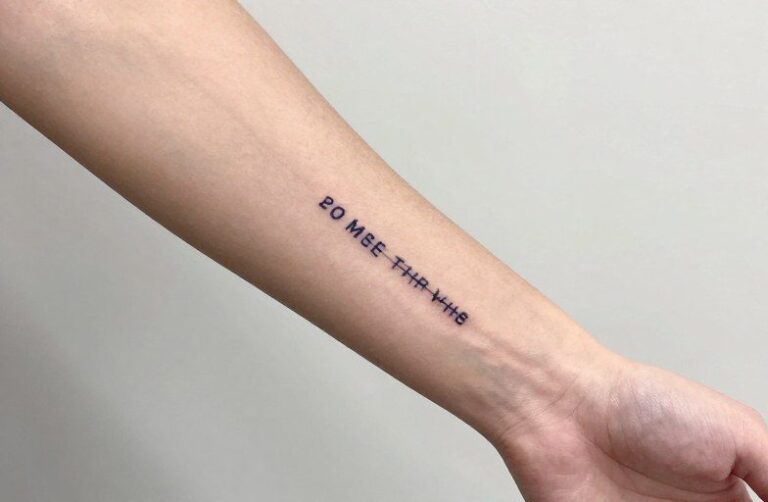
- Lines thinner than 1mm often blow out or disappear within a few years
- High-contrast designs (black and skin tone) age more gracefully than subtle gray washes
- Finger and palm tattoos fade fastest due to constant friction and regeneration
Placement Dictates Design
A sleeve flows with the arm’s musculature; a rib piece must account for breathing movement. Curved surfaces distort flat images. Experienced artists design specifically for the body part, not just resize a stock image. Bring reference, but let the artist adapt it to your anatomy.
Pain & Comfort
Pain varies wildly by location and your own physiology, but some patterns hold true. Knowing what to expect helps you design a session you can actually sit through without tapping out early.
Least to Most Painful Areas
Fleshier spots with fewer nerve endings and less bone proximity hurt less. The outer upper arm, thigh, and calf are common starting points for a reason. Ribs, spine, sternum, feet, and hands rank at the top for most people. Armpits and inner bicep are sneaky difficult, thin skin over sensitive structures.
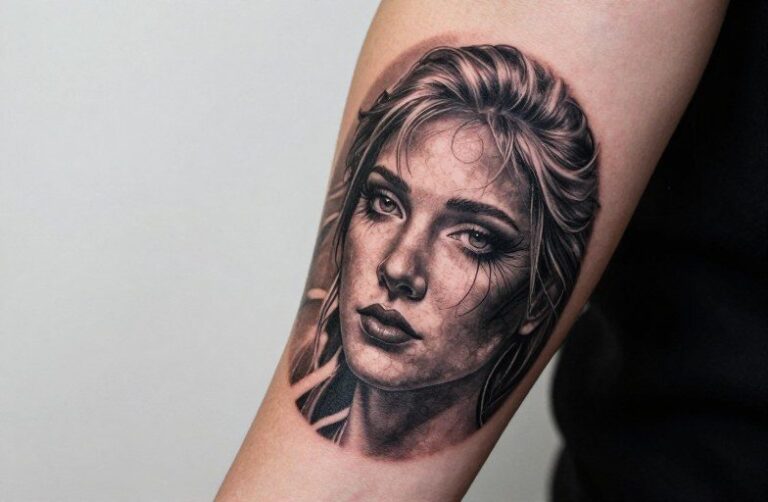
Your design choice affects duration, which affects total discomfort. A palm-sized blackwork piece might take two hours. A full-color realism portrait of the same size could stretch to six. Simpler designs heal faster and cost less, but don’t sacrifice the concept just to minimize pain.
Healing Timeline
Healing isn’t a single event; it’s a month-long process with distinct phases. Your design choices influence how this plays out. Heavy saturation and large solid areas weep longer and scab more. Delicate linework can be easier early but requires careful protection.
Week by Week
Days 1-3: redness, plasma, and swelling. The tattoo is an open wound. Days 4-14: peeling and flaking, often with intense itching. Weeks 3-4: surface looks healed but deeper layers are still settling. Full settling of color and texture takes two to three months.
- Don’t pick scabs, you’ll pull ink out and create patchy spots
- Avoid soaking in baths, pools, or hot tubs until fully healed
- Tight clothing over fresh tattoos causes friction and infection risk
Design Factors That Complicate Healing
All-white ink, heavy white highlights, and watercolor-style splashes heal unpredictably. White often disappears entirely or yellows. Watercolor backgrounds without black outlines blur into unrecognizable washes within a few years. These aren’t necessarily bad choices, but they demand realistic maintenance expectations.
What to Expect Step by Step
The design process with a professional artist follows a loose structure. Coming in prepared speeds everything up and gets you better results.
From Consultation to Stencil
Bring reference images, but not too many, five strong examples beat fifty conflicting ones. Describe what you like about each: the composition, the mood, the line weight, the subject. The artist sketches, you revise, and eventually a final drawing gets printed as a stencil. Expect to put down a deposit, often $50-$200 that applies to the final price.
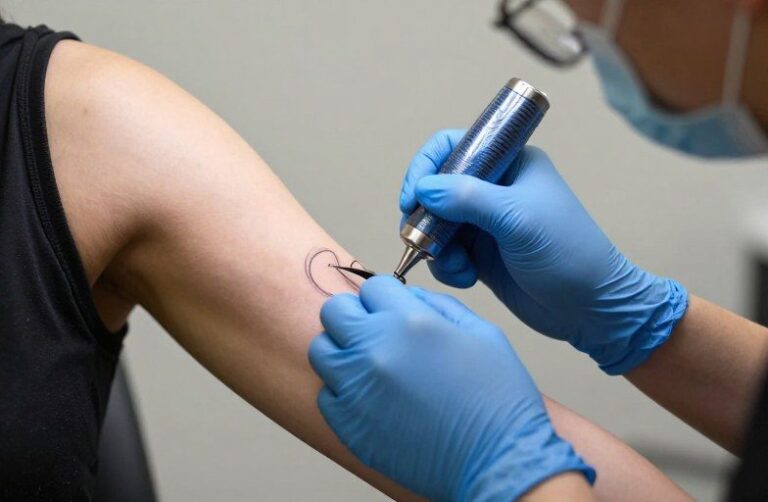
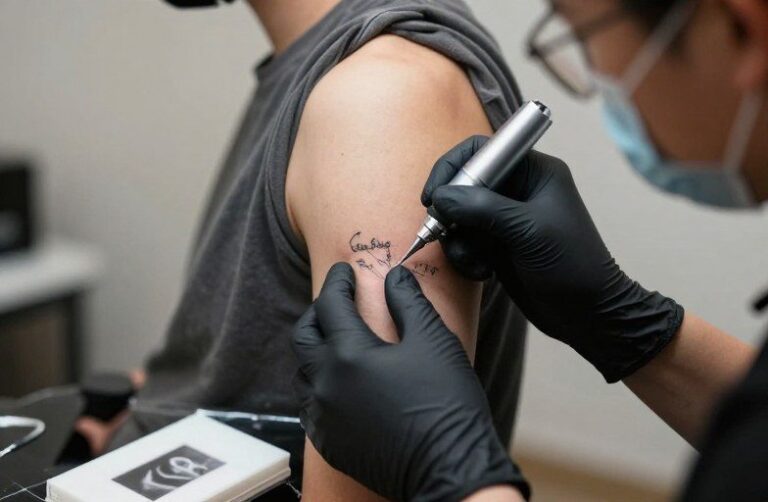
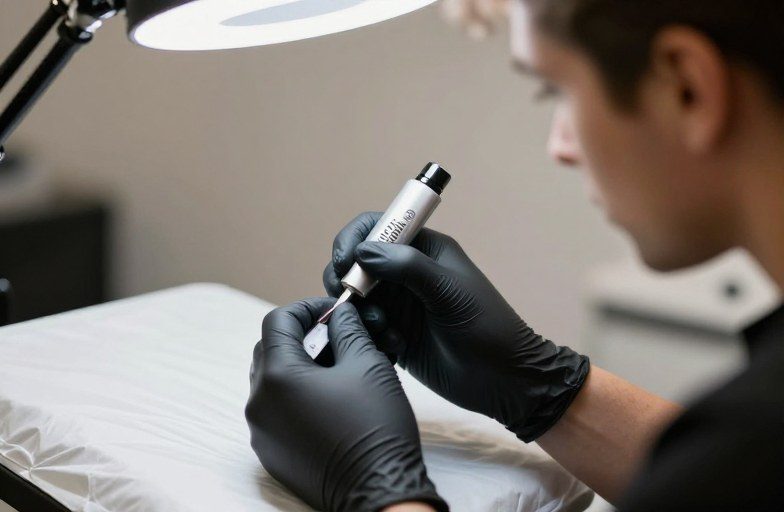
During the session, the artist wipes the area constantly. What you see mid-process is blood and plasma mixed with ink, not the final color values. Trust the process. Black looks gray when diluted; colors appear darker wet than they’ll heal.
Size, Detail, and Time
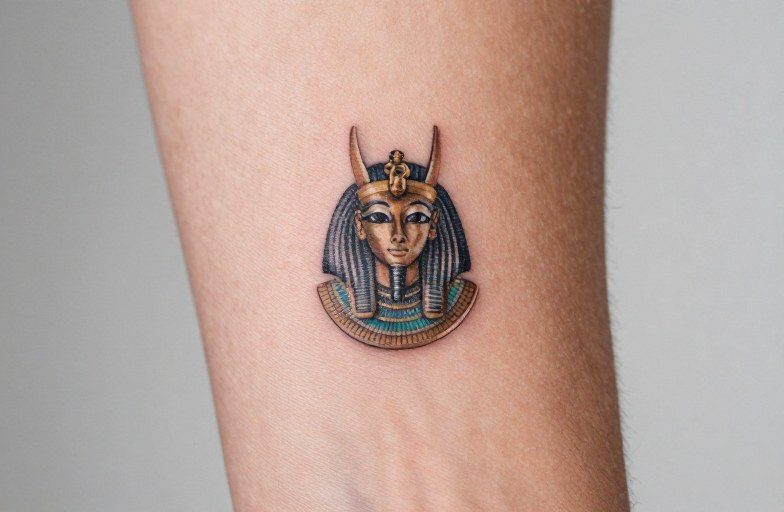
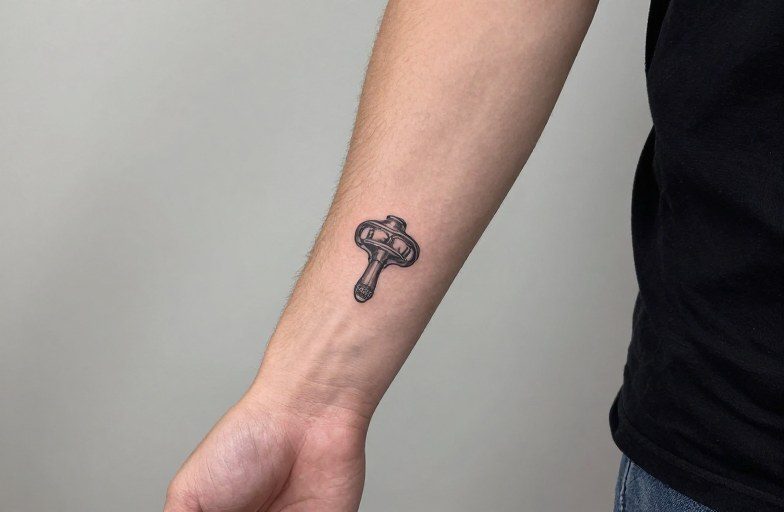
A quarter-sized tattoo with photorealistic detail is a trap. At that scale, simplify: bold outlines, limited color palette, essential shapes only. Larger pieces allow more complexity but commit more skin and more money. Most artists charge hourly ($150-$400+ depending on city and reputation) or flat rate for small work.
When to See a Professional
Designing your own tattoo from scratch without artistic training is risky. Tattoo artists specialize in translating ideas into skin-readable graphics. Their input isn’t just helpful, it’s the difference between a tattoo that works and one that doesn’t.
Red Flags in Self-Designed Work
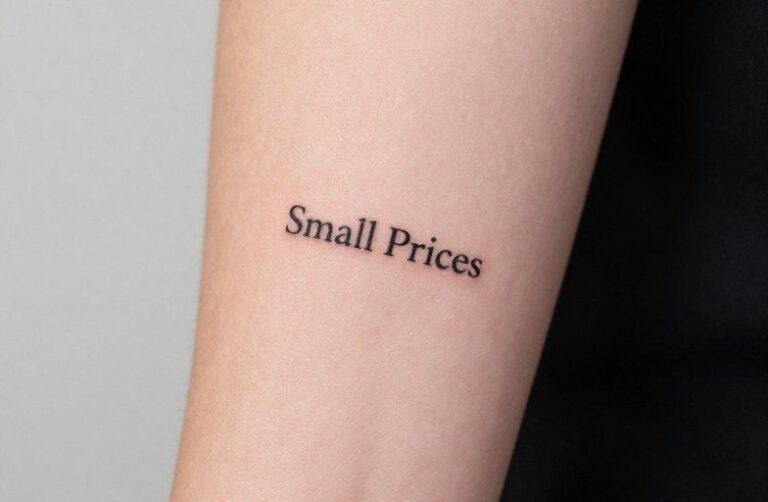
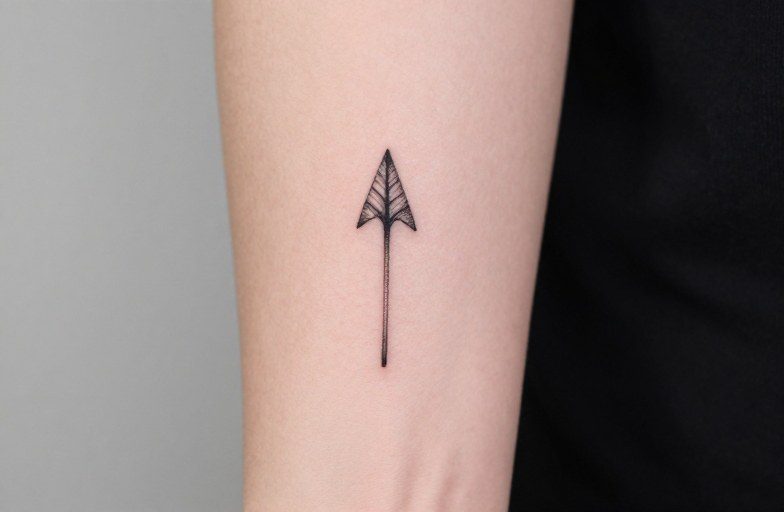
Text too small to read at arm’s length. Faces copied from photographs without stylization. Symmetrical designs that don’t account for body asymmetry. Trending styles (fine-line single needle, ornamental finger tattoos) that age poorly when done by inexperienced hands. A good artist will tell you honestly what won’t work.
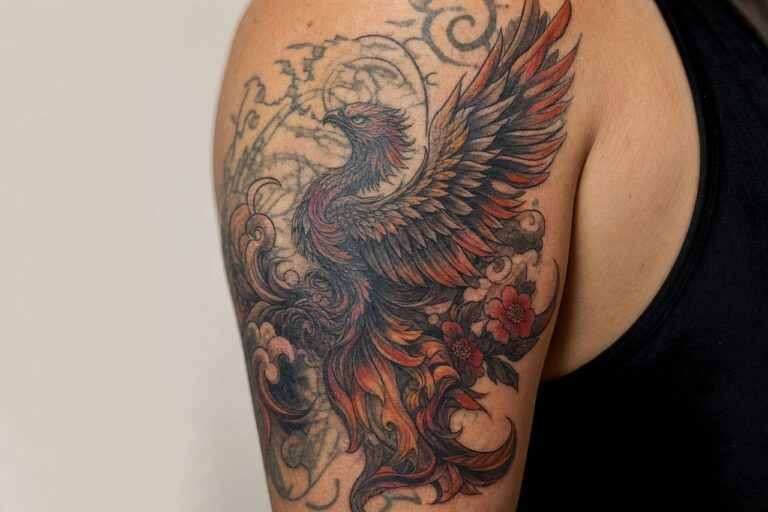
Shop for artists by style, not just proximity. Someone who crushes American traditional may struggle with Japanese irezumi. Look at healed photos in their portfolio, not just fresh work. Instagram and shop websites help, but visiting in person reveals cleanliness and professionalism you can’t assess online.
Aftercare Essentials
Aftercare protects your investment. The design you agonized over deserves proper healing. Methods vary slightly by artist preference, but core principles hold.
First 48 Hours
Remove the bandage when your artist tells you, usually 2-6 hours later, sometimes the next morning. Wash gently with fragrance-free soap, pat dry, and apply a thin layer of recommended ointment. More is not better; suffocating the tattoo traps bacteria.
- Wash hands before touching the tattoo
- Use clean paper towels, not fabric that harbors bacteria
- Keep pets away from fresh work
Long-Term Care
After peeling ends, switch to unscented lotion. Sun is the enemy of tattoo longevity; UV radiation breaks down pigment fast. SPF 30+ on exposed tattoos, always. Touch-ups are normal after healing, but good aftercare minimizes their extent. Most artists offer one free touch-up within a few months if you followed their instructions.
The Bottom Line
Designing a tattoo worth wearing means respecting the medium. Skin moves, ages, and heals in ways paper and screens don’t. Start with a concept strong enough to survive simplification, choose an artist whose healed work you trust, and commit to the process from consultation through aftercare. The best tattoos aren’t necessarily the most complex, they’re the ones designed with intention, placed with foresight, and cared for with patience. Bring ideas, listen to expertise, and you’ll end up with something that holds up for years, not just for the first photo.
Frequently Asked Questions
How small can a tattoo be before it becomes unreadable?
Most artists recommend nothing smaller than a palm for detailed work. Finger tattoos and tiny text often blur into illegibility within a few years. Bold, simple shapes hold up at smaller scales than intricate designs.
Should I bring my own drawing or let the artist design everything?
Bring references and describe what you want, but let the artist create the final drawing. They understand how to make images readable on skin, accounting for distortion, aging, and technical execution.
How do I know if an artist’s style matches my idea?
Study their healed portfolio, not just fresh Instagram posts. Look for work similar in subject, scale, and style to your concept. If they don’t have examples close to what you want, they may not be the right fit.
Can I get a tattoo over scars or stretch marks?
Yes, but the texture affects how ink sits and how the design reads. Some artists specialize in scar cover-ups. Expect the consultation to include honest assessment of what will and won’t work over your specific skin texture.