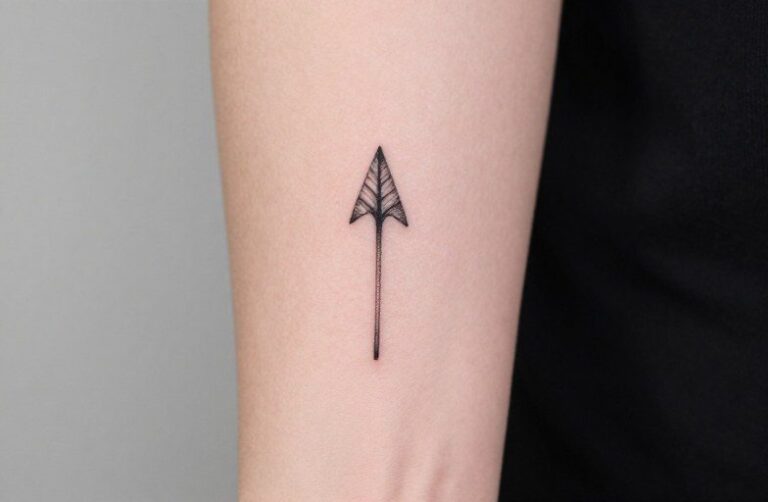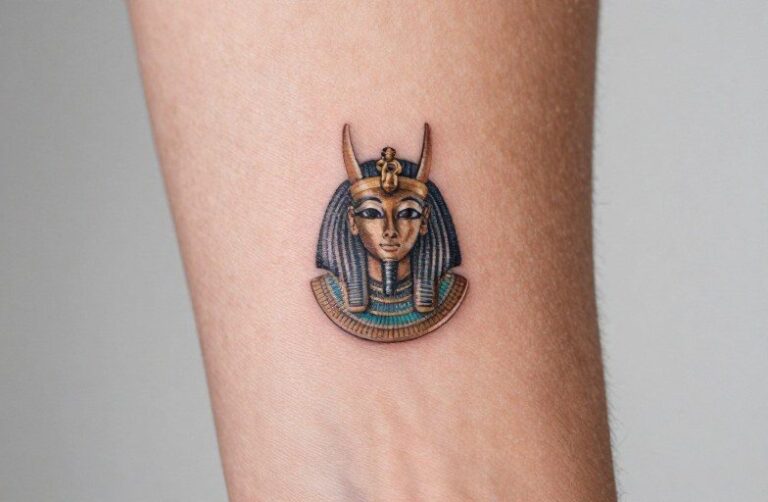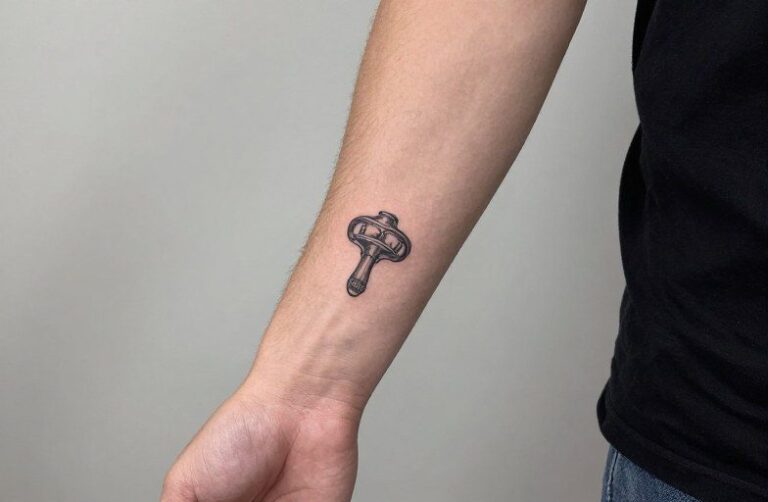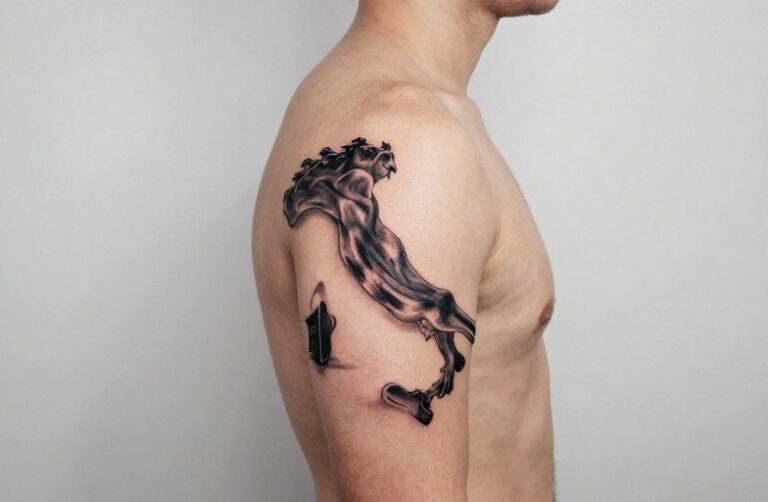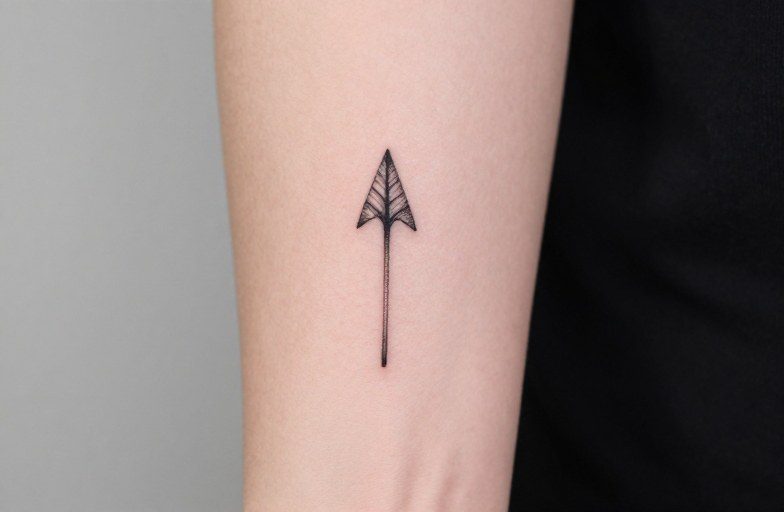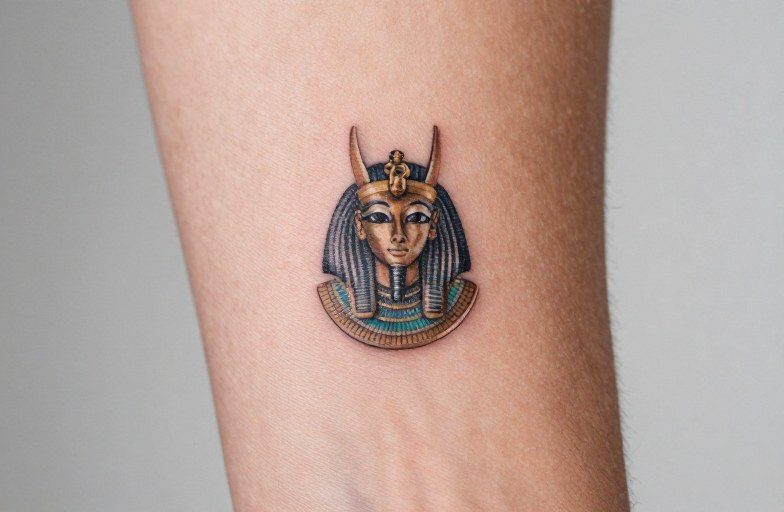
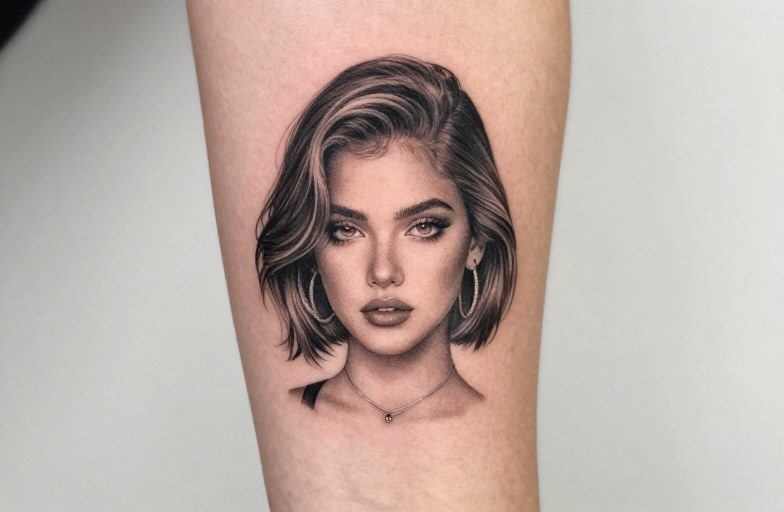
“Girly” doesn’t mean one thing. In tattooing, it covers fine-line botanicals, glitter-effect color work, fierce animal portraits, and abstract shapes that just happen to hit a softer register. The real question isn’t whether a design is feminine enough, it’s whether the placement, line weight, and color choice will hold up and still look like yours in ten years. This guide breaks down what actually works, what fades fast, and how to match your idea to a style that suits your skin and your taste.
Standout Design Ideas
Some motifs keep surfacing because they adapt well to different bodies and aging patterns. Others look dated fast. Here’s what’s holding steady in shops right now.
Botanicals That Aren’t Boring
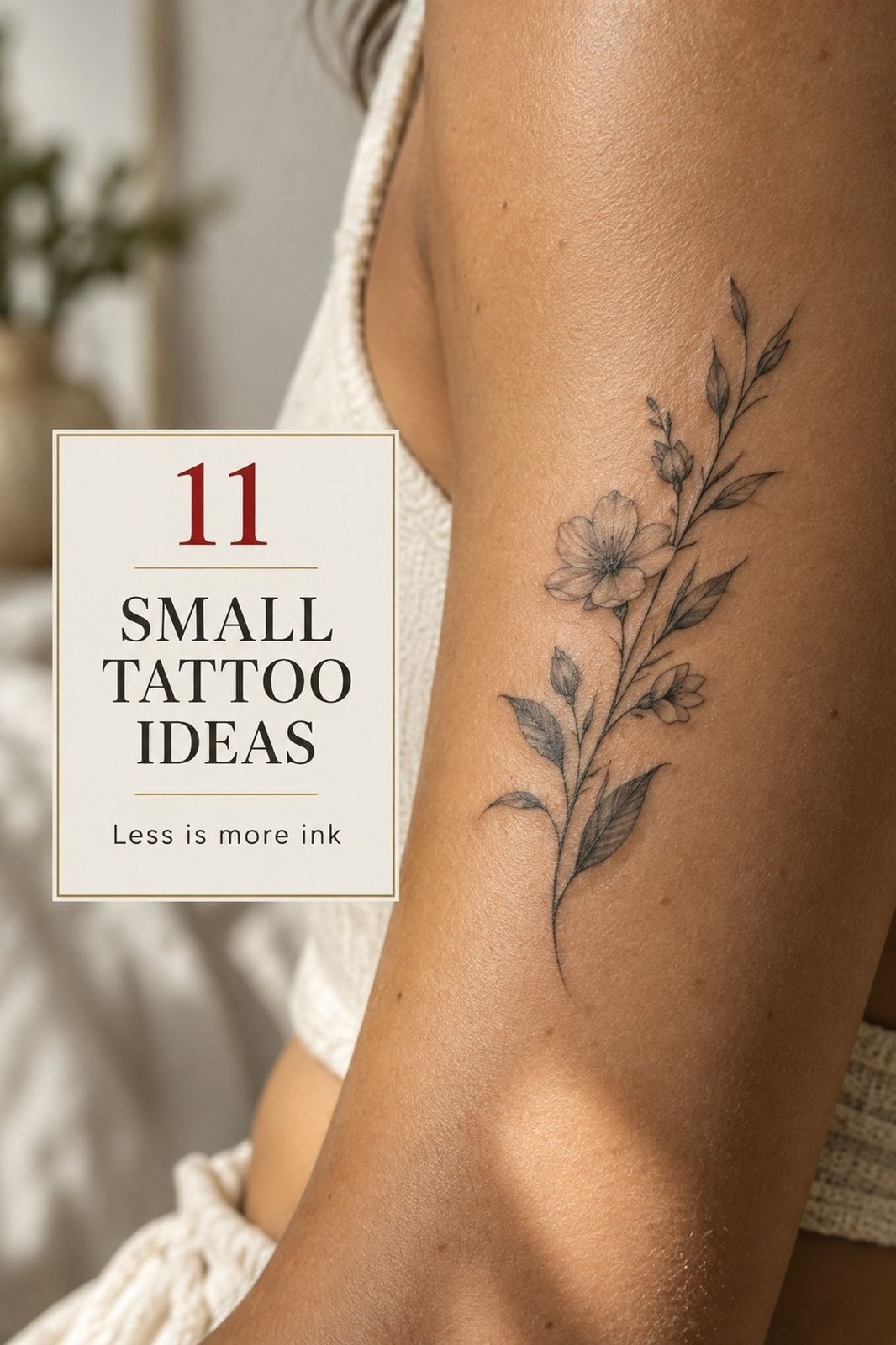
Single-stem flowers, pressed-flower compositions, and wildflower bundles translate beautifully to fine-line work. Peonies, anemones, and cherry blossoms wrap well around arms, ribs, and hips because their natural curves follow muscle flow. One detail that matters: dense petal clusters with heavy black fill can blur together over time on smaller scales. Better to let negative space breathe between layers, or shift to dotwork for shadow instead of solid black.
Leaves and vines make excellent transitional pieces. A delicate stem trailing from wrist toward elbow, or climbing from ankle to calf, gives movement without demanding a huge commitment. These work especially well as “gap fillers” later if you build a larger collection.
Animals With Personality
Butterflies remain popular for good reason, the wing shape flatters almost any placement, and the silhouette reads instantly even at small sizes. For something less expected, moths (luna, atlas, or death’s-head varieties) offer stranger, more graphic shapes. Snakes coiled through flowers or around objects create tension between soft and dangerous that many people gravitate toward.
Pet portraits in softer styles, watercolor washes, fine-line with minimal black, need experienced hands. The absence of bold outline means the artist must control value contrast through shading alone, or the image muddies within a few years.
- Butterfly: wrist, shoulder blade, hip, sternum
- Snake: forearm wrap, thigh, ribcage
- Moth: behind ear, upper arm, calf
- Cat or dog portrait: upper arm, thigh, chest (more flat surface preserves detail)
Tips for Choosing
Pinterest and Instagram are starting points, not endpoints. The image you save was designed for someone else’s body, lighting, and skin tone. Here’s how to make it actually yours.
Placement Changes Everything
A design that looks delicate on a ribcage can disappear on a thigh where skin moves more and absorbs ink differently. Areas with frequent friction, inner forearms, fingers, feet, lose fine detail fastest. If you want something truly minimal, consider the upper outer arm, back of the upper arm, or calf. These spots take ink cleanly and age slower than high-contact zones.
Curved surfaces distort flat designs. A mandala or symmetrical piece needs a relatively flat plane, sternum, upper back, thigh front, to read correctly. Wrapping a symmetrical design around a curved area breaks the geometry and usually disappoints.
Working With Your Artist
Bring references, but also describe the feeling you want. “Soft but not fragile,” “graphic but not masculine,” “vintage illustration style”, these directions help an artist translate mood into technical decisions about line weight, saturation, and composition. The best tattoos come from collaboration, not replication.
Ask to see healed photos of their fine-line or color work. Fresh tattoos look sharper and darker than they will in six months. Healed photos reveal whether their delicate lines stay crisp or blow out into fuzzy nothing.
For First-Timers
First tattoos carry extra weight, literally and psychologically. You want something meaningful but not so loaded that you’ll panic if it’s imperfect.
Start Small, Think Ahead
A small piece in a hideable spot lets you learn your pain tolerance and healing habits without commitment to visibility. The back of the upper arm, outer thigh, or upper back all conceal easily and sit in moderate pain zones. Avoid ribs, sternum, or feet for first pieces; the pain is sharper and the healing more finicky.
Choose a design that can stand alone but also connect to future work if you expand. A single flower becomes the start of a garden sleeve. A small moon can anchor a larger celestial composition later.
What Healing Actually Looks Like
First-timers often panic at normal healing. The tattoo will peel, flake, and look dull for two to three weeks. Color may seem to disappear under scabbing before resurfacing. This is standard. What isn’t normal: spreading redness, yellow discharge, or heat that increases after day three. Those warrant a doctor’s visit, not just advice from your artist.
Keep it clean, keep it lightly moisturized, and keep it out of sun and soaking water for the full healing period. Sun damage during healing causes permanent color loss that no touch-up fully fixes.
Popular Styles
Style determines how your tattoo ages as much as placement does. Each approach has distinct maintenance patterns.
Fine-line: Hair-thin lines, minimal black, often single-needle work. Looks ethereal fresh. Requires touch-ups more frequently; lines can soften or disappear entirely on some skin types. Best for people willing to maintain their work.
Illustrative: Slightly bolder outlines than fine-line but still detailed, with controlled shading. Holds up better over time without going fully traditional-bold. Good middle ground for botanicals and animals.
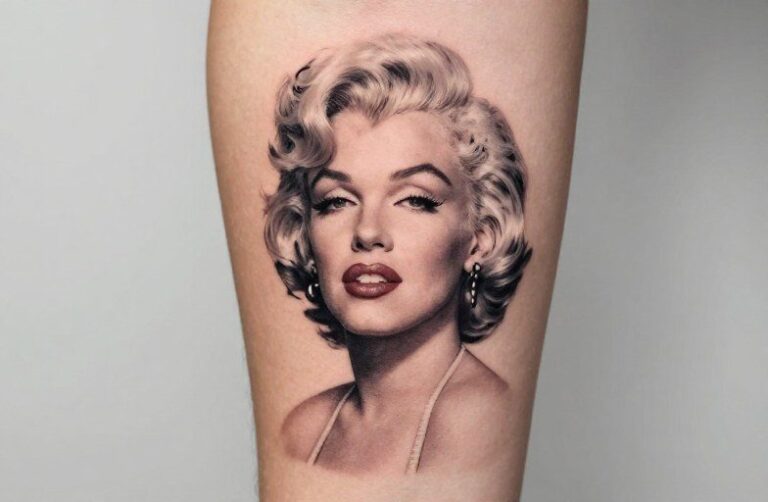
Black and grey: No color, all value. Ages exceptionally well. Can read as softer than bold color work depending on subject matter. Roses, portraits, and ornamental designs all translate beautifully.
Glitter/shimmer effects: Strategic white highlights and color gradients that mimic reflective surfaces. Very trend-dependent. White ink yellows or disappears on many skin tones. Consider whether you’ll still want this look in fifteen years.
- Fine-line: ethereal, high maintenance, best on smooth skin areas
- Illustrative: balanced detail and longevity
- Black and grey: timeless, low color-fade risk
- Color realism: stunning fresh, requires sun protection discipline
Size & Scale
Detail has a minimum size. A face with recognizable features needs roughly two inches of height minimum. A flower with layered petals needs room for those layers to read as distinct shapes, not a blob.
Going Tiny
Micro tattoos, under one inch, are having a moment. They work for simple symbols, single letters, or minimal silhouettes. They fail for anything requiring texture, shading, or multiple elements. A “tiny but detailed” request is a contradiction. Choose which matters more: the size or the information.
Single-needle work allows finer detail than standard three-needle groupings, but not infinitely. Even the best single-needle lines spread slightly over time. What looks crisp at six months may need refreshing at three years.
Scaling Up
Larger pieces allow negative space, which is what keeps tattoos readable as they age. A big floral on a thigh with open background reads cleaner in ten years than a dense half-sleeve where every inch is filled. Skin needs room to breathe, both aesthetically and biologically, inked skin doesn’t tan, sweat, or shed exactly like bare skin, and overworked areas heal poorly.
Color Choices
Color selection affects longevity and visibility on your specific skin tone. This isn’t about “what looks good on you” in a fashion sense, it’s about how pigment interacts with melanin.
What Fades and What Holds
Yellow and light green fade fastest across all skin types. They require the most maintenance and sun protection. Deep blues, blacks, and dark reds hold longest. Purple varies by pigment brand; some shift brownish over time.
On deeper skin tones, high-contrast designs work better than pale washes. A pastel watercolor effect may disappear entirely as the natural skin tone dominates. Bold, saturated colors with defined edges create more reliable results. This doesn’t mean limiting yourself, just adjusting saturation and contrast upward.
Skin Tone as Canvas
Your artist should understand how their pigments heal in skin similar to yours. Ask specifically; not every portfolio shows healed diversity. Some shops specialize in working with melanin-rich skin and have developed approaches for color vibrancy that others haven’t bothered to learn.
White ink is unpredictable. It can heal to a subtle raised scar, yellow, or disappear entirely. Some artists use it only for highlights over other colors, never as standalone elements.
The Takeaway
“Girly” tattoos deserve the same technical rigor as any other work, maybe more, since the fine-line and delicate styles popular in this space are harder to execute and maintain than bold traditional pieces. The best results come from matching your aesthetic preference to a style that actually works for your chosen placement, skin type, and willingness to protect the piece long-term. Bring references, ask about healed work, and trust an artist who questions your choices constructively rather than saying yes to everything. A tattoo should feel like yours because the decisions were yours, not because the Pinterest algorithm decided for you.
Frequently Asked Questions
Do fine-line girly tattoos last as long as bolder styles?
Fine-line work fades faster and may need touch-ups every few years, especially on high-movement areas. The trade-off is a softer, more delicate look that many people prefer despite the maintenance.
What’s the best placement for a first girly tattoo that stays hidden?
The upper outer arm, upper back, or outer thigh conceal easily under clothing, heal relatively smoothly, and provide flat surfaces that preserve detail better than curved or high-friction spots.
Can I get a watercolor-style tattoo without it looking muddy later?
Watercolor effects need bold anchor points, strong linework or dense dark areas, to prevent the color washes from blurring into indistinct patches as they age. Ask your artist how they structure these pieces for longevity.
Why do some colors disappear on darker skin tones?
Lighter pigments like pastels and yellows lack the saturation to remain visible against melanin-rich skin. Deeper, more saturated colors with stronger contrast against your natural tone create more reliable, long-lasting results.