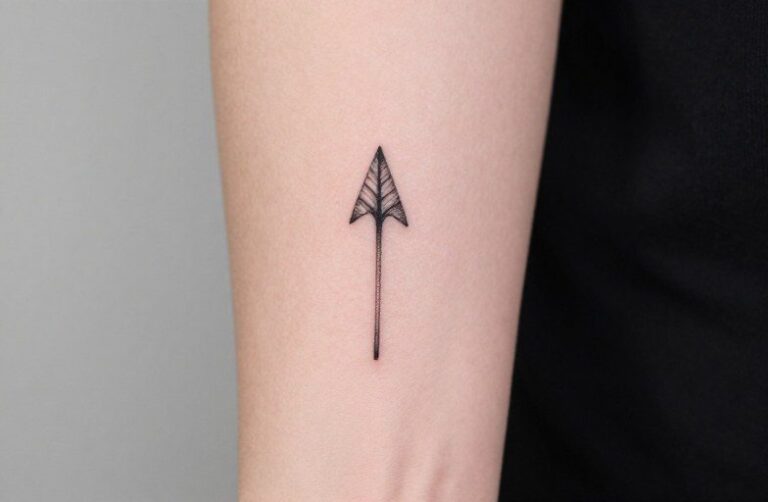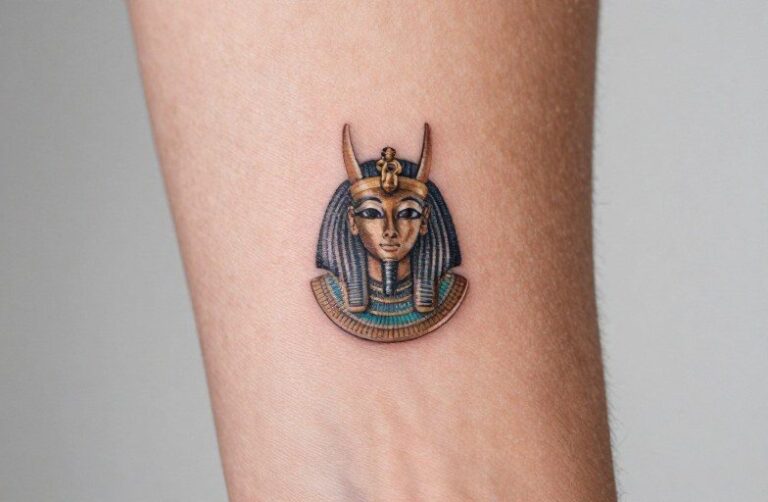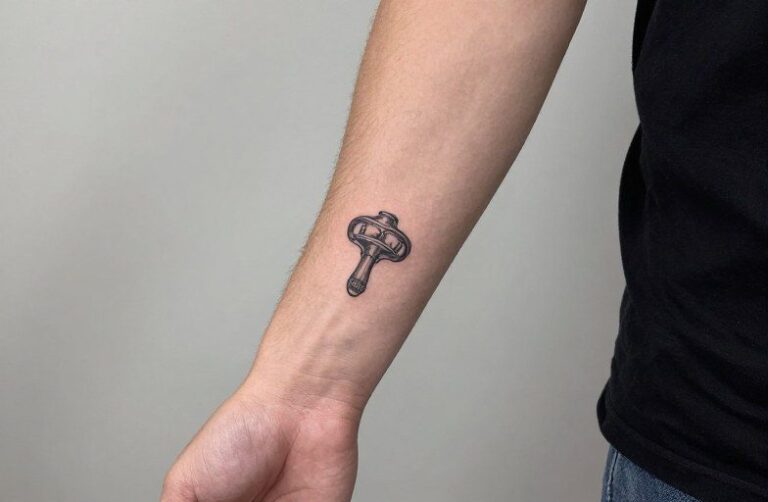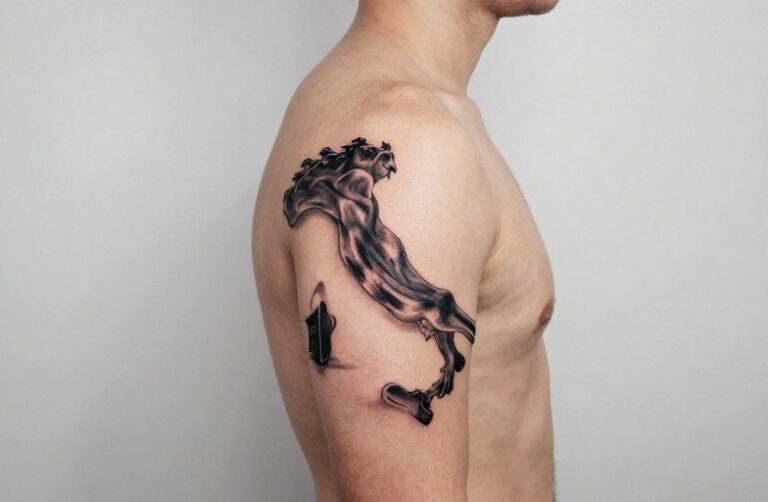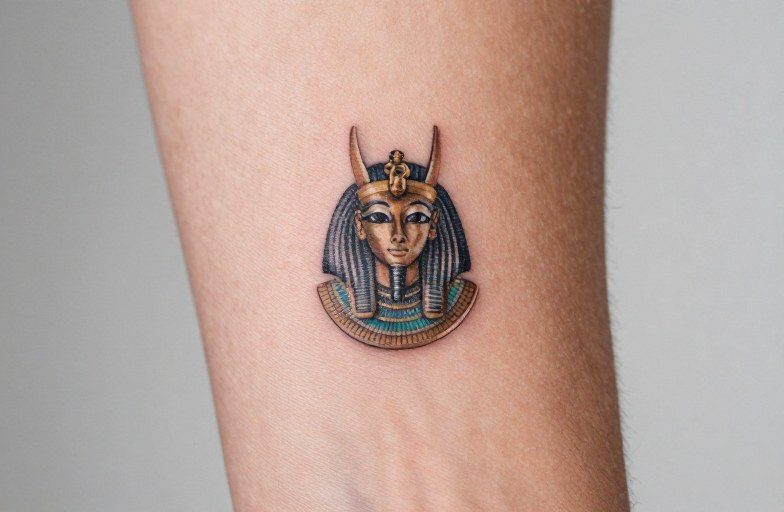
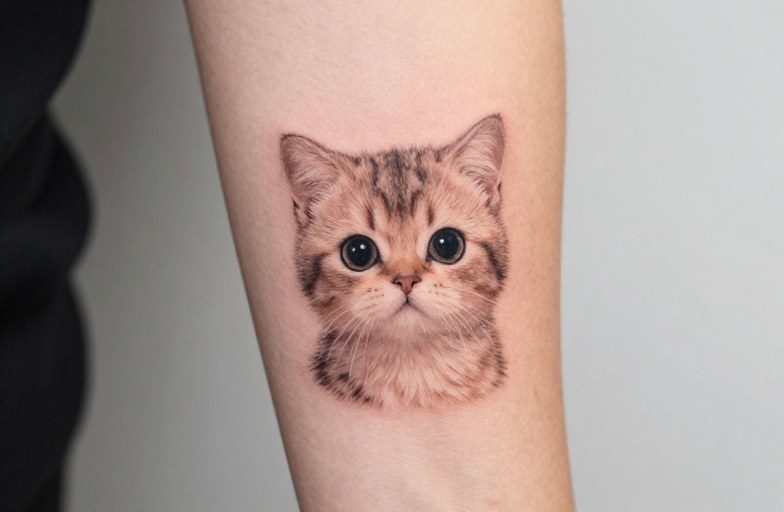
Cute tattoos walk a fine line. Go too soft and they turn saccharine; nail the balance and they become quietly magnetic. The best designs usually share three traits: small scale, clean execution, and some personal twist that keeps them from looking like sticker sheets. Here is how to think about where cute works best, how to pair designs, what styles hold up, and the practical realities of living with something sweet on your skin.
Where to Place Small Work
Cute imagery thrives in spots where it can peek out or stay hidden at will. The placement changes how the design reads. A cherry blossom behind the ear carries completely different energy than the same flower on the thigh.
High-Visibility Spots
Behind the ear, the inner bicep, and the collarbone edge frame small designs beautifully. These areas suit single elements: a small strawberry, a sleeping cat face, a balloon on a string. Line work needs to be immaculate here. Any wobble shows immediately, and touch-ups are awkward because of thin skin and proximity to lymph nodes.
The wrist and ankle remain classics for good reason. They accommodate one to two inch designs comfortably, and the natural movement of these joints gives tattoos subtle animation. A small bird on the wrist seems to shift when you gesture; a bow on the ankle flickers with each step. Both spots show sun easily, so plan for SPF commitment or expect fading within a few years.
Hidden or Semi-Private Areas
Ribcage side panels, the hip crest, and the back of the upper arm offer more canvas without broadcasting your business. These placements suit slightly larger cute compositions, perhaps a small bouquet rather than a single flower, or a constellation of stars trailing along a curve. Healing is generally easier here; less friction from clothing and less sun exposure during the initial weeks.
The finger and hand trend continues, but with caveats. Palm-side ink falls out aggressively; top-of-finger designs blur within two to five years for most people. If you want a small heart or star there, accept it as temporary body art and budget for refreshes.
Matching and Pairing Ideas
Two small tattoos often work harder than one. The relationship between them creates narrative tension, something cute tattoos can genuinely use, since single sweet images sometimes flatten into pure decoration.
- Split designs: One half of a peach on each wrist, completing when you press your palms together. Same with two halves of a broken cookie, a torn love letter, or interlocking puzzle pieces.
- Echo shapes: Same motif, different expressions, smiling sun on one ankle, sleeping moon on the other. Two cats in different poses. Matching strawberries, one bitten.
- Sequential pairs: A small seed on one wrist, a blooming flower on the other. A closed book and an open one. These work especially well for sisters or close friends who want connected but not identical ink.
Placement symmetry matters less than visual rhythm. Two tattoos at different heights, one behind the ear, one on the ribcage, can feel more organic than mirror-matched ankles. The eye travels, and asymmetric pairing keeps it moving.
What Is Moving Through Shops Now
Cute tattoo directions shift quickly. What feels fresh now may look dated in five years, so consider whether that matters to you. Some patterns I have been seeing:
Micro-Realism Gone Soft
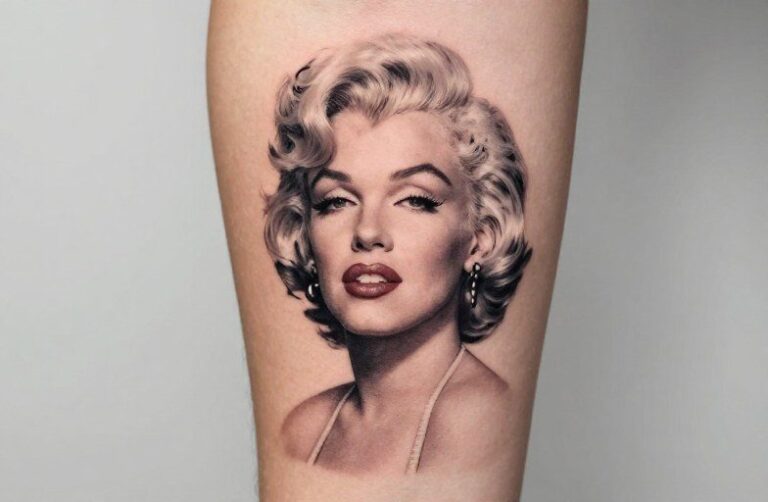
Extremely small, soft-focus portraits of pets, babies, or sentimental objects. These require artists who specialize in single-needle or 3RL work. The catch: micro-realism ages poorly. Details blur, contrast drops, and what reads as soft at year one becomes muddy at year eight. If you choose this route, keep it slightly larger than you think, quarter-sized minimum, not dime-sized.
Retro Kawaii and Y2K References
Hello Kitty adjacent without the copyright infringement: chunky stars, flip phones, small purses, bubble letters, and nineties snack foods. These work best in bold line work with limited color palettes. The graphic quality helps them age better than softer, more rendered approaches. Think sticker aesthetic, not airbrush.
Botanical cuteness persists, mushrooms with faces, small watering cans, seed packets with little sprouts. These bridge cute and nature-tattoo territory, which helps them feel less locked to a moment.
Styles That Carry It Naturally
Not every tattoo style can handle cute without cringing. These three carry it well:
Traditional Americana: Bold outlines, limited shading, saturated color. Hearts, swallows, roses, and banners all read as cute when scaled down. The heavy line weight gives them staying power. Traditional small tattoos often look better at year ten than delicate single-needle work.
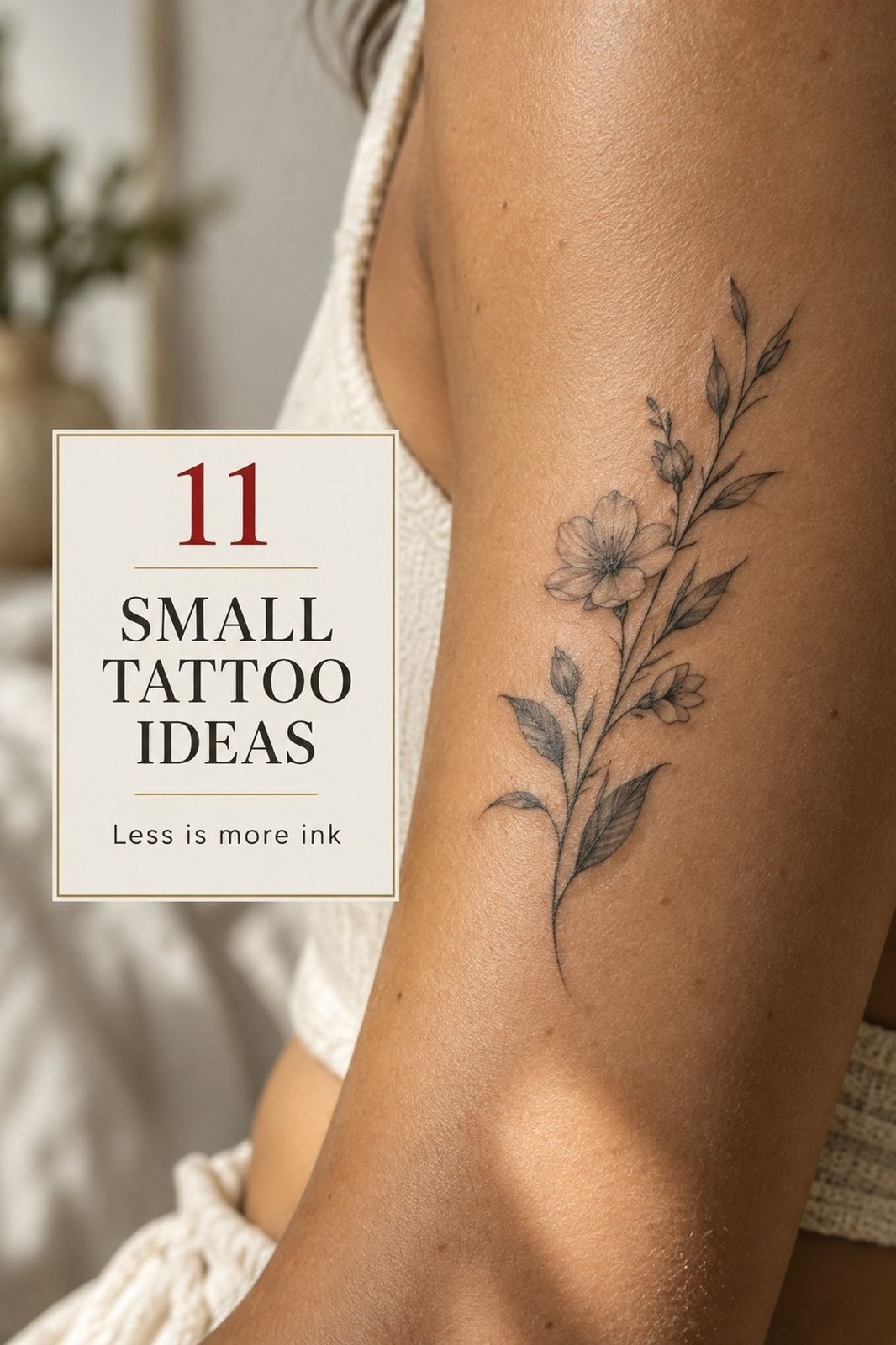
Fine Line: Hair-thin strokes, minimal black, airy composition. This is where most cute tattoos live now. The risk is real: lines spread, graywash fades to invisibility, and what looked ethereal becomes indistinct. Choose an artist with proven long-term results in their portfolio, not just fresh photos.
Hand-Poked: No machine, dot-by-dot or single-needle line construction. The slightly irregular quality suits cute imagery, imperfect hearts, wobbly stars, naive flowers. Healing tends to be gentler, and the aesthetic reads as intentional craft rather than mistake.
Watercolor and cute rarely mix well long-term. The soft bleeding edges that look dreamy fresh become bruised and indistinct as they settle. If you want color, consider limited blocks within defined outlines rather than free-floating washes.
How to Make It Yours
The difference between a cute tattoo you keep loving and one you cover is specificity. Generic sweetness expires fast.
Start With Objects, Not Symbols
A heart is generic. The specific heart-shaped locket your grandmother wore, with its particular clasp and chain weight, is personal. A cat is generic. Your actual cat’s asymmetric face, the way one ear flops, specific. The more you can describe concrete visual details, the more your artist can translate sentiment into image without relying on cliché.
Color as Memory
Specific color associations anchor cute tattoos. The exact mint green of your childhood kitchen. The faded red of a particular sweater. These are not favorite colors; they are memory triggers. Even in black and gray work, referencing a specific tone through shading density can evoke the same association.
Consider negative space deliberately. A small cloud shape left un-inked, letting your skin tone become the white of a design. A small window with nothing inside but your own flesh. These quiet choices personalize without adding busy detail.
The Realities of Size
Small cute tattoos face physical constraints that bigger work does not. Understanding them prevents disappointment.
Minimum readable size for most cute imagery: about 1.5 inches in the longest dimension. Below that, details merge and lines blur together. A face needs enough space for two eyes, a nose, and a mouth with actual gaps between them. A small animal silhouette can go smaller, perhaps 0.75 inches, because it relies on overall shape, not interior detail.
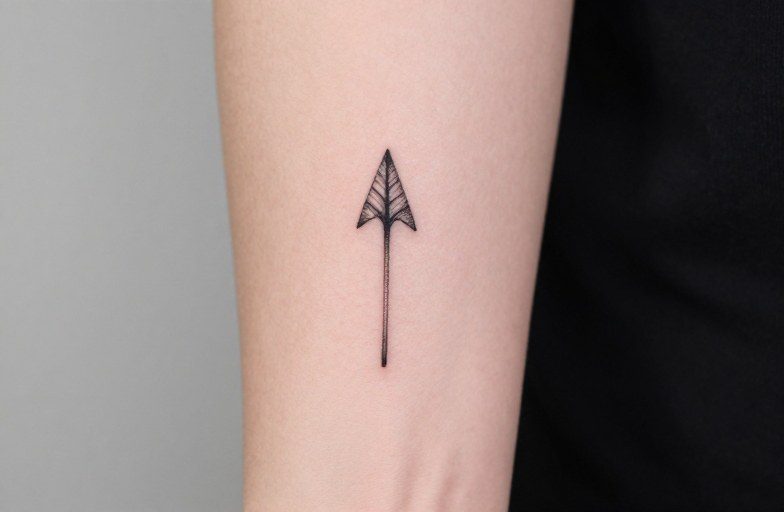
Line weight must scale with size. A three-inch tattoo can carry varied line weights; a one-inch tattoo needs consistent, slightly heavier lines to hold. Single-needle work at micro sizes often disappears into skin texture within a few years. Ask your artist specifically about their approach to longevity at your chosen size.
Clustering multiple small elements can solve scale issues. Five small stars scattered across a shoulder reads as intentional constellation; one star at the same size looks like a testing mark or a mistake. Grouping gives permission for smallness.
Consider how the tattoo will sit within your body’s larger landscape. A two-inch tattoo on a five-foot-ten frame carries differently than on a five-foot-two frame. Proportion matters more than absolute measurement. Bring reference objects to your consultation, stickers, coins, actual-size printouts, to discuss scale in physical terms.
What to Remember
Cute tattoos reward the same approach as any good tattoo: clear concept, appropriate scale, skilled execution, and honest assessment of how you will live with it. The sweetness should feel earned, not default. Choose placement that suits your actual life, how you dress, how you move, how much sun you realistically avoid. Pick style and artist based on their proven results in small work, not just their general portfolio. Build in some personal specificity from the start, so the cuteness has somewhere to land beyond generic charm. Done well, these small pieces become part of your vocabulary, not a language you borrowed and forgot.
Frequently Asked Questions
Do cute tattoos age worse than serious ones?
Not inherently. The risk comes from the fine-line techniques often used for cute work, not the subject matter. A bold traditional heart will outlast a delicate single-needle fairy. Style and line weight matter more than imagery.
How do I find an artist who specializes in small cute tattoos?
Look for healed photos in their portfolio, not just fresh work. Ask specifically about pieces they have seen at two years and five years. Any skilled artist should be able to discuss how their approach changes for very small scale.
Are matching tattoos with a friend a bad idea?
Not if the design holds meaning beyond the relationship. Choose imagery you would want regardless, with the connection as a layer rather than the entire foundation. Sequential or split designs work well because they function independently.
What colors last best in small cute tattoos?
Black and dark blue hold longest. Reds and purples fade moderately. Pastels and neons require the most maintenance. If you want soft color, consider limiting it to accents within a primarily black design.