The back is the largest canvas on the body, and that scale changes everything about how a tattoo reads. A design that works on a wrist or shoulder often needs complete rethinking when it stretches across shoulder blades, flows down the spine, or wraps the lower back. Women specifically face unique considerations here: how the piece interacts with bra straps, how pregnancy might shift lower back skin, whether you want something visible in a backless dress or completely hidden. These aren’t afterthoughts. They shape the design from the first stencil.
Color Choices
Back skin behaves differently than arms or legs. It sees less sun historically, so ink stays punchy longer, but the constant movement of shoulders and torso means lines and color fields stress differently. Your color strategy needs to account for both.
Working With Black and Gray
Black and gray back pieces age with remarkable dignity. The large surface area lets an artist build subtle gradations that would be impossible on smaller placements. Smoke, mist, negative-space highlights, and soft shading all read beautifully across shoulder blades or down the spine. One caveat: solid black fills on the lower back can blur faster here due to the constant flexing and sitting compression. If you want dense black in that zone, expect touch-ups.
When Color Makes Sense
Bold color on the back demands commitment to sun protection, but the payoff is real. Jewel tones, deep emerald, sapphire, burgundy, hold exceptionally well on back skin because of lower baseline UV exposure. Pastels and watercolor-style washes are trickier; they fade to a muddy haze within five to seven years without obsessive care. If you love that aesthetic, plan for refreshes. One reliable approach: anchor the composition with strong black linework, then lay color inside those boundaries. The structure survives even as the color mutes.
Popular Styles
Certain styles have proven themselves on women’s backs through years of healed results. These aren’t trends; they’re approaches that solve the specific problems of this placement.
Ornamental and Lace-Inspired
Delicate linework mimicking lace, mandala geometry, or filigree spreads beautifully across the upper back and shoulders. The symmetry of the back lends itself to centered designs. What separates lasting ornamental work from trendy fluff is line weight variation, hair-thin details need slightly heavier outlines nearby to provide visual anchor. Purely single-needle work across a large area often ages to a soft gray blur. Ask your artist about mixing needle groupings.
Botanical and Nature Themes
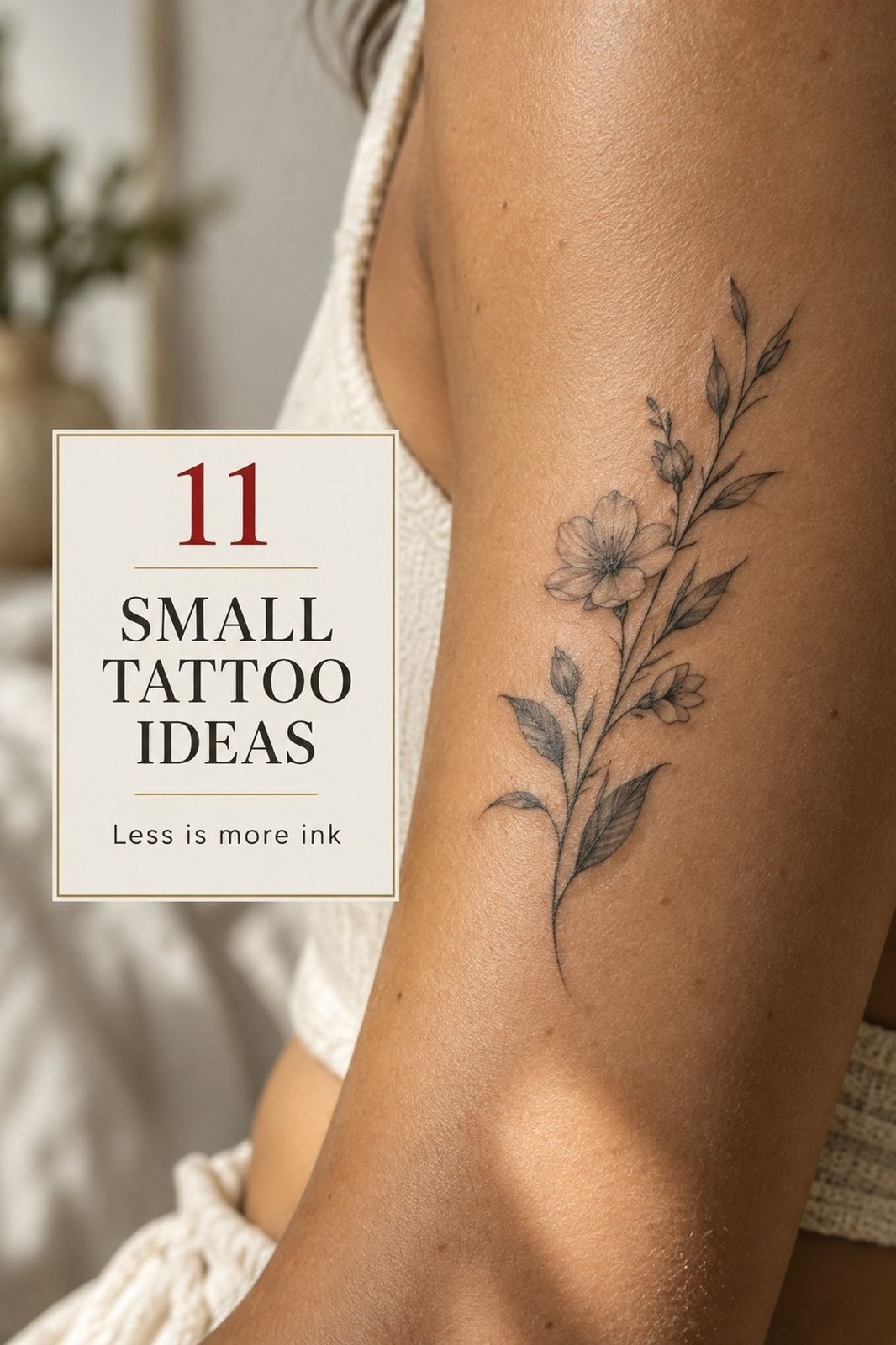
Vines climbing the spine, a single large flower between shoulder blades, or a spray of wildflowers trailing down one side, these designs follow the body’s natural lines rather than fighting them. Leaves and stems can be elongated to cover specific areas you want to emphasize or minimize. A skilled artist will use the direction of growth to guide the eye, not just decorate space.
- Single large bloom: best centered between shoulder blades or slightly offset for asymmetry
- Trailing vines: follow the spine or curve along the ribcage attachment on the back
- Full back garden scenes: require multiple sessions, plan for 15-40 hours depending on complexity
Matching & Pairing Ideas
Back pieces don’t exist in isolation. They interact with whatever else you have or might get.
Matching sister tattoos or couple pieces on the back work best when they’re mirror images rather than identical copies, one person gets the left half of a design, the other the right, so they complete each other when standing side by side. For existing arm or side pieces, a back tattoo can be designed to “answer” those compositions, creating visual conversation across the body. A sleeve with cool tones might be echoed in a back piece with similar palette but different subject matter.
Pairing with jewelry is another layer. A nape piercing or chain back-piece (the jewelry that drapes across the upper back) can either complement or compete with a tattoo. Generally, simpler jewelry lets complex tattoos shine; minimal linework tattoos can handle more elaborate jewelry.
How to Personalize It
Personalization doesn’t mean slapping a birthdate under a generic butterfly. It means building the design from elements that actually matter to you.
Integrating Text and Script
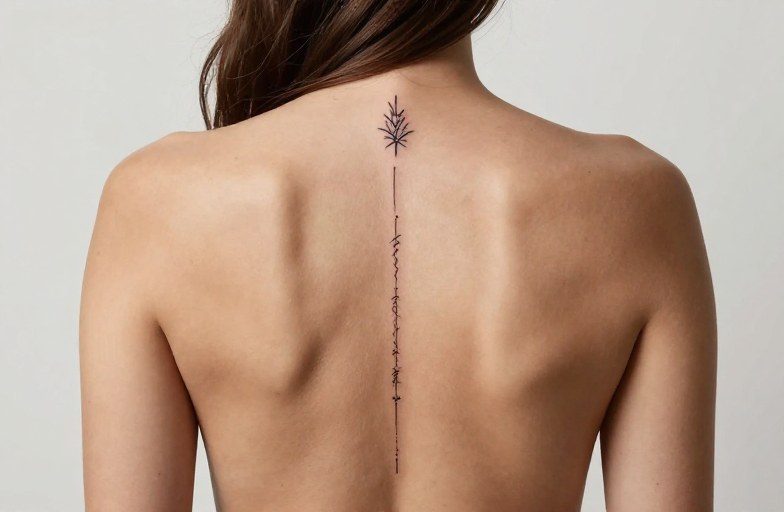
Script on the back is notoriously difficult to place well. The spine curves. Shoulder blades move. What looks straight standing still distorts when you reach for something. Vertical script along the spine works only if the lettering is sized to the space between vertebrae, too wide and it wraps awkwardly. Horizontal phrases across the upper back need to sit above the bra line or be designed to incorporate that strap path. Consider languages you actually read; the number of misspelled foreign phrases I’ve seen corrected in cover-ups is depressing.
Symbolic Elements That Hold Up
Constellations from a meaningful date, coordinates in minimal numerals, or abstracted forms of animals or objects you connect with, these integrate into larger compositions better than literal portraits or logos. A constellation can become the center of a mandala. Coordinates can hide in the negative space of a floral design. The personal element becomes a discovery rather than a billboard.
For First-Timers
The back is not the gentlest introduction to tattooing, but it’s manageable with the right approach.
Pain varies dramatically by zone. The upper back over muscle (deltoid area, upper traps) is moderate, steady but manageable. The spine itself, the shoulder blades where bone sits close to skin, and the lower back flanks (love handle area) all spike significantly. Rib-adjacent back skin is some of the most sensitive on the body. If you’re nervous, start with a smaller piece in the upper back rather than committing to a full spine or lower back session.
Healing a back tattoo presents logistical challenges. You can’t see it without mirrors. Sleeping is awkward for two weeks, many clients set up a nest of pillows to stay slightly side-sleeping or stomach-sleeping. You’ll need help applying aftercare for the first few days. Plan for loose, dark clothing; back pieces weep and stain fabrics. The friction from car seats and office chairs is real; a standing desk or planned breaks help enormously for lower back work.
Best Placements
Placement determines not just aesthetics but longevity and visibility.
Upper Back and Nape
Between the shoulder blades, below the neckline, above the bra strap, this is the classic placement for a reason. It’s visible when you want it to be, hidden easily, and the skin here ages relatively well. Designs here should be oriented for viewing from behind, not for how you see them in a mirror. That means text reads normally to someone standing behind you, which feels backwards when you’re designing it facing a mirror.
Spine and Lower Back
The spine offers dramatic vertical composition possibilities. A narrow, elongated design following the vertebrae can be stunning. However, spine skin is thin, bony, and prone to blowout (ink spreading under the skin). Artists need to work shallow and precise. Lower back tattoos, often unfairly maligned, actually work beautifully when they’re designed for the specific curve and movement of that area rather than being shrunken versions of upper back designs. The key is embracing the horizontal flow rather than fighting it.
- Full back: requires serious commitment, best planned as a cohesive piece rather than accumulated patches
- Side-back (flank to spine): follows the body’s natural curve, excellent for organic flowing designs
- Under-breast extension to back: connects torso and back, requires careful planning with any existing chest work
Final Word
A back tattoo is a long game. The design you love at twenty-five needs to still make sense at fifty, when skin texture changes and personal style evolves. The best back pieces I’ve watched age well share common traits: strong structural bones in the design, color choices that don’t depend on trend cycles, and placement that respects how the body actually moves and lives in clothes. Work with an artist who asks about your bra strap path, your typical sleeping position, your sun habits. Those practical questions separate someone who understands this canvas from someone who just wants to stencil and go. The back deserves more than that.
Frequently Asked Questions
How much does a full back tattoo typically cost and how many sessions does it take?
Full back pieces usually run $2,000-$8,000+ depending on artist rates and complexity. Most require 15-40 hours across multiple sessions, often spaced 3-4 weeks apart for healing. Large solid blackwork finishes faster than detailed color realism.
Will a back tattoo stretch if I get pregnant or gain weight?
The lower back and flank areas stretch most significantly during pregnancy. Upper back and shoulder blade placements are relatively stable. If you’re planning pregnancy, consider waiting on lower back work or choosing designs that can accommodate some distortion.
Can I wear a bra after getting a back tattoo?
You’ll need to avoid anything tight or rubbing across the fresh tattoo for 2-3 weeks. Many clients go braless, use soft bralettes, or position bandeau styles carefully. Your artist can mark safe zones during the stencil phase.
How do back tattoos age compared to arm or leg tattoos?
Back tattoos generally age better due to less sun exposure, but the constant movement of torso skin can blur fine details over time. Bold lines and adequate spacing between elements last longer than dense single-needle work in this location.