Staring at a blank Pinterest board won’t summon the right design. What actually helps is narrowing the field: placement first, then style, then the specific image. Below is a breakdown of how different tattoo ideas function across those three axes, with enough concrete detail to move you from “something cool” to a design that works on your specific body.
Trending Variations
What’s circulating in shops right now isn’t the same as what photographs well online. The gap between those two things matters.
Micro-Realism vs. Micro-Illustrative
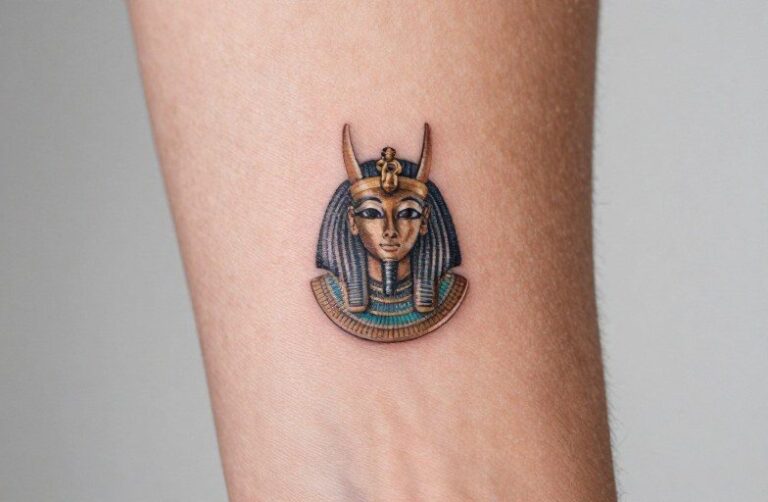
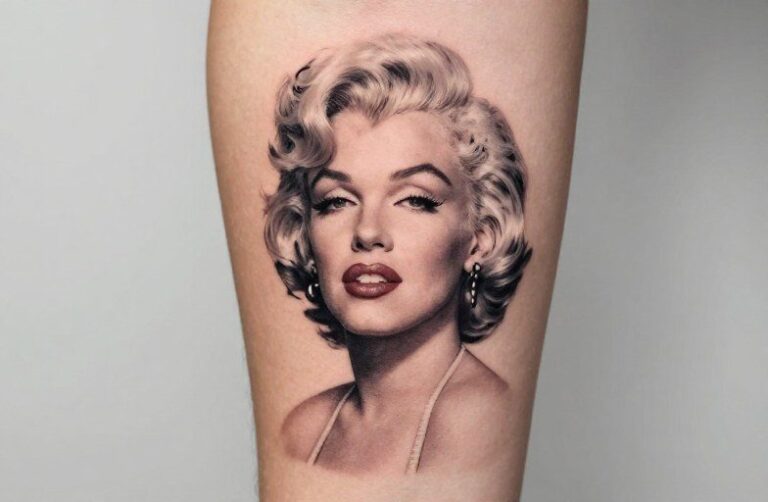
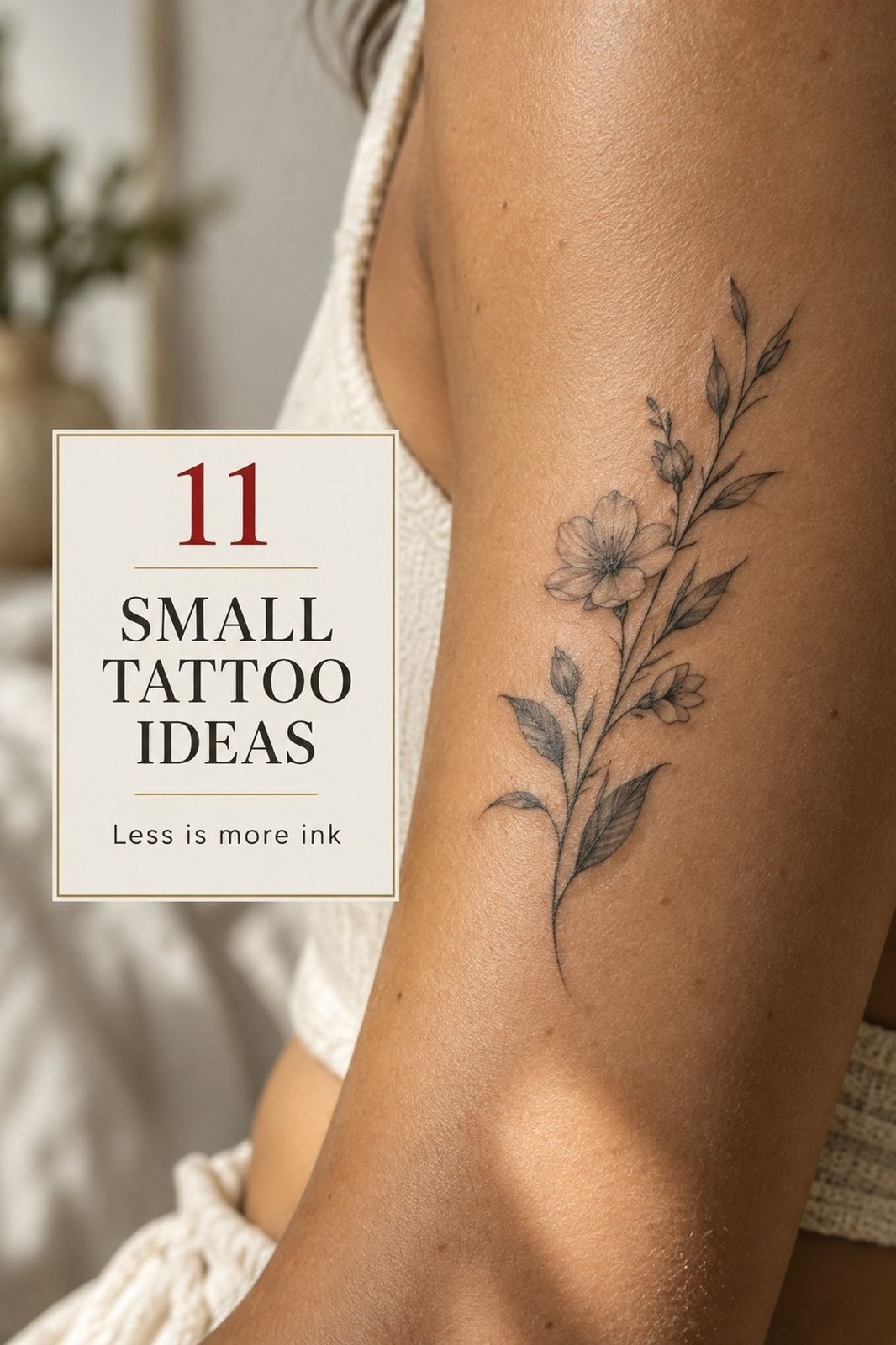
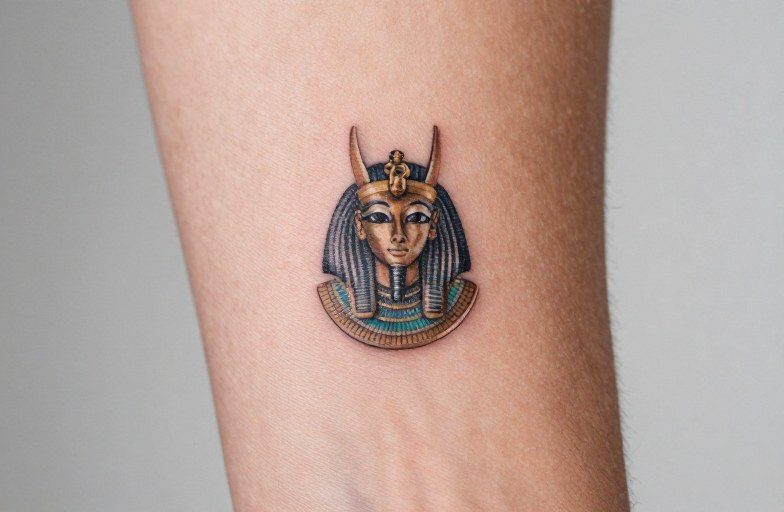
Micro-realism, tiny portraits, single flowers, insects at actual size, requires a needle grouping of 3RL or smaller and a hand that doesn’t shake after hour three. The catch: these blur faster than larger work because there’s less ink total, less skin holding it, and more chance of blowout from dense detail crammed into a small space. Micro-illustrative, by contrast, uses bolder lines and limited shading. It holds up better at 2-3 inches but reads more like a drawing than a photograph. Choose based on how close you expect people to get.
Ornamental and Decorative
Armbands are back, but not the tribal of the 90s. Think filigree, botanical wraps, negative-space geometry. These work best when they follow the muscle flow, deltoid to bicep, or wrapping the forearm with the design’s weight sitting on the outer face. A common mistake is making the band perfectly horizontal; the body isn’t flat, so the tattoo shouldn’t read as a sticker.
Size & Scale
Scale determines not just price and session count, but what the design can actually do.
Small Pieces That Work
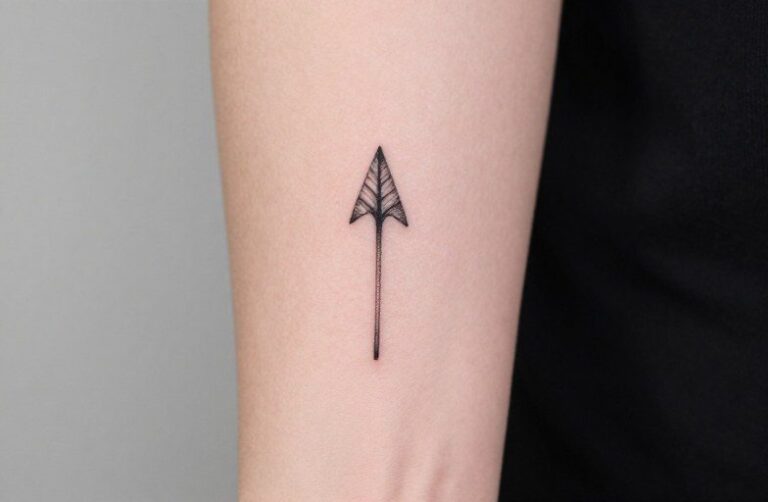
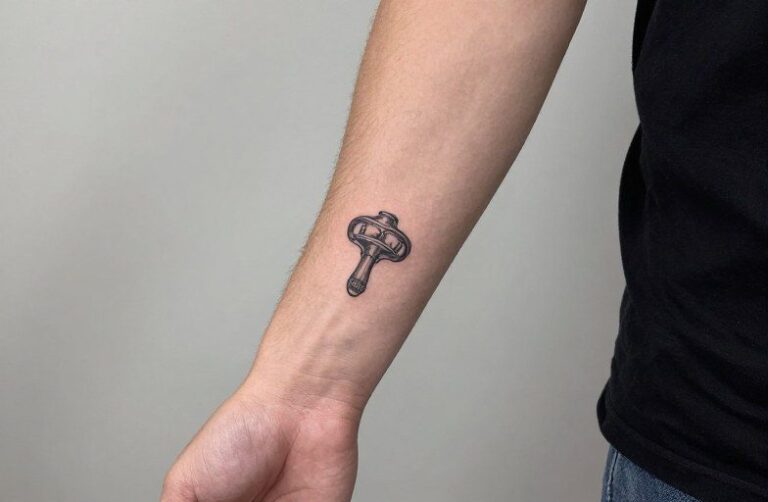
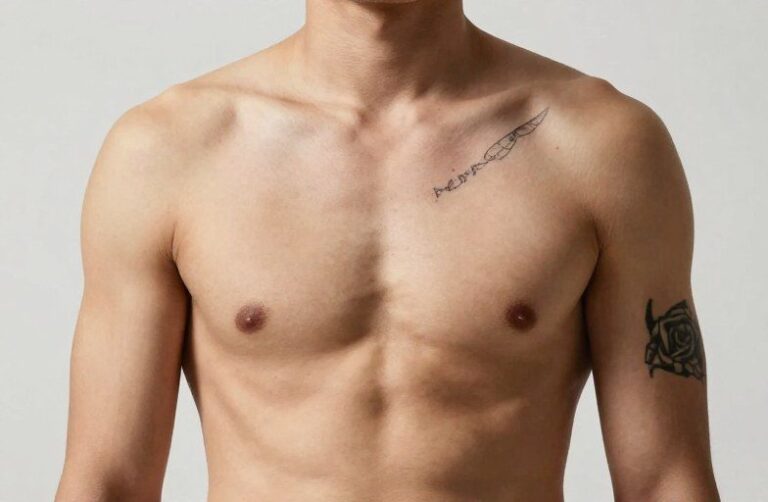
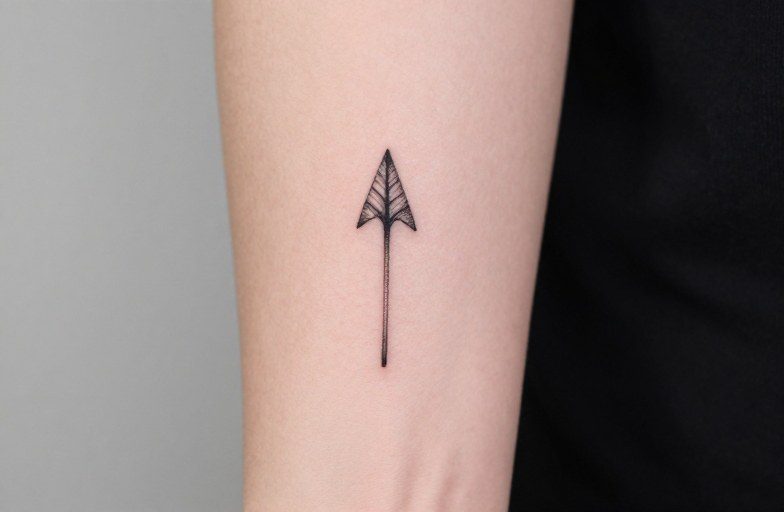
Under 3 inches, you’re looking at finger pads, behind the ear, the side of the wrist, ankle bones. The best small tattoos have one readable element, not three competing ones. A single snake coiled. One word in a specific handstyle. A small object with clear silhouette, key, shell, dagger. Finger tattoos, specifically, drop out faster than almost anywhere else due to constant friction and the thinness of the skin. Expect touch-ups, and choose something that won’t become illegible if a line softens.
Large-Scale Commitments
Back pieces, full sleeves, torso work, these need to be designed as total compositions, not collections of individual tattoos. The most successful sleeves have a background that ties disparate elements together: smoke, water, wind bars, negative space clouds. Without that connective tissue, you get the “patchwork sleeve” look, which some people want but most drift away from once they see integrated work in person. Torso work (ribs, sternum, stomach) hurts more, sits on skin that shifts with weight and age, and requires a design that works with the body’s center line.
Tips for Choosing
Decision fatigue is real. Here’s how to cut through it.
- Live with the reference image. Print it, tape it where you’ll see it daily. If you’re bored in two weeks, you would have been bored in two years.
- Consider the 50-year test. Not “will I still like this?”, tastes change. Rather: “will this design still function as a tattoo?” Bold lines and sufficient contrast age better than delicate shading and fine detail.
- Match the artist to the style. A neo-traditional specialist doing your photorealistic portrait will struggle. Look at healed work, not just fresh photos.
- Think about coverage, not just addition. If you plan more work later, how does this piece leave room? Or block it?
How to Personalize It
Personalization doesn’t mean cramming every symbol of your identity into one design. It means making choices that narrow the universal to the specific.
Specificity Over Symbolism
A rose is generic. A rose with the particular irregular petal curl of the ones your grandmother grew, in the specific pink that leaned toward coral, is not. Bring reference photos of actual things, not tattoo interpretations of things. The artist’s job is to translate, not to invent from your vague description.
Text Integration
Words as design elements work best when the lettering style carries meaning. Old English for family names. Script for quotes, but keep it short, long text wraps poorly and becomes unreadable as skin ages. Consider placement carefully: ribs expand, thighs rub, the inner bicep softens. Text needs flat, stable skin to stay legible.
Popular Styles
Style isn’t just aesthetic preference. It’s technical approach, and that affects how the tattoo lives in your skin.
American Traditional
Bold black outlines, limited color palette (red, yellow, green, blue, black), heavy saturation. These tattoos heal reliably, touch up well, and are readable from across a room. The imagery is codified, eagles, roses, daggers, pin-ups, ships, but the best artists find ways to twist the vocabulary without breaking the grammar.
Japanese (Irezumi)
Large-scale, narrative, specific rules about what elements can appear together. Dragons and koi have established directional flows; placing them upside down or facing wrong is considered poor form by traditionalists. The background matters as much as the subject, waves, wind, cherry blossoms, maple leaves all carry seasonal and directional logic. This style demands an artist with specific training, not just someone who can “do Japanese stuff.”
Black and Grey Realism
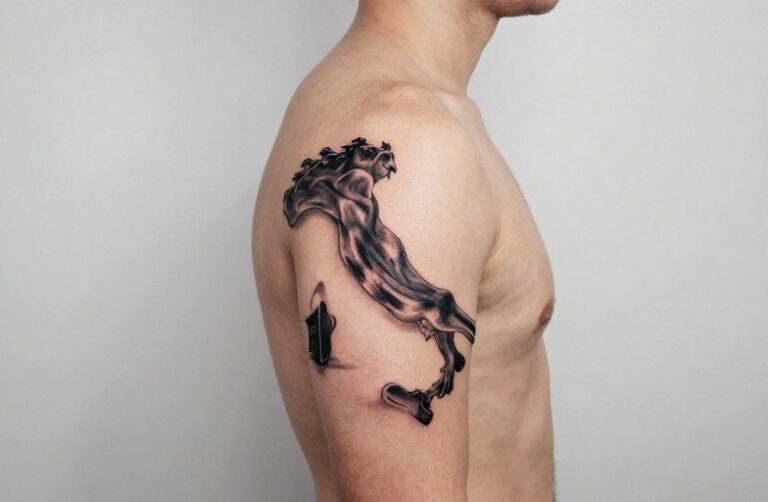
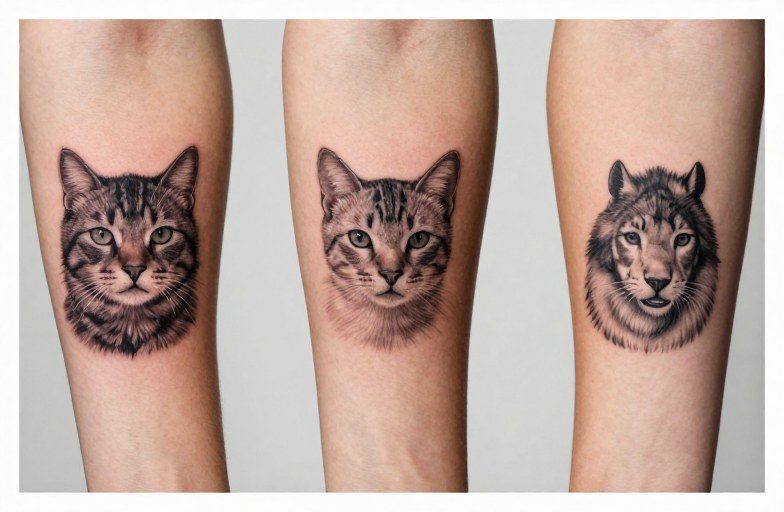
Portrait work, wildlife, religious imagery. Achieved through smooth shading transitions, usually with magnum needle groupings. The risk: without sufficient black anchoring points, these can “grey out” over time, becoming muddy. Good black and grey has deliberate dark areas, eye sockets, nostrils, deep shadows, that maintain contrast as the lighter tones settle.
Blackwork and Ornamental
Solid black, geometric patterns, dotwork, mandala-derived forms. These age exceptionally well because there’s so much ink. The trade-off is less subtlety, values are binary, black or skin. Placement on curved surfaces (shoulders, knees, elbows) requires the artist to distort the geometry so it reads correctly to the eye, not so it measures correctly with a ruler.
For First-Timers
Your first tattoo sets expectations. Make it count.
Placement for Beginners
The outer forearm, upper outer arm, and calf are the standard recommendations for good reason: meaty enough to hurt less than bone or thin skin, visible enough to enjoy, easy enough to cover if needed. Avoid ribs, sternum, feet, and hands for a first piece. Not because you’re soft, because those areas heal harder, and you want your first experience to be about the result, not the recovery.
What to Expect During Healing
First week: plasma and ink seepage, mild swelling, the piece looks dull under a layer of dead skin. Second week: peeling, itching, the temptation to pick. Third to fourth week: surface looks healed, but the deeper layers are still settling. Full settling takes 6-8 weeks for most people. During that time, no swimming, no sun, no picking, no heavy gym sessions that stretch the fresh skin. Follow your artist’s aftercare, wet healing, dry healing, or a specific ointment, rather than internet advice from 2009.
Key Takeaways
Good tattoos come from specific decisions, not general inspiration. Match the design to the placement, the placement to your lifestyle, the artist to the style. Think about how the work will look in ten years, not just ten days. Bring reference of real things, not other tattoos. And understand that the best tattoo ideas are the ones that survive the gap between “I want something” and “this is the thing.”
Frequently Asked Questions
How do I know if a design will age well?
Look for bold outlines, sufficient black for contrast, and spacing between elements that won’t blur together. Ask your artist to show you healed work from 3+ years ago, not just fresh photos.
Can I mix different tattoo styles in one sleeve?
You can, but it requires planning. A background element, smoke, water, negative space, helps bridge styles. Without that connective tissue, the sleeve reads as unrelated pieces rather than a unified composition.
Why do finger tattoos fade so fast?
Constant friction from use, thinner skin, and frequent washing cause faster ink loss. The hands also regenerate skin more quickly than most body areas. Expect touch-ups and choose simple designs that stay readable even with some fading.
How much should I budget for a quality piece?
Good work isn’t cheap, and cheap work isn’t good. Small simple pieces might run $150-400. Larger work is priced by session or hourly, often $150-300 per hour depending on the artist’s demand and location. Saving for the right artist costs less than covering a mistake.