Searching for ideas de tatuajes para mujer usually means wading through Pinterest boards of identical infinity symbols and watercolor splashes. The better starting point: what actually works on skin, how specific placements change a design, and which styles hold up over years rather than months. This guide breaks down the practical decisions that turn a generic concept into something you’ll still want to look at in a decade.
For First-Timers
Start With What You Can Commit To
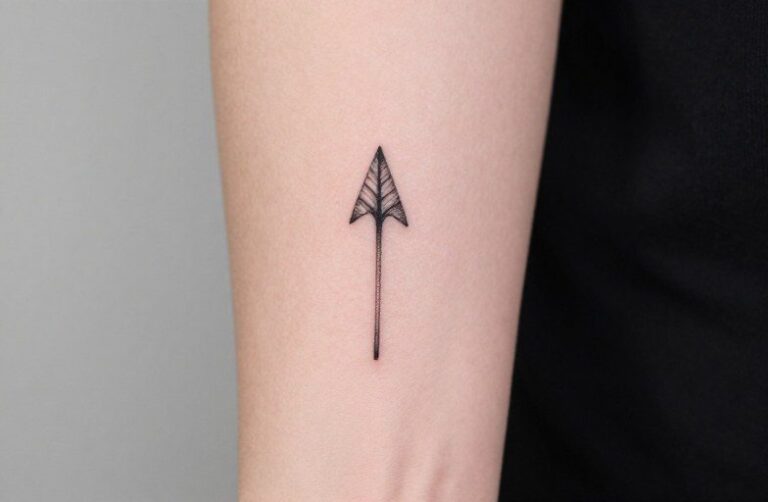
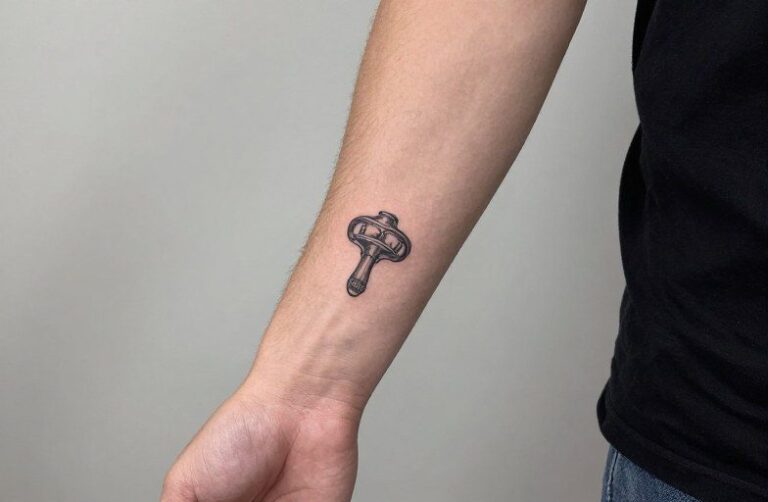
First tattoos often go wrong from overreaching, not underthinking. A palm-sized blackwork piece on the outer forearm heals predictably, hurts less than ribs or feet, and gives you real information about how your skin takes ink. Avoid finger tattoos as a first choice, they blur fast, require frequent touch-ups, and many artists charge more for the hassle. Similarly, skip the trendy “behind the ear” micro-tattoo unless you’re prepared for it to fade into a smudge within two years.
- Outer forearm: flat, easy to heal, easy to show or hide
- Upper outer arm/shoulder: more padding, less pain, scales up later
- Ribcage or sternum: save for your second or third piece; the pain is real and the healing involves constant movement
- Ankles and feet: high friction, poor ink retention, longer healing
Blackwork vs. Fine Line for Beginners
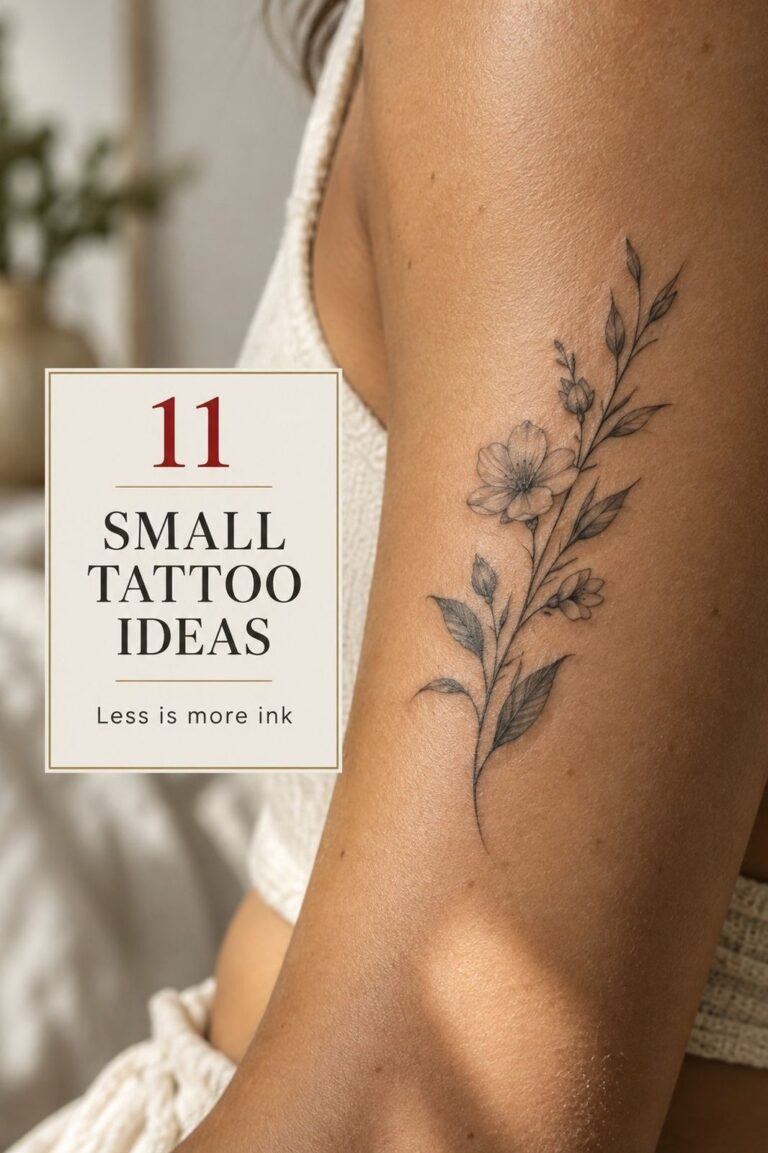
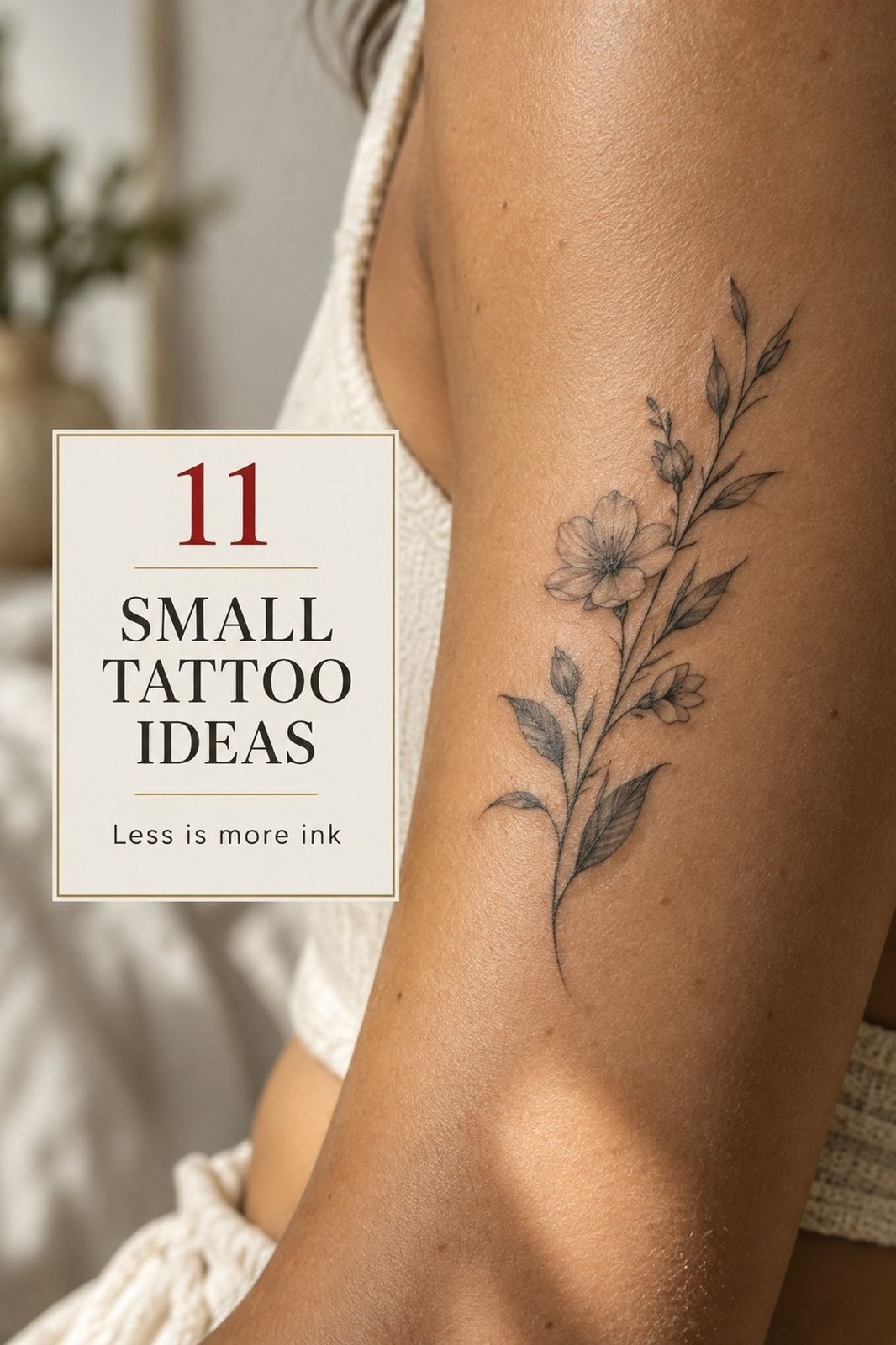
Thicker black lines age more gracefully than hair-thin single needle work. That delicate floral illustration you love will spread and soften; the same design with slightly bolder outlines and more saturated black fill stays readable. Ask your artist to show you healed photos from two-plus years back, not just fresh work.
How to Personalize It
Generic symbols become specific through combination and context. A moon tattoo becomes yours when paired with the phase from an actual date, rendered in the style of a particular astronomical illustration, or placed where it interacts with your body’s existing lines. A snake coils differently on a shoulder than on a ribcage; the same image adapts to anatomy rather than floating independently.
Consider these personalization angles:
- Botanicals from your actual region or childhood garden, not generic “pretty flowers”
- Text in handwriting you can verify, grandmother’s recipe card, your own journal, a child’s actual scrawl
- Animals in behavior, not portrait: hunting, sleeping, mid-movement rather than staring forward
- Abstract shapes derived from meaningful coordinates, sound waves with actual audio files, constellation maps from real dates
The best personalized tattoos contain information that isn’t immediately obvious to strangers. That privacy matters.
Trending Variations
Ornamental and Decorative
Heavy lace patterns, mandala-derived geometry, and jewelry-inspired bands continue strong. These work best when customized to the body’s specific curves rather than applied as flat stamps. A bracelet tattoo that ignores wrist bone structure looks like a sticker; one that flows with tendons and hollows reads as intentional adornment. Dotwork and stippled shading age better in these styles than solid black fill, which can blob over time in small spaces.
Figurative and Surrealist
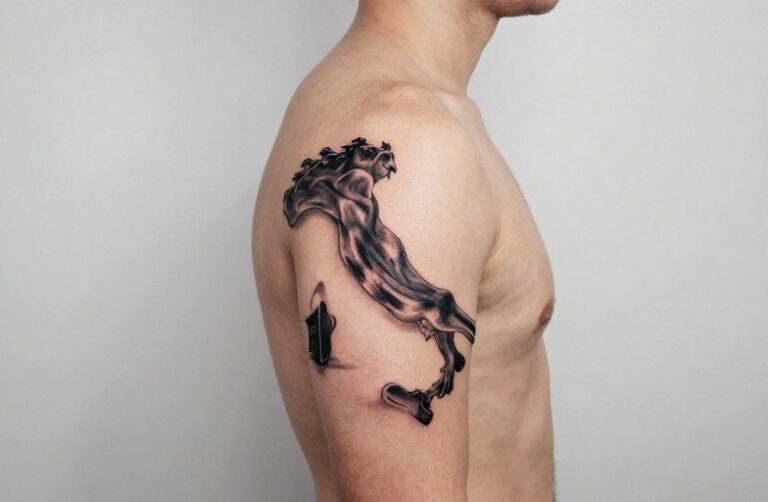
Women’s tattooing has moved decisively toward the surreal: melting clocks, hybrid creatures, distorted portraits, impossible architecture. These demand skilled artists, portfolio review is non-negotiable. The style requires confident line weight variation and strategic negative space; a heavy-handed surrealist piece becomes muddy fast. Look for artists who show healed work in this specific style, not just fresh, high-contrast photos.
Size & Scale
Small tattoos get the attention, but medium sizes often satisfy longer. A 3-4 inch piece allows detail without the fragility of micro-work. Scale decisions should follow placement: a design that reads as “small” on a thigh becomes “medium” on a wrist. The same image at different sizes is actually a different tattoo.
- Under 2 inches: extremely limited detail, best as simple symbols or single letters; plan for touch-ups
- 3-5 inches: the sweet spot for most first pieces; readable detail, manageable pain, clear aging trajectory
- 6+ inches or multi-session: necessary for complex compositions, cover-ups, or pieces with background elements
Resist the urge to shrink a complex design to fit a tiny space. Better to simplify the concept than miniaturize the detail.
Color Choices
Black and Gray Longevity
Blackwork and graywash consistently outlast color. On medium to darker skin tones, black ink maintains contrast where pastels and neons disappear into the skin’s undertone. That said, color has its place: deep reds, forest greens, and navy blues hold reasonably well; yellows, light pinks, and pale blues fade to invisibility on most people within five years.
Strategic Color Placement
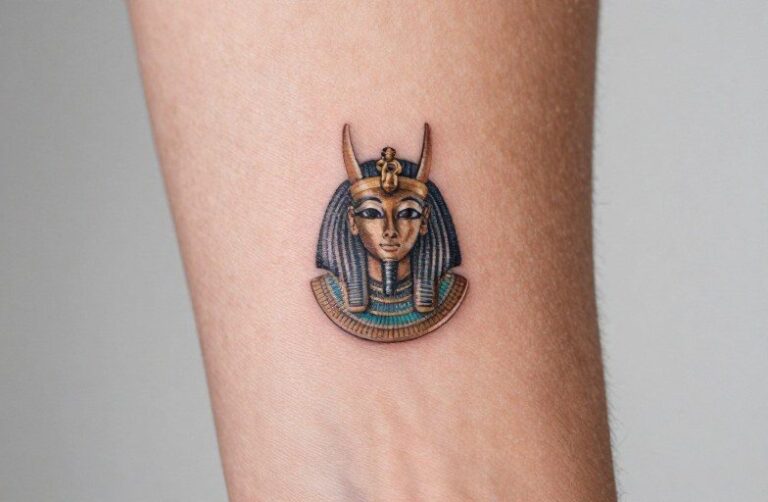
Color works best as accent rather than foundation. A blackwork raven with red eye detail stays readable even if the red softens; a fully yellow sunflower becomes a beige blob. Consider skin tone as part of the palette, your natural undertone is the base color everything sits on. Cool undertones carry blue and purple better; warm undertones support red and orange longer.
Best Placements
High Visibility, Low Regret
Outer forearms, upper arms, and shoulder caps offer the easiest balance of display and concealment. These areas heal with minimal friction, allow for larger scales without extreme pain, and don’t distort significantly with weight change. The back of the arm (tricep area) is underrated, visible in sleeveless tops, hidden otherwise, flat enough for clean line work.
Intimate and Structural
Underbust pieces, side ribs, and hip placements follow the body’s architecture in ways that feel deeply integrated. These hurt more, heal slower, and require more commitment to aftercare (breathing, sitting, and sleeping all disturb the area). The payoff is a tattoo that looks like it could only exist on your specific body. Sternum and between-breast work demands particular technical skill, seek artists with proven healed examples, not just fresh photos.
- Collarbone: high pain, fast visibility, tends to fade from sun exposure
- Spine: dramatic vertical compositions possible, but bony and painful
- Thigh front or side: large canvas, manageable pain, easy to heal
- Calf: good for medium pieces, but consider how it reads with footwear choices
What to Remember
The best ideas de tatuajes para mujer emerge from honest assessment of your pain tolerance, healing discipline, and daily life. A ribcage piece looks incredible on Instagram but requires two weeks of sleeping carefully and breathing through discomfort. A finger tattoo seems subtle until you’re explaining the faded blur to everyone who asks what it once said.
Research artists methodically. Style specialization matters more than shop reputation or Instagram follower count. An artist who does exceptional blackwork may struggle with color realism; someone brilliant at large Japanese compositions might fumble a tiny ornamental piece. Ask to see healed work from two or more years prior. Fresh tattoos are performances; healed tattoos are the actual product.
Finally, the timeline matters less than you think. Good ideas don’t expire. If something resonates, sit with it for months. The design that persists through seasons and moods usually has enough substance to carry permanently. Rush rarely produces the work people live with happily.
Frequently Asked Questions
How much should I expect to pay for a quality tattoo?
Custom work from established artists typically runs $150-300 per hour, with minimums around $100-150 for small pieces. Extremely low prices usually indicate corner-cutting on equipment, environment, or artist experience. Good work isn’t cheap; cheap work isn’t good.
Will my tattoo stretch if I gain or lose weight?
Moderate changes generally don’t distort tattoos significantly. Areas with more elastic skin, stomach, upper inner arms, thighs, show more change than bony, less fatty areas like wrists or collarbones. Major body changes can affect large pieces, but small to medium tattoos usually adapt fine.
How do I know if an artist is actually good at the style I want?
Look for healed photos, not just fresh work. Check their portfolio for consistency in the specific style you want, ten similar pieces, not one standout. Ask about their training in that style. Good artists welcome specific questions and show honest limitations.
Can I get tattooed over scars or stretch marks?
Yes, often successfully, but the skin texture differs and requires adaptation. Scar tissue holds ink unpredictably, sometimes darker, sometimes lighter. Experienced artists will assess the specific scar’s age, texture, and location. Wait until scars are fully healed and settled, usually at least a year.