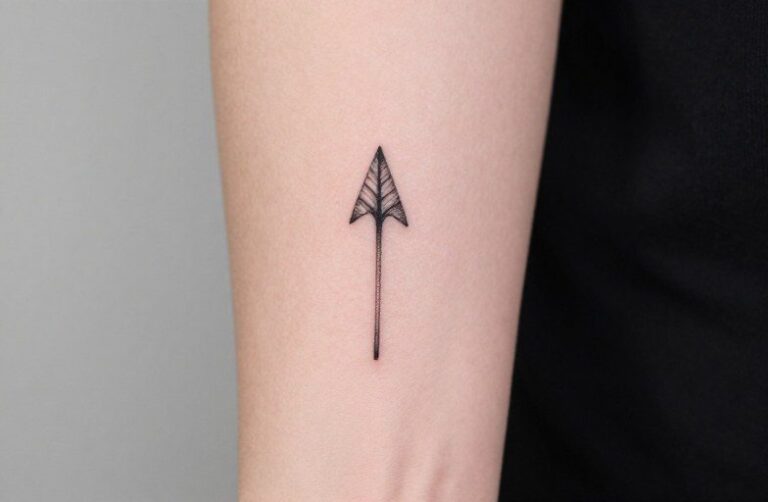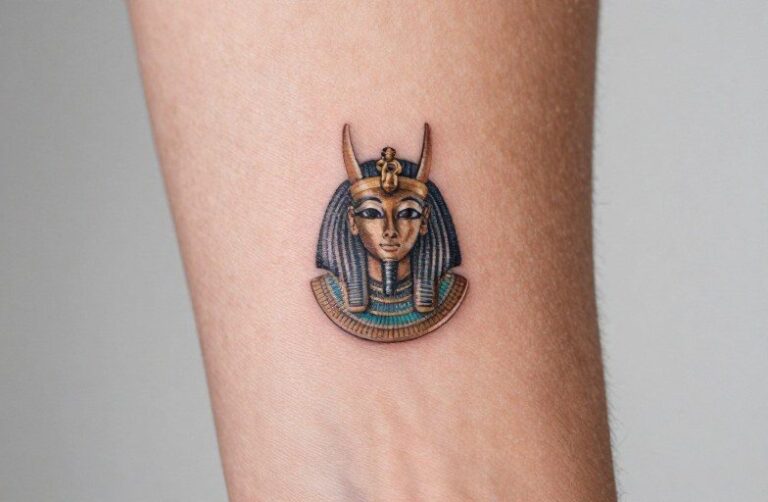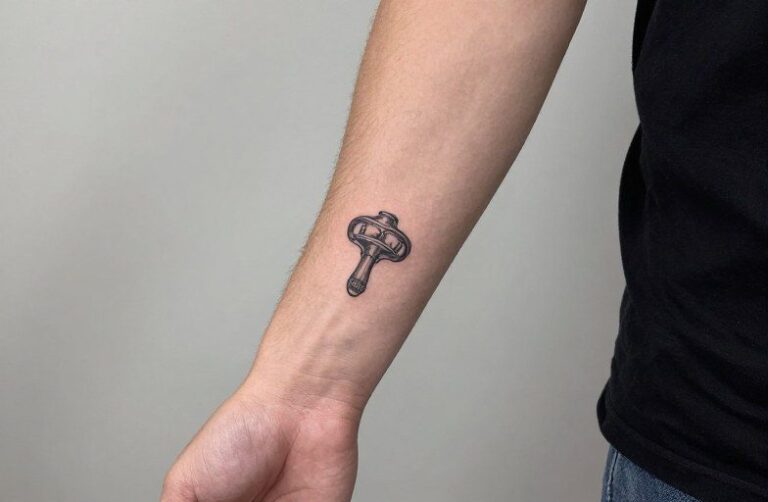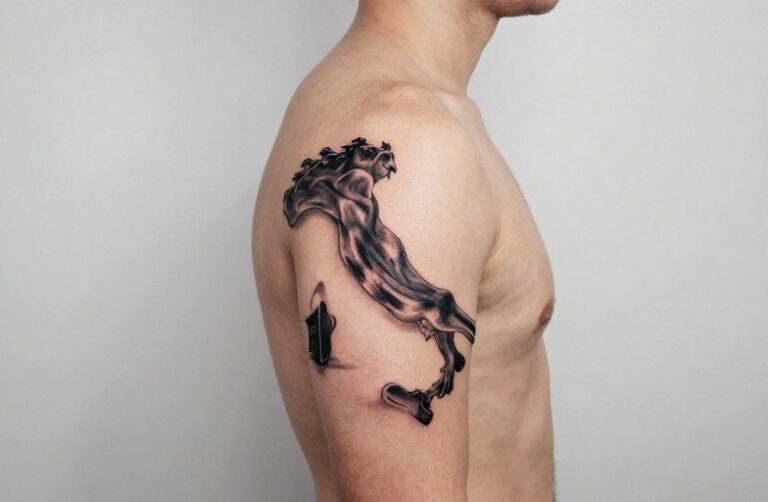
Controller cords, pixel hearts, boss symbols, entire sleeves built from your first RPG. Gaming tattoos run from subtle to sprawling, and the best ones function as tattoos first, references second. A design that strangers can read clearly while carrying private weight for you tends to age better than something so niche it needs explanation. Here is how to approach gaming ink that stays sharp, literally and figuratively.
Matching and Pairing Ideas
Couples and close friends often want matching pieces, but the strongest paired gamer tattoos are not identical copies. Consider complementary designs: one person carries the sword, the other the shield. Player 1 and Player 2 motifs work well when stylized rather than literal text. Think arcade button layouts, mirrored controller halves, or split-screen visual metaphors rendered as geometric halves.
Co-op Compositions
For siblings or long-term partners, co-op imagery holds up better than romantic quotes. Two characters back-to-back, shared inventory items, or matching respawn points (hearts, bonfires, continue screens) create visual rhythm across two bodies. The key is designing them together so they relate when shown side by side but stand alone when separated.
Asymmetrical Pairs
One person gets the 8-bit sprite, the other gets the same character’s modern render. Or one carries the HUD element, the other the environment it belongs to. This approach gives each piece individual integrity while creating dialogue between them.
Popular Styles
Gaming imagery adapts to nearly every tattoo style, but some combinations prove more durable than others.
- American traditional: Bold outlines and limited color palettes suit arcade cabinets, joysticks, and classic character portraits. The heavy line weight carries well over decades.
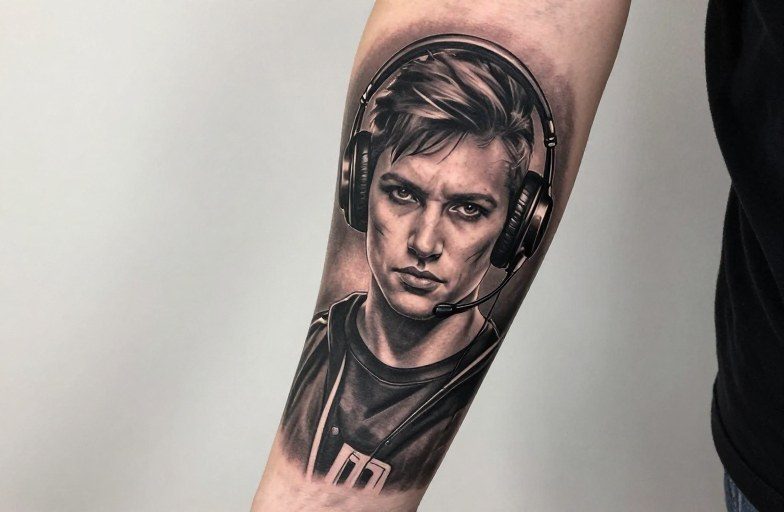
- Black and grey realism: Works for hardware portraits, worn controllers, cartridge labels, CRT screens with visible scanlines. Demands an artist experienced in reflective surfaces and plastic textures.
- Neo-traditional: Ideal for reimagining characters with dimensional shading while keeping readable silhouettes. Flowers, banners, and decorative frames can surround a central gaming motif without crowding it.
- Dotwork and stipple: Excellent for starfields, dungeon maps, and pixel-to-smooth gradients. Slower to apply but ages cleanly.
- Graphic and illustrative: Clean vector-inspired lines suit UI elements, health bars, and minimalist icons. Stays crisp with minimal touch-ups.
Pixel art specifically requires careful translation. True 1:1 pixel tattoos often blur into indistinct blocks as skin ages and ink spreads. Slightly exaggerated pixel sizing, larger individual squares with deliberate gaps, preserves the reference while ensuring readability at a distance.
First Timers
Starting with gaming ink does not mean defaulting to something small and hidden. It means choosing placement that accommodates your lifestyle and pain tolerance while giving the design room to breathe.
Low-Commitment Placements
The outer forearm, calf, and upper arm offer flat surfaces where line work stays true. These areas heal predictably and allow you to see the piece without mirrors. A controller cable wrapping the wrist reads immediately and wraps naturally with the anatomy. Avoid finger and hand tattoos for first pieces. They fade fast, blur easily, and limit future employment options in ways outer forearm pieces typically do not.
Design Complexity for Beginners
Single-element designs heal more predictably than dense compositions. A triforce, a potion bottle, a single sprite: these require shorter sessions, less swelling, and simpler aftercare. If you are set on a character portrait, consider a bust rather than full body, or a silhouette against a minimal background. You can always build around it later.
Color Choices
Gaming palettes are often saturated by necessity. Screen graphics need to pop against black backgrounds. Skin is not a screen, and ink behaves differently than light.
Bright neons and electric greens, common in gaming imagery, are among the fastest-fading tattoo colors. Yellow and light orange often require more frequent refreshment. That does not mean avoiding them entirely, but using them strategically:
- Use saturated colors as accents against black or dark grey backgrounds, not as dominant fields
- Consider “black and grey with one color” approaches: a red health heart, a blue potion, a green continue arrow
- Dark purples and deep reds hold substantially better than yellows or pastels
- White ink as highlight (not base) adds dimension but yellows over time; use sparingly
The muted green of CRT phosphor glow has developed its own aesthetic following among tattoo collectors: slightly sickly, immediately readable as “screen glow.” This translates better to skin than pure neon because it is inherently desaturated.
Current Directions
Certain approaches have gained traction as early gaming tattoos age and people seek fresher interpretations.
Deconstructed Hardware
Exploded-view controllers, circuit board patterns shaped like familiar layouts, button membranes as standalone abstractions. These read as technical drawings to the uninitiated, as deeply specific references to those who know. The geometric precision suits rib and thigh placements where larger scale works.
Negative Space and Layering
Using skin tone as the “light” in a dark composition: character silhouettes filled with starfields, health bars that are literally empty skin surrounded by black ink. This approach demands confident design. Poorly planned negative space can look accidental rather than intentional. Best executed by artists with strong graphic design backgrounds.
Cross-Genre Mashups
Botanical elements framing tech motifs, classical sculpture poses holding modern controllers, Art Nouveau borders around pixel scenes. These work when the fusion serves the design rather than just the concept. The visual logic should hold even if the reference is missed.
Size and Scale
Detail density determines minimum size more than subject matter. A 1-inch pixel heart needs exactly 16 pixels across to be readable; smaller than that, it becomes a blob. A photorealistic controller portrait needs palm-sized minimum to show button labels and wear patterns.
Large-scale pieces benefit from treating the body as architecture. A full back piece of an arcade cabinet interior can use the spine as the screen centerline, the shoulder blades as speaker grilles. Sleeve compositions flow better when designed as continuous environments rather than collaged separate images: think side-scrolling background parallax rather than sticker sheet arrangement.
Small tattoos in high-detail styles (realism, fine line) often age poorly regardless of subject. Gaming imagery with nostalgia value deserves the scale to remain legible for the decades you will carry it.
Before You Decide
Reference images help artists understand your intent, but direct copying of copyrighted character art carries legal and ethical complications. Most reputable shops will not reproduce promotional art verbatim. The better path: bring reference, then collaborate on an interpretation that captures the essence without infringing. Stylized portraits, reimagined poses, and symbolic substitutes (the flower instead of the princess, the sword instead of the hero) often produce more personal results anyway.
Consider how your relationship with the source material might evolve. The game you replay annually differs from the one you binge-watched once on Twitch. Tattoos tied to mechanics you still engage with (speedrunning, competitive play, modding communities) often sustain their meaning better than pure nostalgia pieces. That said, nostalgia itself is valid if the design works independently.
Healing impacts how gaming tattoos settle. Heavy black areas in controller grips or console shells can scab thickly; resist picking or you will pull ink out. Color gradients in sky backgrounds need extra sun protection long-term. The aftercare is identical to any tattoo, though the personal investment can make the healing period feel more scrutinized when the piece references something you care about specifically.
Frequently Asked Questions
Do pixel art tattoos actually look good after healing?
They can, but require deliberate scaling. True tiny pixel-for-pixel reproduction blurs as ink settles. Artists typically enlarge pixel blocks slightly and add micro-gaps between them so the grid remains visible even as edges soften over years.
What is the best placement for a co-op matching tattoo?
Outer forearms work well for pieces meant to be shown together, since you can naturally align them when standing side by side. For more private matching pieces, ribs or thighs offer scale without constant visibility. The key is designing both pieces to stand alone when you are not together.
Will bright gaming colors fade faster than other subjects?
Yes, generally. The neons and electric greens common in gaming imagery are among the least lightfast tattoo pigments. Strategic use (accents rather than fields, darker saturated tones rather than pure yellows) helps, as does consistent sun protection after healing.
Can I get a direct screenshot tattooed?
Most reputable artists will decline verbatim reproduction of copyrighted promotional art. Bring screenshots as reference for mood and composition, then expect to collaborate on an original interpretation. This usually produces a better tattoo anyway.
How do I choose between a character portrait and a symbolic item?
Consider which has stronger visual independence. A well-designed potion bottle or sword reads as a good tattoo even to viewers who miss the reference. Character portraits demand more from the artist and age more unpredictably. If the character is essential, consider a silhouette or stylized bust rather than full realism.