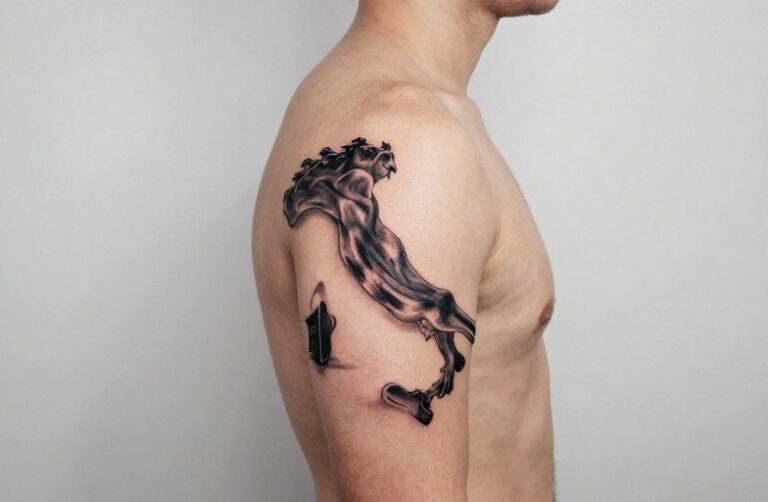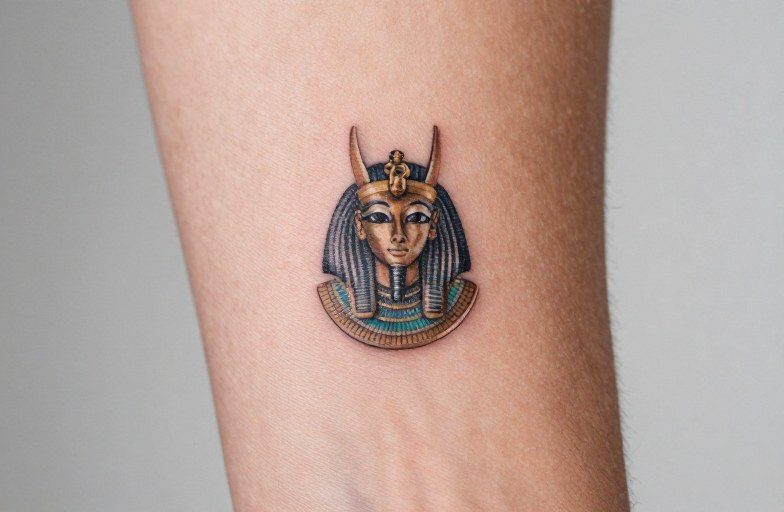
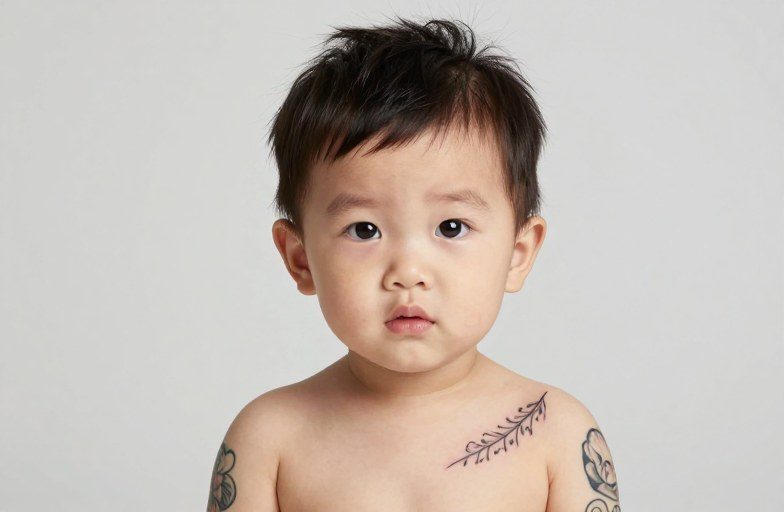
Small tattoos with meaning hit a sweet spot. They fit budgets, heal fast, and hide easily when needed. But “small and cute” often becomes “small and unreadable” within a few years. The trick is picking symbols that stay legible at scale and placements that won’t distort as your skin changes. Here’s what actually works, what doesn’t, and how to make a tiny piece hold its weight.
How to Personalize It
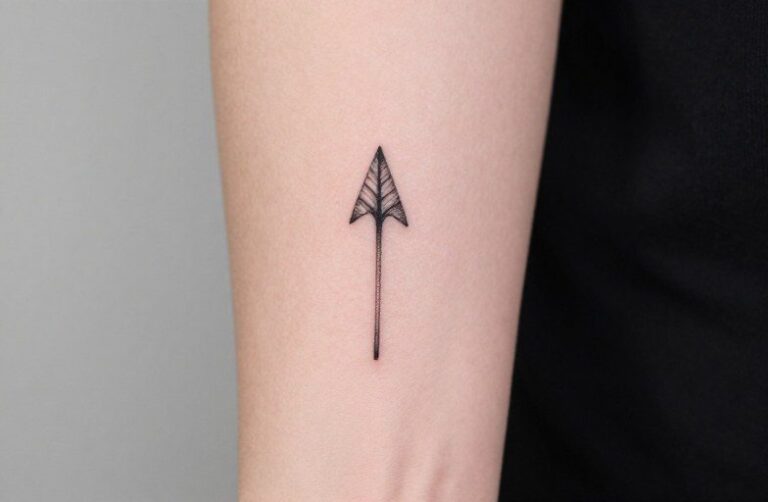
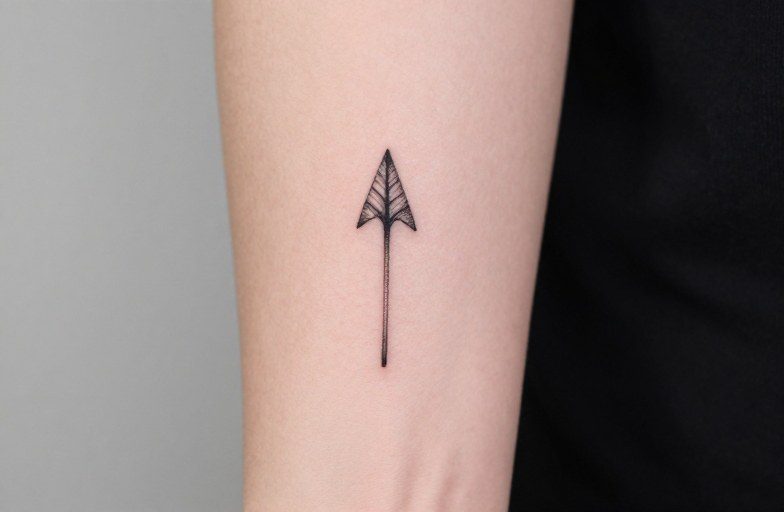
Generic Pinterest symbols rarely age well because they carry no personal anchor. A heart or arrow becomes background noise; a specific coordinate, a pet’s paw print in actual size, or a handwritten word from someone you lost stays relevant because the reference is yours alone.
Turning Symbols Into Specifics
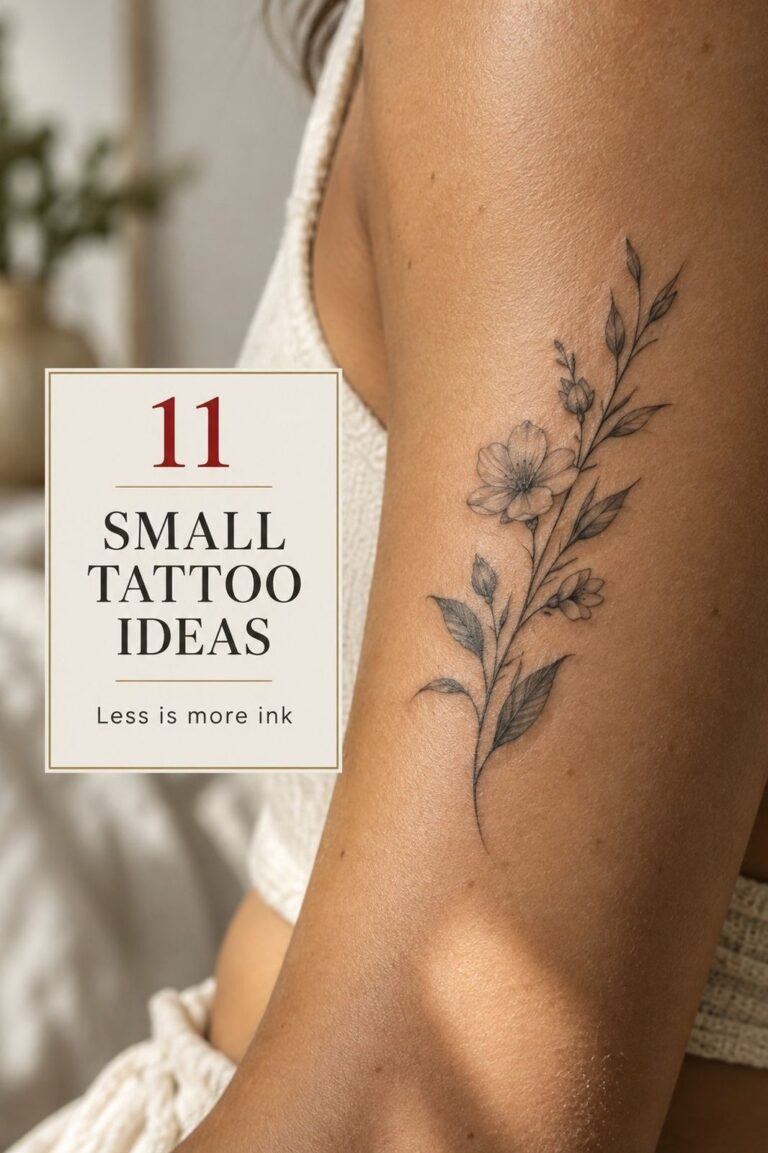
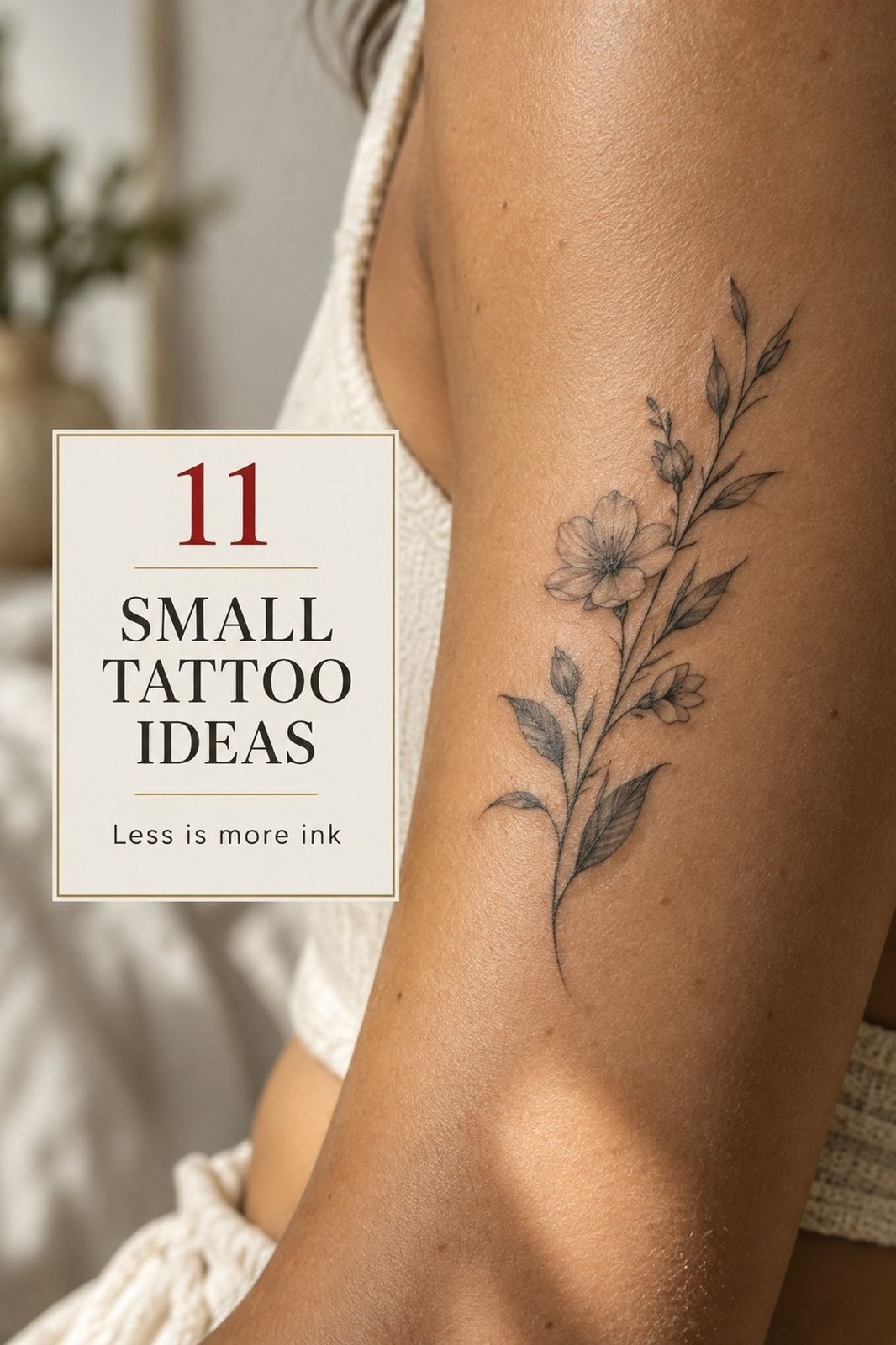
Instead of a generic bird, use the species your grandmother fed every morning. Replace a standard flower with the actual bloom from your childhood backyard, drawn from a photo rather than a stock image. Tattooers who specialize in fine line work can render surprisingly detailed botanicals and small animals at one to two inches if the reference is sharp and the design simplifies cleanly.
- Coordinates of a meaningful location (use the actual decimal degrees, not rounded numbers)
- A parent’s actual signature traced from a card or letter
- The constellation visible on a specific date, drawn with accurate star positions
- A micro-portrait of a pet’s face, limited to the eyes and nose for clarity
Text at Small Scale
Single words and short phrases work if you respect letter count. Five characters or fewer stays crisp at under two inches. Script fonts with thin connecting lines blur faster than block letters or carefully spaced cursive. Avoid all-caps for long words; the uniform height makes letters harder to distinguish. Ask your artist to print the stencil at actual size and hold it at arm’s length before committing.
Standout Design Ideas
Certain motifs translate naturally to small scale without losing punch. These have proven track records for readability and aging:
- Minimalist botanicals: A single fern frond, eucalyptus stem, or olive branch. The linear structure holds up even as lines soften slightly.
- Abstract wave or mountain: Three to four lines maximum. Negative space defines the shape, so ink spread actually adds texture rather than destroying detail.
- Small celestial bodies: A crescent moon with one tiny star, a simplified planet with rings. Round shapes age more gracefully than intricate geometry.
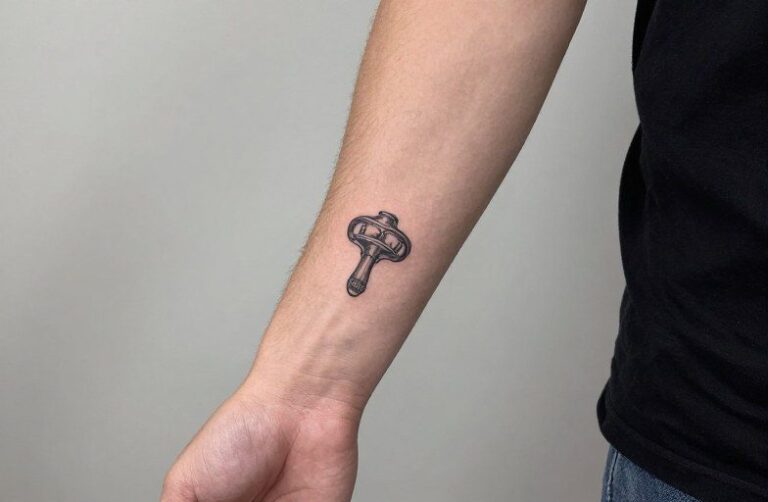
- Tiny tools or objects: A paintbrush, sewing needle, or coffee cup reduced to silhouette. Recognizable outlines survive better than interior detail.
Placement changes everything. A design that reads beautifully on a flat inner forearm may become unreadable on the curved side of a finger or the soft skin behind an ear. Flat, low-friction areas preserve fine lines longer.
Trending Variations
Current small tattoo trends lean toward intentional imperfection and mixed media effects. These approaches work specifically at small scale:
Sketch-Style Finish
Deliberately loose linework mimics pencil sketches. The style forgives minor ink spread because the aesthetic already embraces softness. Best on inner bicep, collarbone, or ribcage where the skin stays relatively stable. Avoid high-friction spots like wrists or ankles where the sketch effect becomes muddy rather than artistic.
Dotwork and Stipple Shading
Clusters of tiny dots create gradients without solid fill. At small sizes, dotwork ages into soft texture rather than the blotchy mess that solid black sometimes becomes. Mandala fragments, tiny animal silhouettes, and celestial maps use this well. The technique demands patience; a palm-sized stipple piece takes longer than it looks.
For First-Timers
Small tattoos make sense for first pieces, but the size creates specific pitfalls. Here’s the practical reality:
- Pain is placement-dependent, not size-dependent. A tiny rib piece hurts more than a larger outer forearm tattoo. Bone proximity and thin skin amplify sensation.
- Healing is faster but not easier. Small tattoos scab less, but they’re easy to ignore during aftercare. A palm-sized piece demands attention; a finger tattoo gets washed and bumped constantly without thought.
- Touch-ups are normal. Fine lines in small tattoos often need reinforcement at six to twelve months. Budget for this; it’s maintenance, not failure.
Start with a design that works even if lines soften slightly. A bold outline with minimal interior detail survives imperfect aftercare and natural aging better than intricate fine-line work.
Color Choices
Color in small tattoos behaves differently than in larger pieces. Understanding this prevents disappointment:
Black and Gray Longevity
Black ink holds longest because carbon-based pigment particles are largest and resist breakdown. Gray wash (black diluted with water or mixing solution) fades faster, sometimes to a blue-green tone as the black particles disperse. For small pieces, solid black lines with no gray shading stay crisp years longer.
Strategic Color Accents
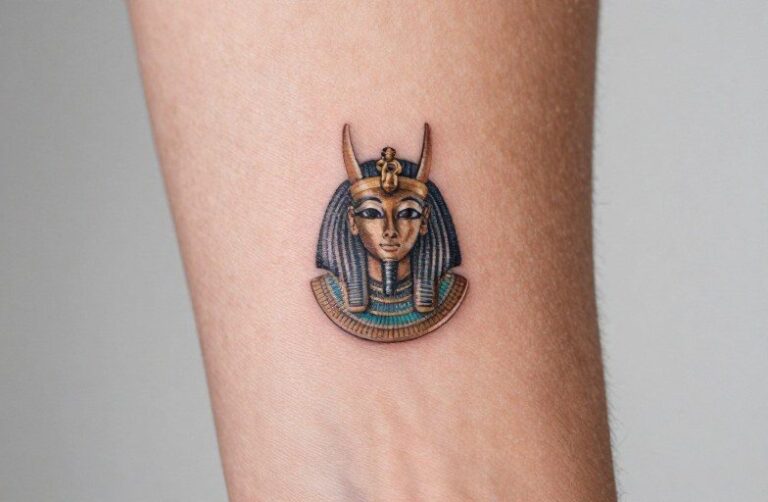
Bright colors in tiny tattoos face challenges. Yellow and white fade to invisibility on lighter skin tones within two to five years. Red holds better but can blur at edges. Blue and green occupy the middle ground. The most successful small color tattoos use one accent color against black, not full color fields: a black rose with a single red petal, a gray moon with tiny yellow stars. This limits risk while adding visual interest.
On darker skin tones, black remains the most reliable choice, but deeper jewel tones (emerald, sapphire, deep purple) can work with experienced artists who understand how to pack color for your specific skin. Always ask to see healed photos on similar skin tones, not just fresh work.
Matching & Pairing Ideas
Matching small tattoos between friends, partners, or family members work best when the connection is concrete, not abstract. Vague “soulmate” symbols age poorly if the relationship shifts; specific shared references remain meaningful regardless of circumstances.
- Split designs: Two halves of a whole image that only make sense together, a key and lock, two puzzle pieces, complementary map coordinates. Each piece stands alone visually but gains context together.
- Sequential numbers: Birth order among siblings, anniversary dates that share a format. The meaning is clear to insiders without being obvious to strangers.
- Same motif, different scale: Parent with larger version, child with miniature. Same design language, different execution.
Placement coordination matters less than design coordination. Matching tattoos on the same body part photograph well but aren’t necessary for meaning. A wrist tattoo and an ankle tattoo share the same reference without demanding identical visibility.
The Bottom Line
Cute small tattoos with meaning succeed when the meaning is specific, the design is simplified for scale, and the placement respects how ink ages. The most common regret isn’t the subject matter, it’s choosing detail too fine for the size, or placement that distorts the image. Work with artists who show you healed photos of small work at one year minimum, not just fresh tattoos. Bring reference that’s personal, not pulled from Pinterest’s top results. And accept that small tattoos, like any tattoo, change. The goal isn’t frozen perfection; it’s a design that remains readable and personally relevant even as lines soften and color shifts.
Frequently Asked Questions
How small can a tattoo be before it becomes unreadable?
Most tattooers advise keeping text to five characters or fewer under two inches, and imagery to simple outlines with minimal interior detail. Below one inch, even excellent line work starts to blur together as ink naturally spreads over time.
Do small tattoos hurt less than large ones?
Size matters less than placement. A tiny tattoo on bone or thin skin hurts more than a larger piece on fleshy, stable areas like the outer thigh or upper arm. Duration is shorter, but intensity depends on location.
How much should a small meaningful tattoo cost?
Quality small tattoos often cost $80-150 minimum shop rates regardless of size, because setup and sterilization take the same time. Complex fine-line work or custom design may run higher. Extremely low prices usually indicate corner-cutting you don’t want near your skin.
Can I get a small tattoo covered up later if I change my mind?
Small tattoos are easier to cover than large ones, but placement and ink density matter. Black line work on light skin offers the most flexibility. Finger and hand tattoos are notoriously difficult to cover due to ink saturation and skin texture.