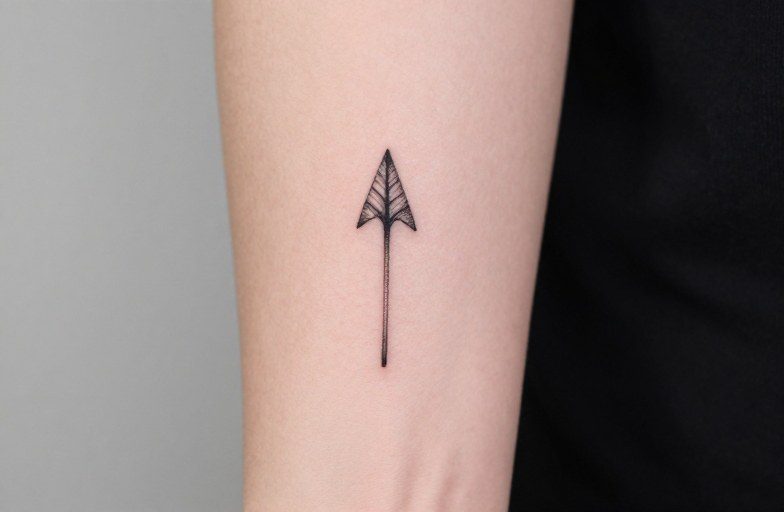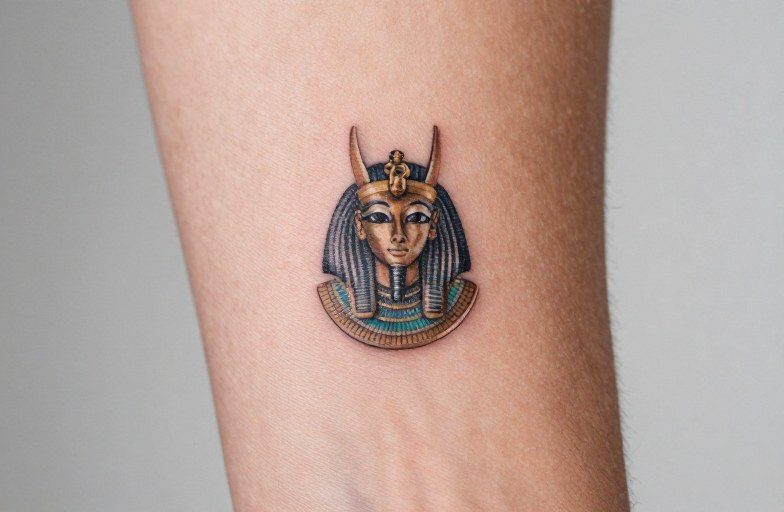
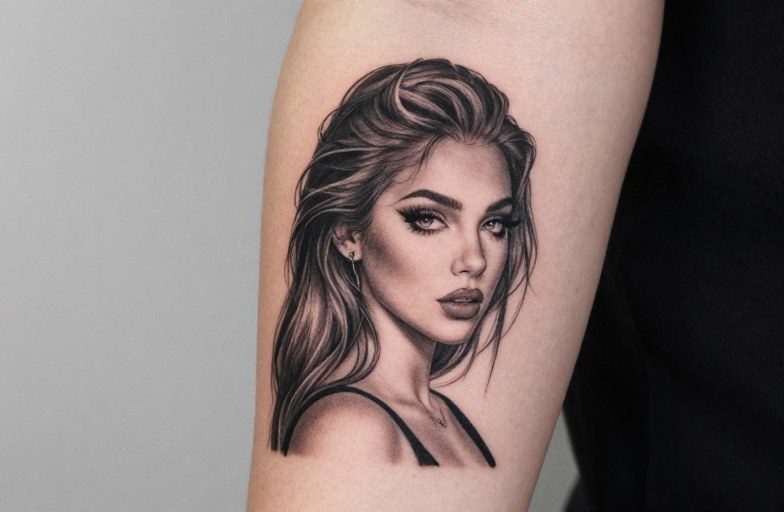
Feminine tattooing has moved far beyond the tiny wrist star phase. Today’s options range from delicate botanical work to bold ornamental pieces that still read as distinctly feminine. The real question isn’t what looks good in a Pinterest photo, it’s what holds up on skin over years, complements your anatomy, and feels like yours rather than a trend you borrowed. Here’s what actually works, where it works best, and how to choose something that won’t need a cover-up in a decade.
Standout Design Ideas
Botanical and Floral Work
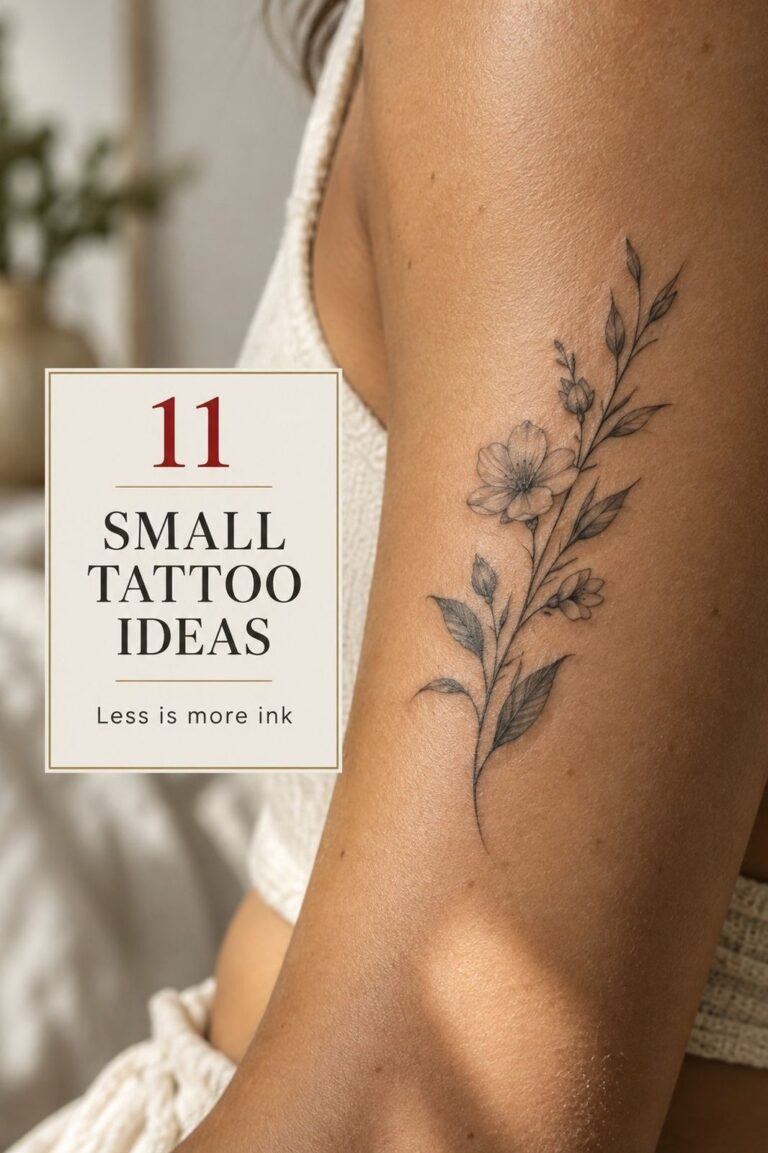
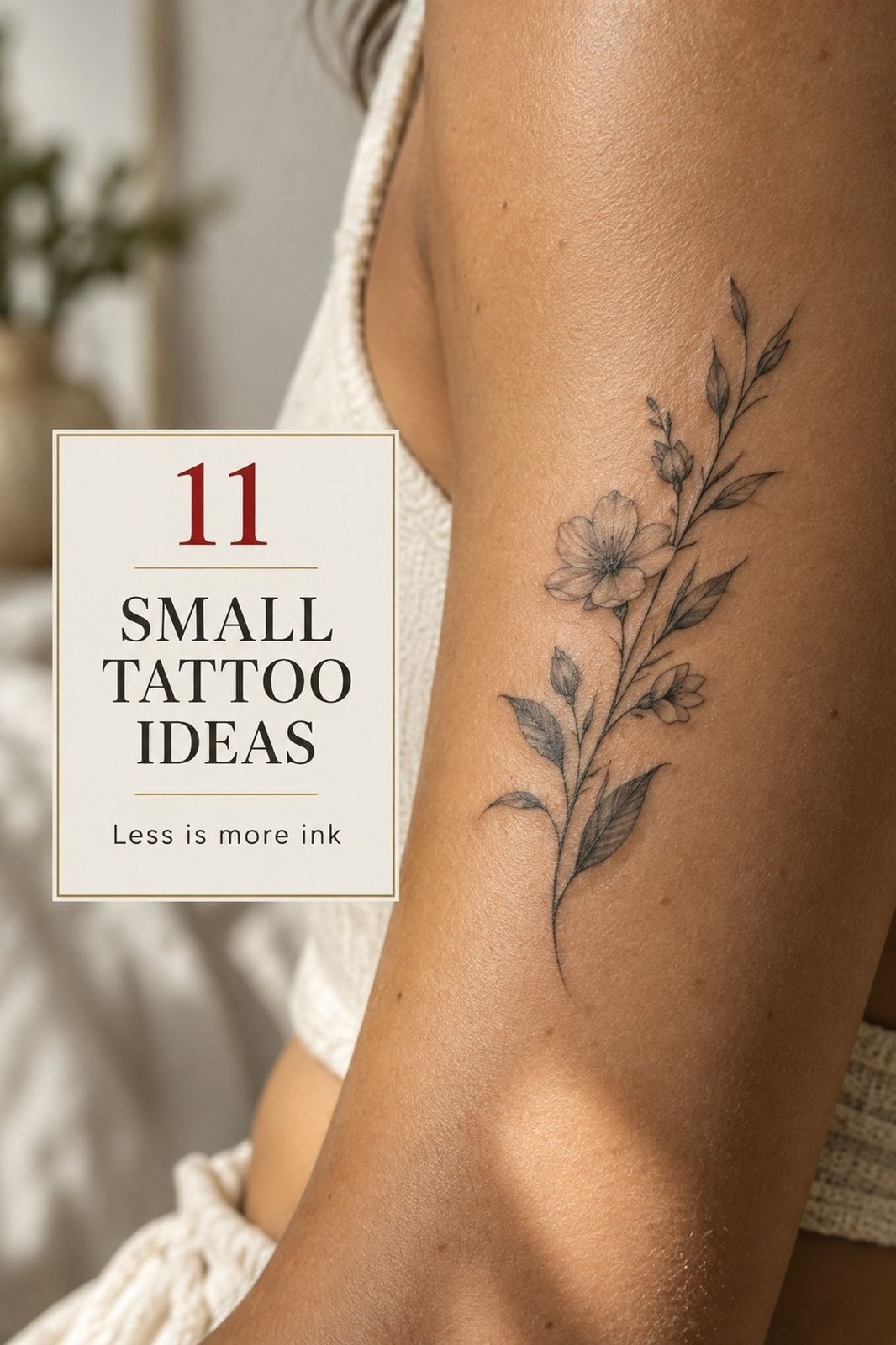
Flowers remain the backbone of feminine tattooing, but the execution matters enormously. Single-needle peonies, wildflowers, and dried botanicals can look ethereal when done by someone who understands how fine lines blur. Peonies and roses with visible stem structure age better than dense petal clusters that muddy together. Consider asymmetrical arrangements that follow muscle flow rather than perfect circles. Lavender sprigs, olive branches, and pressed-flower styles work beautifully along collarbones, down ribs, or wrapping ankles.
Ornamental and Decorative Styles
Lace patterns, mandala-inspired geometry, and Art Nouveau linework offer structure without heaviness. These designs excel on areas with natural curves, under the chest, along the hip crest, or framing the shoulder blade. The key is negative space: too much solid black and the piece becomes masculine-leaning; too little and it disappears as the skin ages. Look for artists who specialize in ornamental work specifically, not just generalists who “can do anything.”
- Snake and moon pairings, slender, winding compositions that follow limb lines
- Fine-line celestial maps with scattered stars rather than dense clusters
- Single-object studies: a perfume bottle, a hand holding a flower, a bird in profile
- Abstract brushstroke or watercolor-inspired shapes (with caution, see Color Choices)
Tips for Choosing
Placement should drive design, not the reverse. A detailed piece that works on a flat thigh will distort on a curved shoulder. Skin texture varies dramatically, inner bicep is softer and holds fine detail better than the top of the foot, where ink spreads and fades fast.
Consider your professional environment honestly, not aspirationally. Hand and neck tattoos are beautiful but genuinely limiting in many careers. The side of the ribcage, upper back, or outer thigh offer concealment without sacrificing visibility to you.
Style consistency matters if you plan multiple pieces. Mixing photorealism with traditional Americana on the same limb looks disjointed. Pick a lane, fine-line botanical, bold ornamental, or illustrative, and build within it.
Artist Selection
Scroll their healed work, not fresh photos. Every tattoo looks crisp at one week; the test is six months to two years. Ask to see pieces in your specific placement. An artist who excels at sternum work may not be your best choice for a finger tattoo, and vice versa.
Color Choices
What Actually Lasts
Black and grey hold the longest, no contest. For feminine pieces, this translates to fine black linework with strategic grey wash for depth. Color can work beautifully, but it requires commitment to maintenance and sun protection.
Pastels, lavender, blush pink, soft peach, are having a moment but fade unpredictably. Within five years, that delicate pink rose often becomes a muddy beige blob. If you want color, choose deeper saturation: burgundy, forest green, navy, or burnt orange. These read as feminine while retaining definition.
White Ink and “Soft” Techniques
White ink alone is generally a mistake. It yellows, disappears, or raises into scar-like texture. Used as highlight within blackwork, it can be effective. “Soft shading” techniques that rely on diluted grey or skin-tone ink often look gorgeous fresh but vanish into nothing within a few years.
- Black + one accent color: classic, readable, ages well
- Full color saturation: requires larger scale, higher cost, more touch-ups
- Strictly black and grey: lowest maintenance, highest longevity, reads as elegant restraint
For First-Timers
Start where you can see it but others don’t have to. The outer upper arm, calf, or upper back are ideal training grounds. You learn how your skin heals, how ink settles in your particular tone, and whether the commitment feels right, all without the pressure of a highly visible location.
Size and Pain Reality
Small is not necessarily easier. A one-inch tattoo with intricate detail is harder to execute well than a four-inch piece with breathing room. First-timers often request tiny, complex designs in painful spots (ribs, feet, sternum). That’s the worst combination. Better to go slightly larger in a more forgiving placement.
Pain varies by location, not by design. Fleshier areas hurt less; bone-adjacent skin, thin skin over tendons, and anywhere near lymph nodes register more intensely. The floating ribs and sternum center are genuinely uncomfortable. The outer thigh and upper arm are manageable for most.
Matching & Pairing Ideas
Complementary Couple or Friend Tattoos
Matching tattoos work when they’re designed as a set rather than identical copies. Think two halves of a botanical stem, matching moon phases in different positions, or the same motif at different scales. Identical word tattoos age poorly and feel increasingly awkward if the relationship shifts.
Building a Coherent Collection
Multiple feminine pieces should relate through style, theme, or placement logic. A floral sleeve reads differently than scattered unrelated images. Consider flow: how pieces connect when you move, how they frame rather than clutter. Leave space between them. Skin needs breathing room, and crowded tattoos compete visually.
- Botanical theme: native flowers from places you’ve lived, blooming in sequence
- Celestial theme: moon phases, constellations, planetary symbols in consistent lineweight
- Object studies: antique items, natural specimens, all rendered in matching technique
Size & Scale
Feminine tattooing often leans small, but there’s a floor below which detail becomes impossible. Lines need minimum width to hold; below that, they blow out into fuzzy nothing. As a rough guide: a standalone flower needs at least 2-3 inches to show petal structure. Script needs to be sized for readability at arm’s length, not just in the mirror.
Larger pieces allow for more sophisticated composition, negative space, varied lineweight, background elements that raise a central motif. A full peony on a hip, four inches across, will look better at year five than a one-inch version on a wrist. Scale to the body part, not to fear of commitment.
Placement and Proportion
Long vertical designs suit the spine, sternum line, or back of arm. Horizontal compositions work along collarbones, across lower back, or wrapping the ankle. Round or centralized pieces fit the shoulder cap, thigh center, or upper chest. The shape of the design should echo the shape of the space it occupies.
Before You Decide
Wait six months after you settle on a design. If you still want it, proceed. The best feminine tattoos combine personal resonance with technical suitability, something that means something to you, rendered in a way that respects how skin works. Bring reference images but not demands for exact replication. A good artist will adapt your idea to your specific body, and that adaptation is where the tattoo becomes truly yours.
Budget for quality. Feminine fine-line work requires specialized needles, steady hands, and artists who’ve invested in that specific skill. The cheapest option usually becomes the most expensive when you need removal or cover-up. Good work isn’t cheap; cheap work isn’t good.
Finally, plan for the long term. Sunscreen on tattooed skin isn’t optional, it’s the difference between crisp blackwork and grey blur. Moisturize, protect, and touch up selectively as needed. A feminine tattoo done well becomes part of you, not just on you. Choose accordingly.
Frequently Asked Questions
Do fine-line feminine tattoos fade faster than bold traditional ones?
Yes, generally. Fine lines blur and soften more quickly than bold outlines. The trade-off is delicacy versus longevity. Expect touch-ups every few years, and choose slightly thicker linework if you want minimal maintenance.
What’s the most painful placement for a feminine tattoo?
The sternum center, ribs, and feet are consistently rated most painful. The outer thigh and upper arm are much more manageable for first-timers. Pain is temporary, but placement affects healing comfort too.
Can I get a feminine tattoo while pregnant or breastfeeding?
Most reputable artists refuse to tattoo during pregnancy or while breastfeeding. The risks aren’t fully understood, and your immune system and skin are already under stress. Wait until you’re fully cleared postpartum.
How do I know if an artist actually specializes in feminine fine-line work?
Check their healed portfolio specifically, not just fresh Instagram posts. Ask to see pieces similar to your desired design at six months or one year old. Specialists will have consistent examples; generalists will show scattered styles.