There’s a difference between a tattoo you like and one that feels like it could only belong to you. The gap usually comes down to specifics: where it sits on your body, how the lines move with your muscle and bone, whether the design accounts for how ink settles and spreads over time. This guide breaks down what actually makes a female tattoo feel unique, from placement logic to style choices that hold up.
How to Personalize It
Start with placement as your first design decision. A fine-line floral piece on the sternum reads completely different from the same image on a forearm. The sternum’s thin, mobile skin means lines soften faster; the forearm’s stability preserves detail but exposes the work constantly. Neither is wrong, both change the feeling.
Working With Body Flow
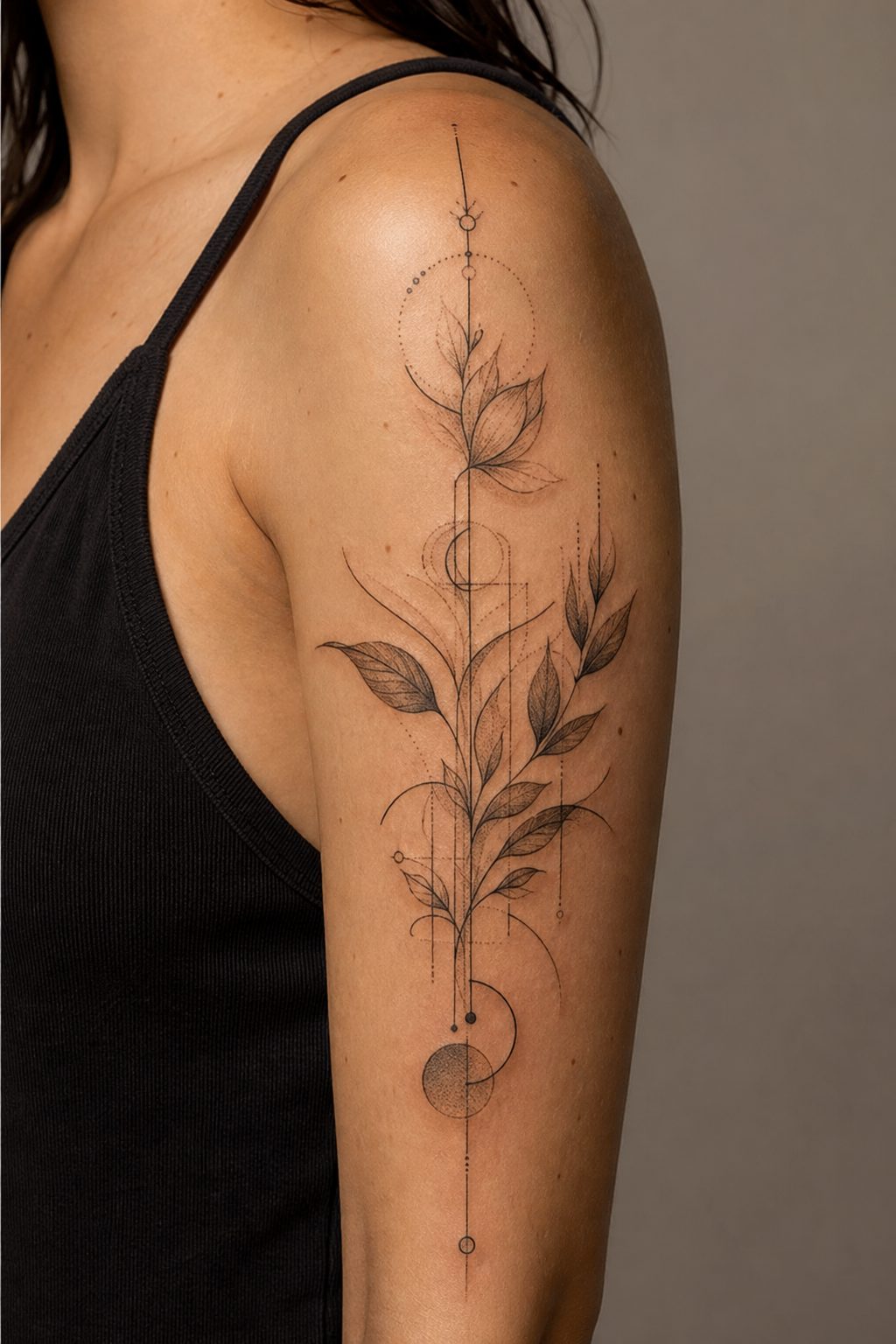
Unique tattoos follow anatomy rather than fighting it. Curved designs along the ribcage echo the natural arc. A vertical composition down the spine draws the eye with the body’s central axis. Wrist and ankle pieces that wrap slightly, following the cylinder of the limb, integrate better than flat stamps that ignore the 3D surface.
Details That Age Differently
Single-needle lettering at 6-point size looks crisp for maybe two years, then blurs into haze. Solid black silhouettes hold for decades but lose subtlety. The sweet spot for long-term uniqueness: medium-weight lines (3-5 needle groupings), moderate detail density, and enough negative space that the design breathes as it settles. Ask your artist to show you healed work from 3+ years back, not just fresh photos.
For First-Timers
Your first tattoo doesn’t need to be small or hidden, but it should be in a spot where you can observe the healing process without panic. The outer upper arm, outer thigh, and upper back all stay relatively still during daily movement, don’t rub against waistbands constantly, and let you keep an eye on scabbing without craning.
Pain Reality Check
- Ribcage, sternum, spine: sharp, consistent, hard to zone out from
- Outer arm, outer thigh, calf: manageable, duller sensation
- Inner bicep, hip bone, knee ditch: surprising intensity, short duration
- Finger tops, feet, ribs: high pain, fast fading from friction and sun
First-timers often do better with 2-3 hour sessions than marathon sittings. Adrenaline drops, swelling increases, and decision fatigue sets in around the three-hour mark for most people.
Design Scale for Beginners
A palm-sized piece gives an artist enough room to execute detail without the commitment of a half-sleeve. It also lets you learn how your skin takes ink, some people heal dark, some heal light, some keloid slightly, before expanding. Start with something that can stand alone or grow into a larger composition.
Matching & Pairing Ideas
Matching tattoos between friends, sisters, or partners work best when they’re related but not identical. Same motif, different scale. Same concept, different placement. Identical copies often feel like branded livestock within a few years; coordinated pieces respect individual bodies and lives.
Split Designs That Reconnect
Two halves of a whole image, each person carrying one side, only work if both halves look complete alone. A snake that coils from your shoulder to your partner’s hand reads as a broken image when you’re apart. Better: matching constellations from the same night sky, same flower species in different stages of bloom, or coordinates of meaningful places with different typography treatments.
Temporal Pairings
Some of the most unique pairings mark time rather than mirroring each other. Mother and daughter getting the same spot tattooed on their respective 30th birthdays. Friends adding a small mark each year they remain close. These accumulate meaning through repetition rather than relying on a single symbolic image.
Trending Variations
What’s actually gaining traction in shops right now, not just on Instagram:
- Ornamental pieces that mix jewelry-inspired linework with organic shapes, think filigree that morphs into vines or bone structure
- “Sticker sleeve” aesthetic: scattered small pieces with intentional negative space, like collected objects rather than one flowing composition
- Abstracted botanicals where species become unrecognizable, focus on gesture and negative space over botanical accuracy
- Hand-poked revival work, especially for dotwork and geometric patterns that machines struggle to keep perfectly consistent
The ornamental-to-organic blend works particularly well on female bodies because it follows natural curves while adding structural framing. Collarbones, sternum centerpieces, and hip crests all carry this style naturally.
Popular Styles
Style choice determines how your tattoo will look in five years as much as subject matter does.
Neo-Traditional
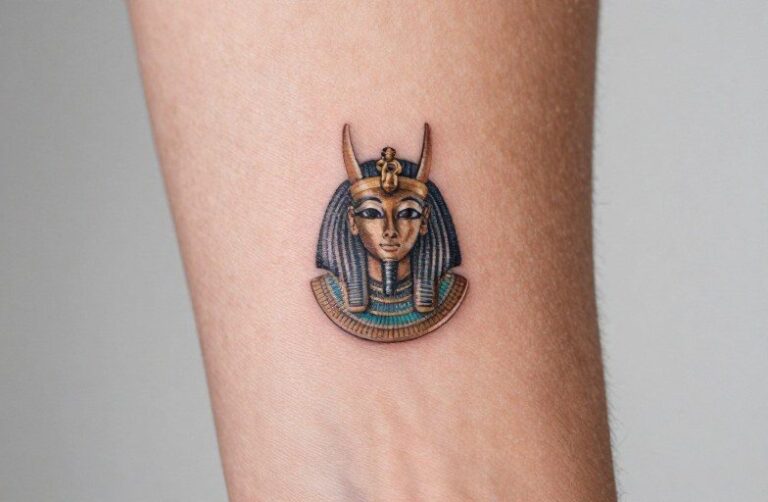
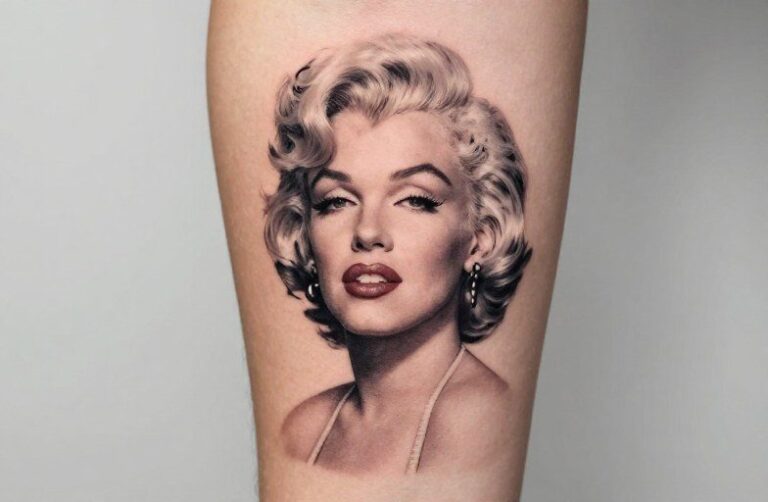
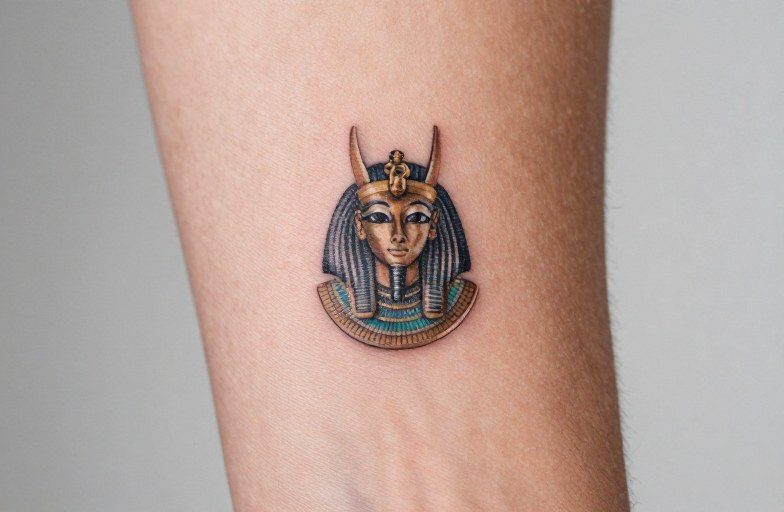
Bold outlines, limited but saturated color palette, stylized imagery. Holds up exceptionally well because the line weight and color packing are built for longevity. Flowers, animals, and female portraits in this style have enough built-in variation that repetition feels like tradition, not copying.
Fineline & Single Needle
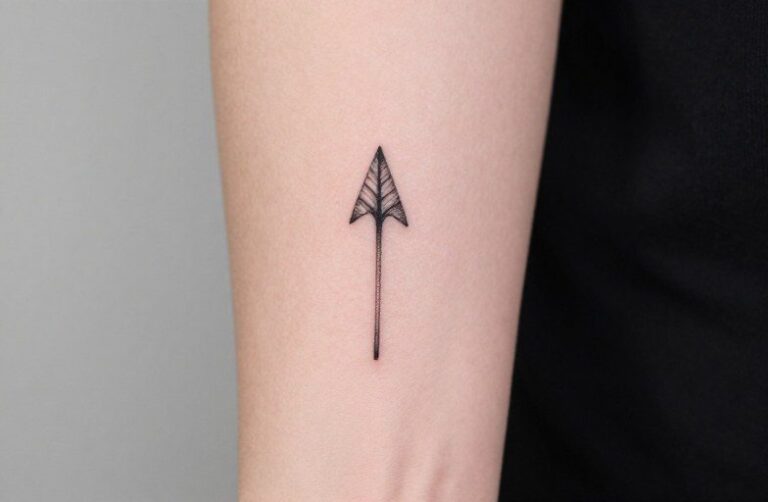
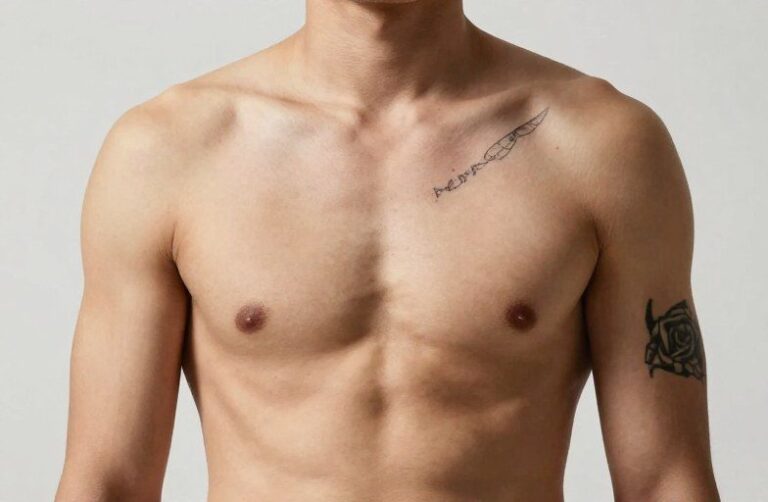
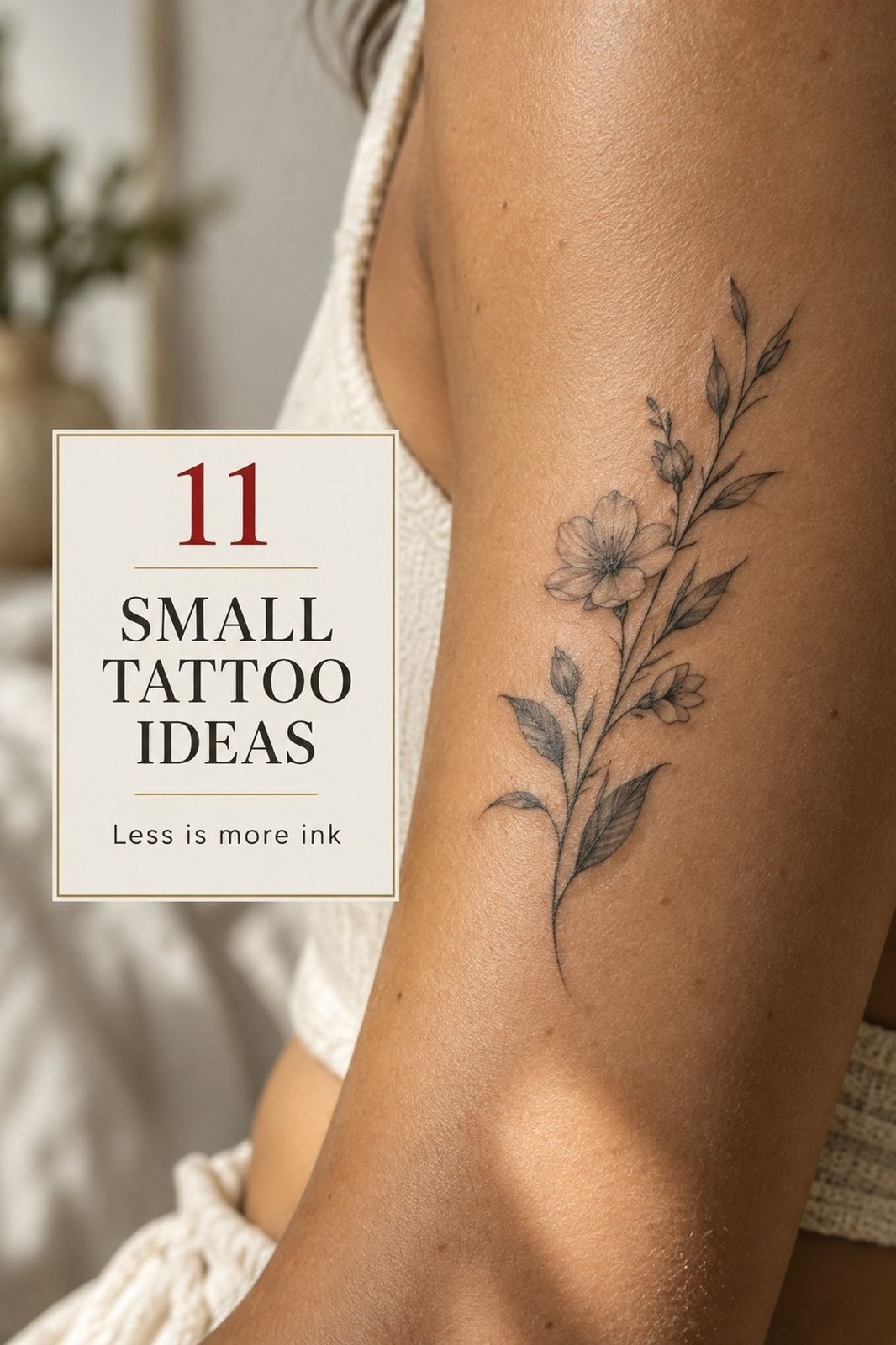
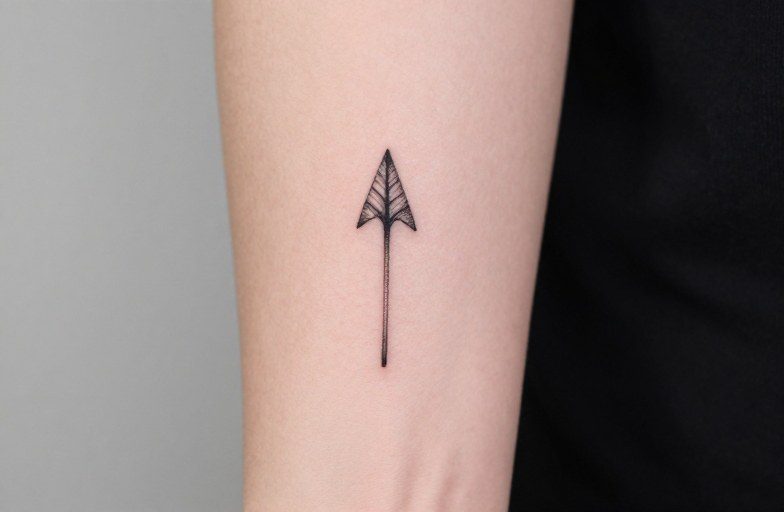
Requires extremely skilled execution and realistic expectations. Best for collectors who plan touch-ups every 5-8 years. Stunning when fresh, but the delicacy that makes it appealing is exactly what makes it vulnerable to sun and skin changes. Placement on low-friction, low-sun areas (inner upper arm, ribcage under clothing) extends lifespan significantly.
Blackwork & Ornamental
Heavy saturation, pattern-based, often abstract. The weight of black ink creates visual permanence that lighter styles can’t match. Mandala-influenced pieces, sacred geometry, and purely decorative patterning all fall here. This style can cover older work or scars effectively, and it ages into a softer, more integrated version of itself rather than looking degraded.
Color Choices
Color behavior in skin is predictable and not always intuitive.
What Fades Fastest
White highlights: brighten fresh work, often disappear entirely into skin tone within 2-5 years. Pastel pinks, lavenders, light teals: lovely for 18 months, then muddy. Yellow: notoriously unstable unless heavily saturated and protected from sun. These aren’t reasons to avoid them, but they require maintenance planning.
What Holds
True black, deep navy, forest green, crimson red, and solid purple all maintain saturation for years. Earth tones, ochre, rust, olive, sit in the middle: they fade but tend to shift color rather than disappear, which some prefer to the ashy gray that black becomes.
Skin undertone affects color appearance significantly. Cool undertones make reds pop and can turn warm browns muddy. Warm undertones carry orange and gold well but may subdue blue-greens. A good artist tests small color patches during consultation, not just shows you a digital mockup.
The Takeaway
A unique female tattoo isn’t about finding an image nobody else has. It’s about the combination of your specific body, your movement patterns, your healing tendencies, and your willingness to maintain the work. The most distinctive pieces come from honest conversations with artists about placement limitations, color behavior on your skin tone, and how much detail your chosen spot can realistically hold over time. Bring reference, but listen when an artist suggests adapting scale or simplifying for longevity. The best tattoo is the one that still feels like yours fifteen years after the machine stops buzzing.
Frequently Asked Questions
Will fine-line tattoos on my ribs blur completely within a few years?
Ribcage skin moves constantly with breathing and stretching, so fine lines soften faster there than on stable areas like the outer arm. They won’t disappear, but they’ll lose sharpness. Expect touch-ups or plan for a slightly thicker line weight from the start.
How do I know if an artist can actually execute the delicate style I want?
Ask to see healed photos of their work from 2+ years prior, not just fresh Instagram posts. Look for consistent line weight in healed pieces and ask directly about their needle groupings and experience with your specific placement.
Can I get a colorful tattoo if I have a darker skin tone?
Absolutely, but color choice and saturation matter. Deep, saturated pigments read more clearly than pastels. Experienced artists will know how to pack ink for visibility and may suggest bolder color blocks over subtle shading gradients.
What’s the best way to plan multiple tattoos that will look cohesive over time?
Work with one or two artists who understand your overall direction, leave intentional negative space between pieces, and repeat a limited palette or line weight across different works. Cohesion comes from technical consistency, not forcing everything into a single sleeve format.