Most people asking for “good tattoo ideas” aren’t short on imagination, they’re short on specifics. A good tattoo isn’t the flash sheet that catches your eye on Instagram; it’s the one that still looks intentional ten years later, that fits your actual body rather than fighting it, and that you don’t have to explain every time someone asks. This guide breaks down what makes an idea genuinely solid, from how it’ll sit on your skin to how it’ll read in different contexts.
Size & Scale
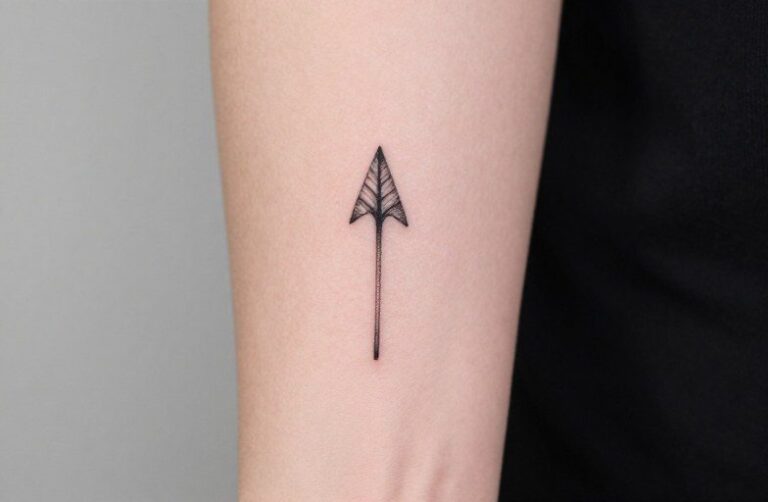
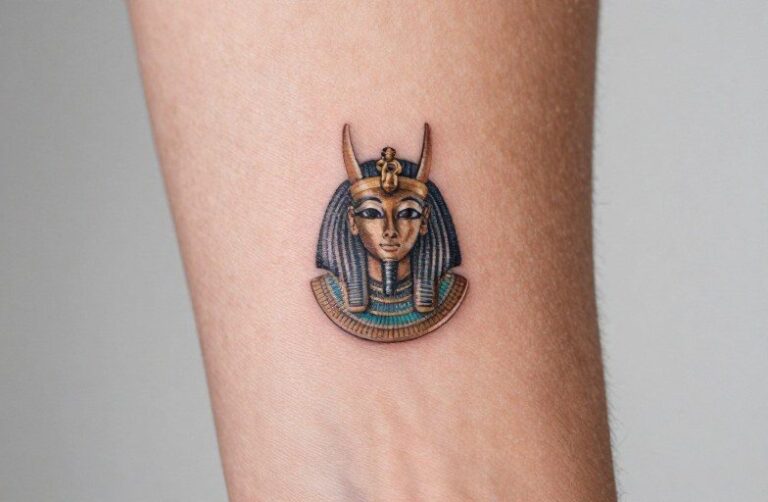
Small tattoos get disproportionate hype. They’re discreet, sure, but the smaller you go, the faster detail becomes mush. A palm-sized piece with twenty lines becomes a gray blob inside five years. That doesn’t mean avoid small, just know what survives at that scale.
What Works Tiny
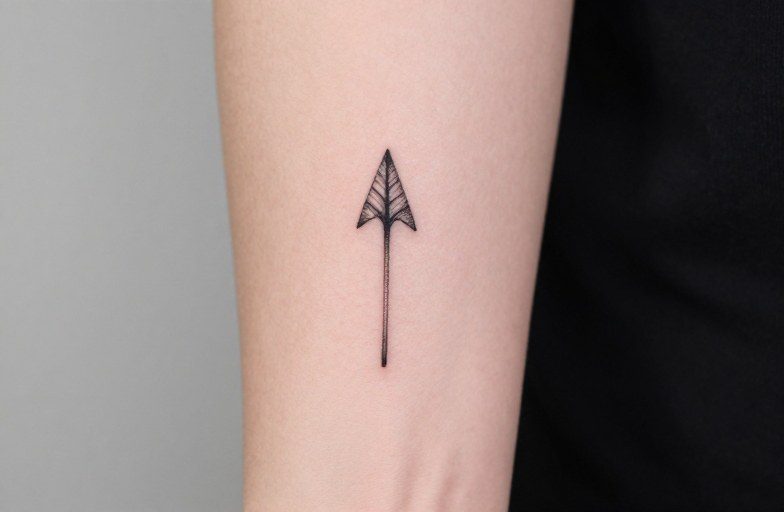
Bold, simple shapes hold up: thick-line hearts, solid black symbols, single-word lettering in a clean sans-serif. A small snake coiled tight reads better than a small snake stretched long. Negative space helps, let the skin breathe around the ink.
- Single bold symbols: anchors, eyes, hands, moons
- Thick lettering, 3-4 characters max
- Solid black silhouettes with minimal interior detail
- Geometric shapes with strong contrast
When to Go Bigger
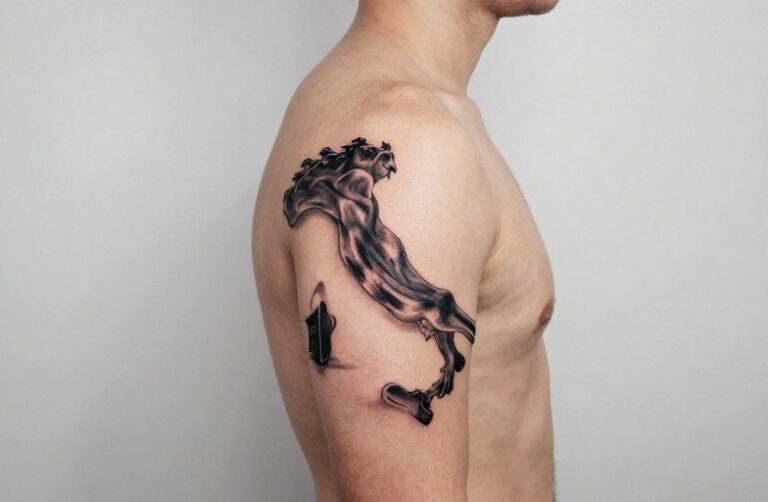
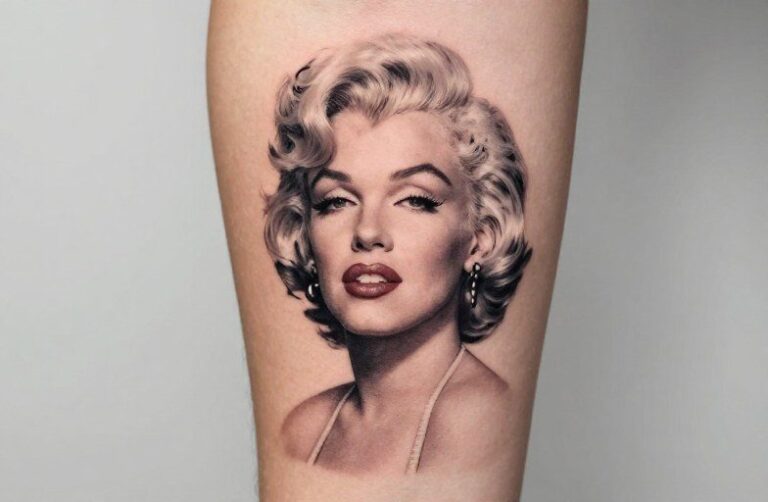
Portraits, animals in motion, anything with faces or fine texture, these need real estate. A half-sleeve or a thigh piece gives the artist room for gradation, which is what keeps an image readable as the ink settles and spreads slightly over decades. If your idea involves multiple elements interacting, plan for at least a hand-sized minimum.
Matching & Pairing Ideas
Matching tattoos with partners, friends, or family walk a narrow line. The good ones share a visual language without being identical. Think split designs that complete each other, or shared motifs rendered differently for each person’s style.
What Actually Works
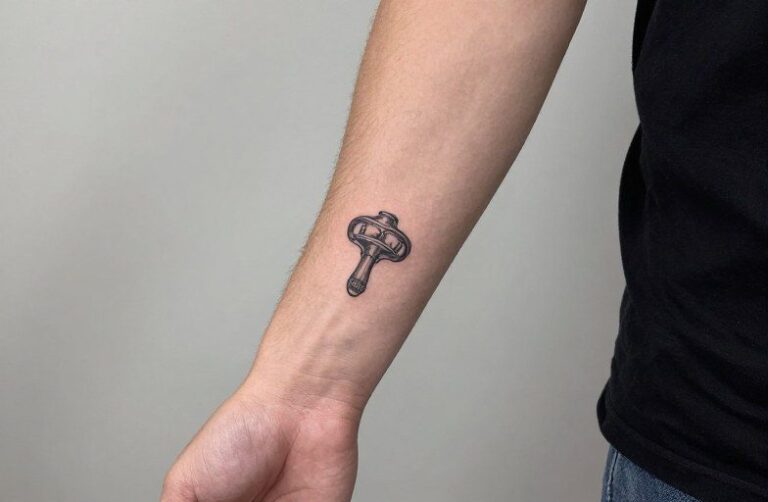
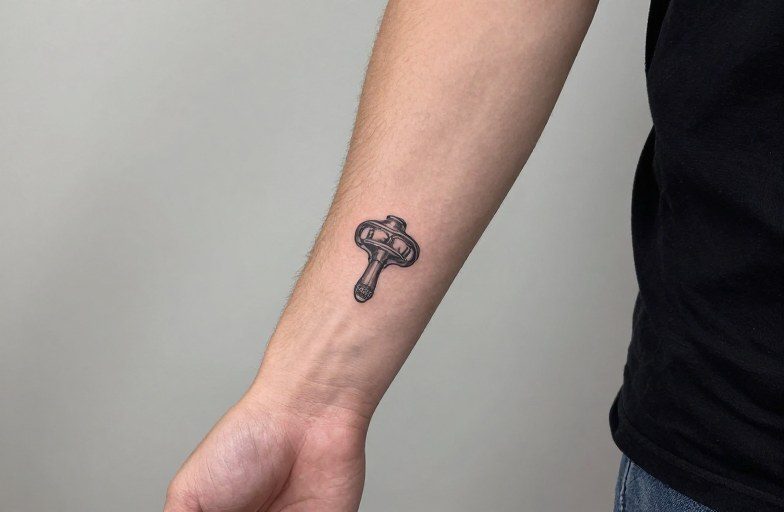
Two people getting the same exact small symbol often looks like a brand, not a bond. Better: complementary imagery, one person gets the wave, the other the shore; one the key, one the lock mechanism. These hold meaning if the relationship shifts, because each piece stands alone visually.
Sibling or parent-child pairs often work well with shared references to childhood: a specific house plant, a pet’s silhouette, a map coordinate in the parent’s handwriting. The specificity protects it from feeling generic.
Placement Coordination
Matching placements (both inner forearms, both shoulder blades) photograph well but aren’t mandatory. Sometimes asymmetry suits the relationship better, one visible, one hidden, reflecting how you each carry the connection differently.
For First-Timers
First tattoos carry extra weight because you’re proving something to yourself. The best first ideas balance personal significance with technical forgiveness. You don’t yet know how your body reacts to healing, how pain maps across your particular nerve endings, or how you’ll feel seeing the same image daily.
Low-Risk First Choices
Upper outer arm, outer thigh, or calf: these spots hurt less, heal predictably, and hide easily if needed. Avoid ribs, spine, hands, or feet for your first, these placements hurt more, heal trickier, and limit your artist pool since not everyone specializes in high-movement areas.
Subject-wise, avoid names of current partners and avoid anything tied to a single moment you might outgrow. A reference to a place, a foundational interest, or a visual motif you’ve loved for years outlasts most impulse choices.
Style Recommendations
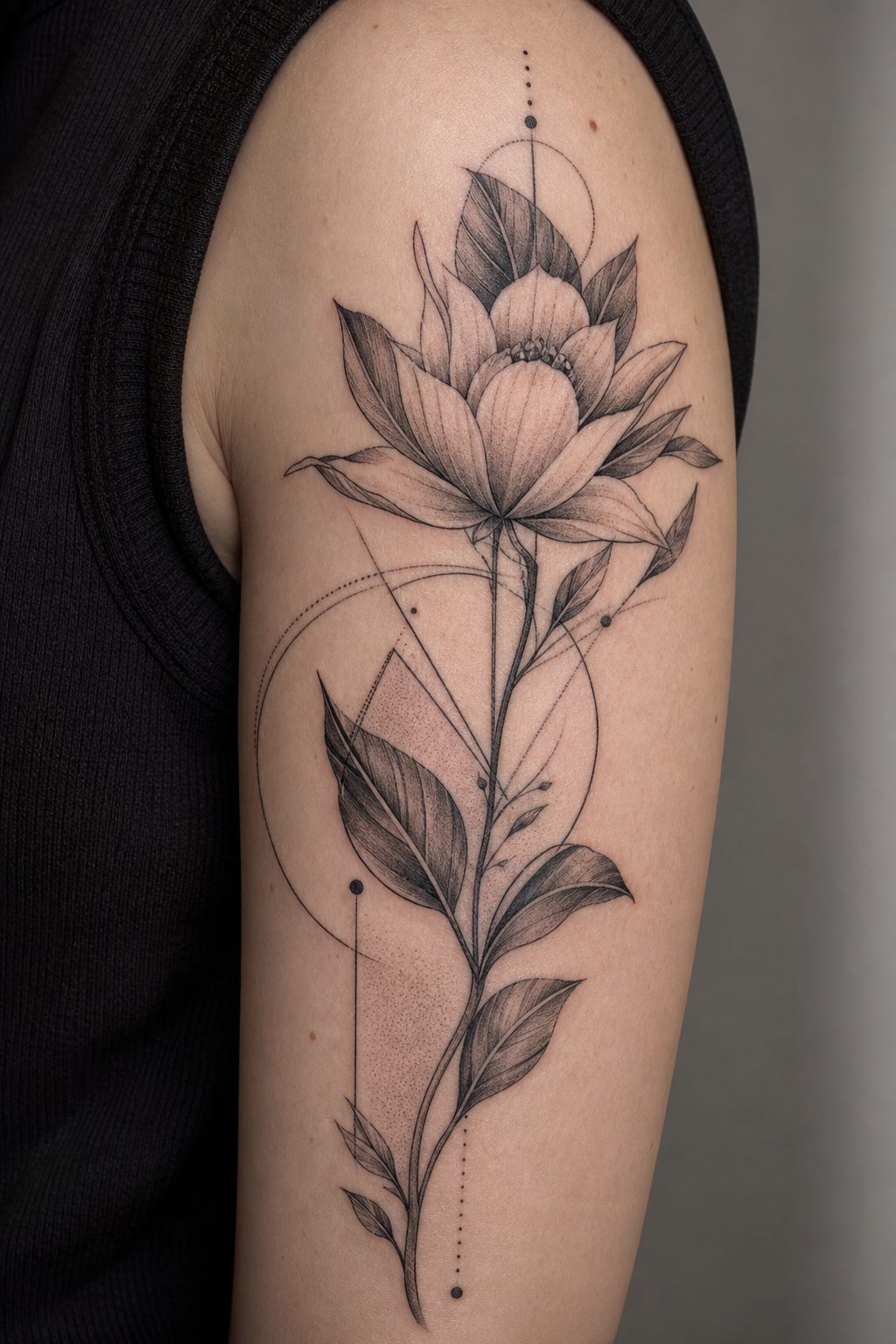
American traditional ages best with minimal maintenance: bold black outlines, limited color palette, clear readable imagery. Fine-line and watercolor styles look delicate fresh but blur faster. If you’re drawn to those aesthetics, accept that touch-ups will be part of the lifecycle.
Tips for Choosing
The gap between “I like this image” and “this image belongs on my body permanently” is where most people stumble. A few filters help bridge it.
Live with the image. Set a photo of the design as your phone wallpaper for three months. If you stop seeing it, that’s information. If you keep noticing new details, that’s also information.
Consider the viewer. Not other people, you. Where will you see it? A back piece you’ll only glimpse in mirrors reads differently than a forearm piece in your peripheral vision all day. Some people want constant reminder; others want occasional rediscovery.
Check the artist’s healed work. Every tattoo looks good fresh. Ask to see photos of their pieces at one year, five years. How do their lines hold? Do their colors stay saturated or muddy? This matters more than their fresh portfolio.
Be specific about what you want, not how to do it. “I want a raven because my grandmother loved them” gives your artist a starting point. “I want a raven exactly like this Pinterest image” limits them and often produces a lesser version of something already existing.
Best Placements
Placement changes how a tattoo ages, how much it hurts, and what it signals socially. There’s no universal “best” spot, but there are better and worse matches between idea and location.
High-Visibility Areas
Hands, neck, face: these commit you publicly. In many professional contexts, they’re still limiting. The skin here also turns over faster, so ink fades quicker and blowouts (ink spreading under skin) are more common. Save these for when you’re established in your career and certain of your aesthetic.
Forearms and lower legs offer compromise visibility. Roll a sleeve, show it; long sleeves at work, hide it. The skin is relatively stable for aging.
Canvas Areas
Back, chest, thighs, upper arms: maximum space, minimum daily visibility to you. These suit larger compositions, collections that might expand over time, or pieces you want to exist without constant self-consciousness. The back in particular offers flat, even skin that ages ink well.
Ribs and stomach move constantly with breathing and body changes; weight fluctuation distorts imagery here more than on limbs. Plan accordingly if your body composition shifts.
Color Choices
Black and gray outlasts color, full stop. But color isn’t a mistake, it’s a choice with different maintenance.
Black and Gray
Monochrome relies on contrast between solid black, washed gray, and skin tone. It ages into a softer version of itself, often improving slightly as harsh fresh blacks settle. Works across all skin tones, though the gray wash values need adjustment for darker skin to remain visible.
Color Realities
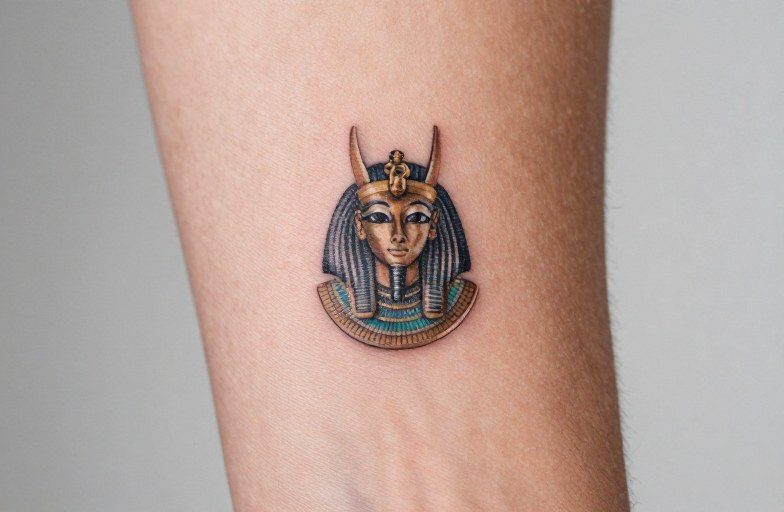
Bright yellows and whites fade fastest; deep blues, blacks, and dark greens hold longest. Red sits in the middle. Watercolor-style tattoos without black outlines essentially have no structural support as color drifts, they’re the fastest to become unrecognizable.
Skin tone affects color saturation. What pops on pale skin may sit differently on melanin-rich skin; experienced artists adjust pigment choices accordingly. Ask specifically about their experience with your skin tone if considering color.
White ink alone is nearly invisible on most skin within a few years, and often yellows. Use it as highlight within black work, not as standalone design.
The Takeaway
A good tattoo idea isn’t the one that gets the most likes online. It’s the one that fits your body, your daily life, and your capacity for maintenance. Bold and simple lasts longer than intricate and delicate. Placement matters as much as image. The artist’s skill with your specific skin and their healed results matter more than their follower count.
Take the time to find someone whose healed work you trust, whose style matches your direction, and who’ll tell you when your idea needs adjustment. The best tattoo ideas become good tattoos through that collaboration, not through perfection in the concept, but through fit between idea, body, and execution.
Frequently Asked Questions
How small can a tattoo be before it starts to blur?
Below two inches, most detailed work becomes unrecognizable within five to ten years. Solid black symbols or very thick lines can go slightly smaller, but anything with interior detail needs at least palm-sized real estate to age readable.
Should my first tattoo be in black and gray or color?
Black and gray is more forgiving for first-timers, it ages slower, requires less touch-up, and works with more artists’ core skill sets. Save color for when you know how your skin heals and which artists in your area specialize in the palettes you want.
Is it okay to combine multiple small ideas into one bigger piece?
Yes, and it’s often smarter. A cohesive sleeve or back piece with connecting elements ages better than a collection of unrelated small tattoos packed together. Plan the overall flow with an artist rather than accumulating randomly.
How do I know if an artist is right for my specific idea?
Check their healed work in the same style and on similar skin tones to yours. Ask about their experience with your placement choice. The right artist has done versions of what you want before, not just adjacent styles they’re willing to try.