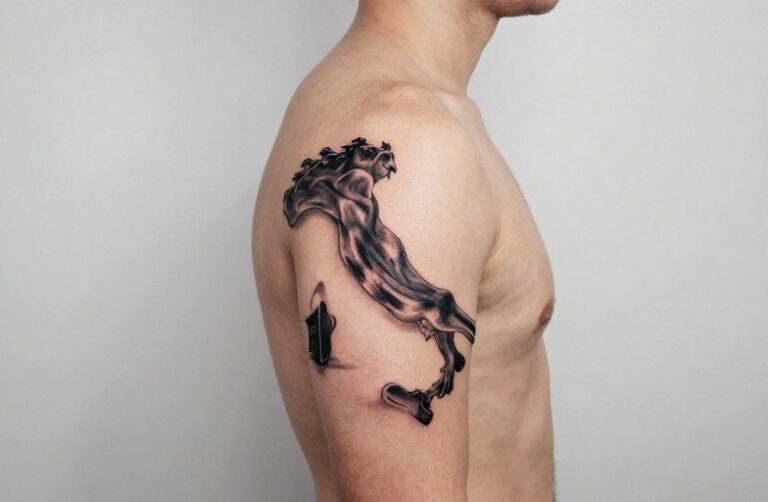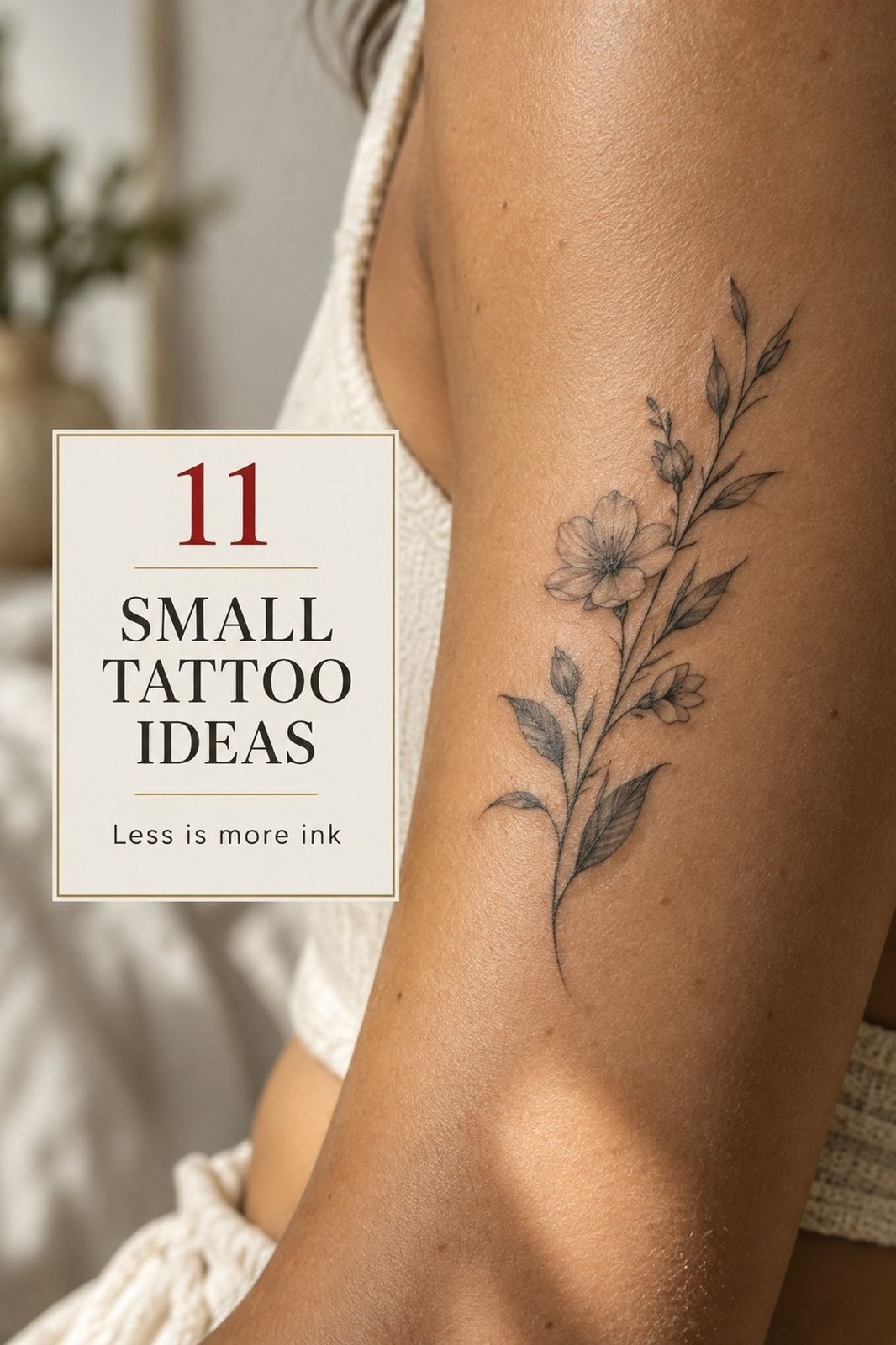
The forearm is one of the most versatile spots on the body for ink. It’s visible enough to show off, easy to hide with a long sleeve, and the skin there holds detail remarkably well over time. For women considering their first piece or adding to an existing collection, the forearm offers a sweet spot of practicality and presence. Here’s how to make it count.
For First-Timers
Starting on the forearm makes sense for a lot of reasons. The pain sits in the moderate range, noticeable but rarely overwhelming. The outer forearm, with its meatier muscle and fewer nerve endings, tends to be gentler than the inner wrist or the ditch (the inner elbow crease). You can watch the work happen, which helps some people relax and makes others wish they couldn’t. Either way, you’re not face-down in a pillow wondering what’s going on.
What to Expect During and After
A small-to-medium piece usually wraps in one to three hours. The forearm heals relatively quickly because it doesn’t rub against clothing as aggressively as ribs or hips, and air circulation is decent. That said, the inner forearm can stick to desks and tables during healing, so plan your work schedule accordingly. Expect two to three weeks of peeling and itching before the surface settles. Color saturation here stays true longer than on hands or feet, though the inner forearm will fade faster than the outer if it sees constant sun.
Budgeting and Commitment
Forearm work runs the gamut from a $150 minimal line piece to full sleeves in the thousands. The real consideration isn’t money, it’s visibility. This is the tattoo people will see. Job markets vary, but forearm ink still closes some doors in conservative fields. Plan for something you won’t need to explain constantly, or commit to covering it when necessary.
Size & Scale
The forearm’s natural shape, longer than it is wide, favors certain proportions. Vertical designs follow the bone structure and feel integrated. Horizontal bands or wraps can look squeezed or awkward unless they’re substantial enough to read as intentional cuffs.
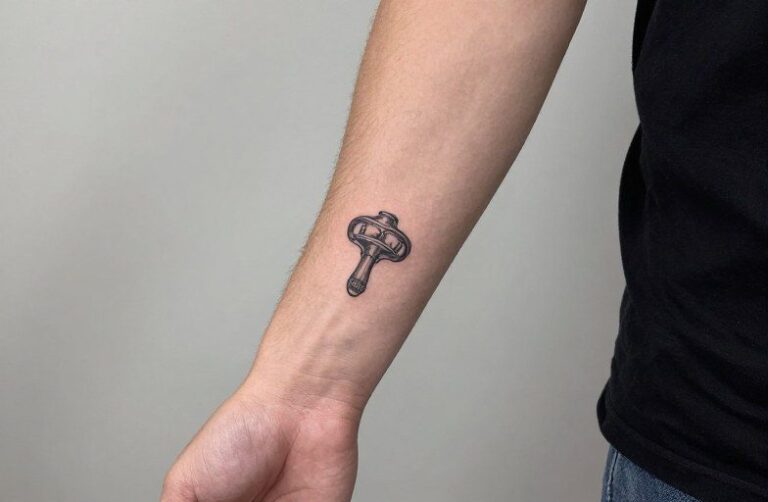
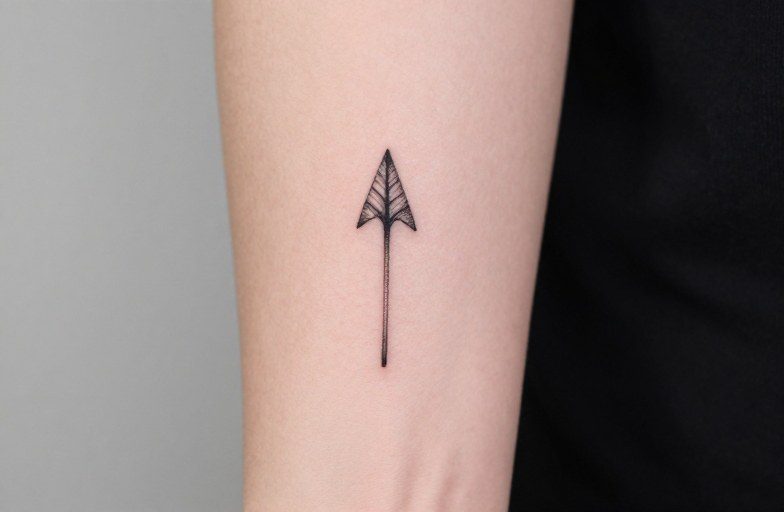
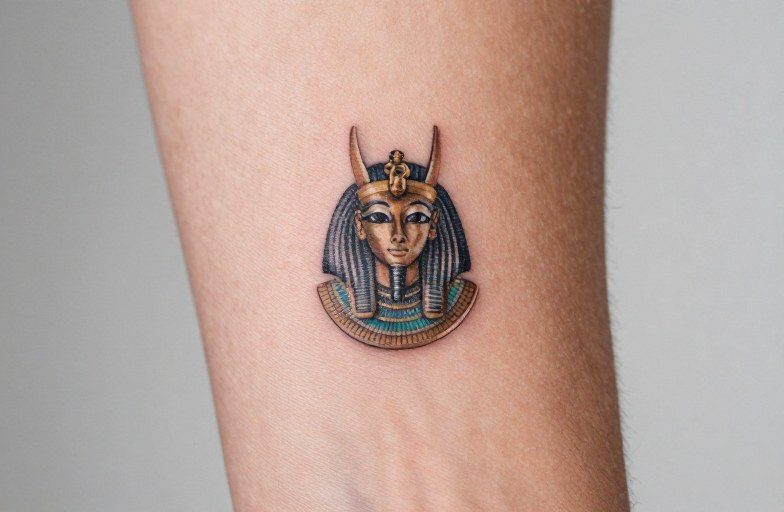
- Small accents (1-3 inches): delicate enough for the inner wrist or a single spot on the outer forearm. Best as standalone symbols or tiny florals.
- Medium pieces (4-7 inches): the sweet spot for most forearm work. Enough room for detail without dominating the arm.
- Large compositions (8+ inches or full forearm): require planning around the elbow and wrist transitions. These read as serious statements.
Scale should match the complexity of the design, not just personal preference. A highly detailed 2-inch piece will blur into mush in five years. Bold lines and simplified shapes survive better at smaller sizes.
Popular Styles
Certain aesthetics consistently work well on female forearms, not because of gendered rules but because of how these styles interact with the canvas.
Botanical and Nature Work
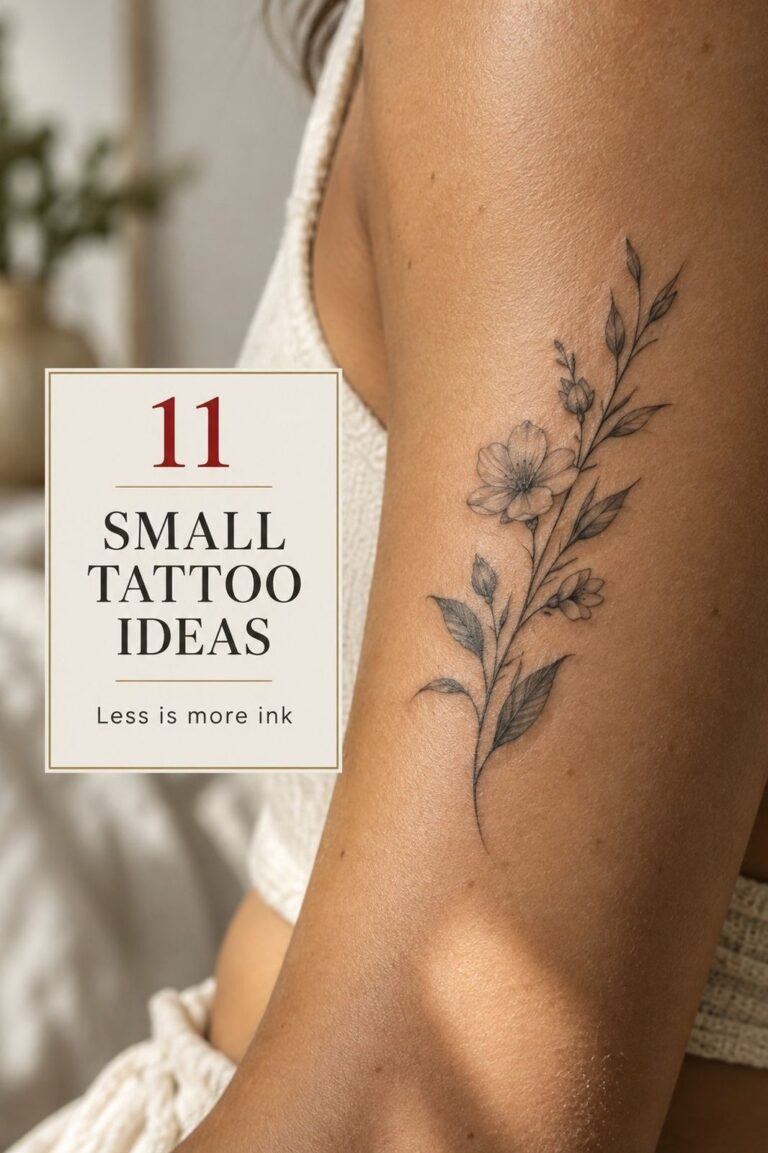
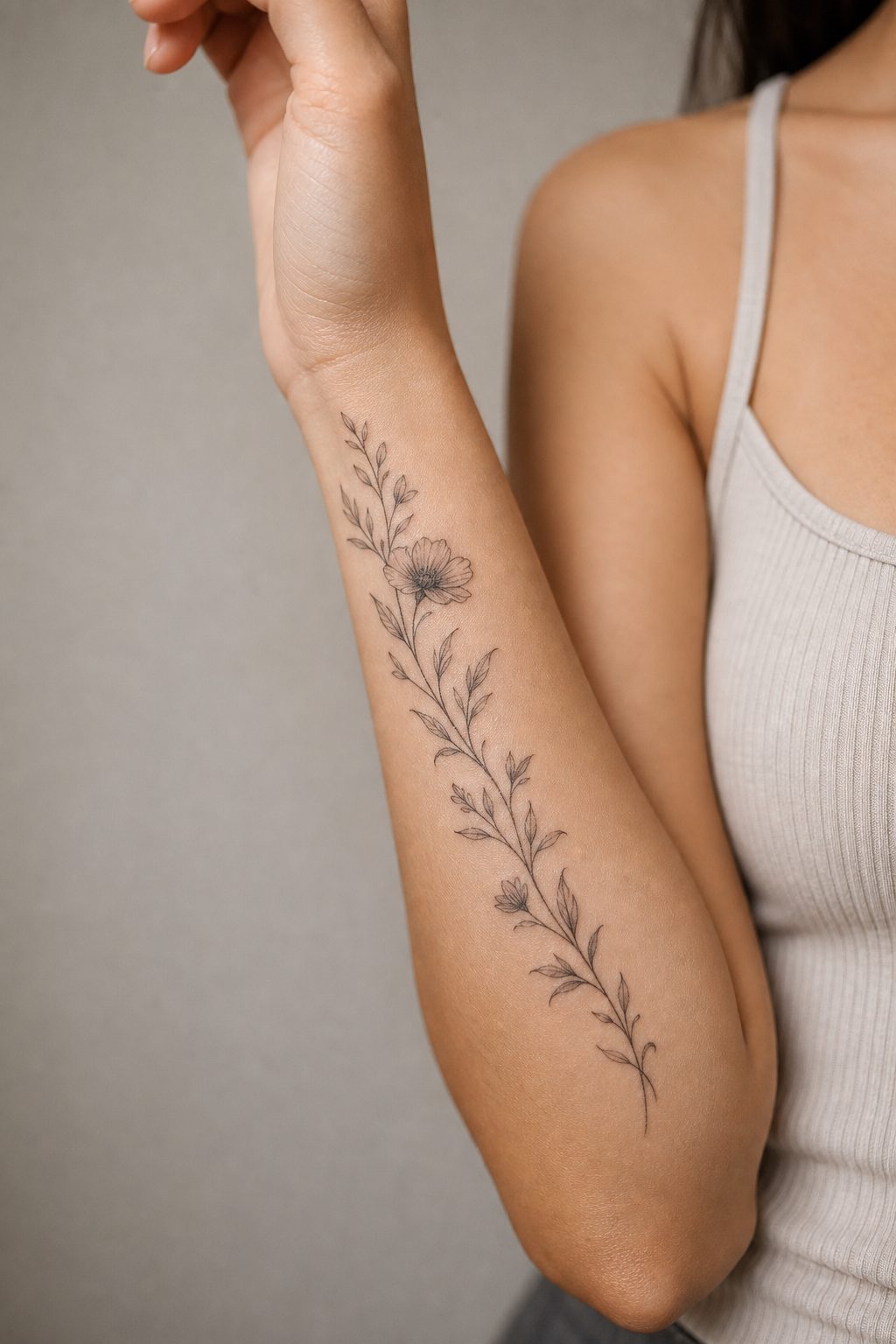
Flowers, vines, and leaves adapt naturally to the forearm’s length. Fine-line wildflowers clustered near the wrist, trailing vines that wrap slightly around the arm, or single-stem roses running from elbow to wrist all use the real estate effectively. Black and grey botanicals age gracefully; watercolor-style florals look striking fresh but require touchups as the soft edges bleed slightly over time.
Script and Lettering
Words on the forearm carry weight because they’re readable. Cursive along the inner forearm, block letters on the outer, placement changes the tone entirely. Font choice matters more than content here; overly ornate scripts become illegible as they age. Keep lettering at least 1/4 inch tall for longevity. The inner forearm’s thinner skin can cause slight spreading in fine details, so bolder fonts hold better there.
Minimalist and Geometric
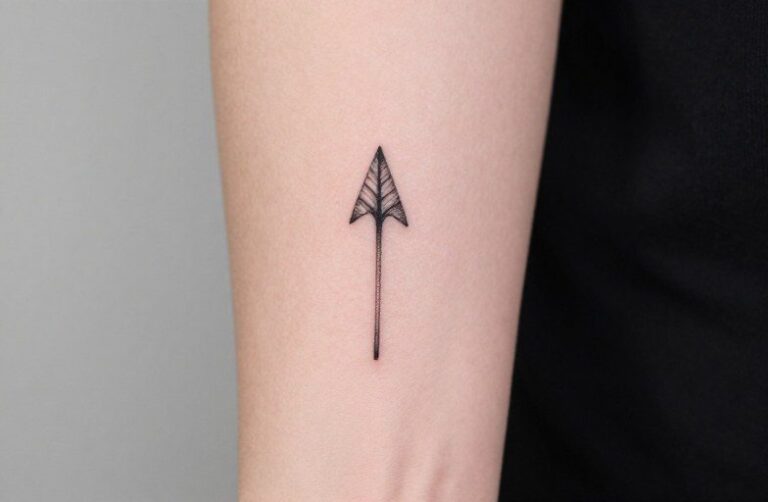
Single needle lines, tiny constellations, abstract shapes, and sacred geometry sit cleanly on forearm skin. These styles rely on precision, so artist selection is critical. A wobbly circle or uneven triangle will haunt you daily. The outer forearm’s flatter surface suits geometric work better than the curved inner arm.
Matching & Pairing Ideas
Forearms offer natural symmetry. Some women choose matching pieces on both arms, mirrored florals, identical symbols, or complementary phrases. Others prefer one statement piece that stands alone.
Pairing doesn’t require identical twins. A moon on one forearm and sun on the other creates dialogue without matching exactly. Sisters or close friends sometimes split designs that complete each other when arms touch, overused in concept, but still effective when the imagery is fresh and personal.
Existing tattoos elsewhere change the calculus. A forearm piece should relate to shoulder or upper arm work if sleeves are the eventual goal. Random unconnected pieces can look accidental rather than collected.
Best Placements
Not all forearm real estate behaves the same.
Outer Forearm
The most common choice for good reason. Flat, stable, less painful, and ages well. Tattoos here face outward when arms hang naturally, others see them before you do. This placement suits confident pieces meant for display. The radial bone creates a natural centerline that artists can use for symmetrical designs.
Inner Forearm
More intimate, more painful near the wrist and ditch, and more prone to fading from sun exposure when driving or typing. The skin here is softer and can hold delicate work beautifully, but that same softness means lines spread slightly more over decades. Inner forearm tattoos feel personal; you see them constantly, others only when you choose to show.
Wraparound and Partial Wrap
Designs that curve from outer to inner forearm create dimension and movement. Snakes, vines, and flowing organic shapes work particularly well wrapping around. Full wraps require careful drawing to avoid distortion, what looks correct from one angle may stretch strangely from another. Partial wraps that stop at the natural visual boundary between outer and inner arm often read more cleanly.
Standout Design Ideas
Beyond the expected, several concepts translate exceptionally to female forearms.
- Pressed flowers: Literal flattened botanicals rendered in fine line, often with visible stem and leaf structure. Scientific illustration aesthetic, not decorative.
- Architectural fragments: Column capitals, archways, or staircases in blackwork. The vertical format suits forearm length; the subject matter carries gravitas without heaviness.
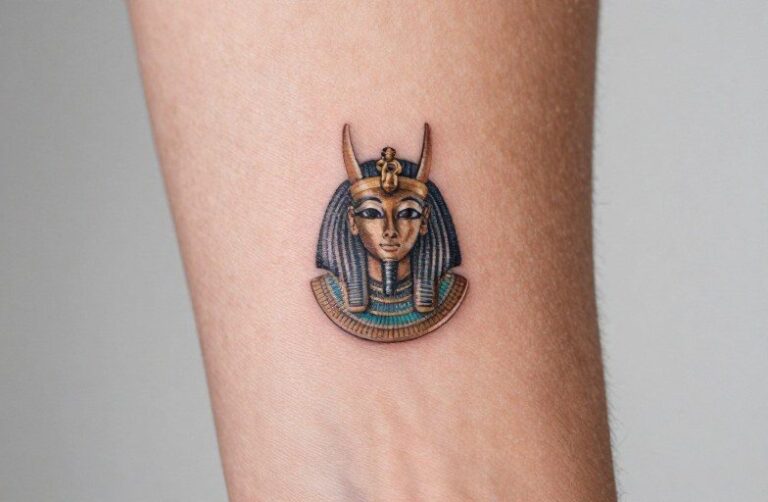
- Micro-realism animals: Tiny, photographically detailed creatures, moths, birds, foxes, scaled to 3-4 inches. Requires a specialist; generalists will struggle.
- Abstract brushstrokes: Black ink mimicking Japanese sumi-e painting. Bold, gestural, and gender-neutral without being aggressively masculine.
- Scientific or botanical illustration: Labeled plant specimens, anatomical hearts, constellation maps. The forearm’s visibility invites closer inspection of detailed work.
One approach growing in popularity: the “half-and-half” composition, two contrasting images split vertically along the forearm’s length, often representing duality or balance. Executed well, it’s striking. Done poorly, it looks like two unrelated tattoos smashed together.
Final Word
The forearm rewards intentionality. It’s too visible for afterthoughts, too permanent for trends you’ll outgrow in two years. Spend time on artist selection, portfolio review, healed photos, not just Instagram fresh work. Consider how the piece moves with your arm, not just how it sits in a stencil photo. And give yourself permission to start small; the forearm accommodates growth and addition better than almost anywhere else. Your first mark here doesn’t have to be your last statement.
Frequently Asked Questions
Does the inner or outer forearm hurt more to tattoo?
The inner forearm tends to hurt more, especially near the wrist and the inner elbow ditch where skin is thinner and nerve endings cluster. The outer forearm’s muscle padding makes it one of the more tolerable spots for most people.
How well do fine-line tattoos hold up on the forearm?
Fine-line work lasts reasonably well on the outer forearm but fades faster on the inner forearm due to sun exposure and skin texture. Expect needing touchups every few years, especially for delicate details under 1/8 inch.
Can I easily cover a forearm tattoo for work?
Long sleeves or makeup coverage work, but the forearm is harder to hide than upper arm or back pieces. Consider your professional environment before committing to visible placement.
What’s the best forearm placement for a first tattoo?
The outer forearm near the middle of the muscle offers the best combination of manageable pain, stable healing, and future flexibility for adding more work around it.
More Tattoo Ideas
- Good Tattoo Ideas That Actually Hold Up
- Explore more