
I almost chose a delicate mandala that was too small to keep its detail. The short answer is simple: placement and spacing matter more than size alone. I’ve learned that crisp geometry needs breathing space, thoughtful aftercare, and an artist who understands healed skin. These ideas can help you choose something striking and meaningful.
Editor’s note: The most memorable mandalas usually have one clear idea, not every symbol you love. Start with your placement, then let the design become personal.
- Start With Small Delicate Mandala Tattoos On The Wrist
- Refine Delicate Mandala Tattoos With Fine Linework
- What Works Behind The Ear?
- Let Flowers Shape A Delicate Mandala
- Keep Tiny Delicate Mandala Tattoos On Fingers Simple
- Build Delicate Mandala Tattoos With Dotwork Details
- Follow The Spine With A Vertical Mandala
- Why the Forearm Works For Geometric Mandalas
- Give Sacred Symbols A Clear Center
- Choose Colorful Delicate Mandala Tattoos Carefully
- Match Delicate Mandala Tattoos For Couples
1Start With Small Delicate Mandala Tattoos On The Wrist
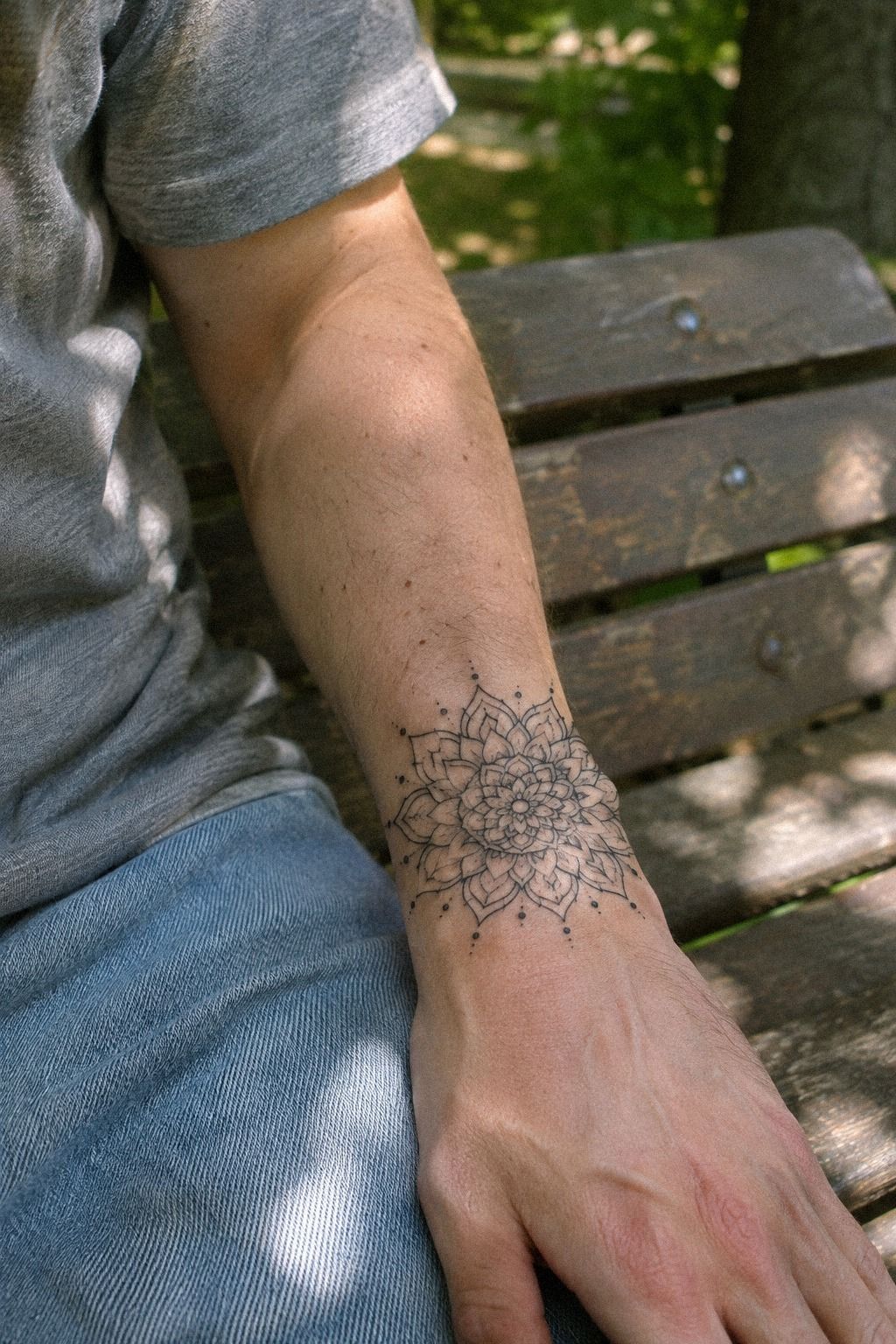
A small wrist mandala works when the outer shape stays crisp and the center remains readable. For your design, ask for a compact geometric frame with fine radial lines, tiny open circles, and enough negative space around each petal. A fine-line outline can look elegant without becoming heavy.
The wrist moves constantly, so you’ll want a design that doesn’t depend on microscopic shading. I’d keep the densest detail away from the wrist crease, where movement and friction can soften the appearance over time. That choice is practical, but it can still feel expressive.
If you’re comparing proportions, look through these delicate small wrist tattoos before your appointment. You’ll notice that the strongest examples leave a clean margin between the mandala and the hand. That negative-space margin keeps a minimal tattoo from looking crowded.
My pick is a slightly oval mandala following the wrist’s natural direction, not a perfect circle rotated sideways. It feels personal, crisp, and understated. You’ll still see the geometry when your hand is relaxed, which is the test that matters!
2Refine Delicate Mandala Tattoos With Fine Linework
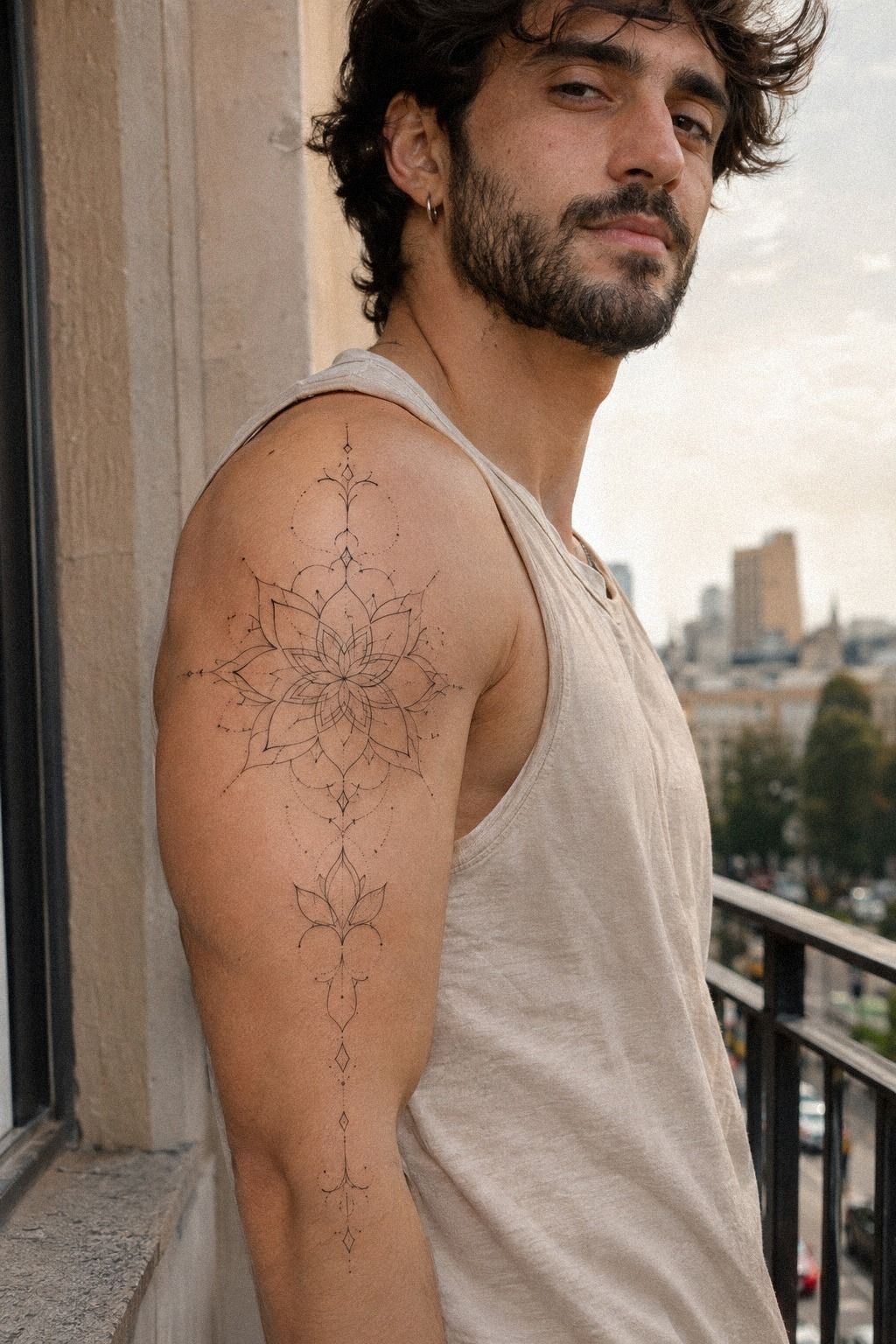
Fine linework gives a mandala a polished, graceful quality, especially when every ring has a different line weight.
3What Works Behind The Ear?
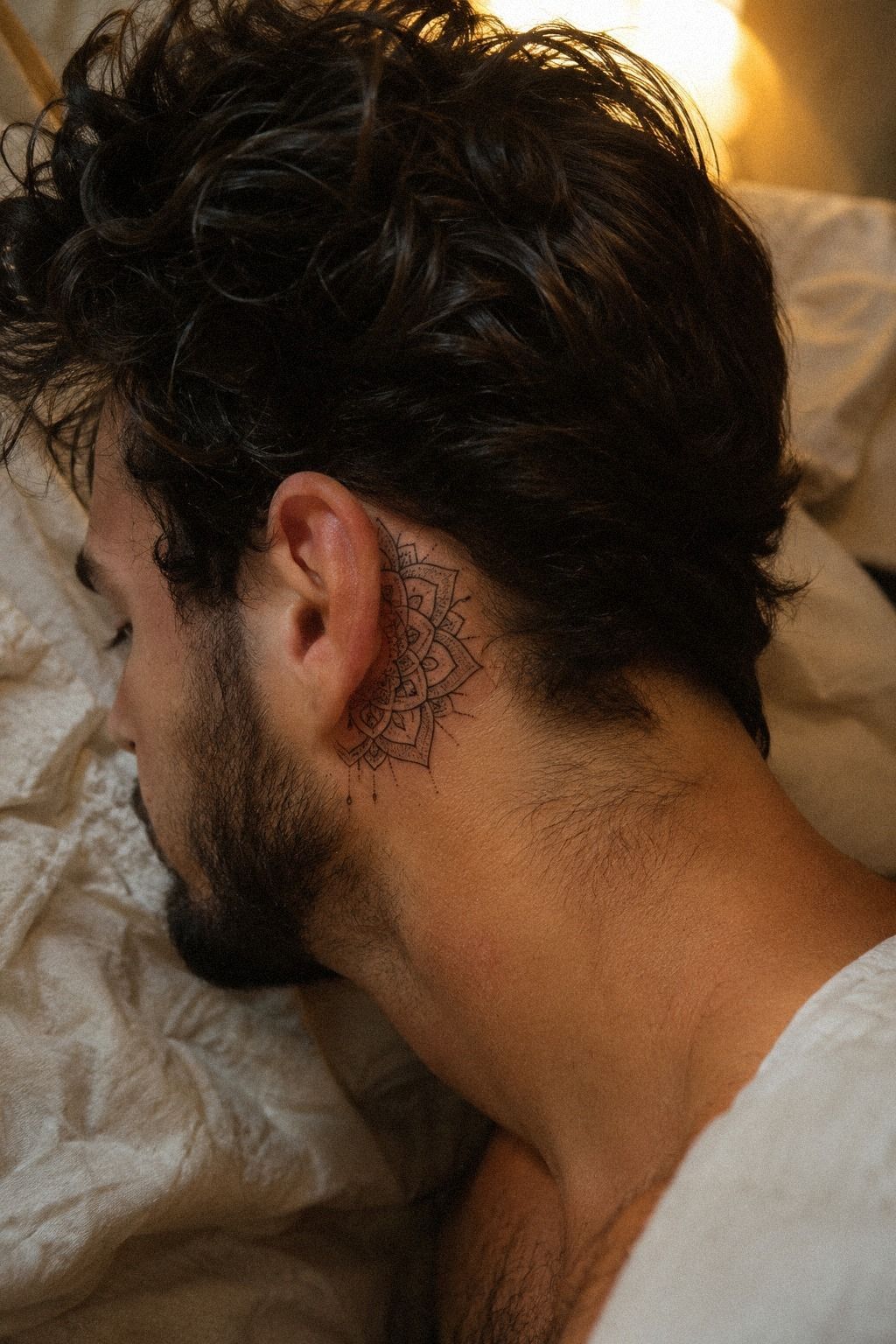
Behind-the-ear mandalas need a compact silhouette and a very clear focal point. I’d use a small sunburst, four open petals, and a central dot rather than a crowded floral wheel. The behind-the-ear placement makes the tattoo discreet but still sharp.
Your best position is slightly below the fold, where the design won’t disappear whenever you turn your head. A black outline can hold the shape better than pale shading, especially if you wear your hair over the area.
Don’t let the word “tiny” push you toward detail that can’t breathe. A dainty tattoo can still be bold in its symbolism. The key is choosing one single focal point and letting it lead.
For more compact references, browse these small mandala tattoos. You’ll have an easier time explaining your preferred scale when you bring two or three saved examples to the studio. A sunburst center can give your artist a useful starting point.
Would you rather have every petal filled, or one open section that lets your skin show through? I’d choose the open section. It makes the design more expressive and gives your eye a pause instead of turning the mandala into a dark button behind your ear!
4Let Flowers Shape A Delicate Mandala
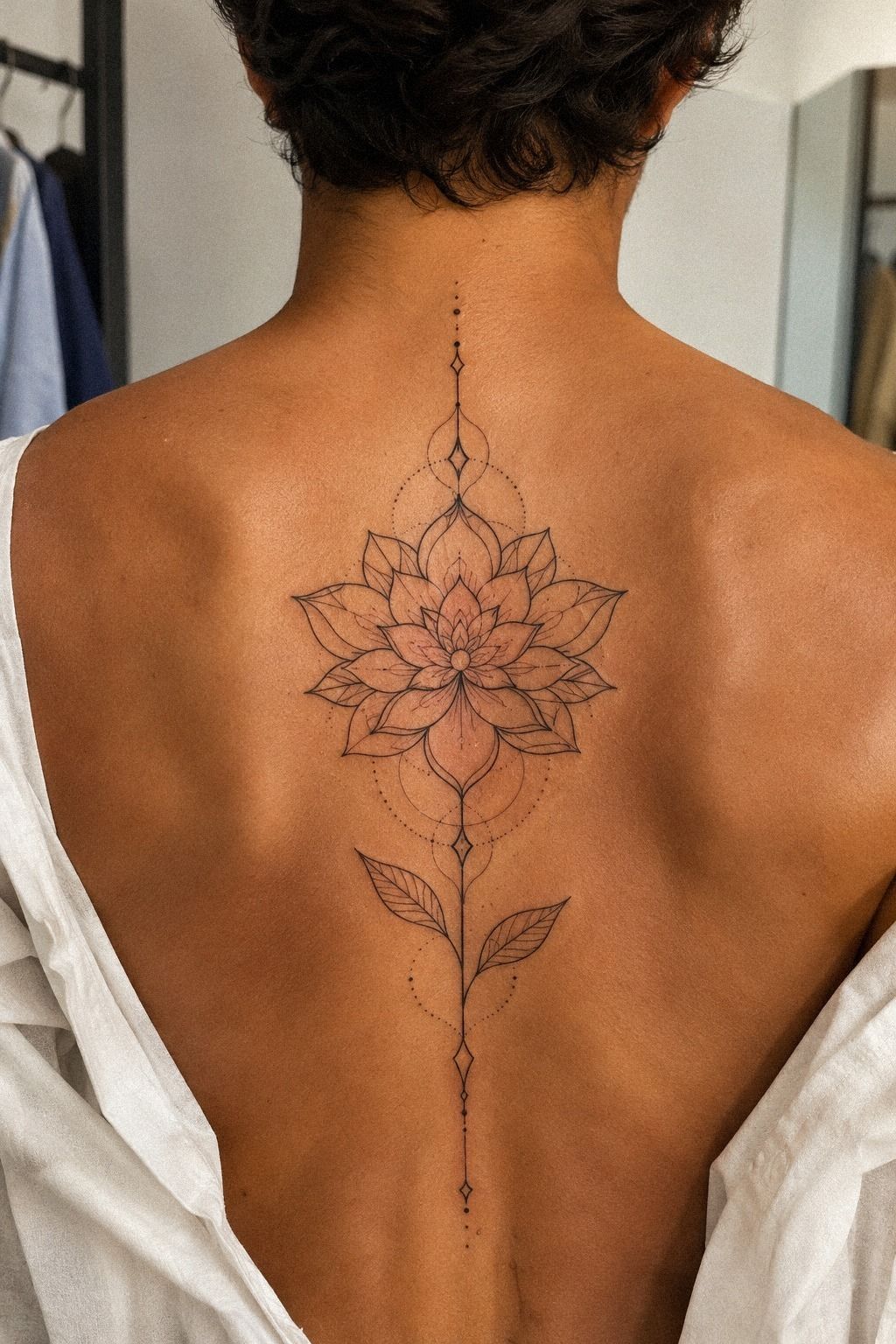
A flower-inspired mandala can feel symbolic without becoming obvious. Your design can follow the body’s vertical rhythm instead of sitting as an isolated circle.
I’d keep the stem narrow, then let the petals widen gradually toward the center. That flower geometry can feel graceful without looking generic.
The layered petal pattern should have varied line weights. Your artist can make the outer petals crisp, the inner petals softer, and the center slightly darker so the flower doesn’t vanish from a distance. A layered petal pattern gives the composition structure.
A delicate tattoo still needs a visual anchor. Without one, it may look unfinished rather than understated. A repeated petal, a small sun, or a single pointed leaf can give the composition a timeless identity.
The central petal motif should be easy to recognize.
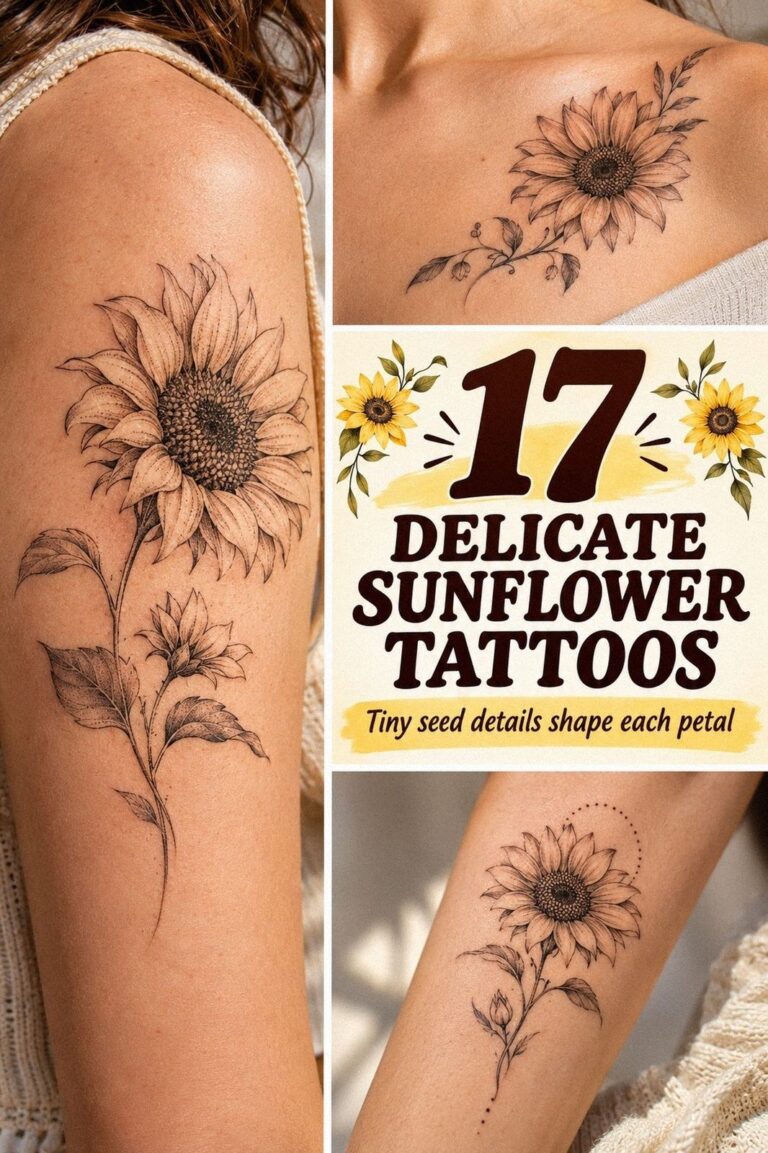
If you like this direction, compare it with delicate sunflower tattoos. You’ll find ideas for petals, stems, and natural symmetry, but don’t copy a full sunflower if the mandala geometry matters more to you. Your placement choice can also change the flower’s proportions.
A sensitive placement can make a longer session feel more intense than expected, so think about session length before committing to dense shading. The surface healing phase usually takes about 2 to 3 weeks, while complete healing can take around 2 to 3 months. That healing timeline matters when you’re planning sun exposure, swimming, or a long trip.
5Keep Tiny Delicate Mandala Tattoos On Fingers Simple
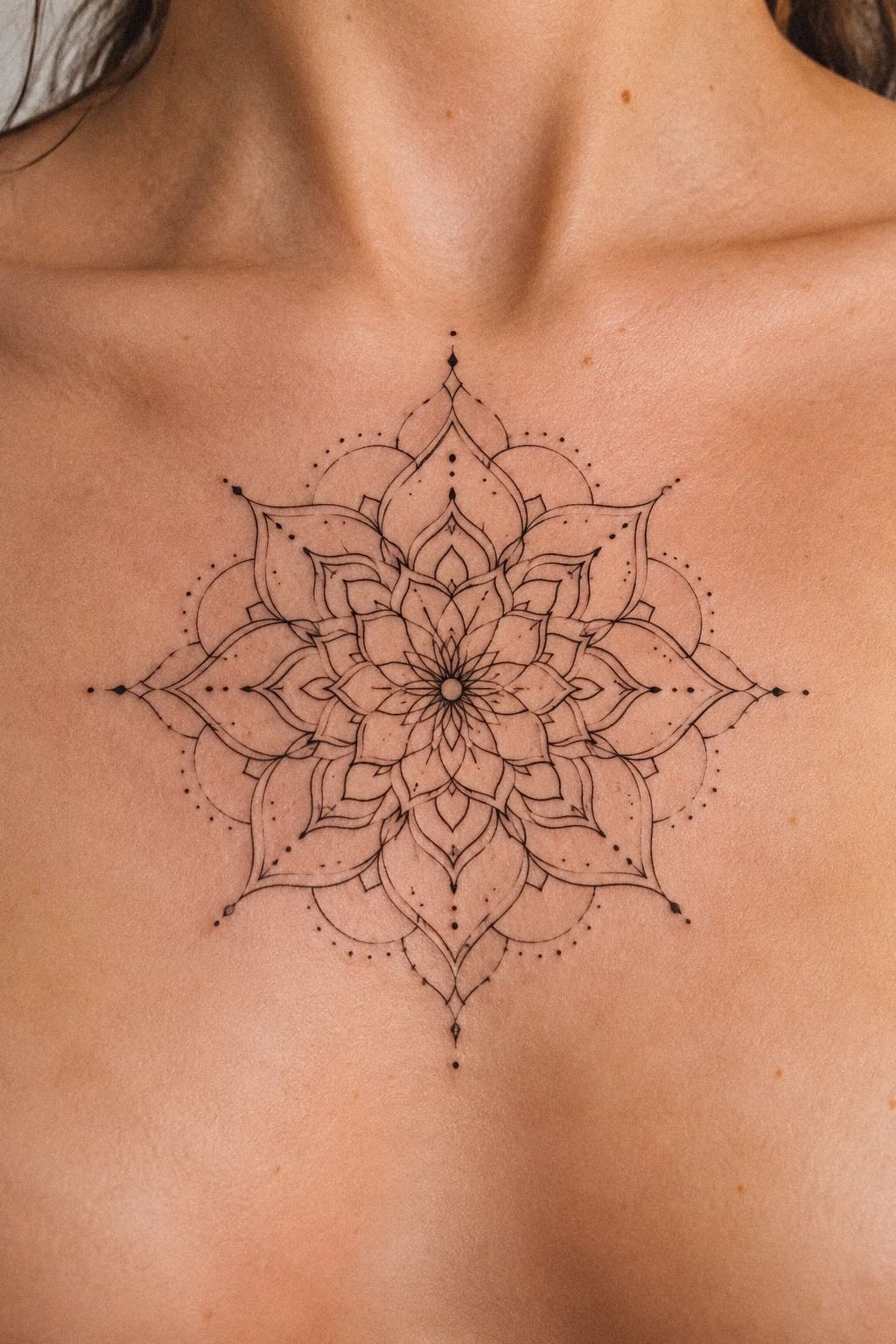
Finger mandalas look playful and daring, but the available area is unforgiving. Your finger placement needs a design with enough open space to stay readable.

6Build Delicate Mandala Tattoos With Dotwork Details
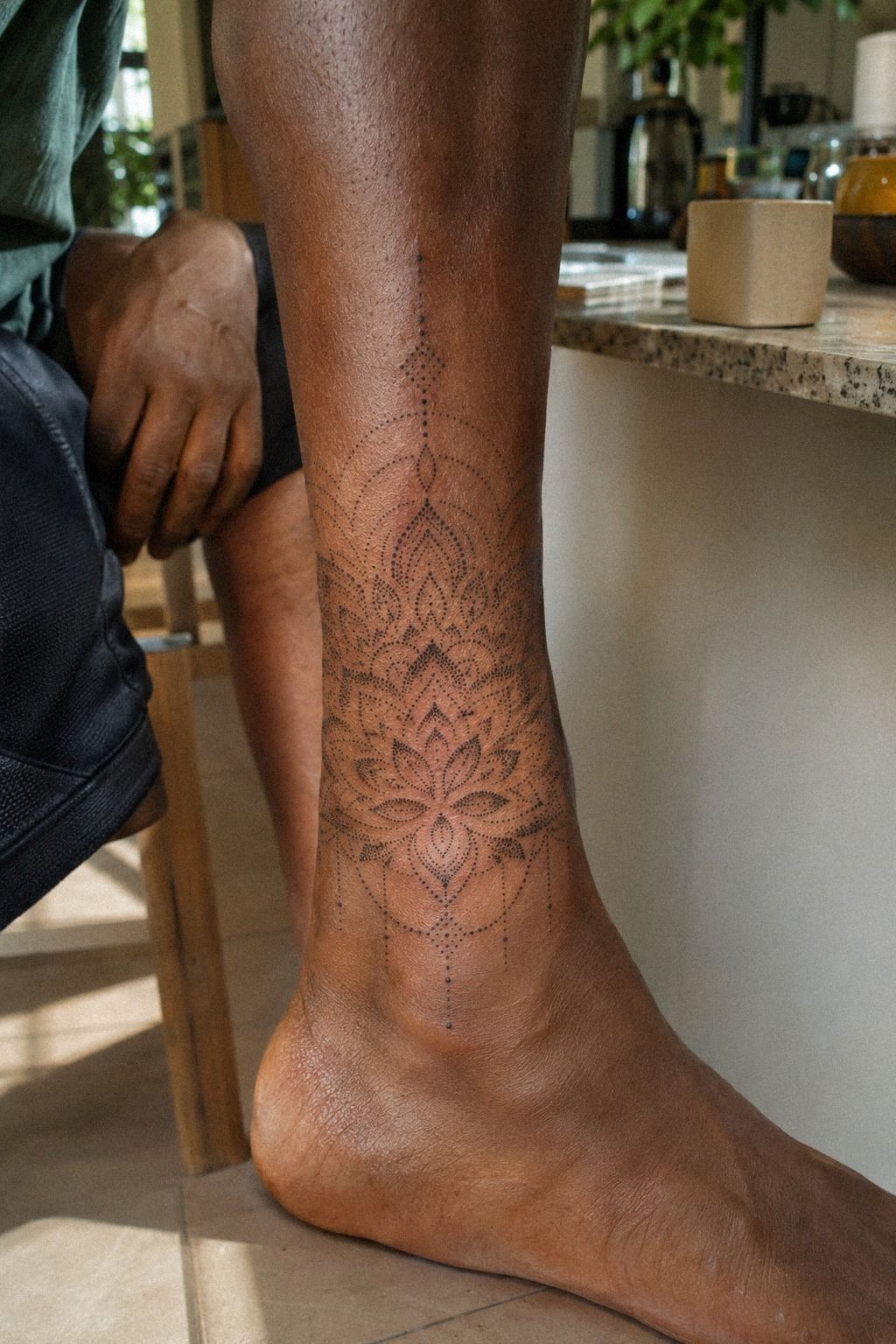
Dotwork gives a delicate mandala a textured center without filling the entire design with solid black. On deeper skin tones, stippled shading can create a striking rhythm because the dots build tone gradually. Your artist should use clean spacing and strong contrast.
The dotwork technique needs patience.
A stippled greywash center can make the mandala feel organic, while crisp black points keep the geometry visible. Ask your artist how they plan to balance dot density with your skin tone. The stippled shading should support the center instead of overpowering it.
The same spacing won’t read identically on every person, and you deserve a design adjusted for your skin rather than copied from a screen. That personalized planning can make the cost feel worth it. Your skin tone consultation should happen before the final stencil.
If you’re deciding between techniques, the minimalist mandala tattoos collection can show you how little detail a pattern needs to remain recognizable. A smaller radial structure is often more successful than an overcrowded one.
You’ll want to avoid overworking the outer details because dense dots can merge as the tattoo settles. That doesn’t mean you can’t choose dotwork. It means your aftercare has to be careful, especially during the first weeks.
But don’t mistake delicate for weak. A powerful central dot, four clean petals, and a few controlled rings can create an expressive piece. I’d skip full grey shading because it can blur the open quality that makes open dotwork so elegant!
7Follow The Spine With A Vertical Mandala
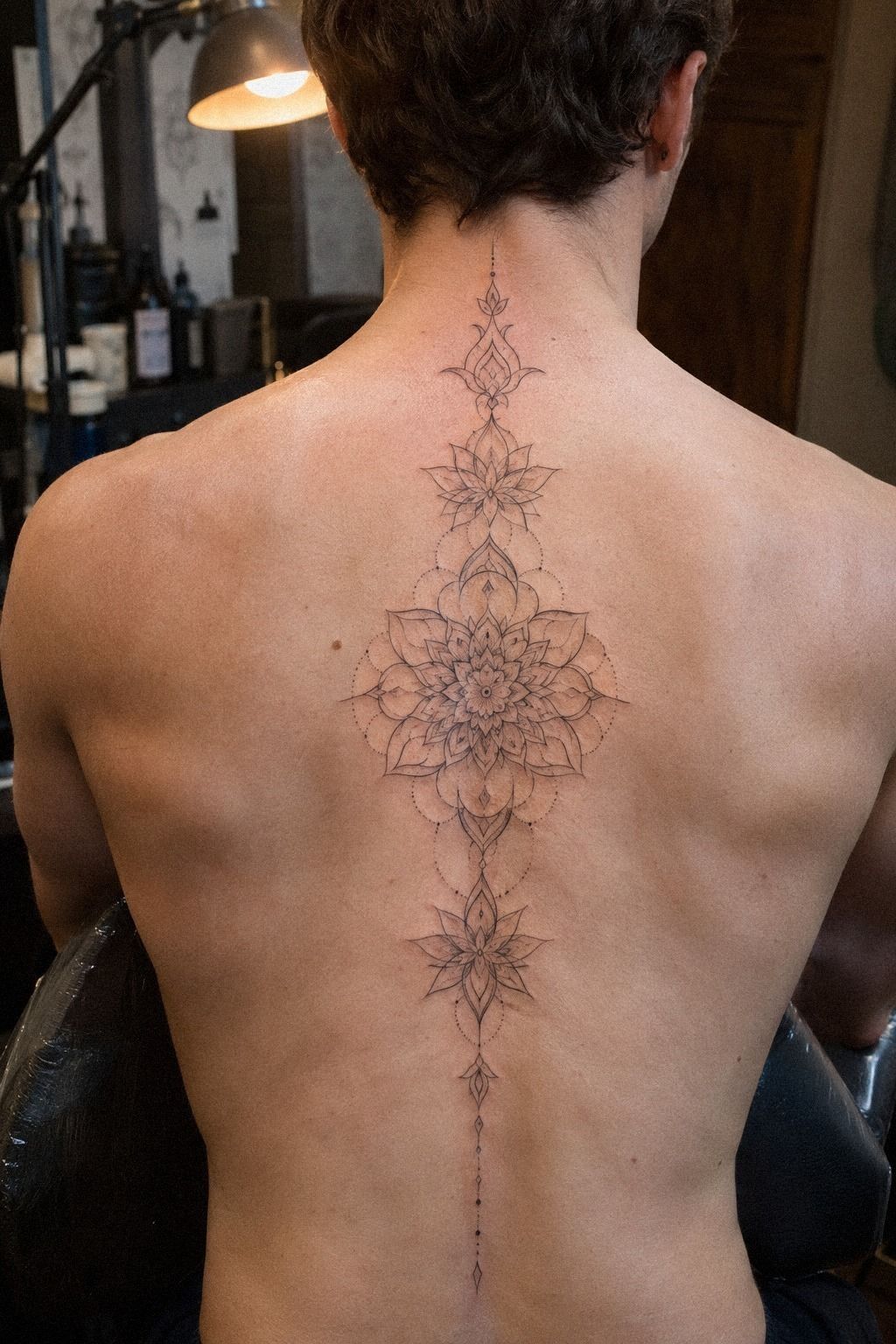
A spine mandala can become a personal vertical symbol when each element follows the body’s center line. Your artist might build the design from three connected forms: a small top circle, a larger central mandala, and a tapered lower point. That vertical composition can feel flowing and iconic.
The vertical geometric chain should be measured against your back while you’re standing, not only while you’re lying down. Your posture changes the spacing, and a pattern that looks centered on a flat stencil may shift when your shoulders relax. A standing placement check is worth the extra time.
I’d ask for a paper placement check from the nape area to the lower back before the session begins. That small step can prevent an expensive correction later. It’s a sensible way to protect your investment and confirm the paper stencil follows your body.
For more placement ideas, look at these delicate small spine tattoos. You’ll see how different lengths affect the mood.
A short design feels discreet and dainty, while a longer one becomes more iconic. The spine tattoo length should match your comfort.
Don’t choose the longer version just because it feels dramatic in a reference. Choose the length that matches your daily clothing, comfort level, and personal meaning. That’s where the design becomes empowering rather than performative.
The spine may feel sharper than the outer forearm or shoulder, especially near bone. If you’re new to tattoos, ask whether the artist can keep the first session compact. You won’t lose the meaning by choosing a smaller starting point around a bone-heavy placement.
8Why the Forearm Works For Geometric Mandalas
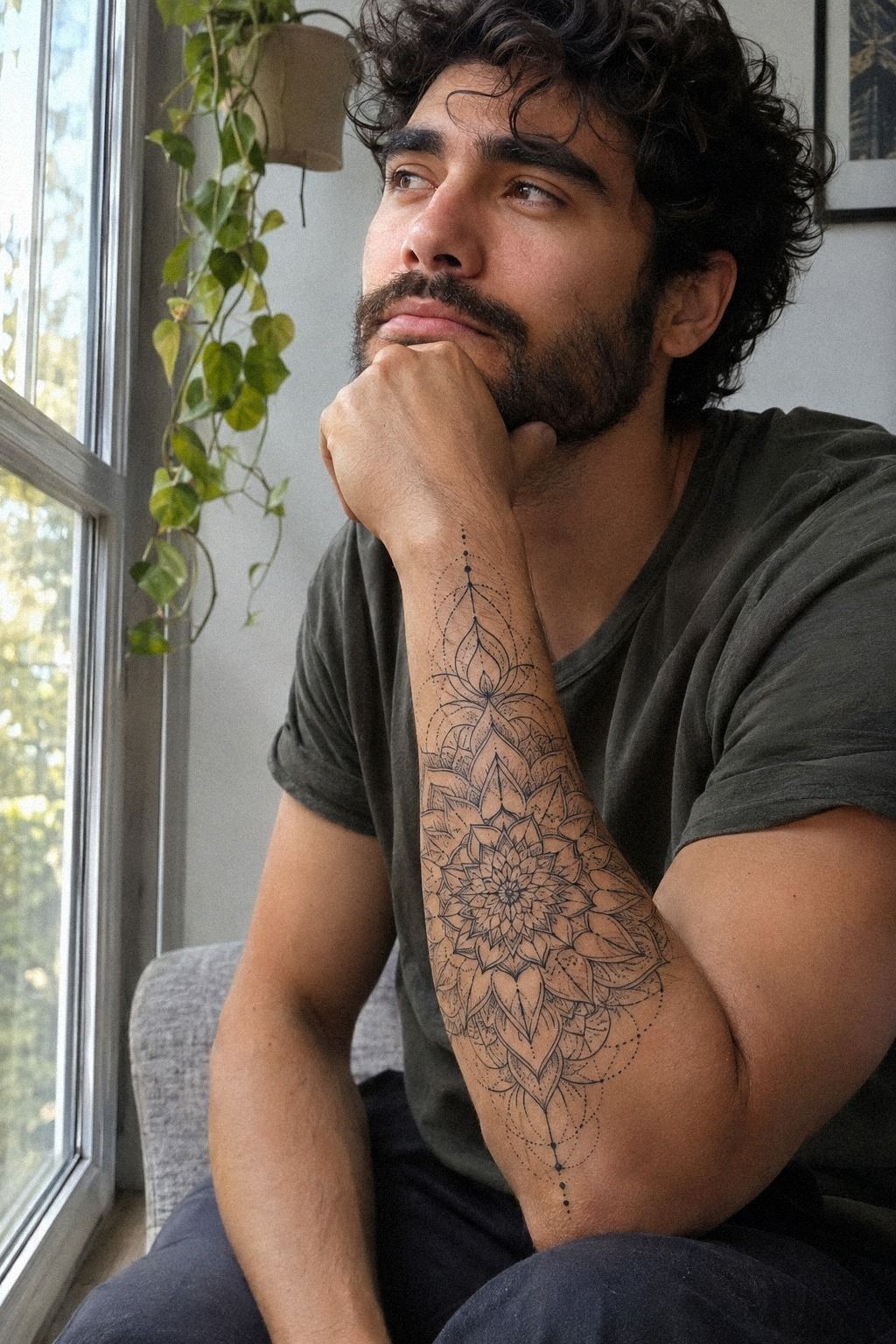
The forearm gives a geometric mandala enough space to stay crisp while remaining easy for you to see. That forearm geometry can support fine lines without making the design feel crowded.
9Give Sacred Symbols A Clear Center
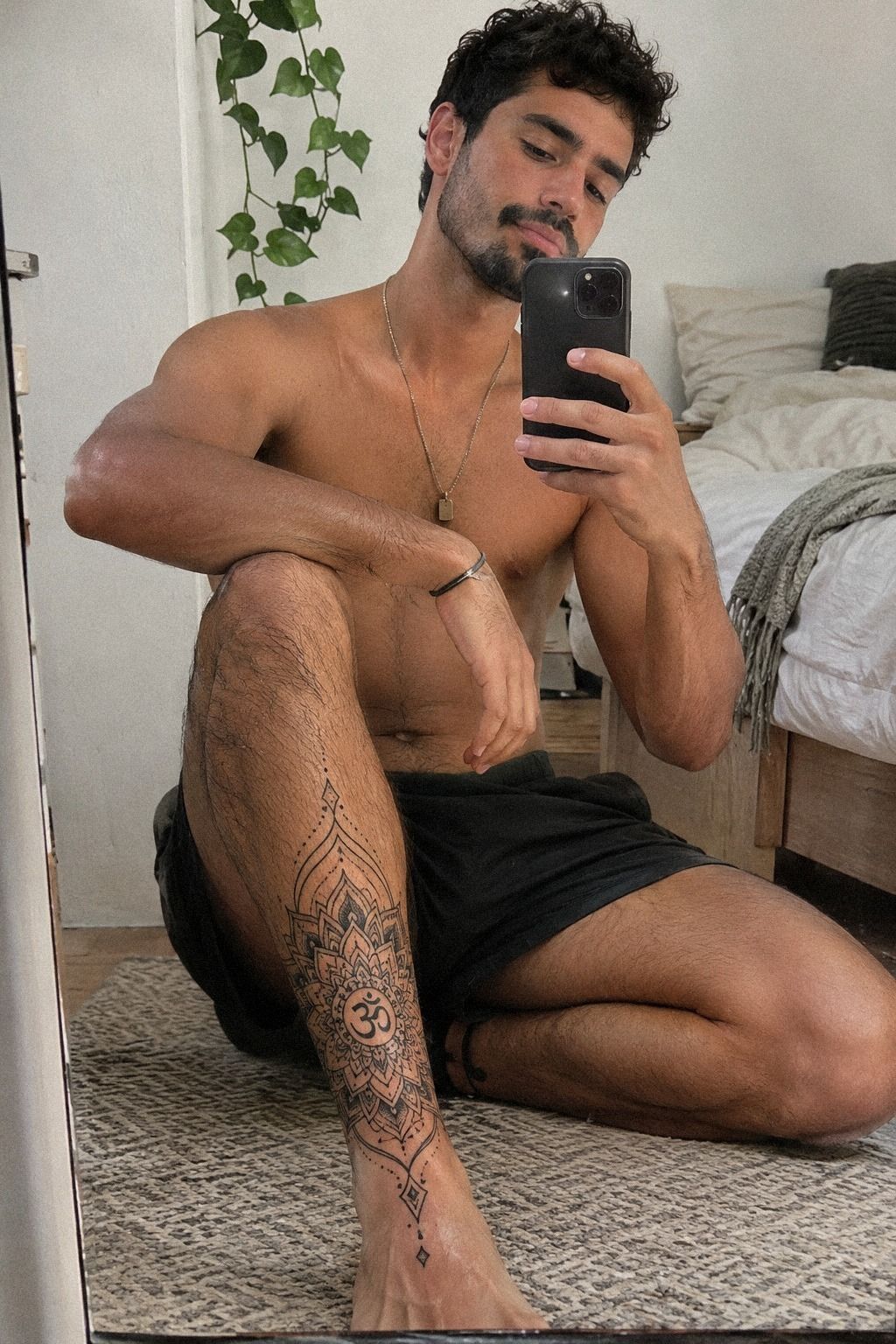
Sacred symbols can give a mandala a meaningful center, but your choice should come from your own story rather than a passing trend. A small sun, eye, lotus, or star could sit inside the pattern. You’ll want the central symbol to remain legible at the final size.
A symbolic central mark works best when the surrounding geometry supports it. Your artist can repeat three or four shapes around the edge, then leave a clear gap before the center. That symbolic center keeps the design focused.
I’d avoid stacking several sacred icons because the tattoo may lose its focus. One meaningful symbol will feel more personal than a crowded collection. Powerful symbolism doesn’t require symbolic clarity to become visual noise.
You can compare compact compositions in this mandala tattoo meaning guide. You’ll see how a small change in the center alters the entire mood. A single sacred icon can carry more weight than several unrelated marks.
Ask yourself what you want to remember whenever you see the tattoo. That answer should guide the symbol, not a passing Pinterest trend. Your own interpretation is what makes the piece timeless and protects its personal meaning.
If you’re borrowing a symbol from a living religious tradition, research its meaning and use it respectfully. A personal tattoo can be bold without claiming a tradition you don’t understand.
I’d choose clarity and sincerity over an ornate image that only looks mysterious. Respectful research matters.
10Choose Colorful Delicate Mandala Tattoos Carefully
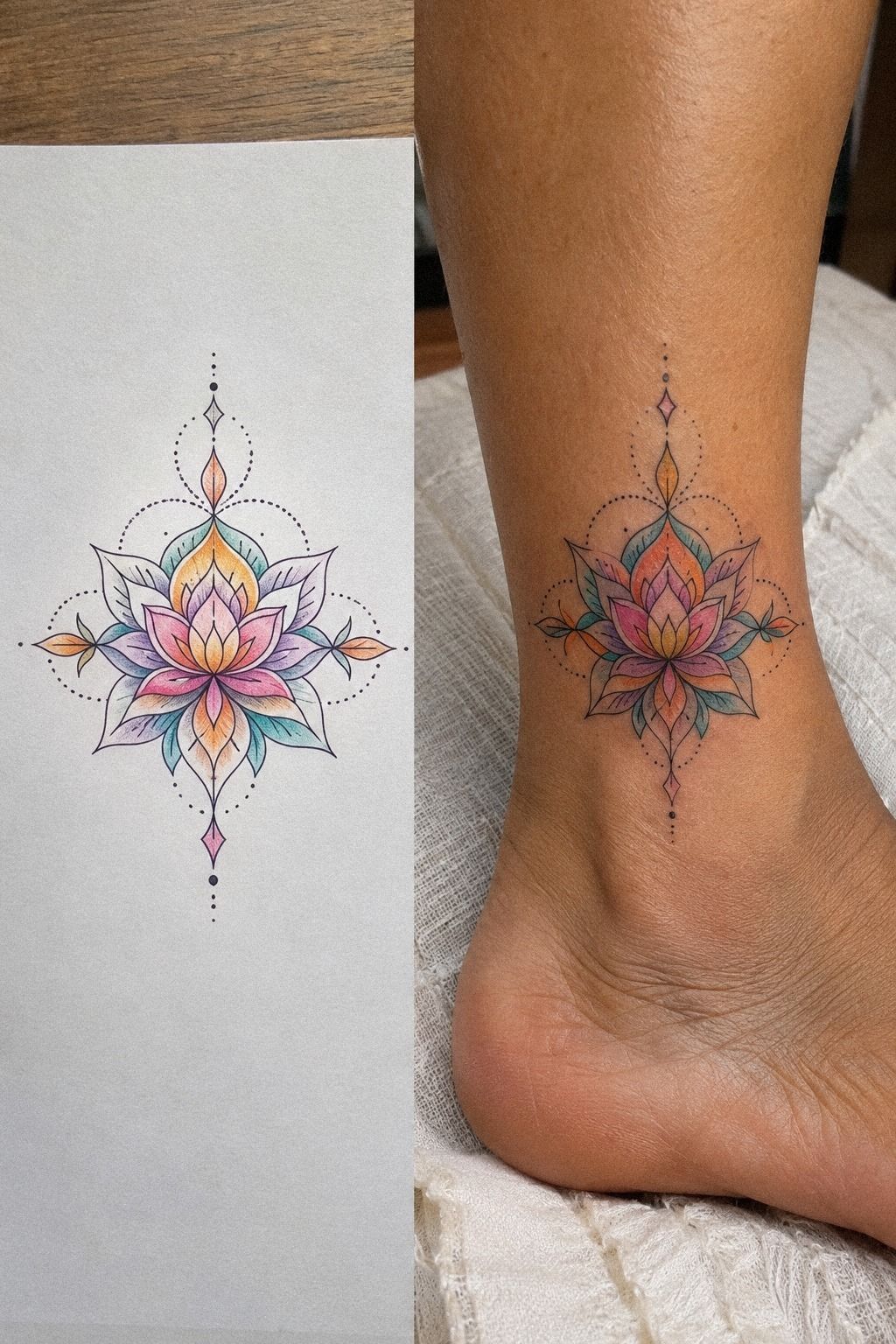
A colorful ankle mandala can feel vibrant while keeping its delicate structure. Thoughtful color placement helps the petals stay distinct.
11Match Delicate Mandala Tattoos For Couples
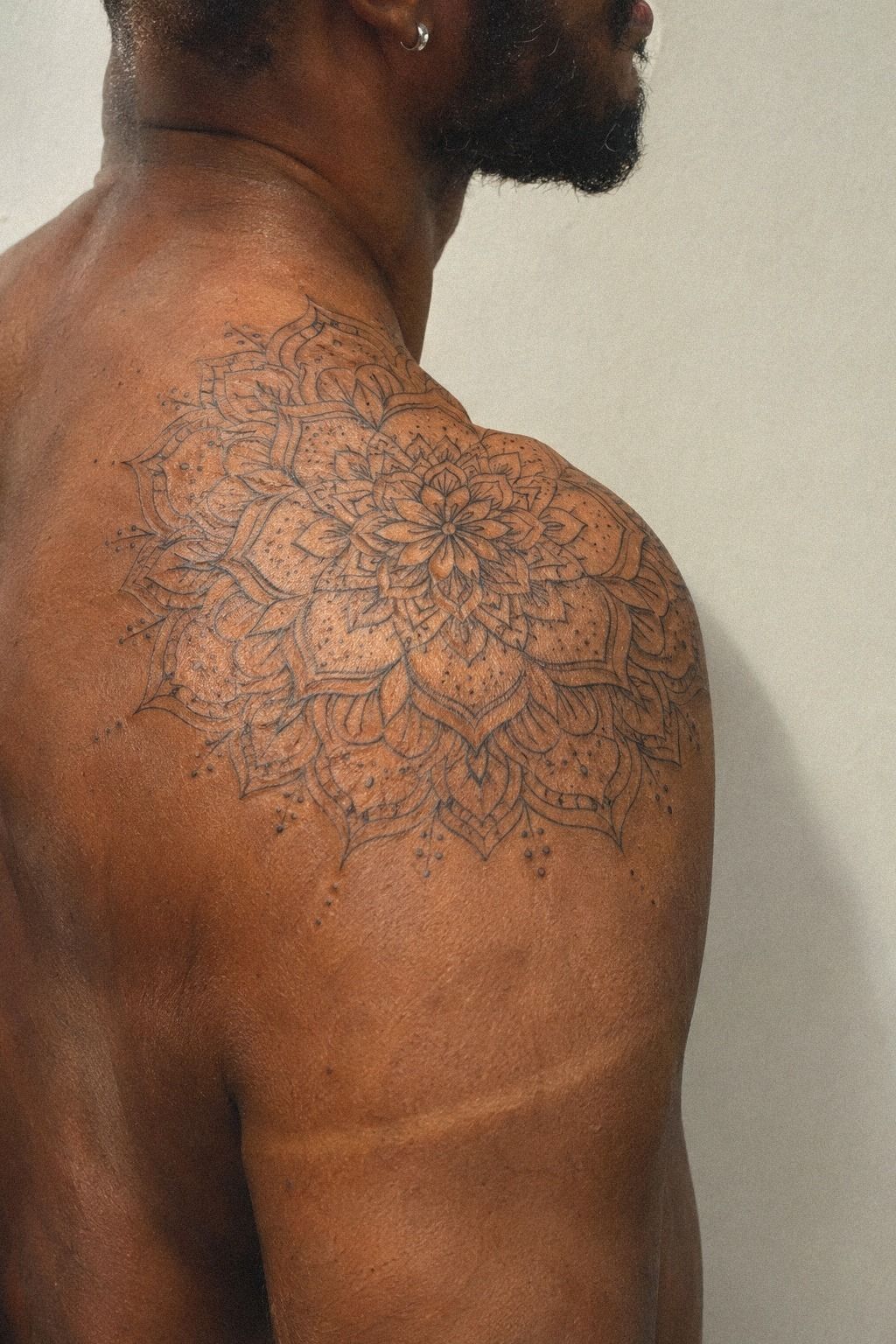
Matching mandalas don’t need to be identical to feel connected. You might repeat one symbolic shape, such as four petals or a small star, while letting the outer details reflect each person.
That feels personal instead of staged. A shared motif gives both tattoos a clear relationship.
A paired mandala system can use two halves, mirrored lines, or one shared center symbol. Your artist should prepare both stencils together so the spacing and proportions relate. The paired stencil plan prevents accidental differences.
You’ll want to see them side by side before either tattoo begins. Don’t choose a copy-and-paste design if your bodies, placements, or preferences are different. A meaningful match should still have individual completeness on its own.
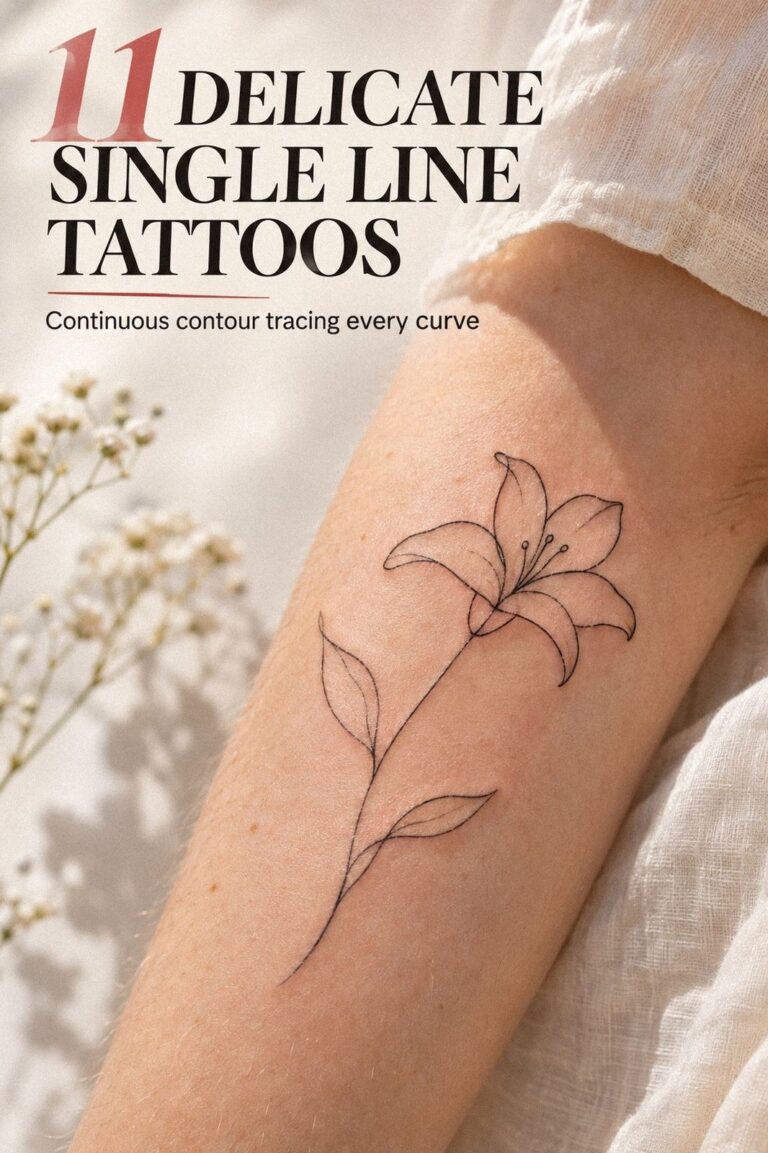
For softer matching references, browse these delicate single line tattoos. You’ll find ways to keep two designs connected without making them identical. The matching mandala structure can remain subtle.
If one of you wants a visible shoulder piece while the other prefers a hidden placement, the shared geometry can still carry the meaning. That flexibility is part of the value.
I’d avoid names and dates unless they’re essential to your story. A symbolic shape gives both of you room to grow, and it won’t feel locked to one moment. The strongest matching tattoo is expressive on its own and meaningful together through a symbolic match!
Why I’d Choose Placement Before Symbol
I’ve changed my mind about mandala tattoos more than once. At first, I wanted the most intricate symbol I could find, with tiny petals, several rings, and a hidden reference that only I understood. Then I placed the stencil on my wrist and saw the problem immediately: the symbol was clever, but the tattoo placement had nowhere to breathe.
Now I’d choose placement first. Your wrist, ankle, finger, forearm, shoulder, and spine each give a mandala a different kind of movement.
The wrist makes a design feel visible and direct. The ankle makes it more private.
The spine creates a flowing vertical statement, depending on your body placement.
I also care more about healed work than fresh work now. Fresh lines can look crisp, dark, and almost polished.
Healed lines tell you whether the artist understands spacing, saturation, and skin movement. A healed tattoo is the real result.
Ask to see examples from several months later. It’s one of the most practical questions you can ask, and it doesn’t sound rude. A healed tattoo portfolio can tell you more than an impressive social-media post.
My other lesson is less romantic: aftercare affects the final result. You’ll need to wash gently, moisturize according to your artist’s instructions, and keep the tattoo away from direct sun while it heals. The aftercare routine protects the design while it settles.
Fine lines may widen over time, especially when the design is too dense or exposed to UV. Solid black anchors and sensible placement tend to age better than a field of ultra-thin detail. I’d rather have a slightly bolder, elegant mandala that remains readable than an ethereal one that loses its structure.
UV protection helps preserve that balance.
How Scale Changes The Design
Scale changes more than the apparent size. It determines how many rings, petals, dots, and symbols can remain distinct. A final-size stencil lets you judge the design on your actual body instead of trusting a phone screen.
A tiny mandala may need a simpler center and a stronger outer contour. A larger piece can carry layered geometry, subtle dotwork, and a more detailed symbolic mark.
Neither option is automatically superior. The right design scale depends on your placement.
Ask whether the artist is designing for the final healed tattoo rather than the fresh appointment result. That question can save you from paying for detail that won’t remain visible. Healed readability matters more than temporary sharpness.
If you’re unsure, compare the proportions in these small mandala tattoos. They may help you separate the symbol you love from the small proportions that actually suit your placement.
When Fine Lines Stay Readable
Fine lines stay readable when they have enough separation. Closely packed lines can merge as the tattoo settles, especially when the design includes multiple tiny circles. A negative-space margin is one of the simplest ways to protect clarity.
Your skin, placement, sun exposure, and aftercare all influence how the tattoo changes. That doesn’t mean you need a heavy design. It means the linework should be planned with real skin movement in mind.
I’d be cautious with a quote that promises an elaborate mandala at an unusually low cost. The cheapest option may not offer the best value if the design needs correction later. Look for artist experience, healed results, and clear communication.
A crisp, understated tattoo can still be daring. It doesn’t need to shout from across a room to feel iconic to you. That understated design can carry plenty of meaning.
If you want more context on symbolism and proportion, read this mandala tattoo meaning guide before your consultation. Use the symbolism guide to clarify your idea, not replace your own story.
What Your Budget Should Cover
The cost of a delicate mandala depends on size, placement, color, artist experience, region, and studio minimum. A small design may have a minimum price even when the drawing takes less than an hour.
Ask what the quote includes before booking. The studio minimum can shape the total.
These figures are planning ranges, not guarantees. A reputable artist should explain the price without pressuring you. A written tattoo quote can make the decision easier to evaluate.
The best value usually comes from a design that suits the placement and remains readable after healing. Paying slightly more for thoughtful scale can be worth it when the alternative is a rushed, overly dense tattoo. That is real design value.
Keep money aside for a possible touch-up if the artist recommends one after healing. It may not be necessary, but planning for it keeps the decision comfortable rather than stressful.
A small touch-up budget can help you plan realistically. You can also compare small proportions in these delicate small wrist tattoos before finalizing the scope.
A Few Things Worth Answering
How much does a delicate mandala tattoo usually cost?
A delicate mandala tattoo typically costs about $100 to $300 in the US, depending on size, placement, artist, and region. Some studios have a minimum near $50 to $100, while hourly rates often sit near $100 to $250. Your artist’s healed portfolio matters more than the lowest quote.
Are delicate mandala tattoos a good idea for a first tattoo?
Yes, they can be a good first tattoo when you choose a tolerable placement and a clear scale. Forearm, thigh, and shoulder placements are usually easier for many people than ribs, feet, hands, or sternum. A meaningful symbol gives your first tattoo placement a personal reason to exist.
How do I choose a tattoo artist for delicate mandala tattoos?
Look for clean geometric work, healed examples, consistent line spacing, and a hygienic studio. You’ll want an artist who regularly creates mandalas or fine-line tattoos, not someone relying on one impressive fresh example. A healed portfolio shows how the artist’s lines behave over time.
How much do delicate mandala tattoos hurt?
Pain varies by person and placement. Ribs, feet, hands, and sternum are often more uncomfortable, while forearm, thigh, and shoulder placements are commonly more tolerable. You may feel sharper sensation near bone.
A shorter session can make the experience easier to manage.
How long do delicate mandala tattoos take to heal?
The surface usually heals in about 2 to 3 weeks, while complete healing can take around 2 to 3 months. Wash gently, moisturize as directed, and avoid direct sun and swimming during early healing. A patient healing period protects the crisp details you paid for.
What’s the best placement for delicate mandala tattoos?
Forearm, shoulder, and thigh placements are practical choices because they tend to be easier to view and protect. Wrist and ankle designs feel more visible but may face more friction. Your daily routine should guide the placement before you choose the most ornate symbol.
What Aftercare Protects The Details?
Follow your artist’s instructions first because products and timing may vary. In general, gentle washing, clean hands, and a light layer of recommended moisturizer support the early healing stage. Simple aftercare is usually more useful than experimenting with several products.
Avoid swimming, prolonged soaking, and direct sun while the surface is healing. Don’t scratch peeling skin or pick at flakes, even when the tattoo looks dull. That temporary stage can be frustrating, but healing skin needs time.
Once the tattoo has healed, sunscreen can help protect the pigment from UV exposure. Fine lines and delicate color both benefit from consistent protection. A broad-spectrum sunscreen is a practical part of long-term care.
Where I’d Start First
If I had to pick one, I’d start with the geometric forearm mandala. You’ll see it easily, the placement is usually more tolerable than bone-heavy zones, and the open area gives fine lines room to age with grace. The forearm placement balances visibility, comfort, and readability.
Pin these small mandala tattoos for later and bring your favorite reference to your artist. I’d arrive with a clear symbol, a realistic budget, and enough flexibility for an artist consultation to refine the scale.