
A covered couple tattoo usually means someone has decided to move on, or at least to stop displaying a connection that no longer fits. The cover-up itself becomes a new mark, not an erasure. When you choose to hide matching ink under a larger design, blackout work, or new imagery that absorbs the old, you are making a visible decision about who you were and who you are becoming. The original meaning does not disappear; it gets absorbed into something you control.
Understanding the Cover-Up Decision
People get matching tattoos during intense periods: early romance, anniversaries, shared survival of something difficult, or friendship bonds they believe will last. The designs tend to be small and seemingly low-risk: initials, coordinates, minimalist symbols, tiny matching images. What gets underestimated is how permanent the ink remains compared to how volatile relationships often are.
Why the Original Ink Seemed Right
The impulse toward couple tattoos peaks during heightened emotion. You are not thinking about future separation when you are choosing matching waves or puzzle pieces. The problem is that permanence and relationship volatility do not align well. What scans as a small commitment can become a daily reminder of something painful, or simply something finished.
Related reading: Jungkook tattoo designs | small arm tattoos for guys | minimalist hand tattoo ideas | matching hearts tattoo meaning
When People Choose to Cover Up
The threshold for seeking a cover-up varies. Some people move immediately after a breakup, unable to bear seeing the mark. Others wait years, until the sight feels genuinely neutral rather than actively painful. There is no correct timeline. What matters is that you reach a point where the original feels emotionally unreadable, and you want something that reflects your present rather than your past.
What Coverage Actually Means
Covering couple ink is not about pretending the relationship never happened. Skin remembers. A skilled artist does not try to hide every trace; they redirect attention. You will likely see slight texture variation, color shifts where old ink sits under new, or strategic placement that acknowledges history while moving forward. This mirrors how people actually process endings: integration, not amnesia.
Common Designs and Their Cover-Up Challenges
Couple tattoos cluster around specific visual languages that recur across cultures and age groups. Each carries distinct cover-up difficulties.
- Puzzle pieces or locks and keys: Interdependence imagery that becomes awkward when the fit dissolves. These require significant redesign to stand alone.
- Coordinates: Shared locations that become emotionally loaded. Numbers are hard to obscure completely without dense replacement work.
- Minimalist lines or waves: Often chosen as “timeless” but actually date quickly to specific aesthetic eras. Thin lines are easy to cover but the concepts feel era-locked.
- Initials or names: The highest-risk category. Text is difficult to hide; cover-up complexity increases sharply with letter density and placement.
- Matching animals or botanicals: More salvageable if the image holds standalone appeal independent of the matching element.
Cover-up strategies for these designs typically involve:
- Floral or organic growth: Vines, leaves, or flowers that naturally obscure linear elements and provide visual movement
- Blackout or heavy blackwork: The most definitive option for small, dense originals, though it limits future flexibility
- Scale expansion: Turning a tiny symbol into one element within a larger composition where it becomes visually subordinate
Practical Considerations for Cover-Up Work
Cover-up strategy depends heavily on your existing ink’s color profile and what you want in its place.
Working With Color and Skin Tone
Black line work covers most straightforwardly with more black: dense geometric patterns, tribal-influenced work, or heavy illustrative styles. Color originals present harder problems. Red and orange resist neutralization; blues and greens can sometimes be incorporated into nature-themed replacements rather than fought against.
Your skin tone fundamentally affects outcomes. On medium to deeper skin, black ink sometimes heals with blue or grey undertones. Color cover-ups require artists experienced with how specific pigments interact with melanin. Do not assume a portfolio of cover-ups on light skin translates directly to your situation.
Healing and Realistic Expectations
Healed cover-ups need six to twelve months before the true final appearance settles. Fresh work looks darker and more saturated than it will remain. Settling reveals what actually worked. Multiple sessions are standard for complex cover jobs, especially over saturated originals. Budget for this in both time and money.
Hand and finger tattoos deserve special caution. These age aggressively: lines blur, ink migrates, and constant movement complicates healing. A cover-up on the hand suggests either strong commitment to the replacement or urgency about no longer seeing the original. Either way, find an artist with specific hand-tattoo experience, not just general cover-up skill.
Placement and What It Signals
Where you place the cover-up carries meaning beyond aesthetics.
- Forearm or wrist: Highly visible, suggesting either confidence in the new design or indifference to observer curiosity. Placement decisions for forearm work are covered in depth in this guide to small forearm tattoos for men.
- Upper arm or shoulder: Controllable exposure; you can show or hide situationally
- Hand or fingers: Hardest to conceal, thus the most deliberate statement; technically challenging due to thin skin and movement
- Ribcage or torso: Private transformation, visible mainly to you and intimate partners
Consider whether you want the cover-up to be a conversation piece or something that passes unnoticed. Your answer shapes placement, size, and design complexity.
Historical Context and Cultural Framing
Permanent marking for relationship bonds appears across cultures, though the specific practice of tattooed couple matching is relatively modern in its prevalence.
Precedents and Parallel Practices
Sailor tradition often linked tattooed names to romantic attachment, though the superstition about ships named for women sinking is often conflated with tattoo practice. Named tattoos were common; the naval superstition was about renaming vessels, not body art. The emotional anxiety about named ink persists regardless, suggesting deep cultural unease about marking others permanently on your body.
Some specific Pacific Island cultures included matching marks for married couples, though these were typically embedded in broader social identity systems rather than purely romantic gestures. The modern couple tattoo draws from these threads but commercializes them: studio availability, flash design books, and social media visibility made matching ink accessible in ways that reshape its meaning.
European criminal and folk traditions sometimes used initials or hearts as loyalty markers, often for organizations or individuals rather than romantic pairs. These histories are often linked to specific subcultures and should not be generalized broadly.
Layered Marking as Continuous Practice
Traditional tattoo cultures generally viewed additions and modifications as ongoing rather than failures of original intent. Polynesian pe’a or moko could be expanded or elaborated as status changed. The Western notion of “cover-up as regret” is culturally specific; other frameworks see layered skin marking as accumulated life record. You might find this perspective useful if you are struggling with shame about the original decision.
Modern Meanings and Social Pressure
Contemporary relationship ink operates in tension: social media encourages display, but relationship longevity rates make permanence statistically improbable. The covered couple tattoo thus carries meaning beyond personal narrative. It reflects broader cultural questions about privacy, performative coupling, and the documentation of intimacy.
Covering visible couple ink, especially on high-exposure placements, can read as reclaiming bodily autonomy from public interpretation. For those in any kind of public eye, this layers with outside speculation. The choice of what to reveal or conceal becomes interpretable by others regardless of your actual intent. What matters is your own clarity about why you are covering the work.
Before You Decide
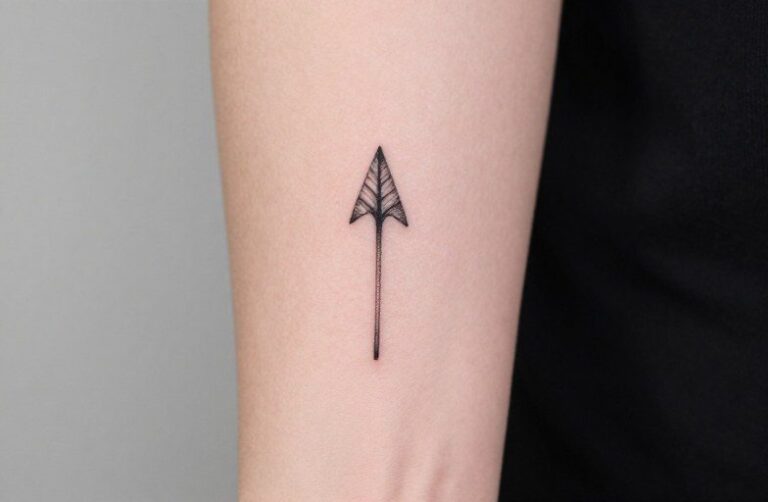
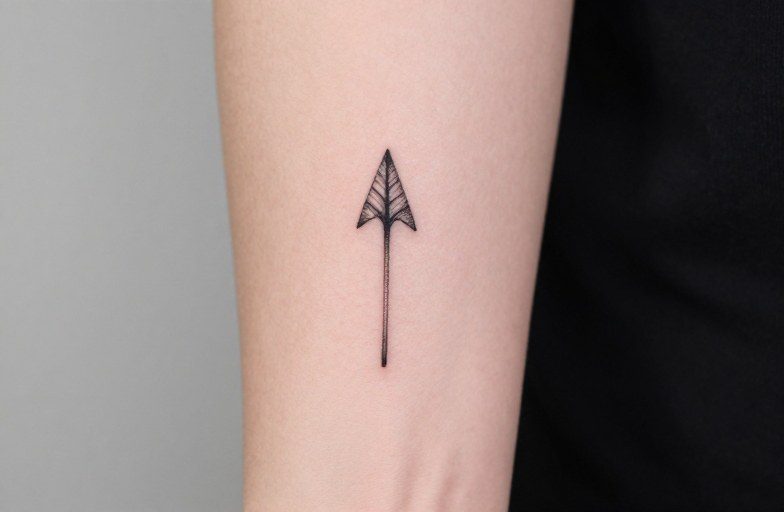
If you are considering matching ink with a partner, the question is not whether the relationship will last, which is unknowable, but whether the design holds standalone value if context shifts. The best couple tattoos are good tattoos first, coordinated second. Minimal symbol designs tend to hold up best on their own terms; small arrow tattoo meaning is a useful benchmark for how a simple form carries weight independently. Ask yourself: would I want this if I were single? If the answer is no, reconsider.
If you are already covering existing work, find an artist who specializes in cover-ups specifically, not just tattooing generally. View healed portfolios, not fresh photos. Accept that the new piece will be larger, darker, or more complex than the original. That is not a failure; that is the physics of covering pigment with pigment.
Also consider whether partial laser fading might help. Lightening an old tattoo before covering it expands your options significantly. Few people want to hear this because it adds cost and time, but it can mean the difference between a cover-up you tolerate and one you genuinely love.
The covered couple tattoo ultimately symbolizes what all lasting body art does: a specific moment’s decision, visible long after the moment passes. The coverage is not denial. It is the next decision, equally specific, equally time-bound. Whether the original marked genuine connection, performative attachment, or something between, its successor carries that weight forward transformed. Your job is to make sure the transformation reflects where you actually are, not where you think you should be.
Frequently Asked Questions
Can any tattoo be covered up?
No. Extremely dense blackwork, large saturated color pieces, and certain placements may limit options. Some tattoos require partial laser fading first to make cover-up feasible. A skilled artist can assess what is possible during consultation.
How do I find an artist who actually specializes in cover-ups?
Ask specifically to see healed cover-up results, not just fresh work. Look for before-and-after documentation. Ask how many cover-ups they have done in the past year. General tattooing skill does not automatically translate to cover-up expertise.
Is laser removal better than a cover-up?
They serve different purposes. Laser fades existing ink but does not replace it with something meaningful. Many people use laser to lighten an old tattoo, then cover the faded version with new art. This hybrid approach often yields the best aesthetic results.
Will my cover-up completely hide the old tattoo?
Complete visual erasure is rare. Skilled artists redirect attention rather than perform magic. You may still see slight texture variation or color shifts under certain lighting. The goal is a new piece you want to look at, not perfect invisibility.
How much more expensive is a cover-up than a regular tattoo?
Typically 30-100% more, depending on complexity. Cover-ups require more design time, more sessions, and often larger final pieces. The investment is worthwhile if it means living with art you actually prefer.