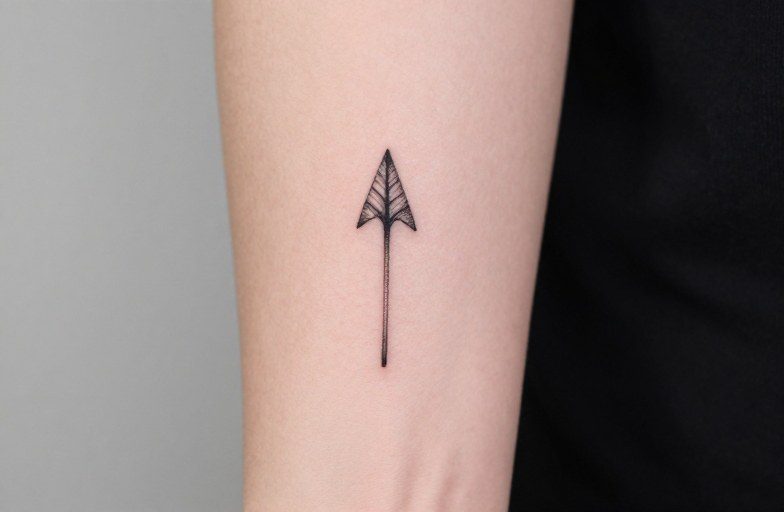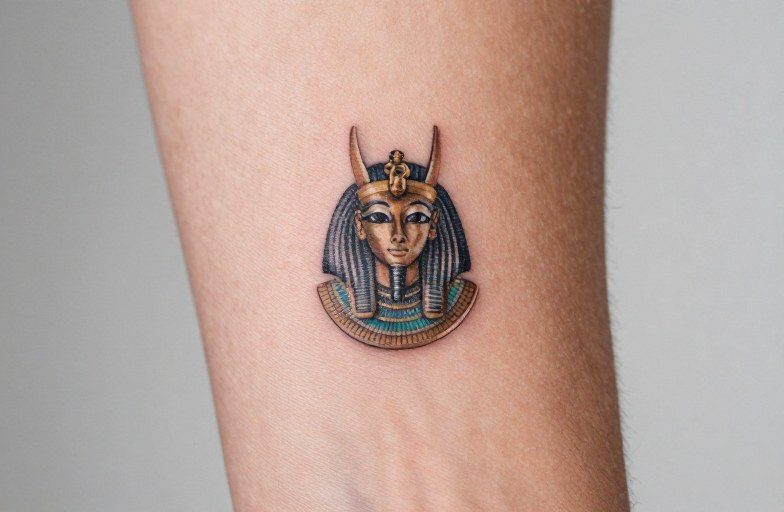
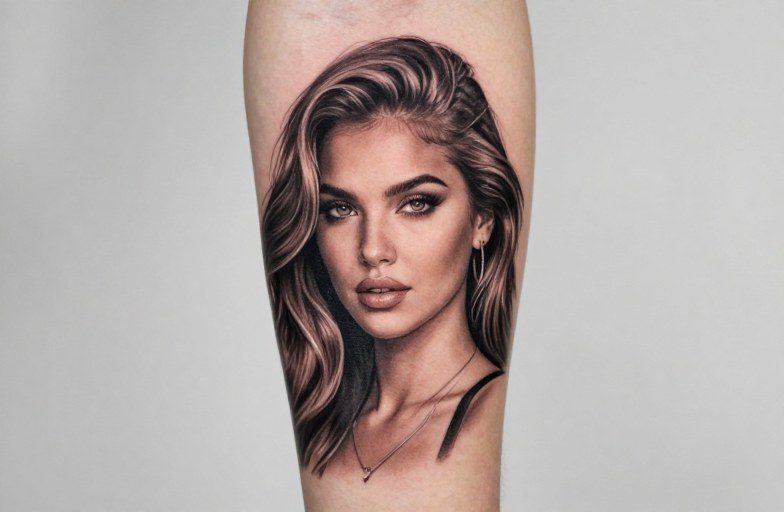
Choosing a tattoo shouldn’t mean scrolling Pinterest until your eyes blur. The best designs for women balance personal significance with how they’ll actually sit on your body, age with your skin, and fit your daily life. Here’s what works, what doesn’t, and how to narrow the field without losing your mind.
Standout Design Ideas
Some motifs consistently deliver because they adapt across styles and hold up visually over decades. These aren’t passing TikTok trends, they’re proven starting points.
Botanical and Floral Work
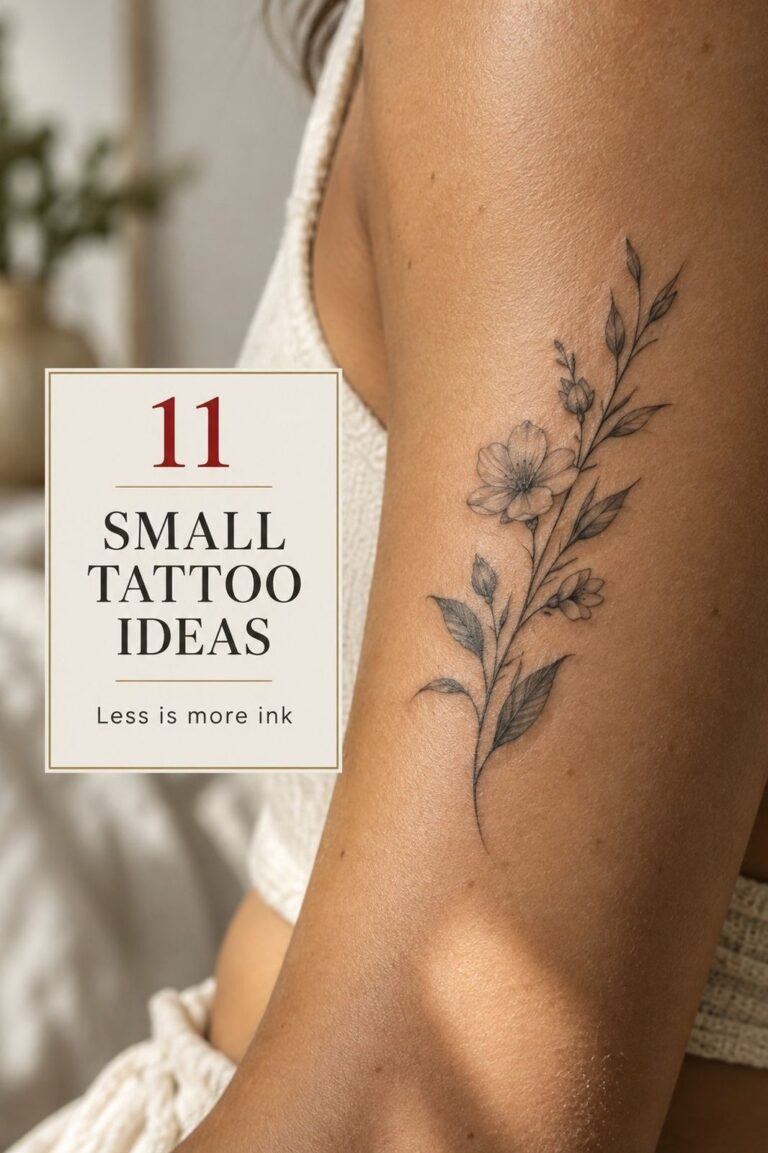
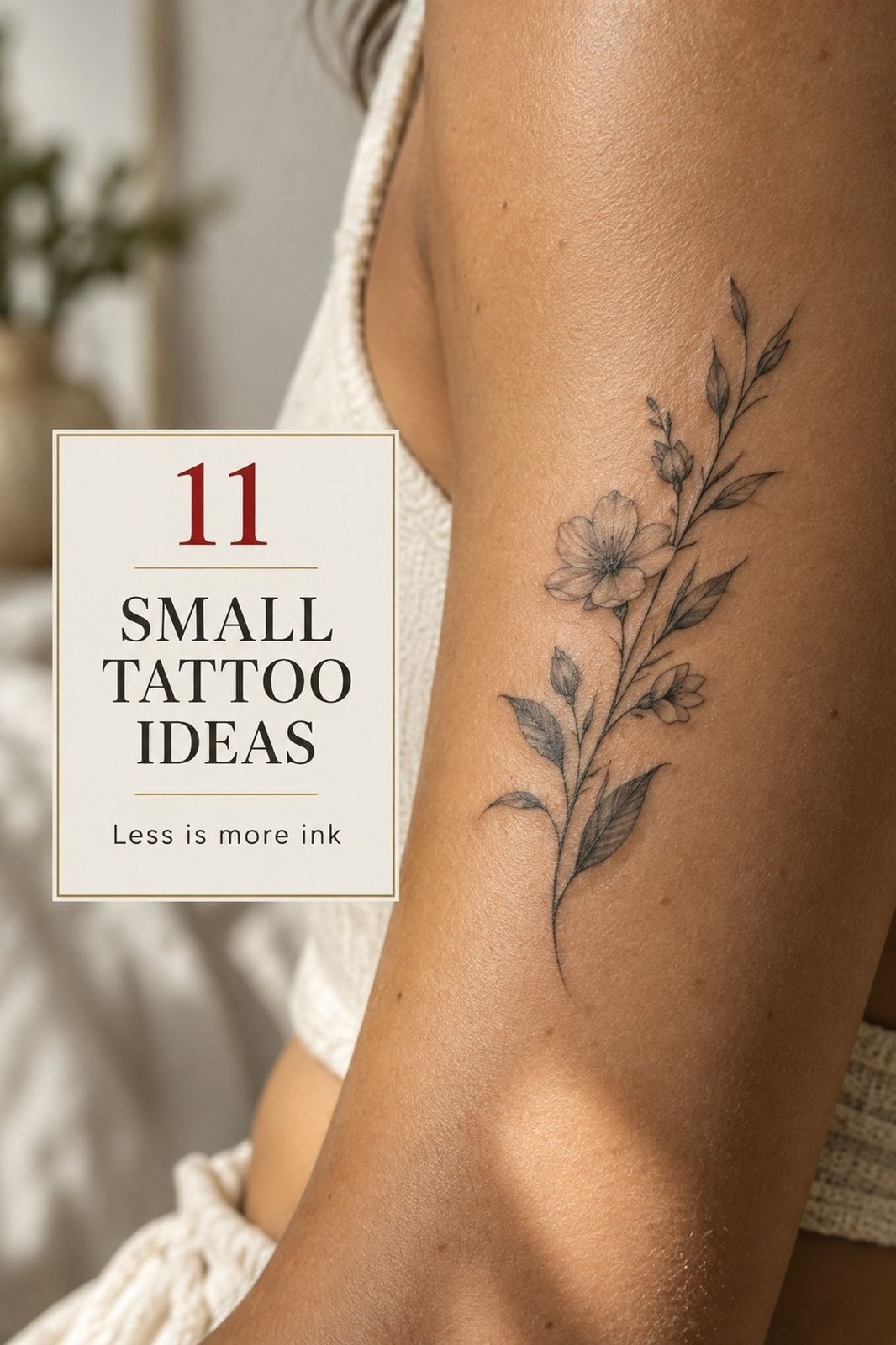
Roses, peonies, wildflowers, and olive branches translate beautifully to skin. Fine-line single-needle roses along the collarbone or shoulder cap read elegant without shouting. For bolder impact, a peony with soft gray shading on the outer thigh or rib panel creates depth that photographs well and ages gracefully. Leaves and vines wrapping the forearm or ankle flow with natural musculature rather than fighting it.
- Single-stem wildflowers behind the ear, small, discrete, easy to conceal
- Botanical sleeves mixing several species for cohesive garden imagery
- Dried flower interpretations (pampas grass, seed heads) for muted, contemporary feel
Animal Imagery With Staying Power
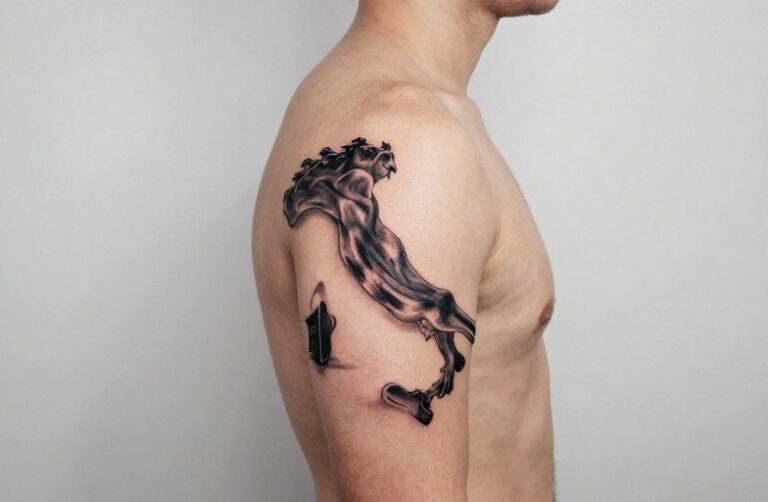
Butterflies, moths, snakes, and birds of prey all carry visual weight. The key is execution: a geometric line butterfly on the wrist looks entirely different from a traditional American moth with saturated color on the upper arm. Snakes coiling around objects (daggers, flowers, self-swallowing ouroboros) suit the forearm and calf particularly well because the body’s cylinder shape enhances the wrapping illusion.
How to Personalize It
Customization separates tattoos you’ll keep from ones you’ll cover. Start with imagery that genuinely matters, then adapt it to your body and aesthetic.
Incorporating Text and Dates
Handwritten script, actual handwriting from letters, not generic cursive fonts, anchors memorial pieces and relationship tattoos. Birthdates in Roman numerals along the inner bicep or rib side work because they’re personally significant but not immediately readable to strangers. Coordinate numbers (latitude/longitude of meaningful places) suit the wrist or ankle as subtle location markers.
Abstract and Geometric Adaptations
Taking a representational image and rendering it geometrically creates contemporary, highly personal results. A beloved pet’s silhouette filled with constellation patterns, a hometown skyline reduced to single-weight lines, or a traditional symbol broken into fragments that reassemble from certain angles, all of these require skilled artists but reward the effort with genuine originality.
For First-Timers
Nervousness is normal; poor placement choices from anxiety are avoidable. Your first tattoo should teach you how your skin accepts ink, how you heal, and whether you want more.
Ideal starter placements for women: outer forearm (flat, easy to show or hide, moderate pain), upper outer thigh (fleshy, low pain, concealable), shoulder blade (classic, manageable, heals well with loose clothing). Avoid for first pieces: ribs, sternum, feet, and hands, these hurt more, heal trickier, and limit your artist pool since not everyone tattoos hands.
- Start small: 2-4 inches lets you experience the full process without overwhelming commitment
- Choose black line work or limited gray shading, color can always be added later
- Pick a visible spot if you want accountability; hide it if workplace concerns dominate
Color Choices
Black and gray versus color isn’t just aesthetic preference, it’s a longevity decision.
Black and Gray Longevity
Carbon black ink holds crisp edges longest. Gray wash (black diluted to tones) creates soft gradients that age into muted, vintage-photograph quality rather than muddy blurs. For delicate work on pale skin, black line with minimal shading stays readable decades longer than attempts at “soft” color that fades to indecipherable pastels.
Strategic Color Placement
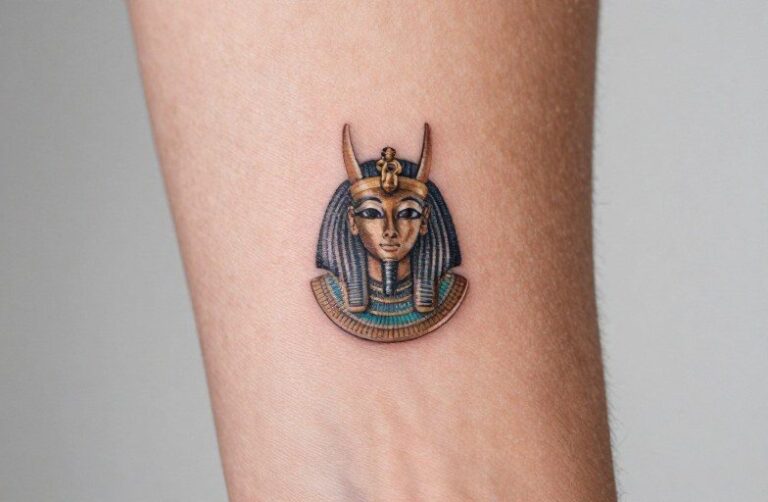
When you want color, be selective. Saturated jewel tones (deep emerald, sapphire, burgundy) outlast pale pastels and neons on most skin tones. Color as accent, flowers with black outlines and limited red or yellow centers, a black snake with single green eye, gives visual pop without relying on color for the entire structure. White ink alone rarely achieves the intended effect; it yellows, disappears, or raises into visible scar tissue on many people.
Skin tone fundamentally affects color visibility. Darker skin carries bold, saturated colors beautifully but may lose subtle pastels entirely. Talk honestly with your artist about their experience with your specific skin tone, this matters more than their Instagram portfolio of pale clients.
Size & Scale
Detail requires space. A design packed with fine elements needs adequate real estate or it’ll blur into indistinguishable gray within five years.
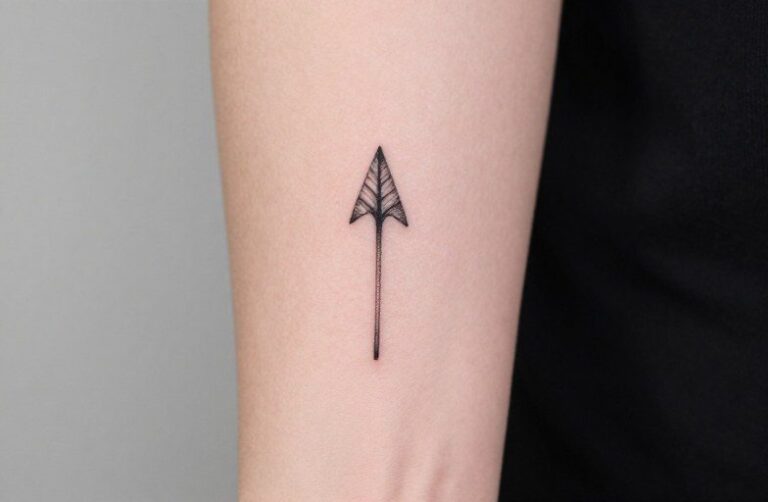
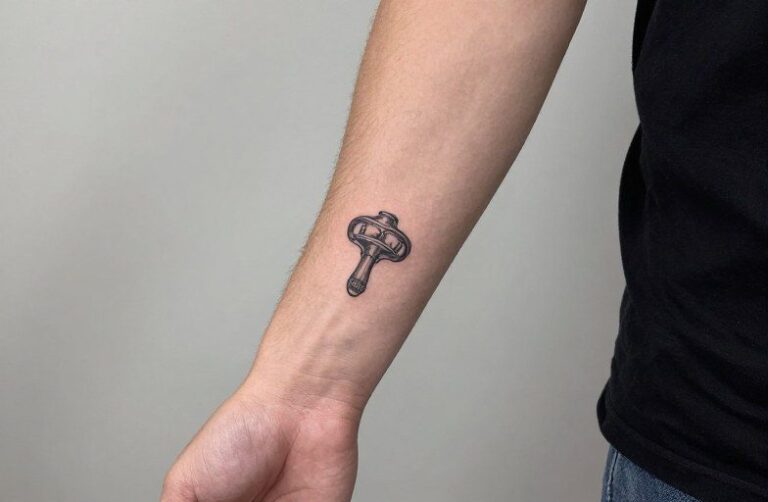
Micro-tattoos (under one inch) work for simple symbols, tiny hearts, single letters, minimalist celestial bodies. Anything more complex needs room to breathe. A palm-sized floral piece (3-4 inches minimum) allows individual petals, proper contrast between elements, and enough surrounding skin to prevent the “blob effect” as ink naturally spreads slightly in tissue.
- Rib and side pieces: larger scales prevent distortion from breathing and body movement
- Wrist and ankle bands: simple repeating patterns hold better than complex scenes
- Back pieces: the largest canvas, suited for cohesive compositions that span shoulder to hip
Scaling for Aging
Lines thicken slightly over time; plan for it. What looks crisp at 25 will soften by 45. Bold, slightly simplified designs age more gracefully than hyper-detailed realism. This doesn’t mean abandoning detail, it means trusting your artist to know minimum line weights and spacing that survive the decades.
Tips for Choosing
Decision paralysis hits everyone. Cut through it with concrete constraints.
Set a budget first, then find artists in that range. Good work costs; cheap work costs more to fix. Research artists whose healed work (not just fresh photos) matches your vision. Many specialize, fine-line botanicals, bold traditional, black-and-gray realism. Matching artist to style matters more than convenience or price.
Live with your design concept: print it, tape it to your mirror, set it as your phone background. Three months of daily exposure reveals whether attachment persists or fades. Consultations are free or low-cost; book several with different artists to compare approaches and chemistry.
- Bring reference images but expect adaptation, your artist translates to skin, not photocopies
- Ask about their healing protocol and follow it exactly; your habits affect the final result as much as their application
- Schedule around life events: no swimming, direct sun, or tight clothing friction during healing
The Bottom Line
The best tattoo ideas for girls aren’t gendered gimmicks, they’re well-executed designs on bodies that happen to be female. Focus on what resonates personally, what suits your specific skin and lifestyle, and what artists in your area actually excel at. A thoughtful, researched choice beats an impulsive “perfect” concept every time. The ink stays; make sure your relationship with it does too.
Frequently Asked Questions
Do tattoos on girls fade faster than on men?
Fading depends on sun exposure, skin care, and placement, not gender. Areas like the hands, feet, and inner lip fade fastest on anyone due to friction and cell turnover. Using SPF on tattooed skin preserves color longer regardless of who’s wearing it.
What’s the most painful spot for a first tattoo?
The sternum, ribs, and kneecaps top most pain charts because bone sits close to skin with little fat padding. The outer upper arm and thigh offer the most manageable introduction to tattoo sensation for first-timers.
Can I get tattooed while on my period?
Yes, though some people experience heightened pain sensitivity and lower pain tolerance during menstruation. There’s no medical contraindication, but if you’re already cramping and uncomfortable, postponing might improve your experience.
How do I find an artist who actually tattoos the style I want?
Search Instagram and healed tattoo hashtags by style (#finelinetattoo, #neotraditional) rather than by city alone. Look for consistent healed results in their portfolio, not just fresh, red, swollen photos. Reach out directly, most artists welcome specific questions about their experience with your proposed design.