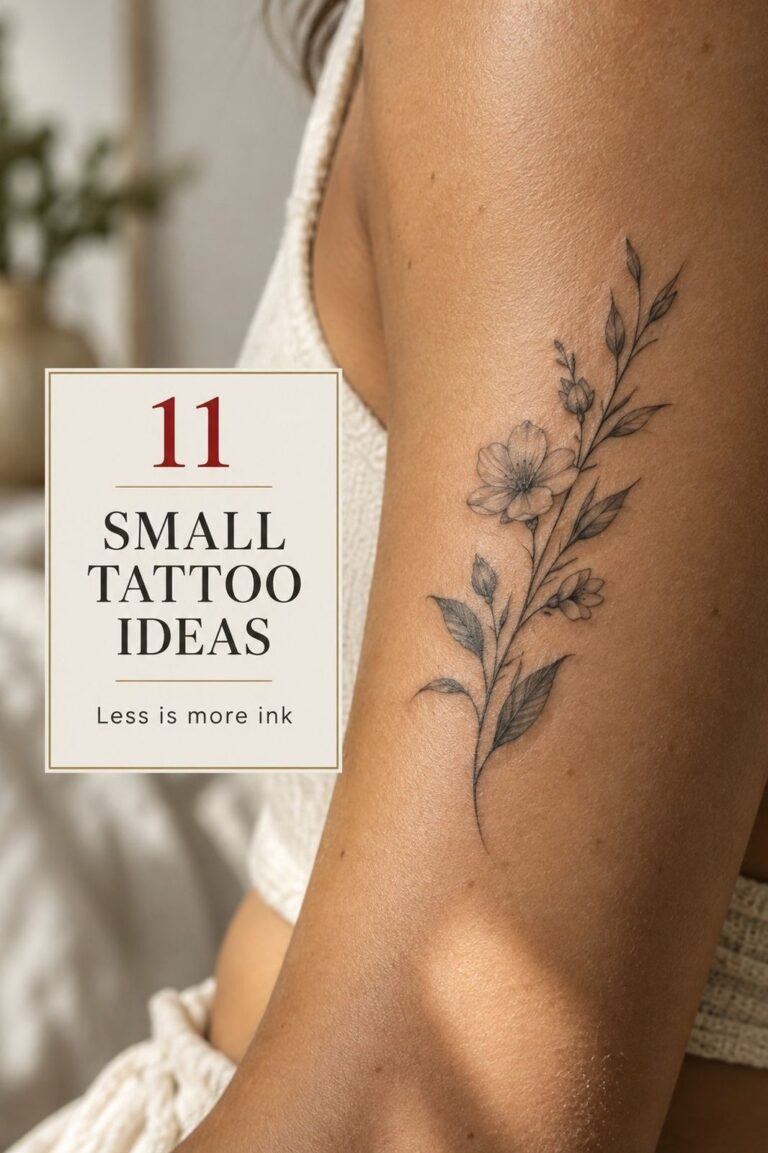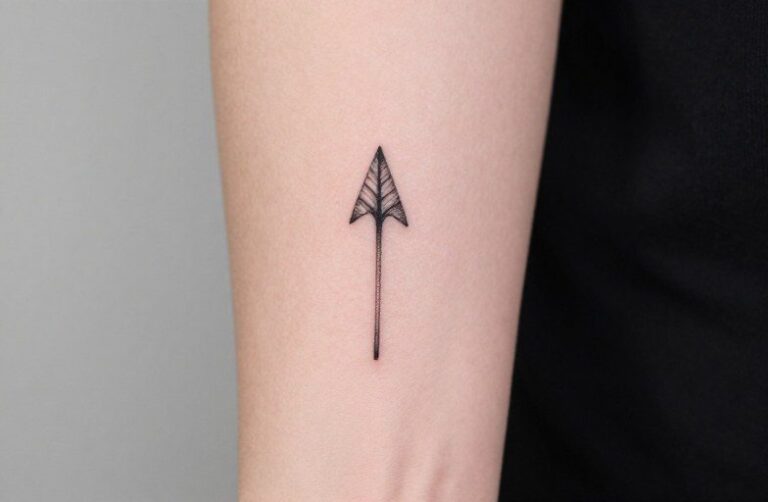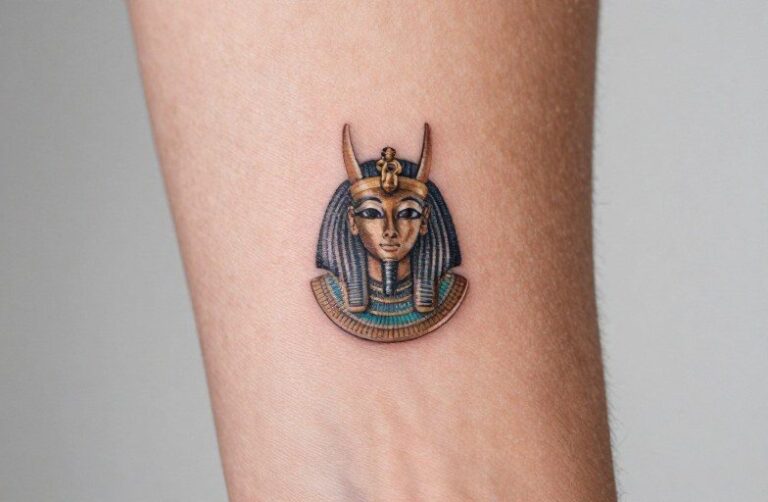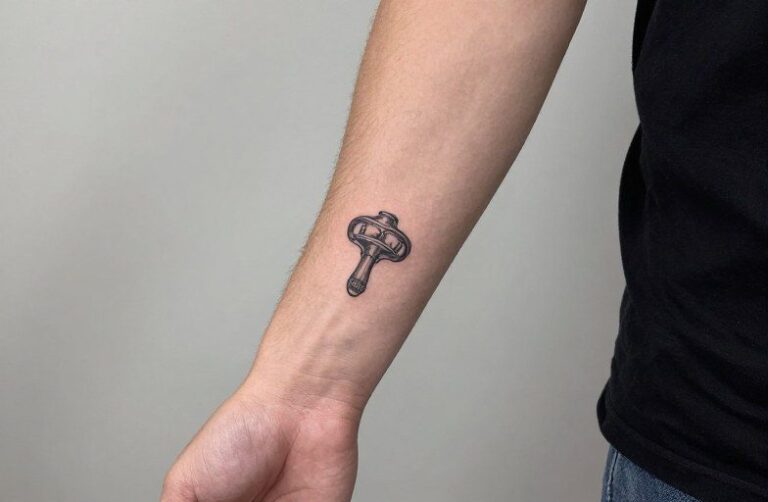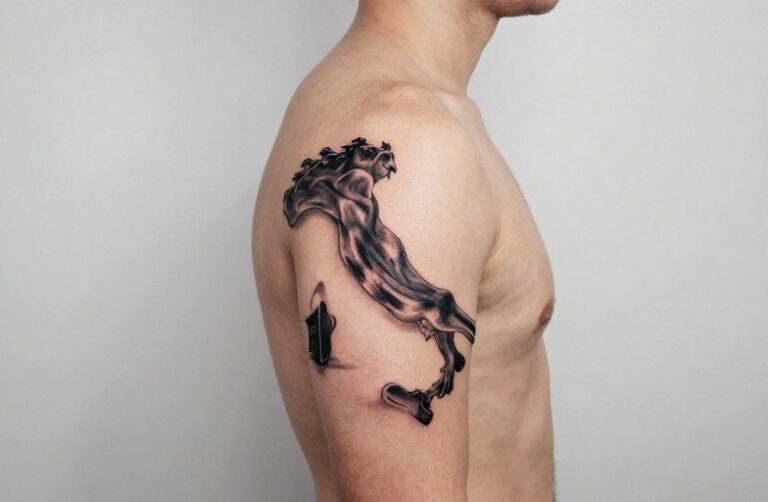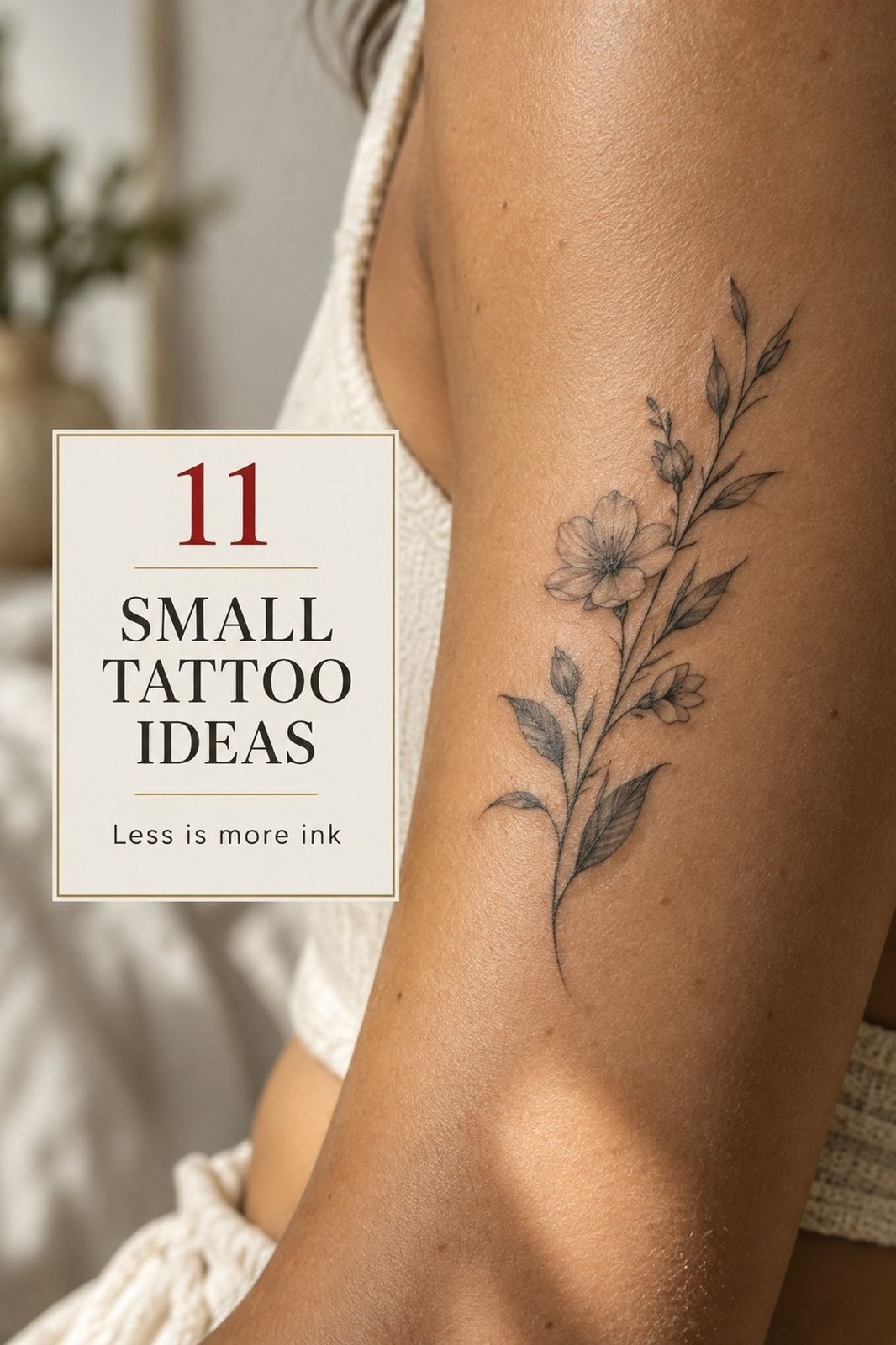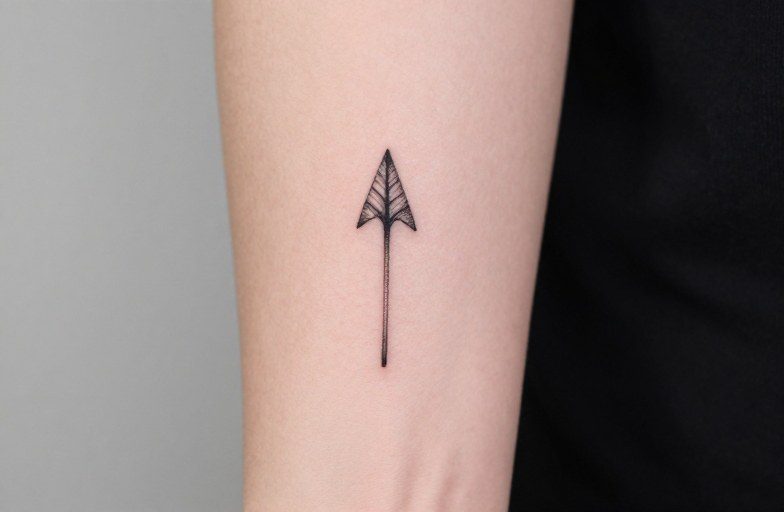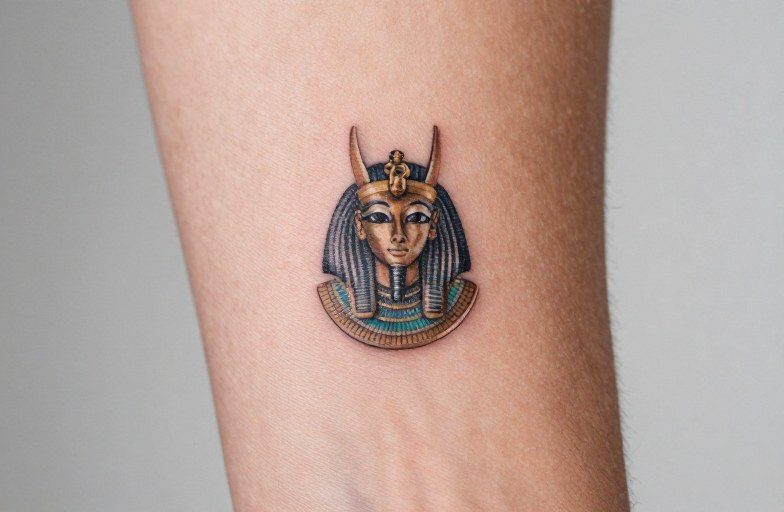
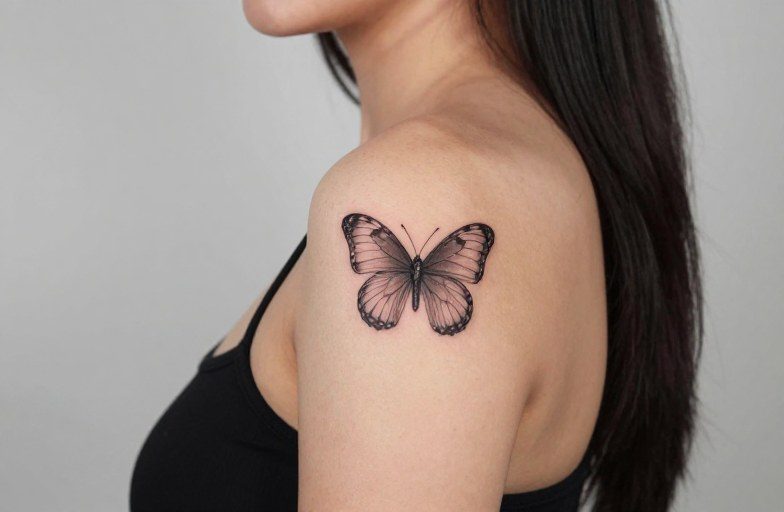
Shoulder placement gives you options most spots can’t match. The natural curve of the bone, the flat plane of the cap, the way skin moves when you reach or stretch, all of it shapes how a design sits and ages. For women, this area carries practical advantages: easy to show in a tank top or sleeveless dress, simple to cover for work, and enough real estate to go small and subtle or large and detailed without jumping straight to a full sleeve.
Matching & Pairing Ideas
Both shoulders open up symmetrical possibilities that single placements can’t touch. The key is understanding how mirror designs behave when your body moves, what lines up at rest might shift when you raise an arm.
Symmetrical Pairs
Matching florals, geometric mandalas, or ornamental frames across both deltoids create balance. Best approach: keep the design identical but allow for natural asymmetry in your body. One shoulder might sit slightly higher, one deltoid fuller. A good artist maps the stencil with both arms relaxed at your sides, then checks with arms raised to see how the design distorts.
- Botanical stems that start at each collarbone and trail toward the cap
- Geometric dots or small symbols aligned to the same bone landmarks
- Ornamental corners framing the shoulder from the front and back
Complementary Sets
Instead of identical twins, consider designs that speak to each other, moon and sun, two phases of bloom, open and closed forms. This reads more personal than matching and forgives slight placement differences. The conversation between the two pieces matters more than pixel-perfect symmetry.
Size & Scale
Shoulder anatomy breaks into distinct zones, each demanding different sizing logic. The front deltoid near the collarbone offers a narrow vertical strip. The cap itself presents a rounded dome. The back of the shoulder, sweeping toward the blade, gives you a broader, flatter canvas.
Small & Precise
Single needles and fine lines thrive along the collarbone edge and the front shoulder point. A piece under two inches here reads as jewelry-like, deliberate. The trade-off: tiny detail blurs faster on shoulder skin, which sees sun and friction from straps and bags. Plan for a touch-up in two to three years if you go micro-fine.
Medium to Large Coverage
The full cap supports designs from four to eight inches without feeling cramped. This is where you can run a snake that wraps the deltoid, a moth with open wings spanning the cap, or a dense floral cluster that spills slightly toward the upper arm. The rounded surface means the center of the design gets the most visibility; edges curve away and soften in impact.
Popular Styles
Certain approaches consistently suit shoulder anatomy better than others. The curve of the bone and the way fabric falls across this area favor some aesthetics over others.
Ornamental and lace patterns follow the shoulder’s natural architecture. Lines that trace the collarbone, fan across the cap, or drape like fabric capitalize on the body’s geometry. This style ages well because it relies on consistent line weight rather than subtle shading gradients.
Botanical and floral work dominates for good reason. Stems and leaves can trail along the collarbone, wrap the cap, or cascade toward the upper arm. The shoulder’s movement makes static flowers feel alive, petals seem to shift when you move. For longevity, choose designs with some open space between elements; packed solid black-and-grey botanicals often heal into muddy masses after five years.
Blackwork and tribal-inspired geometry uses the cap’s roundness as a feature, not a challenge. Concentric patterns, mandala centers placed on the shoulder point, and radiating lines all emphasize the body’s form. Bold lines hold; thin tribal patterns from the 90s often blew out and aged poorly, so modern versions use heavier weight.
Script and lettering work along the front shoulder or collarbone edge when kept to a few words. The skin here moves significantly with arm motion, so flowing cursive handles that better than block letters, which can appear to warp. Avoid placing text across the cap itself, it distorts with every reach and rotation.
Color Choices
Shoulder skin sees more sun than ribs or thighs, which accelerates color fading. Your choices here should account for that reality.
Black and Grey
The safest bet for longevity. Black lines stay readable for decades; grey wash softens but remains cohesive. On lighter skin tones, grey wash can heal slightly cool or blue-tinged, so ask to see healed photos from your artist’s portfolio, not just fresh work.
Color Saturation Strategy
Bold, saturated pigments outlast pastels and neons on shoulders. Deep burgundy, forest green, navy, and ochre hold reasonably well. Watercolor-style fades and pale pinks require commitment to sun protection, daily SPF 50 or eventual significant fading within three to five years. The trade-off is yours to weigh: the soft, ethereal look now versus crisper, darker work that stays legible longer.
- Red-based colors (crimson, wine, coral) often fade fastest in direct sun
- Blue and green families tend to hold structure longer
- White ink on its own rarely stays bright; use as highlight over darker pigment
Tips for Choosing
The shoulder’s visibility means you’ll live with this piece in professional and personal contexts. Consider your actual wardrobe, not an imagined one.
Placement Precision
Front shoulder pieces peek from tank tops and wide necklines. Cap tattoos show in sleeveless garments but hide under short sleeves. The back of the shoulder, toward the blade, only reveals with backless or very open clothing. Be honest about what you wear and what coverage you need.
Design Direction
Vertical compositions along the collarbone elongate the neck. Horizontal wraps around the cap emphasize width. Diagonal flows from neck to arm create movement. Stand in front of a mirror and trace these directions with your finger, your body’s proportions will favor one over the others.
Pain varies significantly across the shoulder. The cap itself, with thicker skin and muscle, rates moderate for most. The collarbone edge and the front point where bone sits close to surface spike higher. The back of the shoulder, near the blade, tends toward moderate again. Plan session length accordingly, detailed collarbone work might need shorter sittings than a cap piece.
Trending Variations
Current directions reflect both technical evolution and shifting aesthetics in what women are requesting.
Single-needle ornamental continues strong, fine lines creating lace-like patterns that read as delicate but are technically demanding. The best work here uses consistent depth; uneven pressure causes blowouts that ruin the precision.
Snake and serpent wraps have shifted from traditional Japanese-inspired to more illustrative, sometimes surreal treatments. The snake’s body follows the shoulder’s curve naturally, head often placed at the cap or front point.
Moths and butterflies remain perennial, but current versions favor more realistic wing venation and less cartoonish symmetry. Open wings spanning the cap maximize the available shape.
Negative space botanicals use skin tone as part of the design, flowers or leaves rendered in outline with centers left open. This ages better than fully saturated color but requires confident, clean linework from the artist.
Before You Decide
Shoulder tattoos reward patience in the planning phase. The area’s visibility and movement demand respect. Bring reference images that show style direction, not exact copies you want reproduced. Trust your artist to adapt proportions to your specific shoulder shape, what looks balanced on a Pinterest model may sit wrong on your frame.
Ask to see healed photos, not just fresh work. Shoulder skin’s sun exposure and movement mean some artists’ techniques hold better than others. A portfolio heavy in fresh, red, swollen photos tells you less than one showing one-year-healed pieces.
Consider the long arc: how will this design read at forty, at sixty? The shoulder ages relatively well compared to hands or lower arms, but skin texture changes, sun damage accumulates, and lines soften. Bold, clear designs with adequate spacing between elements weather these changes better than dense, intricate work that relies on every hairline detail staying crisp.
Your shoulder offers a stage that moves with you, reveals and conceals on your terms, and carries weight without shouting. Choose something that earns that placement.
Frequently Asked Questions
How painful is a shoulder tattoo compared to other placements?
The shoulder cap rates moderate for most people due to muscle padding, but the collarbone edge and front shoulder point where bone sits near the surface hurt significantly more. The back of the shoulder near the blade falls somewhere in between. Session length and your personal pain threshold matter as much as placement.
Do shoulder tattoos stretch or distort with muscle changes?
Noticeable muscle gain or loss can shift the design slightly, but the shoulder area is more stable than stomach or thigh. The cap itself changes less than you might expect; collarbone and upper chest adjacent areas show more movement. Most women won’t see dramatic distortion unless they undergo major body composition shifts.
How long does a shoulder tattoo take to heal?
Surface healing runs about two to three weeks, with full settling at six to eight weeks. The challenge is protecting it from sun and friction, bra straps, purse handles, and backpack bands all irritate fresh shoulder work. Plan your wardrobe and activities accordingly before booking.
Can I get a shoulder tattoo if I need to hide it for work?
The shoulder hides easily under standard sleeves and most professional attire. Front shoulder and collarbone pieces need slightly higher necklines to conceal. Cap and back shoulder tattoos disappear under anything with sleeves. This is one of the most versatile placements for coverage flexibility.