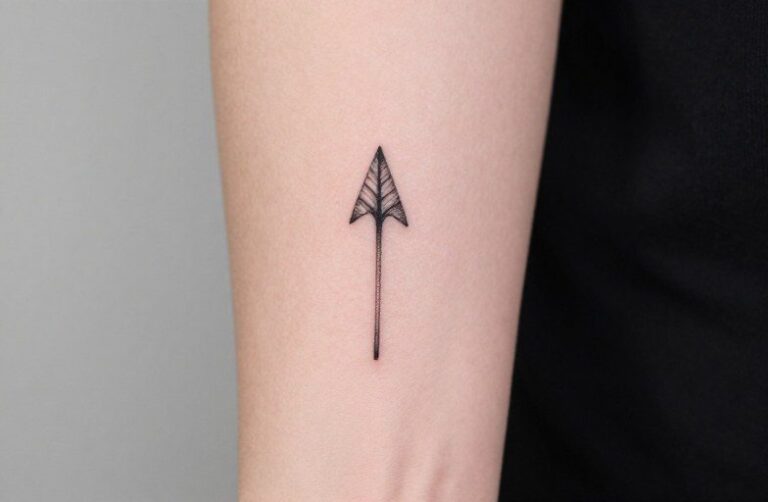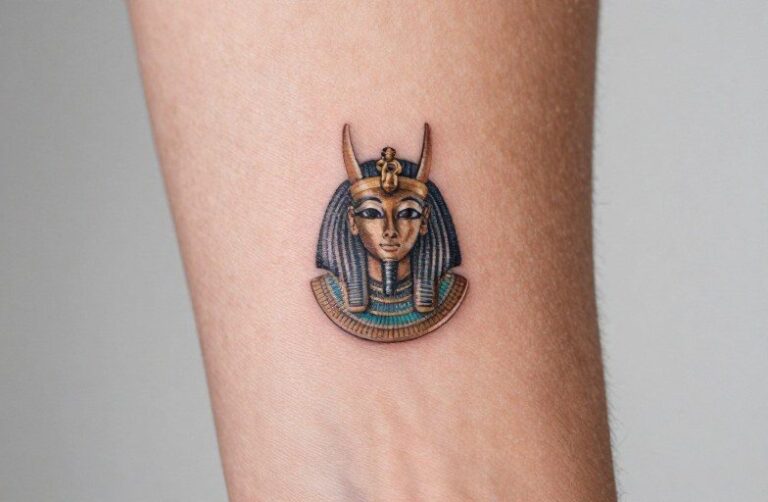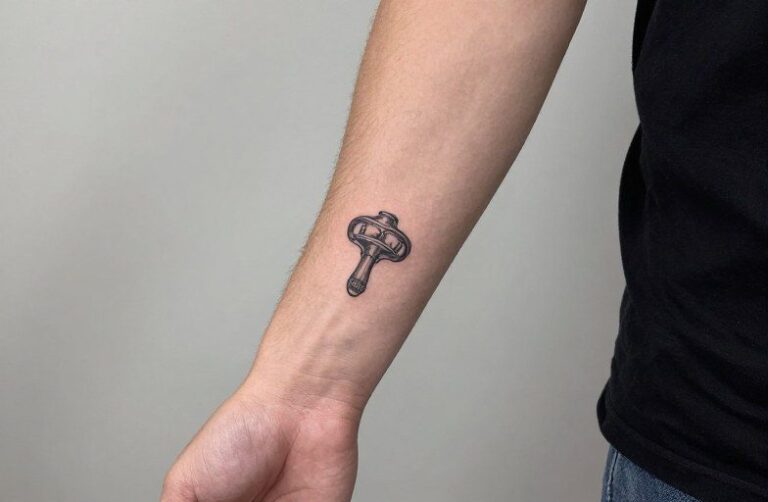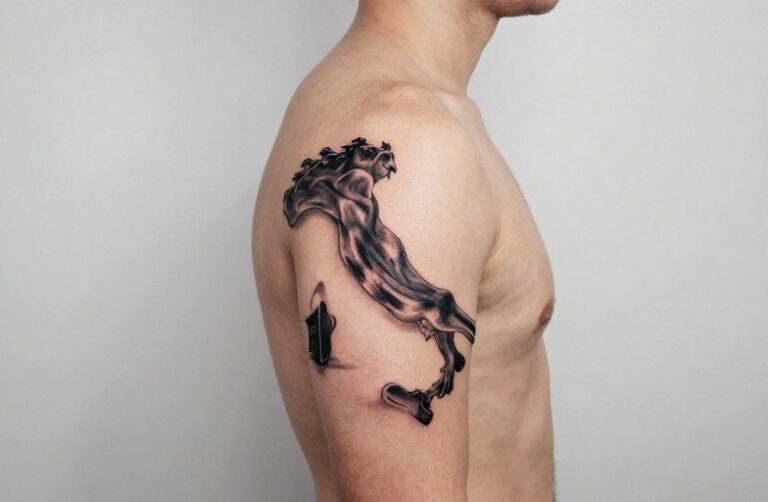
“Beautiful” in tattooing means something specific: lines that stay crisp, shading that ages into softness rather than mud, and a design that reads clearly from ten feet away. The ideas below focus on what works technically and aesthetically over decades, not just what photographs well fresh out of the shop. If you’re collecting or planning your first piece, these are the concepts that consistently deliver.
Popular Styles
Certain styles have earned their longevity through technical soundness and visual clarity. These aren’t trends, they’re proven approaches that skilled artists execute with predictable, beautiful results.
Japanese (Irezumi)
Flowing compositions built around natural elements: koi, dragons, cherry blossoms, waves. The style demands large-scale application, sleeves, back pieces, thigh panels, to let the wind bars and background gradients breathe. Bold outlines hold; the limited color palette (indigo, vermillion, black, green) ages with surprising dignity. Single-needle or fine-line attempts at this style usually fail; the beauty lives in confident, saturated mark-making.
Neo-Traditional
Thicker outlines than traditional Americana, but with expanded subject matter and a more painterly color approach. Portraits of animals, women, and mythological figures work particularly well here. The style accommodates both bright saturation and muted, dusty tones. On forearms and calves, neo-traditional pieces maintain their readability without demanding full sleeves.
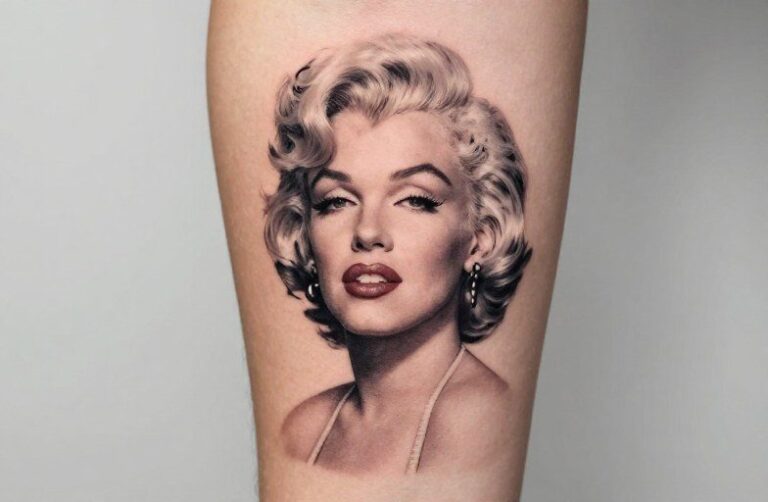
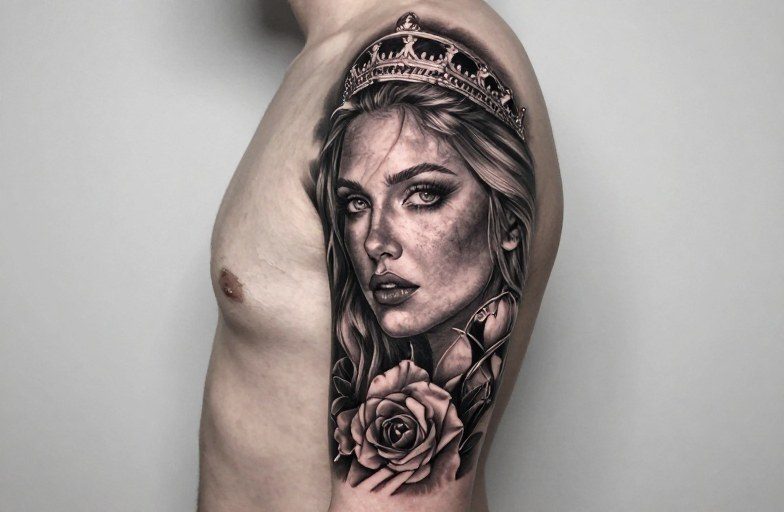
- Black and Grey Realism: Photographic portraits, nature scenes, religious imagery. Requires an artist with specific expertise; poor execution blurs into indistinguishable grey within five years.
- Ornamental/Decorative: Mandalas, filigree, dotwork, geometric patterns. Highly adaptable to body contours, sternum, underboob, back of neck, hands. Lines must be precise; asymmetry destroys the effect.
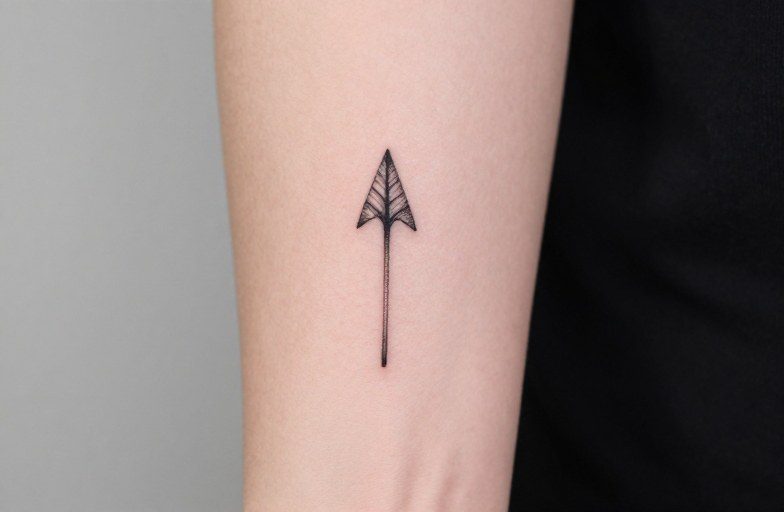
- Botanical Illustration: Scientifically accurate flowers, leaves, branches. Cross-hatching and stippling create texture without heavy black saturation. Excellent for ribcage and shoulder placements.
For First-Timers
Your first tattoo shouldn’t be your smallest or your most “safe.” It should be something technically straightforward in a placement that lets you observe how your skin accepts ink.
Placement Strategy
Outer upper arms, forearms, and calves offer flat, stable skin with minimal distortion from movement or weight fluctuation. These areas also let you watch the healing process and see how lines settle. Avoid fingers, ribs, and feet for first pieces, the skin behaves differently, and the pain can compromise your ability to sit still for clean work.
Design Approaches That Work
Single-subject pieces with clear silhouettes: a snake coiled around a dagger, a hawk in profile, a spray of wildflowers with stems. Avoid tiny details below 2mm, they spread and drop out. A beautiful first tattoo reads instantly; complexity can come later when you understand how ink lives in your particular skin.
Trending Variations
Trends aren’t inherently bad if they’re grounded in technical wisdom. These current directions have enough substance to outlast their moment.
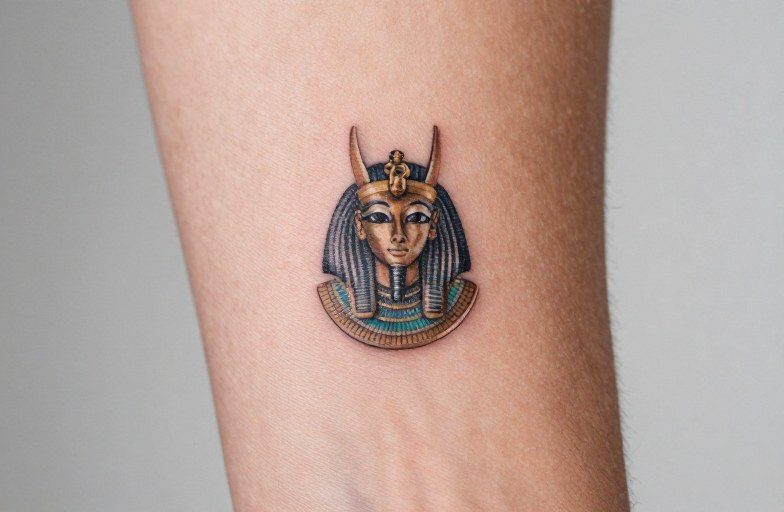
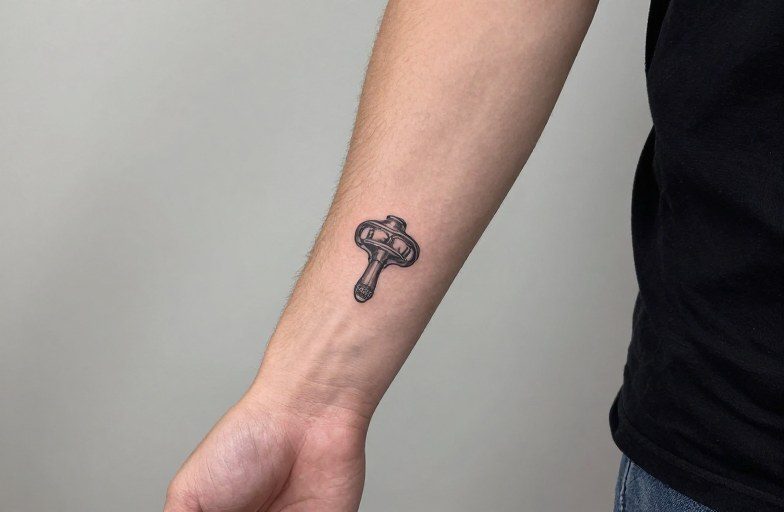
Micro-realism, tiny portraits, objects, animals, has improved dramatically as needle configurations have gotten more precise. The caveat: these pieces require touch-ups and will never have the longevity of larger work. They’re beautiful as commemorative pieces, not as sole statements.
Abstract expressionist tattoos, brush strokes, paint splatter effects, color field gradients, work when the artist understands how pigments diffuse in skin. Watercolor-style pieces without any black structure typically age poorly; the most successful versions anchor fluid color with strategic linework or heavy saturation at the edges.
- Etching/Engraving Style: Cross-hatched shading mimicking old woodcuts or copperplate prints. Exceptional for literary or historical subjects. Holds well because the technique is essentially built-in texture.
- Biomechanical/Organic Machinery: Gears, pistons, muscle tissue interwoven. Still viable for collectors who want large-scale work with infinite detail possibilities.
Color Choices
Color selection determines not just immediate impact but how a piece evolves. Some pigments fade gracefully; others shift unpredictably.
What Lasts
Carbon black is the most stable pigment in tattooing. Dark blues (phthalocyanine-based) and true reds also demonstrate strong longevity. Yellows and pastels require more frequent refreshing; they don’t “disappear” but they soften significantly, sometimes into a faint warmth rather than distinct hue.
Skin Tone Considerations
On deeper skin tones, black and grey work with striking contrast, think scarification-like precision without the raised texture. Bright colors can absolutely work but need heavier saturation and sometimes white highlights to create luminosity. An experienced artist adjusts value ranges rather than simply selecting different pigments.
White ink alone is temperamental: it yellows, it fades to invisibility, it raises slightly. Used as accent within darker designs, it’s beautiful. As standalone lettering or highlights, it rarely delivers long-term.
How to Personalize It
Customization doesn’t mean starting from a blank slate. The best personalized tattoos adapt established visual languages to individual content.
Symbol Integration
Take a recognizable motif and modify its attributes: a traditional rose rendered in your grandmother’s actual garden variety, a wolf with the specific markings of a pet, a compass oriented to coordinates that matter. The structure is legible; the details are yours.
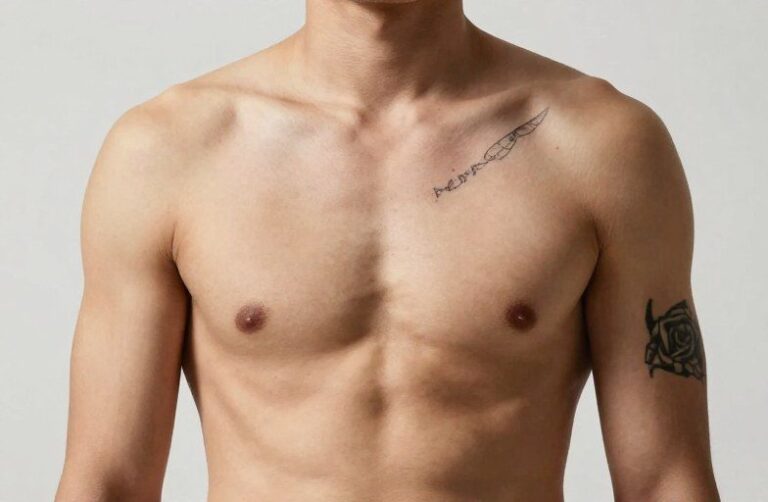
Lettering and text require particular care. Script must be large enough for letterforms to maintain distinction, tiny cursive collapses into illegible threads. Foreign languages or ancient scripts: verify translation with multiple sources, then verify again. The most beautiful lettering tattoo is worthless if it’s misspelled or nonsensical.
Composition and Flow
Work with your body’s architecture, not against it. A talented artist designs around muscle movement, existing scars, and natural asymmetries. A piece that follows the curve of a deltoid or the sweep of a hip bone integrates more beautifully than one simply stamped onto flat skin.
Standout Design Ideas
These concepts consistently produce striking results when executed with technical skill.
- Moth or butterfly with torn/reconstructed wings: The natural symmetry provides structure; the damage creates narrative tension. Excellent for chest or upper back.
- Architectural fragment: A broken column, a staircase spiraling into nothing, a doorway opening onto sky. Creates impossible depth on flat skin. Thigh and calf placements allow vertical compositions.
- Hands holding objects: Classical draftsmanship applied to personal items, books, plants, tools. The human form grounds abstraction; the objects tell specifics.
- Animal eyes at scale: A tiger’s eye, an owl’s, a whale’s, filling a shoulder or knee with single, enormous detail. The iris patterns become abstract color fields up close, resolve into realism at distance.
- Negative space landscapes: Solid black sky with stars or moon cut out to skin tone; mountains silhouetted against gradient wash. The contrast creates luminosity without any actual white ink.
Pairing unexpected elements often generates the most memorable pieces: a classical statue wearing modern headphones, a traditional Japanese wave containing plastic bottles, a medieval bestiary creature rendered with contemporary tattoo techniques. The visual friction creates energy.
Key Takeaways
Beautiful tattoos result from the intersection of strong concept, appropriate style, skilled execution, and honest maintenance. Prioritize line quality and saturation over immediate Instagram impact. Choose placements that suit your pain tolerance, healing habits, and long-term visibility preferences. Research artists specifically: a brilliant black-and-grey portraitist may not excel at delicate botanicals, and vice versa. The most beautiful tattoo you can get is one that still looks intentional fifteen years after application, slightly softened, perhaps, but never embarrassed.
Frequently Asked Questions
How small can a beautiful tattoo be before it starts to blur?
Generally, lines below 1mm and details under 2mm risk spreading or dropping out within five to ten years. Single-needle work can achieve finer marks, but expect more frequent touch-ups. For longevity, bolder is better.
Do color tattoos fade faster than black and grey?
Black holds longest; certain blues and reds are nearly as stable. Yellows, pastels, and light greens fade most noticeably. Proper aftercare and sun protection dramatically extend color vibrancy regardless of pigment.
What’s the best placement for a tattoo I want to stay beautiful for decades?
Outer arms, upper back, and calves experience minimal stretching and sun exposure. Avoid abdomen, inner thighs, and chest if significant weight fluctuation is likely. Hands and feet age poorly due to constant friction and regeneration.
How do I find an artist who can execute a specific beautiful style?
Look for healed photos in their portfolio, not just fresh work. Ask about their preferred subject matter, artists often excel at what they enjoy. A consultation reveals whether they understand your concept technically, not just aesthetically.