Black and grey tattoos carry a different gravity than color work. The palette forces contrast, texture, and composition to do all the heavy lifting. Without reds or blues to distract the eye, every line weight and every gradation between pitch black and skin tone becomes visible. Some of the most striking pieces in any shop portfolio rely on nothing but diluted black ink and negative space. You might be drawn to soft, smoky portraits or sharp geometric patterns. Either way, understanding how this specific palette behaves on skin will help you choose something that holds up for decades.
What Suits Black and Grey
Certain subjects naturally excel in this palette. The medium rewards detail, depth, and tonal range over flat color fields.
Portraiture and Photorealism
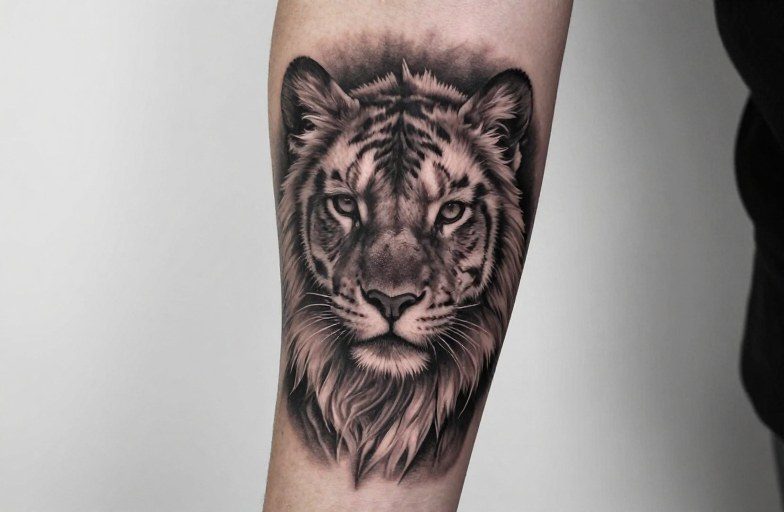
Memorial portraits, celebrity likenesses, and pet portraits dominate this category. The technique requires smooth whip-shading and multiple needle configurations: tight groupings for detail, magnums for soft gradients. Your skin undertone affects how grey washes read. Olive, pink, or neutral bases shift the apparent temperature of diluted black. A competent artist adjusts their mix accordingly. Photorealism demands large scale to capture facial structure, so expect minimum sizing around your palm, often larger.
Organic and Nature Motifs
Snakes, roses, and tree branches translate beautifully through greywash. Scales read as dimensional when shaded with dotwork or smooth gradients. Flower petals gain softness through pepper shading, where the artist stipples tiny dots to build tone without hard edges. These designs wrap well around arms and legs, following muscle contours.
Structural and Ornamental Subjects
Skulls with filigree, religious iconography, and architectural elements like columns or gothic windows all suit the palette. Script and lettering with dimensional drop shadows also work well, since the shadow itself becomes the design rather than an afterthought.
Distinct Stylistic Approaches
Not all black and grey work looks the same. The stylistic lineage of a piece shapes its shading character, line weight, and cultural references.
Chicano Black and Grey
This style is often linked to East Los Angeles and Mexican-American communities, though its exact origins are debated among historians. It is characterized by smooth, airbrush-like gradients, religious imagery, portraits of women, and ornate lettering. The shading is typically soft and seamless, achieved through careful greywash application and specific machine tuning. Common placements include the outer upper arm, chest panels, and full back pieces. The style has spread globally but retains its regional visual vocabulary.
Fine Line and Single Needle
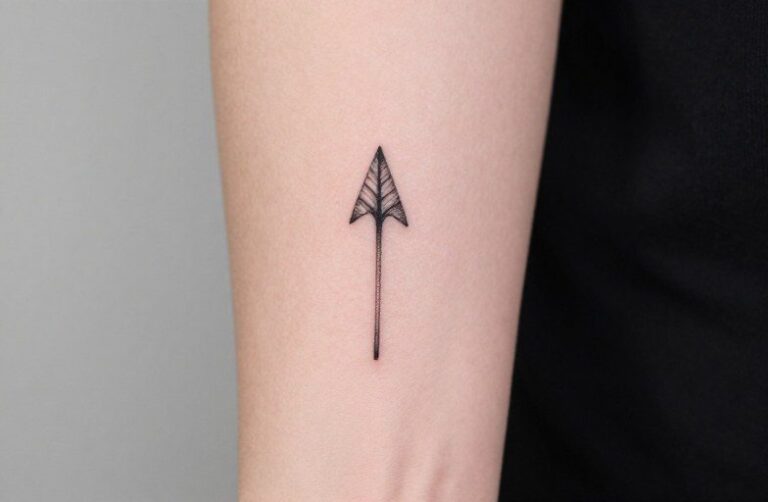
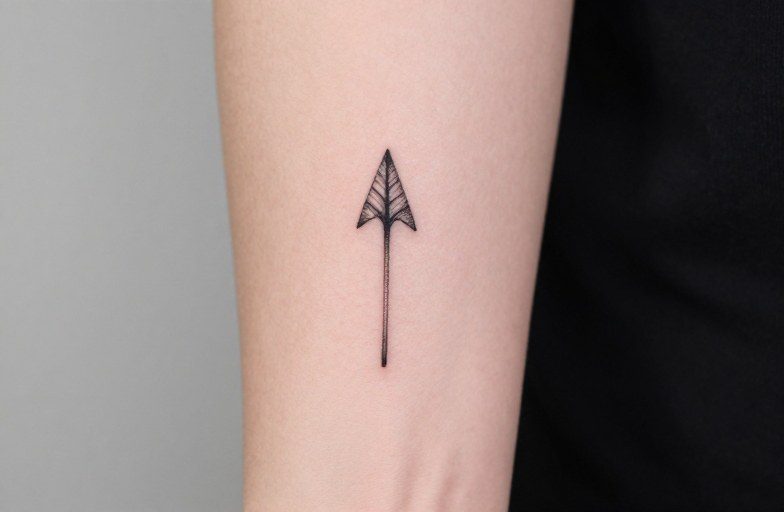
Contemporary black and grey has embraced extremely thin lines and delicate shading. Single needle or three-round-liner configurations create hair-thin details. This style suits smaller pieces: behind the ear, along the collarbone, or on fingers. The tradeoff is faster fading. Touch-ups every few years are a realistic expectation, and you should plan for this maintenance from the start.
Other Notable Approaches
Neo-traditional black and grey combines bold outlines with soft interior shading. Blackwork ornamental uses dense geometric patterns with minimal skin showing. The engraving or etching style employs cross-hatched lines that mimic woodcut prints, creating texture through line density rather than smooth tone.
Understanding the Color Range
“Black and grey” is something of a misnomer. The actual range includes near-white highlights, steel blues, warm sepia tones, and intentional brown-black mixtures.
Greywash Basics
Artists create grey tones by diluting black ink with distilled water or mixing solutions. Ratios matter: a heavy black concentration produces dark grey, while heavy dilution reads as light smoke. Pre-mixed greywash inks exist, but many experienced artists prefer custom dilutions for control. Warm grey often suits darker skin tones; cool grey, which may carry trace blue, tends to read more visibly on lighter complexions. These are general observations, not rules, and individual skin response varies.
Strategic Accent Colors
Some designs incorporate color without abandoning the black and grey foundation. A single red rose in an otherwise monochrome sleeve. A pale blue eye in a portrait. These accents draw the eye precisely because they break the established rule. The key is restraint. One accent color, used sparingly, carries more impact than scattered patches of competing hues.
Choosing Well: Practical Guidance
Reference quality separates good black and grey tattoos from muddy ones. Bring photographs with clear, identifiable light sources, not filtered social media images. Shadows in reference photos become shading in the tattoo. If the original photograph has flat lighting, the tattoo will lack dimension.
Reading an Artist’s Portfolio
Look for healed photos, not just fresh work. Fresh black and grey always looks darker. After four to six weeks, tones settle and lines soften slightly. Ask specifically to see healed pieces in your desired style. Check whether their blacks stay solid or whether they grey out over time. Greying blacks indicate insufficient saturation depth.
Placement Realities
Areas with thin skin or frequent sun exposure, such as the top of the foot, fingers, or inner wrist, tend to blur fine details faster. High-contrast designs with bold blacks survive better in these spots. For photorealistic work, choose flatter surfaces: outer thigh, upper arm, calf. Curved areas like ribs or elbows distort facial proportions and complicate smooth shading.
Additional practical steps: bring multiple reference angles rather than one front-facing image. Discuss whether the artist uses black ink only or incorporates dark brown for warmth. Plan for two sessions on large pieces, since greywash benefits from settling time between passes. Ask about aftercare specific to heavy saturation; some artists prefer dry healing over thick ointments, though practices vary.
Coordinating With Existing Work
Black and grey tattoos can coexist with color work if planned intentionally. Existing color sleeves can accept black and grey filler pieces. The reverse, adding color to a black and grey dominant limb, often looks disjointed because the color appears to float rather than integrate.
Matching Pieces
Matching black and grey designs work for couples or friends: identical script in different handwriting styles, halves of a whole design, or complementary imagery like sun and moon or lock and key. The monochrome palette unifies disparate subjects. For siblings or parents, birth flower arrangements in matching grey tones create cohesion without literal duplication.
Building Collections Over Time
Collectors often transition to black and grey after starting with color. The shift requires planning. A black and grey mandala on the chest pairs naturally with black and grey sleeves but may clash with bright Japanese work on the same arm. Some collectors dedicate entire limbs to monochrome, keeping color to the torso or opposite side. This creates visual zones rather than competing chaos. The decision is personal, but the visual consequence is real.
Size and Technical Limits
Black and grey functions at every size, but the technique must adapt. Large-scale work relies on smooth gradients and multiple sessions. Small pieces depend on line precision and strategic negative space.
Small-Scale Realities
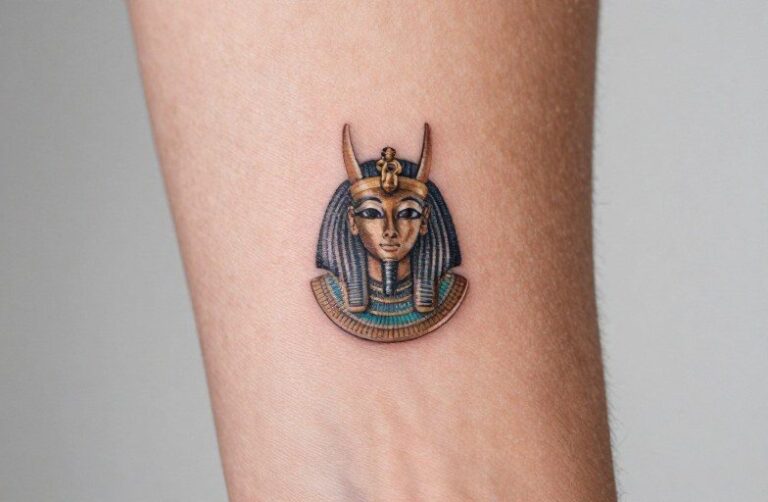
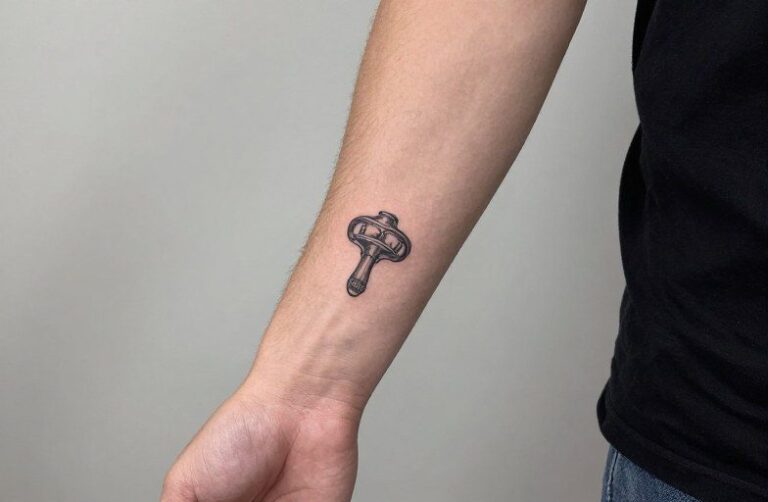
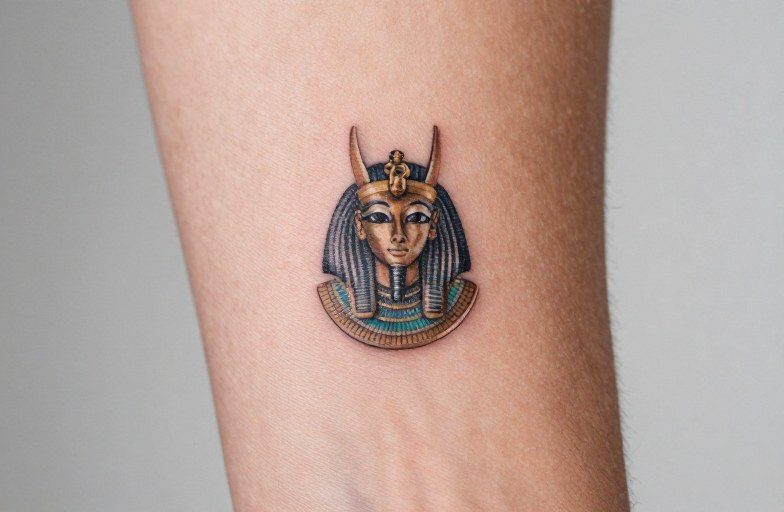
Micro realism, tiny portraits, and miniature animals have gained visibility through social media. The practical reality: extremely fine details blur over time as ink spreads slightly in the dermis. A responsible artist will refuse to render eyelashes or fingerprint-level detail at postage-stamp size. Simplified silhouettes, small ornamental dots, or single-needle botanicals work better for discreet placements. Ask directly what level of detail the artist considers viable for your chosen size and placement.
Large-Scale Possibilities
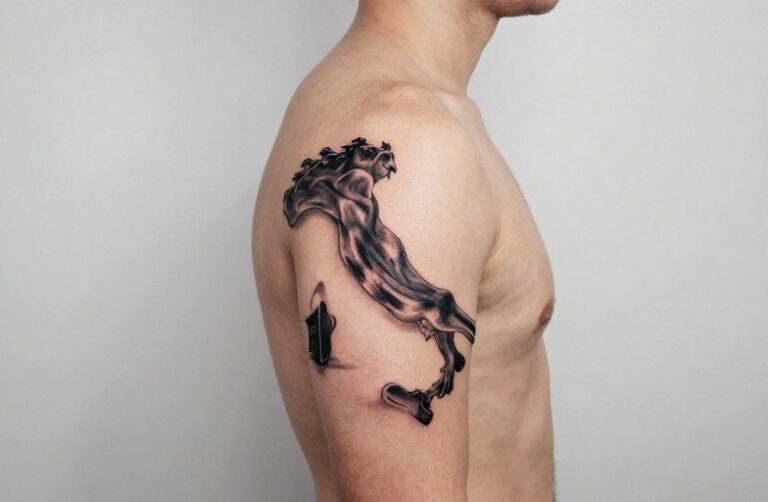
Full sleeves, back pieces, and leg tattoos allow for full tonal range. Artists can establish deep blacks in the background, mid-tones for mid-ground elements, and skin-breaks for highlights. This approach, borrowed from classical painting techniques, creates dramatic depth that small formats cannot achieve. Extensive work typically requires multiple sessions spread across months to allow healing between passes. Session counts vary widely based on design complexity, artist speed, and your pain tolerance.
General minimums to consider: palm-sized for readable portraits, hand-sized for script with ornamental flourishes, quarter-sleeve for coherent landscape or architectural scenes. These are starting points, not absolute rules, and your artist may adjust based on specific design demands.
What to Remember
Black and grey tattoos reward patience in both creation and selection. The best pieces result from honest conversations about your skin type, how much sun your chosen placement receives, and whether your reference material actually suits translation into ink. Find artists whose healed work you can examine in person. Ask about their greywash mixing, their needle preferences, their session planning. A black and grey tattoo that looks stunning at five years, not just five weeks, comes from technical choices made before the machine ever buzzes.
Frequently Asked Questions
Do black and grey tattoos fade faster than color tattoos?
Black ink generally holds longer than most colors, but greywash tones can soften over time. Proper aftercare and sun protection matter more than the palette itself. Darker blacks tend to outlast bright reds or yellows by years.
Can any tattoo style be done in black and grey?
Most styles can be adapted, though some suffer in translation. Traditional Japanese work, for instance, relies heavily on color symbolism that black and grey cannot replicate. Watercolor styles often lose their effect without color gradients. The best black and grey adaptations are those designed for the palette from the start, not forced conversions.
How do I know if an artist specializes in black and grey?
Examine their portfolio for healed work, not just fresh photos. Ask how they mix their greywash and what needle groupings they prefer for specific effects. Artists who truly specialize will discuss these technical details fluently and show you healed examples across multiple years of their career.
Will black and grey work on very dark skin?
Yes, though the approach changes. Heavily saturated blacks and higher contrast designs read more clearly than light greywash on melanin-rich skin. Some artists incorporate brown-black mixtures or strategic white highlights for definition. The key is finding an artist with documented experience tattooing skin tones similar to yours.