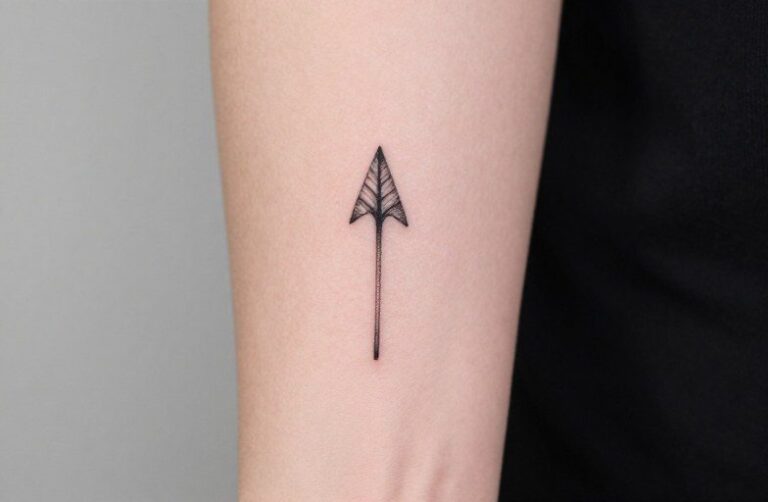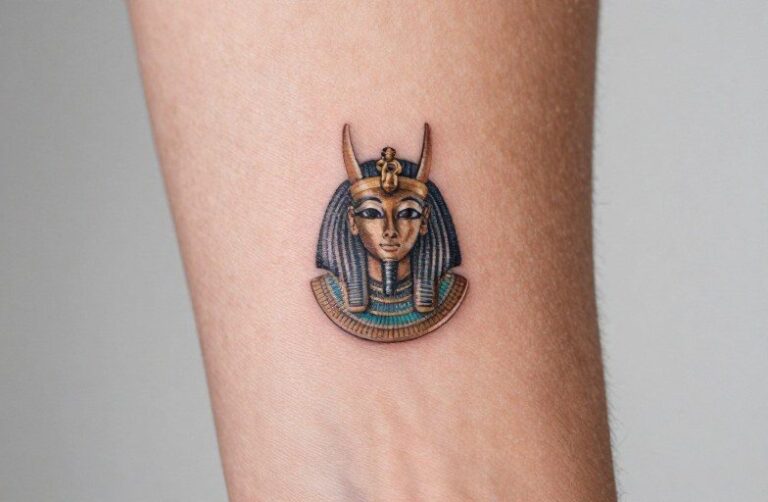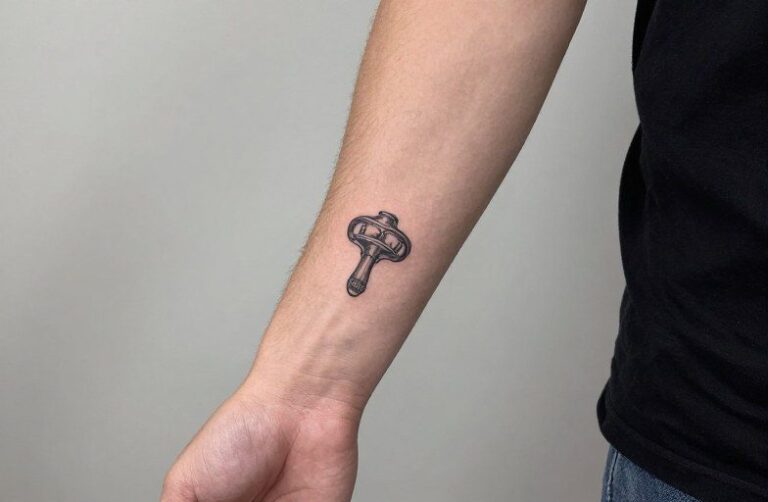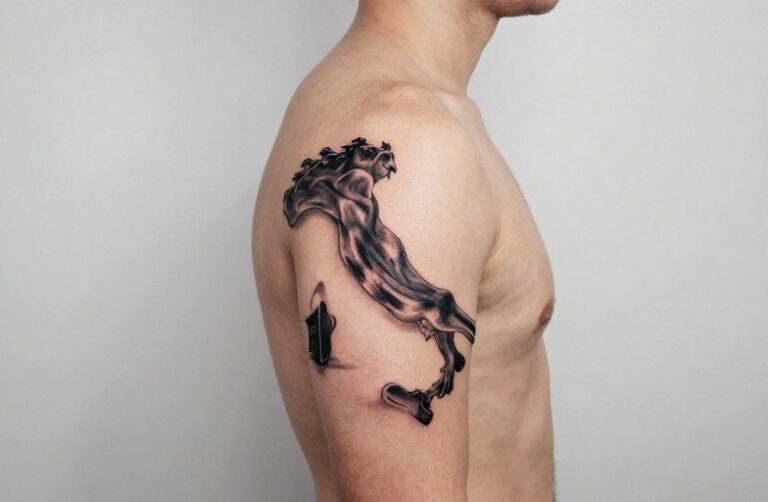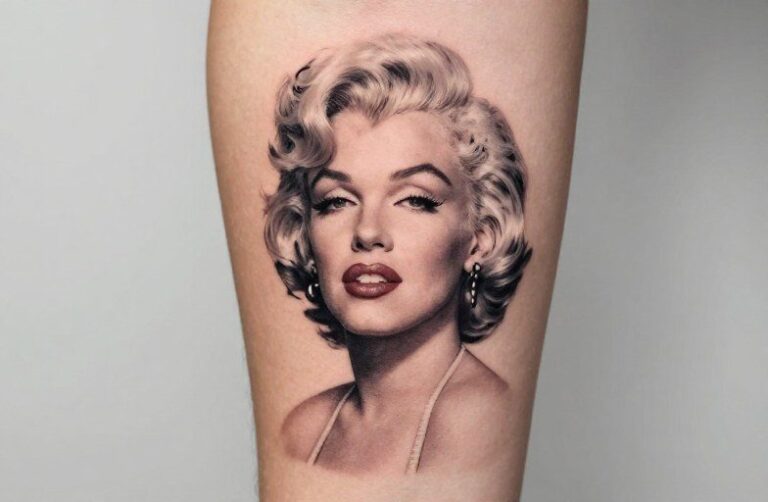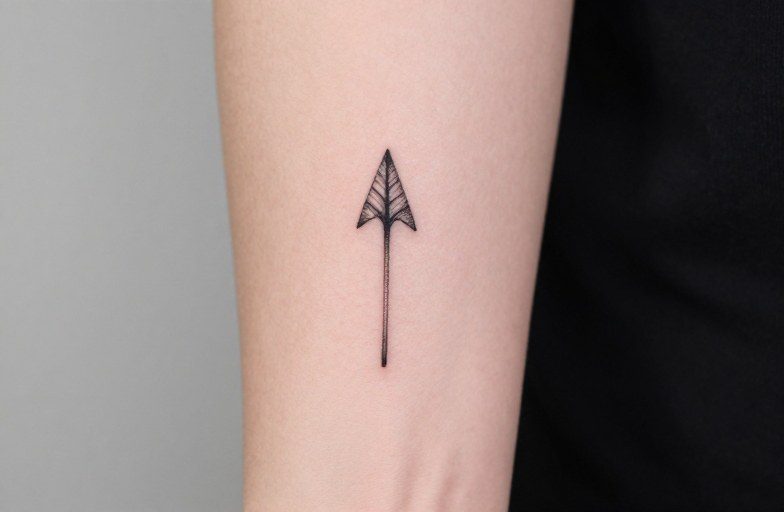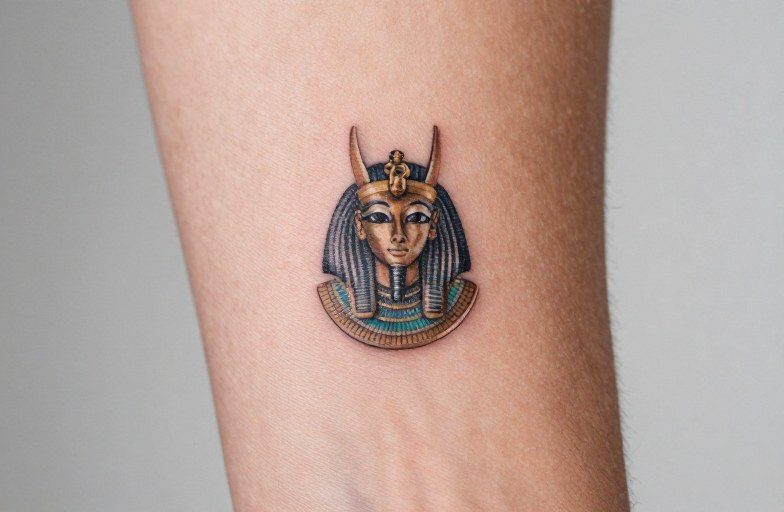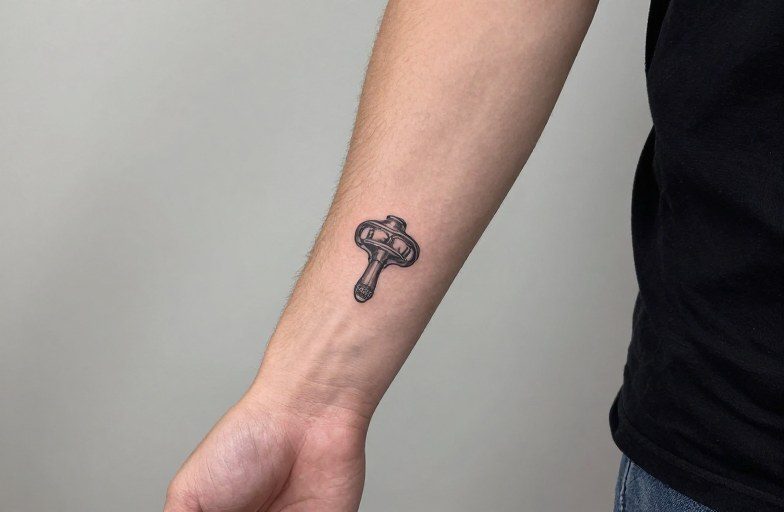
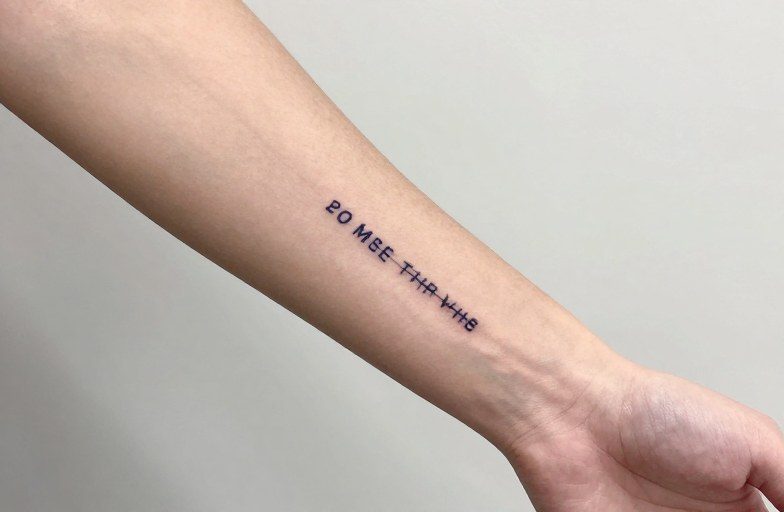
A forearm tattoo usually costs between $150 and $800 or more. Small, simple designs near the wrist fall at the lower end; full sleeves or detailed inner-forearm pieces push well past that. The final price depends on time, artist hourly rate, and how much ink and detail your specific design demands.
Cost Factors
Shop pricing isn’t arbitrary. Understanding what drives the number helps you budget realistically and avoid sticker shock.
Artist Rate and Experience
Hourly rates vary dramatically by region and reputation. In smaller cities, skilled artists might charge $100-$150 per hour. In major metros, New York, LA, Chicago, $200-$400+ is standard for established names. Apprentices or newer artists sometimes offer lower rates, but forearm placement is visible enough that most people prioritize quality over savings. A piece you’ll see daily for decades warrants the investment.
Design Complexity and Size
- Simple linework band or small symbol: 1-2 hours, $150-$300
- Medium detailed piece (palm-sized): 3-5 hours, $300-$750
- Full forearm wrap or intricate realism: 8-15+ hours, $800-$2,000+
- Color saturation adds 20-40% more time than black and grey
Inner forearm skin is softer and more reactive than the outer surface. Some artists adjust technique here, which can slightly extend session time. Dense shading, fine lines, and smooth gradients all require slower, more deliberate work.
Shop Minimums and Flat Rates
Nearly every shop enforces a minimum, often $80-$150, regardless of how small the tattoo. Some artists offer flat rates for forearm pieces they’ve done repeatedly (florals, animals, script), but custom work is almost always hourly. Always confirm whether your quote includes touch-ups; some shops bundle one free session, others charge full rate.
Aftercare Essentials
Forearm tattoos enjoy one major advantage: they’re easy to keep clean and inspect. But that accessibility also means they’re prone to accidental bumping, sun exposure, and clothing friction.
First Two Weeks
Wash gently with unscented soap twice daily, pat dry with clean paper towels, and apply a thin layer of recommended ointment. The forearm’s relatively flat surface makes bandaging straightforward, saniderm or similar adhesive wraps work well for the first few days, provided you don’t have adhesive sensitivity. Avoid submerging in pools, hot tubs, or baths; showers are fine.
Long sleeves become tricky. Loose, breathable fabrics prevent irritation; tight cuffs rubbing fresh ink cause patchy healing. Plan your wardrobe if you’re getting tattooed in summer or have a uniform requirement.
Long-Term Preservation
Forearms catch sun constantly. UV exposure fades ink faster than almost any factor, especially reds and yellows. SPF 30+ sunscreen once healed isn’t optional, it’s maintenance. Moisturizing regularly keeps skin supple and lines crisp; dry, ashy skin makes tattoos look dull regardless of age.
Realistic Expectations
Your forearm is a billboard. It’s visible in short sleeves, during handshakes, while holding coffee. This visibility shapes both social perception and your own long-term satisfaction.
Placement Nuances
The outer forearm (extensor side) has tighter skin and sits more prominently in profile. The inner forearm (flexor side) offers a flatter canvas, better for detailed portraits or readable script, but wrinkles more with age and muscle use. Consider which surface faces you when your arm rests naturally, do you want to see the design, or do you want others to?
Proximity to wrist and elbow affects both aesthetics and comfort. Wrist-adjacent skin is bonier and thinner; elbow-adjacent skin stretches and moves significantly. Artists account for this in design flow, but it can constrain certain compositions.
Aging and Touch-Ups
Forearm ink generally ages well compared to high-friction areas like fingers or ribs. However, lines soften over 5-10 years, especially in areas with frequent flexing. Budget for potential touch-ups down the line, some artists offer these at reduced rates for their own work. Black and grey ages more gracefully than color; fine lines blur faster than bold ones.
The Direct Answer
For most people seeking a forearm tattoo, here’s the practical breakdown:
- Small, simple design (under 2 hours): $150-$250
- Medium custom piece (3-5 hours): $300-$800
- Large or complex work (6+ hours): $800-$1,500+
- Full forearm sleeve: $1,500-$4,000+ across multiple sessions
These ranges reflect hourly billing at $100-$250/hour, which covers most reputable US shops outside celebrity-tier studios. Deposits, typically $50-$200, are standard to book; they apply toward final cost. Tipping 15-20% is customary and expected.
Get quotes from 2-3 artists whose healed work you admire. Price shouldn’t be the sole deciding factor, but multiple estimates reveal whether someone’s significantly out of market range. Be wary of quotes substantially below these benchmarks; corner-cutting on supplies or hygiene isn’t worth the risk.
Pain & Comfort
Forearm tattoos sit in the moderate range for most people. The outer surface, with its muscle padding and fewer nerve endings, hurts less than the inner forearm or wrist bone. Many describe outer forearm sensation as a persistent scratch or hot rubber band snap, uncomfortable but manageable.
What Changes the Experience
Bone proximity amplifies pain. The wrist bone and outer elbow edge are sharp, thinly padded; needle vibration there feels intense and deep. Inner forearm skin is more sensitive, with visible veins and thinner dermal layers. Some people experience referred tingling in the hand or fingers during inner forearm work, normal, but disconcerting if unexpected.
Pain tolerance fluctuates with sleep, hydration, and blood sugar. Eat a solid meal beforehand, bring water and a snack, and avoid alcohol for 24 hours prior, it thins blood and increases bleeding, which compromises ink saturation and extends session time.
Healing Timeline
Forearm tattoos follow a predictable pattern, though individual variation exists based on skin type, aftercare diligence, and ink density.
Week by Week
- Days 1-3: Redness, swelling, plasma oozing. Keep clean, don’t over-moisturize.
- Days 4-7: Peeling and flaking begins. Itching intensifies; resist scratching. Colors look muted under peeling skin.
- Week 2: Surface appears mostly healed, but deeper layers are still settling. Continue light moisturizing.
- Weeks 3-4: Skin returns to normal texture. Final color saturation becomes visible. Sun protection begins now.
Complete dermal healing takes 4-6 weeks, though surface looks fine earlier. Heavy gym use, manual labor, or anything causing significant forearm flexion and sweating can prolong healing. Plan accordingly if your work is physically demanding.
What to Remember
A forearm tattoo’s price reflects time, skill, and permanence. Budget for quality; this isn’t a place to bargain hunt. The visibility that makes forearm tattoos appealing also means you’ll live with any compromise daily.
Research artists thoroughly. Healed photos in their portfolio matter more than fresh, red Instagram shots. Ask about their experience with forearm specifically, skin behavior varies by body area, and forearm work is common enough that competent artists have extensive examples.
Factor hidden costs: travel if your preferred artist isn’t local, touch-up sessions, aftercare supplies, and future sunscreen consumption. The upfront tattoo price is the largest expense, but not the only one over a lifetime of ownership.
Finally, sit with your design concept. Forearm placement offers no concealment in warm weather. Confidence in the image matters as much as confidence in the artist. The money buys technical execution; the permanence requires your own certainty.
Frequently Asked Questions
Do forearm tattoos cost more than arm tattoos in other spots?
Not inherently, pricing depends on size and detail, not placement alone. However, forearm work is often more visible and detailed, which can increase artist time and thus cost compared to a similarly sized upper-arm piece.
Should I tip my tattoo artist on top of the quoted price?
Yes, tipping 15-20% is standard in US tattoo culture. Artists typically split a portion of their hourly rate with the shop, so tips directly support their income. Bring cash if possible, as some shops can’t process card tips.
Can I get a forearm tattoo in one session if it’s medium-sized?
Often yes, if it’s under 4-5 hours. Longer sessions become draining for both artist and client, and skin swelling can compromise precision. Large pieces are usually split across multiple sessions spaced 2-4 weeks apart.
Why do some artists charge way more for the same forearm size?
Specialization, demand, and geographic market drive variation. An artist known for photorealistic portraits commands more than a generalist, and their forearm work may require more technical precision. Location matters, Manhattan overhead differs from rural Ohio.