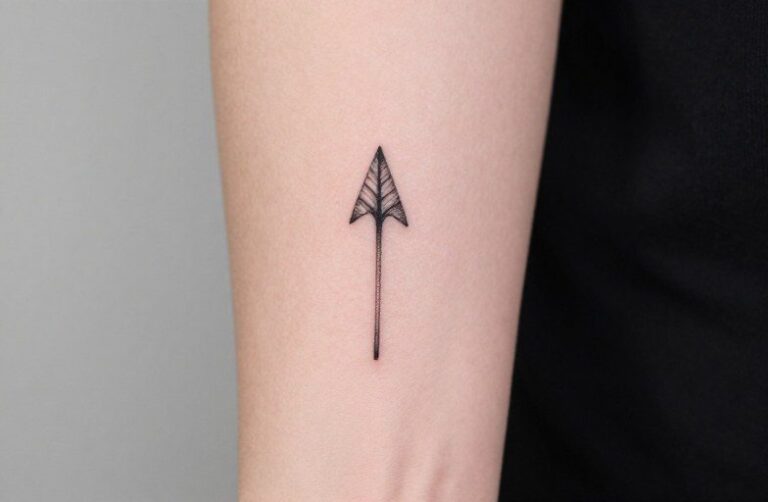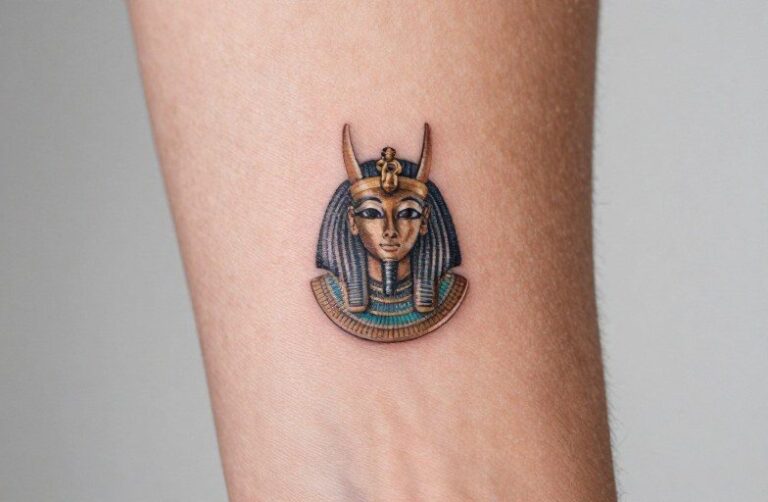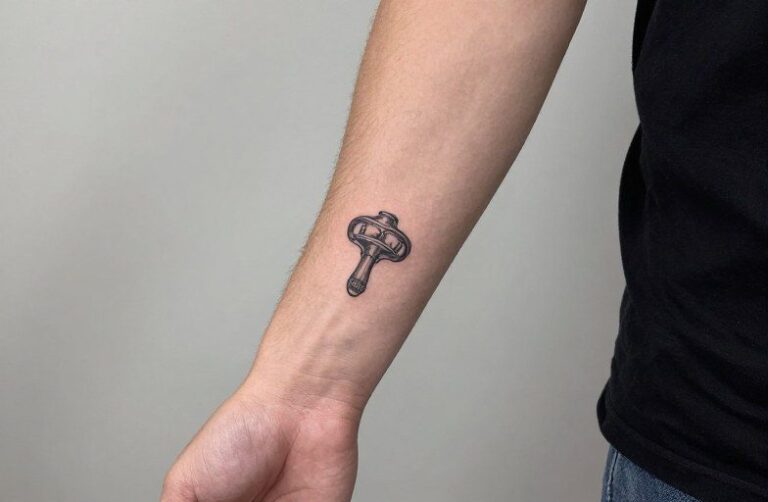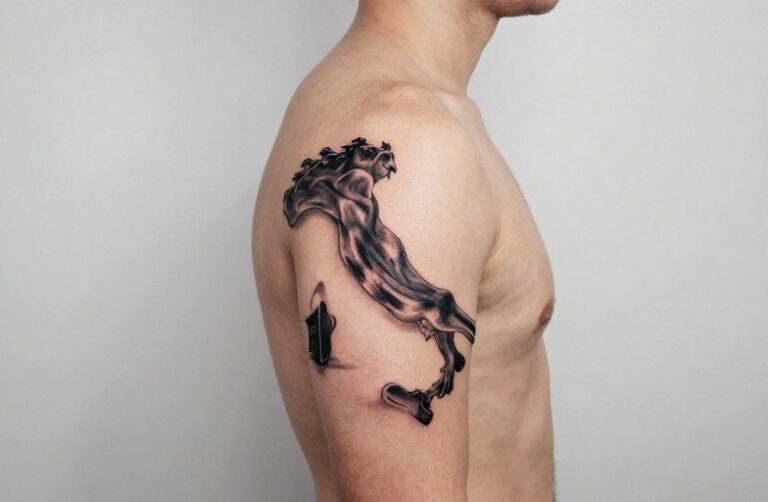
Matching tattoos between couples carry weight precisely because they cannot be removed casually. You choose a permanent mark alongside another person, and that act itself becomes part of the meaning, regardless of what image you select. The best designs grow more significant with time, not less, because they tether you to a specific moment of intentional commitment.
Where the Symbols Come From
Most couple tattoos draw from three overlapping sources: inherited cultural imagery, religious or spiritual vocabulary, and private reference. Understanding the origin of your chosen symbol helps you carry it with confidence rather than vague sentiment.
Celtic Knotwork and the Anam Cara
The Irish concept of anam cara, soul friend, appears in older texts as a spiritual bond between two people who recognize each other fully. The phrase has been commercialized heavily on jewelry and greeting cards, but the underlying idea, that certain connections run deeper than circumstance, still resonates. Some couples trace their tattoo choices to this tradition, though the link is often loose rather than historically rigorous.
The visual language of Celtic knotwork offers more concrete grounding. The lover’s knot and Josephine knot function as interwoven patterns with no clear beginning or end, making them natural symbols for enduring connection. These designs translate well to tattoo form: clean black line work, typically placed on wrists, forearms, or between the shoulder blades. The knotwork ages predictably, with line weight mattering more than intricate detail.
The Red Thread of Fate
East Asian folklore often links destined couples through an invisible red cord. This imagery has migrated into tattoo culture as literal red thread designs, sometimes wrapped around fingers or trailing from one partner’s body to another’s. The motif works especially well as minimalist line work: single needle, no shading, placed where natural movement makes the thread appear to shift.
The color red demands practical honesty. Red pigment fades faster than black, requiring touch-ups every few years to maintain visibility. Some artists recommend designing the tattoo to function in black if the red eventually mutes, or planning the red as an accent rather than the primary structure. You should discuss this maintenance cycle explicitly before committing to a red thread design.
Sailor and Prison Precedents
Matching tattoos between separated partners appear sporadically in sailor tradition, though documentation is thinner than popular accounts suggest. What is documented: sailors acquired tattoos marking specific ports, relationships, and milestones, and some pairs chose matching anchors, hearts, or names. The aesthetic conventions, bold line, limited color palette, symbolic compression, influenced later tattoo culture broadly.
Prison tattoo culture included matching marks between incarcerated partners, but these carried different weight: gang affiliation, protection networks, or institutional bonding under constraint. The visual style, heavy black, rapid execution, restricted imagery, differs fundamentally from contemporary studio work, though some modern stylistic choices, particularly in Russian and Chicano traditions, show this lineage.
What the Tattoo Means in Practice
Contemporary couples rarely choose matching tattoos for external display alone. The meaning typically operates on several functional levels that you should consider explicitly before booking your appointment.
Commitment Beyond Institutions
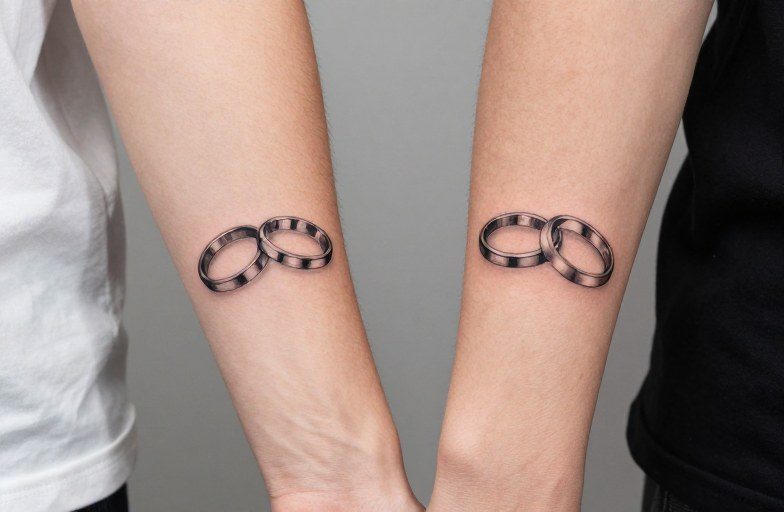
For pairs not pursuing marriage, matching tattoos can function as an alternative commitment marker. The permanence matters here. Unlike rings, you do not remove a tattoo. This creates a specific psychological weight: you must choose the design with full awareness that the relationship may end while the mark remains.
Experienced artists notice patterns in how couples handle this reality. Those who express concern about future separation often choose smaller, more concealable designs. The forearm or calf carries less professional risk than the hand or neck if circumstances change. You might view this as pessimism, but it is better understood as practical respect for the tattoo’s permanence.
Private Reference Points
Couples increasingly choose imagery tied to specific shared events rather than generic hearts or names. Coordinates of a first meeting, a line from a song you both return to, a symbol from a trip together, these carry meaning that requires explanation to outsiders. This privacy is often intentional. The tattoo becomes a constant, silent reference point between two people, visible during daily routines without requiring announcement.
Consider which category your design falls into:
- Coordinates: precise, small, age well in simple black line
- Split designs: two halves of one image, typically placed on inner forearms so they align when holding hands
- Matching animals chosen for behavioral symbolism: wolves for loyalty, foxes for adaptability, selected for meaning rather than aesthetic alone
- Abstract patterns derived from sound waves of voice recordings
Placement as Part of the Meaning
Where you place the tattoo determines both visibility and how the design ages with the relationship. Matching tattoos do not need identical placement to function symbolically, though many pairs prefer symmetry for the visual satisfaction of alignment.
High-Visibility Placement
Wrist and forearm tattoos signal openness about the relationship. Line-based designs hold up well here; the skin receives moderate sun exposure and movement, which tests ink retention. Fading becomes noticeable around year three to five. The inner forearm offers slightly better longevity than the wrist due to less direct abrasion from daily contact.
Finger and hand tattoos deserve particular caution. The constant use of hands, thin skin, and density of joints create an inhospitable environment for fine detail. Bold, simple lines survive better than intricate work. Many artists refuse finger tattoos for couples because the high maintenance and rapid degradation frustrate clients who were not adequately warned. If you choose this placement, plan for touch-ups and design accordingly.
Concealed and Intimate Placement
Ribs and side placements demand significance to justify the session. The pain is substantial, the canvas is narrow and curved, and shading often settles unevenly due to body movement and thin skin over bone. Couples who choose this placement typically do so because concealment matters: professional contexts, family considerations, or simply the preference for privacy.
Behind the ear and nape placements offer subtlety but limited size. These work for single words or tiny icons. Hair coverage affects both visibility and sun exposure, which paradoxically helps preservation by reducing UV degradation.
Religious and Spiritual Dimensions
Faith-based couples incorporate religious symbolism into matching designs, but the approach varies significantly by tradition and requires more care than aesthetic selection.
Christian Imagery
Crosses, ichthys symbols, and scripture references appear frequently. Some pairs choose matching verses split across two bodies, half the reference on one partner, half on the other. The theological implication varies: some view this as mutual accountability, others as public testimony. Placement often reflects this intent, visible locations for witness, concealed for private devotion.
Scriptural text in Hebrew, Greek, or Aramaic adds perceived authenticity but requires verification. Misspelled religious tattoos are common and particularly painful to correct given the subject matter. You should have any text verified by a reader of that language, not rely on the artist’s reference or online generators.
Eastern and Indigenous Traditions
Om symbols, mandala segments, and yin-yang splits appear in matching couple work. These carry specific risks beyond aesthetic choice: appropriation concerns, inaccurate rendering by artists unfamiliar with the tradition, and spiritual implications you may not fully grasp. Some Buddhist practitioners consider certain symbols inappropriate for decorative use regardless of intent. Research beyond visual appeal matters here, particularly for designs drawn from living religious practice rather than historical artifact.
If you are drawn to a symbol from a tradition you were not raised in, consider whether your use honors or extracts from that tradition. Consult practitioners if possible. The tattoo will outlast your initial enthusiasm.
Who Actually Gets These Tattoos
The demographic has broadened. Where couple tattoos once skewed young and impulsive, the current client base includes established partners marking decades together, newlyweds substituting or supplementing rings, and long-distance pairs seeking tangible connection across separation.
Age affects design choice in predictable ways. Younger pairs trend toward imagery that photographs well: fine line, minimalist, visually striking in social media contexts. Older couples often select simpler, more established symbols with proven longevity, less concerned with current style. The couple celebrating twenty years together frequently chooses differently than the couple celebrating two, and neither choice is wrong if it reflects genuine connection.
Same-sex couples have normalized matching tattoos in ways that expand the tradition beyond heterosexual norms. The symbolism of commitment and shared identity carries particular weight where legal recognition was historically denied or remains contested. The tattoo functions as autonomous validation, independent of institutional approval.
Polyamorous configurations complicate the matching tattoo convention. Triads or larger networks sometimes choose interconnected designs rather than identical pairs, creating visual systems that represent multiple relationships rather than dyadic matching. This requires thoughtful design work and clear communication about what each mark represents.
What to Remember
The meaning of a couple matching tattoo does not reside in the design alone. It lives in the conversation you have before choosing, the appointment you book together, the healing process you share, and the years of seeing the mark on your own skin while knowing it exists on another’s. The best designs can be explained simply: this is where we met, this is what we promised, this is who we were together at a specific moment.
Choose an artist who asks why you want the tattoo, not just what you want. The why shapes execution more than most couples initially recognize. A design that looks beautiful in isolation but contradicts your actual relationship dynamic will feel wrong within months. A simple symbol that accurately captures your connection will feel right even as styles change and skin ages.
The permanence is the point. Do not treat it as a problem to solve with removal options or cover-up plans. Treat it as a condition you accept fully, which means choosing with the seriousness the act deserves. The tattoo will last. Your task is to choose something worth lasting.
Frequently Asked Questions
How do we choose a matching tattoo that won’t feel embarrassing if the relationship ends?
Choose symbolism tied to a genuine shared experience rather than the relationship itself. Coordinates of a meaningful place, a reference to a trip you took, or an image that reflects your individual values can retain significance even if the relationship changes. Avoid names, portraits, or directly romantic imagery that becomes difficult to reinterpret.
Do matching tattoos have to be identical?
No. Complementary designs, split images, or thematically linked symbols work as well as identical copies. Some couples prefer variation to reflect individual personality within shared meaning. Discuss with your artist whether symmetry or complementarity suits your specific design better.
How much should we expect to pay for couple matching tattoos?
Pricing varies by artist experience, geographic location, and design complexity. Expect to pay per piece rather than as a couple’s package. Good work is not discounted. Budget for the artist you want, not the lowest bid, and plan for potential touch-ups, especially with color work or finger placement.
Should we tell the artist we’re a couple?
Yes, because the relationship context affects design recommendations. Artists who know you are choosing together can advise on sizing, placement for alignment, and how the designs will interact visually. Some artists also adjust their consultation approach for couples, asking different questions than they would for individual clients.
How long should we be together before getting matching tattoos?
There is no universal rule, but experienced artists note that couples who have weathered at least one significant challenge together tend to choose more thoughtfully. The question is less about time elapsed and more about whether you have seen each other under stress and still chosen to remain connected. If you have not yet experienced that, waiting carries little downside.