Women’s tattooing has moved way past the lower-back stereotype. The best shops right now are booked with clients asking for specific placements, precise line weights, and imagery that reads differently on a collarbone than it does on a thigh. This guide covers what’s actually being requested in busy studios, the designs that translate well to female anatomy, age gracefully, and give you something worth the permanent commitment.
For First-Timers
Where to Start on Your Body
First tattoos for women cluster in a few spots for good reason. The outer forearm offers flat canvas, easy healing, and the option to hide or show. Ribs and hip bones hurt more but give that private, intimate feeling many first-timers want. Behind the ear and the side of the neck have surged because they’re visible without being aggressive, though both spots blur faster from sun and friction. The upper arm, inner bicep area, stays cleaner longer than wrist or ankle work because it’s protected from daily abrasion and doesn’t take the same UV hit.
Consider how your daily life interacts with the spot. Desk workers heal ribs fine; gym people find inner biceps get irritated by certain movements. Hair stylists and medical workers often avoid hands and wrists because of glove friction and constant washing.
Size Reality for New Collectors
Small is not automatically safe. Tiny tattoos with excessive detail, mini portraits, micro lettering, tend to blow out and look muddy within five years. A first-timer gets better longevity from a design that fills at least a few square inches, with lines thick enough to hold. Think bold flower silhouette over tiny realistic petal cluster. Your artist can scale appropriately; trust them when they say something won’t age well at the size you proposed.
Tips for Choosing
Matching Design to Your Actual Skin
Dark skin takes color differently than fair skin. Deep purples and blues show up beautifully; pastel yellows and light pinks can heal ash-gray or disappear entirely. Black and gray work, dotwork, and jewel tones are the reliable choices for melanin-rich skin. On very fair skin, red ink carries higher allergy risk, something to discuss during consultation, not after the needle starts.
Skin texture matters too. Stretch marks, scars, and areas with more fat movement (upper arms, thighs) distort designs differently than tight skin over bone. A good artist maps stencil placement while you’re standing, sitting, and moving, not just flat on a table.
Thinking in Decades, Not Months
The tattoo you love at twenty-two should still feel coherent at forty. That doesn’t mean boring, it means avoiding trend-locked imagery that will date hard. 2014’s infinity symbols with feathers, 2019’s geometric watercolor splashes: both look period-specific now. Floral work, animals in natural poses, celestial bodies, and abstract linework have longer visual lifespans because they connect to broader visual traditions rather than tattoo-specific micro-trends.
Trending Variations
What’s hitting appointment books right now breaks into a few clear categories. Each has specific technical considerations that affect how it’ll look in five years.
- Ornamental sternum and underboob pieces: Lace-inspired patterns, symmetrical florals, and mandala derivatives framed specifically for the chest’s natural shape. These require an artist experienced in how breast tissue settles and moves; a static design can distort significantly with body changes.
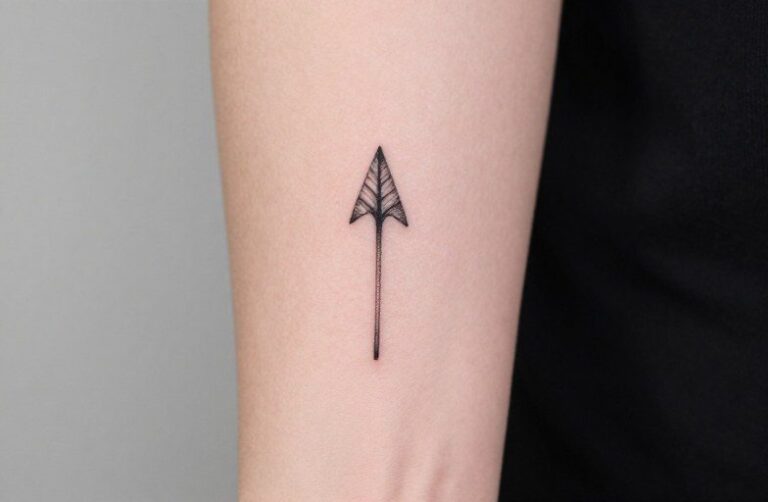
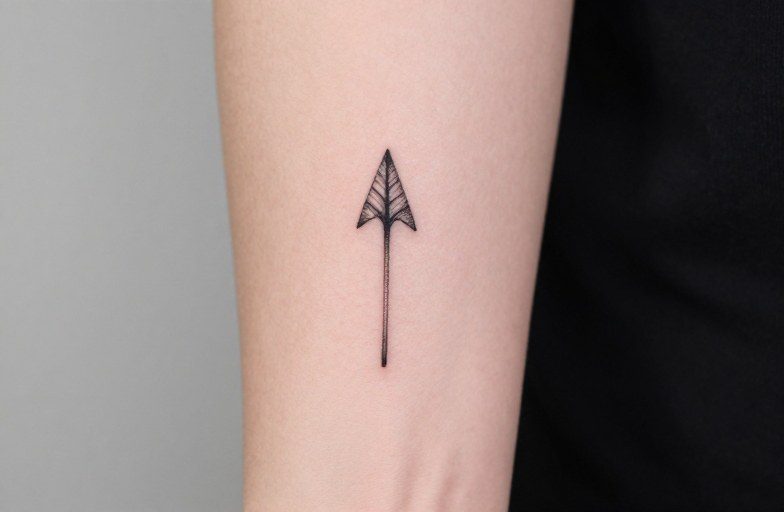
- Single-needle fine line: Hair-thin outlines of flowers, snakes, faces, and celestial maps. The technique demands perfect aftercare, any scabbing pulls delicate lines. These also fade faster and need touch-ups more often than bolder work.
- Dark, moody botanicals: Not the bright watercolor flowers of five years ago, but black dahlias, deep burgundy peonies rendered in dense saturation, often with dead bees, moths, or skulls integrated. Heavier ink load means longer healing but better retention.
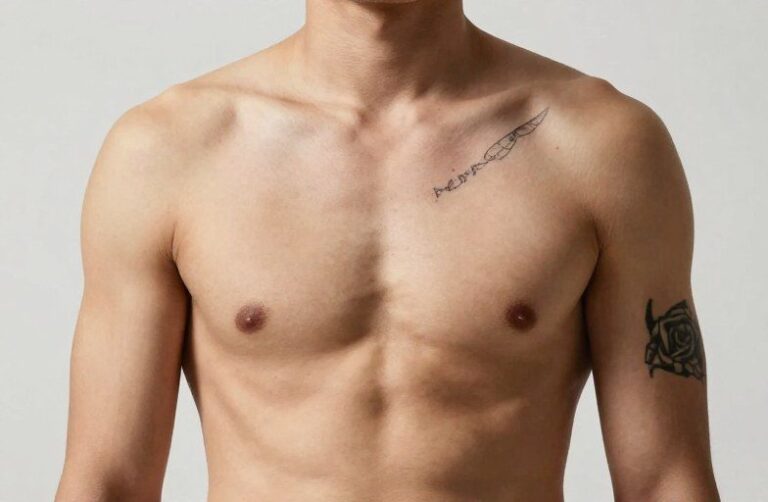
- Script and lettering, reimagined: Minimal text in unusual placements, along the spine vertically, wrapping fingers, tucked into armpit creases. Font choice is everything; cursive that looks elegant at stencil size can blur into illegibility.
The Snake Revival
Snakes specifically deserve their own note. They’re everywhere in women’s tattooing right now: coiled through flowers, framing moons, or standalone pieces wrapping arms and legs. The form adapts to any body curve, and the symbolism, transformation, danger, rebirth, resonates without needing explanation. For best results, the head and scales need enough size to render detail; tiny snake tattoos often look like worms by year three.
Standout Design Ideas
These concepts consistently translate well to female anatomy and current aesthetic preferences:
- Floral rib panels: Peonies, anemones, or wildflowers flowing with the rib cage’s natural lines, often extending slightly onto hip or sternum. Painful to sit for, but the canvas rewards the commitment.
- Moon phase sequences: Across the spine, down the side of the torso, or wrapping a forearm. The circular forms hold their shape better than intricate figurative work as skin ages.
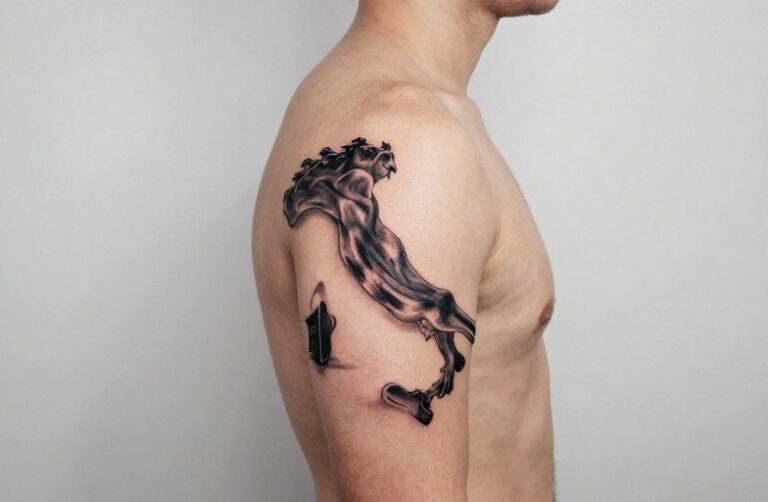
- Big cats in motion: Tigers, leopards, and cheetahs rendered mid-stride or in profile. The elongated forms work beautifully on thighs, calves, and along the side of the torso. Black and gray or limited color palettes age most cleanly.
- Hands holding objects: A trend with serious technical demands, hands are notoriously hard to tattoo well, but when executed properly, the image carries weight without being explicit. Common objects: flowers, eyes, fruit, knives.
- Abstract ornamental bands: Around thighs, upper arms, or calves. Not bracelets with breaks, but continuous patterns that read as jewelry replacement. These need precise circumference measurement; uneven bands look amateur immediately.
Placement-Specific Winners
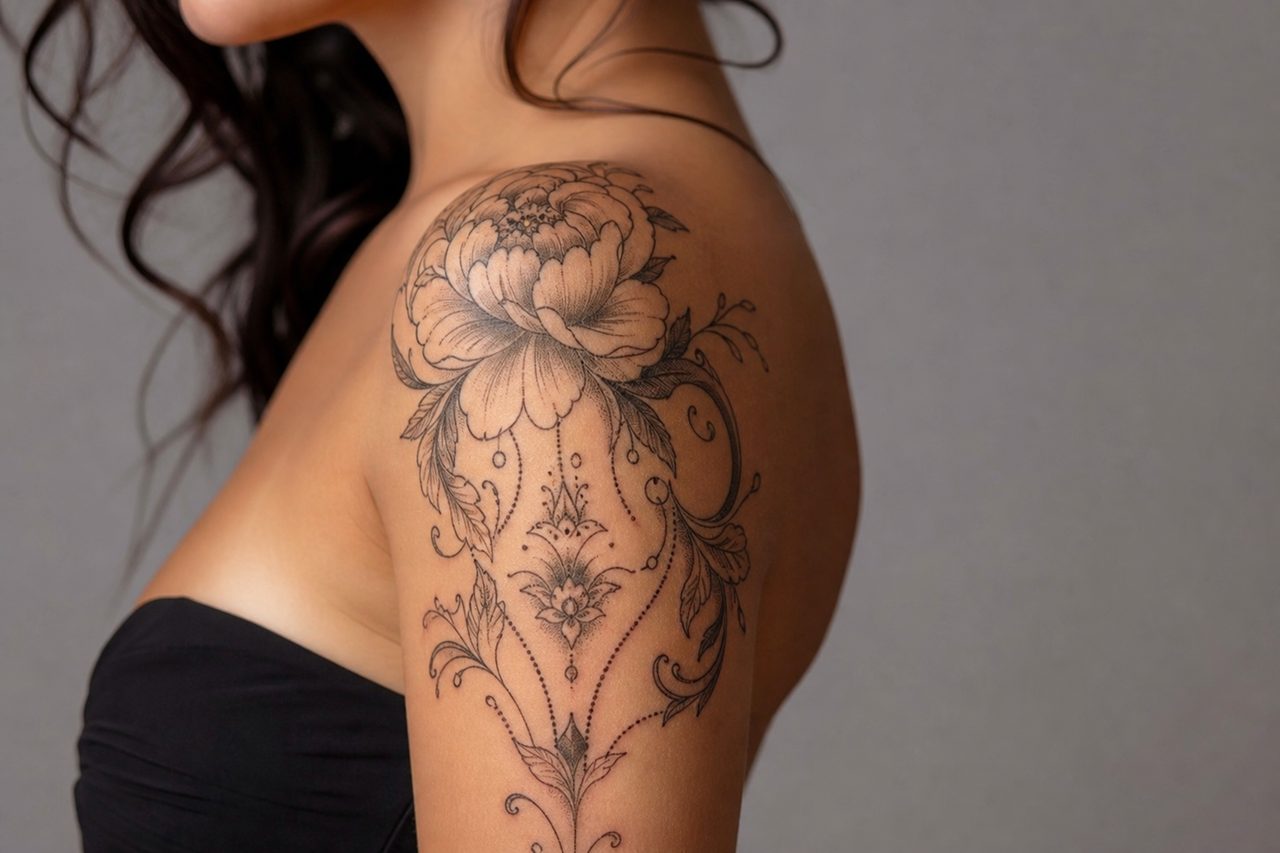
Shoulder caps and outer thighs handle large, detailed work with the best long-term clarity. Both areas have relatively stable skin, minimal daily friction, and enough flat surface for complex compositions. The back of the arm, tricep area, has become unexpectedly popular for medium-sized pieces that peek from sleeves without being fully visible.
Color Choices
Black and gray dominates serious collectors for good reason: it ages predictably, touches up cleanly, and works with any clothing or makeup palette. But color has its place, and certain approaches hold up better than others.
- Black with selective color: A fully black and gray piece with one accent color, red rose, blue eye, green snake, creates focal point without the maintenance burden of full color.
- Jewel tones over pastels: Emerald, sapphire, deep ruby, and amethyst have more pigment load and better longevity than soft pinks, lavenders, and baby blues. The latter often heal toward skin tone within a few years.
- White ink as highlight, not base: White alone on most skin tones yellows or disappears. Used sparingly for highlights in black and gray work, it adds dimension. As a standalone design element, it’s generally disappointing.
- Red-only compositions: A specific aesthetic choice that’s having a moment, entire designs in varying red saturations. Carries higher allergy risk than black, so patch testing is worth discussing.
How Ink Actually Fades
All color shifts toward the blue-gray spectrum as it ages because those are the most stable pigment molecules. Blacks can go slightly blue-green if poorly mixed. Bright yellows and oranges often fade fastest. This isn’t failure, it’s chemistry. Planning with fading in mind means choosing designs where a muted version still looks intentional, not accidental.
Popular Styles
What “Style” Actually Means for Your Appointment
Clients often request a style without knowing what technical requirements it carries. Here’s the practical breakdown:
- American traditional: Bold lines, limited color palette, high contrast. Heals excellently, lasts decades with minimal touch-up. The aesthetic is specific, roses, swallows, pin-up figures, banners, and not everyone wants that visual language.
- Japanese (irezumi): Large-scale, background-heavy, specific imagery rules (koi, dragons, cherry blossoms, waves). Requires enormous commitment in time, money, and skin real estate. Not suitable for small, one-off pieces.
- Blackwork: Heavy saturation, geometric or ornamental patterns, sometimes dotwork. Heals with significant peeling and scabbing; aftercare discipline is non-negotiable. The finished look is dramatic and modern.
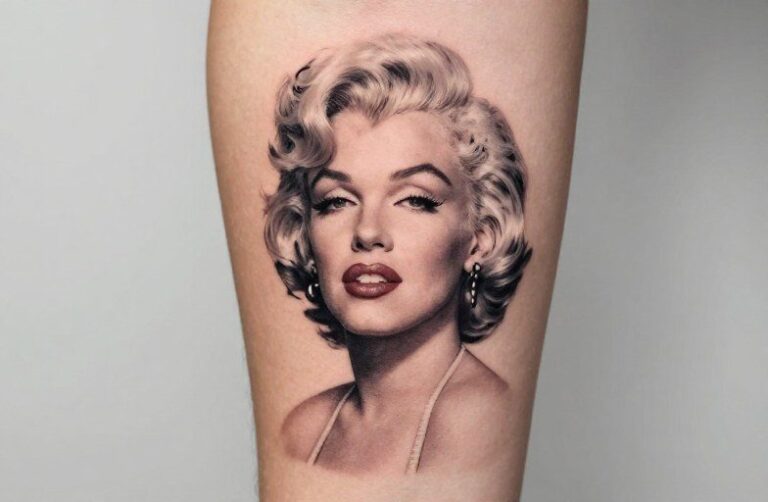
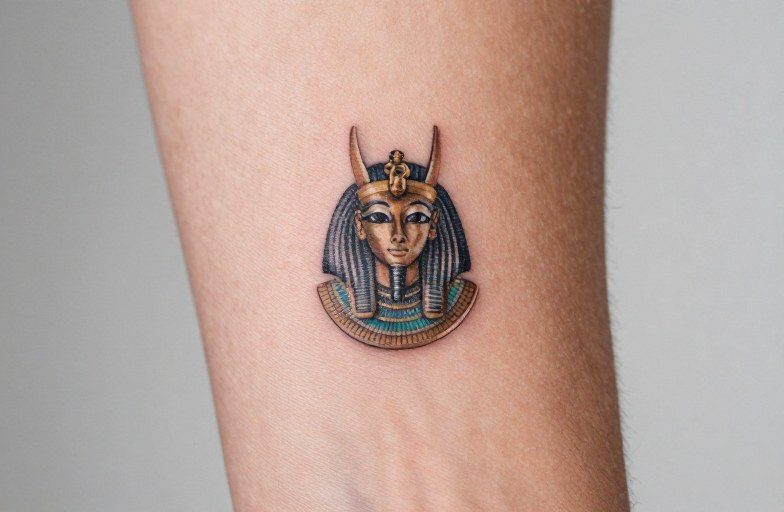
- Realism: Portrait work, animal photography translated to skin. Needs large size to render detail; small realistic tattoos become unrecognizable mush. Requires an artist with specific training, not just general competence.
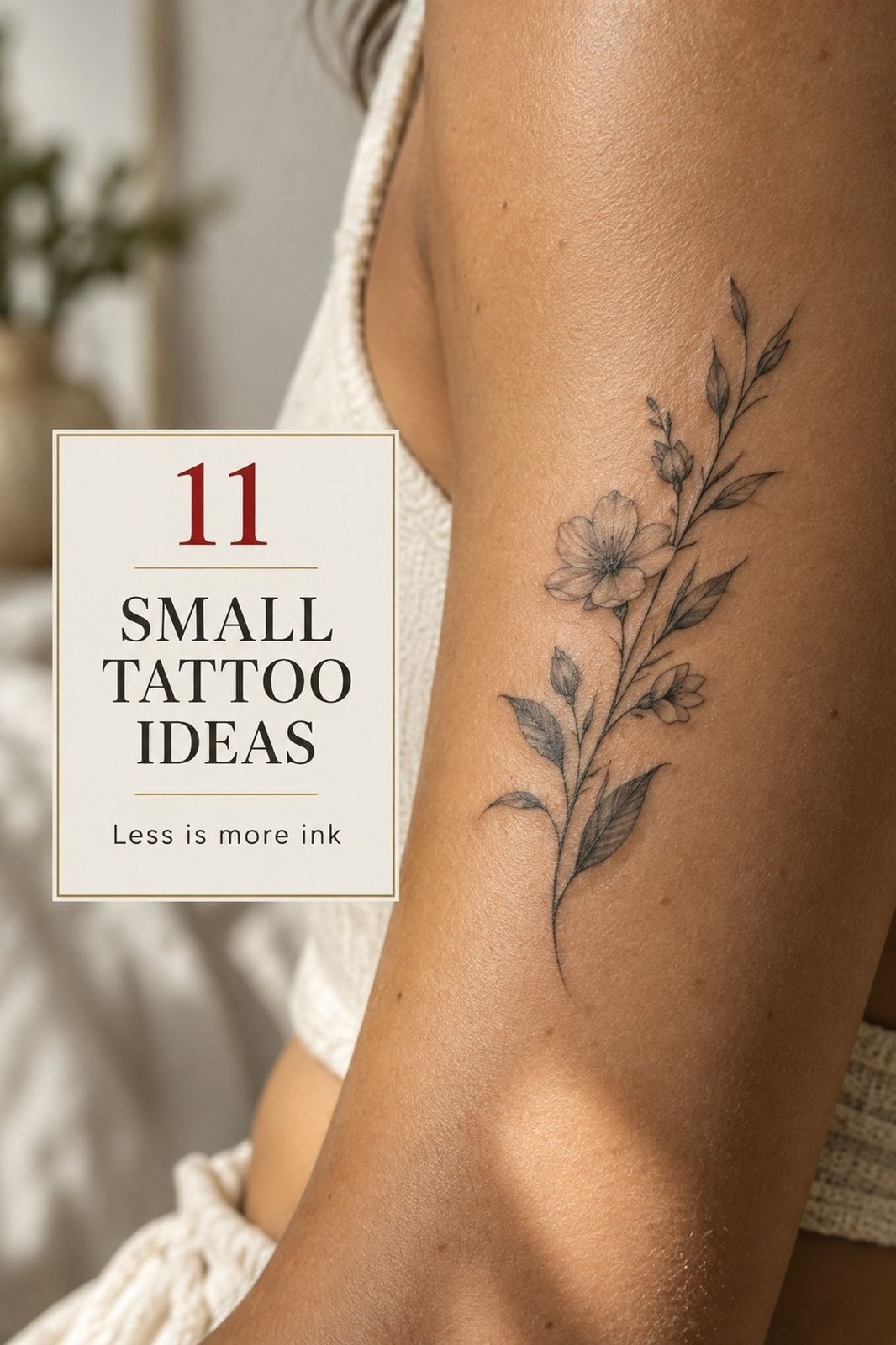
- Fine line illustrative: Sketch-like quality, single needle or tight grouping, often botanical or figurative. Delicate, trendy, and higher maintenance. Plan for touch-ups every few years.
Mixing Styles Successfully
A single collector often ends up with multiple styles across different pieces. The cohesion comes from consistent black saturation levels and thoughtful placement, not forcing everything into one visual box. A fine line wrist piece and a bold traditional thigh piece can coexist on the same body if both are well-executed.
Final Word
The best tattoo for you is the one that accounts for your specific body, your pain tolerance, your budget for quality work, and your willingness to maintain it. Hot designs are worth knowing about, they shape what artists practice and what equipment shops invest in, but the real goal is work that still looks considered in fifteen years, not fifteen months. Book consultations with multiple artists, look at healed photos not just fresh work, and don’t rush the decision because of appointment scarcity. Good artists are worth waiting for, and your skin is worth the patience.
Frequently Asked Questions
Do sternum tattoos hurt significantly more than other placements?
Yes, the sternum sits directly over bone with minimal fat or muscle padding, and the vibration from the machine resonates through the rib cage. Most people find it among the most intense placements, though individual pain tolerance varies widely. Plan for shorter sessions and accept that you might need multiple appointments for large pieces.
How do I know if an artist can actually do fine line work well?
Ask to see healed photos from at least one year prior, not just fresh Instagram posts. Fine line that looks crisp on day one can blow out or fade unevenly; healed work reveals true technical control. Also check if they specialize in it, an artist who mostly does bold traditional work may not have the needle control for consistent single-needle results.
Will my tattoo stretch if I get pregnant or gain muscle?
Some distortion is inevitable with significant body changes, but placement choice matters enormously. Areas with more natural give, outer thighs, upper arms, hips, adapt better than tight skin over the stomach or lower back. Rib work can shift with torso expansion. A skilled artist accounts for likely body changes when mapping your design.
Why do some colors look completely different after healing?
Fresh tattoo color sits in the epidermis and looks bright; healed color settles in the dermis and interacts with your skin’s undertones. Fair skin cools most colors; melanin-rich skin deepens and sometimes mutes them. Your artist should explain how specific pigments will translate on your particular skin tone before starting.