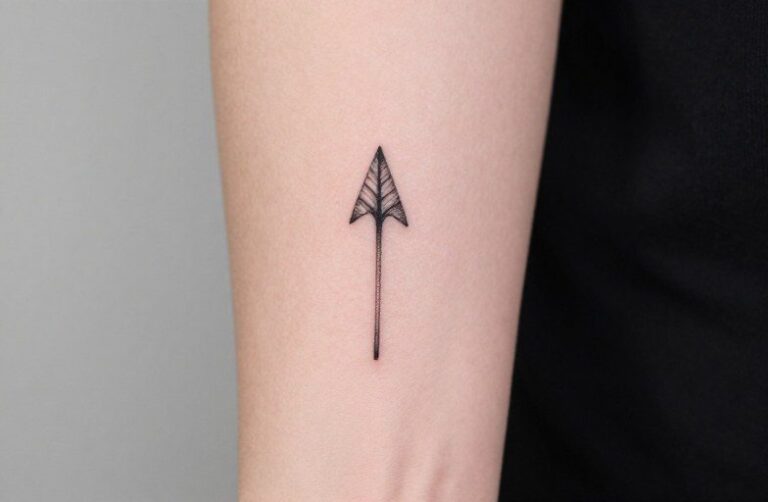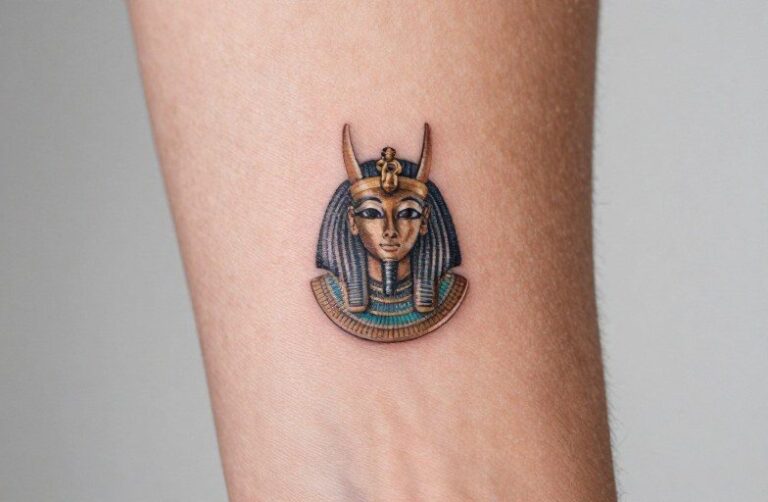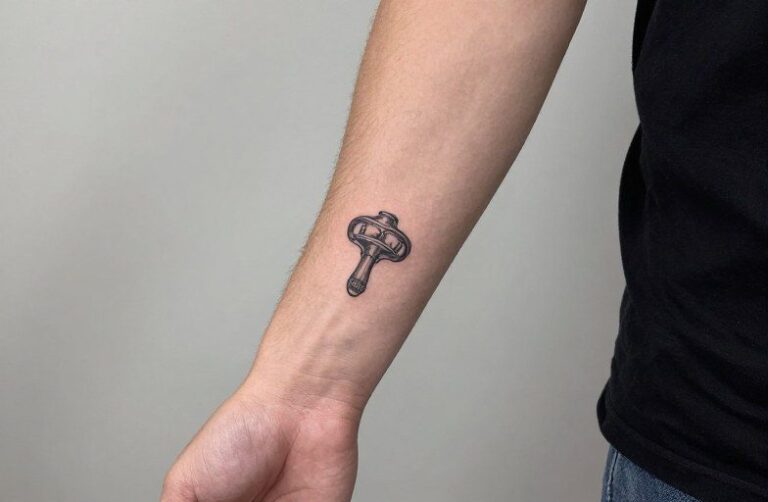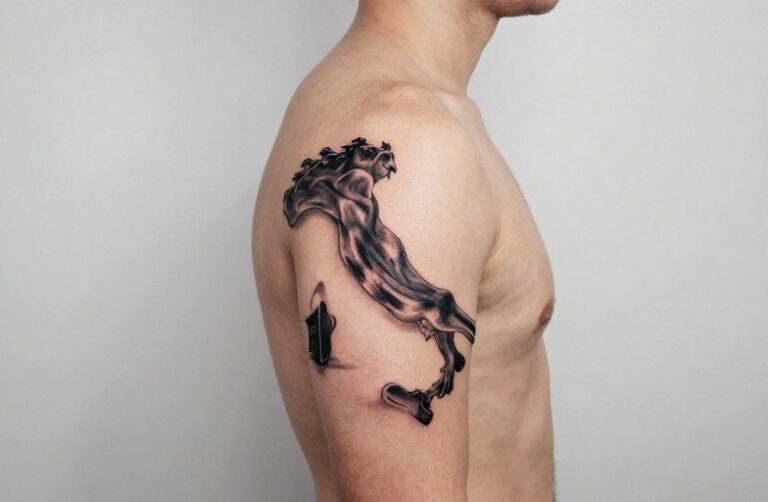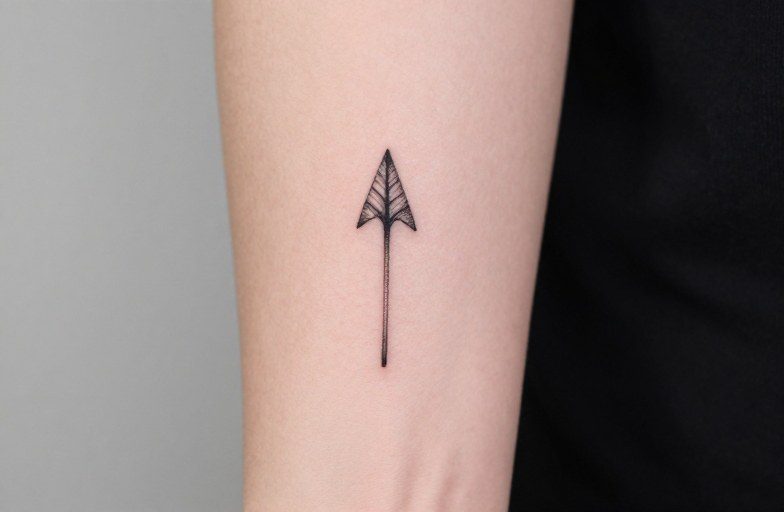
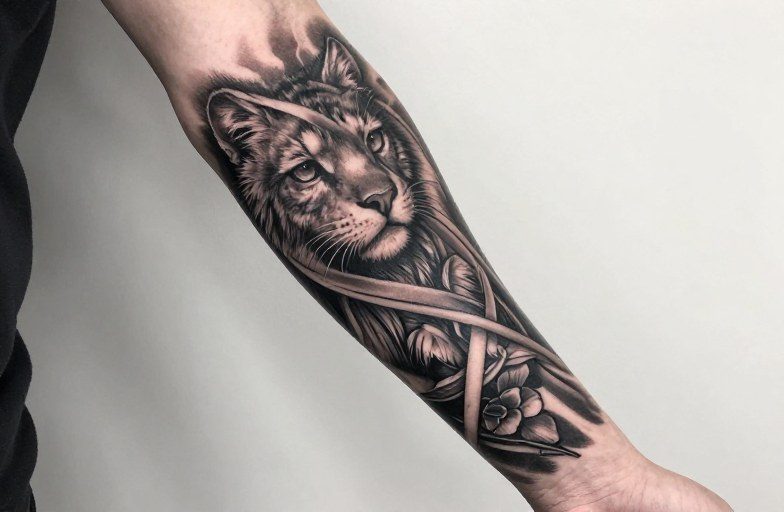
A grey and black sleeve tattoo strips away distraction. The meaning rests in what the wearer chooses to keep: contrast, texture, and the deliberate absence of color. This approach signals permanence, a preference for shadow over spectacle, and often a personal history with darker aesthetics. The full sleeve format amplifies this commitment, turning the arm into a continuous surface where grey wash creates atmosphere and solid black provides structure.
Who Chooses This Tattoo
The decision for a grey and black sleeve rarely comes from impulse. It tends to attract people who have already collected smaller tattoos and understand how ink settles into skin over years. They have seen color fade to mud and want something that holds its graphic punch.
From Collector to Canvas
Many who commit to full sleeves in this palette have backgrounds in music, trades, or visual arts where black-dominant aesthetics feel native. The choice often reflects existing wardrobe and lifestyle rather than rebellion. Someone who already wears black denim, work boots, and minimal jewelry rarely wants a carnival of color running up their arm.
Others arrive after bad experiences with color work. A sun-bleached rose or a turquoise that turned grey-green teaches what pigment does under UV exposure. Grey and black offers a controlled variable: carbon black stays black, and grey wash lightens predictably.
The Psychology of Restraint
There is a specific temperament drawn to limitation. Working within black and grey forces the artist to solve problems through value and edge quality rather than hue separation. The wearer participates in this discipline, accepting that the tattoo will read from across a room rather than rewarding close inspection with color surprises.
- People with existing blackwork who want cohesion
- Those in professions where visible color feels inappropriate
- Collectors prioritizing longevity over trend
- Individuals drawn to chiaroscuro and photographic contrast
How It Ages on Skin
Grey and black sleeves age differently than color work, but not automatically better. The critical factor is how the grey was mixed and applied. Machine-mixed grey wash from a single bottle tends to heal flat and muddy. Hand-diluted blacks, applied with attention to skin type, create dimensional greys that separate cleanly over decades.
The Fading Hierarchy
On most skin types, the lightest greys soften first. What read as bright highlights at year two become skin-tone at year ten. Mid-tones hold longer. Solid black, especially packed with multiple passes, can remain dense for twenty years though it often develops a slight blue cast as the body encapsulates the pigment.
The sleeve format creates specific aging patterns. Inner bicep and armpit areas stay darker longer due to limited sun exposure. Outer forearms and hands lighten fastest. A well-designed sleeve anticipates this gradient, placing heavier blacks on the outer arm and reserving light greys for protected real estate.
Touch-Up Reality
Unlike color, grey and black responds well to reinforcement. A ten-year-old sleeve can be brought back to life without starting over. The artist re-establishes darkest darks, redefines edges that have spread slightly, and adds fresh grey where old lights have disappeared. This renewability is part of the practical appeal.
Color vs Black and Grey
The comparison is not about superiority but about what each system communicates. Color sleeves read as decorative, celebratory, often narrative. Grey and black reads as atmospheric, monumental, sometimes mournful. The same skull rendered in tropical color versus charcoal wash carries completely different emotional weight.
Technical Differences in Execution
Color demands saturation and separation. The artist must leave skin tone between hues to prevent muddiness. Grey and black allows direct tonal transition, creating soft gradients impossible with adjacent color fields. This makes it ideal for photographic realism, smoke effects, and weathered textures.
Healing differs too. Color scabs more visibly, with thicker plasma buildup as the body processes multiple pigments. Grey and black heals thinner, revealing the final value range faster. The wearer sees whether the tattoo worked within three weeks rather than three months.
Cover-Up and Modification
Existing grey and black sleeves offer more modification options than color. New black can obscure old grey. Fresh grey can soften harsh black edges. Color cover-ups over black require significant laser fading first. The monochrome palette remains editable in ways that multi-color work does not.
Best Placements
The full sleeve is itself a placement decision with consequences. It consumes the most visible real estate on the body, framing the arm as a continuous narrative or thematic field. Within that format, grey and black has specific advantages.
Forearm Focus
The outer forearm offers the best canvas for grey wash. The skin is relatively thin, allowing smooth gradation, and receives consistent viewing. Many sleeves concentrate their most detailed grey work here, using the inner forearm for simpler black patterns that tolerate more movement and friction.
Shoulder and Elbow Integration
The elbow ditch and inner bicep challenge grey work. Skin texture changes, stretching and compressing with every arm movement. Experienced artists place simpler black geometry or solid fills in these zones, saving subtle grey transitions for more stable surfaces. A sleeve that ignores this distinction often looks patchy within five years.
Hand and finger extensions from a grey and black sleeve require careful consideration. The skin here sheds rapidly and holds ink poorly. Most artists recommend stopping at the wrist or using only solid black for finger accents, avoiding grey wash that will disappear into a blur.
Common Variations & Styles
Grey and black sleeves cluster around several established approaches, each carrying distinct connotations.
Photographic Realism
Portraits, animal studies, and landscape scenes rendered in continuous tone. The meaning here is often memorial or devotional, the grey palette lending gravity and distance from snapshot color. These sleeves demand exceptional technical execution; mediocre realism in grey wash looks like a smudged newspaper photograph.
Neo-Traditional and Japanese
Both traditions historically used limited color, making grey and black variations feel authentic rather than compromised. Japanese sleeves in sumi-e style emphasize wind, water, and negative space. Neo-traditional in greyscale relies on bold outlines and stippled shading, maintaining graphic clarity without the traditional red and green accents.
- Chicano black and grey: fine-line religious and familial imagery, often linked to specific regional tattoo traditions
- Blackwork ornamental: geometric patterns using only solid black and negative space, no grey wash
- Dark art and horror: creature features, macabre symbolism, atmospheric dread through deep blacks
Mythology & Folklore
Grey and black imagery draws on symbolic traditions where darkness itself carries meaning, not merely serves as background.
Funerary and Memorial Associations
Many cultures associate unadorned black with mourning. Victorian mourning jewelry, Japanese kuro-montsuki formal wear, and various clerical vestments established black as the color of serious remembrance. A grey and black sleeve participates in this lineage when it incorporates memorial portraits, dates, or religious iconography. The absence of color becomes a gesture of respect.
Shadow as Metaphor
Psychological traditions from Jung onward treat the shadow as the unacknowledged self. Grey and black sleeves sometimes engage this directly, using split faces, partial figures emerging from darkness, or eyes that appear from negative space. The visual language is unsubtle but effective: the wearer acknowledges what is not fully visible.
Some imagery commonly associated with this palette includes ravens and crows, often linked to battlefield and death folklore across Northern European traditions; wolves in twilight settings, drawing on liminal associations; and celestial bodies rendered without gold or silver ink, relying on white highlight or skin tone alone.
Key Takeaways
Grey and black sleeve tattoos communicate through what they withhold. The limited palette demands that every element earn its place through form and placement rather than chromatic appeal. They age with relative predictability, offer modification flexibility, and carry visual associations with permanence, shadow, and memorial that color work cannot easily replicate.
The commitment is significant: a full sleeve represents dozens of hours under the needle, thousands of dollars, and permanent visibility. The grey and black choice does not reduce this commitment but channels it toward a specific aesthetic and emotional register. For those drawn to contrast, texture, and the long arc of how ink lives in skin, it remains the most durable option.
Frequently Asked Questions
Will a grey and black sleeve look unfinished compared to color work?
Not if the design is built for the palette. Strong grey and black sleeves use contrast and negative space deliberately. The absence of color reads as completion, not lack, when the values are balanced.
How many sessions does a full grey and black sleeve typically take?
Most require 8 to 15 sessions depending on complexity, skin response, and artist speed. Heavy black fill areas heal slower and may need spacing between appointments.
Can you add color to a grey and black sleeve later?
Technically yes, but practically difficult. Existing black and grey limits where color can sit vibrantly. Strategic small accents work better than large color fields over established grey wash.
Does grey and black hurt less than color tattooing?
The pain level depends on placement and technique, not pigment. Some find heavy black packing more intense due to repeated passes over the same area. Others find grey wash shading less irritating than color saturation.