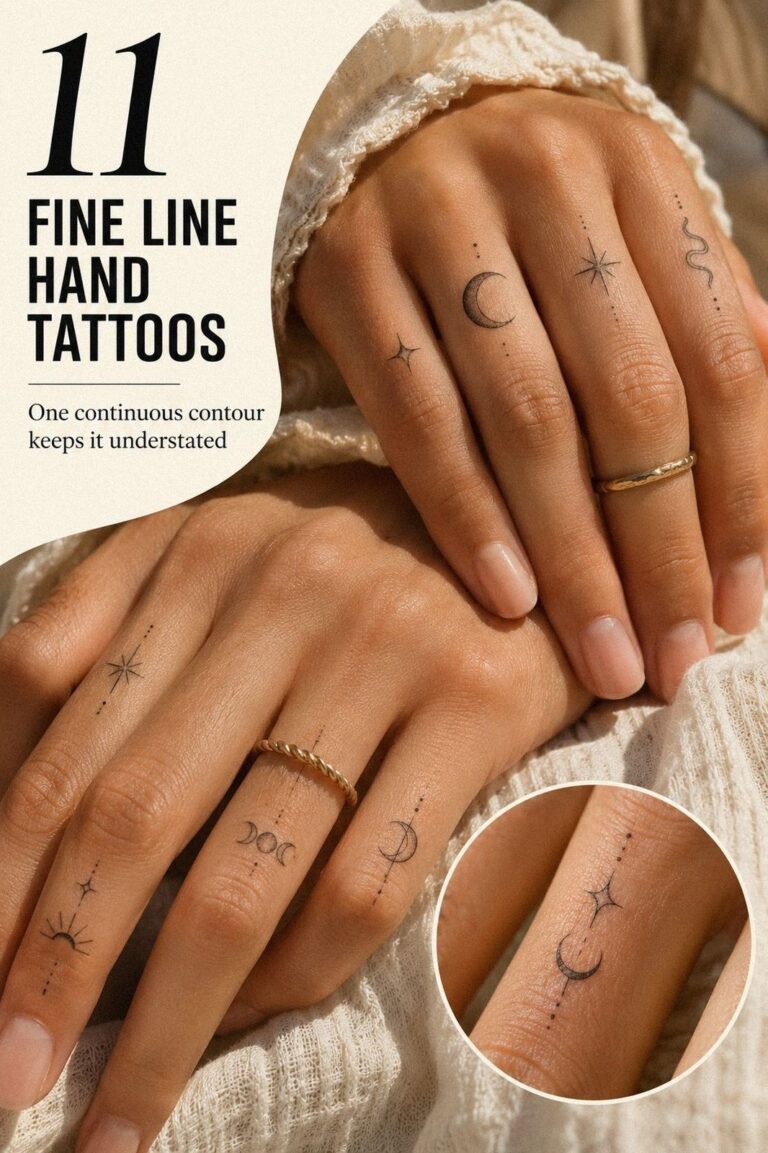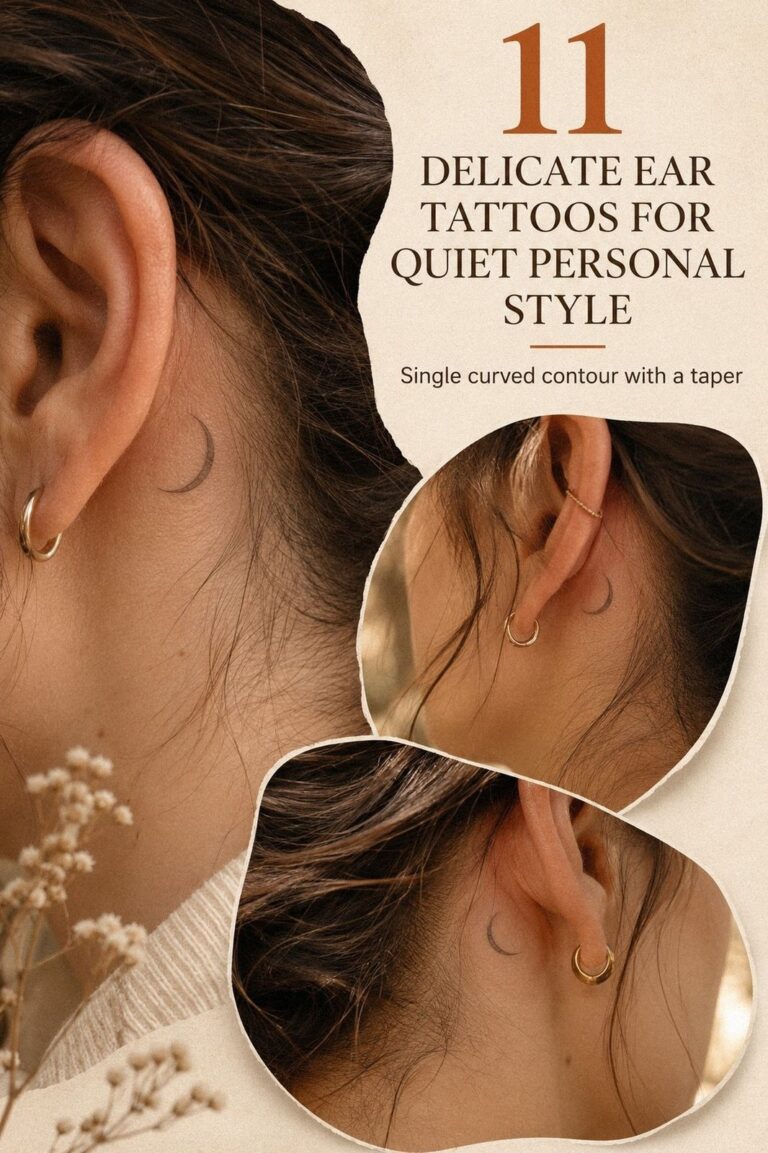
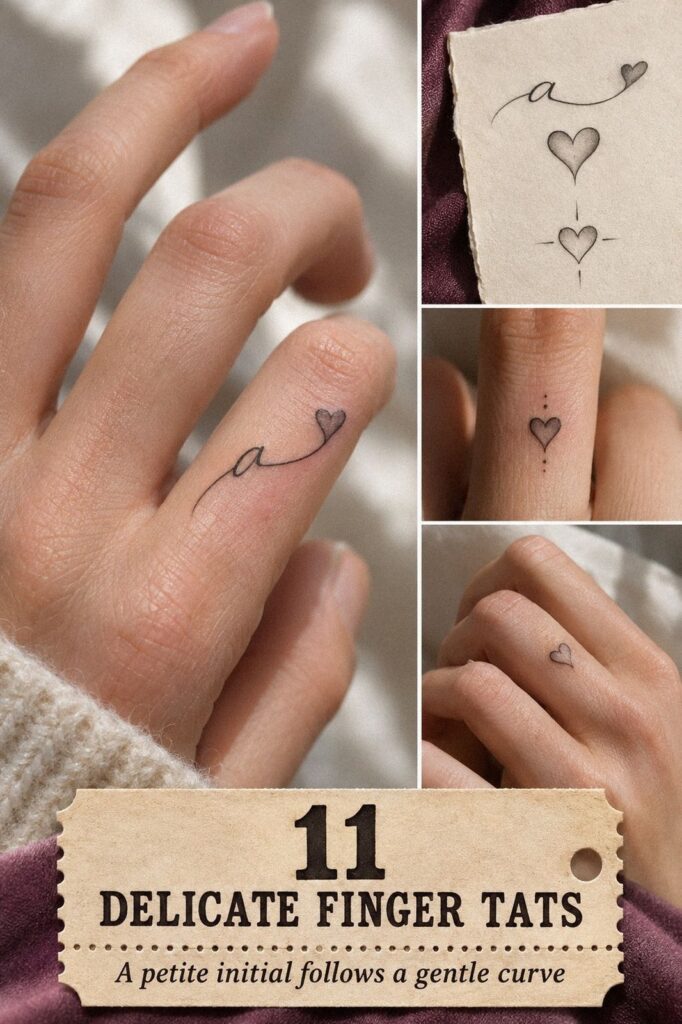
Delicate finger tats for women usually cost about $100 to $300 in the US, but the real decision is placement, line weight, and how you want the mark to age. I got mine during a personal reset, and the tiny heart felt more powerful than anything larger I had considered. Here’s what I’d tell you before booking. That distinction matters!
Here’s what it looked like before
Before I chose the design, I had a clear patch of skin and far too many saved references. My hands looked ordinary, with no terracotta-toned ink, no stencil marks, and no symbol I wanted to see every day.
You might think the empty space makes the decision easy. It doesn’t.
I kept rotating between small finger tats for women that felt elegant and designs that looked too ornate for my daily life. My hands are always visible, so I wanted something understated, personal, and crisp. If you’re still collecting references, compare your favorites with these minimalist finger tats for women before you choose.
The blank skin also made me notice practical details. Rings rubbed against the area, soap touched it constantly, and my fingers moved all day.
I didn’t want a design that needed constant attention. You’ll want to ask yourself whether your idea still feels meaningful when you see it beside a coffee cup, a keyboard, or your favorite ring. Daily movement changes everything.
And I knew I didn’t want a loud flash-style design. I wanted a delicate mark with enough structure to remain readable, even if the fine lines softened over time. That tension shaped every choice after it.
- I Chose a Fine Line Heart
- I Tested Tiny Finger Placement
- I Sketched Meaningful Botanical Details
- I Compared Minimal Ring Finger Designs
- I Selected An Intricate Symbol
- I Prepared For Delicate Finger Pain
- I Added A Fierce Personal Accent
- I Balanced Dainty Ink With Skin
- I Chose An Elegant Side Placement
- I Protected The Fresh Finger Tattoo
- I Loved My Unique Symbolic Mark
1I Chose a Fine Line Heart
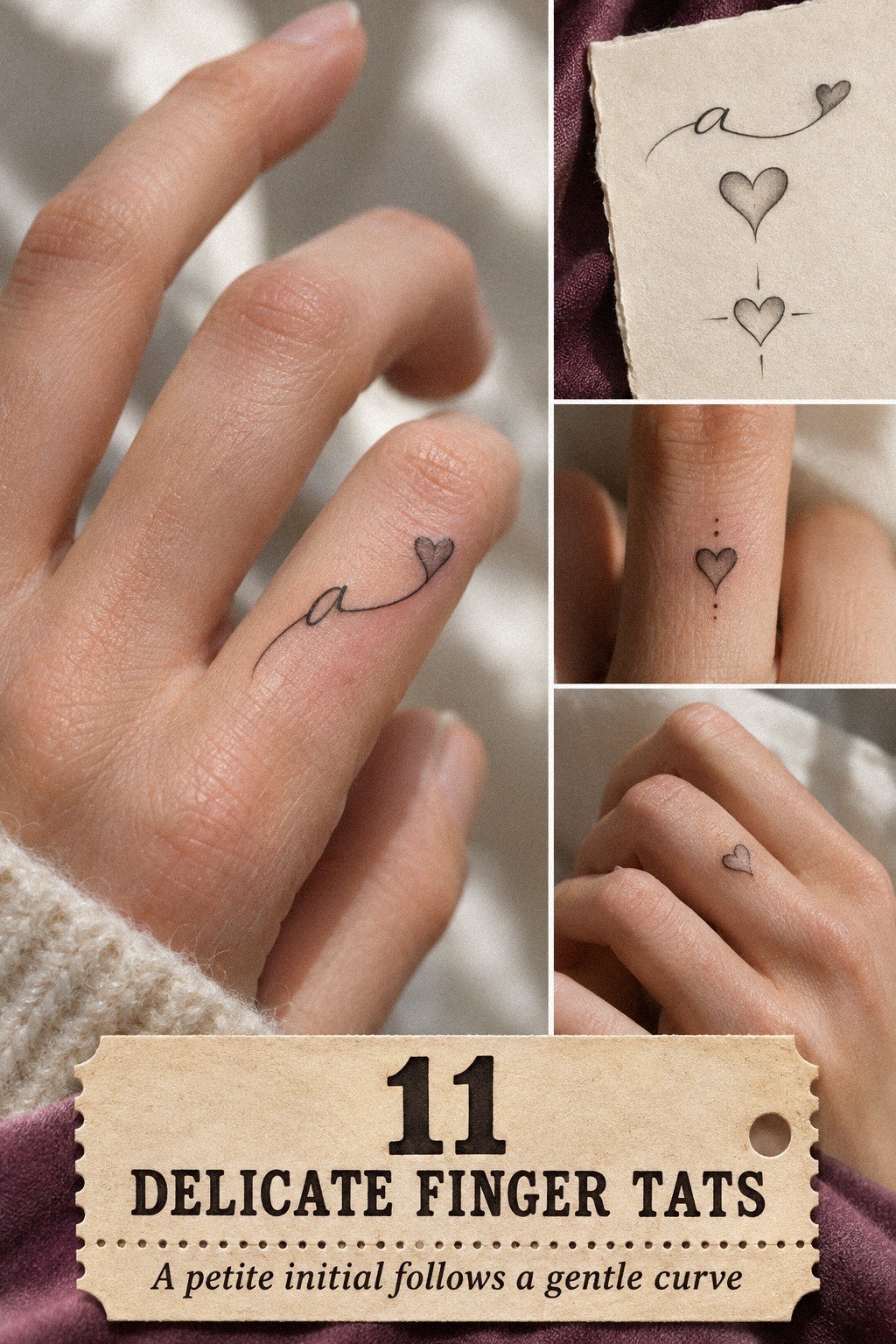
I started with a small heart because it was symbolic without needing an explanation. The first sketch used one continuous line, but I asked for a slightly steadier outline after seeing it on muted terracotta ink. You can make a heart more expressive with a tiny break or asymmetrical curve, yet too many details would have made mine look busy.
The final shape was small, clean, and slightly uneven in the best way. It wasn’t a generic icon copied from a sheet.
I asked the artist to narrow one side so the final heart looked personal instead of mechanically balanced. That tiny change made the design feel romantic, but still sharp enough for my hand.
If you’re considering your own heart, look at fine line finger tats and notice how much the line weight changes between designs. A single-needle cartridge can create a graceful effect, but the smallest marks need breathing room. You don’t want the points pressed so close together that they blur visually.
I’d skip a fully shaded heart for a first delicate finger tattoo. Solid fill can look bold, but it changes the mood and gives the mark less visual lightness. My outlined heart felt more personal because I could still see skin inside it, and that negative space is what made me look twice every time.
2I Tested Tiny Finger Placement
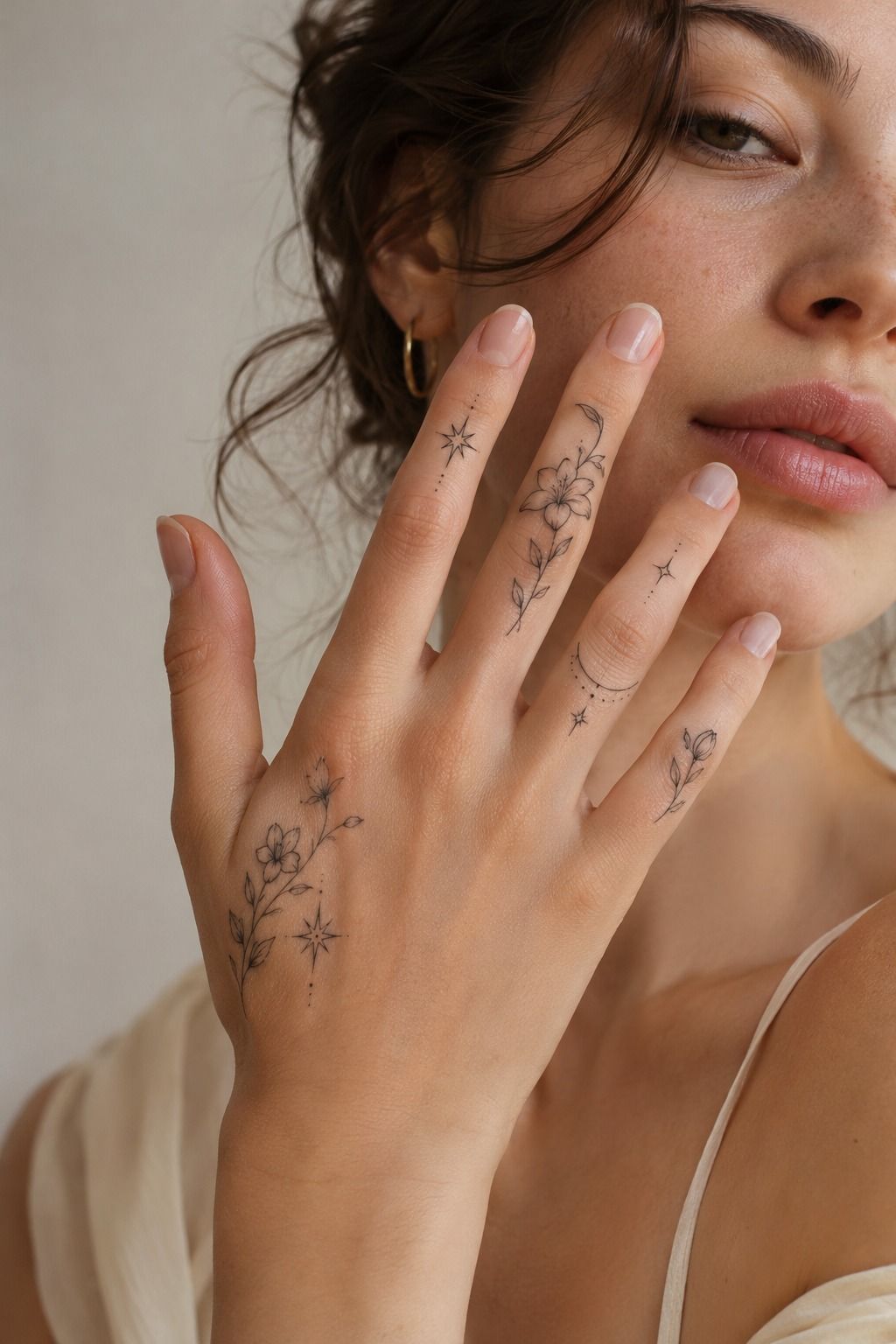
I tested the heart on the side of my finger, the top near the knuckle, and the area beside the nail. The side placement felt the most delicate at first, but the top placement read more clearly when my hand was relaxed. You’ll want to move your hand through normal gestures before deciding.
The artist used a carbon stencil transfer and placed it several times. I washed my hands, curled my fingers, held a phone, and made a loose fist. That little rehearsal mattered!
I eventually chose a spot with a little distance from the crease. If you’re comparing options, the small finger tats for women r1 gallery can help you study scale and visibility.
I preferred a placement that could be seen easily but wouldn’t sit directly in the deepest fold. The placement test made that clear.
But I didn’t choose the most hidden location. A tattoo that disappears every time you move your hand loses part of its expressive quality. My final position felt graceful from the front and slightly unexpected from the side, which gave the tiny heart a more personal rhythm.
3I Sketched Meaningful Botanical Details
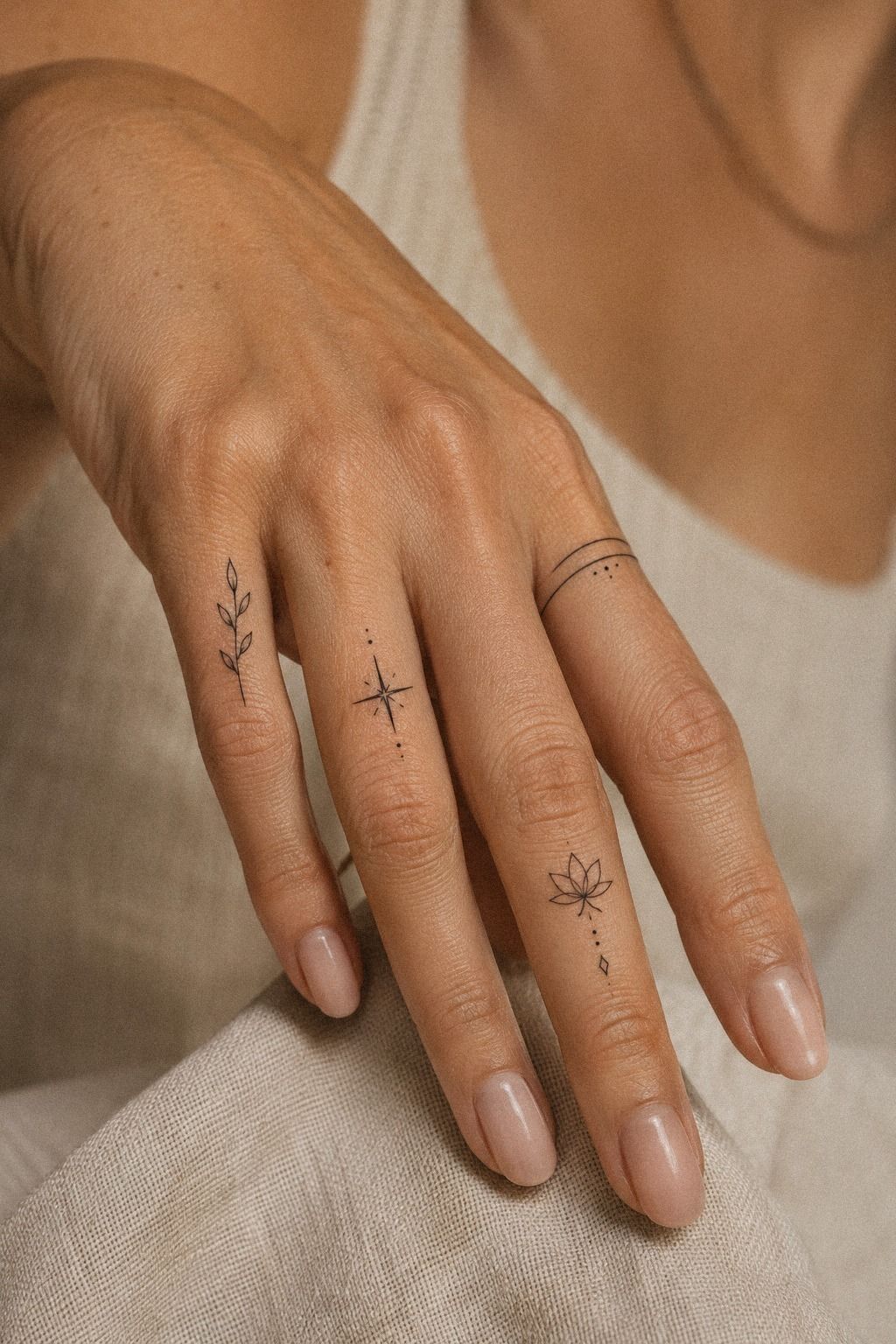
I considered adding a leaf beside the heart because botanical linework can feel symbolic without becoming literal. My first sketch had three leaves and a curved stem.
It looked intricate on paper, but on a finger it felt crowded. I removed two leaves and kept one muted plum line curling beneath the heart.
That edit changed everything. The single leaf gave the design a flowing direction, while the heart remained the emotional center.
You can make a botanical detail meaningful through shape rather than quantity. A pointed leaf can suggest growth, while a rounded leaf feels softer and more playful.
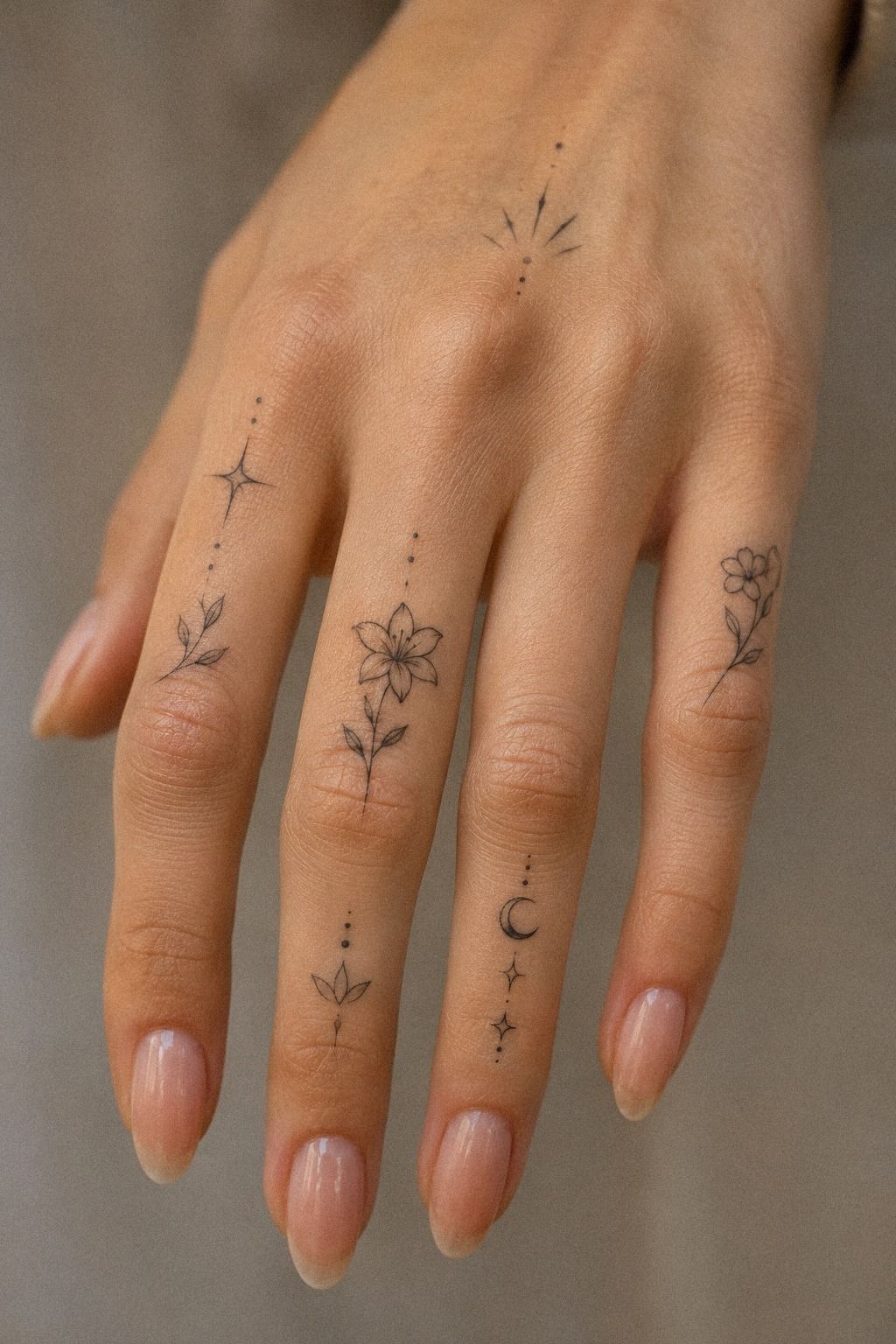
I drew several versions with a mechanical pencil before showing the artist the one I wanted. If you’re building a reference folder, compare the botanical ideas in these small hand finger tattoos for women. Look for designs where each line has a job, not just extra decoration.
I ultimately removed the leaf from the final tattoo. That may sound like a small choice, but it taught me to protect the main idea. My finished tattoo looked more crisp without the botanical frame.
Sometimes a symbolic tattoo becomes more powerful when you stop before the design turns ornate.
4I Compared Minimal Ring Finger Designs
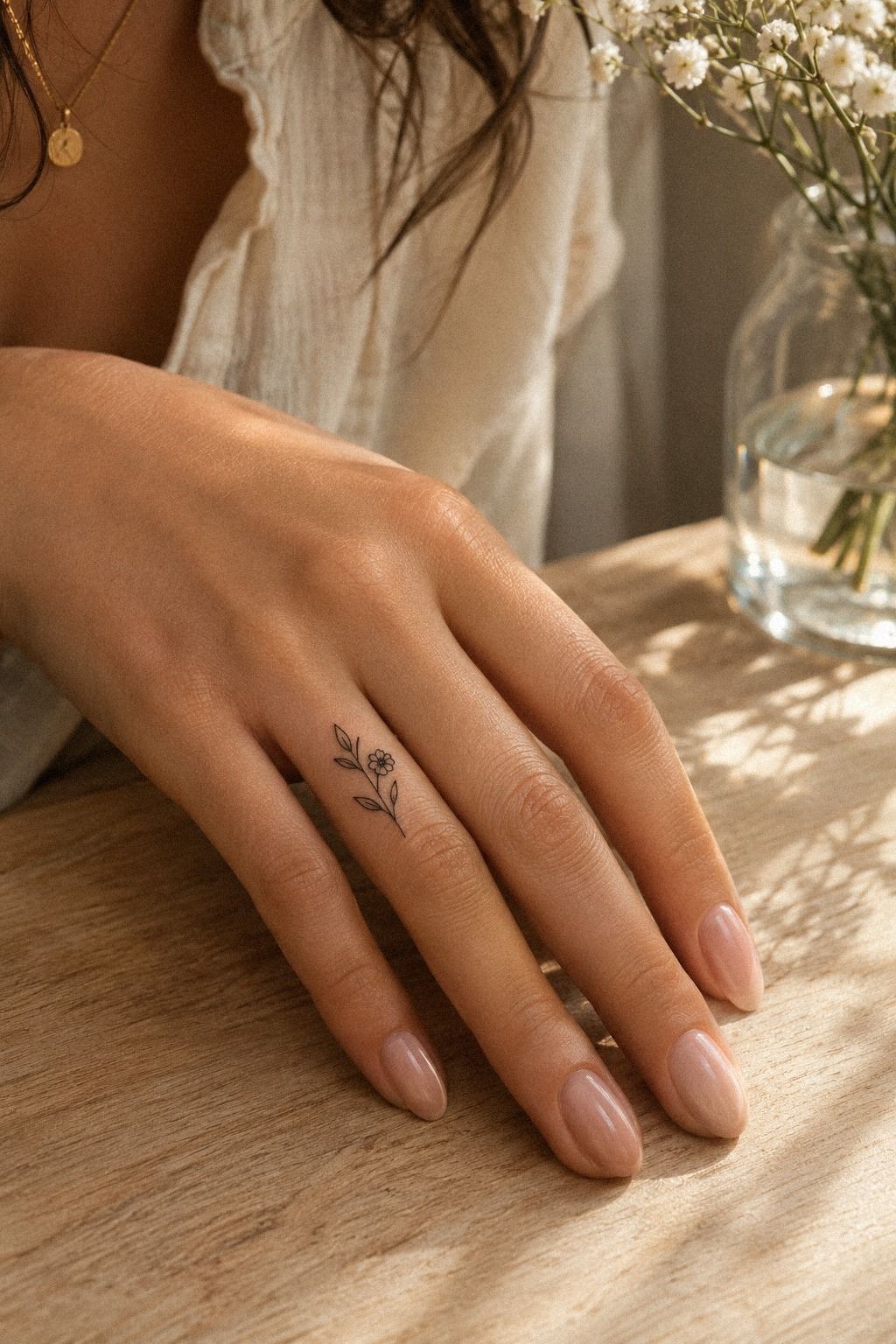
The ring finger seemed obvious at first because the placement felt classic and feminine. I tried a paper version beside my existing understated silver band, and the pairing looked elegant. Then I wore the ring for an entire afternoon and noticed how much the metal shifted against the stencil.
You’ll want to test your jewelry before committing to ring finger ink. A band can rub the area, trap moisture, or change how the design reads as your hand moves.
I liked the symbolism of that finger, but I didn’t want the mark to look like a permanent substitute for jewelry. Ring friction deserves attention.
I compared the idea with minimalist hand tats for women and paid attention to designs placed away from constant friction. My favorite references weren’t the largest ones. They were the ones with clear spacing, restrained linework, and a shape that didn’t fight the hand’s natural movement.
And I chose the ring finger anyway, but not directly beneath the band. I moved the heart slightly toward the side so the symbol stayed visible when my hand relaxed. That was the better compromise for me.
You get the meaningful ring finger placement without forcing the tattoo to compete with every ring you wear.
5I Selected An Intricate Symbol
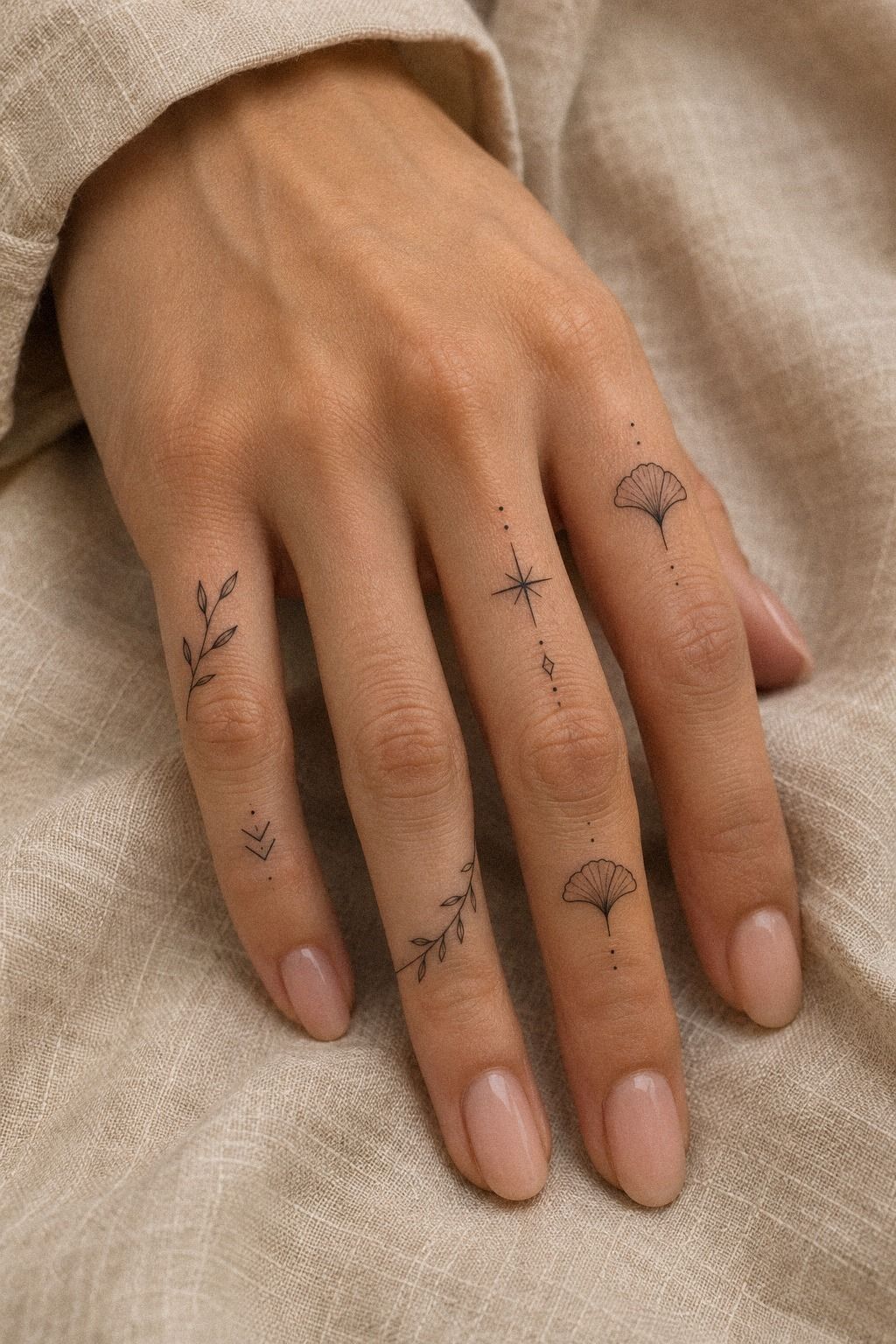
I spent an evening with a traditional tattoo flash sheet covered in small emerald-toned designs. There were stars, moons, lockets, flowers, and geometric symbols. The page looked vibrant and iconic, but I kept returning to one simple shape that reminded me of a private promise.
The symbol wasn’t the most striking option on the sheet. It was a small open circle with a fine notch at the top.
I liked that it felt sacred without announcing its meaning. You might be drawn to an ornate design first, but ask whether you’ll still understand your own reason for choosing it five years from now.
The open circle felt honest.
I showed the artist the sheet and explained what I wanted to keep, not just what I wanted to copy. You can browse unique delicate finger tats for women for direction, but your strongest reference may be a detail from several different designs. Mine borrowed the restraint of one symbol and the curve of another.
My reference folder became more focused.
In the end, I used the open circle as a private sketch, not the final tattoo. It helped me recognize that my heart already carried the right meaning.
The flash sheet gave me options, but it also made my choice firmer. I didn’t need a more complicated private symbol to make the moment matter.
6I Prepared For Delicate Finger Pain
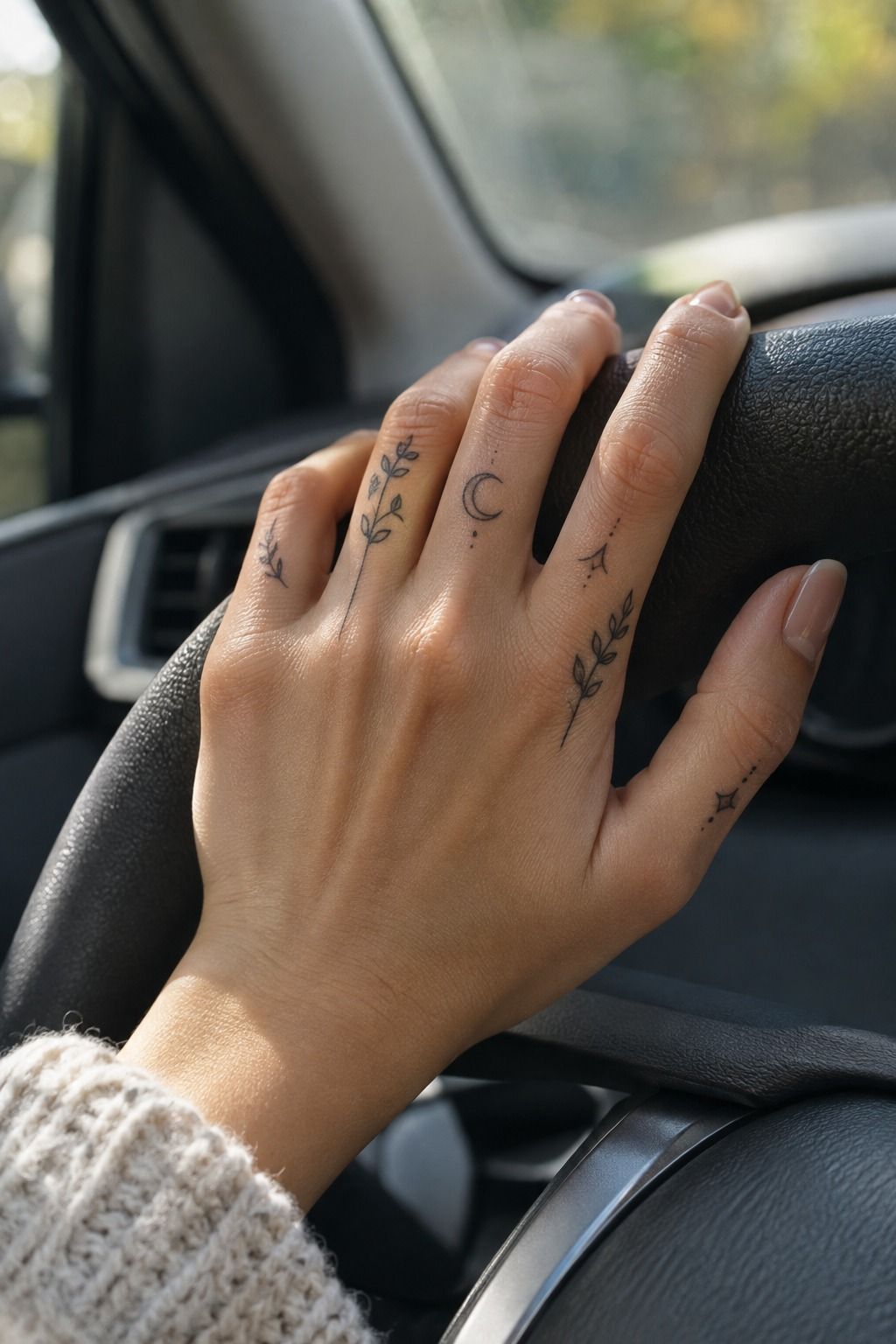
I expected the finger to hurt, and it did. The sensation was raw and sharp near the bone, especially when the single-needle cartridge moved close to the side of the finger. It wasn’t unbearable, but it demanded my attention more than I expected.
You’ll want to arrive rested, hydrated, and ready to stay still.
Hands and fingers are commonly more sensitive because there’s less padding over bone and many small nerve endings. The ribs, feet, hands, and sternum are often more painful areas, while the forearm, thigh, and shoulder tend to feel more tolerable. Your experience can vary, so don’t treat anyone else’s pain scale as a promise.
My appointment was short because the design was tiny. I asked for a pause when my hand tensed, and the artist adjusted the angle before continuing. If you’re comparing other small hand tats, notice how dense shading and thick outlines may take longer than a simple contour.
But the emotional part surprised me. I had spent weeks worrying about pain, then the appointment was over before I had fully settled into the chair.
The discomfort was brief! The result felt bold in a quiet way.
You’ll probably remember the anticipation more vividly than the actual minutes of the short appointment.
7I Added A Fierce Personal Accent
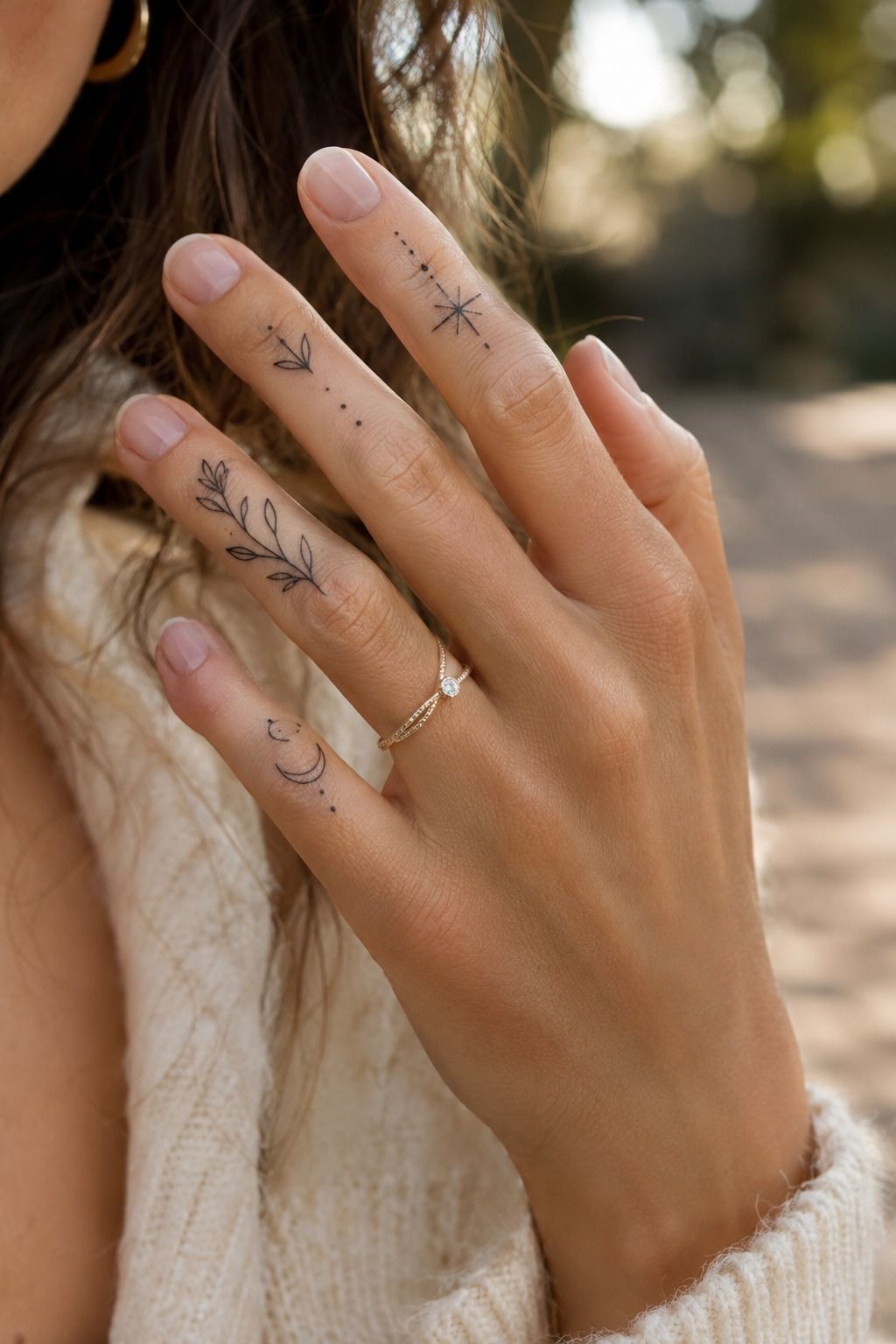
The heart needed one detail that belonged only to me. I chose a tiny open notch at the top instead of a perfectly closed outline. That gap made the design feel expressive and slightly edgy, while the charcoal ink outline kept it readable.
I didn’t want initials, a date, or a word. Those choices can be meaningful, but they also lock the design to one exact chapter.
You can make a tattoo personal through proportion, placement, or one altered line. My notch represented leaving space for change, which felt more honest than adding a visible inscription.
The artist showed me the stencil under bright light and asked whether the opening was wide enough. I said yes, then changed my mind and asked for it to be narrower. That tiny revision made the design feel more polished!
If you’re nervous about speaking up, remember that you’re the person who will carry the final stencil.
I’d avoid adding a fierce accent just to make a minimal tattoo seem more original. Mine worked because it had a reason.
A random slash would have looked gritty rather than meaningful. Your personal detail should support the symbol, not compete with it.
8I Balanced Dainty Ink With Skin
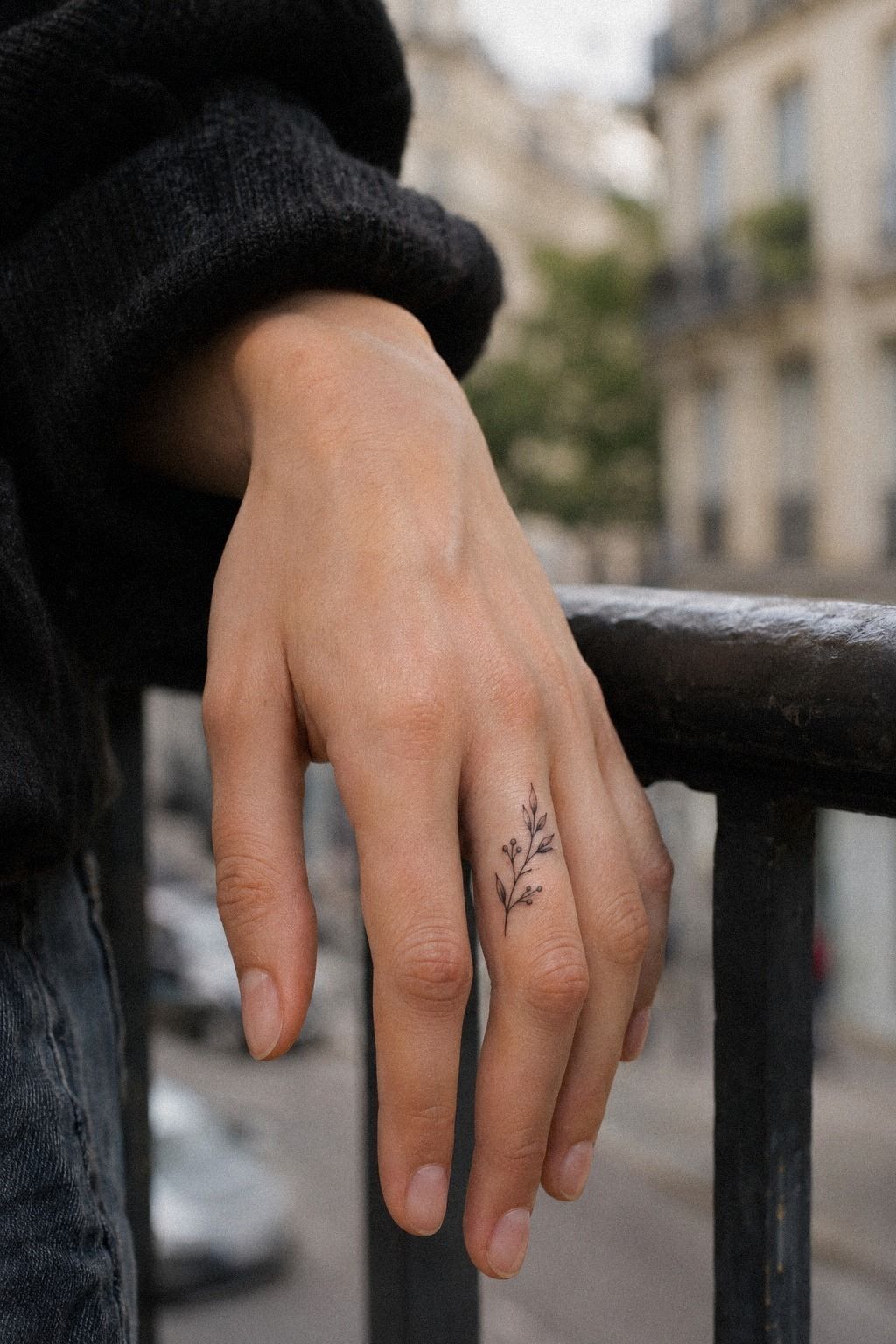
The most delicate part was deciding how much skin to leave visible. The open skin gave the heart a lighter, more graceful quality and kept the small shape from feeling ornate.
9I Chose An Elegant Side Placement
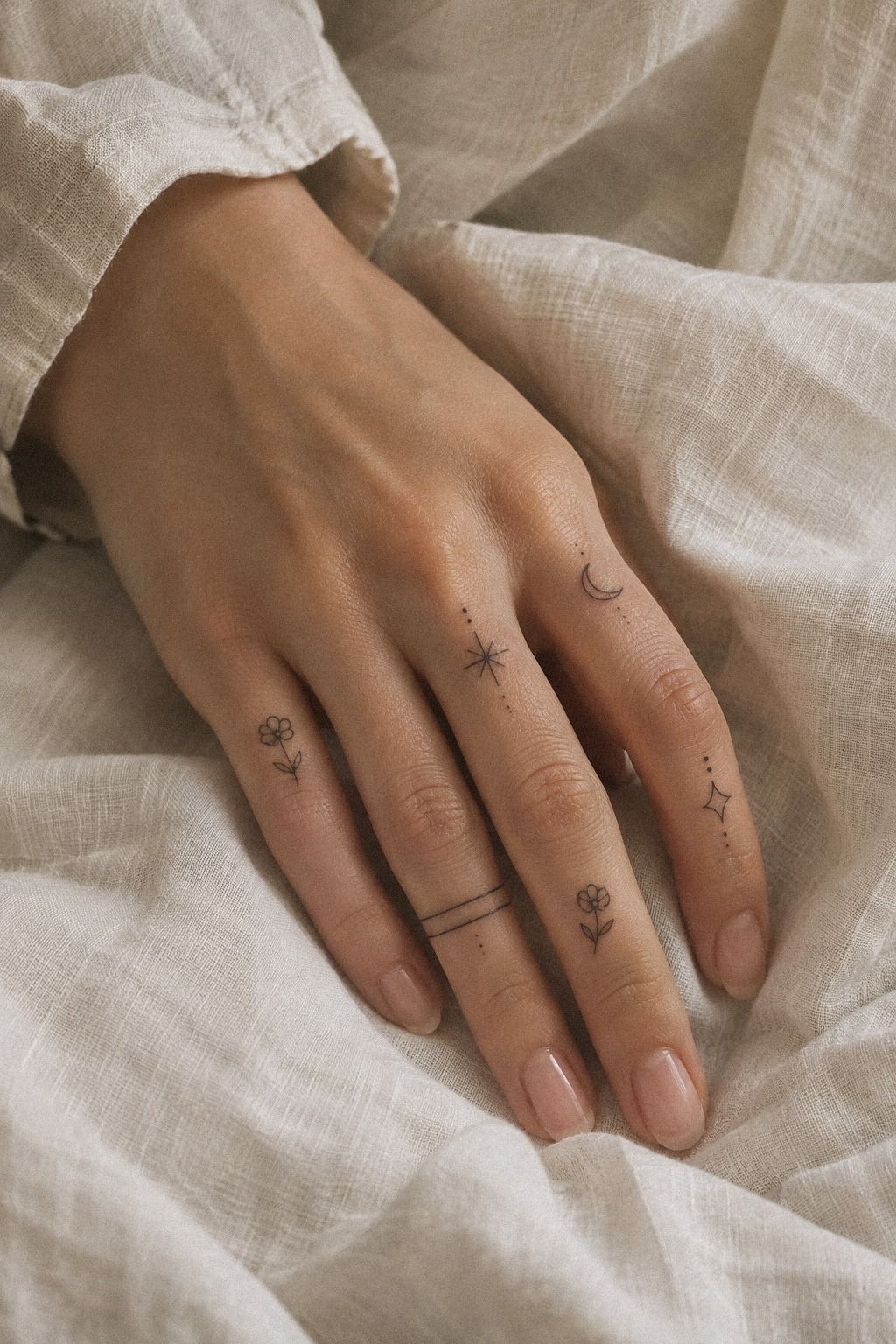
The side of the finger gave me the elegant placement I wanted, but it also made the tattoo less visible when my hand rested naturally. Only part of the midnight-blue fine-line heart showed. That subtlety appealed to me because the mark felt discovered rather than displayed.
I moved my hand palm-up, palm-down, and sideways under ordinary indoor and outdoor light. The visibility changed every time. A side placement can feel intimate and understated, while a top placement gives the design more immediate visibility.
Hand movements helped me decide.
I compared my choice with small finger tats and noticed how placement affects the entire mood. Some designs looked romantic on the side of the finger, while others needed a flatter surface to stay legible. I’d skip copying a placement reference just because it looks striking on someone else.
My artist also checked that the stencil wasn’t sitting directly in a deep crease. That mattered for both comfort and longevity.
Finger skin moves constantly, and very fine lines can spread or fade unevenly. The side position gave me the quiet, personal effect I wanted, but it still required realistic expectations.
10I Protected The Fresh Finger Tattoo
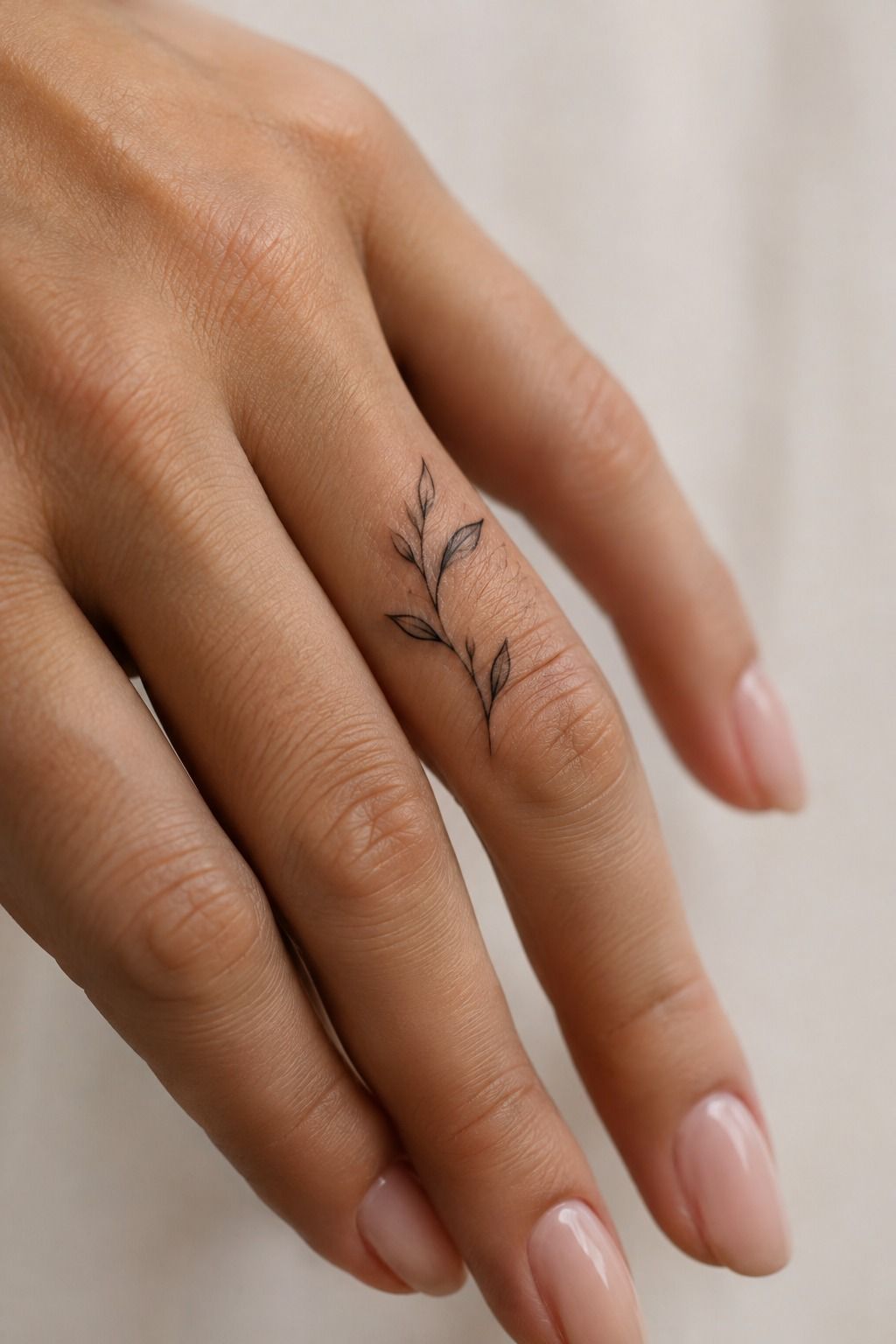
After the appointment, I treated the tattoo like a small wound, not a piece of jewelry. I followed the artist’s instructions, kept the fresh finger tattoo clean, and avoided unnecessary rubbing while the skin settled.
11I Loved My Unique Symbolic Mark
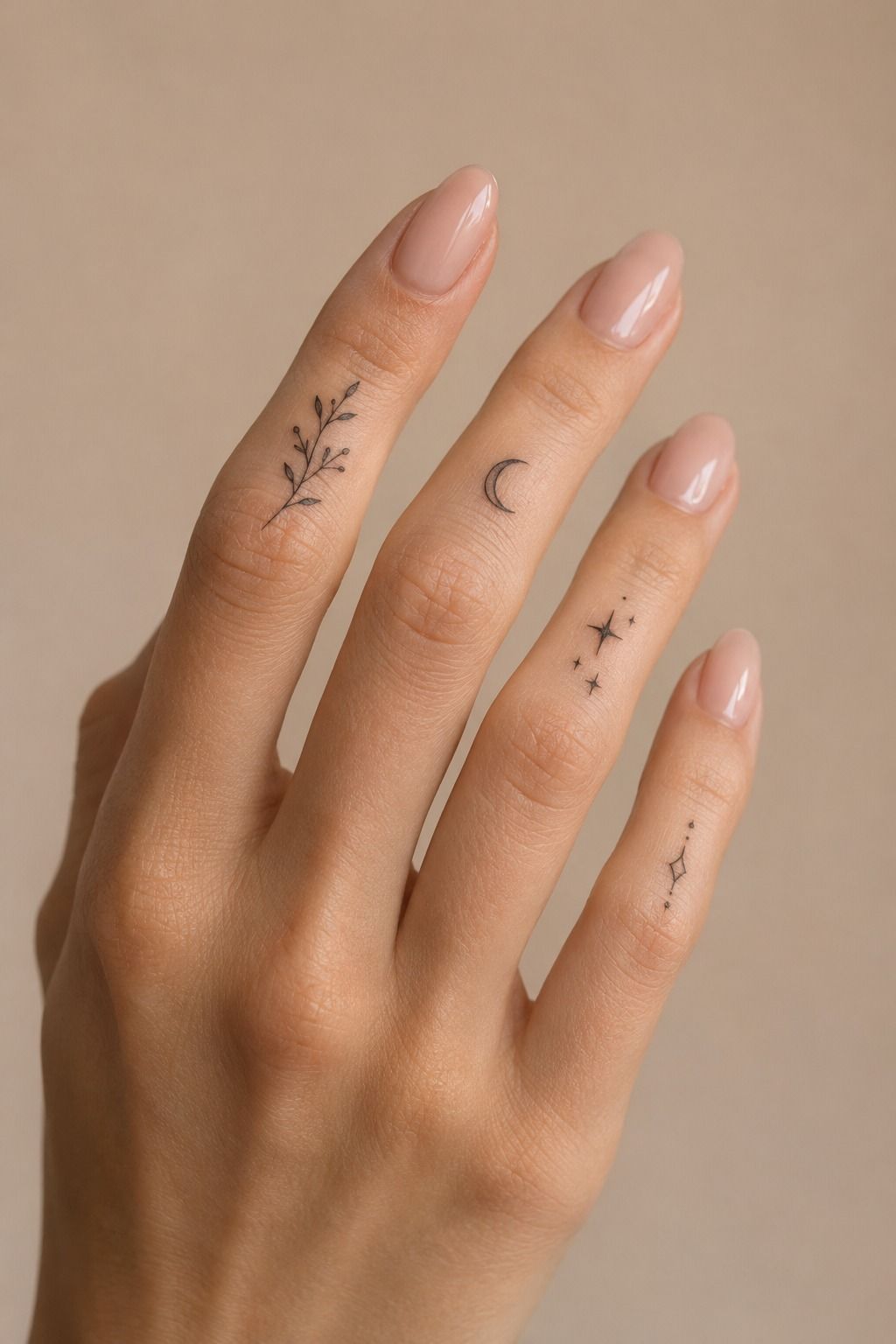
Once the skin healed, the heart looked more personal than it had on the stencil. The healed terracotta outline was no longer glossy or swollen, and the tiny opening at the top became easier to notice. I liked that it didn’t demand attention from everyone else.
You may want a tattoo that reads clearly across a room, but I wanted one that rewarded a closer look. The mark felt timeless because its meaning wasn’t tied to a trend. It was feminine in its softness, yet the simple contour still felt bold enough for my hand.
The personal symbol stayed quietly expressive.
I showed it to a few people and gave different explanations depending on the conversation. Sometimes I described the design.
Sometimes I shared the meaning. Sometimes I just let it remain mine. That flexibility is why I’d recommend choosing a private meaning over a design selected only because everyone else saved it.
The heart also taught me that delicate ink needs honest expectations. Fine lines may broaden with time, and finger tattoos can fade faster than ink placed on less active skin. You’ll protect the result with sunscreen, sensible tattoo aftercare, and a design that has enough spacing to age gracefully.
Why Does Tiny Ink Feel So Personal? The One-Mark Rule
I used to think a meaningful tattoo needed a large image or a detailed story built into the design. This experience changed my mind. A tiny mark can carry more emotional weight because you encounter it during ordinary moments: washing your hands, opening a door, typing a message, or reaching for a glass.
The symbol becomes part of your movements.
My first mistake was collecting too many references without asking what I wanted to remember. Every saved reference looked expressive, polished, and tempting.
None of them answered the private question behind my choice. Once I wrote down the feeling I wanted to keep, the options narrowed quickly.
The heart remained because it was personal before it was stylish.
I also learned not to chase the thinnest possible line. A line that looks exquisite when enlarged may soften into confusion after healing.
I wanted delicate, but I also wanted clarity. That’s why I accepted a slightly stronger outline and left open skin inside the shape. The result felt refined without pretending that skin stays unchanged.
If you’re deciding between several delicate finger tats for women ideas, ask which design you’d still choose without showing it to anyone. That answer matters more than a passing trend. I’d rather carry a simple symbol with a real reason than an intricate image I selected because everyone else saved it.
A personal choice lasts longer.
How much it cost: The Three-Number Rule and The Healed-Line Rule
I planned my budget around three numbers: the shop minimum, the artist’s hourly rate, and the total estimate for the design. Typical US shop minimums can be around $50 to $100, while hourly rates commonly fall near $100 to $250. A tiny tattoo may still meet the minimum even when the session is brief.
My working budget was $300, which gave me room to choose the artist whose healed linework I trusted. You’ll want to ask for the full estimate before booking and confirm whether a touch-up policy is included. The price can vary by region, artist experience, placement, and studio standards.
I wouldn’t choose the cheapest option for a visible hand tattoo. A lower quote doesn’t help if the line placement is careless or the portfolio has no healed work. My opinion is simple: spend your attention on the artist’s technique, hygiene, and healed work before you spend it comparing tiny price differences.
What People Always Want to Know
How much does a delicate finger tats for women usually cost?
A delicate finger tattoo usually costs about $100 to $300 in the US, depending on the artist, region, size, and placement. A shop minimum may still apply even for a short appointment. Look for healed examples, clean studio practices, and a clear estimate before you book.
– Typical shop minimum: about $50 to $100 – Common hourly rate: about $100 to $250 – Design range: about $100 to $300
Are delicate finger tats for women a good idea for a first tattoo?
Yes, they can be a meaningful first choice if you’re comfortable with a visible placement and realistic about fading. A small design keeps the session brief, while clean spacing helps the mark stay readable. You’ll still need to respect aftercare and choose an artist with healed fine-line work.
– Small outline – Manageable appointment – Personal symbolism – Visible placement
How do I choose a tattoo artist for delicate finger tats for women?
Choose an artist whose portfolio shows clean linework and healed finger tattoos, not only fresh examples. Healed portfolio images reveal technique more honestly. You should also check the studio’s hygiene standards, ask about the needle cartridge, and discuss how the artist handles touch-ups.
– Healed portfolio – Fine-line specialty – Sterile equipment – Clear consultation
How much do delicate finger tats for women hurt?
Finger tattoos can feel sharp because hands have less padding around bone and many sensitive areas. The appointment is often brief, but the sensation may be stronger than expected. Ribs, feet, hands, and sternum tend to feel more painful, while forearms, thighs, and shoulders are often more tolerable.
– Bone-adjacent placement – Short session – Sensitive skin – Personal pain variation
How long does a delicate finger tats for women take to heal?
The surface usually heals in about 2 to 3 weeks, while complete healing can take about 2 to 3 months. Gentle aftercare supports the healing process. Wash softly, moisturize as directed, avoid pools and soaking, and protect the tattoo from direct sun.
– Light washing – Thin moisturizer – No picking – Sun protection
What’s the best placement for delicate finger tats for women?
The best placement depends on visibility, jewelry, friction, and how much movement you want around the design. A side placement feels more private, while the top of the finger reads more clearly. Avoid deep creases when possible, and ask your artist how the design may age there.
– Side of finger – Top near the knuckle – Space beside jewelry – Clear distance from creases
Finger Ink Over Larger Placement: Where I’d Start First
If I had to pick one, I’d start with a small outlined heart on the side of the finger. It leaves enough skin around the line to age more clearly than a crowded design, and its meaning won’t depend on a trend. Save your references, then choose the outlined heart you’ll still want on an ordinary Tuesday!