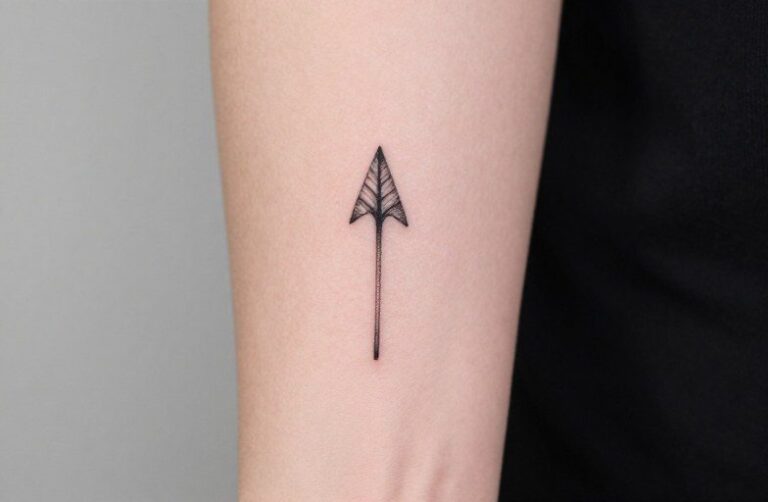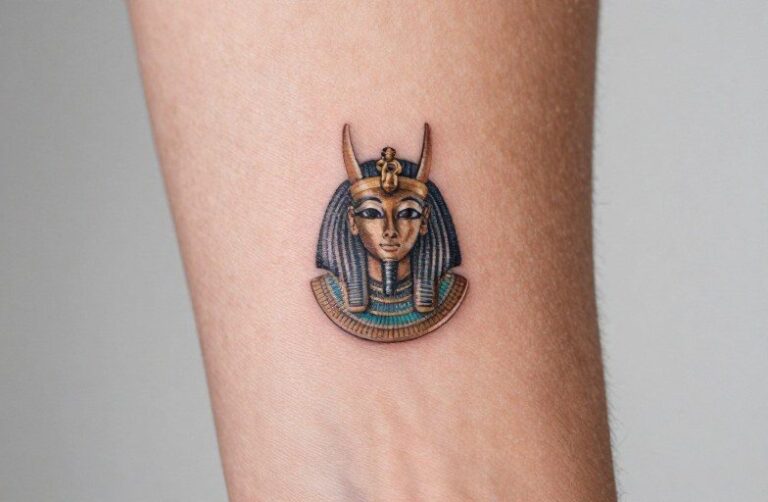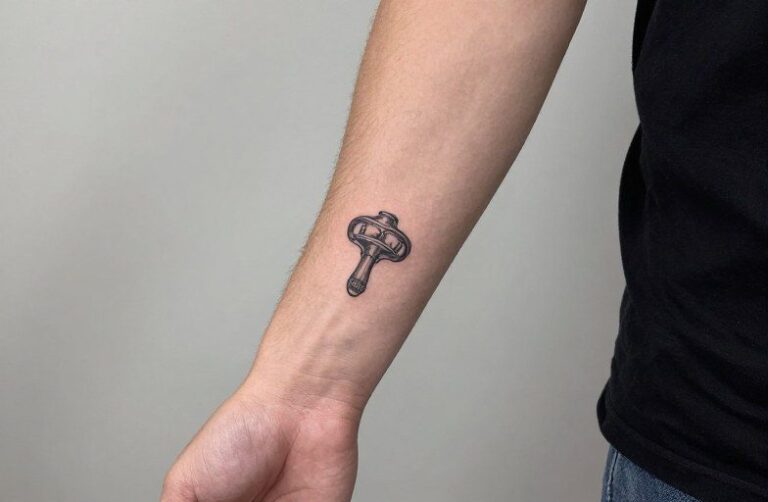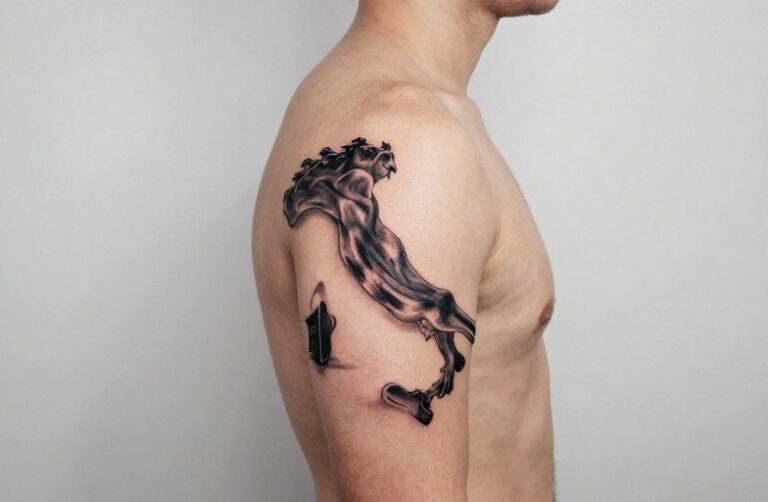
Cool tattoo designs aren’t about chasing trends, they’re about choosing imagery that fits your body, your budget, and your willingness to maintain it. What reads as striking on a screen often falls flat or fades fast on skin. The difference between a tattoo you love in year one and year fifteen comes down to placement, scale, and how the design interacts with your specific anatomy. This guide breaks down the practical decisions that separate good concepts from tattoos that actually work long-term.
Best Placements
Where you put a design changes everything about how it reads and how it ages. Some placements command attention; others hide in plain sight. The cool factor depends heavily on matching the design’s energy to the body’s natural movement and visibility.
High-Impact Spots
Hands, neck, and face carry immediate visual weight. They’re impossible to miss and signal commitment. These areas also face the most sun exposure and friction, which means faster fading and more frequent touch-ups. A cool design here needs bold lines and simple shapes, intricate detail gets swallowed by skin texture and movement. The trade-off is visibility versus longevity; what grabs attention today may blur sooner than a tucked-away piece.
Hidden but Powerful
- Ribs and sternum: large canvases that move with breath, excellent for flowing compositions
- Inner bicep: protected from sun, easy to show or conceal, holds detail well
- Back of calf: flat, stable skin that ages predictably; good for geometric or illustrative work
- Behind the ear: small, discrete, but surprisingly visible with short hair or updos
These placements let you control the reveal. A cool design hidden under clothing feels personal; the choice to show it becomes part of its impact.
Tips for Choosing
Selection paralysis hits everyone. The trick is filtering options through constraints rather than trying to imagine infinite possibilities.
Start With Your Movement
How do you dress? What do you do for work? Do you swim, lift, or play contact sports? A cool design on your forearm won’t feel cool if you’re constantly covering it for your job. Similarly, a detailed piece on your foot will degrade fast if you’re barefoot or in sandals constantly. Match the design’s visibility to your actual life, not your imagined one.
Reference Reality, Not Instagram
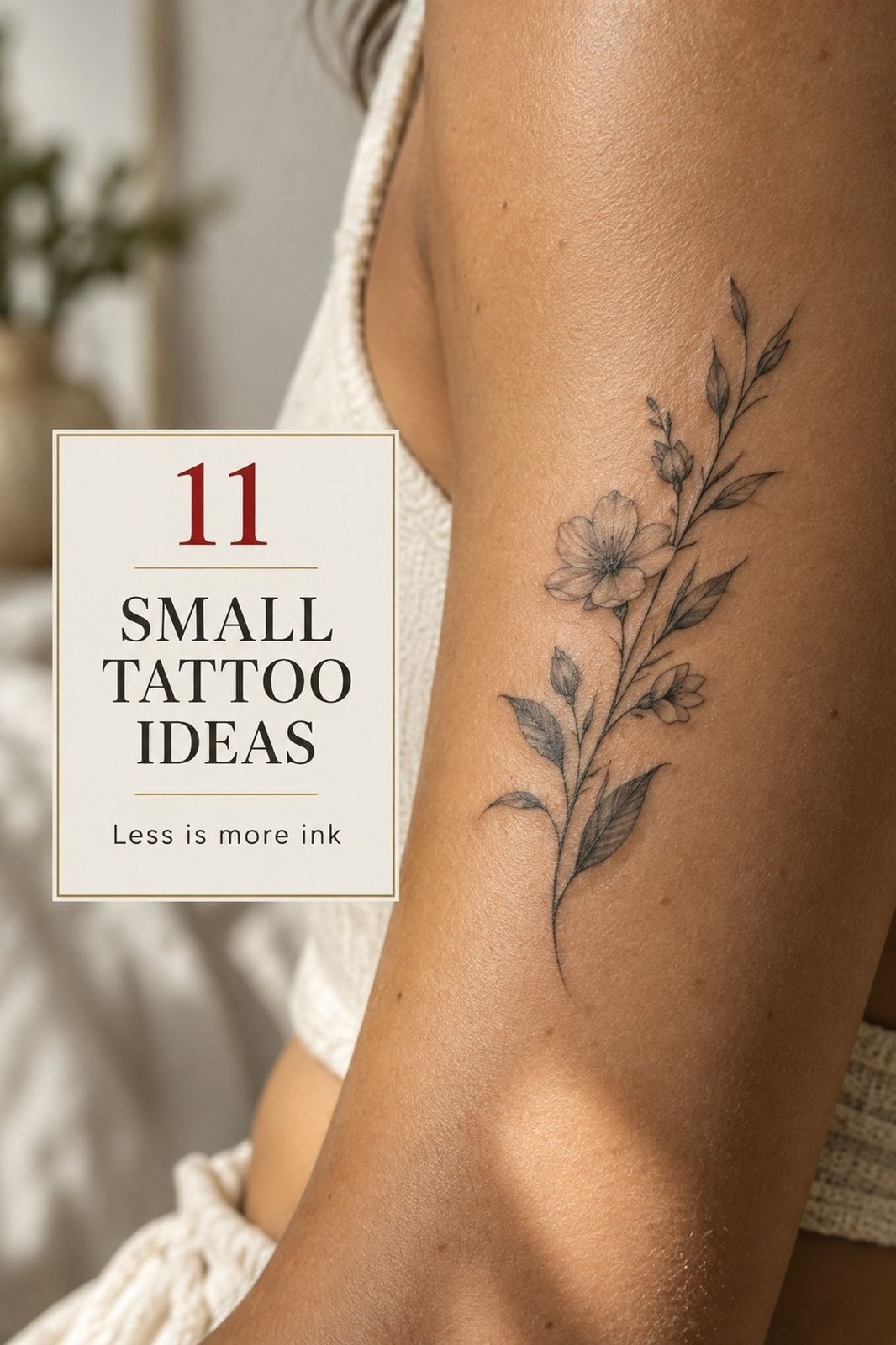
Fresh tattoos photographed under studio lighting look nothing like healed work in normal light. When you find a design you love, search for healed versions of that style, year-old photos, not fresh ink. Japanese traditional, bold American, and blackwork all age differently. Fine-line florals and watercolor gradients often cool and soften dramatically. Your future self lives with the healed version, so choose based on that reality.
Size & Scale
Small tattoos can be cool. Large tattoos can be cool. The problem is trying to cram large ideas into small spaces or stretch small ideas across too much skin.
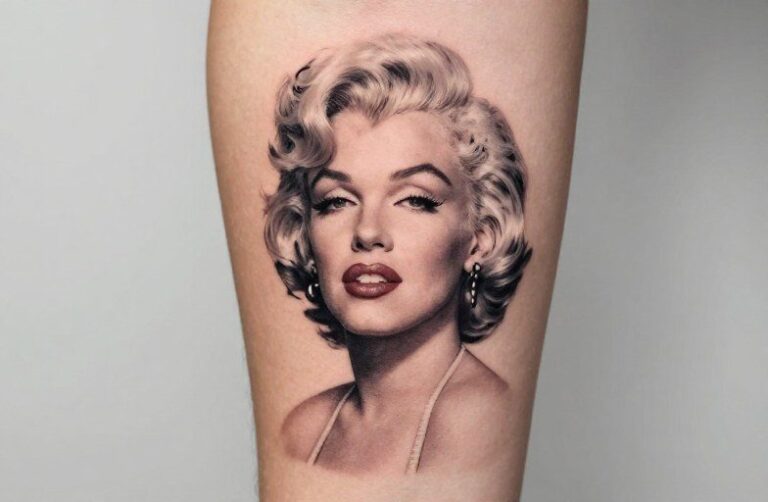
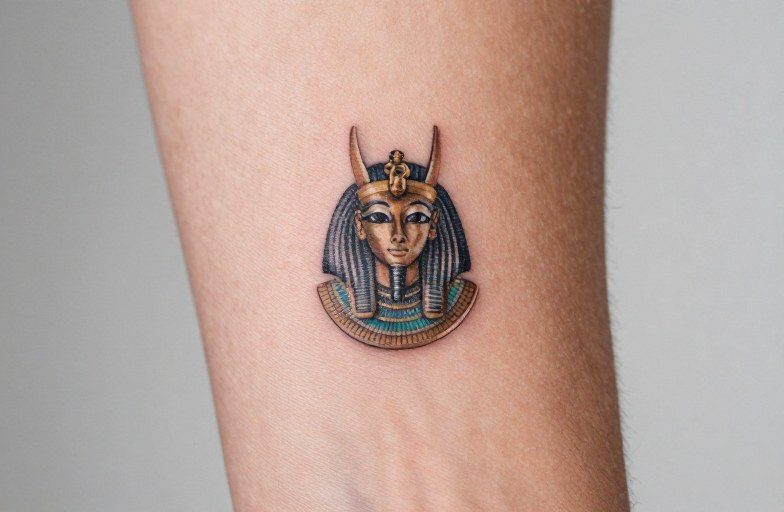
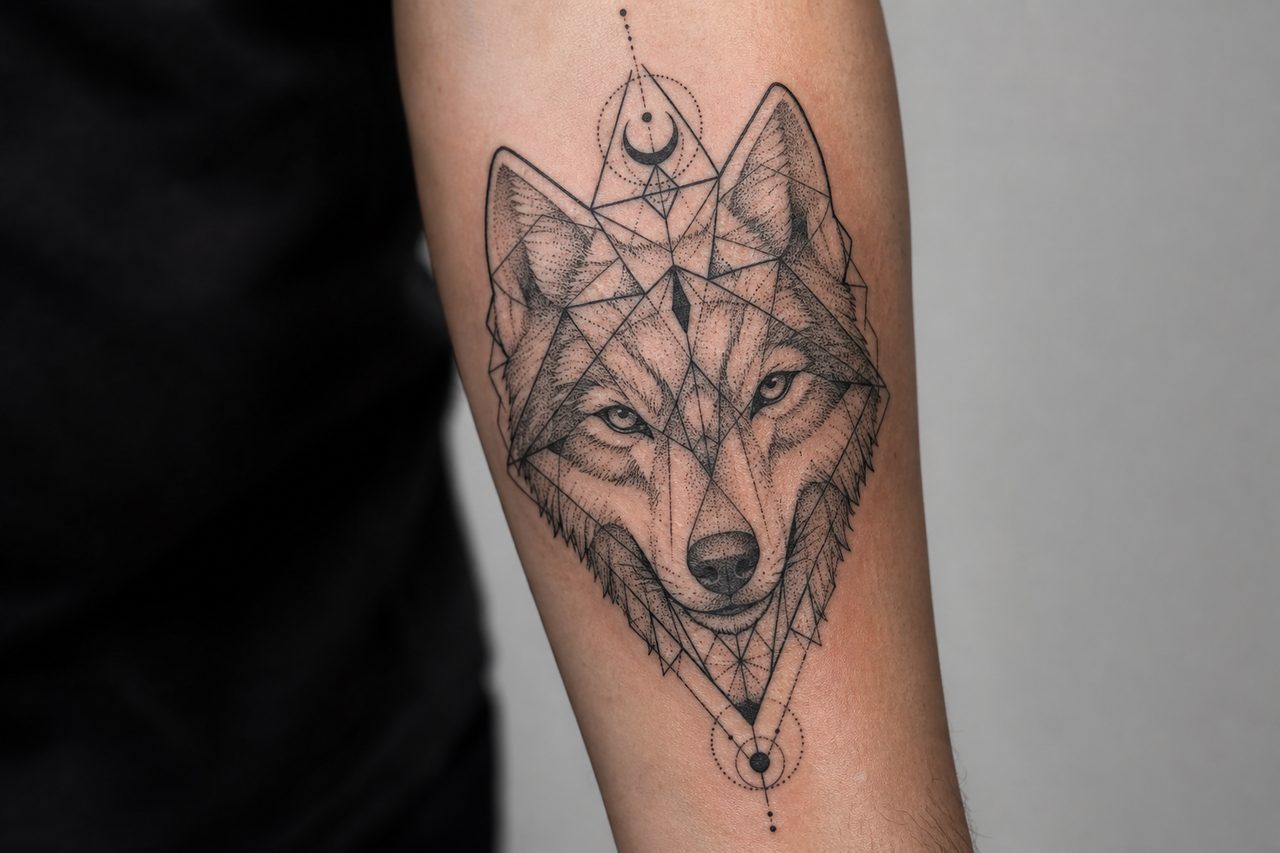
Detail has a minimum size. A face needs enough room for eyes, nose, and mouth to read as a face, not a smudge. Lettering below a certain size blurs into illegibility within years. As a rough guide: single words need at least 2-3 inches in height. Faces and figures need palm-sized minimums to hold expression. Geometric patterns can go smaller because their readability comes from contrast and repetition, not fine features.
Large-scale designs benefit from negative space. A sleeve that fills every inch looks heavy and crowded. The coolest large pieces let skin breathe between elements, creating rhythm and visual rest. Talk to your artist about which parts of a design can be simplified or opened up without losing its essence.
How to Personalize It
Off-the-wall flash can be cool, but personalization raises a generic concept into something that fits only you. The key is specificity without clutter.
Symbolic Substitution
Take a standard design and swap one element for something personally meaningful. A traditional dagger becomes your grandfather’s pocket knife. A standard rose becomes the specific variety your partner grows. A generic animal becomes the breed you actually lived with. These substitutions read as subtle to strangers but carry weight for you. The design stays visually coherent because its structure doesn’t change, only its details do.
Location as Meaning
Sometimes the personalization is where you place it, not what’s in it. A design over your heart, on your dominant hand, or aligned with a scar carries meaning through placement alone. A cool design that tracks with a bone, follows a muscle line, or wraps a joint gains energy from your body’s own architecture.
Color Choices
Color isn’t just aesthetic, it’s biological. Different pigments behave differently in skin, and your skin’s undertone affects how colors read.
Black and grey offer the most predictable aging. Black ink stays readable longest; grey wash creates depth without the maintenance of multiple colors. For cool designs that need to look sharp a decade out, black-dominant work with limited color accents often outperforms full color pieces.
Yellow and white fade fastest. They’re often used as highlights, which works because their fading doesn’t destroy the design’s readability, it just softens the effect. Bright reds and blues hold reasonably well. Greens vary by pigment formulation; some stay vivid, others shift toward blue or grey.
Dark skin doesn’t mean avoiding color, but it does mean choosing pigments with enough contrast to read against your natural tone. Experienced artists know which pigments show up on which skin depths. Ask to see healed photos on skin similar to yours before committing to a color palette.
Matching & Pairing Ideas
Cool designs don’t exist in isolation if you’re planning multiple pieces. Thinking ahead prevents the patchwork problem, random tattoos that fight each other for attention.
Thematic Cohesion
Matching doesn’t mean identical. Two people can carry related designs: same style, different subjects, or same subject, different styles. Siblings might share a motif but rendered in each person’s preferred aesthetic, one geometric, one illustrative. Partners might choose complementary rather than matching imagery: lock and key reads as corny, but two different flowers from the same garden, or two animals from the same ecosystem, feels connected without being literal.
Body as Composition
If you’re building a collection, think about how pieces talk to each other across your body. A cool design on your left arm might echo the flow of one on your right leg. Negative space on your chest could balance density on your back. This isn’t about planning every tattoo in advance, it’s about noticing patterns and choosing to continue or break them intentionally.
Key Takeaways
Cool tattoo designs succeed or fail on practical decisions, not just concept. Placement determines visibility and aging. Size must match the detail you want. Personalization works best when it’s specific but subtle. Color choice affects longevity more than most people realize. And if you’re building multiple pieces, some forethought prevents visual chaos.
The coolest tattoo is the one that still looks good when you’re explaining it to someone fifteen years after you got it, because the design held up, the placement made sense, and the choice was yours, not a trend’s.
Frequently Asked Questions
How do I know if a design will look good once it’s healed?
Ask your artist for photos of healed work in the same style, ideally on skin similar to yours. Fresh tattoos are swollen and saturated; healed work shows the true line quality and color stability. Focus on how the design reads at a normal distance, not up close.
Can I make a detailed design work in a small size?
Generally no, there’s a minimum size for detail to hold. Fine lines and small features blur together over time. Simplify the concept or increase the size. Your artist can tell you which elements are essential and which can be stylized or removed.
What’s the best way to combine multiple tattoo ideas into one piece?
Find the visual thread, shared style, complementary shapes, or thematic connection. An experienced artist can collage elements into a coherent composition using flow, background, or negative space. Bring reference, but trust their eye for what actually fits together on your specific body.
How much does skin tone affect which colors will look good?
Skin tone significantly impacts color visibility and longevity. Darker skin makes some pastels and light colors disappear; deeper, more saturated pigments show better. The artist’s pigment choice and technique matter more than the color alone, ask to see healed examples on skin close to yours.