Free tattoo designs flood the internet, flash sheets, generator apps, Pinterest boards, shop giveaways. Most are garbage. Some are genuinely usable starting points. The trick is knowing which free sources produce tattoos that still look good at year five, and which ones guarantee a cover-up. This guide breaks down how to sort the keepers from the landfill, where to put them, and how to adapt free art so it actually works on skin.
Tips for Choosing Free Tattoo Designs
Free art comes with hidden costs. The file might be 72 DPI. The linework might be hair-thin, designed for screens, not skin. Before you commit, run through a quick quality check.
Resolution and Line Weight
Print the design at actual tattoo size. Hold it at arm’s length. If details merge into gray mush, a tattoo needle will do worse. Bold lines, think 3mm minimum at final size, survive aging. Fine crosshatching from a free digital download often blows out within two years. Look for vector files or high-res PNGs, not compressed JPEGs pulled from Instagram screenshots.
Customization Potential
The best free designs are frameworks, not finished products. A simple traditional rose outline from a 1950s flash sheet gives your artist room to adjust flow for your forearm curve. A hyper-detailed free dragon with locked-in shading leaves zero wiggle room. Prioritize designs with open composition, negative space you can expand, borders you can crop, elements you can mirror or repeat.
- Avoid watermarked previews; the actual file may differ dramatically
- Check licensing: “free for personal use” usually excludes commercial tattoo application
- Reverse-image-search to find higher-res originals of popular free designs
- Bring 2-3 options to your artist, not one ultimatum
Best Placements for Free Tattoo Designs
Placement determines whether a free design lives or dies. Some spots forgive mediocre art; others punish it brutally.
High-Movement Zones to Skip
Fingers, palms, sides of hands, and feet turn free designs into unrecognizable blobs fast. The constant flexing, thicker skin, and faster cell turnover here shred detail. A free mandala pattern that looks crisp on paper becomes a gray smear across knuckles in eighteen months. Elbows and knees similarly distort art, save these for custom work designed specifically to move with the joint.
Flat, Stable Canvas Areas
Outer forearms, upper arms, thighs, and calves give free designs their best shot. Skin stays relatively stable, ink settles predictably, and touch-ups are straightforward. The outer forearm in particular offers great visibility without the wear of inner-arm friction against desks and clothing. For smaller free designs, the upper outer arm, classic “flash arm” territory, has decades of proven longevity.
- Inner bicep: good for medium-sized free designs, moderate aging
- Upper back/shoulder blade: flat, easy to heal, works for symmetrical free patterns
- Behind the ear: only for the simplest free icons; detail disappears
- Ribs: free designs need to be sized up; small detail gets lost in skin texture
Popular Styles Available Free
Certain tattoo styles dominate free archives for good reason. They’re built on repetition, clear rules, and decades of public-domain reference.
Traditional and Neo-Traditional
Old-school flash sheets, sailor Jerry derivatives, classic roses, daggers, swallows, are the backbone of free tattoo libraries. The style was literally invented to be reproduced quickly. Bold black outlines, limited color palettes, and iconic imagery mean these free designs translate cleanly to skin. Neo-traditional builds on that foundation with slightly more detail and broader color range, still widely available as free reference.
Blackwork and Ornamental
Free geometric patterns, dotwork mandalas, and ornamental linework circulate heavily online. The style’s reliance on solid black and negative space forgives lower-resolution sources better than color realism. Warning: symmetrical free geometric designs demand precise stencil placement. A slightly crooked free mandala on paper becomes a visibly lopsided tattoo. Test-print and measure twice.
- Minimalist line art: abundant free files, but single-needle execution is unforgiving
- Lettering: free fonts rarely account for tattoo-specific spacing; adjust letter spacing 15-20% wider
- Tribal: free Maori-inspired designs often misuse sacred patterns; research before using
For First-Timers
Your first tattoo shouldn’t be a free design grabbed at midnight. But if budget’s tight and free art is the path, make it smarter.
Start Small, Stay Simple
A free 2-inch design on your upper arm teaches you more about healing, itching, and aftercare than any article. Small free designs from flash sheets, simple hearts, anchors, small animals, let you experience the process without committing major real estate. Avoid free full-sleeve compositions for a first tattoo; your taste will shift dramatically within two years.
Shop Etiquette with Free Art
Walking in with a free design printed from a random site signals “budget client” to some artists. Counter this by being prepared: know the approximate size, have 2-3 placement options in mind, and ask how they’d adapt it for your body specifically. Some shops offer free flash events, pre-drawn designs the artist wants to do, discounted or at flash rates. These bridge the gap: artist-curated quality, client-friendly pricing.
- Bring reference images, not just the free file; context helps artists
- Ask about their redraw fee; many artists prefer to re-ink free designs for cleanliness
- Friday the 13th flash events: legitimate, often $31-$50, artist-tested designs
- Never haggle based on “but the design was free”
Color Choices
Free designs often come in grayscale or oversaturated RGB. Converting to tattoo-appropriate color requires understanding what actually stays in skin.
Black and Gray Longevity
Black-only free designs age most predictably. Gray wash from a single bottle of black ink, diluted to three tones, gives dimension without the color-fading lottery. A free design rendered in solid black and two gray values will look readable at year ten. The same design in four bright colors might need heavy refreshing by year five.
Color Realities
Free color designs, especially anime references, watercolor-style digital art, or neon-bright illustrations, rarely translate intact. Yellow and white fade fastest; light blue and purple shift unpredictably based on skin undertone. If your free design depends on color for its structure (a blue butterfly with black outline versus a blue butterfly where the blue IS the shape), reconsider. Structure should come from line weight and black placement, with color as bonus, not load-bearing.
- Red: stable, good contrast on most skin tones
- Green: varies wildly by ink brand; ask your artist’s experience
- White: almost always yellows or disappears; never the main event in a free design
- Neon/UV inks: gimmick, poor longevity, limited artist availability
Standout Design Ideas
Some free design categories consistently produce better tattoos than others. These aren’t random; they’re shaped by how tattooing actually works.
Botanical and Natural Forms
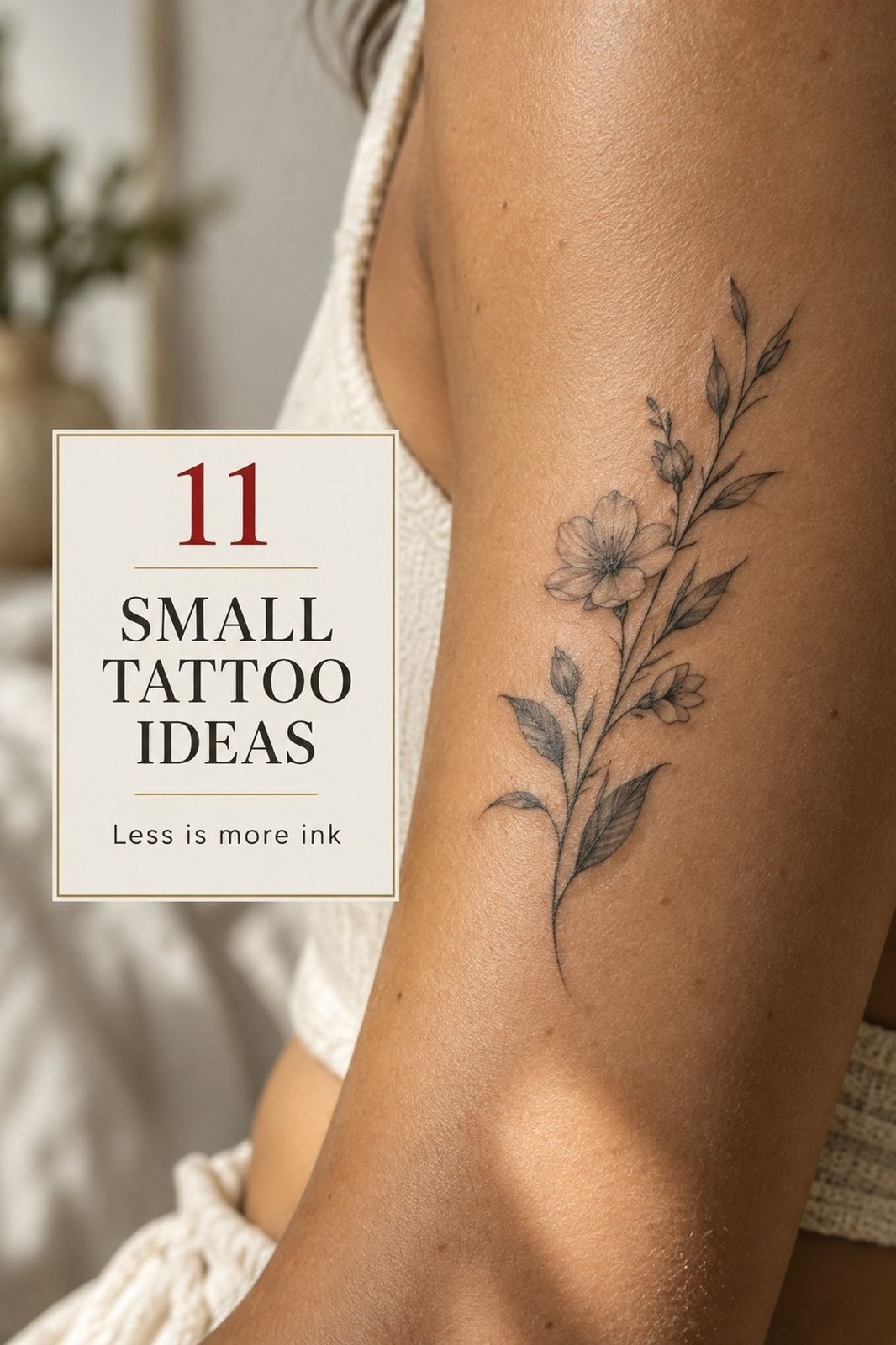
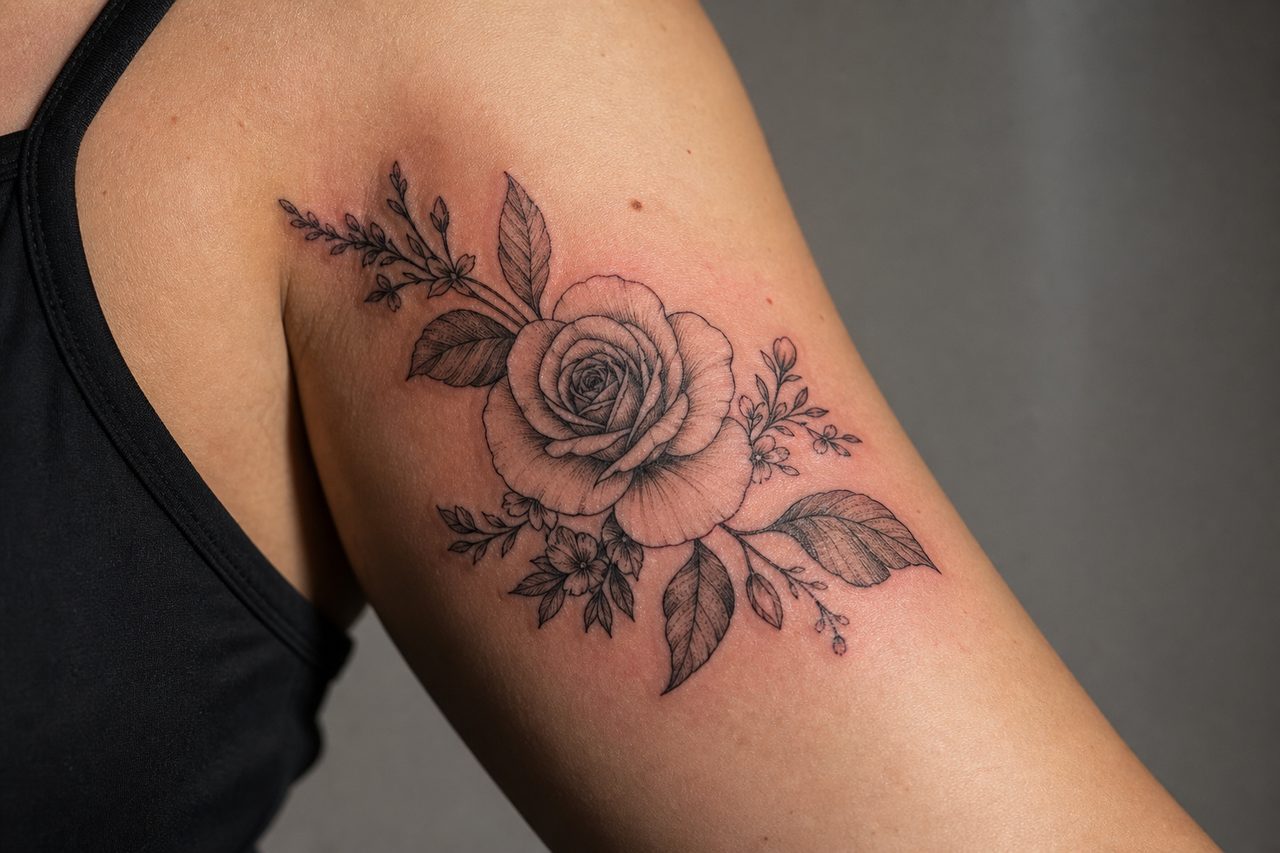
Free botanical illustrations, vintage seed catalog art, pressed-flower diagrams, scientific plant drawings, offer built-in structure. The linework was originally designed for clarity at small print sizes, which translates well to tattoo scale. Leaves, stems, and petals flow naturally around body contours. A free fern frond or wildflower cluster adapts to collarbone, ankle, or forearm with minimal artist intervention.
Animal Silhouettes and Stylized Forms
Free animal silhouettes, deer heads, wolves in profile, birds in flight, work because they read instantly. The silhouette format eliminates problematic fine detail. Stylized versions (geometric fox, tribal bear) add interest while maintaining clarity. Avoid free photorealistic animal portraits unless you’re prepared for multiple sessions and a significant budget; the free file won’t save you on execution complexity.
- Constellation patterns: connect-the-dot free designs, simple to customize with personal star arrangements
- Nautical flash: anchors, ships, compasses, proven over decades, abundant free sources
- Single-word or short phrase: free typography, but verify spelling and meaning if non-English
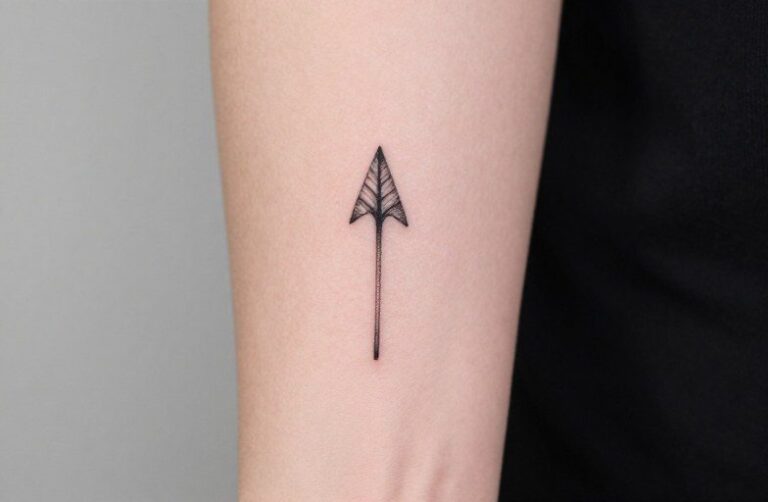
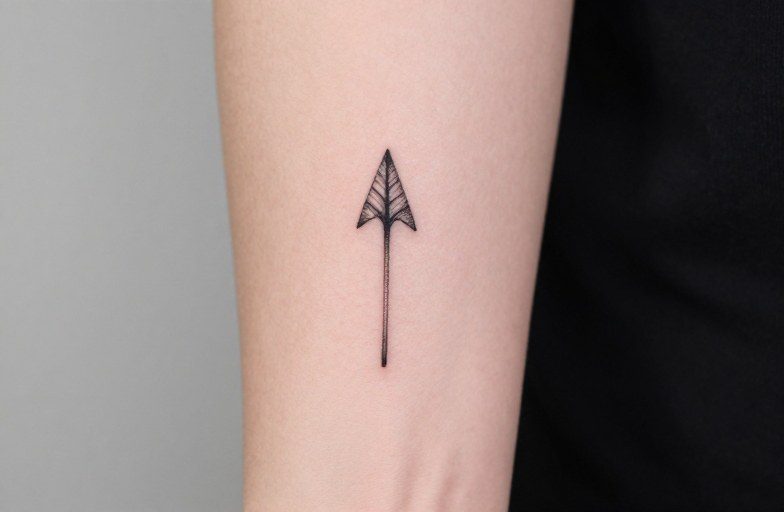
- Matching simple icons for friend/partner tattoos: free heart, arrow, or moon variants
Final Word
Free tattoo designs aren’t inherently trash. The flash tradition that built American tattooing was essentially free art, reproduced endlessly. The difference is curation and adaptation. A free design that respects how skin holds ink, how bodies move, and how taste evolves can become a solid, lifelong tattoo. One that ignores those realities becomes expensive removal practice. Spend your time vetting the source, testing the scale, and finding an artist who’ll treat even free reference with professional care. The money you save on the design should go toward better execution, not just a cheaper hourly rate.
Frequently Asked Questions
Can I bring a free design from the internet to any tattoo shop?
Yes, but expect pushback if the file is low-resolution or clearly ripped from another artist’s portfolio. Most shops prefer to redraw free designs for cleanliness and to ensure the linework will actually tattoo well. Bring the highest-quality file you can find, and ask if they need to adapt it.
Why do some free designs look amazing on screen but terrible as tattoos?
Screen images use light, not ink. Thin gray lines that look delicate on a monitor blow out into fuzzy gray bands in skin. Digital gradients and watercolor effects have no direct tattoo equivalent. Free designs need to be evaluated at actual print size, not monitor scale.
Are tattoo flash events with free designs safe and legit?
Reputable shops run Friday the 13th or similar flash events with pre-drawn, artist-created designs at reduced rates. These are legitimate and often high-quality. Avoid “completely free” tattoo offers from unlicensed individuals; sterile equipment and trained technique aren’t negotiable.
How do I know if a free tribal or cultural design is inappropriate to use?
Research the specific pattern’s origin. Polynesian, Maori, and Native American designs carry specific meanings tied to family, status, and achievement. Using them as decorative free art is widely considered disrespectful. When in doubt, choose geometric patterns without cultural attribution, or ask a cultural practitioner.