“Awesome tattoo designs” gets searched thousands of times a day, usually by someone scrolling at 2 a.m. with a deposit burning a hole in their pocket. Most of what comes back is Pinterest sludge, overly rendered digital mockups that ignore how ink actually sits in skin. Here’s what actually works, where it works, and why some designs fall apart while others settle in beautifully.
How to Personalize It
Start with the body part, not the image. A design that wraps a forearm beautifully dies on a flat shoulder blade. A rib piece that flows with the obliques looks pasted-on if forced onto a calf. The best personalization happens when you let anatomy steer the concept.
Adapting Reference Material
Bring references, but expect them to change. A good artist will break down why that Japanese water background needs more negative space on your particular arm, or why the fine-line snake you want should be 20% thicker to survive five years of sun and cell turnover. The collaboration is the personalization, not picking a font that “feels like you.”
Building Around Existing Work
Adding to a sleeve or patchwork collection? The new piece needs to talk to the old ones without matching them. Contrast matters: if you have heavy black traditional work, a soft greywash portrait needs a bridging element, maybe a black banner, some solid wind bars, or a geometric frame that carries weight. Otherwise it looks like two different people wearing your skin.
Matching & Pairing Ideas
Matching tattoos with a partner, friend, or sibling carry built-in risk. The safest approach is complementary rather than identical: one person gets the ship, the other gets the anchor and rope. Same story, different focal point. Identical matching pieces age differently on different bodies, one person’s line work blows out while the other’s stays crisp, and suddenly the “match” is a constant reminder of uneven skin or aftercare.
For friends or siblings, consider split designs that complete each other when posed together. Two halves of a compass, interlocking animals, or sequential imagery (sunrise/sunset) work better than mirrored text. Text tattoos in matching sets almost always age poorly; letterforms blur at different rates, and font trends date faster than imagery.
Popular Styles
Not every style suits every concept. Here’s where the major approaches actually land:
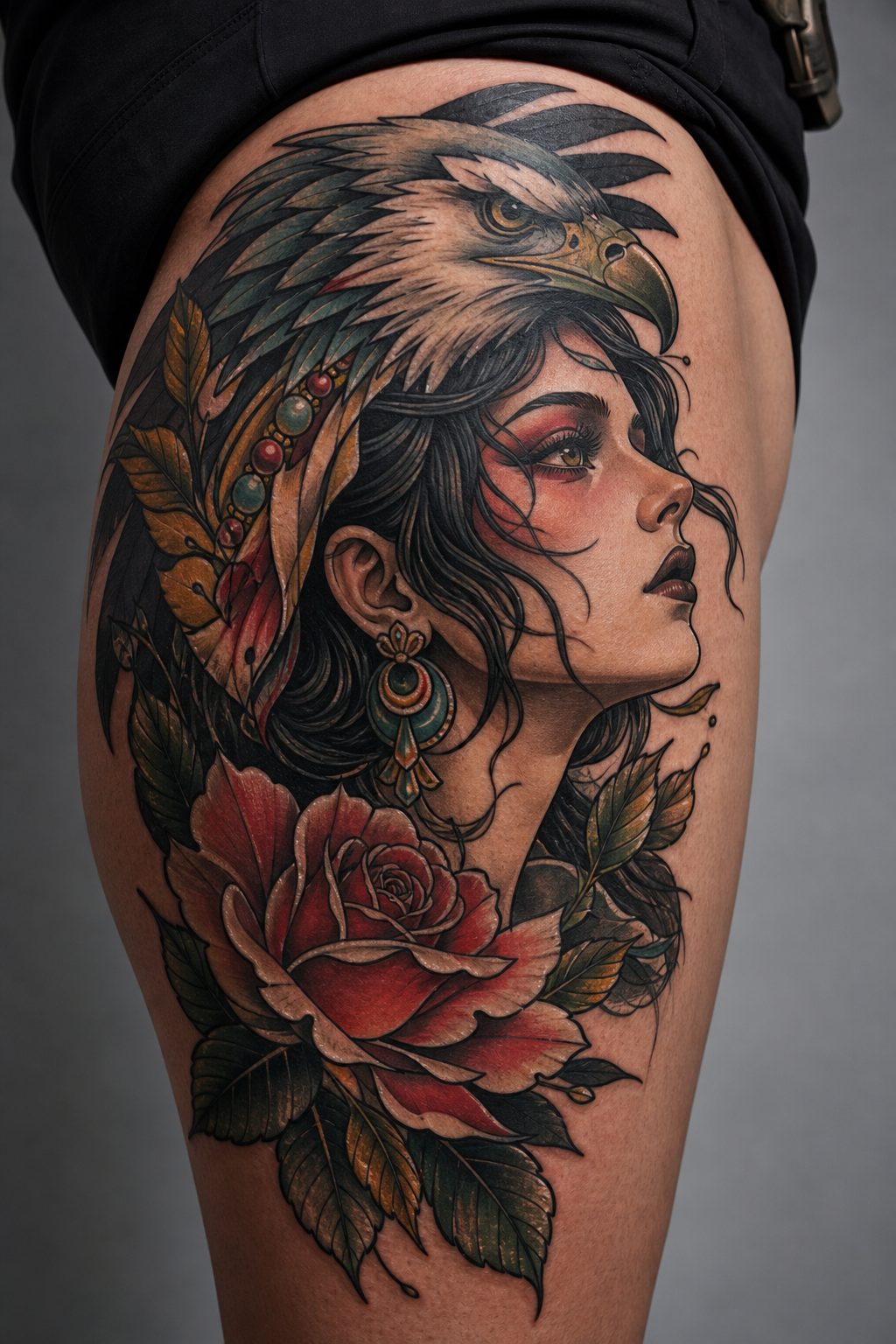
- American Traditional: Built for longevity. Bold lines, limited palette, readable from across a room. Roses, eagles, snakes, and lady heads remain staples because they read instantly and age like leather. The tradeoff: subtlety is nearly impossible.
- Japanese (Irezumi): Large-scale narrative work. Dragons, koi, tigers, and cherry blossoms flow around the body using background elements (wind, water, waves) to connect disparate images. Requires commitment to size, small Japanese pieces look stranded and incomplete.
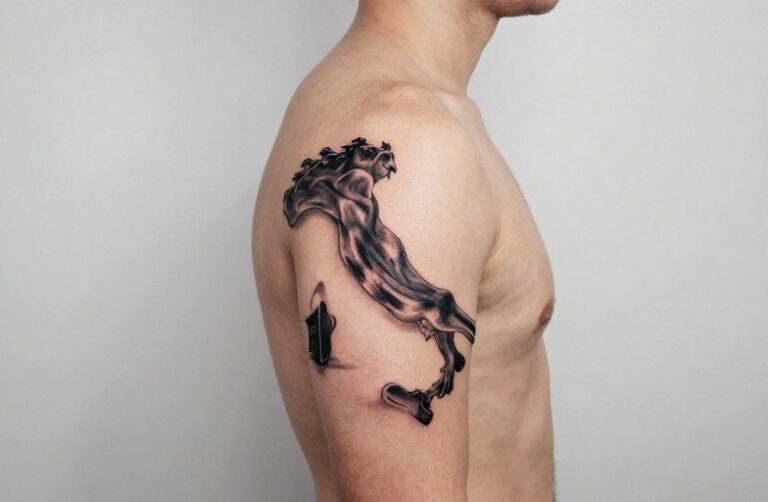
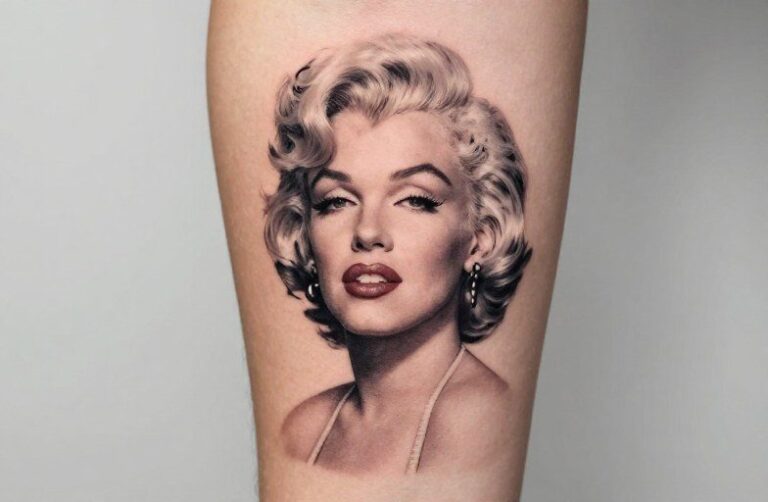
- Black and Grey Realism: Portraits, animals, religious imagery. Lives or dies on the artist’s smooth gradient technique and your aftercare. Heals softer than it looks fresh; expect 30% value loss as the top layer of skin regenerates.
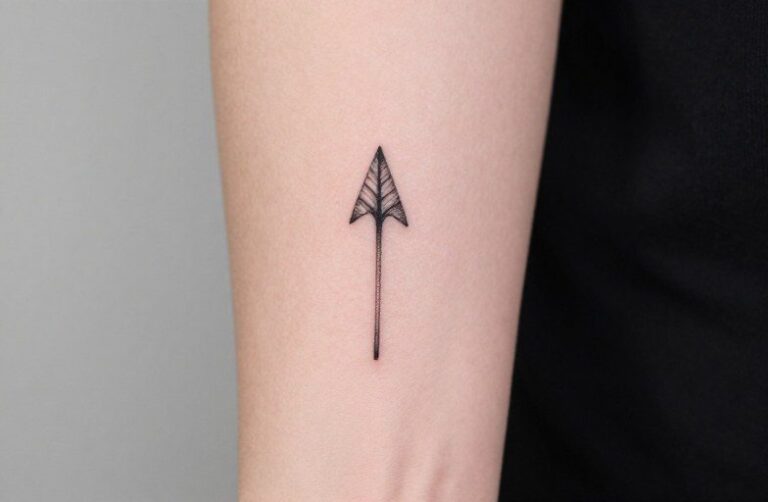
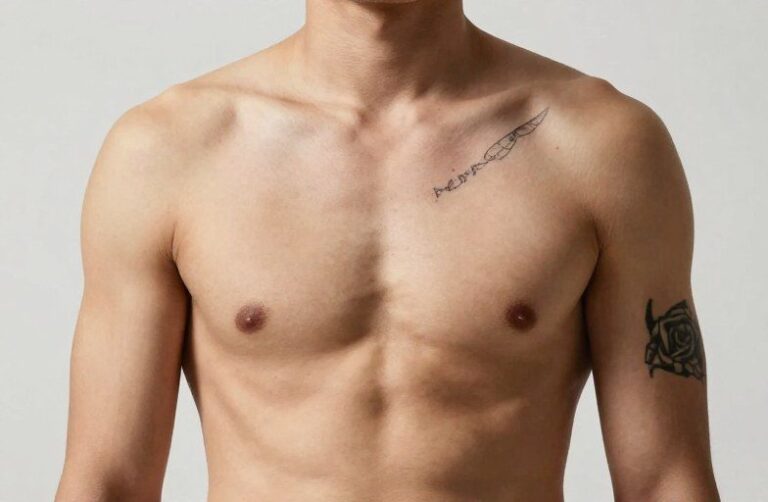
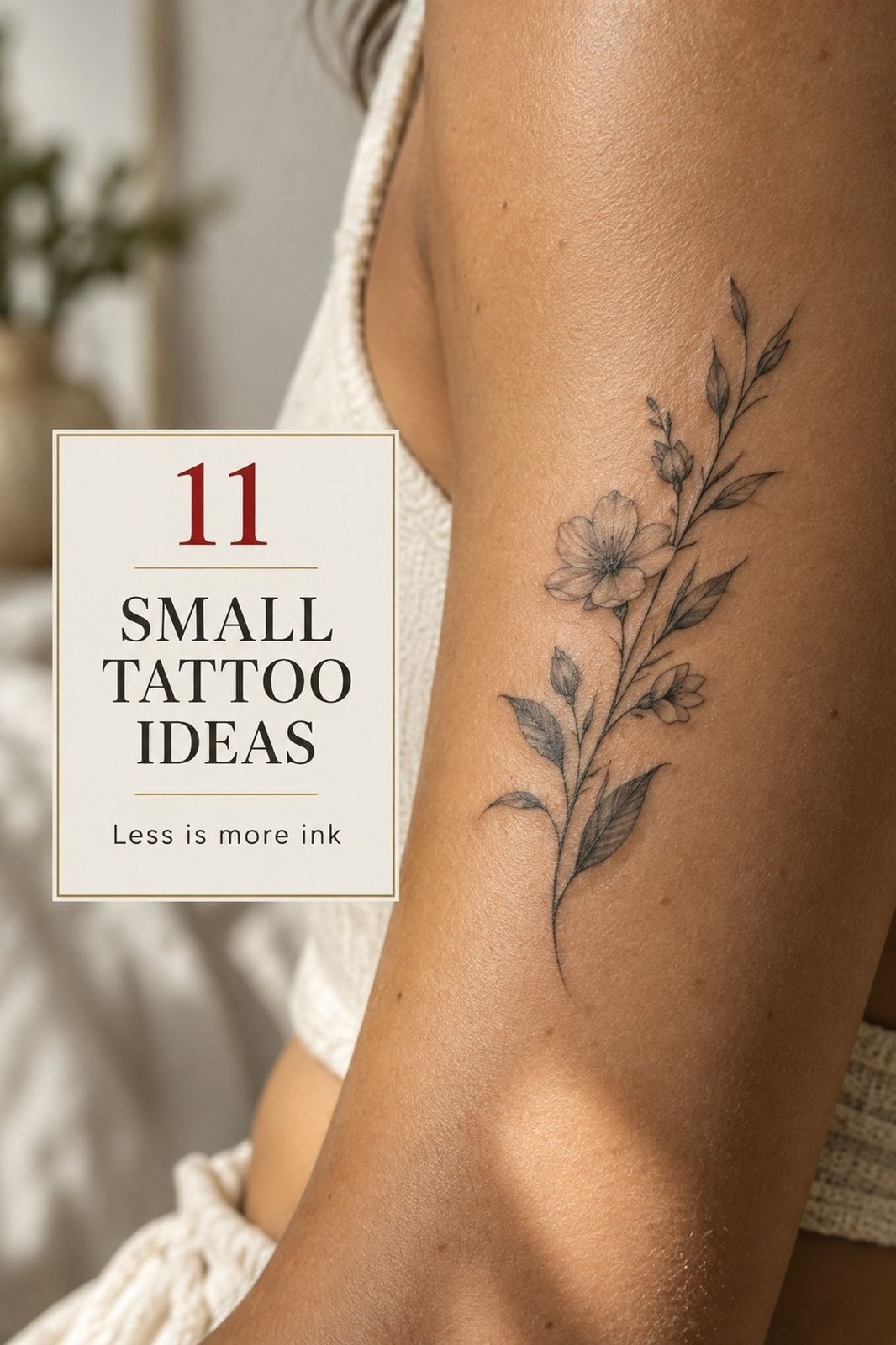
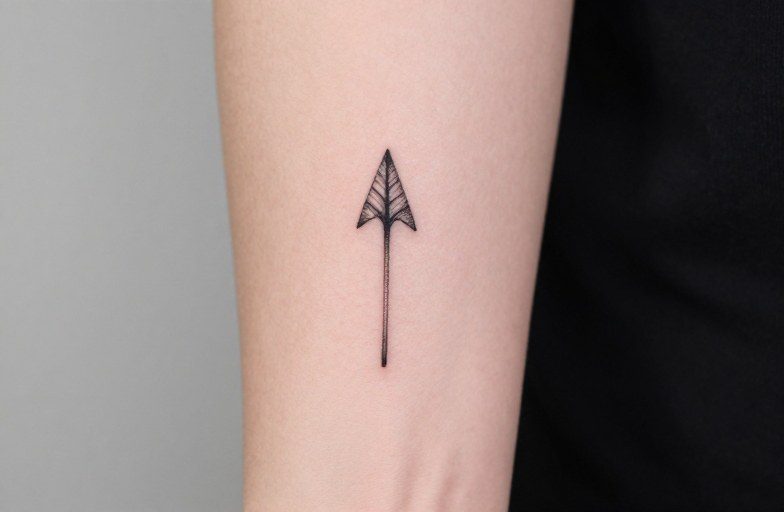
- Fine Line: Deliberate, wispy, often floral or ornamental. The current Instagram darling and the most frequently botched. Lines need to be thick enough to hold; hair-thin detail disappears into scar tissue within two years on many skin types.
- Neo-Traditional: Traditional structure with expanded color range and more illustrative subject matter. Animals, botanicals, and figurative work thrive here. Good middle ground for someone wanting boldness without strict historical limits.
Style Longevity vs. Trend Cycles
Biomechanical and tribal dominated the 90s; both now read as period pieces. Watercolor tattoos peaked around 2015 and many are now unrecognizable blobs. The lesson isn’t to avoid trends, it’s to understand what makes a style structurally sound. Heavy black outlines, sufficient contrast, and readable silhouettes survive regardless of trend. Pure color-gradient work without line structure rarely does.
Color Choices
Color behaves differently in skin than on paper or screen. Yellow and white sit highest in the dermis and fade fastest; they’re also the most prone to patchy healing. Darker skin tones carry melanin that can obscure pastels, this isn’t a limitation, it’s a parameter. Saturated purples, deep teals, and crimson reds show beautifully on melanin-rich skin where washed-out pink disappears.
Black and grey isn’t “safer” than color; it’s different. Black ink spreads slightly more predictably, but poorly applied black greywashes heal into muddy confusion. Color demands more technical precision from the artist and stricter aftercare from you. Sun exposure is the real killer, UV breaks down pigment particles regardless of color, but red and yellow degrade fastest.
Strategic Color Placement
Use color where it matters most. A mostly black and grey piece with one strategic red element draws the eye and holds impact longer than full-spectrum rainbows that compete for attention. Think of color as emphasis, not decoration.
Trending Variations
Current directions worth understanding:
- Ornamental and decorative: Lace patterns, mandala-derived geometry, filigree frames. Work best as large-scale pieces that use the body’s natural curves. Small ornamental tattoos often lose their precision as skin ages.
- Illustrative and painterly: Artists approaching tattooing like canvas work, visible brush strokes, deliberate color blocking, “unfinished” edges. Stunning when done well, but requires an artist with genuine painting background, not just filter mimicry.
- Dark, horror-tinged imagery: Macabre botanicals, animal skulls, occult symbolism. The gothic aesthetic has staying power because it connects to longer traditions rather than pure novelty.
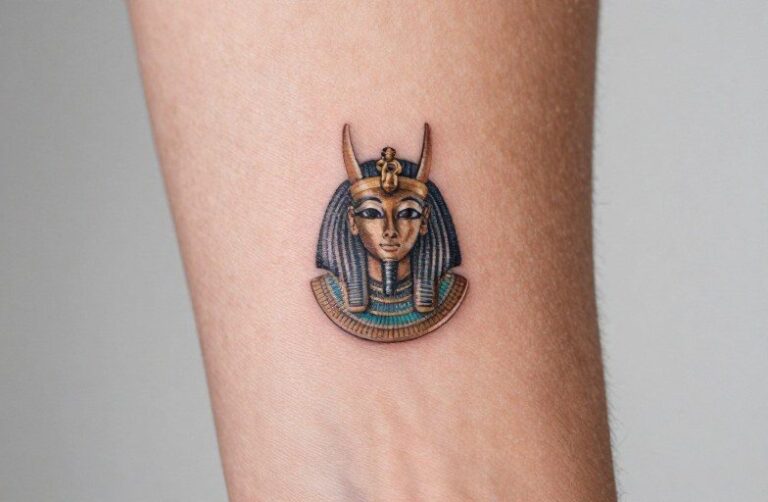
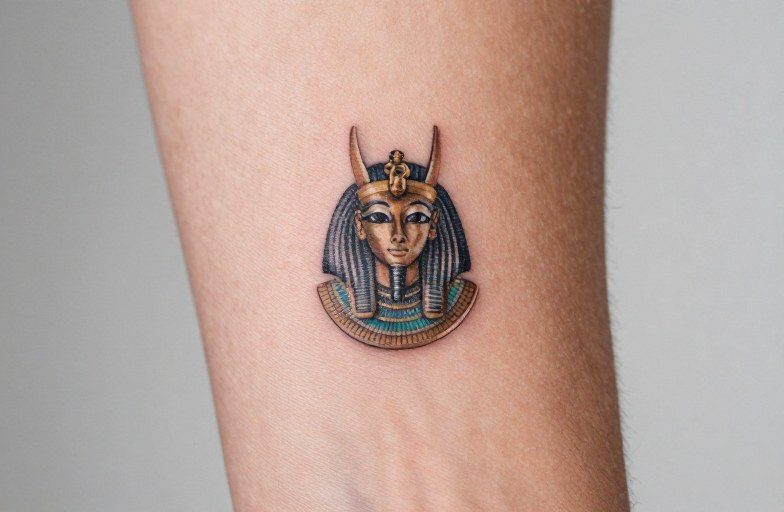
- Micro-realism: Tiny portraits, miniature objects. Technically impressive, practically questionable. The smaller the detail, the faster it becomes unrecognizable. Best reserved for areas with minimal sun exposure and on clients who understand the maintenance tradeoff.
What “Trending” Actually Means
A trend in tattooing usually means artists are currently good at executing it. The style itself may be old; the execution is what’s fresh. Don’t chase novelty for its own sake. Ask instead whether the approach has structural integrity for your specific skin, placement, and lifestyle.
Size & Scale
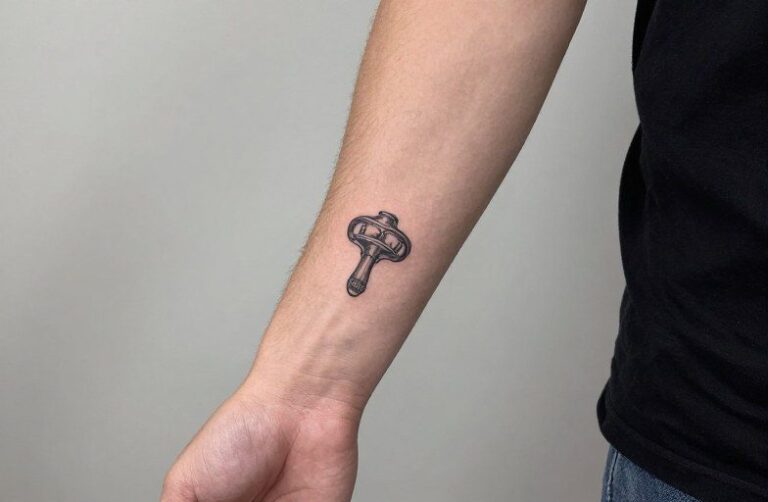
Small tattoos aren’t inferior, they’re just a different commitment. A quarter-sized piece on a wrist gets examined constantly; it needs to be clean enough to read at conversation distance. Large back pieces are viewed in mirrors and photos; they need to hold composition at scale.
Scaling affects detail density dramatically. A design with twenty elements that looks balanced at 8×10 inches becomes indecipherable at 3×3. Conversely, a simple image blown up too large can feel empty and underworked. The rule: complexity scales with size, but not linearly. Double the area doesn’t mean double the elements; it means the existing elements need more breathing room and more background to anchor them.
Placement also dictates perceived size. A 4-inch thigh piece reads as modest; the same 4 inches on a wrist dominates. Consider your frame, your existing work, and how the piece will sit with whatever comes next.
The Bottom Line
Awesome tattoo designs aren’t found, they’re built through specific choices about style, scale, color, and placement matched to your actual body and actual life. The best consultation happens with a specific artist about a specific concept, not through scrolling infinite options. Bring preferences, not prescriptions. Trust the technical eye of someone who has watched their own work heal and age across hundreds of different bodies. The design that excites you on screen and the design that serves you for decades share less overlap than the internet suggests. Your job is to close that gap honestly.
Frequently Asked Questions
How do I know if a design will age well or blur together?
Look for strong black outlines, clear silhouettes, and enough space between elements that they won’t bleed into each other. Ask your artist to show healed photos of similar work they’ve done, not just fresh tattoos. If the design relies on tiny details or subtle color gradients, expect significant softening within five years.
Can I get a detailed color piece on a small area like my wrist?
Technically yes, but practically it’s risky. Small areas limit how much detail holds up, and wrists get constant sun and friction. If you want color there, choose simpler shapes with bold outlines rather than complex shading. Consider whether you’d be happy with a slightly simplified version in ten years.
Is it better to plan a full sleeve or add pieces gradually?
Both approaches work, but gradual addition requires more planning. If you know you want a sleeve eventually, consult an artist about overall flow before starting, random placements can create awkward gaps that are hard to work around. A planned sleeve integrates background and filler naturally; a patched-together sleeve needs a unifying element to feel cohesive.
Why do some styles cost significantly more than others?
Time, technical difficulty, and artist specialization drive pricing. A solid traditional ship might take two hours; a photorealistic portrait with smooth gradients could take twelve. Color work often requires more sessions. Specialized artists, Japanese specialists, realism experts, command higher rates because their skill sets are narrower and demand is higher. The price usually reflects how long the artist has spent mastering that specific approach.