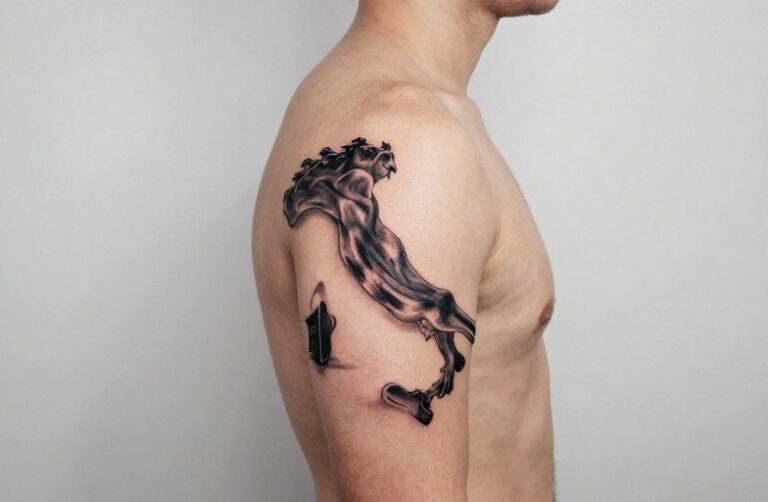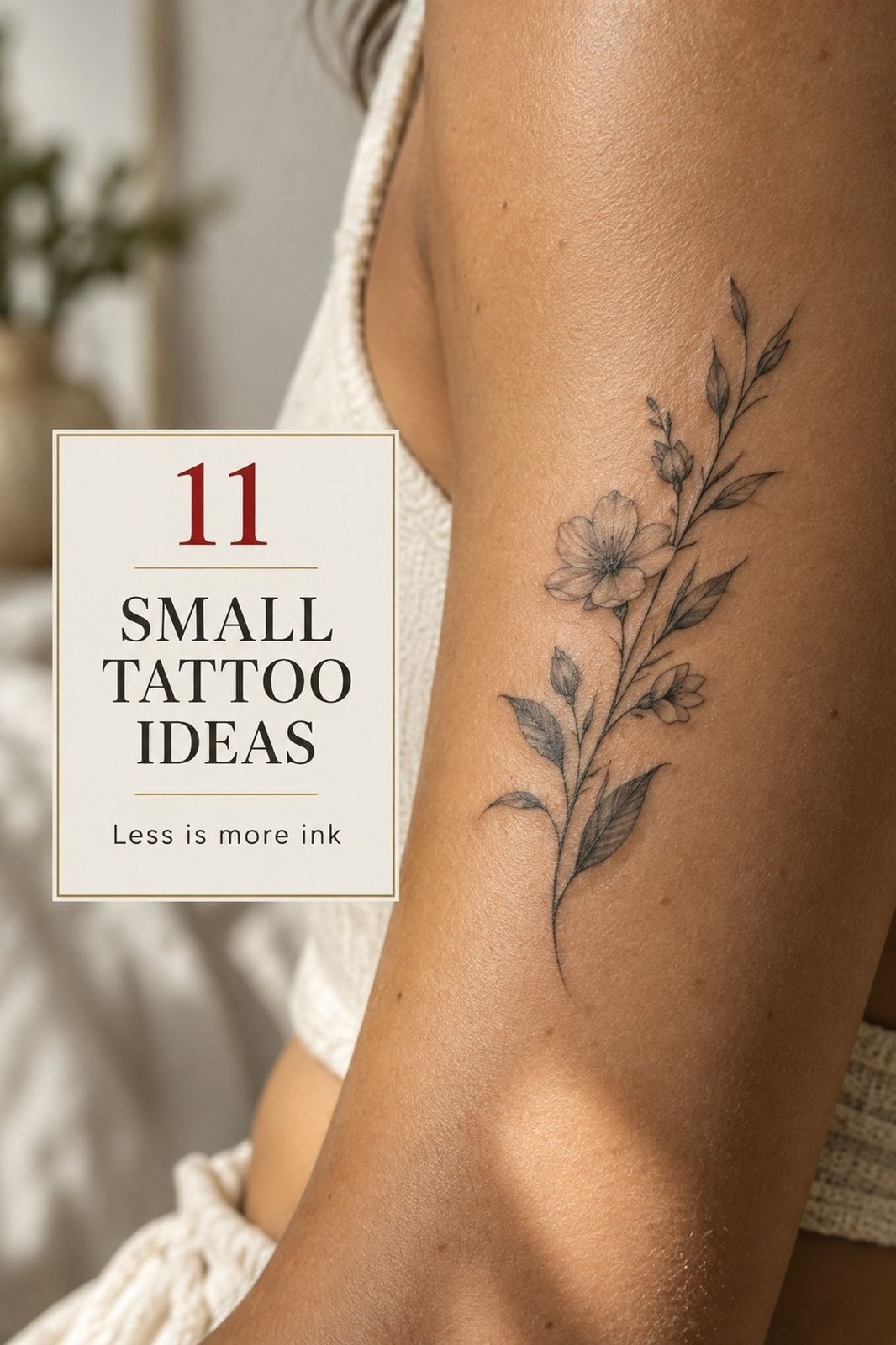
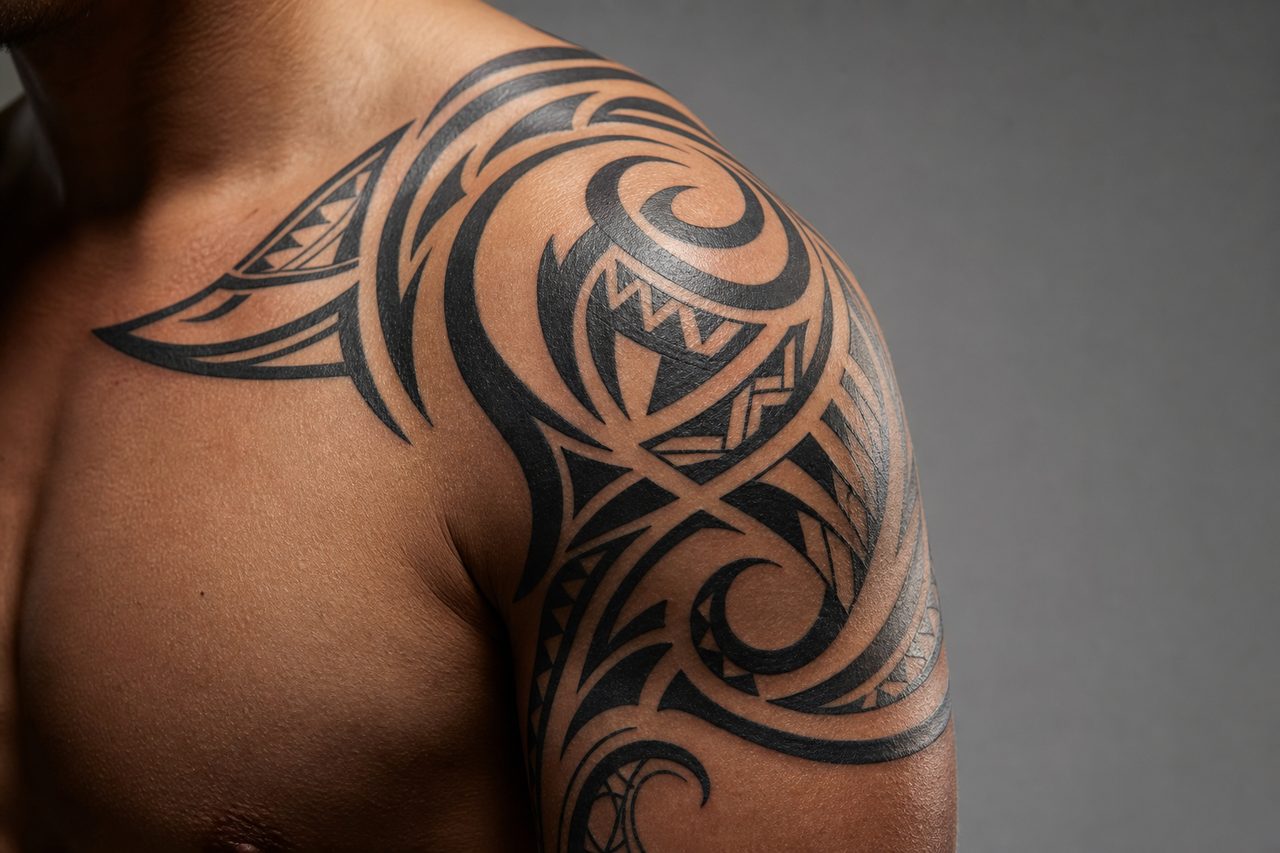
Tribal tattoos are patterns of bold black lines, geometric shapes, and organic curves that carry weight beyond their visual punch. They traditionally mark belonging, status, rites of passage, or protection. Today, people wear them to honor heritage, project strength, or simply because the raw, graphic power of the style speaks to them. The meaning hinges on which tradition the design draws from and what the wearer connects to within it.
Symbolism & Core Meaning
At their foundation, tribal designs are functional. The thick lines and solid black fill served practical purposes in the cultures that originated them: visibility from a distance, readability as they aged, and the ability to be applied with traditional tools. The symbolism layered on top varies by region and lineage.
Protection and Status
Polynesian ta moko and Maori tattooing often encoded genealogy, social rank, and achievements. The placement itself mattered, facial patterns signaled leadership in some Maori traditions. Samoan pe’a (the full male tattoo from waist to knees) represented a man’s readiness to serve his community and endure pain without flinching. These weren’t decorative choices. They were earned.
Connection to Ancestors and Nature
Many tribal patterns abstract natural elements: shark teeth for adaptability and ferocity, turtle shells for longevity, waves for change and continuity. The repetition of these motifs creates a visual rhythm that reads as both armor and map. Someone wearing these patterns today might be claiming that lineage, or they might be borrowing the visual language to express their own relationship to those qualities.
Who Chooses This Tattoo
The people drawn to tribal work fall into distinct camps, and the distinction matters.
- Heritage wearers with actual Polynesian, Maori, Filipino, or other indigenous roots seeking to reclaim or continue a practice interrupted by colonization or migration.
- Admirers of the aesthetic who respond to the graphic strength, the way black ink reads on any skin tone, and the timelessness of the style.
- People covering older work, tribal’s density and solid black make it excellent for cover-ups, though this requires a skilled hand to avoid the “black blob” problem.
The first group faces a tension. Cultural appropriation concerns are real and valid. Some patterns are sacred or restricted to specific ranks or achievements. If you’re not from that culture, working with a practitioner who is, who can guide you toward respectful choices or tell you no, is the only ethical path. The second and third groups should be equally thoughtful. A generic “tribal armband” copied from 1990s stock art carries no meaning and ages poorly without the structural integrity of authentic patterning.
Common Variations & Styles
“Tribal” isn’t one style. It’s an umbrella that covers distinct visual systems with different rules.
Polynesian and Maori
These are the most recognizable. Polynesian work uses triangular shapes, spearheads, and repetitive geometric bands. Maori ta moko features spiral forms called koru (based on unfurling fern fronds) and curvilinear patterns that follow muscle structure. Both are built to flow with the body, not sit flat on it. The best practitioners map designs to the specific contours of your shoulder, calf, or ribcage.
Filipino, Bornean, and Other Traditions
Filipino batok often incorporates geometric patterns and nature motifs tied to specific regions and tribes. Bornean Iban tattooing uses thick, bold lines in specific configurations for protection and spiritual passage. These traditions are less globally famous than Polynesian work, which means finding reference material and skilled practitioners requires more research, but also offers more unique results.
Neo-Tribal and Blackwork Offshoots
Contemporary artists have pushed tribal aesthetics into new territory: ornamental blackwork that borrows the density and flow but invents new motifs, or hybrid styles that blend tribal patterning with realism, lettering, or other genres. These aren’t traditional, but they can be original and well-executed if the artist understands the structural logic that makes tribal work succeed, flow, balance, and negative space.
Mythology & Folklore
The stories behind these patterns are often linked to specific cultural narratives, though origins are frequently debated and should be treated with care.
Polynesian Navigation and Creation
Many Polynesian patterns are commonly associated with the demigod Maui, who fished islands from the sea with his hook and lassoed the sun to slow its passage. The ocean and wayfinding saturate the visual language. Patterns might reference specific voyages or ancestral canoes. These aren’t generic “ocean vibes”, they’re tied to named histories.
Maori Origins of Tattooing
Maori tradition often links ta moko to the underworld and the goddess of death, Hinenuitepo, or to the union of sky and earth. The specific narratives vary by iwi (tribe), and many are tapu (sacred) and not shared casually. What matters is that the patterns carry living significance, not just historical curiosity.
Other traditions carry their own stories. Some trace Filipino batok to specific warrior heroes or protective spirits. The key point: these aren’t decoration with a story slapped on. The pattern and the meaning are inseparable in their original context.
How It Ages on Skin
Tribal work ages differently than fine-line or color pieces, and understanding this helps you choose wisely.
Bold black lines hold. They blur and spread over time like all ink, but the starting density means they remain readable longer than delicate work. The risk is different: poor application creates solid black areas that “blow out” at the edges, leaving fuzzy halos. Cheap tribal bands from the 1990s and 2000s are everywhere in laser removal clinics because the ink was heavy and the artistry was light.
Authentic Polynesian and Maori patterns are designed with built-in aging logic. The negative space (skin showing through) and the variation in line weight create visual interest even as lines soften. A solid black armband with no internal structure becomes a dull gray ring. A proper ta moko sleeve with graduated patterns and flowing koru forms stays dynamic for decades.
Placement affects aging too. Areas that stretch or see a lot of sun, the belly, upper arms, thighs, will degrade faster. The outer forearm, calf, and back hold up better. Touch-ups are possible but tricky; adding to solid black requires either going darker (risking blowout) or incorporating new negative space (changing the design).
Similar & Related Symbols
Several tattoo traditions share visual DNA with tribal work without being identical.
- Blackwork ornamental: Uses similar density and flow but draws from Islamic geometric art, European woodcut aesthetics, or invented patterns rather than indigenous sources.
- Dotwork mandalas: Share the repetitive, meditative quality and body-flow logic, but use stippled dots rather than solid lines.
- Celtic knotwork: Interlacing patterns with historical weight, though the visual language is distinct, more continuous line, less bold negative space.
- Japanese irezumi backgrounds: Wind bars and cloud backgrounds use solid black and negative space similarly, but serve as backdrop to figurative subjects rather than standalone meaning.
The overlap matters because some artists blend these approaches. A piece might use tribal flow patterns with Celtic interlace, or blackwork density with Maori koru forms. The success of these hybrids depends on whether the artist understands the structural rules of each tradition, not just the surface look.
The Takeaway
Tribal tattoos carry their weight in the line weight, the cultural specificity, and the body’s own architecture. The best pieces flow with muscle and bone, respect their source traditions, and use solid black as a deliberate choice rather than a default. The worst are copied bands that age into regret. If you’re drawn to this style, do the work: find practitioners connected to the tradition you want to honor, or artists who have genuinely studied its logic. Ask to see healed photos, not just fresh work. Know if you’re claiming heritage, admiring a visual system, or both, and be honest about which. The ink lasts longer than the impulse, and bold black is unforgiving of both bad application and shallow intent.
Frequently Asked Questions
Can anyone get a Polynesian or Maori tribal tattoo, or is it cultural appropriation?
This depends on the specific patterns and the practitioner’s guidance. Some designs are restricted to certain families or achievements. Working with an artist from that culture who can advise you is essential. Generic “tribal” flash copied from the internet is generally considered disrespectful.
Why do some tribal tattoos turn green or blue over time?
Black ink is a mix of pigments, and some formulations break down unevenly, revealing underlying blue or green tones. Quality ink and proper depth reduce this, but some color shift is normal. Touch-ups with a darker black can correct it.
What’s the difference between a tribal armband and a Polynesian sleeve?
An armband is typically a single band of repeating pattern, often stock art, wrapped around the upper arm. A Polynesian sleeve is custom-mapped to your body, uses varied motifs with specific meanings, and flows across multiple body areas with intentional negative space.
How painful is tribal tattooing compared to other styles?
The pain level depends on placement and your own tolerance, but the density matters. Tribal work requires more passes over the same area to build solid black, which can feel more intense than light shading. Large sessions are common, so endurance becomes a factor.