Side tattoos sit in that space between private and visible. The rib cage, flank, and hip follow curves rather than flat planes, so ink moves here, it breathes, stretches when you reach, compresses when you sit. That living quality is the point, but it also means the commitment runs deeper. Pain levels trend high. Ribs sit close to bone with thin skin and dense nerve bundles. This piece covers what actually works on female sides, how ink behaves in this zone, and how to match design to placement without chasing someone else’s Pinterest frame.
Understanding the Canvas
Before choosing what to put there, you need to understand what “there” actually means. The side is not one surface. Skin thickness changes dramatically from the sternum curve to the floating ribs to the hip flare. Each zone heals differently, holds ink differently, and moves through your daily life on its own schedule.
How Skin Behaves Here
Rib skin is thin. You can feel bone easily through it, which means the needle has less cushion and you feel more. But thin skin also means less dermal depth for ink to settle. Over time, lines spread slightly, a process called blowout, more visible here than on thighs or upper arms. Designs that account for this spread age better. Slightly bolder line weights than you might choose for a wrist or ankle. More negative space around elements. Less dense packing of small details.
Related reading: side tattoo ideas females | lower arm sleeve females | beautiful tattoo ideas | small female arm tattoos
Skin tension varies with posture. Standing straight, the ribs expand slightly. Sitting compresses the flank. A design that looks perfect on a flat stencil may distort when you twist to reach a seatbelt or lie on your side to sleep. Good artists mark your body in multiple positions before finalizing placement.
Working With Your Specific Shape
Long vertical designs, snakes, vines, script, trace the rib line and elongate the torso. For narrower waists, these add visual width. For broader frames, they create flow that draws the eye up and down rather than across. Curved compositions wrapping slightly toward the back or hip front follow natural muscular lines and age more gracefully than rigid geometric blocks that fight movement.
Consider what already exists on your skin:
- Freckle patterns that could integrate into dotwork or stipple shading
- Stretch marks to work around or incorporate as texture
- Scars that the design can bridge or disguise
- Natural waist indentation where a focal point can anchor
Personalization starts with your specific body, not an image shot on someone else’s frame.
Meaning Without Cliché
Botanical elements tied to birth month flowers, coordinates of meaningful places rendered in fine line, or animal silhouettes referencing personal heritage all read as intentional without requiring explanation. Single elements with negative space around them photograph better and age cleaner than dense collage work on ribs, where ink spread hits harder over time.
What Artists Are Actually Booking
Requests have shifted over the past several years. Some directions matured past novelty into reliable territory. Others emerged as technique improved.
Botanical and Floral
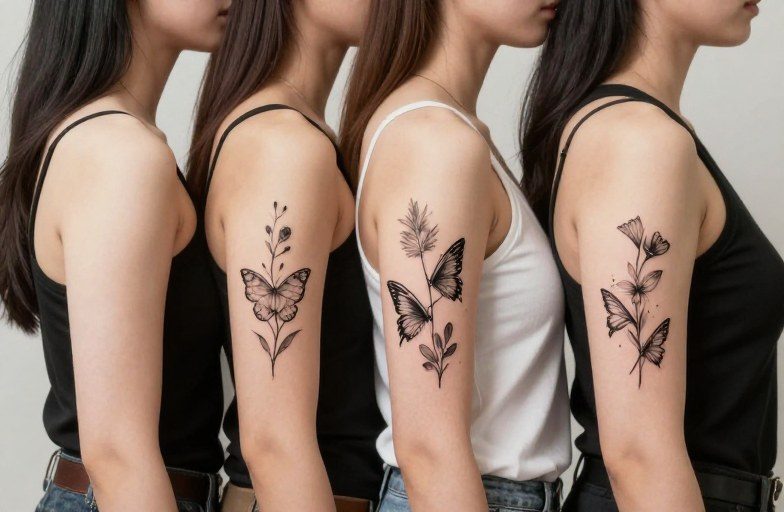
Single-stem wildflowers, eucalyptus branches, and peonies positioned along the bra line or drifting toward the hip dominate current requests. The “pressed flower” aesthetic, flat, illustrative, minimal shading, suits the side well because it heals predictably and touch-ups stay simple. Darker, traditional rose clusters with heavy black saturation are less common now; they require more sessions and fade unevenly on rib skin.
Script and Lettering
Vertical script following the rib cage, often in delicate cursive or typewriter fonts, remains consistently requested. The key shift: shorter phrases, smaller scale. Full rib panels of text have declined as clients recognize how ink blur affects readability. Two to four words, placed between the bra band and hip bone, maintain legibility for years.
Other notable directions:
- Fine-line celestial motifs, moons, constellations, minimal star clusters
- Small ornamental frames or mandorla shapes centered on the waist
- Single animal figures (moths, snakes, small cats) in illustrative or neo-traditional style
- Abstract brushstroke or watercolor-inspired pieces, though these require artists skilled in the specific technique
Designs That Translate Well
Specific concepts that work with female side anatomy rather than against it:
Snake or serpent. The S-curve mirrors the waist’s natural indentation. Scales provide texture without requiring massive fill. Head placement at the hip or lower rib with tail curling toward the back creates movement that flatters standing posture.
Single large bloom. A peony, magnolia, or chrysanthemum positioned with center at the waist’s narrowest point and petals extending up the ribs and down toward the hip. This uses the body’s shape as part of the composition.
Moon phases. Vertical arrangement of crescent through full moon, sized to fit between bra line and hip crest. Clean circles in fine line or blackwork read clearly even at smaller scale.
Bird in flight. Wingspan oriented vertically, body aligned with the rib line. Sparrows and swallows carry traditional resonance; herons or cranes offer more unusual silhouette.
Ornamental lace or filigree. Works particularly well tracing from hip bone upward, using the iliac crest as a natural anchor point. Black and grey shading creates depth without color maintenance.
Placement Breakdown
“Side” covers more territory than most clients initially consider. Precision matters for both pain management and visual outcome.
Rib Cage Proper
The area between the underbust and waist, directly over floating ribs. Most painful due to bone proximity and thin skin, but offers the longest uninterrupted vertical space. Designs here should account for bra strap placement; most artists recommend marking strap lines during consultation to avoid future frustration.
Flank and Hip
Below the waist, curving toward the hip bone and upper buttock. Slightly more forgiving tissue, though still sensitive. Excellent for designs that wrap or have asymmetrical composition. Underwear and bikini line placement should be marked; tanning and sun exposure affect this area heavily, so factor lifestyle into design darkness.
Side Underboob
The sternum-adjacent side curve, often connecting to central sternum pieces or standing alone. Very thin skin, high visibility of any imperfection. Small, precise work only: ornamental details, tiny florals, minimal symbols.
Placement practicalities:
- Rib pieces require you to lie on the opposite side or sit twisted, uncomfortable for long sessions
- Hip work allows lying on your back, generally more sustainable for 3+ hour appointments
- Both areas stretch significantly during pregnancy; plan timing accordingly if relevant
- Weight fluctuations affect side tattoos visibly; stable weight period is ideal before committing
Styles That Hold Up
Not every style adapts well to side skin’s challenges: constant movement, friction from clothing, thinner epidermis, and sun exposure when revealed.
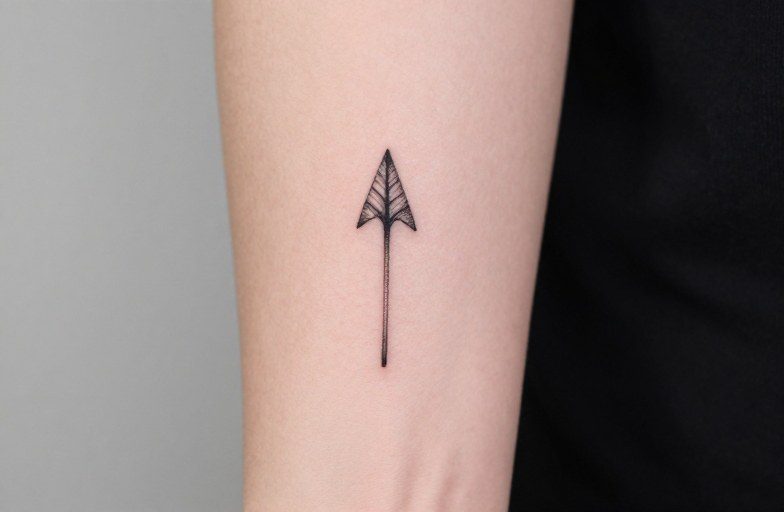
Fine line and single needle. Dominant for female side work now. The delicate aesthetic suits the area’s intimacy, but requires realistic expectations. Lines soften faster here than on forearms or thighs. Annual touch-ups may be necessary to maintain crispness. Choose artists with proven healed work in this style, not just fresh photos.
Black and grey realism. Flowers, animals, and portraits rendered in soft shading without color. Heals reliably, ages gracefully, and touch-ups blend seamlessly. The side’s curves actually assist realism by providing natural dimensional lighting.
Traditional and neo-traditional. Bold outlines and limited color palettes withstand aging better than most alternatives. The trade-off: heavier visual weight. A traditional snake or rose on the ribs reads as substantial, not delicate. Match this to your personal aesthetic and pain tolerance; solid color packing hurts significantly more than soft shading.
Ornamental and decorative. Mandalas, mehndi-inspired patterns, and geometric frames. These follow body contours intentionally and can be designed to emphasize or minimize specific shapes. Symmetrical pieces require you to stand straight during stenciling; even slight posture shifts distort the final result.
Styles to approach cautiously:
- Heavy watercolor or abstract color splashes; side skin’s movement and thinner dermis cause unpredictable healing
- Micro-realism; details blur within months on ribs specifically
- White ink only; fades to yellowish or disappears entirely on this area
Choosing Your Artist
Side work requires specific experience. General tattooing skill does not automatically transfer to curved, breathing, painful surfaces.
What to Request
Ask to see healed side work specifically, not just fresh pieces. Ribs and flanks challenge even experienced artists; stencil application on curved, breathing surface differs from flat skin. Ask how they position clients for long sessions. Artists without side-specific experience often underestimate the physical toll on both parties.
Questions worth asking:
- How do you handle stencil placement when the client is lying down but the design needs to read standing up?
- What line weight do you recommend for this specific placement to account for aging?
- Can you show me a photo of this style healed at one year on ribs or flank?
Session Planning
Rib tattoos exhaust most clients faster than expected. The combination of pain, awkward positioning, and shallow breathing many people default to under stress means 3-hour sessions often produce better results than 6-hour marathons. Plan for multiple sessions if the design is large. Eat solid food beforehand. Avoid scheduling during your menstrual period if you experience heightened sensitivity; many clients report ribs feeling significantly more tender then.
Hip work allows more comfortable positioning but still involves sensitive territory. Bring headphones. The sound of the machine near floating ribs affects some people more than the pain itself.
Aftercare Specific to Sides
Standard tattoo aftercare assumes relatively stable skin. Sides move constantly and contact clothing, so the basics need modification.
Clothing friction. Bra bands rub directly on rib tattoos. Plan to go braless or wear soft, non-underwired alternatives during initial healing. For hip work, high-waisted underwear or pants may need to be swapped for low-rise cuts that miss the fresh ink.
Sleeping position. You cannot sleep on a fresh rib tattoo for two to three weeks. If you are a side sleeper, this requires genuine adjustment. Some clients set up pregnancy pillows or body pillows to maintain back-sleeping position through the night.
Movement during healing. Deep breathing, laughing, coughing, all expand the ribs and stress fresh scabs. You cannot prevent this entirely, but be aware that side tattoos often experience slightly longer peeling phases due to constant micro-movement.
Sun exposure. Sides see sun when you want them to: beach days, poolside, cropped tops. Fresh ink needs complete sun avoidance; healed ink needs consistent SPF. This area tans unevenly and tattoo pigment fades faster under UV than on less exposed skin.
What to Remember
Side tattoos reward patience and punish impulse. The pain is real and not performative. The healing requires lifestyle adjustment you cannot shortcut. But the visual result, ink that moves with you, that reveals and conceals according to your choice, that traces your specific curves rather than sitting flat on standardized skin, holds value many clients find worth the difficulty.
Choose design and artist with equal care. Prioritize healed work in portfolios over fresh, dramatic photography. Account for your actual daily life: what you wear, how you sleep, whether you plan pregnancy, how your weight fluctuates. The side is not a forgiving place to discover you chose wrong.
Done well, with intention and technical skill, a side tattoo becomes part of your architecture rather than decoration applied to it. That integration is the goal. Take the time to achieve it.
Frequently Asked Questions
How painful are side tattoos compared to other placements?
Rib and flank tattoos rank among the most painful placements. The rib cage sits close to bone with thin skin and dense nerve bundles. Many clients describe the sensation as sharp and vibrating rather than dull. Hip and lower flank areas are slightly more forgiving due to more tissue coverage, but still sensitive. Pain tolerance varies individually, but plan for genuine discomfort rather than mild irritation.
Do side tattoos stretch during pregnancy or weight changes?
Yes, significantly. The rib cage expands during pregnancy and the abdomen stretches. Hip and flank skin also sees major dimensional change. If you anticipate pregnancy, consider timing your tattoo for after, or choose placement higher on the ribs where less stretching occurs. Weight fluctuations of 15-20 pounds or more will visibly affect side tattoo appearance. Stable weight periods are ideal before committing.
How long does a side tattoo take to heal?
Surface healing typically takes 2-3 weeks, but complete settling of the skin can take 2-3 months. Sides often heal slower than arms or legs due to constant movement from breathing, twisting, and clothing contact. The peeling phase may last longer. Plan for 4-6 weeks of careful aftercare before resuming normal friction and sun exposure.
Can I wear a bra after getting a rib tattoo?
Bras are problematic during initial healing. The band sits directly on rib tattoos, causing friction, moisture trapping, and potential ink loss. Most artists recommend going braless or wearing soft, wireless alternatives for at least one to two weeks. For underboob or side-underboob placements, even camisole pressure can irritate; plan clothing accordingly before your appointment.
What happens to side tattoos as I age?
All tattoos age, but sides face specific challenges. Skin thinness means lines spread slightly more than on thicker-skinned areas. Gravity affects the flank and hip as tissue softens over decades. Designs that follow natural contours and include adequate negative space age more gracefully than dense detail work. Sun protection and occasional touch-ups, every 5-10 years for fine line, help maintain appearance.