Symbols carry weight because they compress complex ideas into simple shapes. A good symbolic tattoo works like a visual shorthand, recognizable to strangers, layered with private significance for you. The trick is choosing imagery that won’t flatten into meaningless decoration as trends shift. This guide covers what actually works in skin: placements that preserve detail, styles suited to specific symbols, and how to build something personal without leaning on cliché.
Size & Scale
Small Symbols That Hold Up
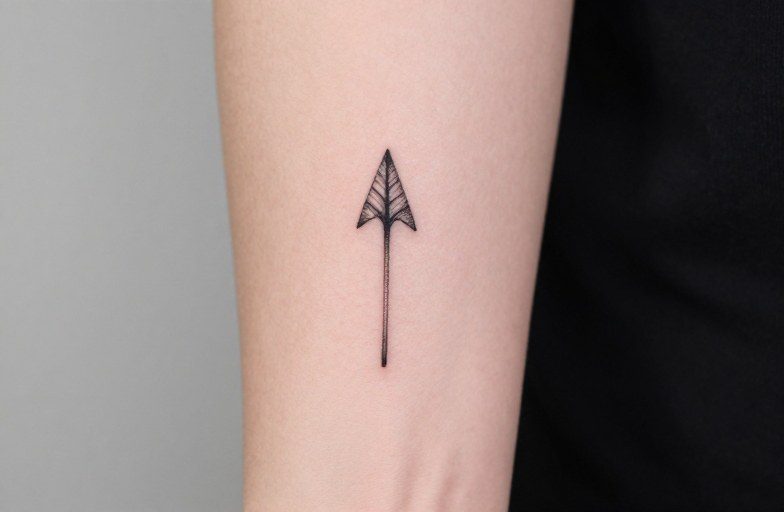
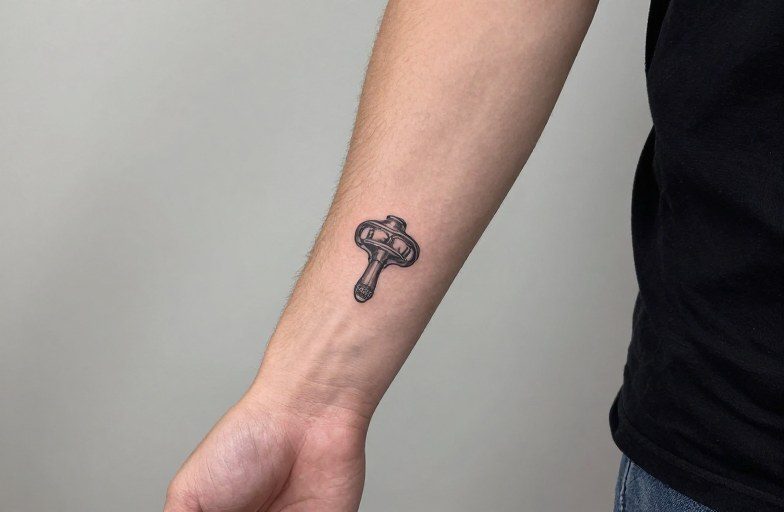
Fine-line alchemical symbols, minimalist runes, and tiny geometric markers work best at 1, 2 inches when placed on high-traffic areas like the wrist, collarbone, or behind the ear. The catch: single-needle lines blur faster than bold work. A 1-inch ouroboros on a finger will need touch-ups within 2, 3 years. Better small placements are the inner forearm, just above the ankle bone, or the side of the ribcage, skin that moves less and sees less sun.
Consider negative space carefully. A small yin-yang or Adinkra symbol needs breathing room around it or it reads as a smudge from a distance. Rule of thumb: the symbol’s thinnest line should be no narrower than a grain of rice.
When to Go Larger
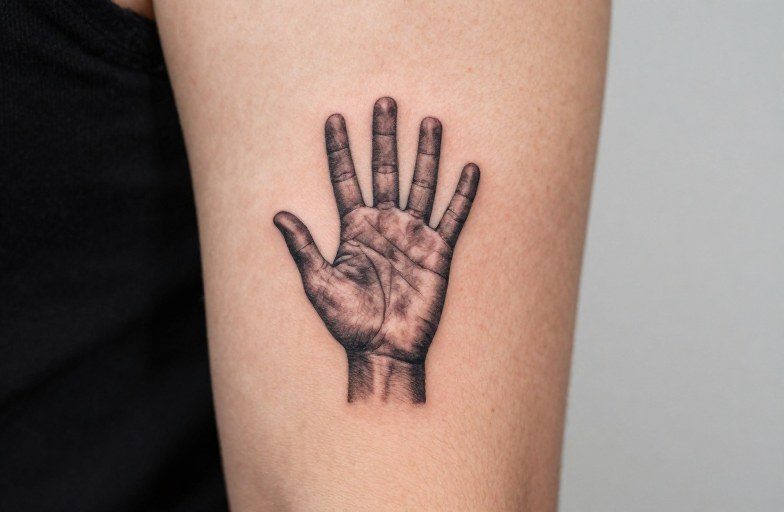
Complex symbols, mandalas, tree-of-life variants, layered sacred geometry, need scale to breathe. At 4+ inches on the upper arm, thigh, or back, you can include graduated linework, stippled shading, and multiple nested elements without them mushing together. A full back piece allows for a symbolic landscape: a mountain range standing for obstacles overcome, a river for continuity, rendered with enough detail that the symbolism reads visually even before the viewer knows the meaning.
Popular Styles
Blackwork and Linework
Bold black symbols, Nordic runes, Japanese family crests (kamon), or Adinkra symbols from Ghana, age exceptionally well. The high contrast keeps them readable for decades. Linework specialists can render geometric sacred symbols with machine-precision symmetry, though hand-poked alternatives offer slight organic variation that some prefer for spiritual pieces.
- Runes and ogham: best in pure black, avoid adding color that competes with the angular forms
- Geometric mandalas: dotwork shading preserves detail better than smooth gradients
- Alchemical symbols: classic pairing with banner scrolls or standalone on knuckles/forearms
Illustrative and Neo-Traditional
Symbolic imagery gains narrative weight through illustrative treatment. A neo-traditional raven isn’t just a bird, it’s a carrier of meaning (often linked to Norse mythology as Odin’s watchers, or to Victorian mourning symbolism). The style’s bold outlines and limited color palette keep symbolic elements distinct even as they age. A dagger through a rose, rendered neo-traditionally, carries layers: sacrifice, beauty’s thorns, protection.
Standout Design Ideas
Less-Common Cultural Symbols
Move beyond the overused lotus and infinity loop. The Vegvísir (Icelandic stave, often linked to guidance) offers complex radial geometry. The Sankofa bird (Akan symbol, one foot forward, head turned back) represents learning from the past, visually distinctive and conversation-starting. Japanese tomoe (comma-shaped swirls) appear in triplets as mitsudomoe, carrying associations with Shinto divinity and the interplay of forces.
Research matters here. Appropriating closed spiritual symbols, sacred Indigenous imagery, specific clan markings, or religious iconography requiring initiation, creates real harm. Stick to symbols with documented cross-cultural use or personal familial connection.
Abstracted Personal Symbols
Commissioning custom symbolic work lets you build visual systems. A client once worked with an artist to develop a personal sigil: their initials abstracted into interlocking angles, combined with a constellation pattern from the night their child was born. The result reads as geometric art to strangers, carries precise meaning for them. This approach requires finding an artist comfortable with collaborative design, not just replication.
How to Personalize It
Generic symbolism fails because it attempts universal meaning. Personalization happens through combination and context.
- Embed dates or coordinates subtly: Roman numerals circling a symbol’s border, or latitude/longitude worked into geometric negative space
- Pair contradictory symbols: a skull with growing vines, a broken chain reforging, visualizing tension rather than resolution
- Use location-specific imagery: a phoenix rendered with your city’s skyline silhouette, or a compass rose oriented to magnetic north of your birthplace
Color carries symbolic weight beyond aesthetic preference. In Japanese tradition, red koi represent love and motherhood; black koi overcome adversity. A raven in blue-black reads differently than one in warm brown. Discuss these nuances with your artist rather than defaulting to their standard palette.
Tips for Choosing
Evaluating Longevity
Symbols with dense internal detail, intricate Celtic knots, micro-script, fine mandala centers, blur predictably. Test how a design ages by viewing it at 50% opacity in Photoshop: does the core symbol remain identifiable? If not, simplify. Lines should maintain minimum weight; negative space between elements should exceed the line width itself.
Placement and Visibility
Highly visible symbolic tattoos (hands, neck, face) become public property in a way private placements don’t. A semicolon on the wrist invites conversation about mental health; the same symbol on the ribcage remains yours to disclose. Consider whether the symbol’s meaning benefits from social function or private retention.
Healing reality affects placement choice. Inner biceps rub against torso; ankle tattoos swell and scab with shoe friction. Symbols requiring precise line integrity heal best on the outer upper arm, upper back, or thigh, areas with stable skin and minimal contact.
Matching & Pairing Ideas
Symbolic tattoos gain dimension through deliberate pairing, not duplication.
- Complementary opposites: one partner carries a sun, the other a moon, rendered in matching style but distinct composition
- Sequential narrative: two pieces on the same limb, read in order, a locked door above, a key below
- Split symbols: a single image divided across two bodies, complete only when aligned
- Generational echo: parent and child with matching constellation patterns, the child’s showing stars that rose on their birth date
Avoid exact matching tattoos for couples. Relationship dynamics shift; identical ink becomes a scar rather than a bond. Better to share a symbolic system, same visual language, different sentences.
Final Thoughts
The best symbolic tattoos resist immediate legibility. They reward closer looking with deeper structure. Prioritize artists who ask what the symbol means to you, not just where you want it placed. The consultation conversation reveals whether they’ll build something layered or apply a stencil. Good symbolic work should feel slightly uncomfortable in its specificity, that’s how you know it’s yours, not stock imagery wearing your skin.
Frequently Asked Questions
How do I know if a cultural symbol is appropriate for me to get?
Research whether the symbol originates from a closed spiritual practice or requires specific cultural initiation. Symbols with documented cross-cultural use, personal familial connection, or historical secular application are generally safer. When uncertain, consult members of that culture or choose alternative imagery rather than risk appropriation.
Will fine-line symbolic tattoos last as long as bold blackwork?
Fine lines blur faster than bold work, especially on high-movement areas like fingers and wrists. For longevity, choose slightly thicker line weights, stable placements like the outer upper arm or thigh, and plan for touch-ups every 3, 5 years if you want crisp detail preserved.
Can I combine multiple symbols into one cohesive design?
Yes, but work with an artist experienced in symbolic composition. Overloading a single piece creates visual noise. Successful combinations usually limit themselves to 2, 3 core elements with clear visual hierarchy, connected through shared geometry or negative space rather than mere proximity.
How do I explain my symbolic tattoo without revealing its private meaning?
Develop a surface-level description that satisfies casual inquiry without exposing depth. Many symbol carriers describe the visual elements, ‘it’s geometric patterning I developed with my artist’, rather than the personal narrative. The symbol’s power remains intact without public disclosure.