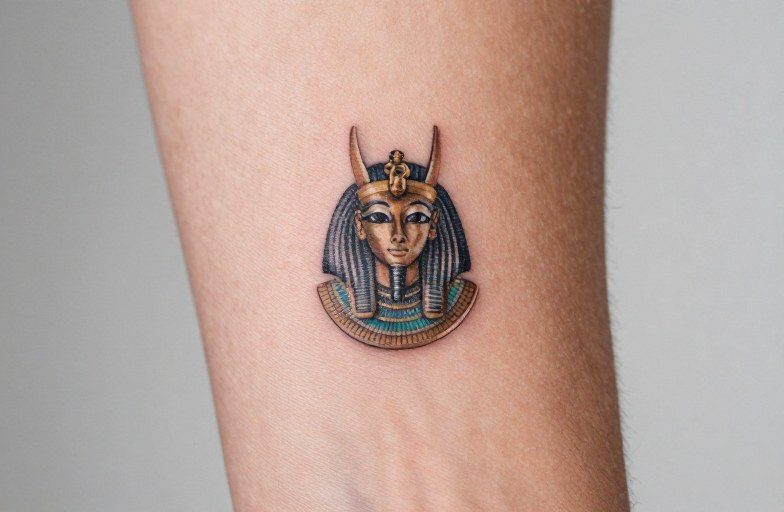
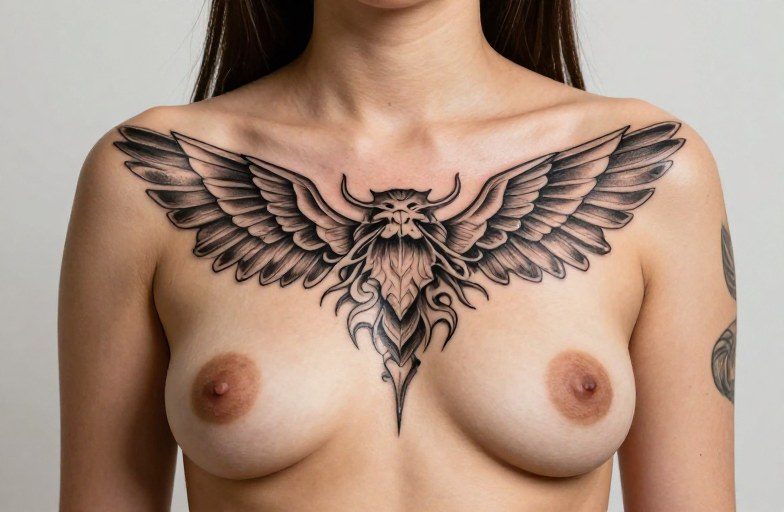
Chest tattoos on women, pecho tatuajes, have moved far beyond the small sternum pieces that dominated the 2010s. Today’s designs spread across collarbones, wrap under breasts, climb onto shoulders, and fill spaces that clothing rarely exposes. The canvas is intimate, visible when you want it to be, and the work tends to hurt more than arm or leg placements. That combination, personal significance plus physical commitment, makes the choice worth planning carefully.
How to Personalize It
Building Around Your Anatomy
Your sternum, breastbone, and the natural curves beneath your breasts aren’t flat surfaces. A skilled artist maps designs to follow these shapes rather than fight them. Vertical compositions, snakes, swords, florals with trailing stems, flow naturally down the sternum. Horizontal pieces work better across the upper chest, following collarbone lines. Under-breast tattoos, sometimes called “underboob” or “breast crease” work, arc along the natural fold where breast meets ribcage. This placement ages better when the design incorporates the curve rather than placing a rigid geometric shape that will distort with movement and gravity.
Making Symbolism Specific
Generic meaning undermines chest pieces because the placement itself signals intentionality. A snake here shouldn’t just be “rebirth”, it should reference something particular: a medical recovery, a career change, a toxic relationship shed. Moths and butterflies work well in this space, but the species matters. A death’s-head hawkmoth carries different weight than a monarch. Religious iconography, Virgen de Guadalupe, milagros, Sacred Hearts, has deep roots in Latina chest tattoo traditions and connects to specific family or cultural histories. The closer the image ties to your actual life, the less the piece will feel like a trend you outgrow.
Best Placements
Central and Upper Chest
The sternum and space between breasts remains the most requested area. Visibility is the draw: shown with V-necks, hidden under crew necks. Pain here is sharp and direct, thin skin over bone, plus the sternum’s nerve density. Sessions typically run shorter because clients tap out faster. Small to medium pieces work best; large coverage requires multiple sessions and significant discomfort tolerance.
- Collarbone framing: Pieces that sit along or just below the clavicle, sometimes extending onto the shoulder caps. Flatters the bone structure but will be partially visible in most necklines.
- Full chest panels: Symmetrical designs that span from shoulder to shoulder, sometimes connecting to throat or belly work. Major commitment, usually built in stages.
- Side chest/axillary: The area wrapping from front to side, near the armpit. Less common, good for extending existing rib or arm pieces.
Under-Breast and Lower Chest
This placement has grown dramatically in the last decade. The arc follows natural anatomy, creating a framing effect. Designs here often feature mandalas, geometric patterns, or organic shapes that mirror the breast curve. Healing requires particular attention, bras, sports bras, and even loose shirts rub this area constantly. Many artists recommend going braless or wearing soft, unstructured tops during the first two weeks. The skin here stretches and compresses significantly with weight fluctuation, pregnancy, and aging; designs with built-in flexibility age better than rigid geometric precision.
Tips for Choosing
Start with the artist, not the Instagram image. Chest skin behaves differently than back or arm skin, it stretches more, shows texture changes earlier, and sits in a zone where sun exposure happens even when you think you’re covered. Look for artists with healed chest pieces in their portfolio, not just fresh photos. Fresh work looks crisp; healed work shows whether the artist understands how ink settles in this specific area.
Size matters for longevity. Extremely fine lines in sternum pieces tend to blur within 3-5 years as the skin moves and compresses. Slightly bolder line weights hold definition longer. Negative space, skin showing through the design, prevents the muddy, solid-black look that aged chest pieces sometimes develop. Shading technique also varies: whip shading and pepper shading create softer gradients that age more gracefully than solid saturation in this mobile, thin-skinned zone.
Matching & Pairing Ideas
Connecting to Existing Work
Chest pieces often serve as connectors. A throat tattoo can flow down into a sternum piece. Rib work can extend upward into under-breast designs. Sleeve tattoos sometimes continue across the shoulder onto the upper chest. Planning these connections requires foresight, an isolated chest piece may limit future options or create awkward gaps. If you have arm or back work, bring reference photos to your consultation so the artist can design flow that respects existing lines.
Symmetrical Pairs
Some women choose matching designs on each side of the sternum, two birds, two flowers, two eyes. This creates balance but risks looking like clip art if the imagery is too generic. More successful approaches use related but non-identical images: a moon and sun, a blooming flower and a seed pod, a hand receiving and a hand giving. The slight asymmetry looks more organic and less like a mirrored digital design.
For First-Timers
The chest is not the place to test whether you “can handle” tattoo pain. It’s objectively more painful than most common first placements. If you’re committed to this location for your first tattoo, choose something smaller than you think you want. You can always add. Removing or covering is expensive and limited by the skin quality this area develops.
Research aftercare specifically for chest placement. Standard advice, keep it clean, don’t pick, applies everywhere, but the chest has specific challenges. Sleep position matters: stomach sleepers will struggle. Your bedding will stick to fresh work. Sports bras, binders, and even seatbelts create friction. Plan your appointment around a period when you can minimize these pressures, not right before a beach vacation or athletic event.
Color Choices
Black and Gray Longevity
Black and gray work ages most predictably on chest skin. The contrast between black ink and natural skin tone creates readable images even as lines soften slightly. Gray wash shading in this area tends to settle smoothly rather than mottling, provided the artist understands how thin chest skin accepts ink differently than thicker areas.
Color Considerations
Bright color, reds, yellows, oranges, can look stunning fresh but faces specific challenges here. The chest gets more sun exposure than people realize: driving, walking, sitting near windows. UV fades color faster than black. Red pigments also have a higher reaction rate in sensitive skin, and the chest’s thinness makes any irritation more visible. If you want color, consider limited accents rather than full color fields, or plan for more frequent touch-ups than arm or leg color work requires.
Skin tone affects color choice significantly. On darker skin, white ink rarely stays visible long-term and often ages to a yellowish or skin-tone blur. Color saturation needs to be deeper to read clearly. Artists experienced with your specific skin tone will adjust pigment choices accordingly, this isn’t about “coloring in” differently, but about understanding how undertones affect healed results.
Key Takeaways
Pecho tatuajes for women offer a placement that’s simultaneously bold and controllable, seen when you choose, hidden when you need. The anatomy demands respect: designs must flow with curves, not against them, and account for how this skin moves, stretches, and ages. Pain is real and placement-specific, but manageable with proper session planning. Black and gray offers the safest longevity bet; color requires more maintenance consciousness. Most importantly, this placement signals intention, choose imagery with enough personal specificity that you’ll still value it when trends shift and your body changes.
Frequently Asked Questions
How painful is a chest tattoo compared to other placements?
The sternum and collarbone rank among the most painful spots due to thin skin over bone and dense nerve endings. Under-breast and side chest areas hurt less but still exceed arm or thigh pain for most people. Pain tolerance varies, but plan for intensity and shorter sessions.
Will a chest tattoo stretch if I get pregnant or gain weight?
Some distortion is likely with significant breast or chest size changes. Under-breast and side placements stretch most. Sternum pieces fare better but aren’t immune. Artists can design with some flexibility built in, but no chest tattoo is completely change-proof.
Can I wear a bra after getting an under-breast tattoo?
You’ll need to avoid tight bras, underwires, and anything that rubs the area for at least two weeks. Many clients go braless or wear soft, unstructured crop tops during healing. Plan your appointment timing accordingly.
How do I find an artist who specializes in chest tattoos on women?
Look for healed chest work in their portfolio, not just fresh photos. Ask specifically about their experience with your breast size or chest anatomy. Good artists will discuss how they adapt designs to individual bodies rather than applying identical stencils to everyone.