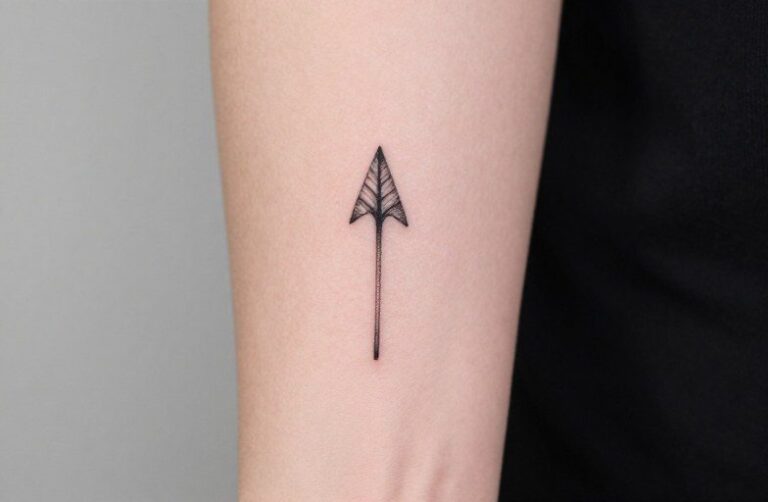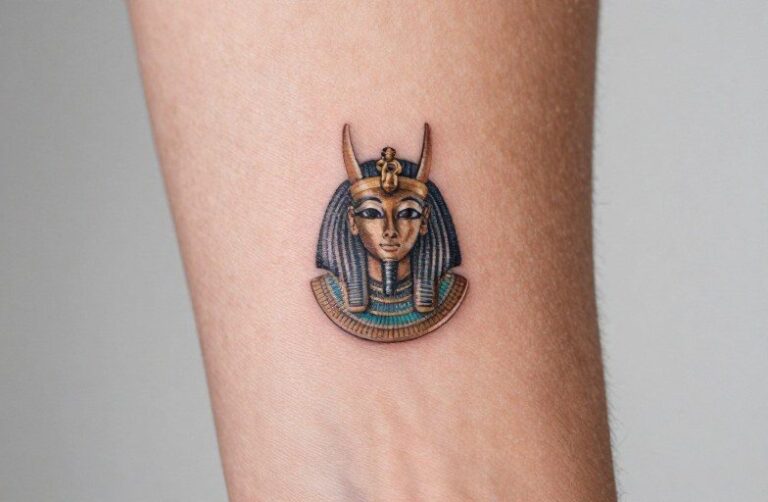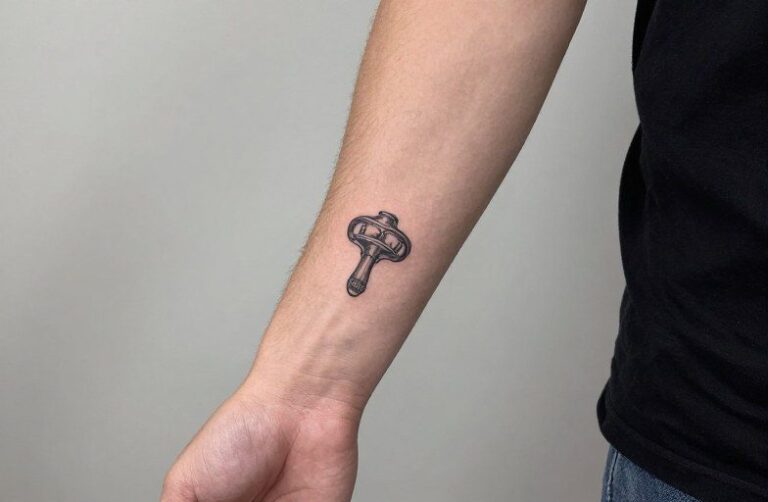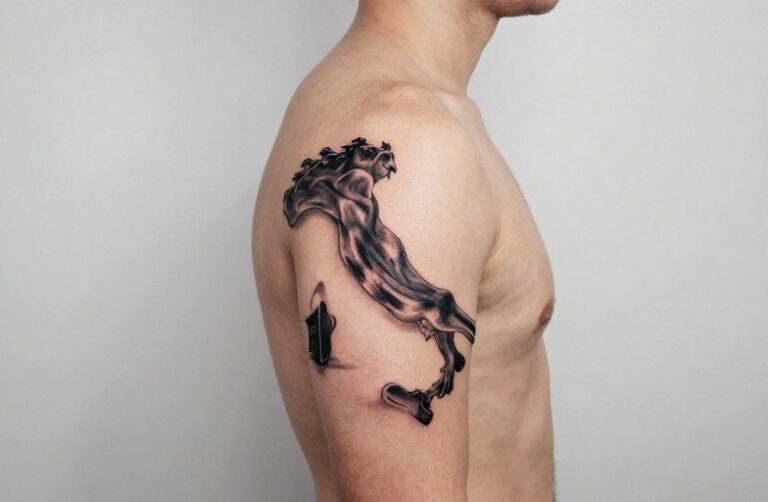
Shading transforms a flat outline into something that breathes. Without it, even the most precise linework sits on the surface like a sticker. With it, a rose folds into itself, a skull hollows into shadow, a landscape pulls back into atmospheric distance. The techniques for achieving this depth vary widely, smooth gray-wash gradients, stippled dots building tone gradually, whip shading’s textured edges, or the bold contrast of traditional black-and-gray packing. Each approach carries its own visual weight and ages differently on skin. Understanding these distinctions matters before you commit to a design, because the shading method chosen on day one determines how that tattoo reads five, ten, or twenty years out.
Popular Styles
Black-and-Gray Realism
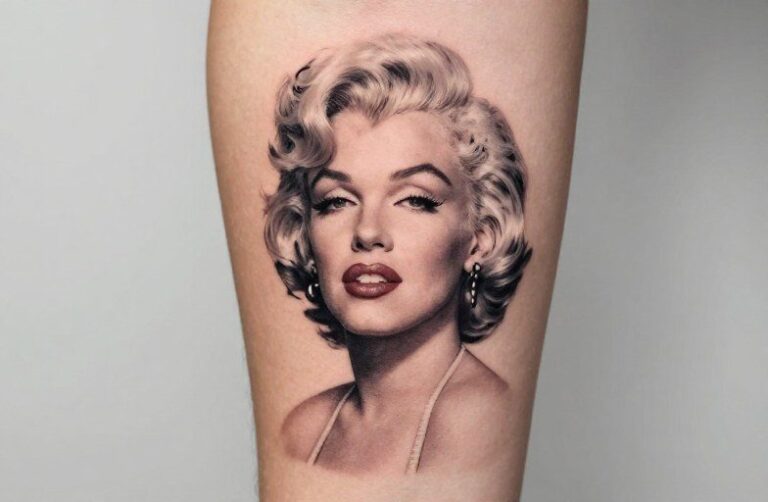
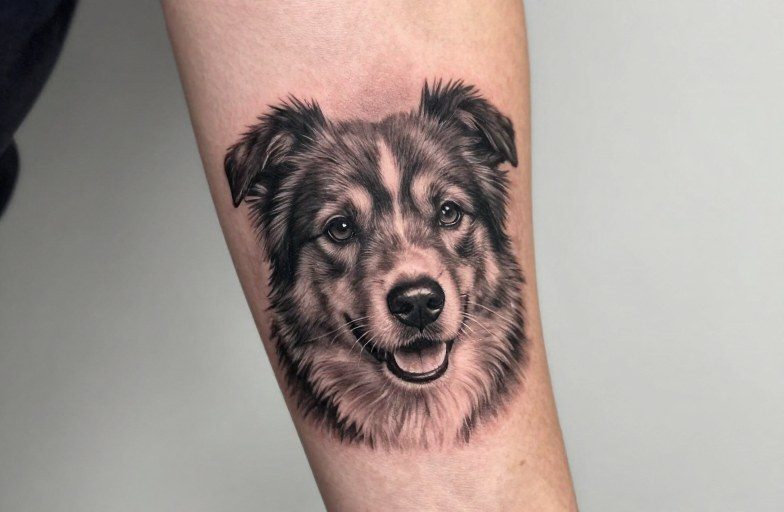
The smooth gradient work here demands technical precision. Artists build tone through diluted black ink (gray wash) in multiple passes, creating the illusion of photographs on skin. Portraits, wildlife, and religious imagery dominate this category. The downside: these tattoos require touch-ups more frequently than bolder styles. Fine highlight areas, those almost-white passages, tend to drop out as skin regenerates, and smooth gradients can muddy if the artist works too deep or the client sun-tans aggressively. Best executed on flat, stable skin areas like the outer upper arm, thigh, or calf where the surface doesn’t twist dramatically with movement.
Neo-Traditional and Illustrative Shading
Here, shading serves the drawing rather than imitating reality. Artists use limited gray palettes, often just 2-3 tones, with deliberate edges between values. The “cartoon” quality isn’t a flaw, it’s the point. Bold black outlines contain the shading, which slows aging considerably. Whip shading creates a feathered, directional texture popular in this style; the needle flicked outward at the end of each stroke leaves a soft tail that reads as volume without smooth blending. These tattoos hold their readability for decades because the value structure is simple and the outlines are heavy.
Stipple and Dotwork
Every tone is built from individual dots, denser in shadow areas, sparser in light. The technique is slow and demands patience from both parties, but the results are distinctive, almost a halftone print quality. Mandalas, geometric patterns, and nature scenes (especially celestial or botanical subjects) benefit from this approach. Dotwork ages gracefully because there’s no continuous tone to blur; instead, dots simply spread slightly, maintaining their character. The trade-off is time in the chair and the need for an artist with genuine stippling experience, not someone improvising with a shader they don’t control well.
- Smooth gray wash: best for realism, requires maintenance, sensitive to sun exposure
- Whip shading: textured, directional, holds well in bold illustrative work
- Stipple/dotwork: distinctive aesthetic, slower process, excellent longevity
- Packed black: maximum contrast, traditional roots, clearest aging trajectory
Best Placements
Where Shading Shines
Flat, broad surfaces allow shading to display its full range. The outer thigh offers excellent real estate for landscapes or large-scale portraits where gradual tone shifts need room to develop. The upper back, between the shoulder blades, provides a stable canvas that doesn’t distort much with age or weight fluctuation. The outer upper arm, what artists call the “canvas”, remains the classic choice for a reason: consistent skin texture, good visibility for the wearer, and enough flat area for complex value arrangements.
Placement Challenges
Shading struggles where skin stretches, folds, or rubs constantly. Inner biceps, elbows, and knees twist the surface dramatically; a smooth gradient placed there shifts into something unintended every time you flex. Finger tattoos, popular for small designs, destroy subtle shading, the ink spreads in the thin, mobile skin, and the constant use blurs what was once delicate. Ribs and stomachs accommodate large work but require the artist to account for how the body expands and contracts; a stomach piece that reads perfectly standing may compress weirdly when seated. If you’re committed to a high-movement area, choose simpler value structures with harder edges rather than smooth blends.
Size & Scale
Small shading is a trap that catches many first-timers. A palm-sized design with four distinct gray tones sounds sophisticated; in practice, those tones collapse into each other within a few years. The minimum workable size for meaningful shading depends on the technique. A single whip-shaded element, say, a traditional dagger or small animal head, can succeed at 3-4 inches if the values are limited to two: black and one gray. Anything requiring gradual transition needs more space. A realistic eye with proper iris shading, sclera tone, and lid shadow realistically demands 5+ inches to avoid becoming a gray smudge by year ten.
Large-scale shading work benefits from planning the value structure across the whole composition rather than element by element. A full sleeve with consistent light source, shadow falling uniformly from upper left to lower right, creates cohesion that piecemeal additions rarely achieve. If you’re building incrementally, discuss the master plan with your artist so each new segment matches the established tonal logic.
Tips for Choosing
Evaluating Artist Portfolios
Look specifically for healed work, not fresh photos. Fresh shading looks darker, more saturated, and the skin is inflamed, which artificially unifies tones. Healed photos, ideally taken at 6-12 months, reveal whether the artist’s smooth gradients stayed smooth or muddied, whether their blacks remained dense or grayed out. Ask to see pieces in the specific technique you’re considering, an excellent color realism artist may not execute black-and-gray well, and vice versa. Pay attention to how they handle transitions in tight spaces: the corner of an eye, the fold of a petal, the underside of a jaw. These are where skill separates from competence.
Technical Questions Worth Asking
What needle groupings do they prefer for shading? Single needles or tight threes for fine detail, fives and sevens for broader areas, mag shaders for efficient packing, each choice affects the texture. Do they mix their own gray wash or use pre-diluted bottles? Hand-mixed allows customization but introduces inconsistency; pre-mixed ensures uniformity but limits adjustment. Neither is definitively superior, but the answer reveals how thoughtfully they approach their materials. How do they handle touch-ups? Shading-heavy work often needs refinement at 6-12 months as the skin settles; an artist who includes this or offers it at reduced cost demonstrates confidence in their process.
- Request healed photos, not just fresh work
- Verify experience in your specific shading technique
- Ask about needle preferences and gray wash approach
- Clarify touch-up policy before booking
How to Personalize It
Subject Matter Integration
Shading technique can itself carry personal significance beyond the image rendered. Someone drawn to meditation or mindfulness might respond to the meditative repetition of stipple work. A background in photography or film naturally connects to the tonal range of black-and-gray realism. The graphic designer who lives in hard edges and flat color might find neo-traditional’s limited value structure more resonant than photographic smoothness. Matching the shading approach to your existing visual sensibilities creates cohesion between the tattoo and the rest of your aesthetic life.
Customizing Through Contrast
Personalize by manipulating the value range rather than changing the subject. A design rendered in high contrast, deep blacks against bare skin with minimal middle gray, reads dramatically different from the same design in full tonal range with subtle transitions. High contrast feels bold, graphic, immediate. Extended gray range feels atmospheric, contemplative, softer. Neither is better; they’re different moods. Discuss this explicitly with your artist rather than assuming they’ll intuit your preference from the reference images you bring.
Matching & Pairing Ideas
Shading-heavy pieces pair strategically with other work. A fully shaded sleeve alongside a separate arm of bold traditional linework creates deliberate visual tension, fine art against graphic design. This can succeed if the subject matter connects thematically, but the clash requires intentionality, not accident. More commonly, shading tattoos serve as bridges between bolder pieces: a gray-wash background unifying scattered color work, or a stippled mandala connecting disparate elements into a sleeve flow.
Existing tattoos constrain new shading choices. Heavy black tribal or traditional work nearby dictates that new shading must compete at similar density or accept subordination. A lightly shaded piece adjacent to saturated color can look washed out, unfinished. Planning matters. If your collection is mixed, consider placing the most visually demanding shading work where it dominates its own zone, thigh, calf, or a dedicated back piece, rather than fighting for attention among established bold work.
- Pair high-contrast shading with bold line work for graphic tension
- Use subtle shading as background unification between color pieces
- Isolate delicate shading from saturated color to prevent visual competition
- Match value density across pieces that will be viewed together
Before You Decide
Shading tattoos require different maintenance than bold line work. Sun protection isn’t optional, UV radiation accelerates the breakdown of gray tones disproportionately, fading middle values faster than blacks or bare skin. The result is a flattened image where depth once existed. Plan for this commitment realistically; if you won’t apply SPF consistently to the area, choose a style with heavier blacks and less subtle gradation.
Healing also differs. Shaded areas often peel more dramatically than lined areas because the skin receives more total trauma. The temptation to moisturize excessively is strong but counterproductive; over-hydrated scabs lift prematurely, pulling ink with them. Follow your artist’s specific aftercare rather than generic advice from other healed pieces.
Finally, the time investment is substantial. A fully shaded half-sleeve might require 15-25 hours versus 8-12 for equivalent line work with limited fill. Budget accordingly, not just financially but in scheduling, rushing a shading session because you’re out of time produces permanent compromise. The patience demanded by the process is, in some sense, preparation for the patience required to maintain the work across decades.
Frequently Asked Questions
Does shading hurt more than outline work?
Shading generally hurts less than outlining because the needles move faster and don’t penetrate as deeply, but large shader needles can feel like a hot scratch over numb areas. The sensation varies by body part and your personal pain tolerance that day.
How long does a shaded tattoo take to heal?
Surface healing runs about two weeks, but the full settling of gray tones takes six to eight weeks. Middle values may appear slightly uneven during this period before the skin fully regenerates and the true tone emerges.
Can you add shading to an existing line tattoo?
Yes, but the artist must work around established lines carefully. Fresh shading adjacent to old lines requires skill to integrate seamlessly; the healed lines may also need reinforcement if the new work saturates nearby skin.
Why does my healed shading look lighter than when it was fresh?
Fresh tattoos display ink through inflamed, hydrated skin that darkens everything. As inflammation subsides and the epidermis regenerates, the true settled tone emerges, typically 20-30% lighter than the fresh appearance. This is normal and expected.