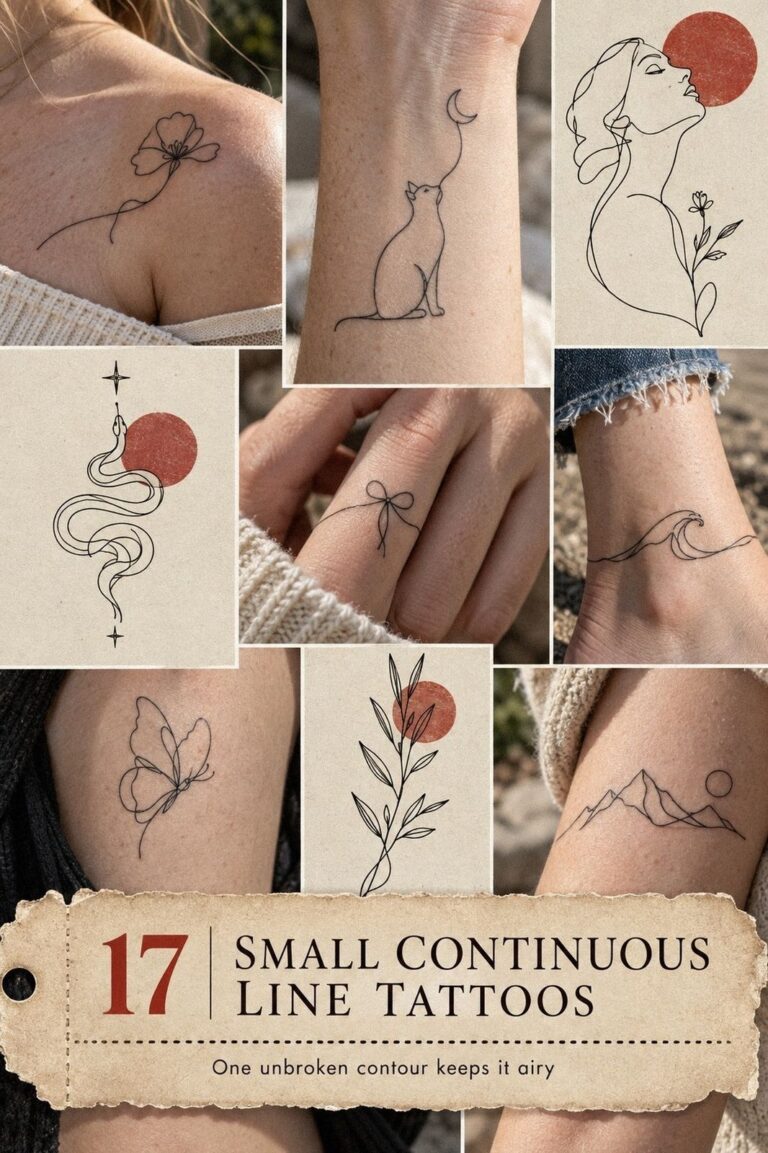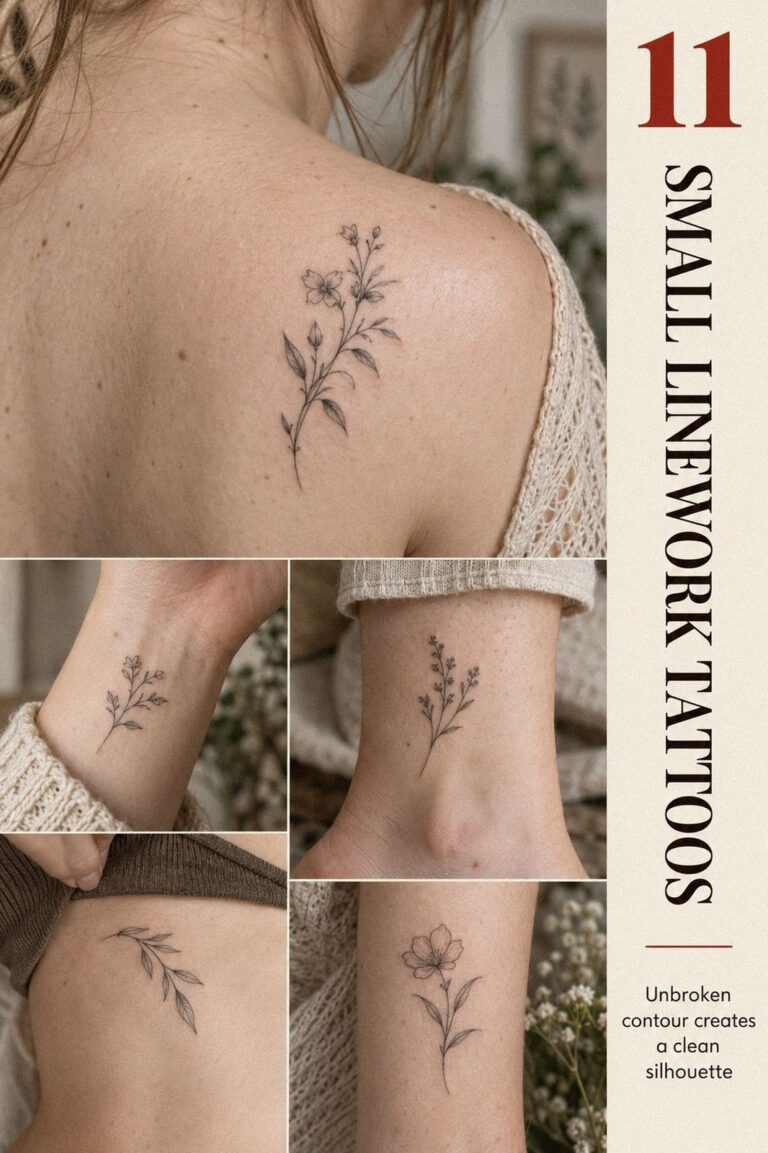
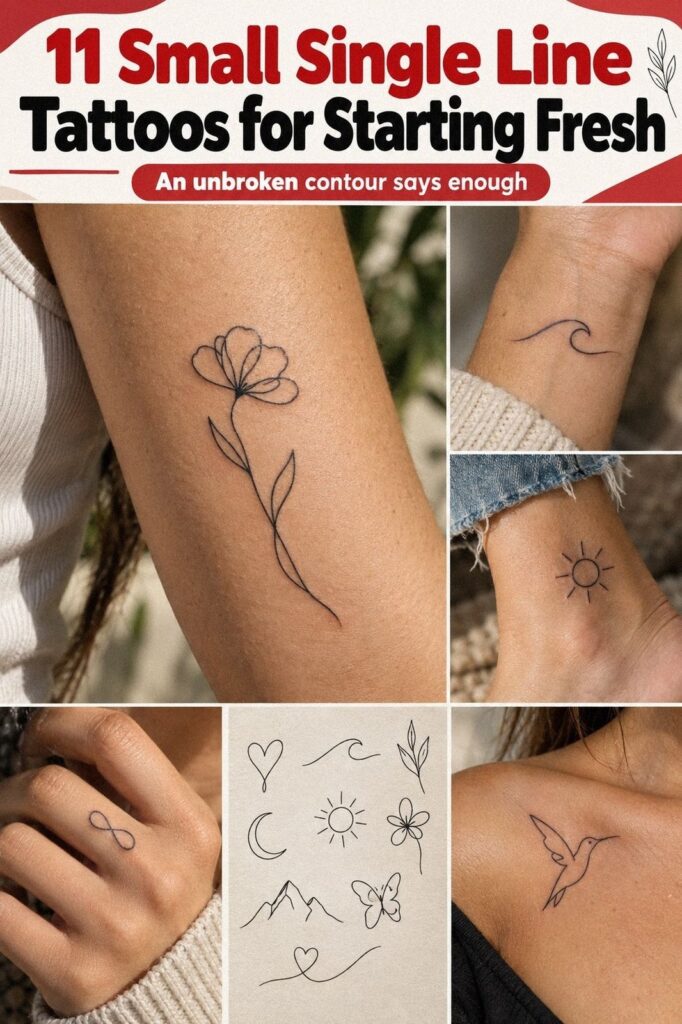
Small single line tattoos can stay readable for years when meaning, placement, and line weight work together. I once nearly chose a pretty symbol I couldn’t explain. Then I realized I’d rather carry one personal mark than a polished random shape. This guide helps you build a fine-line concept that feels striking, meaningful, and yours!
- Start With Small Single Line Tattoo Ideas
- Pick A Meaningful Minimal Symbol
- Choose Crisp Continuous Linework
- Place Your Tattoo On Visible Skin
- Match The Design To Your Anatomy
- Keep Curves Flowing And Delicate
- Plan A Unique Personal Detail
- Consider Pain Across Different Body Areas
- Check Ink Contrast Against Your Skin
- Protect Fine Lines During Healing
- Refine Small Single Line Tattoos With Your Artist
1Start With Small Single Line Tattoo Ideas
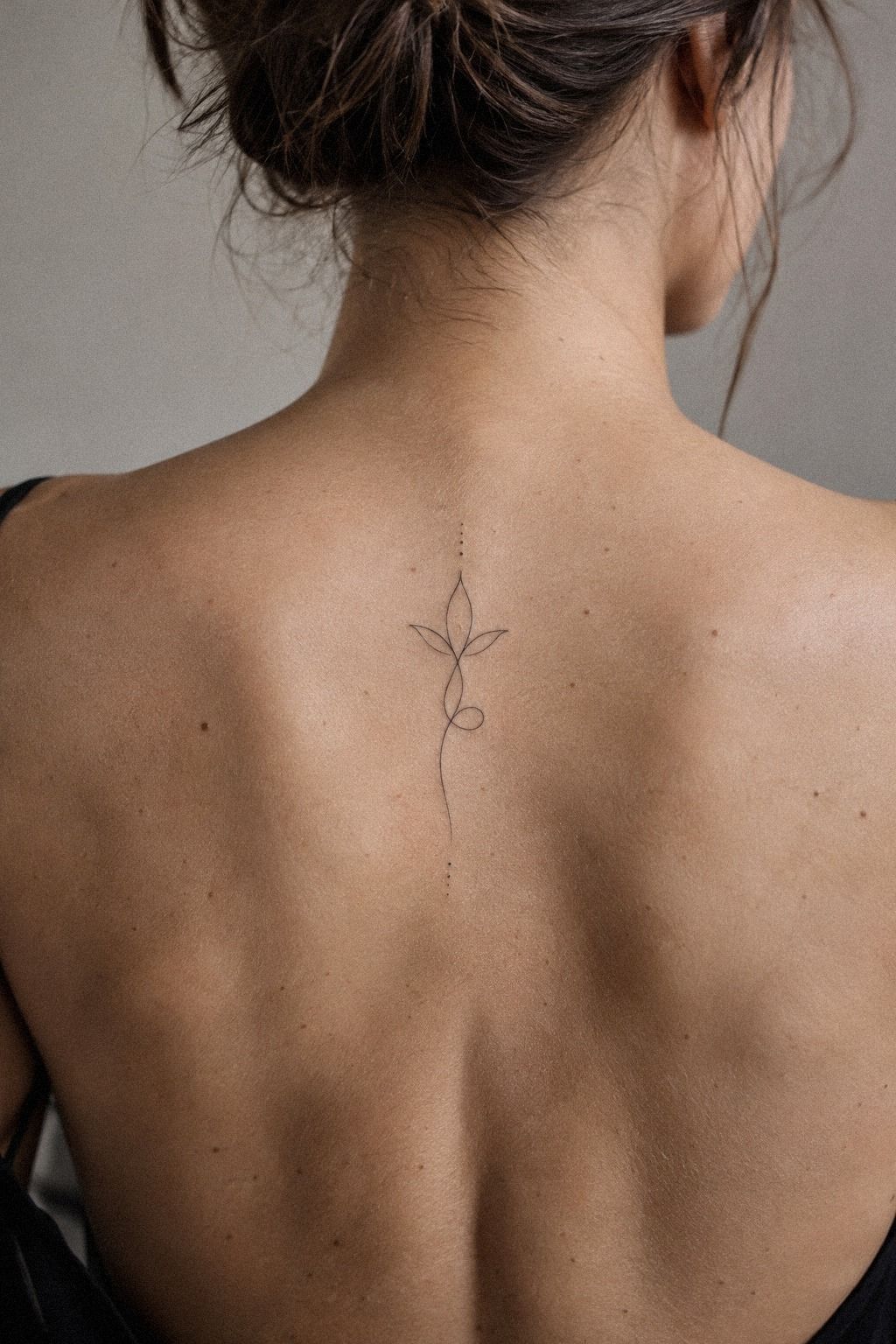
Begin with a private memory, not a scrolling session. You might choose the outline of a place, a tiny star from a shared night, or a symbol only you and one other person understands. Browse these small fine line tattoos for direction, but don’t copy the first design that catches your eye.
Your favorite reference should answer one question: what does this mark remember? A private memory gives your artist something real to simplify.
Write down three memories before you search for shapes. A handwritten phrase, a family gesture, a favorite constellation, or the curve of a meaningful object can all become a simple tattoo. I like starting with the story because it keeps the idea personal.
Then make the idea smaller. Remove extra dots, decorative leaves, initials, and shading until the central mark can stand by itself.
A delicate line doesn’t need to explain everything at a glance. It needs enough structure to feel personal when you see it.
For a warm terracotta, muted olive, or neutral stone-inspired concept, ask your artist how the chosen pigment will behave with your skin tone and placement. A muted pigment may need stronger spacing and a clear outline to remain readable.
Save five references, close your phone, and return the next morning. If you’re still drawn to the same design, you’ve found a stronger starting point than a trend!
2Pick A Meaningful Minimal Symbol
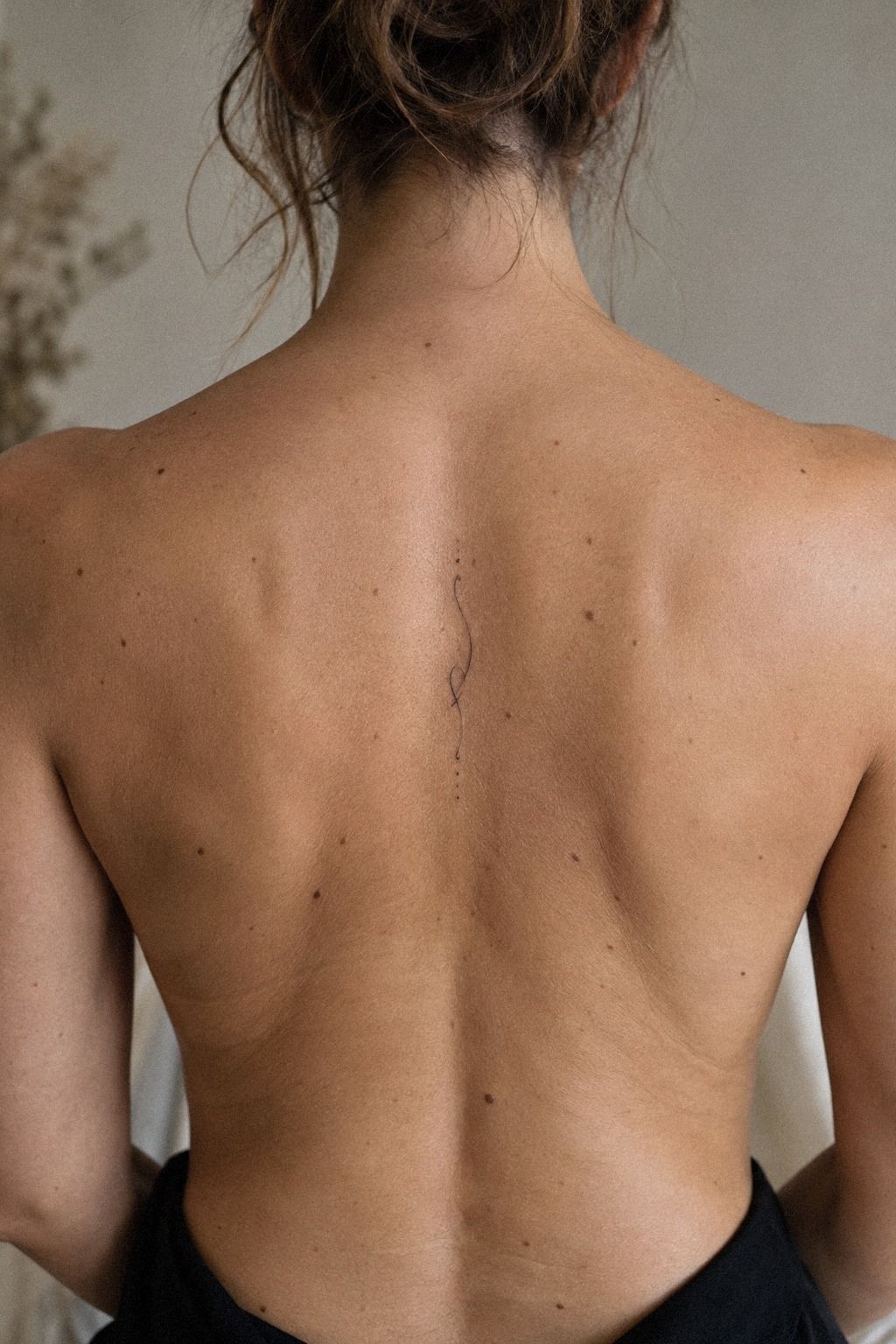
Choose one central idea before you add decoration. A minimal symbol can carry a clay-toned, neutral, or dark accent, but only if the color supports the meaning instead of competing with it.
3Choose Crisp Continuous Linework
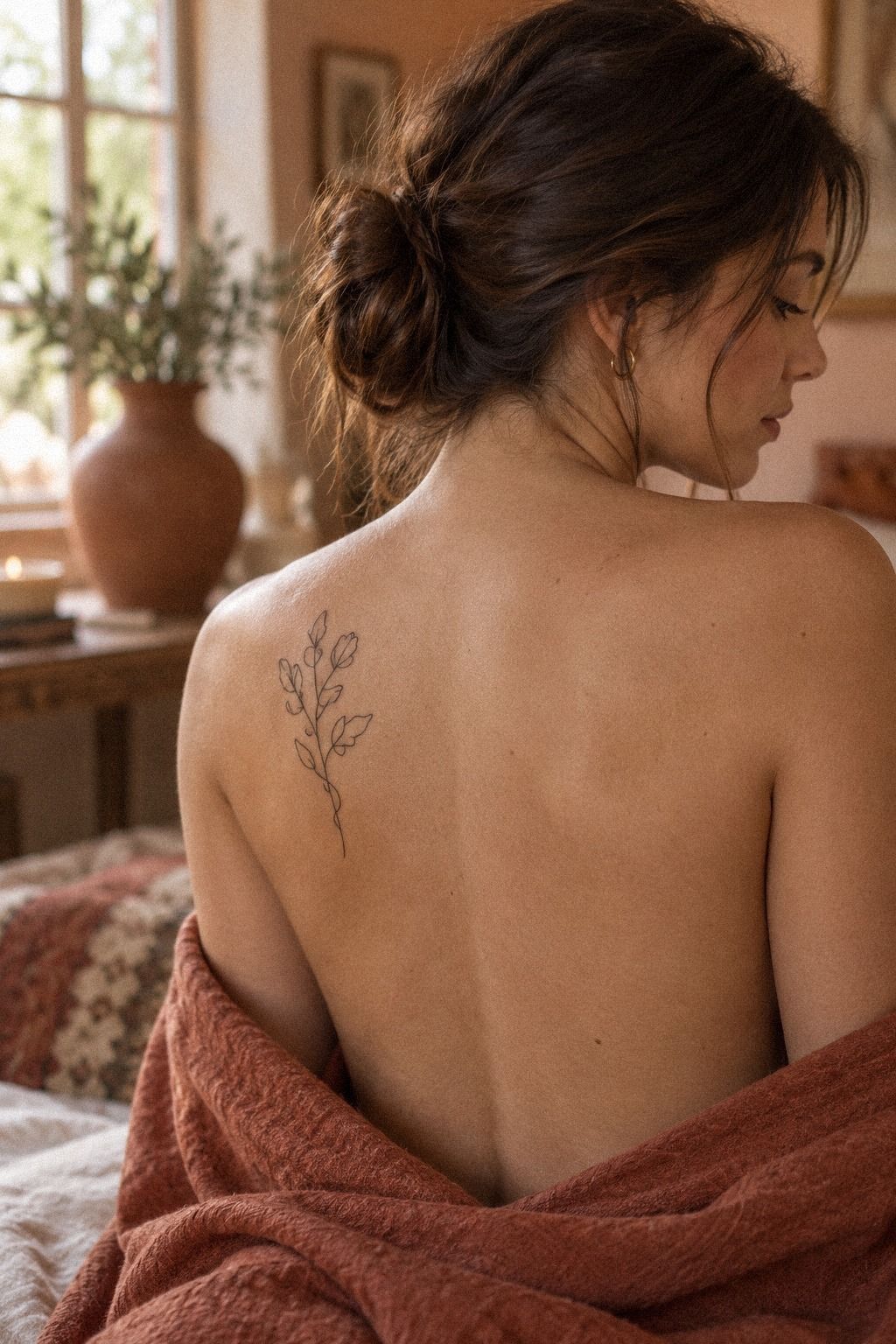
Ask your artist to draw the design as one confident path wherever the subject allows it. Continuous linework can look sleek and expressive, but it isn’t automatically better because it uses one uninterrupted stroke.
The line still needs a clear beginning, readable direction, and enough breathing room. Bring a printed reference and ask how the artist would simplify it for your skin.
A single-use cartridge and sterile setup matter, but equipment alone won’t create a clean result. Look through a healed portfolio, not only fresh tattoos.
If you’re comparing movement and proportion, study these small continuous line tattoos before you book. The examples may help you notice what feels crisp instead of merely new.
Don’t mistake continuous linework for a rule that every design must stay unbroken. Some symbols need a tiny pause so the eye can read them. I’d rather see one intentional line break than a forced loop that makes the design confusing.
Your line should feel sharp without looking nervous. It should remain recognizable after the first excitement fades!
Ask how the artist plans to handle corners, overlaps, and tiny enclosed areas. An intricate design may look delicate in a reference but become muddy when reduced to a few centimeters.
A skin-safe stencil can reveal those problems before the needle touches your skin. The best linework is often minimal, graceful, and surprisingly disciplined.
If you are drawn to plum, gray, or muted rose-gold accents, ask whether they will hold enough contrast on your skin. A soft color accent should support the outline, not weaken the mark.
4Place Your Tattoo On Visible Skin
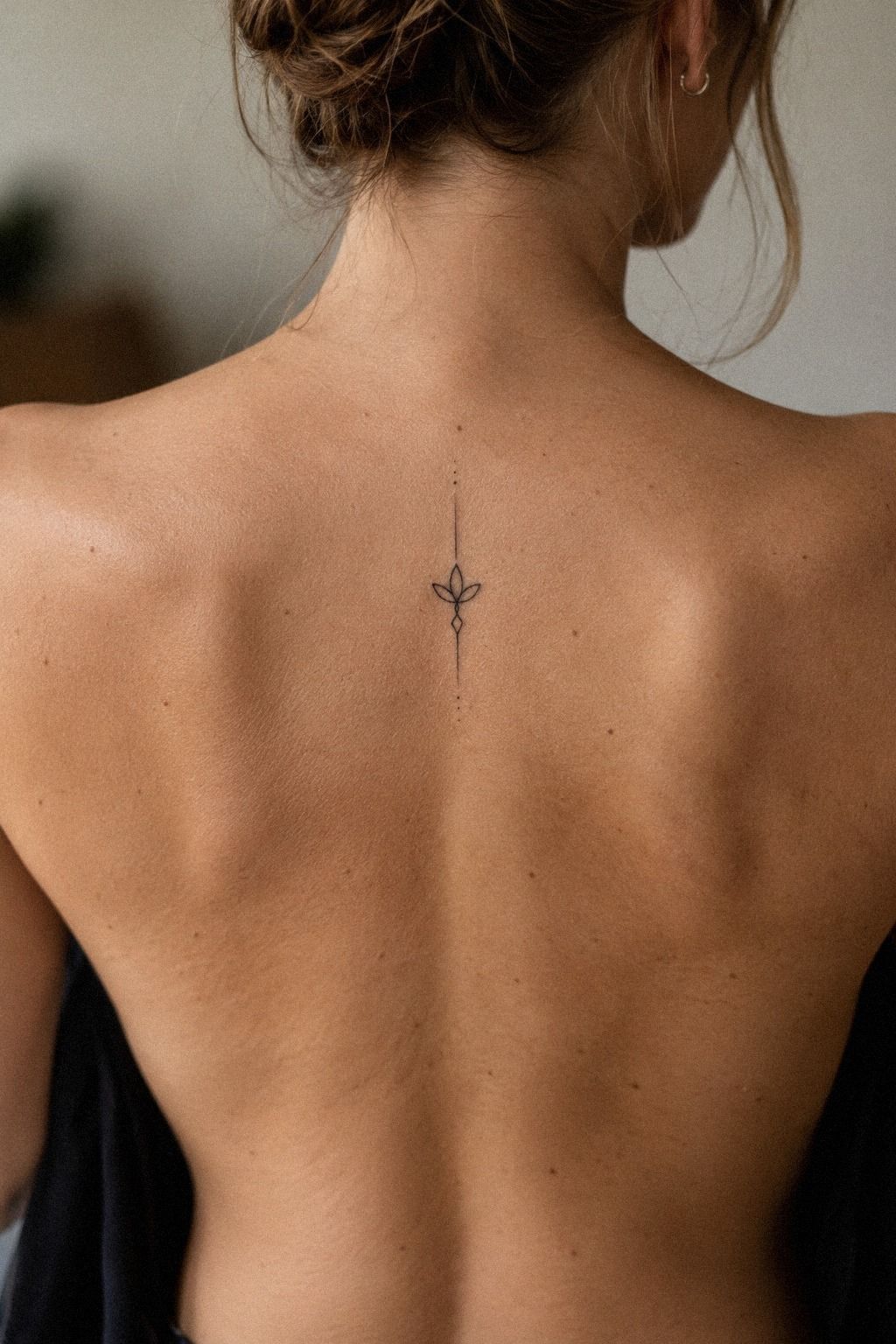
Choose visibility on purpose. You can place your piece where you’ll see it during ordinary days, or choose a discreet area because the meaning belongs mostly to you. Either choice can be bold if it reflects your real habits.
Before booking, wear the clothing you normally choose and mark the proposed location with a cosmetic pencil. Sit, walk, bend, and check the angle in a mirror.
A skin-safe marking pencil can help you test the placement, but your artist should still make the final stencil adjustment. Don’t treat the temporary mark as the finished answer.
Compare wrist visibility with these tiny small wrist tattoos before settling on your own site. I’d avoid placing a tiny design where fabric constantly rubs it during early healing.
The wrist is visible and immediate. The thigh gives you more control over sun exposure and clothing. The upper back can feel private and personal.
A bold placement can also be daring. Hand placement faces more movement, washing, and ultraviolet exposure, so it deserves a more careful decision.
5Match The Design To Your Anatomy
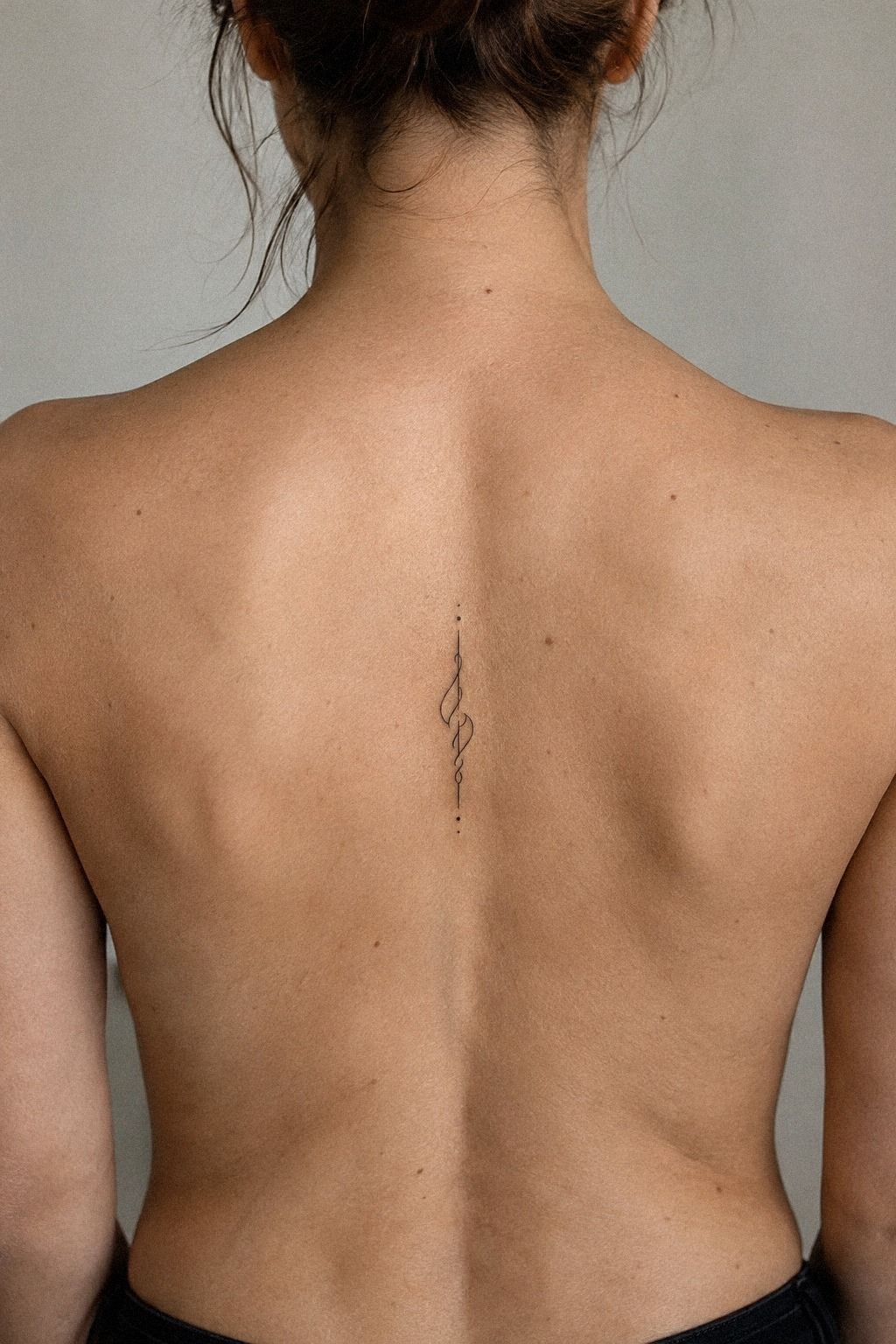
Study the body area as a moving surface, not a blank page. A straight line can bend with the wrist, a curve can lengthen across the forearm, and a small symbol can look entirely different near a joint.
Ask your artist to show how the stencil will sit while you stand, sit, and move. The design should follow the natural direction of the area without looking stretched or tilted.
This is where a body contour matters. Your artist may adjust the angle by a few degrees, and that small change can make the result feel more natural.
A final stencil check earns its value before the appointment begins. Look at the mark from several positions, not only while your arm is still.
If you’re considering a hand or finger placement, compare the proportions in these small simple hand tattoos. A dainty idea may need to become slightly stronger on a high-movement area.
That’s not a failure of the concept. It’s good adaptation.
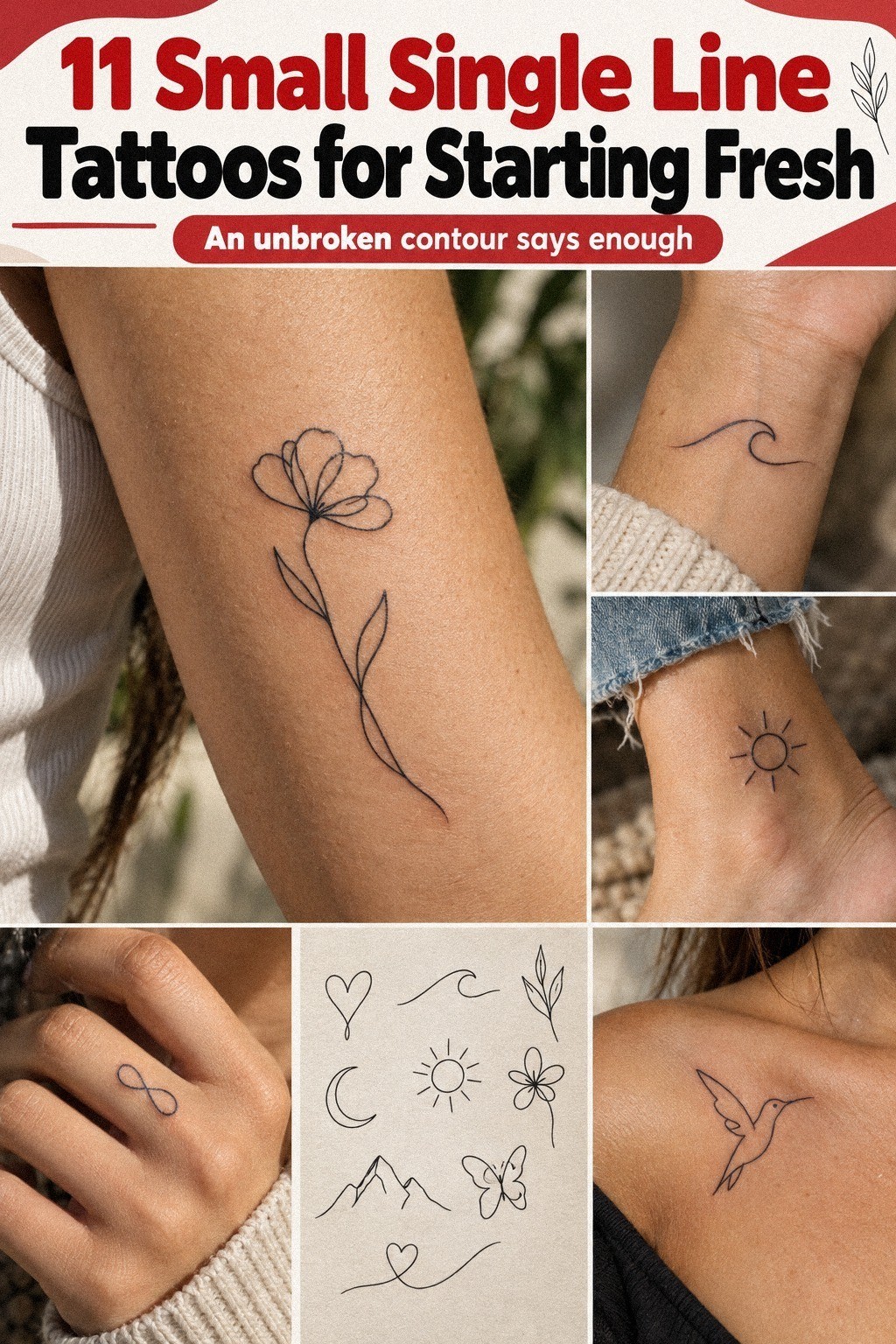
6Keep Curves Flowing And Delicate
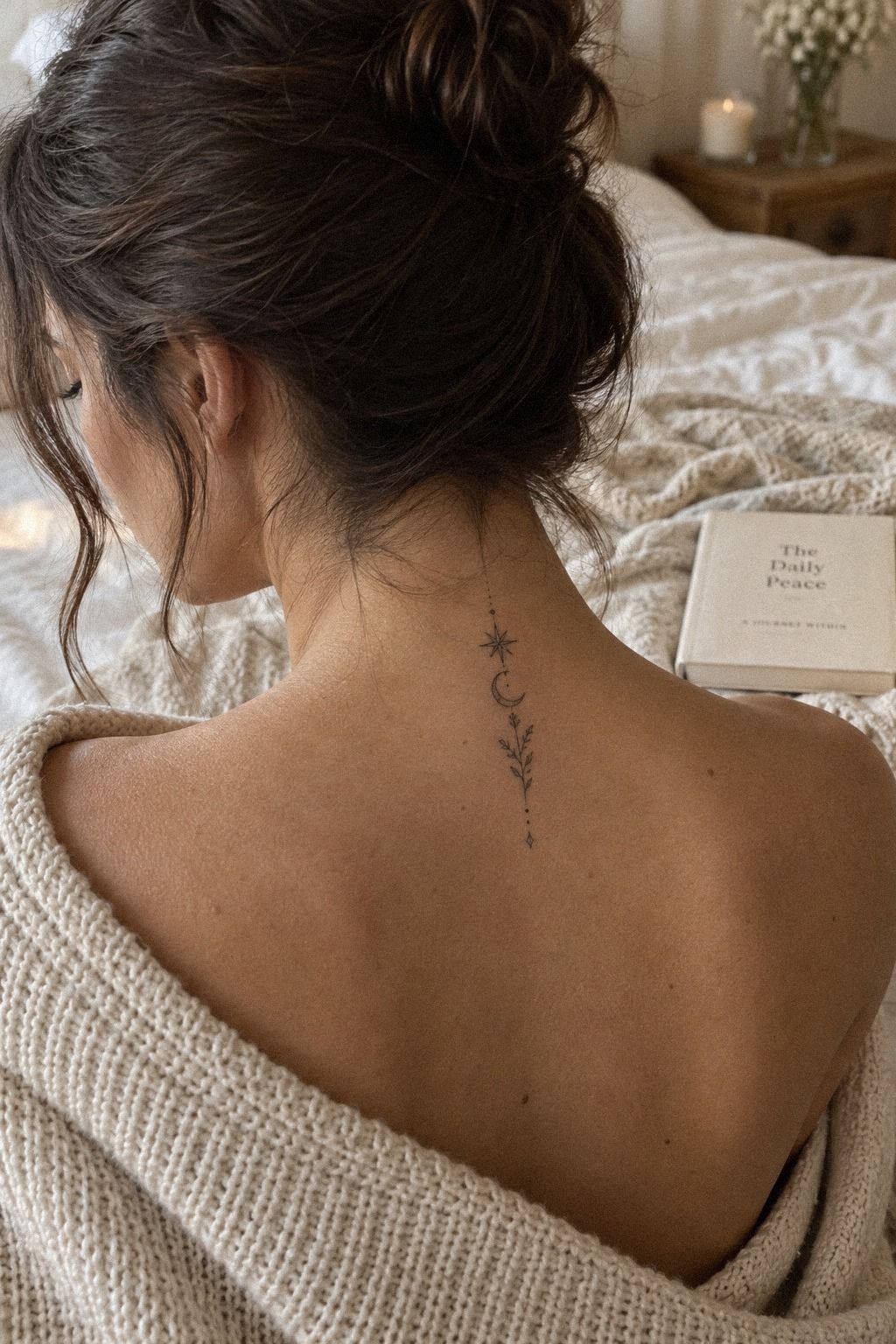
Curves need room to breathe, especially on the forearm or calf. Ask your artist to simplify tight turns and remove interior marks that may blur as the tattoo settles.
One generous arc often looks more elegant than five nervous curls. A deep forest-green or rust-toned pigment can create a distinctive result, but your artist should explain how that color may soften over time.
Line weight still matters. Your artist should explain how the chosen needle configuration affects the result and how the line may change as the skin settles.
Don’t ask for the thinnest possible line simply because it sounds dainty. A line that is slightly stronger may remain more readable.
Watch the stencil while you bend your wrist or rotate your forearm. If the curve pinches visually, you’ll notice it before the session begins.
The finished line can feel flowing, polished, feminine, or masculine depending on the shape. It shouldn’t lose its original meaning.
I like a curve that looks intentional from three distances: close enough to inspect, ordinary enough to live with, and far enough away to read as a clear mark. That balance helps long-term contrast.
7Plan A Unique Personal Detail
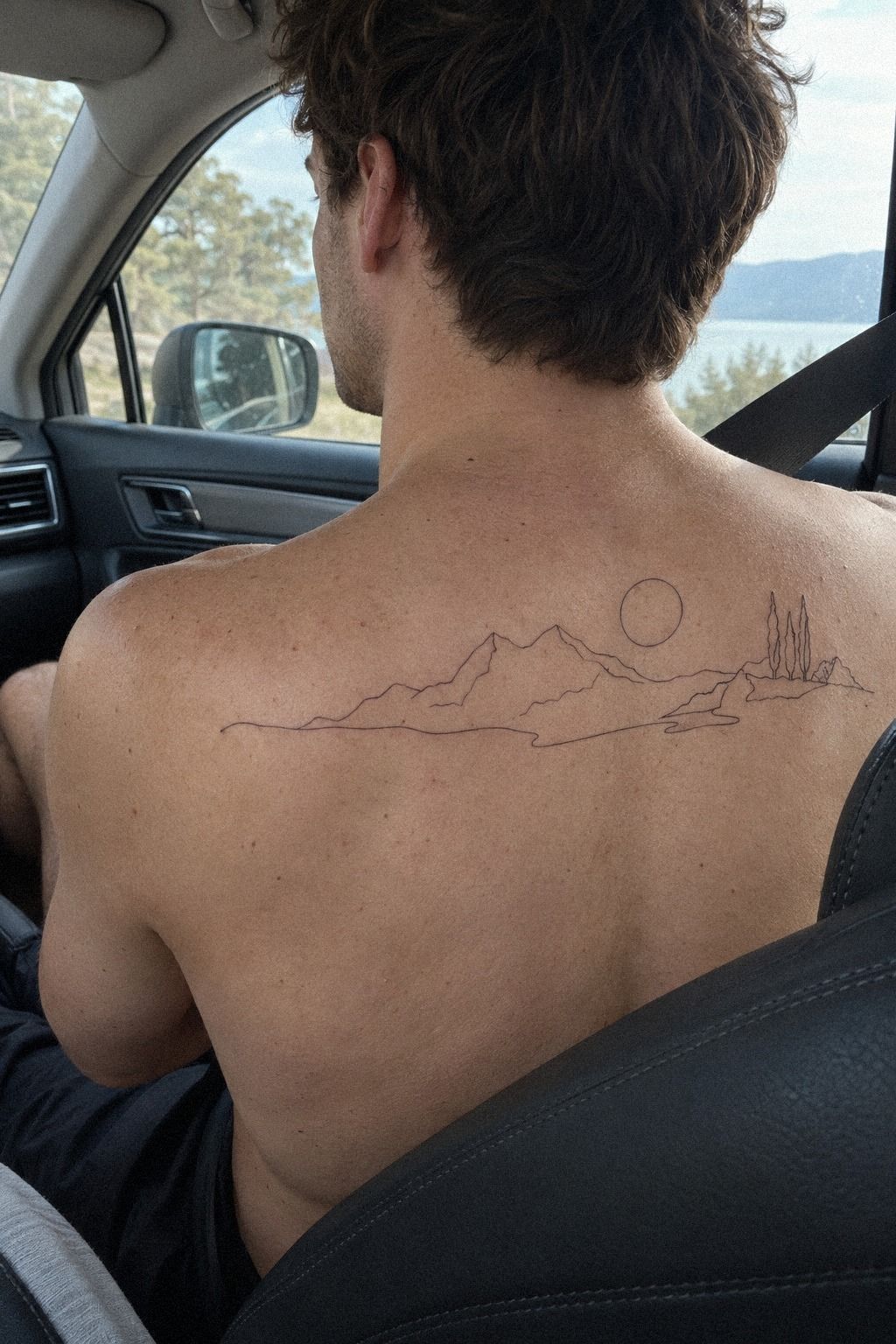
Add one detail that would make the design unmistakably yours. It could be a gap, a small point, a changed angle, or one unusual curve.
Start with a personal detail, then test whether it improves the mark. If it only fills an empty area, it may not deserve to stay.
Make the change visible in a reference sketch. A reference sketch helps your artist understand what you mean before they simplify the idea.
The strongest private tattoos often have one expressive choice that nobody else would add. That can make a familiar shape feel empowering without making it loud.
8Consider Pain Across Different Body Areas
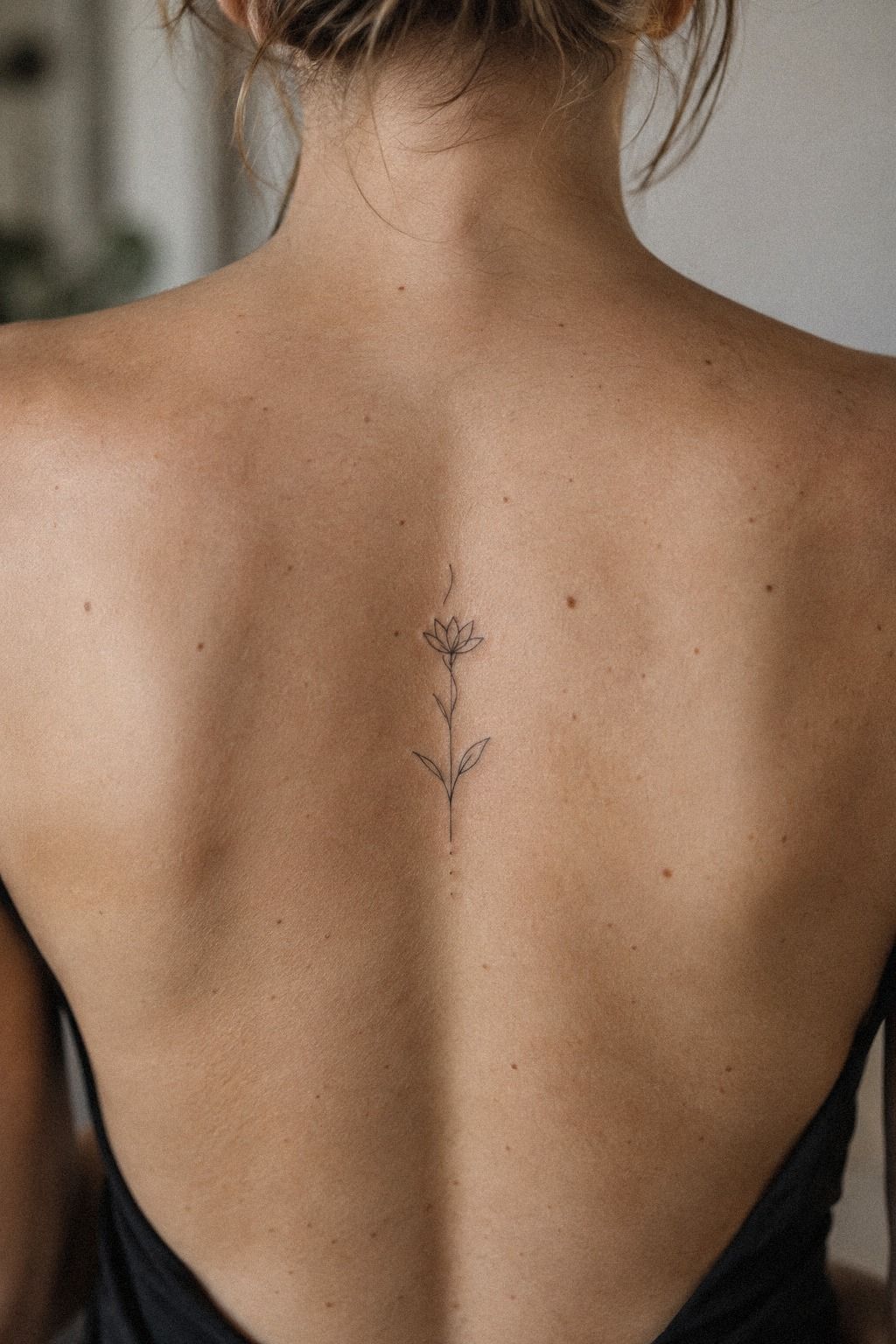
Plan honestly for sensation, timing, and your own tolerance. A raw sensation doesn’t mean the placement is wrong, but it does mean you should choose an artist who explains breaks and timing clearly.
9Check Ink Contrast Against Your Skin
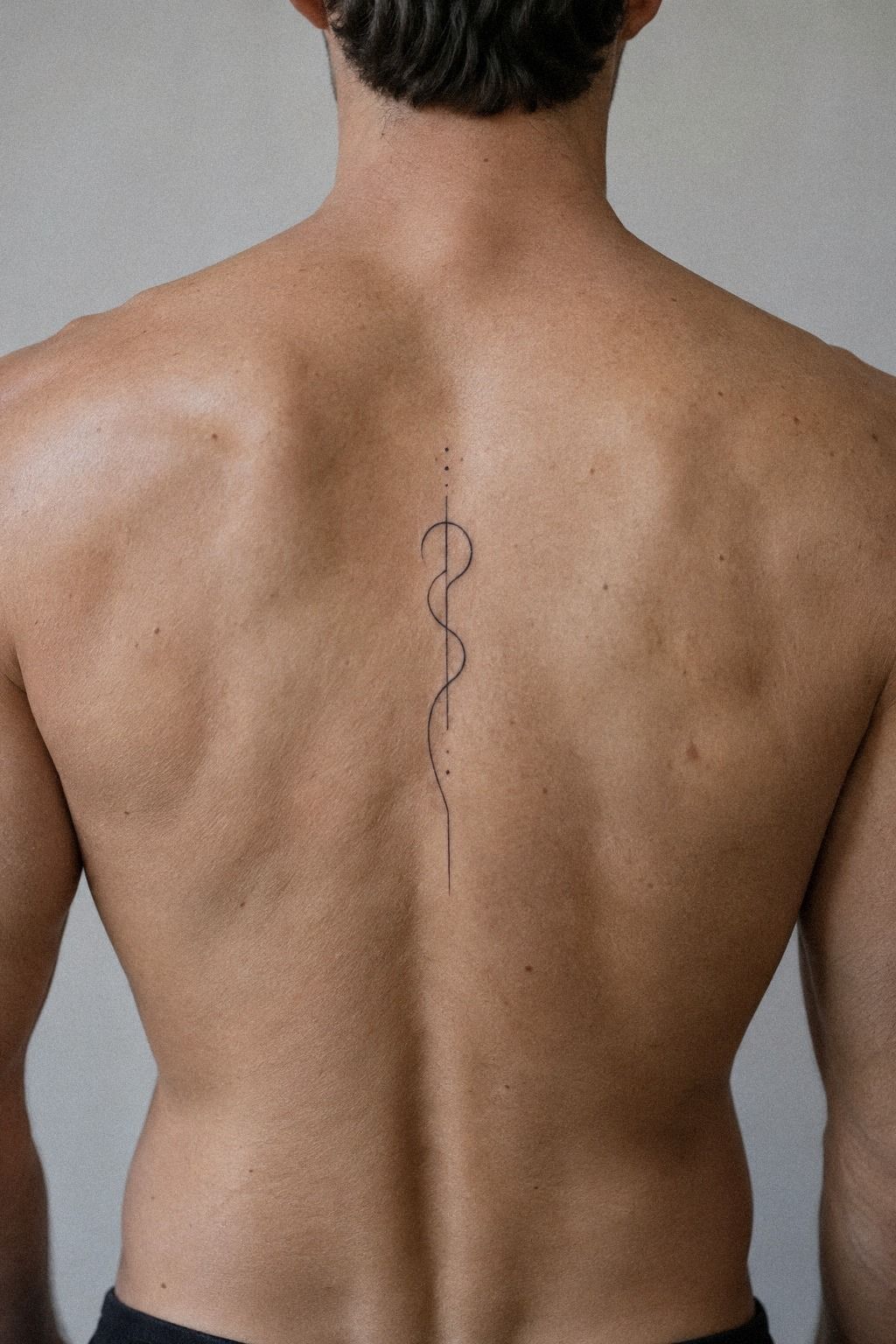
View the design against your own skin tone before the appointment. Your artist should consider line density, placement, undertone, and how the tattoo will look after temporary redness settles.
Ask for healed examples on skin with a similar tone and undertone. Skin undertone can change how black, gray, and muted pigment appear.
Black tattoo pigment may look especially sharp on one person and softer on another. If you prefer midnight blue, copper, or ivory-inspired color, ask how much contrast the pigment will retain after healing.
I’d be cautious with pale gray, white, or overly delicate pigment if your main goal is longevity. Ultraviolet exposure can accelerate fading, especially in exposed areas.
The most timeless choice is often solid black with sensible spacing. Your concept can still be vibrant, edgy, or whimsical without losing practical contrast.
For hand placement comparisons, review these small tiny hand tattoos before deciding. A small tiny hand tattoo needs clear structure because the area moves often.
You can also compare small side hand tattoos if you prefer a narrower placement. Visibility matters, but so does how often you’ll wash and use that part of your hand.
10Protect Fine Lines During Healing
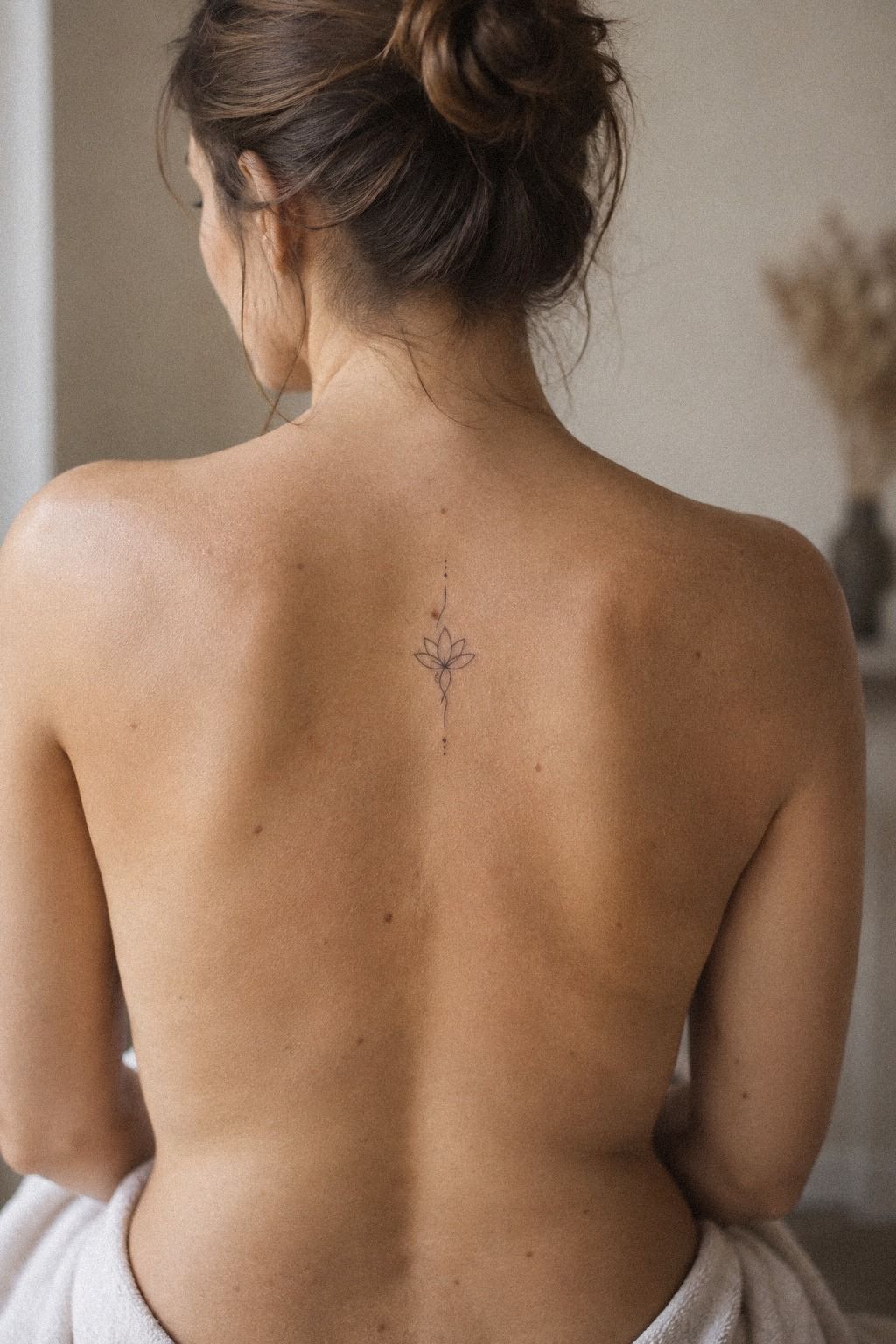
Treat the first weeks as part of the design process. A protective covering may stay on for the period your artist recommends.
Wash gently with lukewarm water and a mild, fragrance-free cleanser. Pat the skin dry instead of rubbing it.
A fragrance-free cleanser can help you avoid unnecessary irritation. Don’t pick flakes, scratch the area, or apply products your artist hasn’t approved.
Avoid swimming, heavy friction, and direct sun while the skin is healing. Follow the artist’s healing instructions even when the tattoo looks calm.
The surface often settles within two to three weeks, but deeper healing takes longer. Wait before judging the final line.
11Refine Small Single Line Tattoos With Your Artist
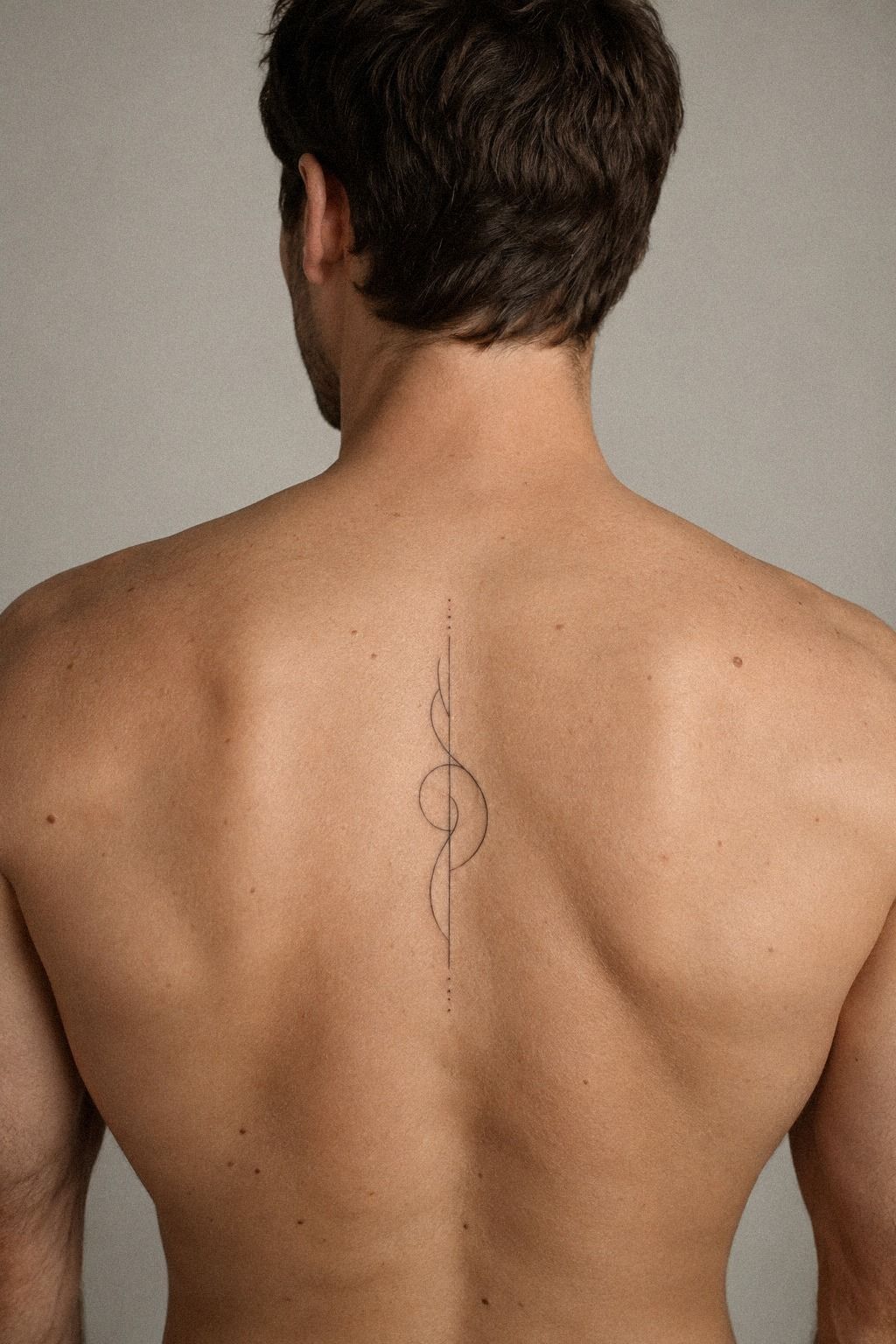
Bring your references, but arrive ready to collaborate. Your artist can adjust the curve, scale, spacing, and direction so the tattoo works with your body rather than matching a saved design.
Good artist collaboration means you can explain what must stay and what may change. You don’t need to use technical language.
Ask for a final stencil review before the session begins. A Spirit transfer paper preview can reveal whether a detail is too crowded or too close to another shape.
You should be able to say that a line feels too sharp, too low, or too close. A thoughtful artist won’t treat those observations as an inconvenience.
Their portfolio, hygiene standards, healed results, and communication all matter. Hygiene standards should be clear before you book.
If you’re comparing simple hand placement, browse this small simple hand tattoos collection as a final reference. A polished result should still carry the raw little reason you chose it!
I’d rather refine a design for another ten minutes than spend years wishing I’d questioned one crowded corner.
The Private Meaning Test
I’ve changed my mind about small tattoos more than once. At first, I thought the strongest design would be the most unusual one in my reference folder.
Then I noticed that the marks I kept returning to were quieter: a line connected to a person, a shape from a place, or a small symbol that made sense before anyone else saw it.
That’s the test I trust now. If the design still matters when nobody compliments it, it has staying power. A private tattoo doesn’t need a dramatic story.
You can choose a symbol with a clear story and still keep the story for yourself. A tiny star can mark a night, a curve can echo a handwritten note, and a single botanical line can stand for someone without becoming a portrait.
The hardest decision is often what to remove. I’ve watched people keep adding dots, leaves, initials, and dates until the original idea disappeared.
Don’t let that happen to yours. Protect the private meaning before you protect any decorative detail.
A haunting or ethereal idea can still stay simple. The design only needs to remain honest to you.
A Budget That Matches The Mark
The cheapest quote isn’t always the best value, especially when the design depends on controlled linework and careful placement. A small tattoo still requires consultation, setup, sterilization, stencil work, and professional judgment.
Ask what the quoted total price includes before you schedule. A clear quote helps you compare value rather than chasing the lowest number.
If your budget is tight, simplify the design or wait a little longer. Don’t choose an artist whose healed work doesn’t convince you.
For more cost and style context, browse small fine line tattoos and note how much detail you actually want. A fine-line tattoo can be worth the price when the shape is carefully resolved.
A minimal design may cost less in time, but professional judgment still matters. A cheap appointment can become expensive if you need correction work later.
What Actually Makes A Fine Line Read
Fine-line tattoos work through contrast, spacing, and proportion. They don’t need heavy shading to feel iconic. They do need enough visual weight to remain visible as the skin changes.
Ask how your artist balances line thickness with the smallest detail. Line-weight planning matters more than simply requesting “the thinnest line possible.”
A crisp design should survive normal viewing distance, not only look impressive under a phone camera. If the line vanishes from a few steps away, it may need a small adjustment.
Your chosen symbol may be ornate, edgy, or whimsical, but the structure underneath should remain simple. If every part is equally important, the eye has nowhere to rest.
Use black ink where you need the clearest contrast. Let the main curve, point, or outline carry the mark.
You can compare more examples through this small tattoos with meaning guide. Look for designs that remain readable without a long explanation.
That kind of clarity usually delivers better long-term value. It also helps a personal idea feel iconic without becoming oversized.
Wrist, Thigh, Or Upper Back?
The wrist offers easy visibility and a constant reminder. The thigh gives you more control over clothing and sunlight. The upper back feels more discreet when the meaning is personal rather than public.
A body-placement test can make the choice easier. Mark each option, wear your usual clothes, and live with the temporary outline for a day.
Notice whether you keep checking it, forgetting it, or adjusting your posture around it. Those reactions can tell you more than a saved reference.
If you want something visible, compare tiny small wrist tattoos. A wrist mark can feel classic, stylish, and direct.
If you want more privacy, study vertical ideas such as tiny small spine tattoos. A tiny small spine tattoo can feel personal without demanding daily attention.
Neither choice is automatically more meaningful. The right location is the one you’ll enjoy living with after the appointment.
It should suit your work, clothing, sun exposure, and willingness to explain the mark. That’s practical, not unromantic.
Questions I’d Ask Before Booking
I’d ask to see healed work first. Fresh tattoos can look sharp because the skin is temporarily swollen and the pigment is highly defined.
Healed portfolio evidence gives you a better sense of the artist’s actual line control. It also shows how spacing changes after the skin settles.
I’d ask how the artist works with your skin tone, whether they regularly tattoo your intended placement, and what line weight they recommend. You don’t need to sound like an expert.
Ask what single-use supplies are used during the appointment. A thoughtful artist should answer clearly and without irritation.
Ask about the deposit, cancellation policy, expected session length, aftercare, and touch-up policy. You should know the cost before you commit.
The deposit policy should be clear before you send money. Check whether the payment applies to the final total.
If the artist promises that fine lines never change, I’d be cautious. A confident professional can be honest about softening, fading, and the limits of a tiny design.
The touch-up policy matters because some changes only become visible after healing. Honesty is more reassuring than an impossible guarantee.
Small Details That Earn Their Place
Every detail should earn its place. A dot might represent a person.
A gap might mark a transition. A slightly open shape might keep the symbol readable as the line settles.
Try removing one detail at a time from your sketch. If the design becomes stronger, leave it out.
A personal design note can help your artist understand what must remain and what can change. Tell them the emotional priority, then let them use their technical judgment.
That’s how a familiar symbol becomes expressive without becoming crowded. It can feel vintage, classic, or understated without looking copied.
For more restrained ideas, look through small fine line spine tattoos. Vertical spacing can make one classic symbol feel deliberate and quietly striking.
How The Design Changes With Time
Your body changes, your taste shifts, and the tattoo will soften with time. That doesn’t make the choice reckless. It means you should select a design with enough structure to age honestly.
Black pigment, sensible placement, limited ultraviolet exposure, and practical spacing give you better odds than chasing an impossibly thin line. A long-term care plan may include sunscreen after healing, occasional touch-up budgeting, and realistic expectations.
Don’t judge the tattoo only by how dramatic it looks on appointment day. The strongest result may become more understated as it settles.
Use sunscreen after healing whenever the tattoo is exposed. Sun protection won’t freeze the line, but it can help limit avoidable fading.
A timeless tattoo isn’t frozen in its first appearance. It’s a design that continues to feel like yours as the line matures.
I prefer readable shapes over fragile tricks. Black pigment and clear spacing often age more gracefully than excessive detail.
A Few Things Worth Answering
How much does a small single-line tattoo usually cost?
In the U.S., a small single-line tattoo commonly costs about $100 to $300, depending on the artist, region, placement, and shop minimum. Ask for the full written quote before booking.
Small designs can still require careful setup, stencil placement, and consultation time. You’re paying for skill and studio hygiene, not only the minutes the needle is running. Compare healed linework and reviews before you decide.
Are small single-line tattoos a good idea for a first tattoo?
Yes, they can be a good first tattoo when you choose a sensible placement, a clear symbol, and an artist with healed linework. A thoughtful first piece matters more than its size.
You’ll still need realistic expectations because very fine lines can soften or widen over time. Choose black pigment, avoid unnecessary detail, and follow aftercare closely.
How do I choose a tattoo artist for small single-line tattoos?
Choose an artist whose portfolio shows clean linework, healed examples, consistent spacing, and strong hygiene practices. Healed portfolio work is more useful than a page full of fresh tattoos.
You should also feel comfortable asking questions about line weight and expected aging. If the artist dismisses your concerns or promises that fine lines never change, keep looking.
How much do small single-line tattoos hurt?
Pain varies, but ribs, feet, hands, and sternum are commonly more sensitive than the forearm, thigh, or shoulder. A tolerable placement can make the experience easier, especially for a first tattoo.
Eat normally, drink water, and avoid arriving exhausted. You can ask your artist for a break, and you don’t need to prove anything by staying silent.
How long does a small single-line tattoo take to heal?
The surface usually heals in about two to three weeks, while complete healing can take about two to three months. Consistent aftercare gives the line its best chance to settle cleanly.
Your tattoo may look darker, flaky, or slightly uneven during the first days. That doesn’t automatically mean something went wrong. Follow your artist’s instructions before judging the final appearance.
What’s the best placement for small single-line tattoos?
The best placement depends on visibility, pain tolerance, clothing, and sun exposure. Your daily routine should decide the location.
Avoid choosing a spot only because it looks good in one reference. Move the stencil, check it while standing and sitting, and consider friction from clothing.
Where I’d Start First
If I had to pick one step, I’d start with the private meaning. A clear personal reason will guide your symbol, placement, and line weight when trends get noisy.
Save one reference, explain it to your artist, and let the design stay understated. A romantic, sacred, playful, or powerful idea can still fit your actual life.
Then check the cost, the healed portfolio, and the placement before you schedule. Give yourself a day before booking.
Choose the mark you’ll be glad to carry!