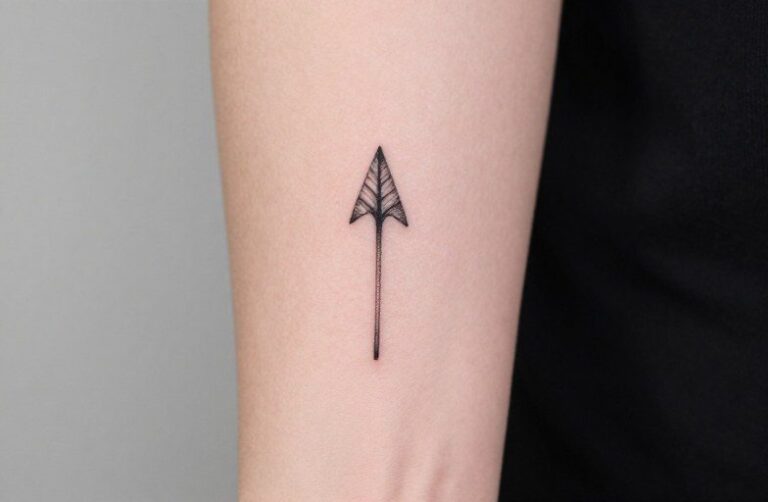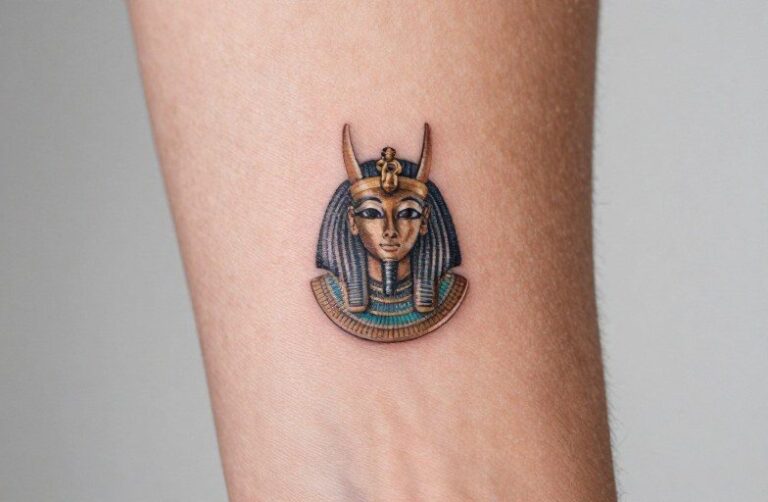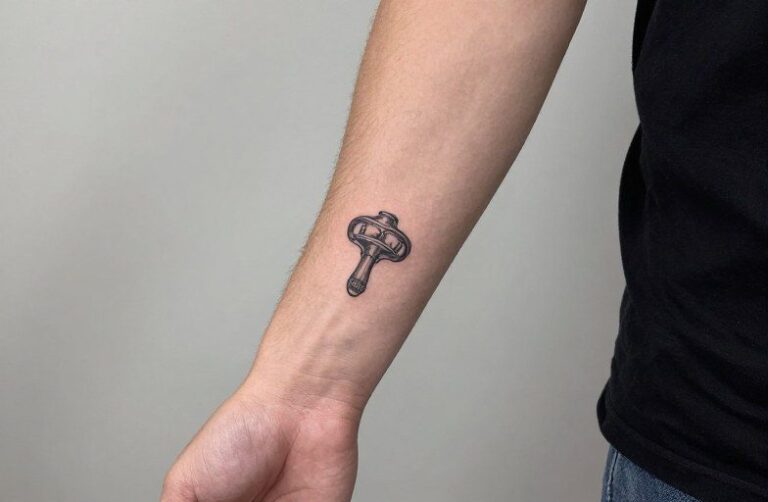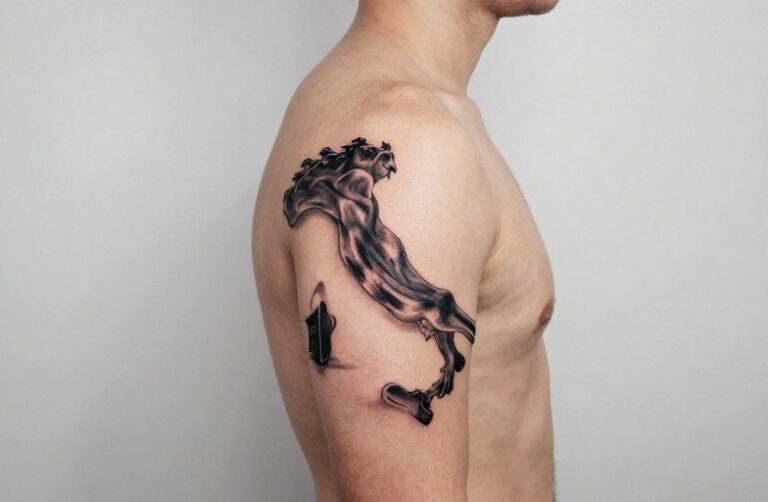
A “for men with meaning” tattoo isn’t a single fixed image, it’s an approach to body art that prioritizes personal significance over trend. These designs anchor abstract values (strength, loyalty, transformation, remembrance) into concrete visual language, chosen to age with the wearer rather than impress in the moment. The meaning emerges from the intersection of symbol, placement, and how the piece interacts with the body’s own architecture over decades.
History & Cultural Roots
Meaning-driven tattooing for men carries deep historical weight across cultures, though specific origins are often debated. Polynesian ta moko and Samoan pe’a remain the most intact examples, full-body systems where every line denoted genealogy, social rank, and personal achievement. These weren’t decorative choices but functional social records, inked with bone combs and natural pigments in ceremonies that could span weeks.
Western Military and Maritime Traditions
European and American men’s meaningful tattooing crystallized around naval and military culture. Swallows marked nautical miles traveled; anchors signaled stability or maritime service; crossed cannons or unit insignia recorded campaigns. These pieces served practical identification purposes, corpses recovered from battlefields or shipwrecks could be named by their ink. The tradition of “earning” tattoos through experience rather than purchasing them as fashion persists in some military communities today.
Indigenous Resistance and Revival
Many Indigenous tattoo practices were suppressed by colonial governments. The recent resurgence of Inuit kakiniit, Maori moko for men, and various Native American tattooing traditions represents reclamation of meaning-making systems that predate European contact by millennia. Contemporary practitioners in these communities often require cultural consultation or lineage verification before applying traditional patterns.
Color vs Black and Grey
The choice between color and black and grey fundamentally shapes how a meaningful tattoo reads over time. This isn’t merely aesthetic preference, it’s a technical decision about longevity and emotional tone.
How Each Ages on Men’s Skin
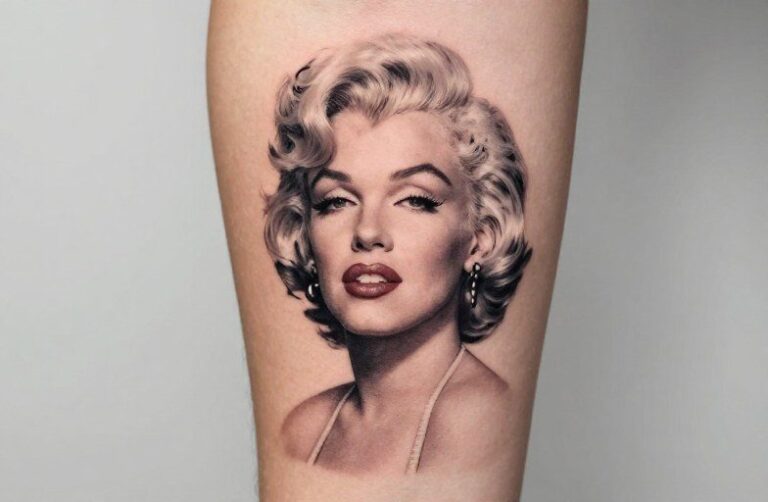
Black and grey relies on carbon-based ink that holds exceptionally well in dermis. Over fifteen to twenty years, it softens into a range of muted tones that can actually improve certain designs, portraits become more atmospheric, religious imagery gains gravitas. The risk is muddiness in poorly saturated areas; solid black must be truly packed, not just surface-stippled.
Color demands more maintenance. Red pigments (iron oxide-based) generally outlast organic blues and greens, which can shift toward grey or disappear entirely. Yellows and pastels fade fastest on sun-exposed skin. For men with outdoor occupations or active lifestyles, meaningful color pieces require conscious aftercare commitment, SPF application, potential touch-ups every seven to ten years. The trade-off is emotional immediacy: a crimson heart, a blue family crest, a green Celtic knot carries symbolic punch that monochrome can’t replicate.
- Black and grey excels for: portraits, religious iconography, text-heavy designs, full sleeves with architectural structure
- Color suits: military insignia, sports team memorials, floral remembrance pieces, any design where specific hue carries symbolic weight (purple for royalty, red for sacrifice)
- Hybrid approaches: color focal points in black and grey fields, or vice versa, create hierarchy that guides the eye to meaningful elements
Design Tips & Pairings
Meaningful tattoos for men fail most often not from weak concepts but from poor translation into tattooable form. Small text on curved surfaces becomes illegible. Overly complex imagery at small scale blurs into indistinguishable masses. The design process requires honest collaboration with an artist who understands how ink settles into skin.
Placement and Scale
The chest and upper back offer the largest flat planes for complex meaningful compositions, family trees, battle scenes, spiritual visions. These areas also allow for expansion over years, adding children, marriages, or losses as new chapters. The forearm and calf provide readable vertical space for narrative sequences: a journey upward, a timeline, a transformation from bottom to top. Ribs and sternum, while painful, create intimate placement for meanings kept private; the wearer controls visibility completely.
Finger and hand tattoos, increasingly common, carry specific social signaling. In many professional contexts they remain stigmatized, and ink here fades fastest due to constant regeneration and sun exposure. Meaningful designs in these locations should be simple, bold, and accepted as temporary, touch-ups every three to five years are standard.
Combining Symbols
Effective pairing requires visual grammar, not just accumulation. A compass with coordinates lacks resonance; a compass with coordinates of a father’s death site, overlaid with his handwriting, creates layered meaning. Clock faces pair powerfully with flowers (time and impermanence), wolves (instinct and loyalty), or architectural elements (human construction against natural time). The best combinations create tension between elements that the viewer resolves emotionally.
Religious & Spiritual Angles
Religious tattooing for men spans from devotional commitment to protective talisman to cultural identity marker. The meaning shifts dramatically based on the wearer’s practice versus their heritage.
Christian iconography, crosses, ichthys symbols, praying hands, verses in Greek or Latin, remains the most requested religious category in American shops. The cross alone offers hundreds of variations: Coptic with flared arms, Celtic with interlaced knots, Orthodox three-barred, plain Roman. Placement carries theological weight for some believers. Crusaders reportedly had crosses tattooed on their hands to ensure Christian burial; contemporary Orthodox Copts still receive small cross tattoos as baptismal marks.
Eastern traditions present more complexity. Buddhist and Hindu imagery, Buddha heads, Ganesha, om symbols, mandalas, are often requested by practitioners of no related tradition. Some shops refuse these outright; others apply them with explicit discussion about cultural context. Japanese irezumi incorporates Buddhist protectors like Fudo Myoo or Kannon into larger compositions, but these are rarely isolated symbols, they function within narrative sleeves that tell complete stories.
Jewish tattooing carries particular historical weight given Holocaust associations. Contemporary practice is growing among secular and some religious Jews, with designs incorporating Hebrew text, chai symbols, or reconstructed concentration camp numbers as acts of reclamation. Rabbinic opinions on tattooing remain divided.
Similar & Related Symbols
Meaningful tattoos for men cluster around several symbolic families that overlap and inform each other. Understanding these relationships helps avoid unintentional duplication or conflicting messages.
Animals and Their Substitutions
The wolf (loyalty, pack, wilderness) and lion (courage, royalty, solar power) serve similar protective functions but carry different emotional temperatures, wolves suggest outsider loyalty, lions established authority. Bears occupy middle ground: solitary strength with familial undertones. Eagles and hawks both signal vision and elevation, but eagles carry heavier national/military connotations in American contexts. Serpents transform across cultures: healing (Rod of Asclepius), temptation (Christian), rebirth (Ouroboros), or direct masculine power (Aztec).
Architectural and Geometric Parallels
Columns, anchors, and trees all signify stability with different nuances. Columns reference classical virtue and institutional endurance. Anchors specifically evoke maritime context and hope (often linked to Hebrews 6:19). Trees imply organic growth and rootedness, with species carrying specific meaning, oak for strength, yew for death and rebirth, ash for Norse cosmology. Geometric mandalas and compass roses both organize space around a center, but mandalas imply spiritual journey inward while compasses suggest outward navigation.
Mythology & Folklore
Mythological sources provide time-tested visual vocabularies for masculine meaning, though their origins are often linked to multiple cultures rather than single points of invention.
Norse mythology has surged in popularity, often linked to renewed interest in pre-Christian Scandinavian heritage. The Vegvisir (often called a Viking compass) appears in Icelandic grimoires from the early modern period, not the Viking Age itself, its historical connection to actual Norse navigators is tenuous. The Valknut, triple interlocked triangles, appears on runestones but its exact meaning remains uncertain; associations with Odin and death are common but not definitively established. Thor’s hammer, Mjolnir, carries more documented usage as protective amulet and identity marker during Christianization pressures.
Greek and Roman figures offer narrative density. Prometheus (suffering for human benefit), Sisyphus (absurd persistence), Icarus (ambition’s limits), Heracles (labored virtue) each encapsulate specific masculine tensions. These work best when the specific mythological moment is depicted, Prometheus chained, not just standing; Sisyphus mid-push, not triumphant. The incompleteness carries the meaning.
Japanese folklore provides Oni masks, dragon-tiger pairings, and koi swimming upstream. The koi transformation to dragon at the waterfall is commonly associated with perseverance and masculine achievement, though the specific legend has multiple variants across East Asian sources. Foo dogs (Chinese guardian lions) protect thresholds; placed on men’s bodies, they traditionally guard the vulnerable transition points, throat, heart, lower abdomen.
Final Word
Meaningful tattoos for men succeed when they outlast the impulse that produced them. The best approach: choose symbols that have already persisted in your life for years, not months; work with artists who will honestly tell you when a design won’t tattoo well; place pieces where you can see them for self-reminder rather than external display. The ink settles, the skin changes, the meaning deepens or shifts, that’s not failure, it’s the nature of committing to something permanent in a body that isn’t.
Frequently Asked Questions
What’s the most common placement for a first meaningful tattoo?
The upper arm and outer forearm dominate for first pieces because they offer manageable pain levels, easy concealment when needed, and enough flat surface for detail without requiring huge scale. The chest runs close behind for private meanings meant primarily for the wearer.
How do I make sure my meaningful tattoo won’t look dated in ten years?
Avoid trend-specific styling, hyper-realistic single-needle portraits, current font crazes, or imagery tied to temporary pop culture moments. Lean toward established symbolic traditions with personal modification, and prioritize strong black saturation that ages gracefully.
Is it disrespectful to get religious symbols from traditions I don’t practice?
This depends on the specific symbol and community. Some imagery is broadly shared (crosses in Western culture); other pieces require initiation, lineage, or cultural permission. The respectful approach is direct research and, when possible, consultation with practitioners from that tradition.
Can a small tattoo carry real meaning, or does it need to be large?
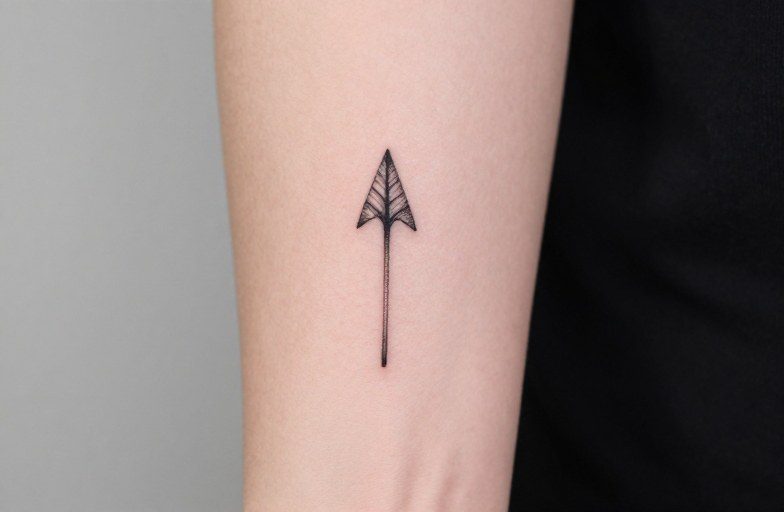
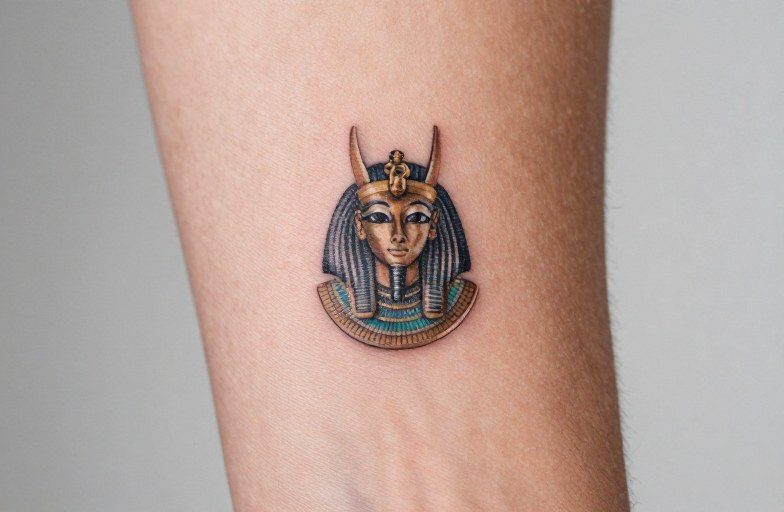
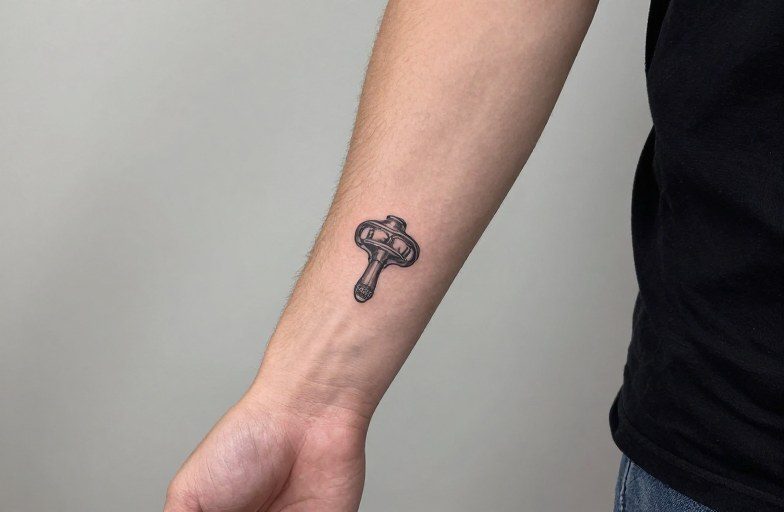
Scale and meaning aren’t correlated. A quarter-sized coordinate on the wrist, a single rune behind the ear, or a tiny animal silhouette can carry enormous weight. The limitation is technical: extremely fine detail blurs over time, so small meaningful pieces should be bold and simple rather than intricate.