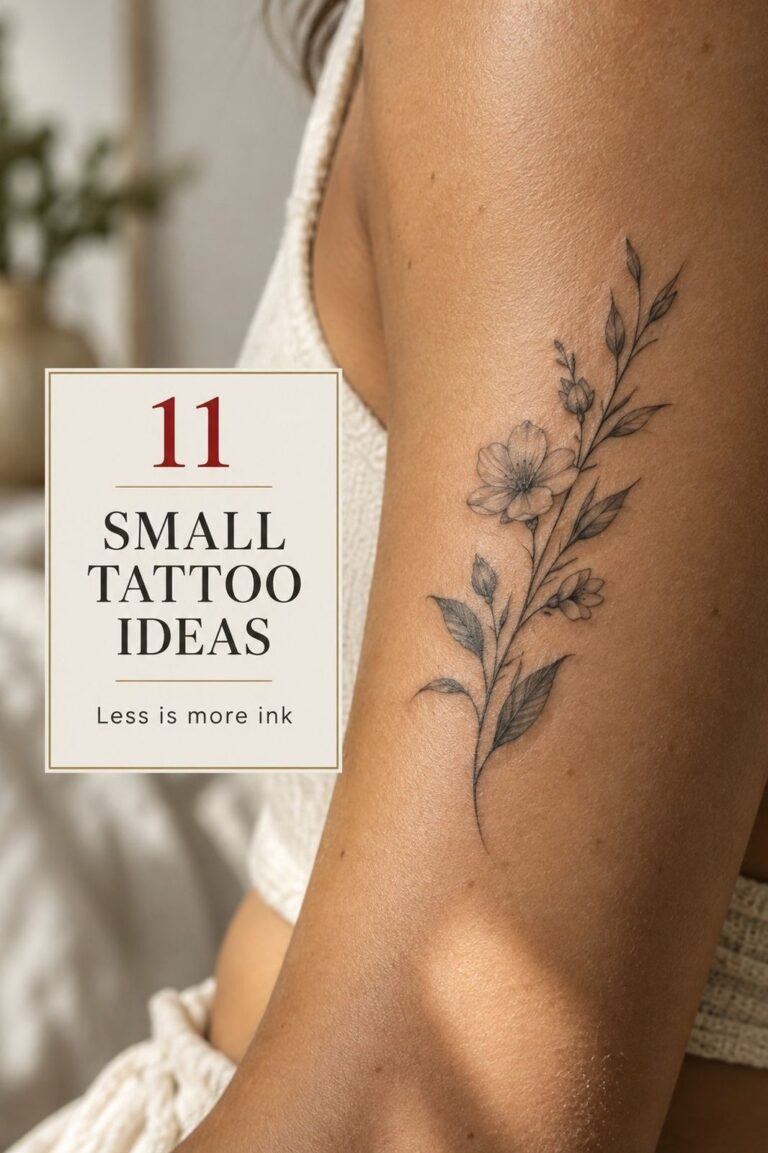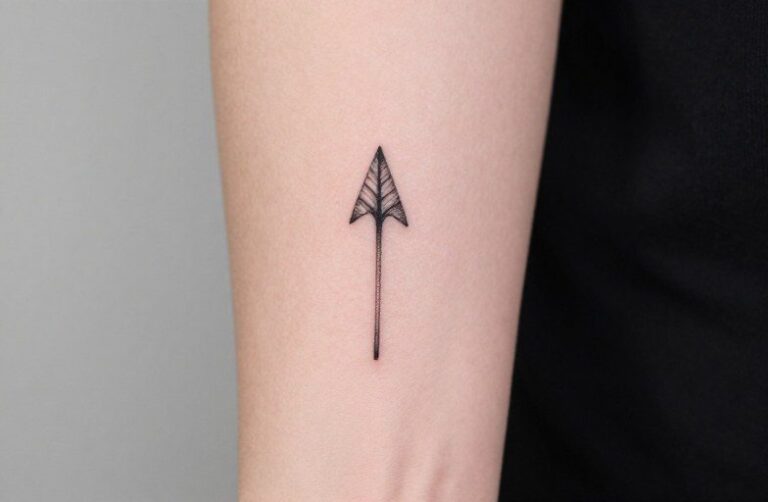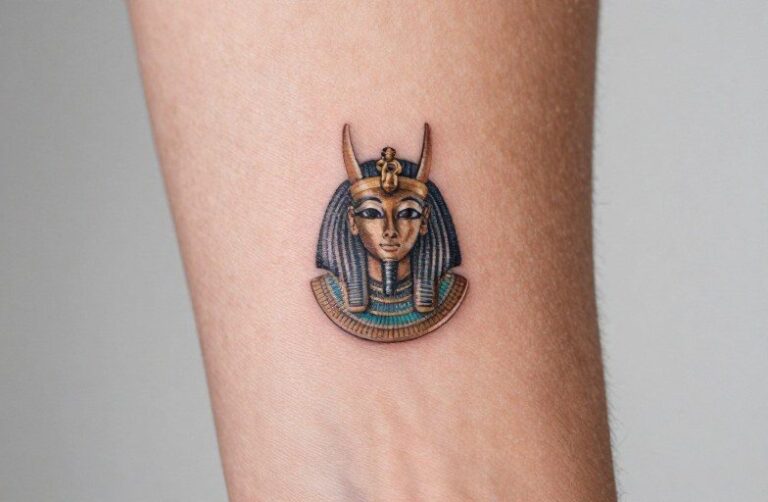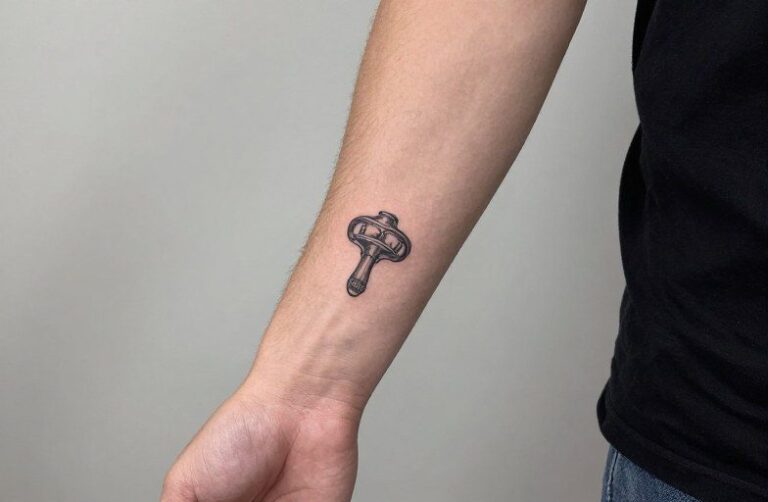
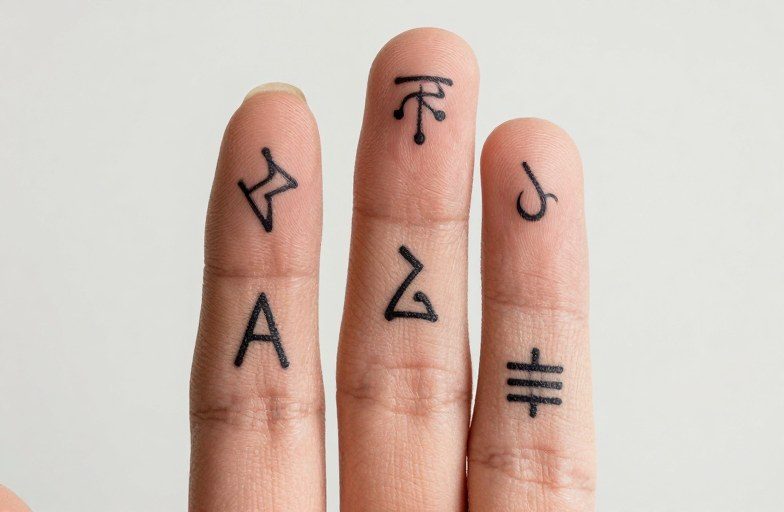
Finger tattoos with deep symbols compress meaning into one of the most visible spots on the body. A single character, rune, or tiny icon on a finger functions as a permanent, public-facing statement, impossible to hide, impossible to ignore. The meaning depends on the specific symbol chosen, the finger placement, and whether the wearer intends it as a private reminder or a deliberate signal to others.
Symbolism & Core Meaning
Unlike larger tattoos that build meaning through composition, finger symbols rely on cultural shorthand. The finger itself becomes part of the message.
Placement as Meaning
Each finger carries traditional associations that amplify or redirect a symbol’s intent:
- Thumb: willpower, self-assertion, personal agency
- Index: authority, direction, pointing toward purpose
- Middle: balance, rebellion, or deliberate provocation
- Ring finger: commitment, connection, cyclical time
- Pinky: promises, secrecy, personal oaths
A rune for “strength” on the thumb reads differently than the same rune on the ring finger. The first claims personal power; the second anchors that strength within relationship or marriage.
Common Symbols and Their Weight
Certain symbols appear repeatedly across shops and carry established resonances:
- Semicolon: continuation after mental health struggle, now widely recognized
- Runes (Algiz, Othala, Ansuz): protection, heritage, communication, often chosen by those with Scandinavian ancestry or pagan practice
- Eye of Horus: restoration, vigilance, often linked to Egyptian tradition
- Small crosses or ichthys: faith markers, sometimes chosen for discretion in professional settings
- Alchemy symbols (sulfur, salt, mercury): transformation, elemental balance, frequently chosen by those in scientific or creative fields
- Single kanji or hanzi characters: specific virtues (strength, love, perseverance), though accuracy demands verification by a native speaker
The smaller the symbol, the more precise its meaning must be. Ambiguity reads as mistake on a finger.
Personal & Modern Meanings
Contemporary wearers often layer personal significance onto traditional symbols, or invent private systems entirely.
Memorial and Milestone Markers
A single initial, a tiny coordinate, or a simplified icon (a wave for a lost parent who surfed, a spool for a grandmother who sewed) functions as a constant, tactile reminder. The finger’s visibility means the wearer sees it during daily tasks, typing, holding a coffee cup, gesturing while talking. This repeated contact reinforces the memory through routine rather than ritual.
Functional and Identity-Based Choices
Some symbols serve practical communication. A small equality sign, a pride flag reduced to stripes, or a minimalist planet Earth signals affiliation to those who recognize it. Others choose symbols from professional practice, musical notation for composers, circuit diagrams for engineers, a single tool silhouette for tradespeople.
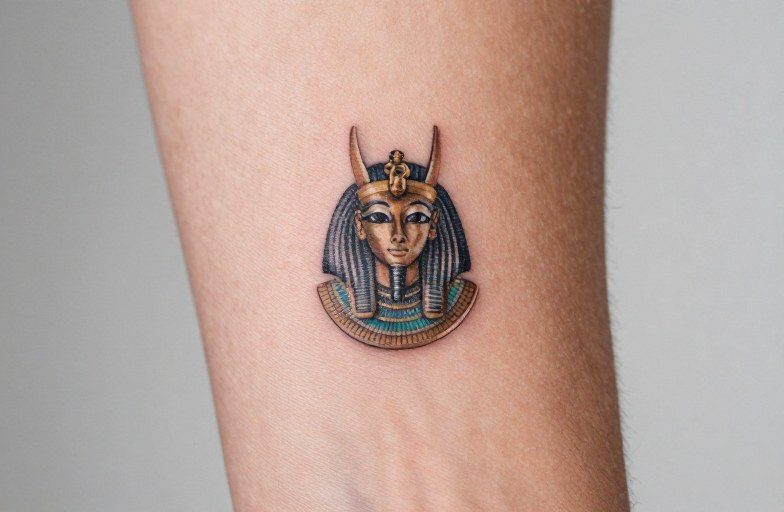
The modern trend toward “micro-realism” on fingers, tiny portraits, miniature landscapes, attempts to carry narrative weight in impossible space. These rarely age well; the meaning dissolves as the detail blurs.
History & Cultural Roots
Finger marking appears across cultures, though the specific practice of symbolic tattooing on fingers has narrower lineages.
Pre-Modern Precedents
Ötzi the Iceman, dating to roughly 3300 BCE, bore tattoos on joints and areas of joint wear, possibly therapeutic rather than decorative. In ancient Egypt, some priestesses and dancers carried markings on fingers, though these were often henna-based and temporary. Polynesian tattoo traditions included finger markings within larger genealogical patterns, but rarely as isolated symbols.
The specific practice of small, discrete symbolic tattoos on fingers gained traction in Western tattooing during the mid-20th century, often linked to sailors and military personnel who used them as identification markers or protective talismans. The “HOLD FAST” knuckle tattoo tradition extended to single symbols on fingers for those with limited space or tolerance.
Contemporary Mainstreaming
Visible finger tattoos shifted from subcultural marker to mainstream acceptance roughly between 2005 and 2015, driven by celebrity adoption and the broader normalization of tattooing. This visibility changed the social contract: what once signaled outsider status now frequently reads as fashion choice, requiring more deliberate symbol selection to maintain substantive meaning.
Mythology & Folklore
Many finger symbols draw directly from mythological systems, though wearers often select without full context.
Norse and Germanic Material
The runic alphabet, or Elder Futhark, carries specific associations per character. Algiz (ᛉ), often tattooed for protection, literally represents “elk” or “protection” in runic poems. Othala (ᛟ), the “inheritance” rune, appeals to those emphasizing heritage or homeland. However, runes have been co-opted by nationalist movements; context matters in selection and visibility.
Valknut, the three interlocking triangles, appears frequently on fingers despite its ambiguous original meaning, possibly linked to Odin, death, or binding. Its modern adoption ranges from pagan practice to aesthetic choice, with the symbol’s density making it a poor finger candidate; it blurs quickly.
Eastern and Mediterranean Sources
The hamsa or Hand of Fatima, sometimes reduced to a single eye or simplified palm on a finger, derives from Middle Eastern and North African protective traditions. The unalome, a spiral-and-line symbol often traced to Buddhist or Hindu representation of enlightenment’s path, has become extremely common in simplified finger form, though its specific cultural origins are debated among scholars.
The Eye of Horus, frequently chosen for its compact recognizability, carries Egyptian associations with restoration and wholeness. Its mirror-image form, the Eye of Ra, carries solar and aggressive connotations, wearers often conflate the two.
Who Chooses This Tattoo
Demographics for finger symbols skew younger and more gender-balanced than traditional tattoo placement, though practical constraints filter the field.
Professional and Lifestyle Constraints
Finger tattoos cannot be concealed in most professional settings. Those who choose them either work in creative fields, self-employed contexts, or industries with relaxed appearance standards. The decision to place meaning so visibly indicates either secure social position or deliberate prioritization of expression over conventional advancement.
Healing complications also filter candidates. Finger skin is thin, vascular, and in constant motion. Tattoos here require more attentive aftercare, and touch-ups are nearly inevitable. People with manual labor jobs, frequent hand-washing requirements, or contact sports involvement face accelerated fading and infection risk.
Psychological Profiles
Without overgeneralizing, certain patterns emerge in consultation. Those choosing single, traditional symbols (runes, religious icons) often seek external validation of internal commitment, making private belief publicly legible. Those inventing personal symbols or combining multiple small marks tend toward narrative identity, using the body as record-keeping surface.
The impulse toward finger placement specifically suggests impatience with hidden meaning. These wearers want the symbol encountered, not discovered.
Similar & Related Symbols
Adjacent tattoo choices share thematic territory with finger symbols but carry different practical and social weight.
- Knuckle tattoos: Larger, more aggressive, historically associated with prison and military subcultures. Eight-letter phrases (LOVE/HATE, STAY/DOWN) dominate; single symbols on knuckles read as incomplete or transitional.
- Side-of-finger tattoos: More concealable, often chosen by those testing visibility. Text along the finger’s edge (“enough,” “breathe,” “persist”) functions similarly to single symbols but with explicit verbal content.
- Palm tattoos: Extremely painful, rapid fading, maximum visibility. Rarely chosen for symbolic content; more often decorative or ornamental.
- Behind-the-ear symbols: Comparable visibility control, but with softer social connotations. Less confrontational, more “personal secret” than finger placement.
- Inner wrist marks: Similar self-viewing function, easier concealment with long sleeves. The wrist allows slightly larger, more detailed symbols with better aging prospects.
For those drawn to finger symbolism but uncertain about commitment, henna or jagua application offers temporary testing. Several sessions of visible wear clarify whether the placement feels natural or performative.
Final Word
Finger symbols succeed when they resist decoration. The format’s constraints, small size, high visibility, accelerated aging, demand precision. A vague concept stretched thin across insufficient space becomes illegible; a specific, culturally grounded mark maintains force even as lines soften.
The best finger tattoos function as shorthand for already-established meaning, not as attempts to generate significance through placement alone. Choose the symbol first, verify its accuracy and context, then accept the finger as amplifier rather than source. What reads clearly at consultation should still communicate after five years of washing, typing, and living.
Frequently Asked Questions
Do finger tattoos fade faster than other placements?
Yes, significantly. Constant use, sun exposure, and thinner skin cause faster breakdown. Most finger tattoos need touch-ups within 2-5 years, sometimes sooner depending on aftercare and occupation.
Which finger is least painful for a small symbol tattoo?
The outer edge of the index finger and the top of the thumb tend to be most tolerable. The closer to the nail bed or the palm side, the more nerve endings and the sharper the sensation.
Can any symbol work as a finger tattoo, or are some too detailed?
Simplicity survives. Symbols with clean lines, minimal interior detail, and strong contrast age best. Intricate patterns, fine lettering, and subtle shading blur into indistinct patches within months.
Are finger tattoos more expensive than similar-sized work elsewhere?
Often yes, despite the small size. The difficulty of stretching and stabilizing finger skin, plus the precision required, means many artists charge minimum rates or premium placement fees for this work.