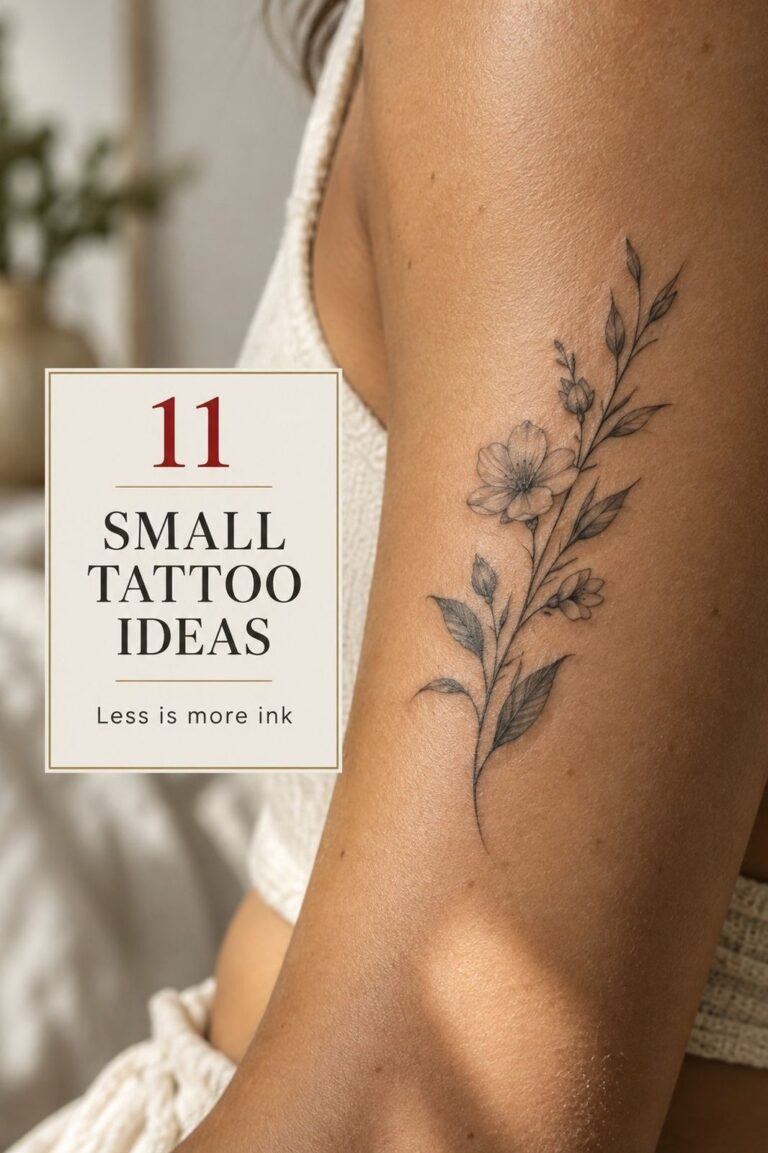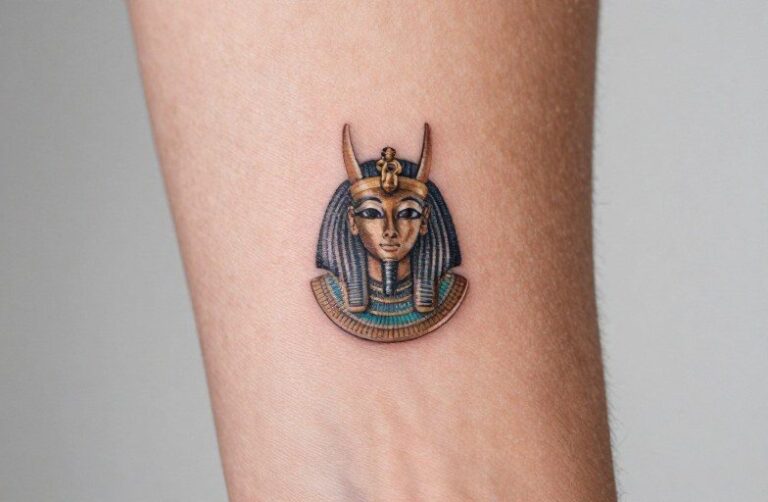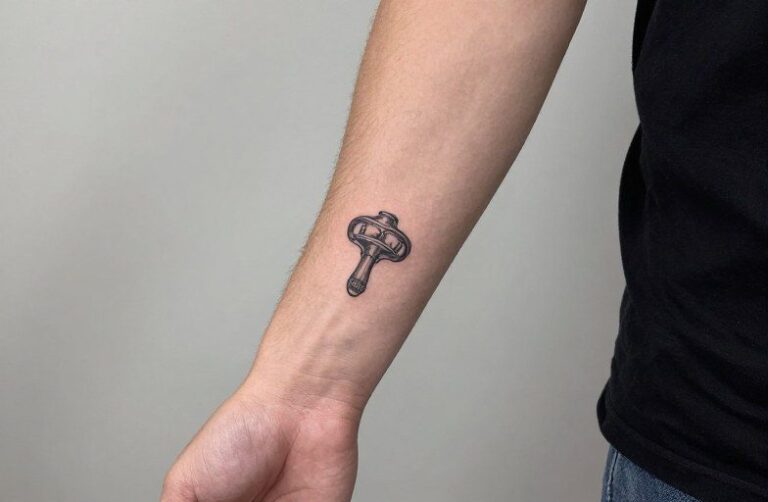
A meaningful tattoo is ink chosen to represent something deeply personal, values, relationships, transformation, or identity. Unlike purely decorative pieces, these designs carry weight because the wearer selected them with intention, not trend. The “meaning” isn’t universal; it lives in the specific symbol, the placement, and the context of that person’s life.
Religious & Spiritual Angles
Spiritual tattoos often anchor meaning in something larger than the self. The same image can shift dramatically depending on the tradition behind it.
Abrahamic Symbols
Crosses, ichthys fish, and Hebrew script remain common, but placement changes their tone. A small cross behind the ear reads as quiet devotion; a full back-piece crucifixion scene becomes public testimony. Arabic calligraphy for “sabr” (patience) or “tawakkul” (trust in God) has grown in popularity, though artists stress verifying spelling with native speakers, botched Arabic script is a regrettably common cover-up request. The Hamsa hand bridges Jewish and Islamic traditions, with the eye motif meant to deflect negativity.
Eastern and Indigenous Traditions
Om symbols, lotus flowers, and unalome designs draw from Hindu and Buddhist iconography. The unalome specifically maps the path to enlightenment: spirals at the base represent struggle, the straightening line above it clarity. However, these carry appropriation risks when stripped of context. Mandalas, geometric patterns used in meditation, work best when customized rather than copied from a Pinterest board. Some artists refuse certain sacred imagery altogether, Buddha heads on legs or below the waist, for instance, violate Thai cultural norms.
Symbolism & Core Meaning
Core symbols in meaningful tattoos tend to cluster around a few human constants: love, loss, growth, and protection.
Transformation and Growth
Metamorphosis imagery dominates this category. Butterflies are obvious but effective, the monarch’s actual migration pattern can be mapped into the wing veins for extra specificity. Snakes shedding skin, phoenixes rising, and moon phase sequences all track change over time. The semicolon, popularized by mental health awareness campaigns, has become a specific symbol of surviving suicidal ideation. Its power comes from restraint: a tiny mark that invites explanation only when the wearer chooses.
Connection and Remembrance
Coordinates of significant locations, handwriting reproductions, and pet portraits fall here. The key is specificity. “Mom” in a banner is generic; her actual signature, copied from a birthday card, is not. Fingerprint patterns, rendered as whorled lines rather than literal prints, age better than photorealistic reproductions. For infant loss, the “forget-me-not” flower has genuine historical usage, not just sentimental appropriation.
Similar & Related Symbols
Meaningful tattoos rarely exist in isolation. Understanding adjacent symbols helps avoid unintentional overlap or confusion.
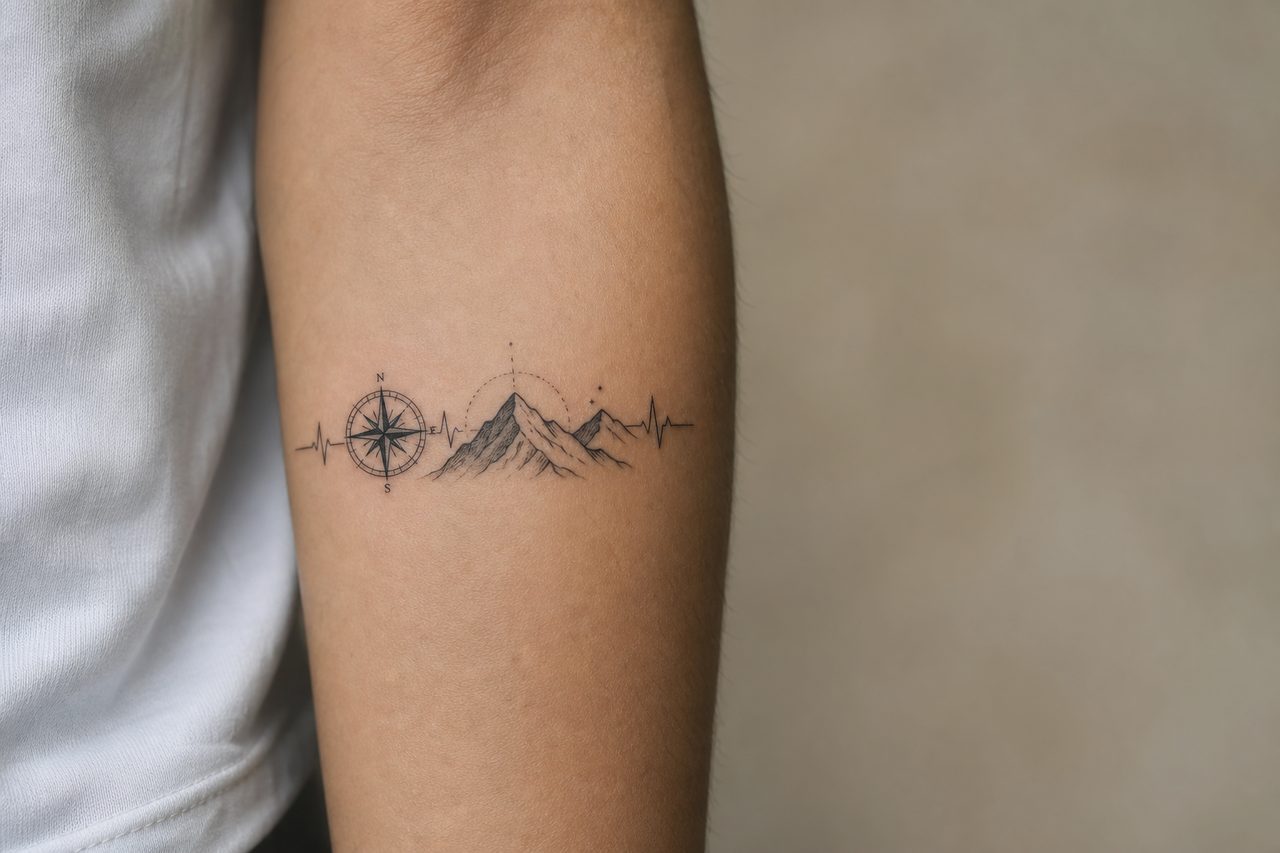
- Anchor vs. Compass: Both suggest stability, but anchors lean toward “I stay grounded,” compasses toward “I find my way.” Sailor Jerry traditional anchors carry working-class roots; ornate compass roses read more wanderlust-aspirational.
- Feather vs. Bird: A single feather often implies lightness or a specific bird’s traits (owl for wisdom, eagle for vision). Full birds in flight suggest freedom or aspiration. Know which you mean.
- Celtic Knot vs. Trinity Knot: The triquetra specifically references threefold patterns (Christian Trinity, pagan triple goddess, or simply past-present-future). General Celtic interlace is more broadly Irish/Scottish heritage without that loaded triad.
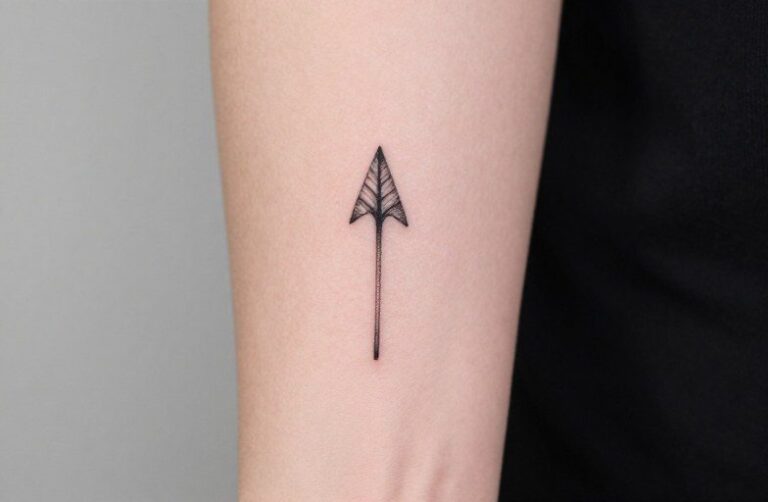
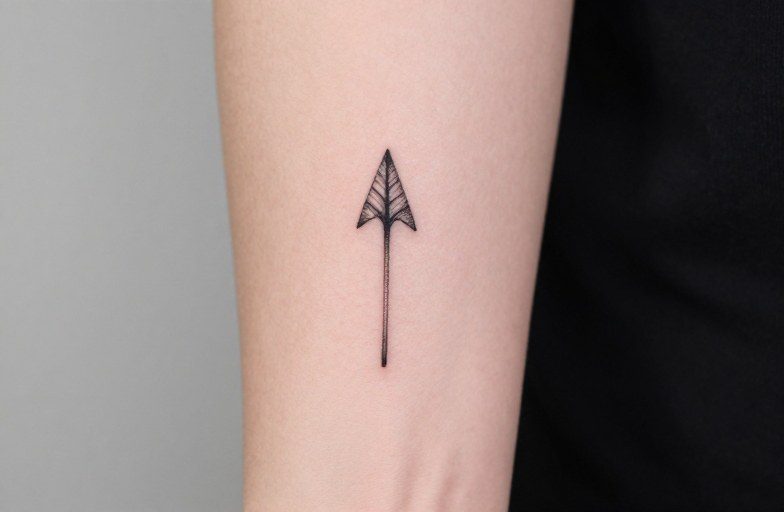
- Arrow vs. Bow: An arrow alone suggests direction or being pulled taut before release. Paired with a bow, it becomes partnership, two elements needing each other. Single arrow tattoos exploded in popularity around 2014 and now read as dated; consider whether that matters to your intent.
Regional symbols need similar care. The Maori koru (spiral fern frond) represents new life in its specific context; generic spirals don’t carry that. Norse runes have seen resurgence, but some have been co-opted by extremist groups, research your specific symbol’s current associations.
Design Tips & Pairings
Meaningful content deserves thoughtful execution. The design choices either amplify or dilute the symbol’s weight.
Line Work vs. Shading
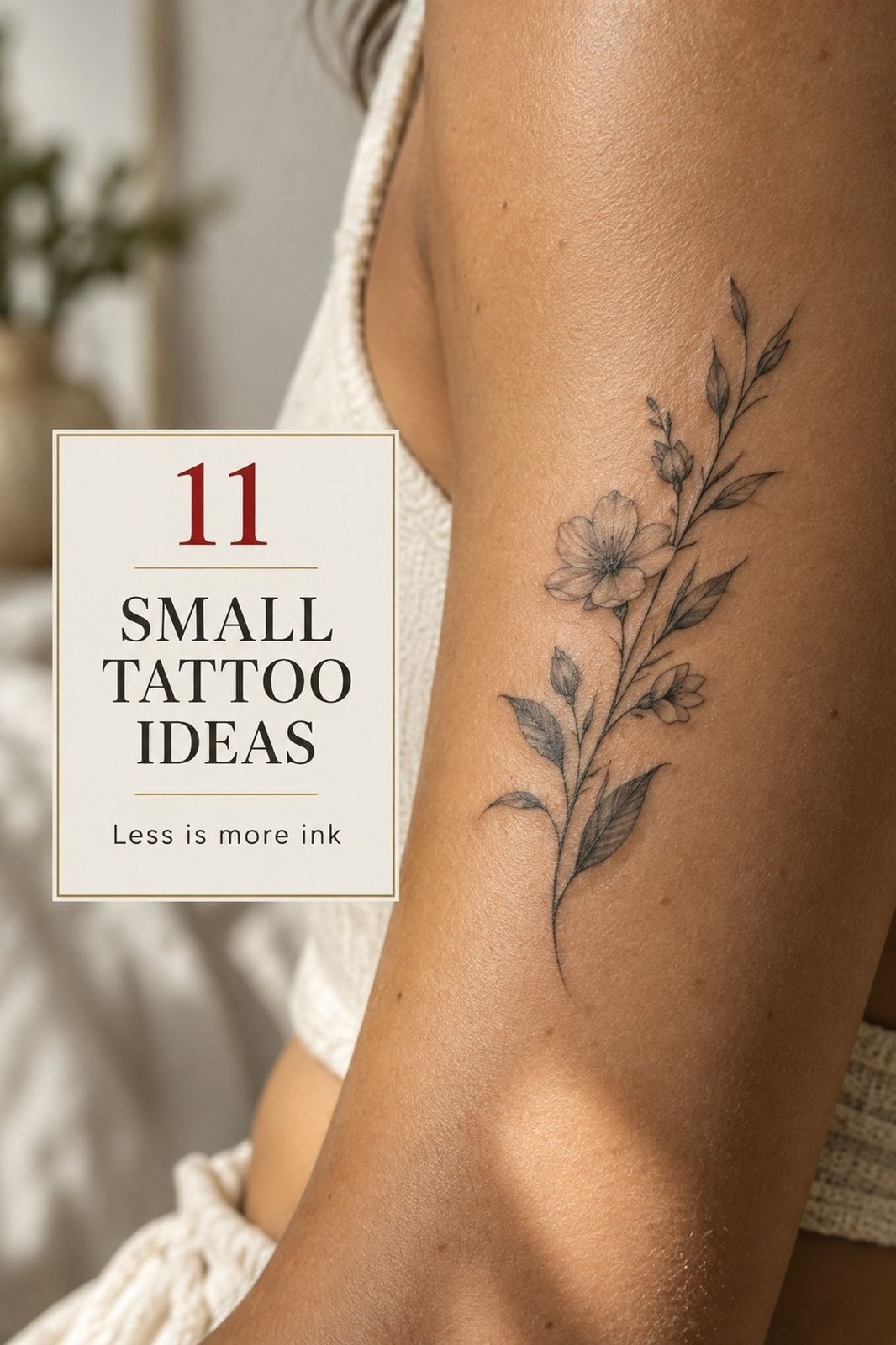
Fine line tattoos age poorly on high-movement areas, wrists, fingers, ankles. A meaningful phrase in delicate script becomes illegible blur within five years if placed badly. For longevity, bold lines and moderate spacing win. Black and grey heals more predictably than color, especially for first tattoos. If color carries meaning (birthstones, national flags), limit the palette to two or three hues to prevent muddiness.
Combining Elements
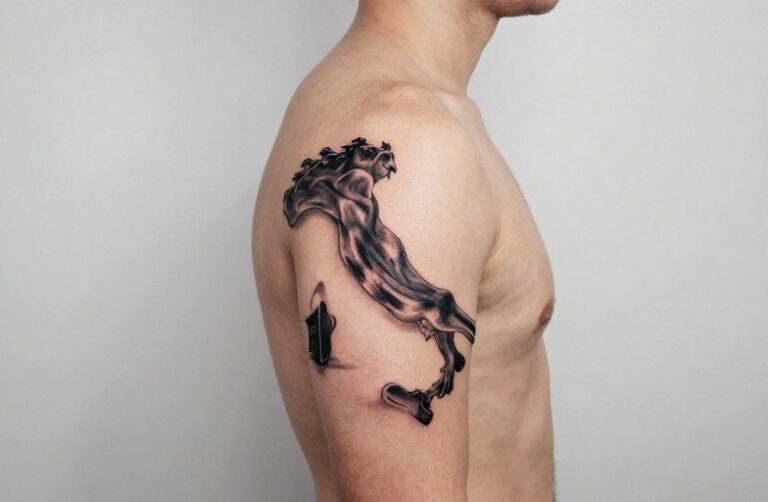
Pairings should interact, not just coexist. A rose with a clock suggests beauty and time; a rose with a dagger adds danger or protection. Consider negative space, silhouettes of states or countries with a heart cutout at the specific city. Birth flowers combined with birthstones (rendered as actual gem cuts rather than generic circles) create layered family pieces. Roman numerals for dates work best when the font echoes the era, Trajan for classical references, more modern sans-serif for contemporary events.
Avoid overcrowding. Meaningful tattoos often accumulate elements until the original symbol drowns. Start with one clear image; add surrounding work later if needed.
Best Placements
Placement is part of the meaning. Visibility choices signal how private or public the symbol is meant to be.
- Inner bicep/inner forearm: Visible when you choose, hidden in professional settings. Good for personally significant but not conversation-starting pieces.
- Behind the ear: Intimate, discovered rather than announced. Small scale required; detail limits apply.
- Ribs/chest: Painful, which itself becomes part of the commitment narrative. Close to the heart, literally, for relationship or memorial pieces.
- Thigh: Large canvas, easily concealed. Permits detailed scenes or text that would wrap awkwardly on smaller areas.
- Hands/fingers: Highly visible, socially loaded. Knuckle tattoos carry specific subcultural associations; finger sides fade fastest of any placement.
Consider aging: upper arms and thighs hold ink better than stomachs (weight fluctuation) or feet (friction and sun exposure). A meaningful tattoo you can’t see without a mirror, upper back, back of neck, creates interesting distance from the symbol; you carry it without monitoring it.
Who Chooses This Tattoo
There’s no single profile, but patterns emerge in shop conversations. First-timers often gravitate toward meaningful work as justification, their “one tattoo” needs to count. Parents after children are born frequently seek family-specific imagery. People in recovery choose dates, symbols of struggle survived, or replacement cover-ups over older addiction-related marks. Grief drives a significant subset: memorial portraits, dates, or objects associated with the lost person.
The unifying thread is decision-making style. These clients research longer, bring reference images, and often need to talk through the concept before committing. That’s healthy. The red flag is impulsive meaningful tattoos, relationship names, current pop-culture quotes, anything tied to a situation that might shift. Good artists gently probe: “Will this matter to you in ten years?” The question isn’t dismissive; it’s protective.
Key Takeaways
Meaningful tattoos succeed when the symbol, design, and placement all align with genuine personal significance. Research cultural origins rather than assuming universal meaning. Prioritize technical execution, bold lines, appropriate scale, realistic aging, so the meaning remains legible for decades. Start specific rather than comprehensive; you can always build around a central piece. The most powerful meaningful tattoos often say less, not more, letting the wearer’s explanation carry what the image alone cannot.
Frequently Asked Questions
How do I make sure my meaningful tattoo won’t look dated in ten years?
Avoid trend-dependent fonts, hyper-current pop culture references, and overly delicate fine-line work that won’t age well. Choose symbols with personal staying power and execute them in bold, clean designs that hold up over time.
Is it okay to get a symbol from a culture that’s not my own?
Some symbols are broadly shared; others carry specific religious or cultural obligations. Research thoroughly, consider whether the symbol requires initiation or context you lack, and listen when artists from that culture express concerns about appropriation.
What’s the best way to incorporate text into a meaningful design?
Keep phrases short, long quotes blur and warp. Choose legible fonts at workable sizes, and consider placement carefully; fingers and sides of hands rarely hold text well. Handwriting reproductions need high-quality source images to translate properly.
How do I tell if an artist is right for my meaningful piece?
Look for healed work in their portfolio, not just fresh photos. Ask how they handle the specific style you want, script, realism, traditional. The right artist asks questions about your intent and offers technical guidance rather than just taking your deposit.