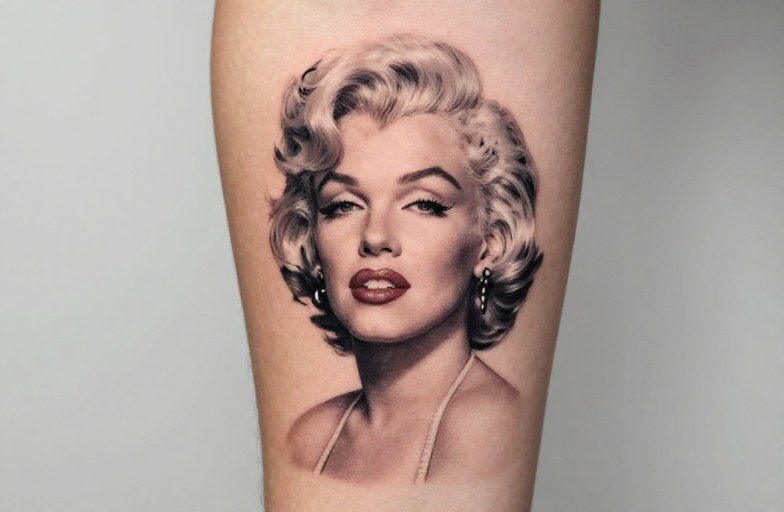
Marilyn Monroe remains one of the most tattooed faces in modern ink. Her image carries instant recognition, blonde waves, that half-lidded gaze, the beauty mark. But a Marilyn tattoo doesn’t have to be a carbon-copy publicity still. The best designs reinterpret her through your own lens: era, art style, mood, and placement all reshape what the image communicates.
Best Placements
Where you put Marilyn changes how people read her. Large, visible spots treat her as a statement; hidden areas make the tattoo feel more like a private reference.
High-Impact Spots
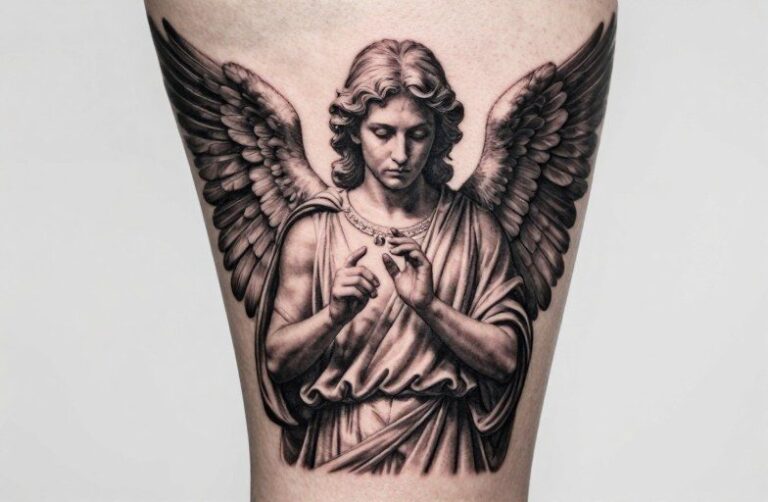
The outer upper arm and outer thigh handle detailed portrait work well. Both offer flat, muscular planes where a realistic face won’t distort much with movement. The shoulder blade works too, though you’ll need a mirror to see it yourself. Ribs and sternum draw the eye but hurt more, fine lines around the collarbones can blur over time from sun and friction.
Subtle Locations
Behind the ear, the inner bicep, or the side of the calf keep Marilyn personal. These spots suit smaller, simpler designs: a silhouette, a single feature, or stylized line work rather than full photorealism. Ankle and wrist placements demand restraint in detail; at small sizes, her features can muddy into unrecognizable blobs within a few years.
For First-Timers
Committing to a face tattoo, especially one this famous, can feel daunting for newcomers. A few choices make the process smoother without diluting the impact.
Start with Line Work
Skip the full-color portrait initially. A clean black-and-grey outline or stippled shading builds confidence and heals predictably. Line-based Marilyns age better too; solid black holds its edge while soft grey-wash portraits often fade to grey mush within five to seven years if not maintained.
Pick a Manageable Size
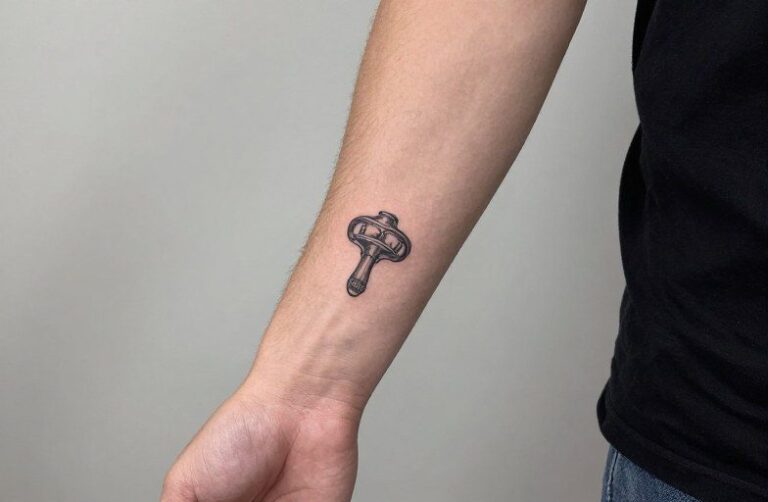
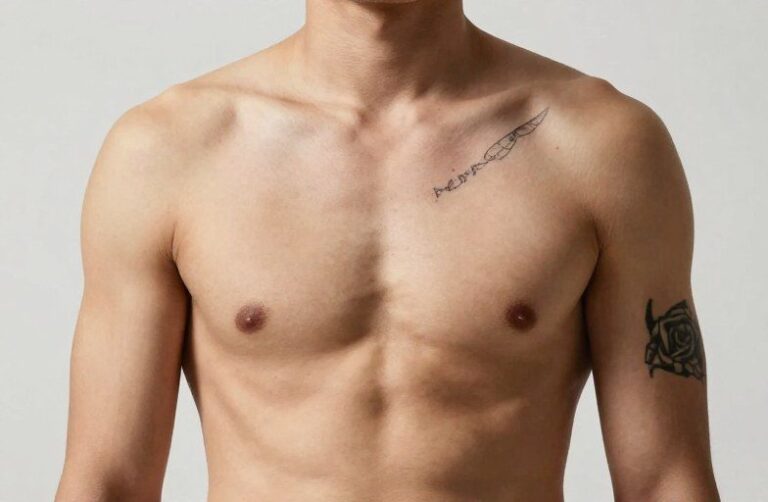
First tattoos shouldn’t require multiple sittings. A palm-sized Marilyn on the forearm or calf completes in one session, lets you test your pain tolerance, and still reads clearly from conversation distance. If you are deciding between the forearm and other spots, small forearm tattoos for men breaks down how placement affects aging and visibility. Save the full sleeve portrait for your third or fourth piece, when you’ve learned how your skin takes ink.
Trending Variations
Artists keep finding new angles on this familiar face. Current shop requests often blend Marilyn with unexpected genres.
- Pop-art Warhol: Bright flat colors, halftone dots, repeated panels, this references Andy Warhol’s silkscreens directly. Works best on flat areas like the thigh or upper arm where bold color blocks read cleanly.
- Neo-traditional: Thick black outlines, limited but saturated palette, decorative elements like roses or banners framing her face. The style holds up over decades; the heavy lines resist blowout better than fine realism.
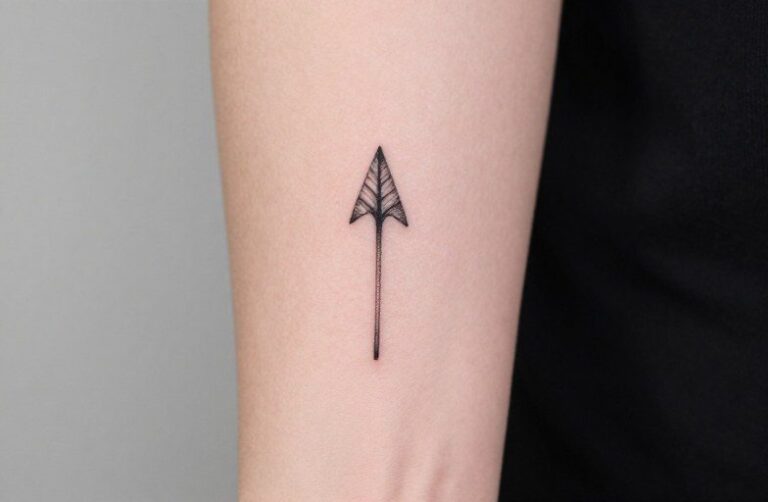
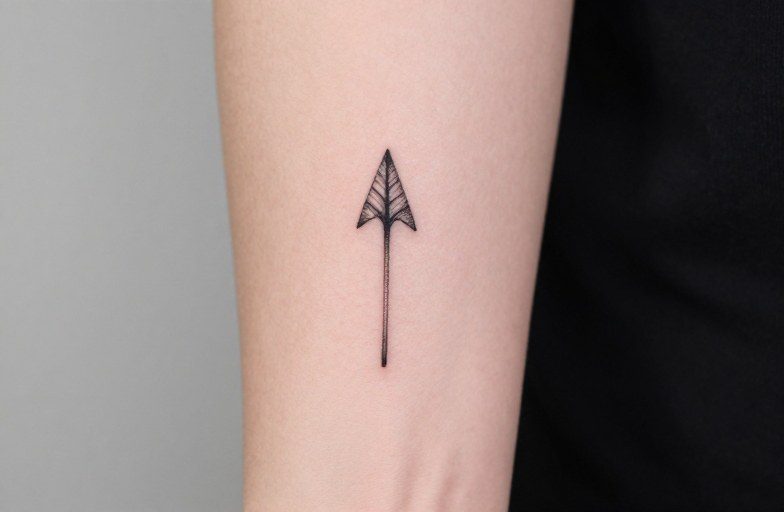
- Blackwork silhouette: Her profile or iconic pose in solid black negative space. Striking, fast to execute, and ages with minimal degradation. The same silhouette logic applies to smaller symbolic work; see how it plays out in small arrow tattoo designs where simple forms carry maximum impact.
- Deconstructed/glitch: Her face fractured by digital artifacts, scan lines, or color separation. Demands a technically skilled artist; poorly executed, it looks like a mistake rather than intention.
Size & Scale
Marilyn’s features are delicate. At too small a scale, her eyes, nose, and that signature mole collapse into indistinct dots. At too large, the tattoo dominates whatever body part hosts it.
Minimum Viable Size
For recognizable realism, don’t go smaller than three inches in height. That gives the artist enough room for eye detail, lip shape, and hair texture. Simplified or stylized versions can shrink to two inches, but test the design at actual size before committing, what looks clear on a screen often dissolves on skin.
Scaling with Body Flow
On a vertical canvas like the outer calf or rib cage, a tall portrait elongates naturally. On horizontal areas like the chest or upper back, consider a three-quarter view or angled composition rather than straight-on face. The tattoo should move with your muscle structure, not fight it.
How to Personalize It
The risk with any celebrity portrait is genericness. Ten thousand people have the same publicity still on their shoulder. Personalization doesn’t require abandoning Marilyn, it means filtering her through your own references.
Era Selection
Early career Marilyn looked different: darker hair, softer features, less constructed persona. Bus Stop era carries a rawer energy than Some Like It Hot. The Misfits period shows strain and maturity. Pick the phase that resonates with your own narrative, not just the most famous image.
Combine with Symbolic Elements
Butterflies, film strips, roses, and diamonds all accompany her in various designs. More original combinations might include:
- Her face emerging from torn movie posters
- Combined with typography from her actual handwriting or letters
- Placed within a vintage television frame or camera viewfinder
- Overlaid with her birth name, Norma Jeane, as a dual-identity piece
Standout Design Ideas
Some directions simply work better than others, regardless of trend cycles.
Negative-space portrait: The artist builds her face from the skin showing through heavy black surrounding. From a distance, it’s abstract; up close, she emerges. Technically demanding, but no other approach looks quite like it.
Single-feature focus: Just her lips, her eyes, or that beauty mark isolated and enlarged. Removes the “celebrity portrait” baggage while keeping the reference unmistakable to those who know.
Multiple eras in one: A split-face design showing Norma Jeane on one side, Marilyn on the other. The seam can run vertically like a film splice, or dissolve through dotwork. This concept needs an artist comfortable with both likeness and conceptual storytelling.
Monochrome with one accent color: Entirely greyscale except for her lips in red, or her eyes in blue. The restraint makes the color hit harder. Healing note: red lips need touch-ups more often than black ink; plan for that maintenance.
Key Takeaways
A Marilyn Monroe tattoo succeeds when it avoids mere replication. The strongest pieces choose a specific era, scale appropriately for the chosen body part, and add personal or stylistic layers that distinguish your version from every other shop wall stencil. Realism demands size and a skilled portrait artist; stylized approaches offer more flexibility and often age more gracefully. Black-and-grey heals more predictably than full color, especially on smaller pieces. Most importantly, know why you’re choosing her, nostalgia, beauty standards commentary, personal identification, pure aesthetic appeal, and let that purpose guide every design decision. The tattoo lasts longer than the reason behind it should remain clear.
Frequently Asked Questions
Do Marilyn Monroe tattoos age badly because of all the fine detail?
They can, if done too small or with excessive grey-wash softness. Larger pieces with solid black anchoring and clear contrast hold up better. Expect realistic portraits to need touch-ups every five to eight years, especially in sun-exposed areas.
How do I find an artist who can actually do a good portrait of her?
Look specifically at their black-and-grey portrait work, not their general portfolio. Ask to see healed photos from a year or more prior, not just fresh tattoos. An artist confident in likeness work will have multiple celebrity portraits in their portfolio.
Is it weird to get a Marilyn tattoo if I’m a man?
Not at all, plenty of men wear her image. The design context matters more than gender: a Warhol-style piece or a bold blackwork treatment reads differently than a soft glamour portrait, but none are off-limits by gender.
Can I use a specific photo I found online, or does the artist need to create original reference?
Most artists prefer to composite or redraw reference rather than copy a single copyrighted photo directly. This also lets them adjust lighting and contrast for how tattoo ink behaves. Bring several images you like, then let the artist build a custom reference that works for skin.