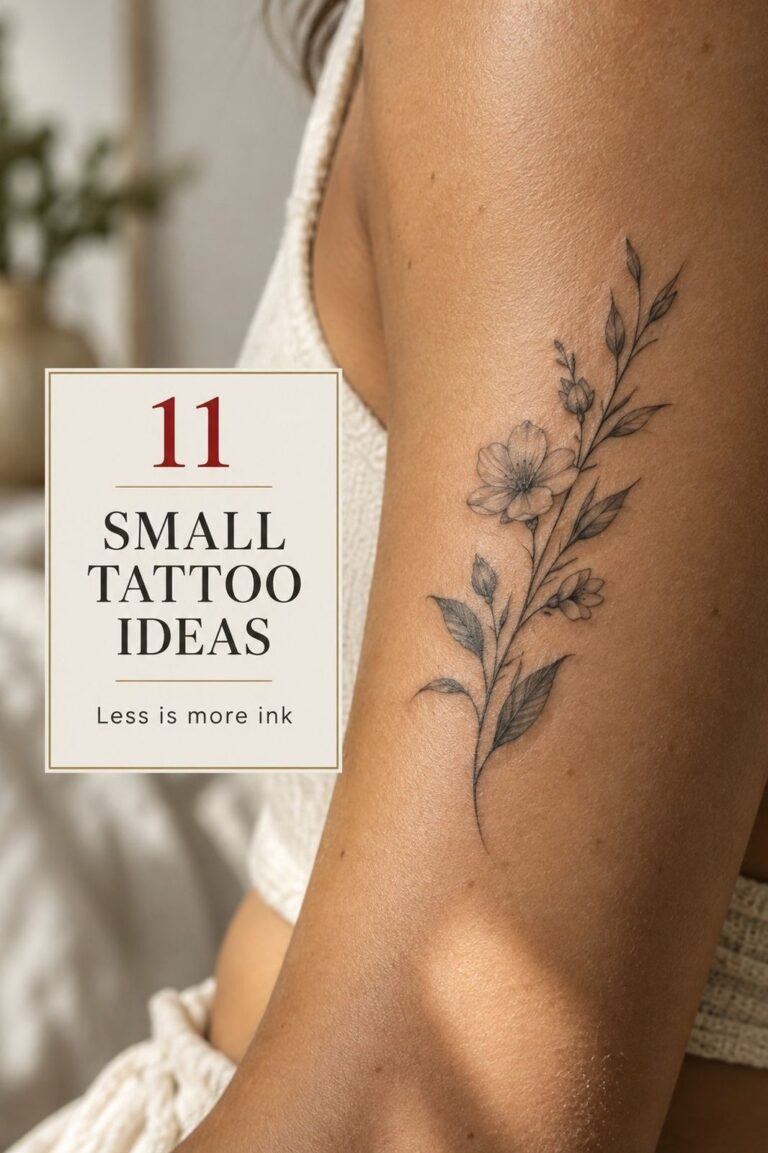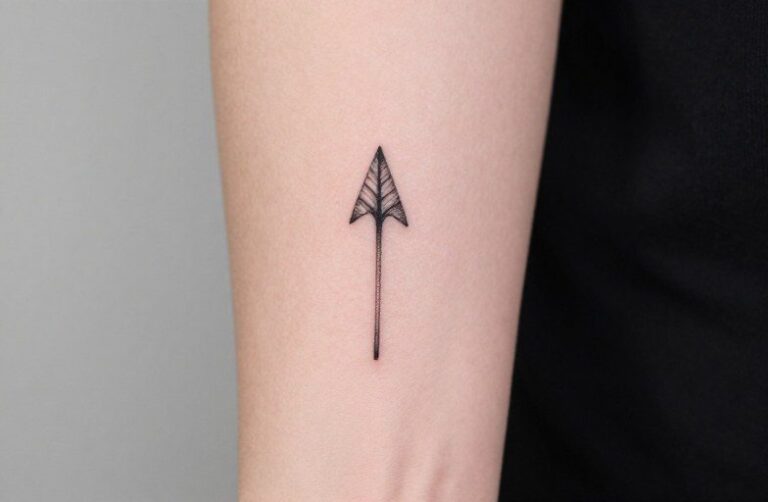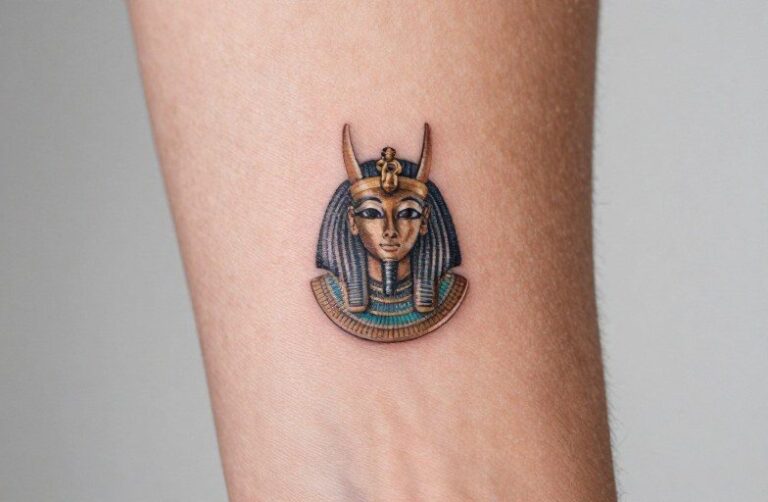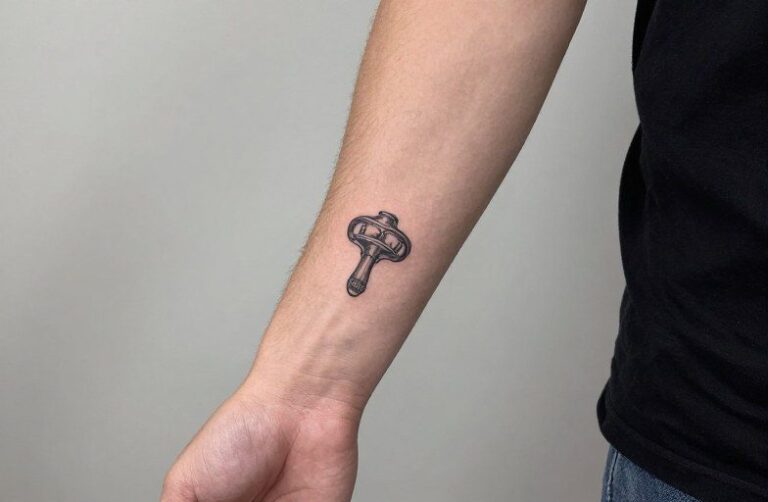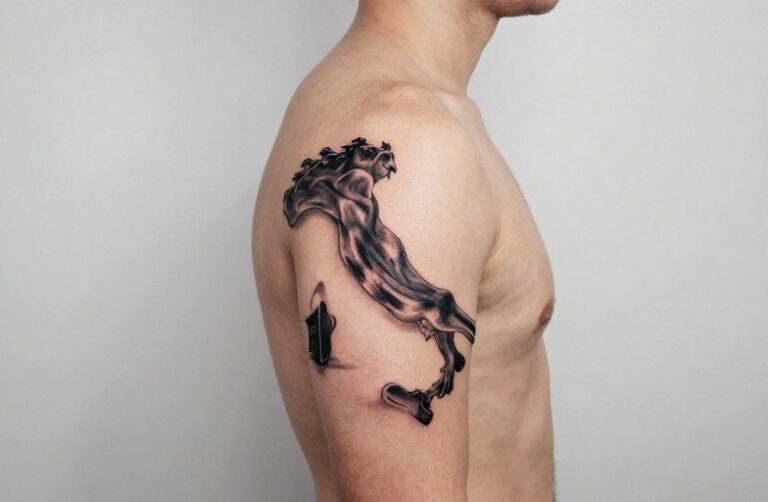
Artistic tattoo designs borrow from painting, sculpture, and illustration, but they live under different rules than canvas. Skin stretches, fades, and ages. The best artistic tattoos do not replicate gallery pieces; they translate them into a medium that breathes, moves, and changes over decades. If you are drawn to abstract expressionism, surrealist imagery, or fine-line illustration, understanding how art theory meets tattoo reality will keep your piece looking intentional, not accidental.
Where These Pieces Live Best
Placement changes how a design reads. Some areas frame the body like a gallery wall; others distort the image with every movement.
Flat Planes and Curved Surfaces
The outer thigh, outer upper arm, and upper back offer the flattest, most stable surfaces for detailed artistic work. These areas do not warp much with muscle flex or weight fluctuation. A geometric composition or portrait stays recognizable here. Ribs, inner biceps, and stomachs curve and compress. They suit flowing, organic designs, but they are risky for rigid symmetry or small text. Knees and elbows twist the skin so aggressively that only the boldest, simplest artistic shapes hold up long-term.
Visibility and Context
- Forearms and hands: Hard to hide, so the art becomes part of your public identity. Good for pieces you want to see daily.
- Upper arms and thighs: Easy to conceal, easier to expand into larger compositions later.
- Back and chest: Large, uninterrupted spaces that suit ambitious, multi-element artistic designs.
- Neck and face: The art becomes your first impression. Only for people who have already committed to full visibility elsewhere.
Size and Scale
Artistic tattoos need room to breathe. A watercolor splash the size of a quarter turns into a bruise-shaped blur in five years. Negative space, gradient fades, and delicate linework all require minimum sizes to age properly.
Minimums That Actually Hold
Single-needle fine lines need at least two to three inches in any direction to keep from closing up during healing. Shaded areas with soft edges need even more: four or more inches for a smooth gray-wash transition that does not look muddy. Bold traditional-style artistic pieces can run smaller because the heavy black outlines create artificial boundaries. If your reference image is a large painting, do not expect a three-inch tattoo to carry the same impact.
Scaling Down Complex Art
Not every painting translates. A detailed scene with many figures becomes illegible at arm size. Good artistic tattooing simplifies: choosing one focal element, amplifying contrast, and eliminating fussy details that blur together. Your artist should redraw the reference, not just shrink it.
Directions Worth Considering
The artistic tattoo scene moves fast, but some current directions have enough technical maturity to recommend.
Abstract and Expressionist
Brushstroke tattoos, color-field blocks, and splatter effects have sustained interest for several years now. The trick is controlling chaos. True abstract expressionism on skin needs intentional placement of every “accidental” drip. Random splatter without structure looks like a blowout or infection scar. Artists who paint traditionally before tattooing tend to handle these better than those copying social media trends.
Surrealist Combinations
Melting clocks, floating eyes, impossible architecture: these designs work when the shading creates real depth. Flat surrealism looks like clip art; dimensional surrealism makes people stop and stare. Double-exposure effects, a face containing a landscape, for instance, work best at medium-to-large sizes where the nested images remain distinct.
- Glitch and distortion effects, horizontal line breaks, pixelation, age poorly if too fine
- Sculptural and statue-inspired pieces, often with dramatic single-source lighting
- Art nouveau and jugendstil revival, heavy on line weight variation and ornamental framing
Style Categories
“Artistic” is not one style. It is an approach that runs through multiple established genres.
Fine Line Illustration
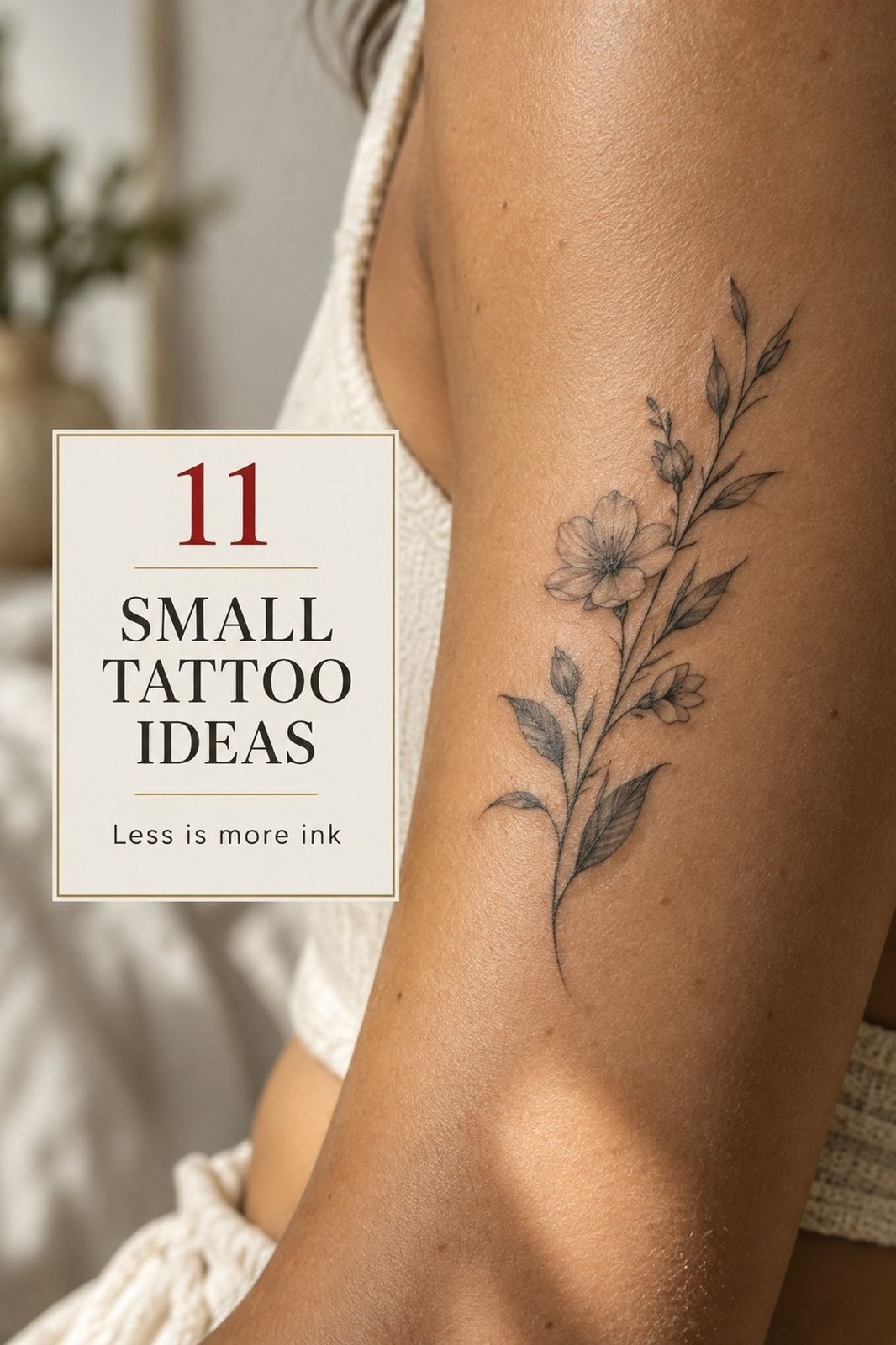
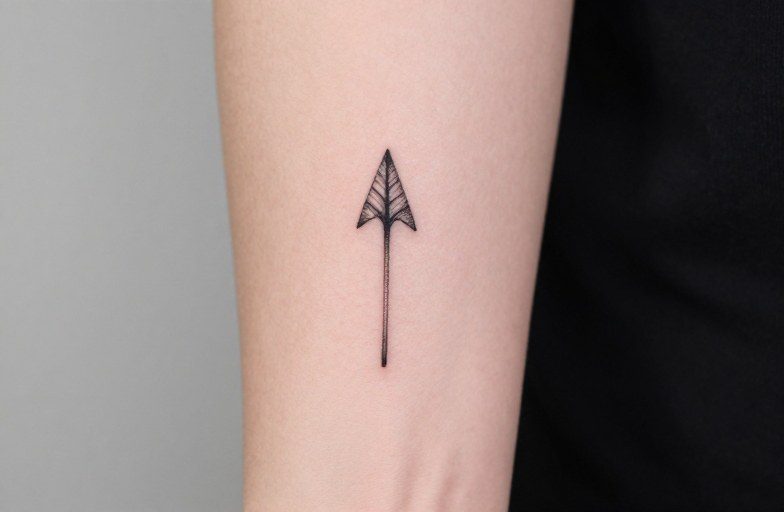
Single-needle or tight three-needle groupings create the sketch-like quality of pen-and-ink drawings. Cross-hatching, stippling, and contour lines replace solid black fills. This style ages faster than bolder alternatives. Lines spread, dots merge, and the delicate quality softens into something more atmospheric. Expect touch-ups. The tradeoff is unmatched subtlety and a distinctly hand-drawn feel that heavy traditional work cannot replicate.
Painterly and Color Wash
Watercolor tattoos without black outlines remain controversial among old-school artists, but technique has improved. The key is strategic anchoring: some dark elements, eye pupils, branch silhouettes, geometric frames, that hold structure while color bleeds around them. Pure watercolor with zero black rarely lasts ten years without significant fading and shape loss. Ask to see healed photos from two-plus years ago, not fresh work.
Black and Gray Realism
Portrait-level accuracy using only black ink diluted to gray tones. The artistic twist comes from subject choice: famous paintings, film stills, or original compositions rendered with chiaroscuro lighting. This style demands enormous technical skill; poor gray-wash work looks ashy and flat. Mastery of skin tone as a “color” in the composition separates decent artists from exceptional ones.
Building Relationships Between Pieces
Artistic tattoos can stand alone or connect into larger systems.
Complementary Pieces
Two arms can carry related works: a figure on one, their shadow on the other. Or matching artistic movements: impressionist florals on the left, geometric deconstruction on the right. The contrast creates dialogue. Couples often want identical matching tattoos, but artistic pairings work better as thematic echoes than carbon copies. Same palette, different subjects. Same subject, different scales.
Building a Collection
Collecting artistic tattoos from multiple artists creates a curated body gallery. The unifying factor might be subject (all botanical), technique (all dotwork), or placement (all upper body, none below elbows). Without some constraint, the collection looks accidental. Plan three moves ahead: where this piece sits, what might flank it, and whether future work needs to harmonize or deliberately clash.
- Pair a large back piece with smaller related studies on the limbs
- Mirror-image designs on symmetrical placements (both thighs, both shoulders)
- Negative-space versions: one arm solid black with design carved out, the other traditional positive image
Color on Skin, Not Canvas
Color theory from painting applies differently here. Canvas is white and stable; skin is translucent, warm-toned, and reactive.
How Skin Tones Interact
Dark skin makes pastels and light yellows disappear. Those pigments lack the density to show through melanin. On very fair skin, bright reds and oranges can look neon and cheap. The undertone matters too: cool skin (pink or blue veins) pushes purples and blues toward harmony, while warm skin (green veins) makes earth tones and oranges sing. A skilled artist adjusts saturation and pigment choice for your specific skin, not just the reference image.
Longevity by Pigment
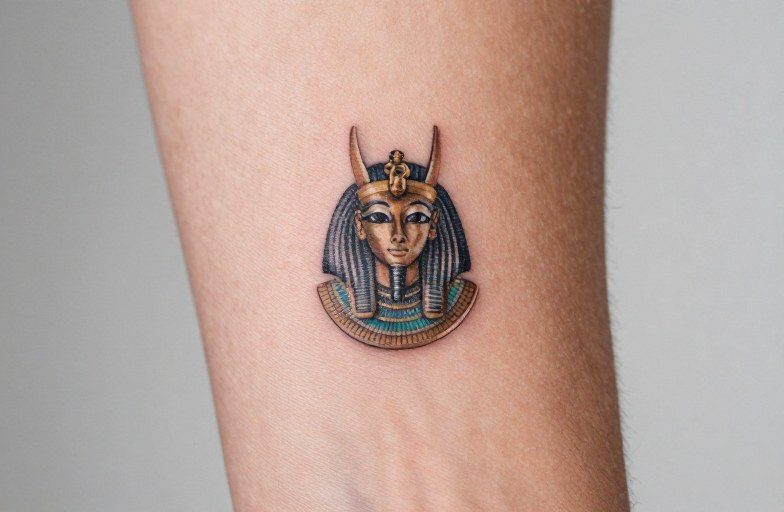
Black lasts longest, period. Dark blues and forest greens hold well. Reds fade to pink or orange depending on the specific pigment batch. Light purples and teals often shift toward gray as the warmer undertones degrade faster. White ink yellows or disappears entirely on most people. For artistic tattoos meant to last, build the composition around stable colors and use fugitive ones as accents, not foundations.
- Black and gray: typically the longest clarity with minimal change
- Blue and green: often 10-15 years before noticeable muting
- Red and orange: 5-10 years, highly variable by brand and depth
- Yellow and white: 2-5 years, often requiring significant refresh
What to Remember
Artistic tattoos succeed when they respect both the source material and the medium. The most stunning reference image means nothing if it cannot be technically executed at the size and placement you want. Find artists whose healed work you can verify, whose style matches your vision rather than adapting to it, and who will tell you when your idea will not work. Good artistic tattooing is collaboration, not transcription. Your skin becomes part of the art, not just a surface it sits on.
Frequently Asked Questions
How do I know if an artistic tattoo idea will work on my skin?
Bring your reference to a consultation with an artist who specializes in the style you want. Ask to see healed photos of similar work on skin tones close to yours. Be wary of artists who only show fresh, just-finished pieces. A good artist will redraw your reference rather than shrink it, and will tell you directly if your idea needs simplification or a different placement.
Do watercolor tattoos really fade faster than traditional ones?
Generally yes, especially pure watercolor with no black outlines or anchoring dark elements. The pigments are the same, but without black to hold structure, the soft edges blur and the lighter colors fade to invisibility. Strategic dark anchors, pupil details, branch silhouettes, geometric frames, can extend the readable life significantly. Always ask to see healed work from two or more years prior.
Can I get a detailed painting reproduced exactly as a tattoo?
Rarely at small sizes, and rarely with the same impact. Tattoo ink sits in skin, not on top of it, so the translucency and layering of paint cannot be replicated. Good artistic tattooing chooses one focal element, amplifies contrast, and eliminates details that blur together at scale. Your artist should interpret, not transcribe.
What is the most important question to ask during an artistic tattoo consultation?
Ask to see healed work, not fresh photos, in a style similar to yours on a body area similar to yours. Fresh tattoos look dramatically different from healed ones. Also ask what specifically will not work about your idea. An artist who only agrees and reassures may be more interested in booking than in making good art.