Choosing a tattoo that lasts means balancing what catches your eye today with what will still look right on your skin in ten years. The best designs share common traits: strong contrast, clear readability at their intended size, and a concept that does not rely on trendiness to feel meaningful. Here is what actually works, where specific ideas shine, and how to avoid the common traps that lead to regret or expensive cover-ups.
For First-Timers
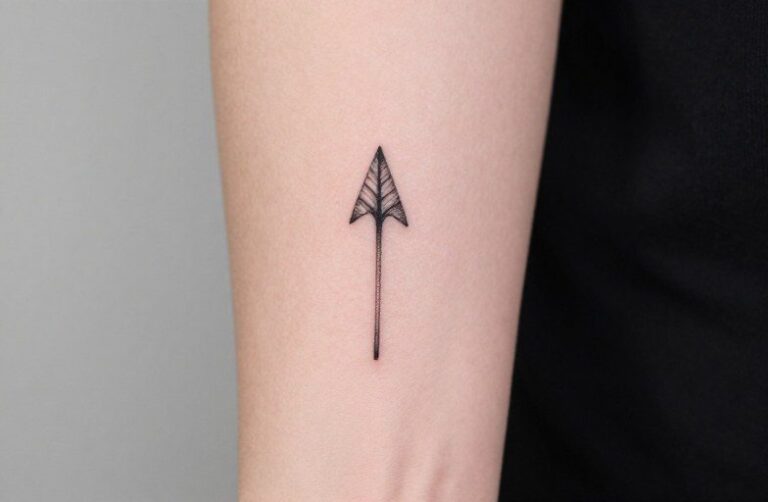
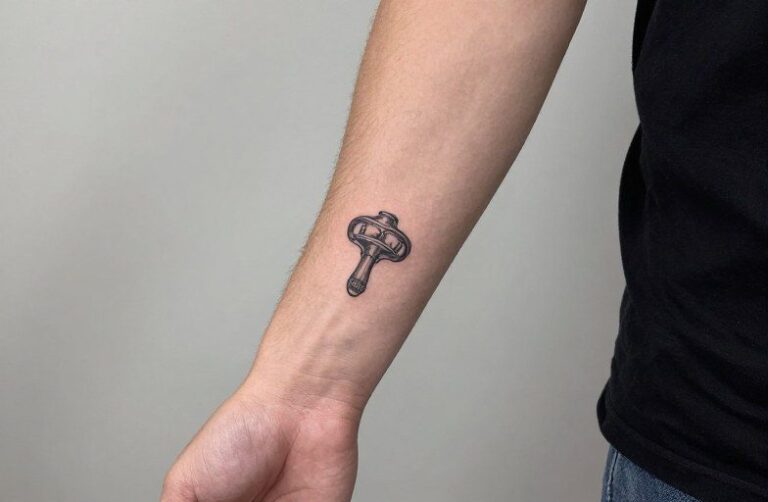
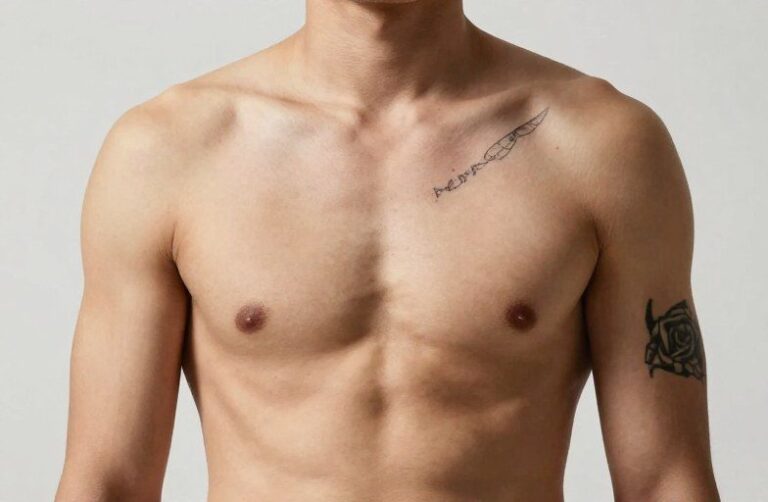
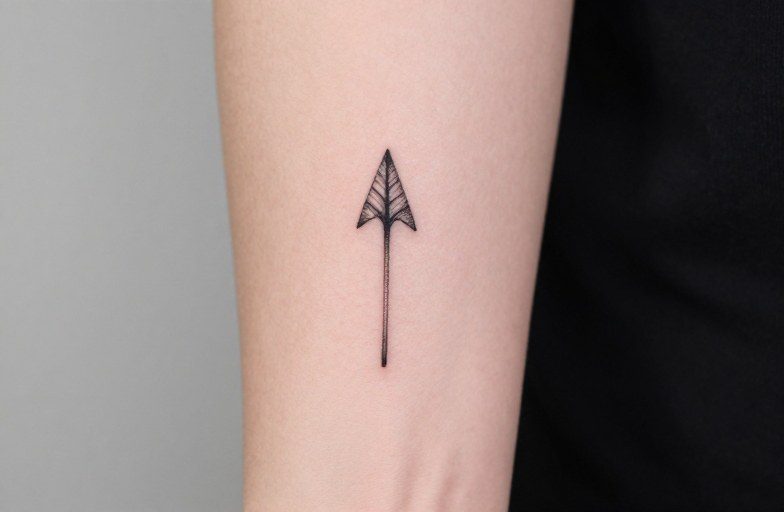
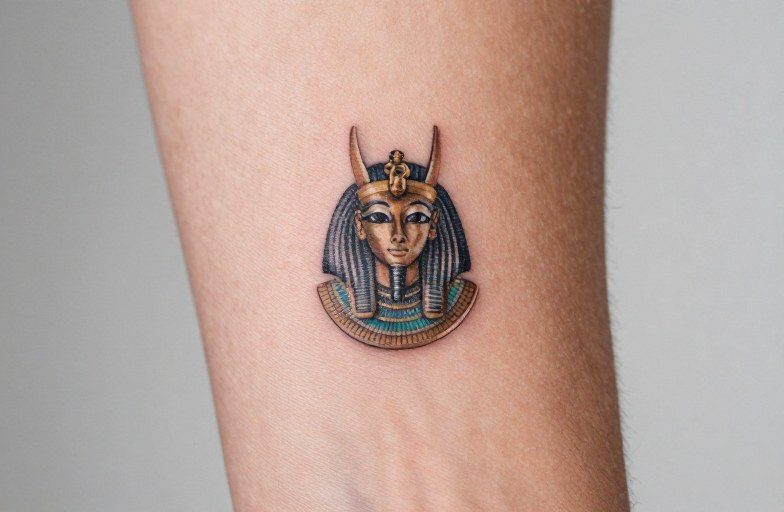
Your first tattoo tests restraint as much as creativity. Start small, but not microscopic. Tiny details blur faster than you might expect. A design the size of a quarter on your wrist can age into a fuzzy blue blob within five to seven years, though this varies widely with sun exposure, skin type, and aftercare. Better to choose something that fits comfortably in a palm-sized space or larger, with lines that have room to breathe.
Placement That Forgives
Upper arms, outer thighs, and shoulder blades handle the learning curve well. These areas have relatively stable skin that does not stretch or sun-damage as aggressively as hands, neck, or ribs. The pain is manageable, the artist can work comfortably, and you can cover or show the piece as needed. Avoid fingers, sides of feet, and inner wrists for a first piece. These spots heal unevenly, fade fast, and limit your future options.
Design Styles That Age Gracefully
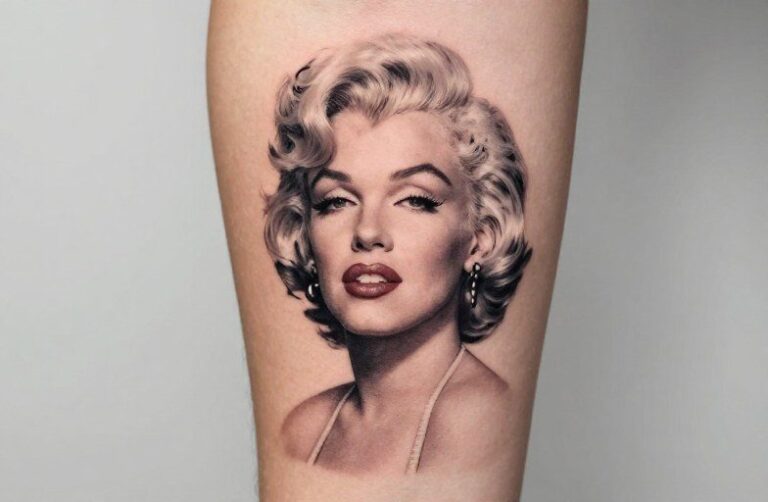
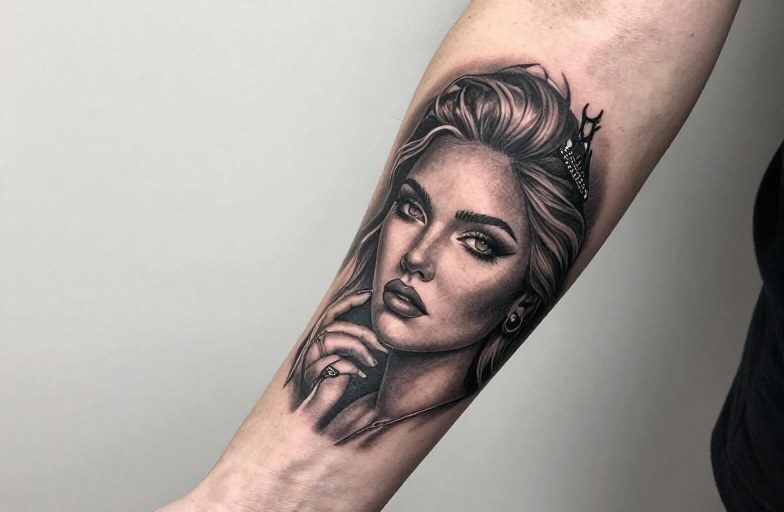
Bold line work outlasts fine-line whimsy. American traditional, Japanese-inspired motifs, and solid black geometric shapes hold their edges. Watercolor-style pieces without outlines, extremely detailed realism, and single-needle delicate work require more frequent touch-ups and often disappoint long-term. If you are drawn to something intricate, commit to a size that lets the detail survive.
Your First Consultation
Walk in with references, not a blueprint. Bring images that capture the feeling you want, not exact copies of someone else’s tattoo. A good artist translates your intent into something that works on your specific body. Ask about their healing protocol, how they handle touch-ups, and whether they have photos of healed work from similar placements. Their answers reveal whether they think in years or only in the moment of application.
Trending Variations
Trends are not automatically bad. Some reflect genuine evolution in technique. What matters is distinguishing a lasting shift from a fleeting aesthetic.
What Is Working Now
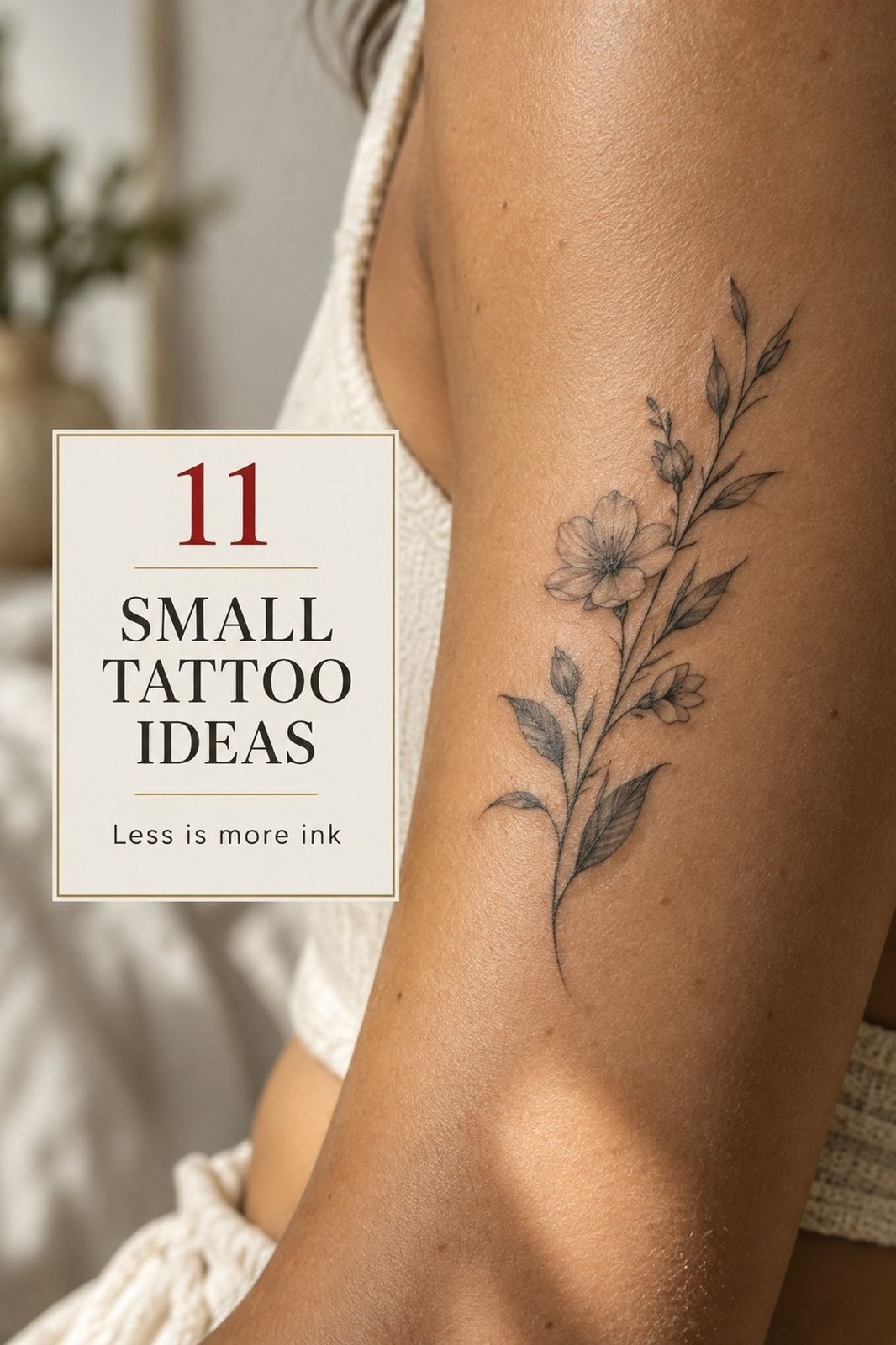
- Botanical illustration style: Scientific accuracy meets artistic interpretation. Think pressed-flower precision with stippled shading rather than soft washes. Holds detail better and references a long visual tradition.
- Blackwork ornamental: Dense patterns inspired by lace, woodblock prints, or Islamic geometry. The heavy black saturation ages into a softer grey but maintains structure.
- Negative space designs: Using skin tone as part of the image, floral silhouettes where the flower is un-inked skin surrounded by black background. High contrast, immediate readability.
What Is Fading Fast
Minimalist single-line faces, astrological symbols with no surrounding composition, and tiny text in cursive fonts are already showing their age on early adopters. Micro-realism on fingers and behind ears, popular roughly 2017-2020, is often linked to cover-up or removal work now. If you see a style saturating social media with identical copies, it is probably near its expiration date.
How to Spot a Fad
Ask yourself: does this style exist in any other medium? American traditional and Japanese work have decades of print, painting, and craft history behind them. Styles that exist only on Instagram, with no broader visual culture, tend to collapse when the algorithm moves on. Choose work that would look at home in a book, not just on a screen.
Standout Design Ideas
Certain concepts translate exceptionally well to tattoo medium because they leverage how ink sits in skin and how the eye reads shape over time.
Animals in Profile
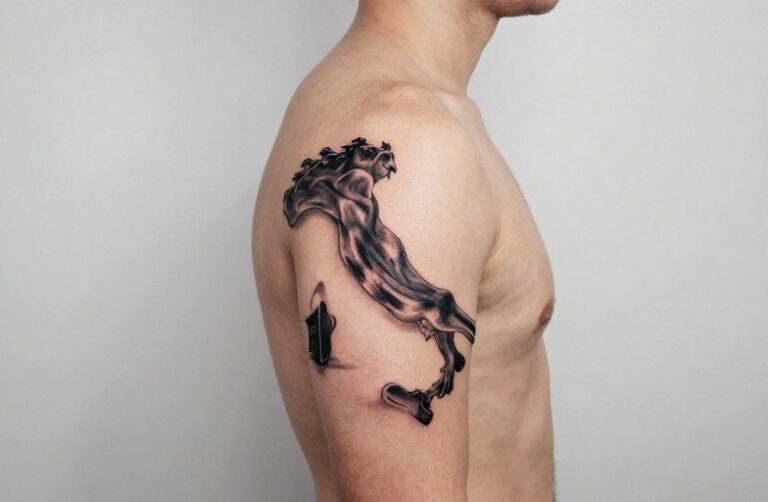
Wolves, ravens, snakes, and big cats read instantly from across a room. The silhouette carries the design even as finer fur texture softens. A raven in solid black with minimal feather detail works for decades; a photorealistic tiger face needs large scale and expert execution to avoid looking like a smudged photograph later. Profile and three-quarter views simplify the form without losing recognizability.
Nautical and Nature Motifs
Ships, lighthouses, pine trees, mountains simplified to their essential shapes communicate clearly without requiring the viewer to decode personal symbolism. A pine tree reduced to a triangle with trunk and subtle branch suggestion is more powerful than a photorealistic forest scene squeezed too small. These motifs carry weight because they have been visual shorthand for centuries.
Abstracted Figures
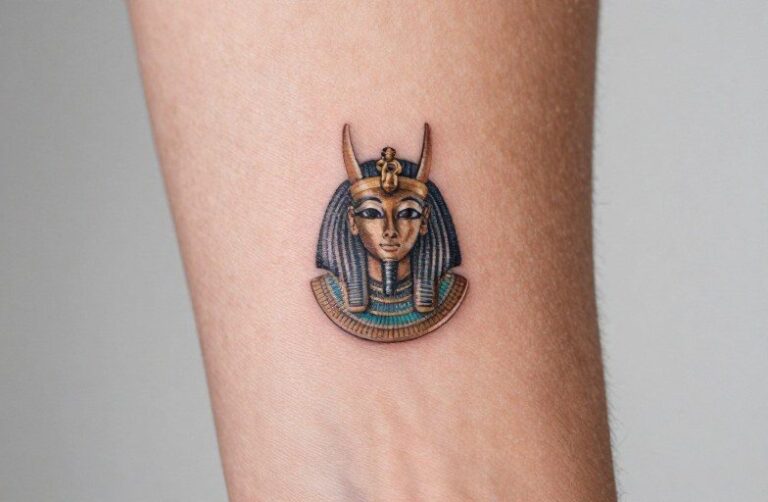
Greek statues, Japanese demons, Celtic knotwork. The cultural distance lets you appreciate form without literal narrative burden. These also give the artist room to interpret rather than copy. A Greek bust rendered in black and grey can reference your interest in classical art without requiring you to explain a personal story every time someone asks.
How to Personalize It
Personalization does not mean adding every symbol that matters to you into one dense collage. The strongest custom pieces usually do one of two things: modify a classic motif with a specific detail, or place a universal image in a personally significant context.
Specific Modifications That Work
A standard rose becomes yours through species accuracy (a cabbage rose versus a tea rose), color choice tied to memory, or integration with a specific location’s flora. A snake’s head can be shaped to reference a particular regional species. These details matter to you, add visual interest for others, and do not require explanatory text.
What to Avoid in Custom Work
Do not try to combine more than two major elements in a first design. The approach that piles a compass with a dog’s paw print, grandmother’s handwriting, hometown coordinates, and a phoenix produces cluttered, illegible results. Pick one strong concept. Add complexity later, in separate pieces that can stand alone. Your skin is not a scrapbook page.
Placement as Personalization
Where you put something matters as much as what you put there. A design visible only to you, on a rib or upper thigh, carries different weight than a forearm piece you see daily. Consider who you are tattooing for: yourself, your professional self, your future self. The answer shapes placement more than design.
Size and Scale
Scale determines whether a good design becomes a great tattoo or a permanent disappointment. The same image at two inches and eight inches is effectively two different tattoos.
Line Weight and Detail
Line weight must increase with size. A design that looks delicate at sketch size needs heavier needle groupings when enlarged, or the lines will look anemic and the shading patchy. Conversely, bold lines designed for a forearm piece will look brutal and crude shrunk to wrist size. Your artist should adjust the drawing for the actual size, not just blow up or shrink a fixed image.
Minimum Viable Sizes
- Simple silhouette or single symbol: 2-3 inches
- Moderate detail with some shading: 4-5 inches
- Complex imagery with multiple elements: 6+ inches, or accept significant simplification
Large-Scale Logic
Back pieces and full sleeves have their own logic. Flow between body contours, how the design reads when the body moves, planning for future additions. These are not simply large versions of small tattoos; they are architectural. A sleeve built over years needs cohesion that single-session pieces do not. Plan the negative space, not just the ink.
Tips for Choosing
The decision process matters as much as the design itself. Most regrettable tattoos came from rushed choices, unexamined motivations, or misplaced trust in the wrong artist.
Artist Matching
Look at healed work, not fresh photos. Social media and shop portfolios heavily favor fresh, saturated, perfectly lit images. Ask to see pieces from one, three, and five years prior. An artist whose healed work still reads well understands how ink ages in skin, not just how to make a striking first impression.
Specialization beats generalization for most styles. Someone who does excellent American traditional may produce mediocre fine-line. Someone brilliant at black and grey realism might struggle with bold color saturation. The best artists often turn down work outside their strength. Respect a refusal; it means they care about your result.
The Waiting Period
Live with your design concept for at least three months before booking. If possible, commission the artwork and print it at intended size. Tape it where you will see it daily. Boredom or doubt during this period is information worth heeding. Sustained interest suggests the idea has genuine staying power. Most impulse tattoos pass this test and fail later.
Budget Reality
Good work costs. Hourly rates in many US cities range from $150 to $400 or more for established artists, though this varies significantly by region and artist reputation. A solid palm-sized piece might take two to four hours. Full sleeves run into thousands. The cheapest option is almost never the best investment for permanent body modification. Saving for longer to afford the right artist beats immediate gratification with mediocre execution.
Before You Decide
Good tattoo designs are not defined by complexity or profound personal meaning alone. They are designs that work with the medium, skin that changes, stretches, and fades, rather than against it. Bold enough to read at distance, specific enough to feel yours, executed by someone whose healed work proves they understand the long game. The best piece you can get is one you will still be glad to see in the mirror when you are explaining to your grandkids why that particular image mattered enough to wear forever.
Frequently Asked Questions
How small can a tattoo be before it starts to blur?
Anything under two inches risks significant detail loss within five years, though this varies with placement, sun exposure, and skin type. Fine lines and intricate shading need at least three to four inches to age recognizably. Finger and hand tattoos are especially prone to rapid fading regardless of size.
Is it better to get color or black and grey for a first tattoo?
Black and grey generally ages more predictably and requires fewer touch-ups over time. Color can work well, but certain pigments (especially light yellows, pastels, and whites) fade faster and may shift in tone. If you want color, stick to bold saturated tones and choose an artist with a strong portfolio of healed color work.
How do I know if an artist is right for my design?
Ask to see healed photos from one to five years prior, not just fresh work. Look for specialization in your desired style. Schedule a consultation to discuss how they would adapt your concept to your specific body and skin tone. Their willingness to explain technical choices and suggest modifications for longevity is a good sign.
Can I combine multiple symbols into one tattoo?
You can, but restraint matters. Combining more than two major elements in a first design usually produces cluttered, illegible results. Better to start with one strong concept and add separate pieces later that can stand alone. Your skin has plenty of space; you do not need to use it all at once.