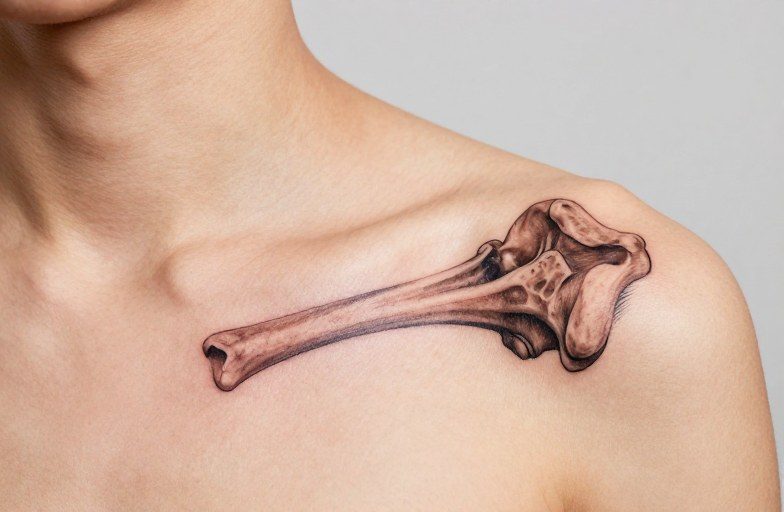
Collarbone tattoos sit right at the crossroads of visible and intimate. The bone creates a natural frame, the skin there moves constantly with shoulder and neck motion, and the area draws the eye without trying too hard. That combination makes it one of the most requested placements in shops, but also one where bad decisions show up immediately. The ideas that work here share one trait: they respect the anatomy instead of fighting it.
Tips for Choosing
Follow the Bone Line
Start with the bone itself. The clavicle runs horizontally with a slight curve, and any design that follows that line looks settled. Designs that ignore it look like they landed in the wrong spot. Symmetrical pieces centered on the sternum work. Single-side pieces that track the bone’s angle work. Random floating images that sit neither centered nor aligned tend to look accidental.
What the Skin Here Does Differently
Collarbone skin is thin over bone, with limited padding. That means:
- Lines need to be deliberate; wobbles have nowhere to hide
- Shading can look patchy if the artist works too fast over the bone ridge
- Stretching during healing is constant, every shirt neckline, every shrug
- Tanning and sun exposure hit this area hard; fading accelerates without protection
A design that relies on extremely fine detail or subtle gray-wash portraits will need touchups sooner here than on a thigh or upper arm. Choose accordingly, or budget for maintenance.
Placement Above, Below, or Across
Above the clavicle, toward the neck, the skin is thinner and more mobile. Script and delicate linework migrate faster here. Below the bone, toward the chest, the skin has slightly more give and tends to hold detail longer. Straight across the bone itself creates a bold structural statement but can be uncomfortable to sit for and to heal. Most experienced artists will talk you through which zone suits your specific design rather than forcing a single approach.
Size and Scale
The Two Ranges That Work
Small collarbone tattoos often disappoint. A 2-inch design centered under the bone can look like a stray mark from five feet away. The chest and shoulder planes are large; the collarbone is a narrow strip within that expanse. Scale needs to either commit to the full horizontal width or deliberately contrast against it.
Effective sizes tend to cluster in two ranges:
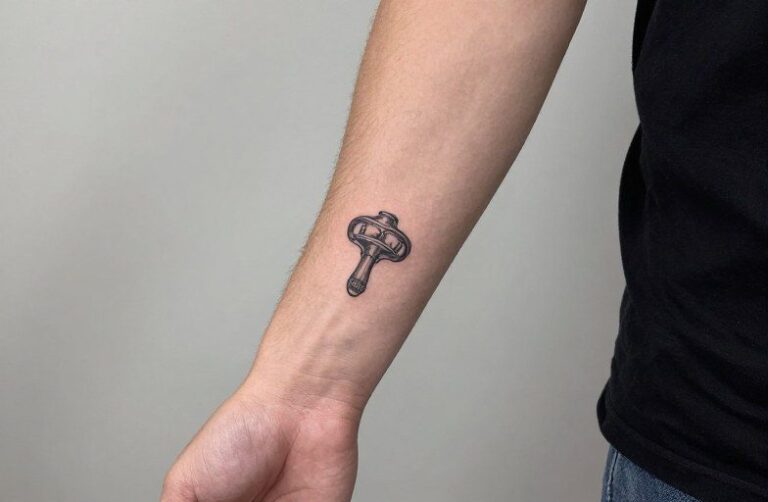
- Under 3 inches: single words, tiny symbols, or micro-flora placed precisely at the bone’s inner or outer end
- 6 to 10 inches: full clavicle-spanning pieces, paired designs on both sides, or flowing work that extends toward the shoulder or sternum
The awkward middle ground, 4 to 5 inches centered under one bone, often looks neither bold nor delicate, just uncertain.
Planning for Future Work
Think modular from the start. A small piece at the inner end of one clavicle can later extend into a sternum piece or shoulder work. A centered design that grows outward is harder to integrate. Most experienced collectors plan collarbone work as part of a larger chest or upper body composition, even if the first session is small.
How to Personalize It
Working With Your Specific Anatomy
Some people have visible hollows above and below the clavicle; others carry more tissue there. A design that uses negative space to let the bone itself become part of the image works beautifully on pronounced collarbones. On softer anatomy, bolder outlines and more solid fill prevent the piece from disappearing.
Consider your wardrobe, honestly. If you wear crew necks daily, a collarbone tattoo is hidden. If you live in tank tops and wide necklines, it’s always on display. Neither is wrong, but the visibility affects whether you want something that starts conversations or something that feels private even when visible.
Posture and Movement Patterns
How you hold your shoulders changes how a design reads. Someone with forward-rounded posture from desk work will show the collarbone area differently than someone with open shoulders. A good artist watches you stand and move before finalizing stencil placement. What looks centered when you are relaxed may shift when you lift your arm or turn your head.
Popular Styles
Script and Lettering
Script and lettering dominate collarbone requests. The horizontal bone begs for horizontal text. Single words, short phrases, or paired lines on each side work. The catch: script needs space between letters to stay legible as the skin ages. Compressed text blurs into texture within a few years. Choose a typeface with clear negative space, not something decorative to the point of illegibility.
Botanical and Floral
Botanical and floral designs follow the bone’s curve naturally. Stems, vines, and feathered elements can trace the clavicle line or mirror each other across the sternum. Black and gray botanicals age cleaner here than watercolor-style pieces, where the lack of outline causes faster diffusion in thin skin.
Minimalist and Geometric
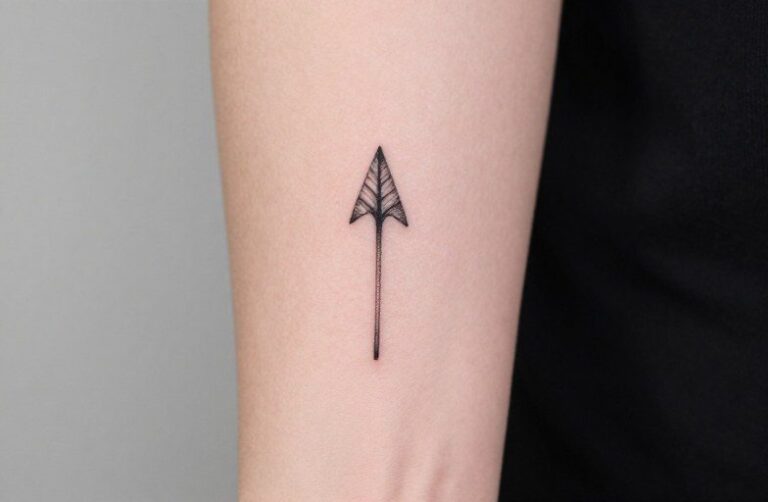
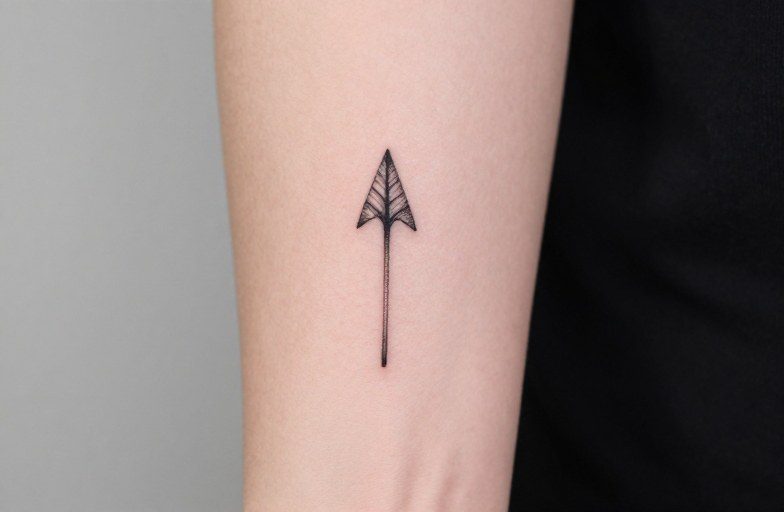
Minimalist linework, single needles, geometric shapes, and constellation maps have become common. The precision is appealing but risky. One-millimeter lines spread. Choose an artist whose healed work you’ve seen, not just fresh photos. The difference between a crisp healed line and a blown-out blur often comes down to needle depth and speed over this unforgiving bone.
Styles That Need Extra Caution
Heavy traditional Americana with thick black outlines can look harsh and crowded on the narrow collarbone plane. Realistic portraits require subtle shading that this skin doesn’t always hold. Tribal bands across the bone often age into indistinct dark bars as the edges soften. These are not impossible, but they demand artists with specific experience in adapting bold styles to delicate placements.
For First-Timers
What to Expect During the Session
The collarbone is not the most painful spot, but it is not comfortable. The bone proximity creates a vibrating, grinding sensation that some find worse than softer, more padded areas. The session is usually short; collarbone pieces rarely take more than two hours, which helps.
Healing Realities
Healing demands attention. Every time you lift your arm, the skin stretches. Sleeping on your back for two weeks is the reality, not a suggestion. T-shirt necklines rub. Backpack straps hit. Plan your timing around seasons and activities; post-session hiking trips or beach vacations are poor choices.
Start with something you can expand. A small piece at the inner end of one clavicle can later extend into a sternum piece or shoulder work. A centered design that grows outward is harder to integrate. Think modular.
Aftercare Specifics
Standard aftercare applies, but with extra vigilance. Avoid anything that crosses the chest or shoulders: messenger bags, seatbelts positioned high, sports bras with narrow straps. The collarbone is in motion almost constantly, so keeping the area clean and lightly moisturized without over-saturating matters more than on a stationary spot like the calf.
Color Choices
Why Black and Gray Dominates
Black and gray dominates collarbone work for practical reasons. The thin skin shows color through more transparently, which can look washed out rather than saturated. Darker pigments also withstand sun and friction better.
Strategic Color Use
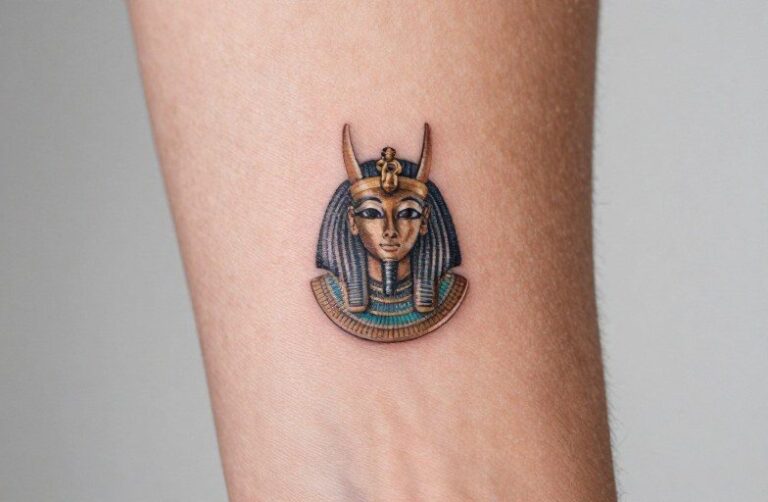
That said, strategic color works. A single accent, red in a floral center, a small gold element in a botanical piece, can lift a black design without requiring the maintenance of full color fields. White ink highlights on black and gray are popular but temperamental; white often yellows or disappears entirely in this placement.
Full Color Commitments
Full color pieces are possible but need commitment to sun protection. A bright piece here without SPF routine becomes muddy faster than almost anywhere else on the body. The collarbone is sun central. If you want color, plan for a lifetime of hats, sunscreen, or accepting that refresh sessions will be part of your tattoo’s life.
What to Remember
Collarbone tattoos succeed when the design and the body cooperate. The bone is a guideline, not an obstacle. Scale boldly or stay deliberately small; the middle ground falters. Accept that this placement will need more care, during healing, during sun exposure, over years, than a hidden spot. The tradeoff is visibility that feels earned rather than accidental.
Choose an artist who has healed photos from this specific area, not just fresh work. The difference between a collarbone piece that settles in and one that fights its surroundings usually shows up six months later, not on the day you walk out of the shop. Ask about their experience with your specific skin type and bone structure. A consultation that includes watching you move, checking how your clothing sits, and discussing long-term plans for the area is worth more than any portfolio image.
The collarbone is not a forgiving place to learn about tattoos. But done well, it offers something few other placements can: a design that feels both public and private, visible to anyone who looks your way but chosen entirely for your own reasons. That balance is worth the extra thought it takes to get it right.
Frequently Asked Questions
How painful is a collarbone tattoo compared to other placements?
The bone proximity creates a vibrating, grinding sensation that many find more intense than fleshy areas like the thigh. It’s not the worst spot, ribs and sternum center are generally tougher, but it’s not mild either. Sessions are usually short, which helps manage it.
Do collarbone tattoos fade faster than other tattoos?
Yes, typically. The area gets constant sun exposure, frequent friction from clothing and straps, and the thin skin doesn’t hold detail as long. Plan for stricter sun protection and possible touchups every few years, especially with fine lines or light colors.
Can I get a collarbone tattoo if I have a very prominent or very flat clavicle?
Absolutely, but the design should adapt. Prominent bones can become part of the composition through negative space. Flatter anatomy usually benefits from bolder outlines and more solid fill so the piece doesn’t disappear. A good artist adjusts the approach to your specific structure.
How long does a collarbone tattoo take to heal?
Surface healing runs about two to three weeks, but the area stays vulnerable longer due to constant movement. You’ll need to sleep on your back, avoid tight necklines, and keep straps off the area. Full settling of the ink can take two to three months.