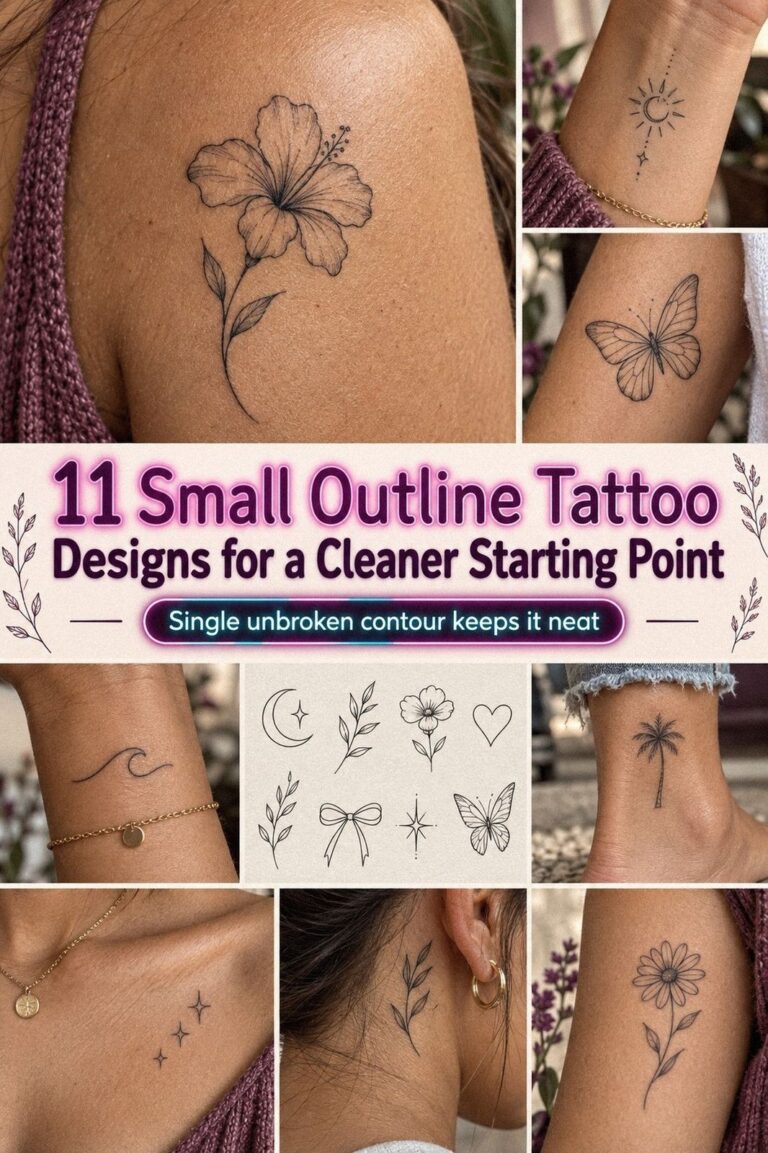
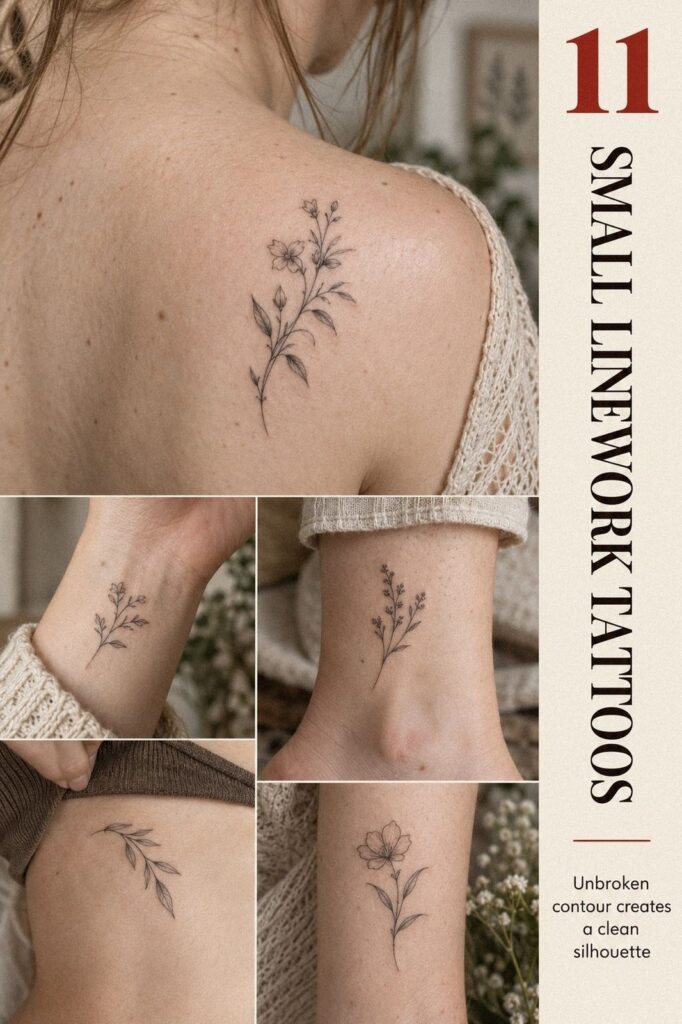
Small linework tattoos can stay within one session and often cost around $100 to $300 in the US, depending on the artist, region, placement, and size. I learned that the hard way after choosing a design too intricate for its scale.
Keep the crisp shape and personal meaning, with realistic expectations. That’s the whole game!
The best idea usually has one clear gesture, enough open skin, and a reference your artist can simplify without losing its character. You’ll want something that still feels right after the novelty wears off.
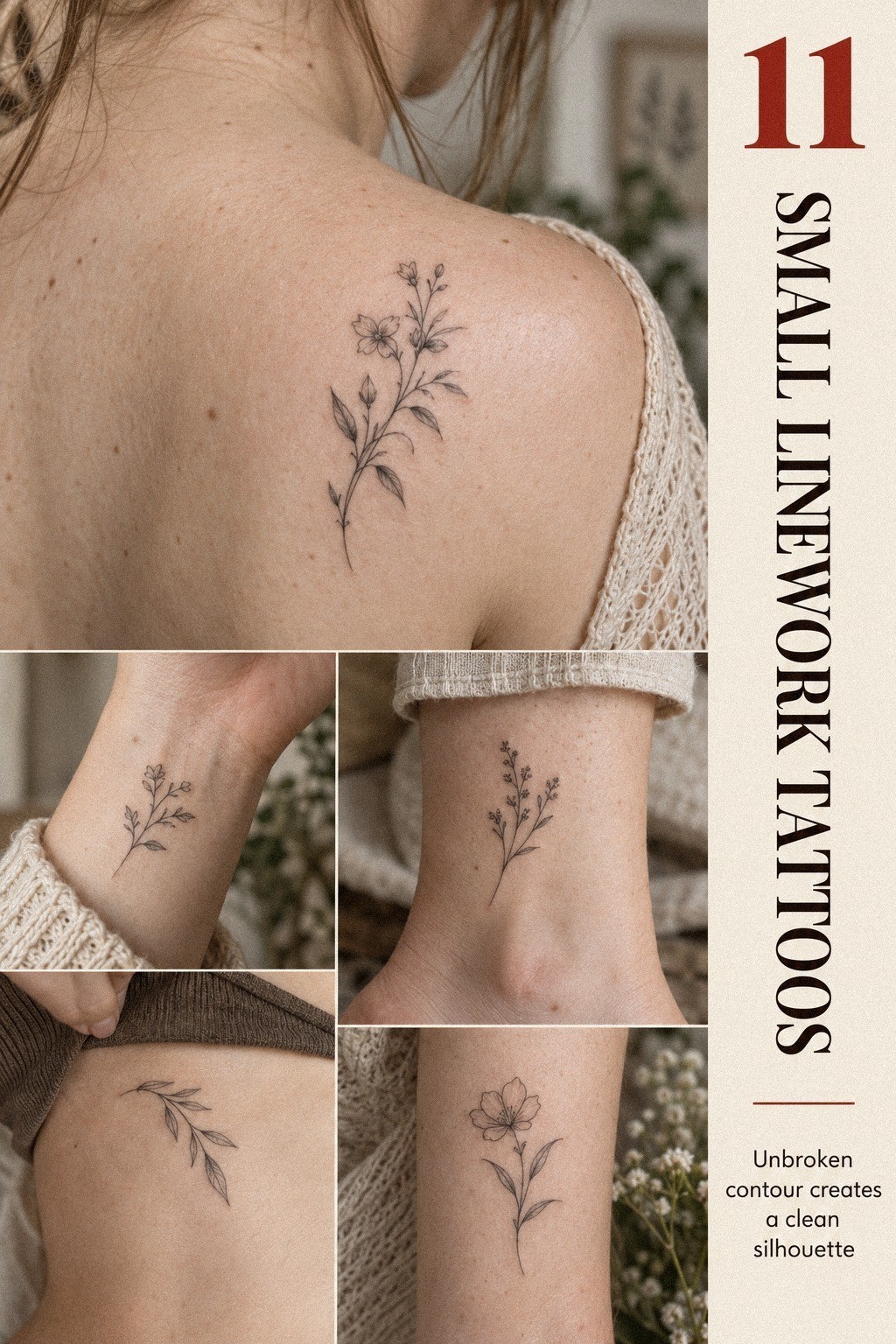
- Start With a Tiny Botanical
- Place It Behind the Ear
- Choose a Celestial Mark
- Why Do Finger Tattoos Need Extra Planning?
- Hide Meaning in a Flash-Sheet Symbol
- Build a Delicate Wrist Design
- Let the Animal Gesture Lead
- Follow the Collarbone’s Curve
- Play With an Ankle Motif
- Geometric or Organic? Choose Carefully
- Match Without Copying
1Start With a Tiny Botanical
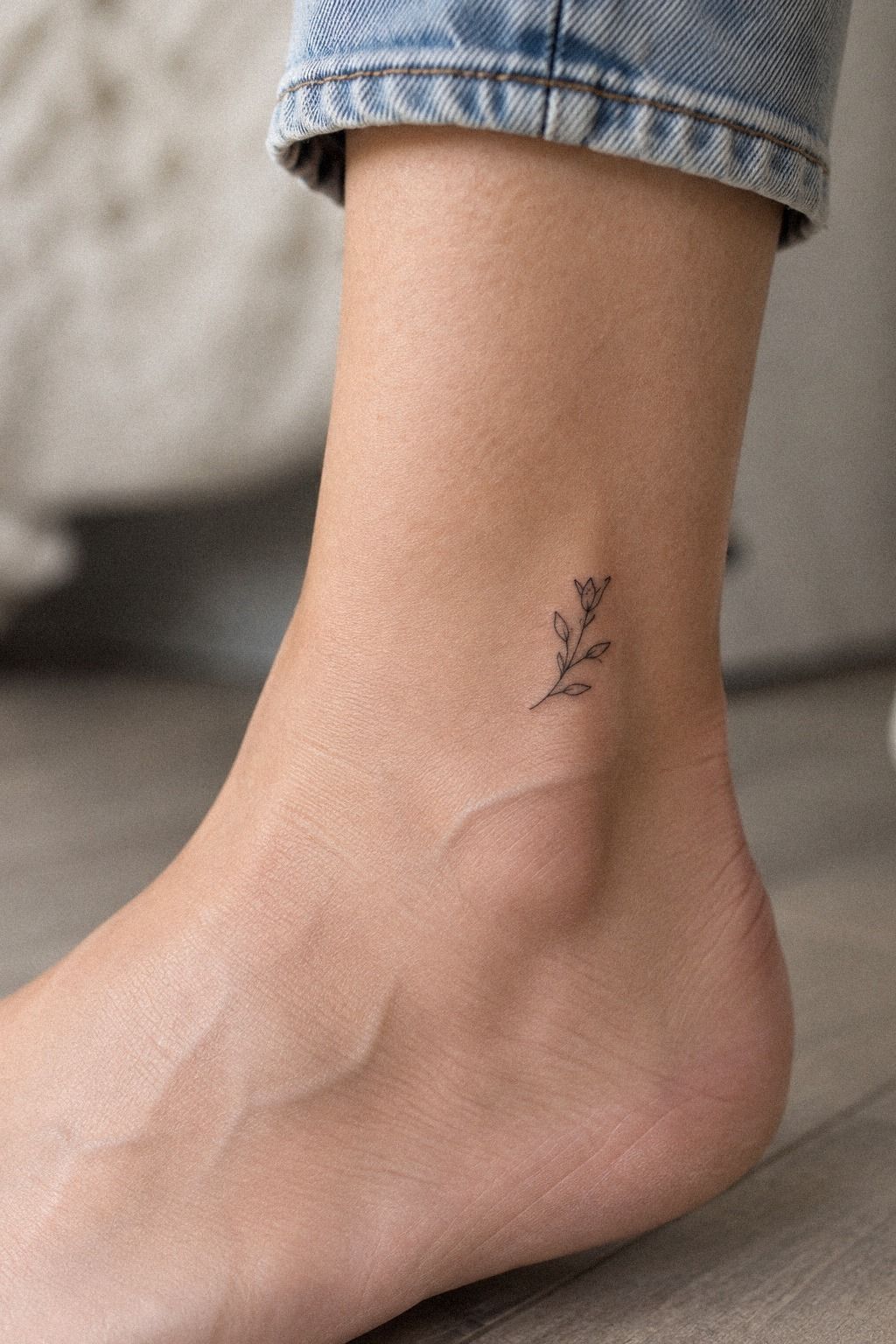
A tiny botanical design works best when you choose one recognizable stem, leaf, or flower instead of a crowded bundle. Single-needle linework can make a fern, olive branch, or wildflower feel delicate without looking unfinished. I’d choose a bold central stem over six wispy leaves because smaller details may soften as your tattoo ages.
Terracotta ink gives the design a distinctive edge, especially when the leaves have enough open spacing. You’ll want the stems separated enough that they don’t merge visually. A compact branch can be symbolic and understated without needing a long explanation.
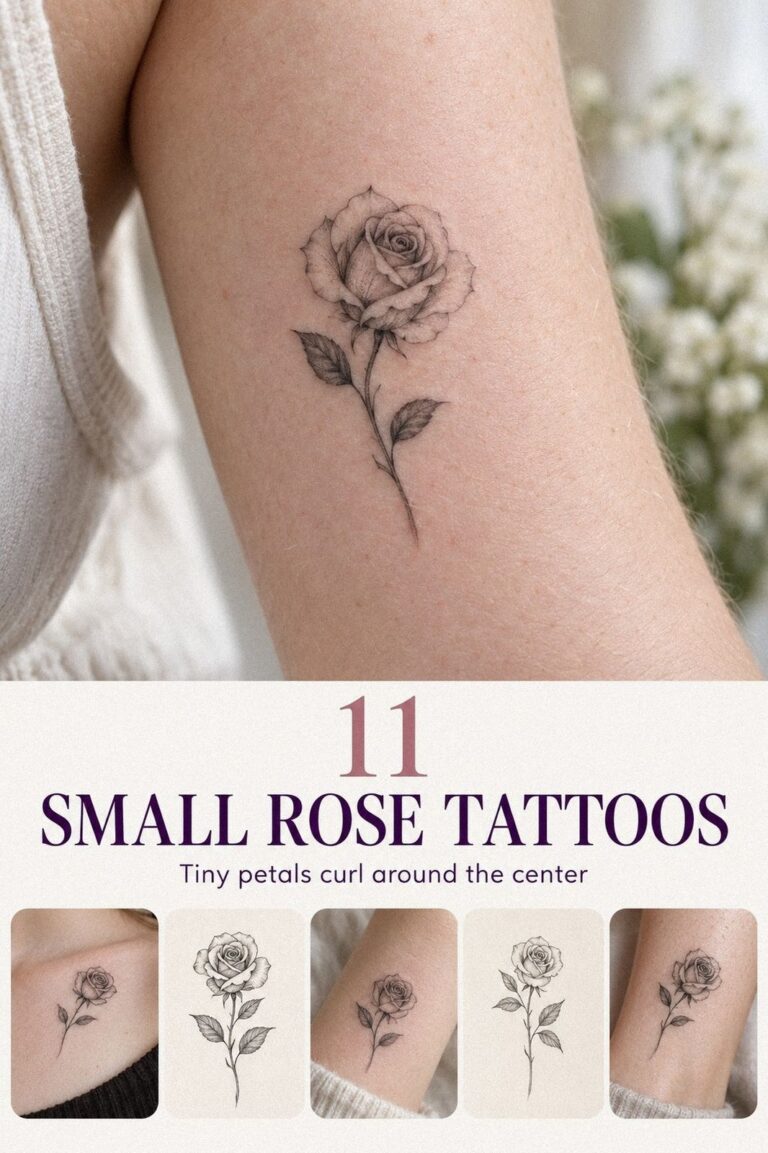
Try a tiny rosebud, olive sprig, or curved eucalyptus stem. Terracotta tattoo ink gives you a stronger anchor than pale grey, especially if you’re hoping the design will remain readable after healing. The small rose tattoos guide has useful shape ideas if you’re deciding between a flower and a leaf.
And don’t shrink an already intricate reference until it becomes a dark knot. A tattoo artist can simplify the silhouette while keeping the graceful curve you liked. If you’re comparing shoulder placements, the tiny small spine tattoos collection can help you see how a similar botanical rhythm changes along a longer body line.
2Place It Behind the Ear
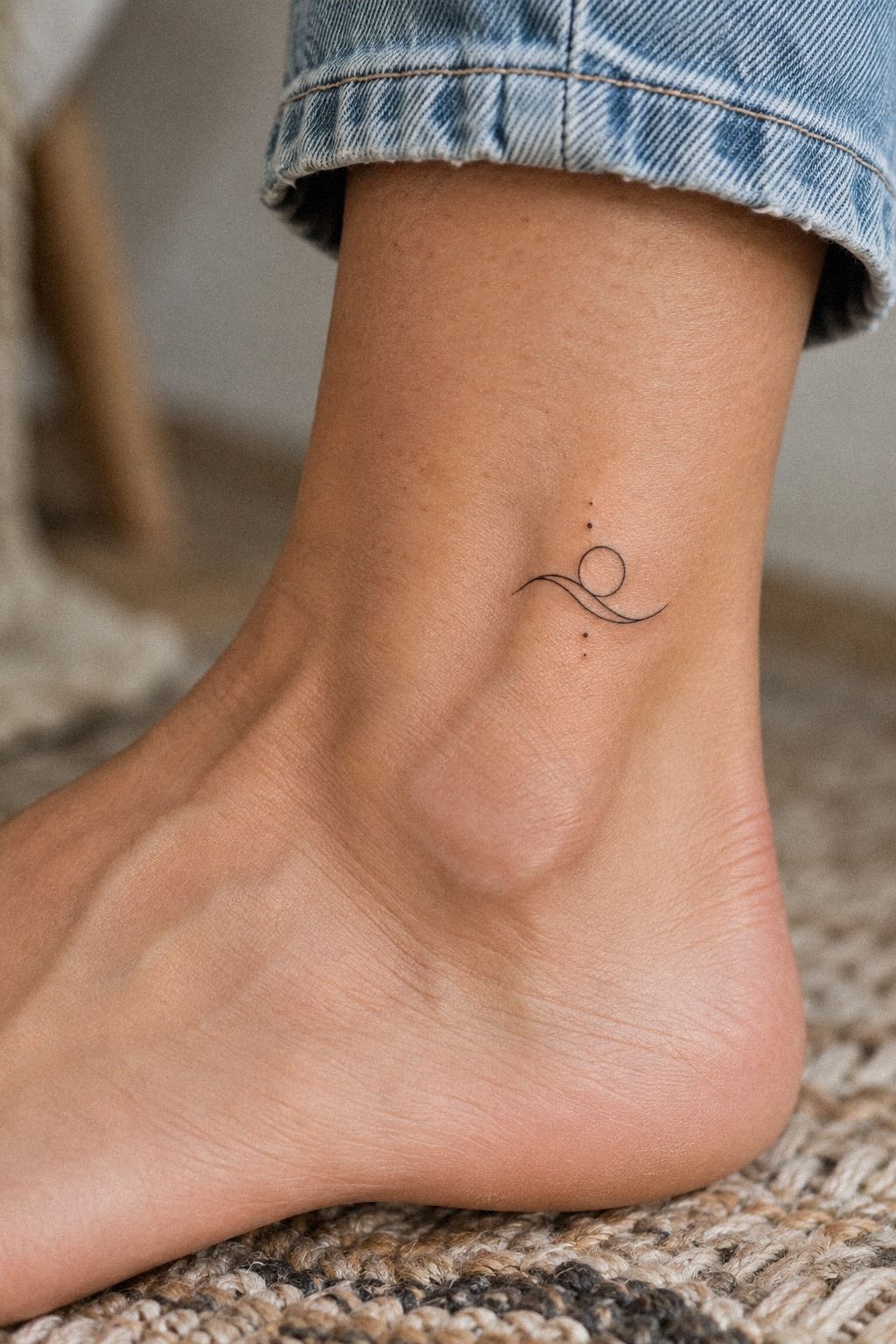
Behind-the-ear tattoos are discreet, expressive, and slightly edgy because the design appears only when your hair moves.
3Choose a Celestial Mark
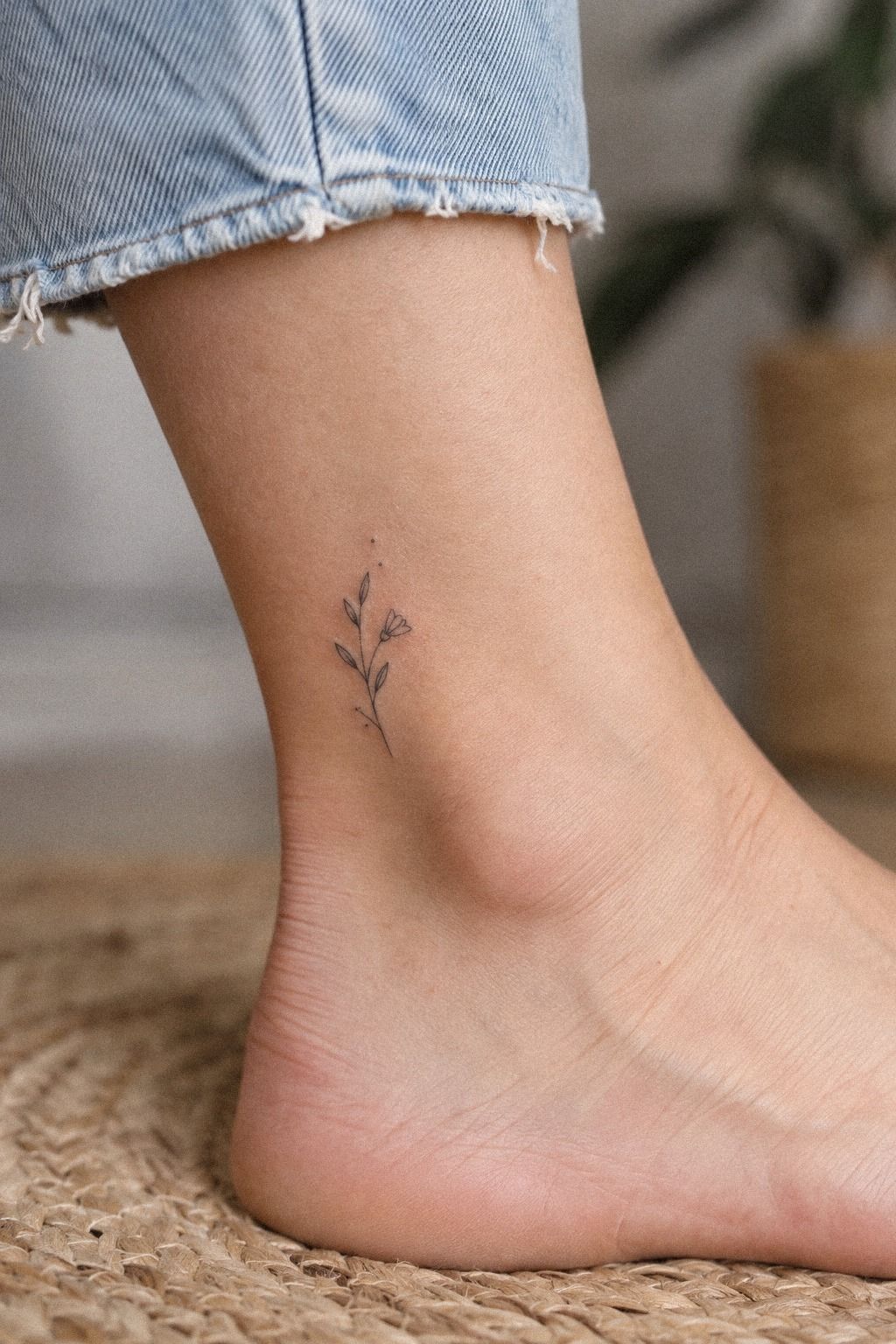
A small celestial tattoo can combine a crescent, a single star, and one short orbit line. That’s enough.
The design should read as an intentional symbol, not a miniature night sky. Plum and grey linework keeps the idea sleek and allows the skin to remain part of the design.
You’ll want the moon shape slightly thicker than the surrounding orbit. If every line has the same weight, the tattoo may lose its focal point after healing. I’d choose one crisp crescent over a cluster of stars because the simpler mark will stay more recognizable.
The concept can feel ethereal, timeless, and quietly powerful without becoming ornate. A tiny sun, eclipse, or north star could work too, but your artist should adjust the spacing for the actual curve behind your ear. The small tattoos meaning guide can help you decide what the celestial symbol means before you commit.
But don’t copy a reference just because it looks appealing in a sketch. You’ll be wearing the shape from every angle, and your artist may need to rotate or simplify it. A star detail connected to a specific date can give the design more emotional value.
4Why Do Finger Tattoos Need Extra Planning?
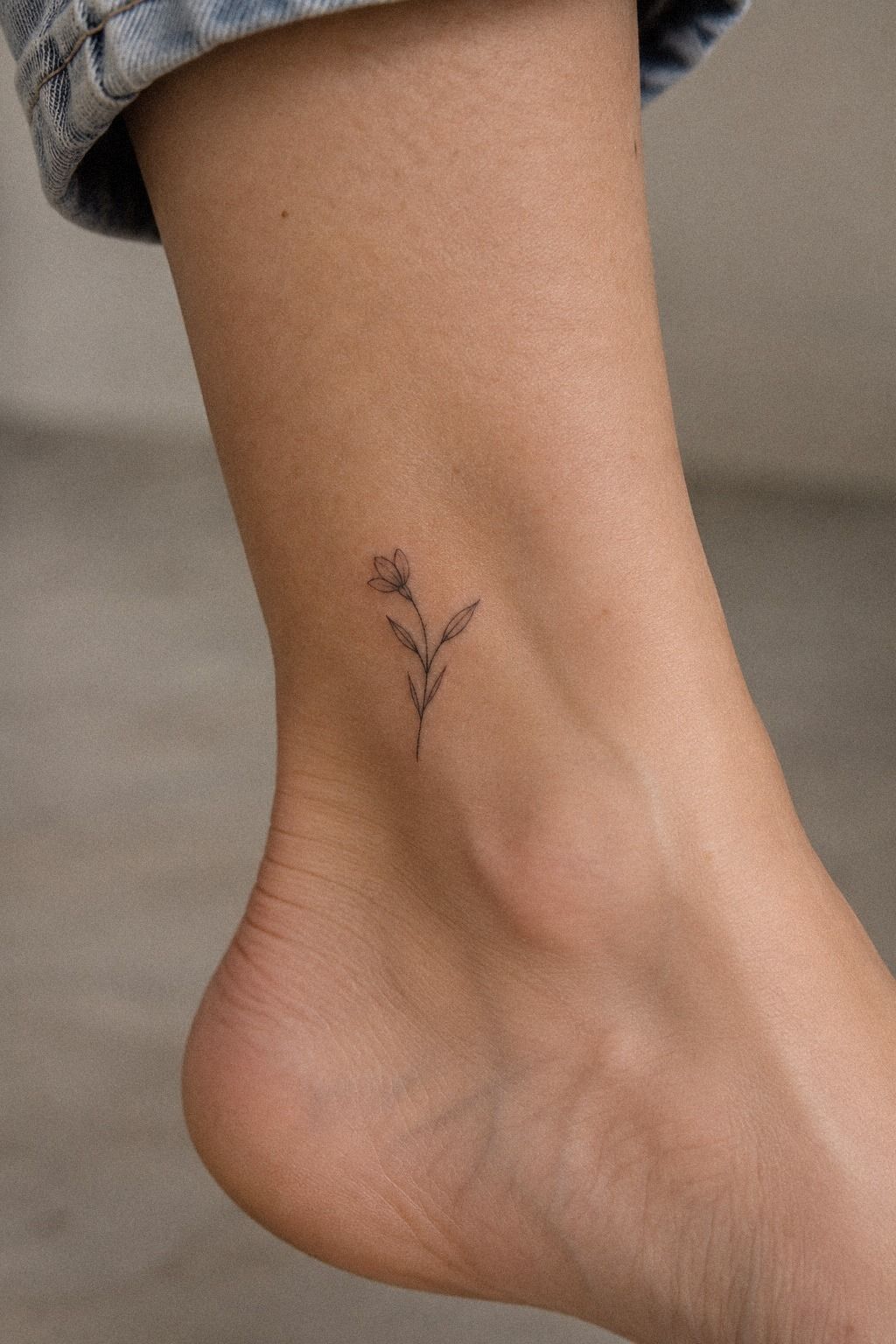
Finger tattoos look dainty and stylish at first glance, but they’re a demanding placement. The skin moves, washes, rubs, and sees plenty of sunlight. A small crescent, initial, leaf, or geometric mark can work, but you’ll want a design with enough structure to remain readable.
Finger placement gives you very little room for correction. You’ll need to ask how the design will sit when your hand is relaxed, curled, or turned sideways. A line that looks straight on paper can shift once it follows the natural bend of your finger.
Navy finger ink gives the design definition, while a very thin grey line may fade into natural variation. I’d avoid a tiny word or intricate portrait because the available width is too limited. Ask whether the reduced detail is worth the cost of a placement that may need more maintenance.
Finger placement can feel sharp near the bone or side of the finger. You’ll want to ask your artist about a future touch-up plan before booking. The small side finger tattoos collection shows how placement changes when the design wraps toward the edge.
And don’t choose a finger because it seems hidden in one glimpse. Your hands are visible constantly. A crisp, meaningful symbol can look polished, but a crowded mark may look messy sooner than you expect.
If you like the idea but want more flexibility, compare small simple hand tattoos before booking.
5Hide Meaning in a Flash-Sheet Symbol
A flash sheet is a smart way to compare small designs before you choose one. The aged paper gives black drawings a vintage, classic quality, but your final tattoo should still be tested at its real size. Printed tattoo flash lets you see which shapes remain clear when they’re reduced.
Look for symbols that carry meaning through shape rather than text: a key, match, tiny animal, folded map, or single flower. You’ll want to ask what detail can disappear without ruining the idea. That’s where a good artist’s judgment matters more than adding another curl or dot.
The strongest hidden meanings often come from a simple object. A shell may represent one beach, while a tiny doorway can mark a difficult transition.
I’d choose a clear outline over a symbol overloaded with detail. If you’re working with a limited tattoo budget, simplicity protects the design.
Try placing the printed design on your wrist, rib area, or inner arm for a day. You’ll notice whether it still feels right beside your daily clothes. A small symbol can be vibrant without being loud, and a distinctive mark can become iconic to you over time.
The small tattoos meaning guide is useful when you’re narrowing down symbols.
6Build a Delicate Wrist Design
The wrist is one of the most versatile placements for small linework tattoos. Rust-toned ink gives a dark design strong visual presence, especially when the composition uses open skin and a clear silhouette. It can create an elegant anchor without requiring a large tattoo.
You’ll want to think about wrist direction. A small flower, wave, or constellation can face you for private meaning, or face outward for a more visible statement. I’d choose the direction before the stencil goes on because rotating the design later can change its whole personality.
The wrist supports flowing shapes, but you shouldn’t overload it with tiny texture. A single line around a small symbol may be more timeless than a detailed illustration. My first instinct is often to add more, and that’s usually where the design loses clarity.
Typical US pricing varies by artist and region. A shop minimum may be about $50 to $100, while an hourly rate may sit around $100 to $250. A small piece can cost around $100 to $300, though the final quote is the only reliable estimate.
The value comes from clean execution, sensible sizing, and an artist whose healed work you trust.
You can compare more compact wrist shapes in the tiny small wrist tattoos collection, especially if you’re deciding between a symbol and a narrow botanical mark. The wrist design should remain readable when your hand is moving, not only when it’s held still.
7Let the Animal Gesture Lead
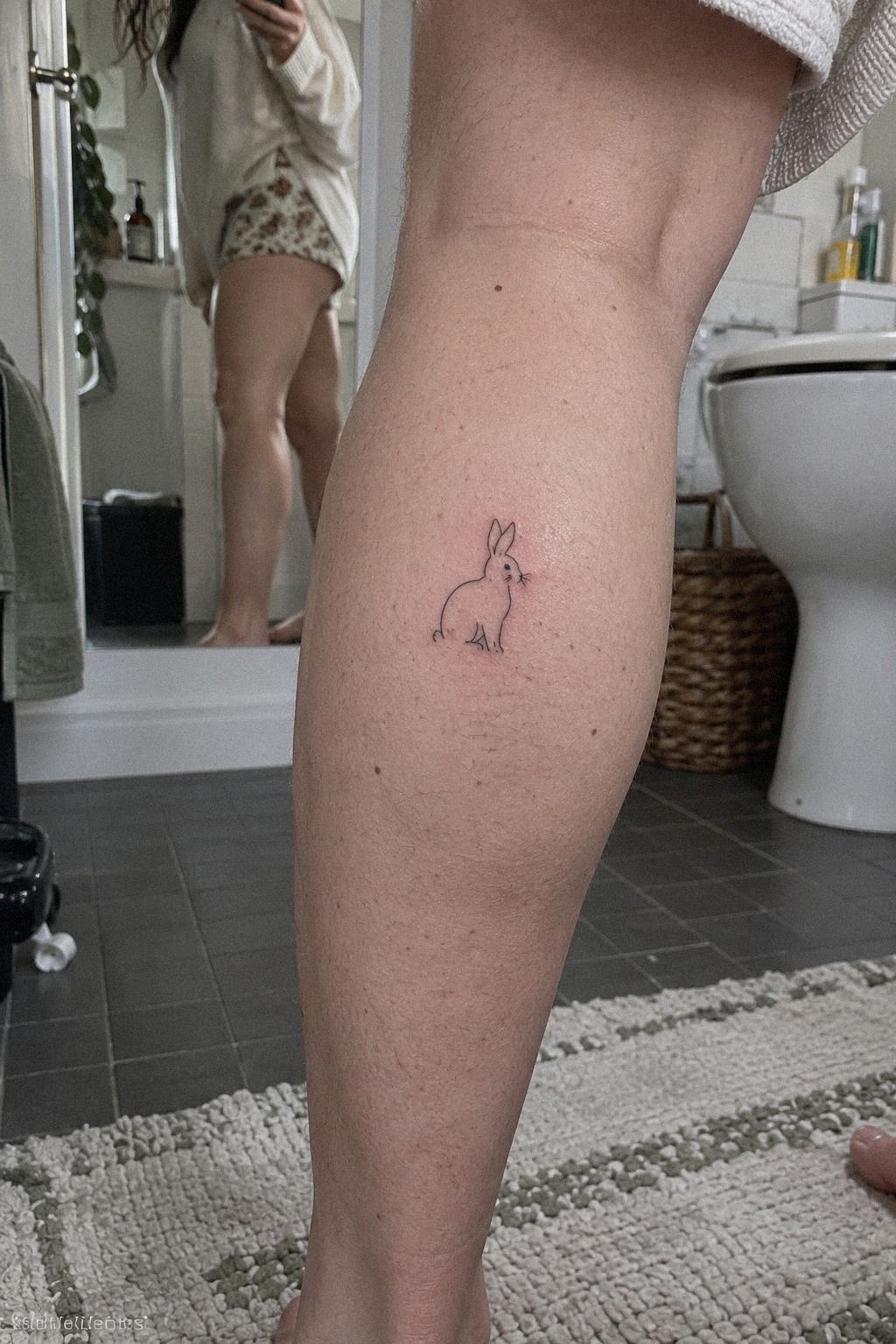
A minimalist animal tattoo succeeds when you capture the animal’s gesture, not every feature. The calf gives a little more space for a fox, bird, cat, or rabbit, but the few deliberate strokes should still carry the expression. Charcoal animal linework keeps the design sharp and recognizable.
You’ll want to choose a pose with a clear animal silhouette. A curled fox may feel whimsical, while a standing bird can look more alert. I’d skip a face packed with tiny eyes, fur, and whiskers because those details can blur as the lines soften.
The best version can be fierce, playful, or quietly romantic, depending on the posture. A small animal facing forward feels direct.
One looking away feels more reflective. Your choice should match the feeling you want to carry, not just the species you happen to like.
Ask your artist to show the design at its intended size before the stencil is applied. You’ll see whether the ears, tail, or paws still read clearly.
A healed preview can help you decide whether the design is worth it before you book. If a rose or plant feels more like you, the small rose tattoos ideas offer a similar balance of silhouette and open skin.
8Follow the Collarbone’s Curve
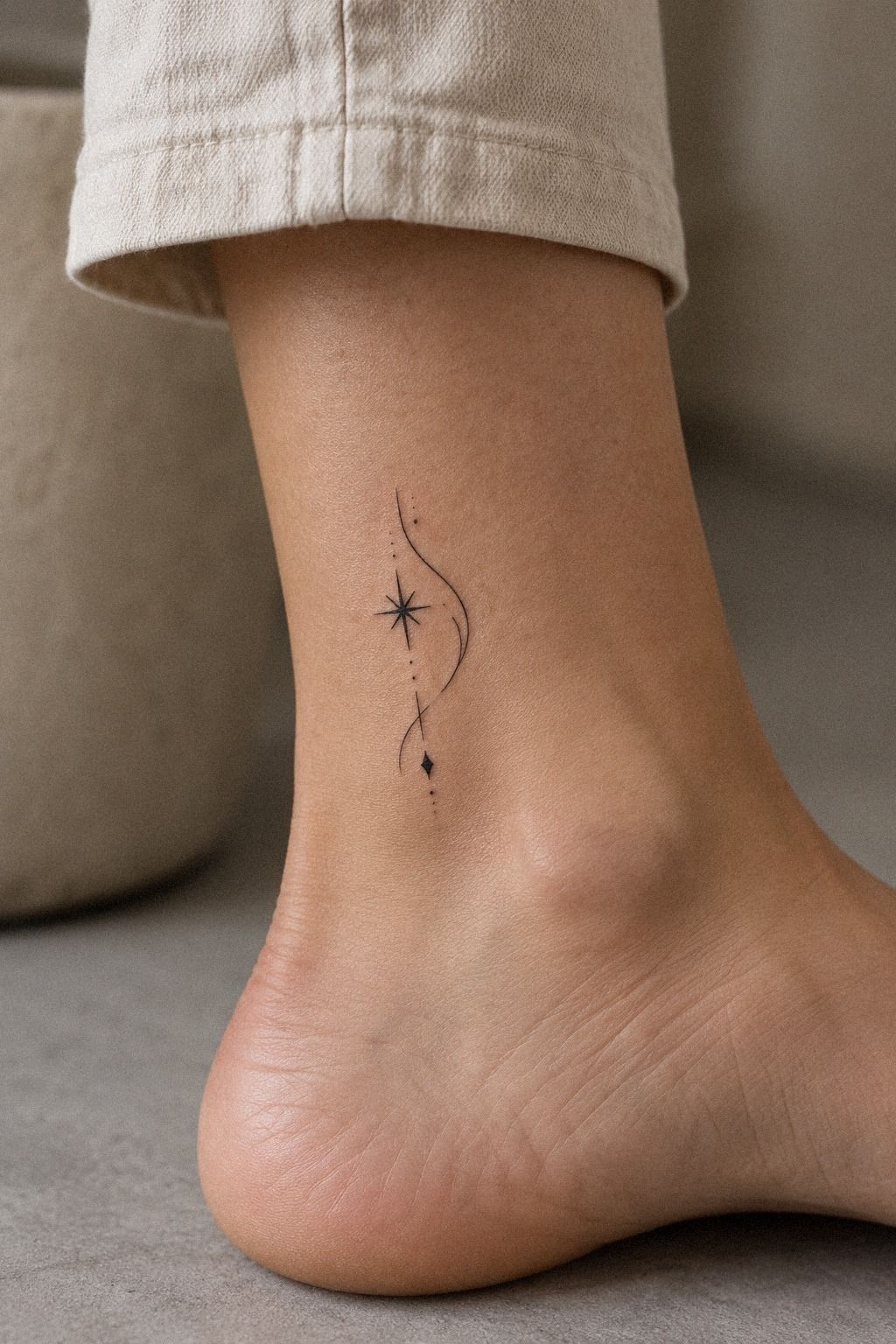
The collarbone gives a small tattoo a natural horizontal path. A tiny phrase is tempting, but a single symbol, branch, star, or curved geometric mark usually ages more gracefully. Fine black lines can follow the bone without making the design feel heavy.
You’ll want to test the collarbone curve while standing naturally, not while stretching your neck toward a mirror. The design may sit slightly lower than you imagine once your shoulders relax. I’d choose a curved path over a perfectly straight line because the body already gives you a subtle shape.
This placement can feel feminine and striking without being loud. A small flower near the shoulder reads differently from a centered symbol near the sternum. You’ll need to decide whether you want the tattoo to peek from a neckline or remain visible most of the time.
And don’t let the stencil sit too close to the moving shoulder joint. Your artist can adjust the position so the mark follows the body instead of fighting it. The shoulder placement deserves a little extra consideration because movement can alter how the lines appear.
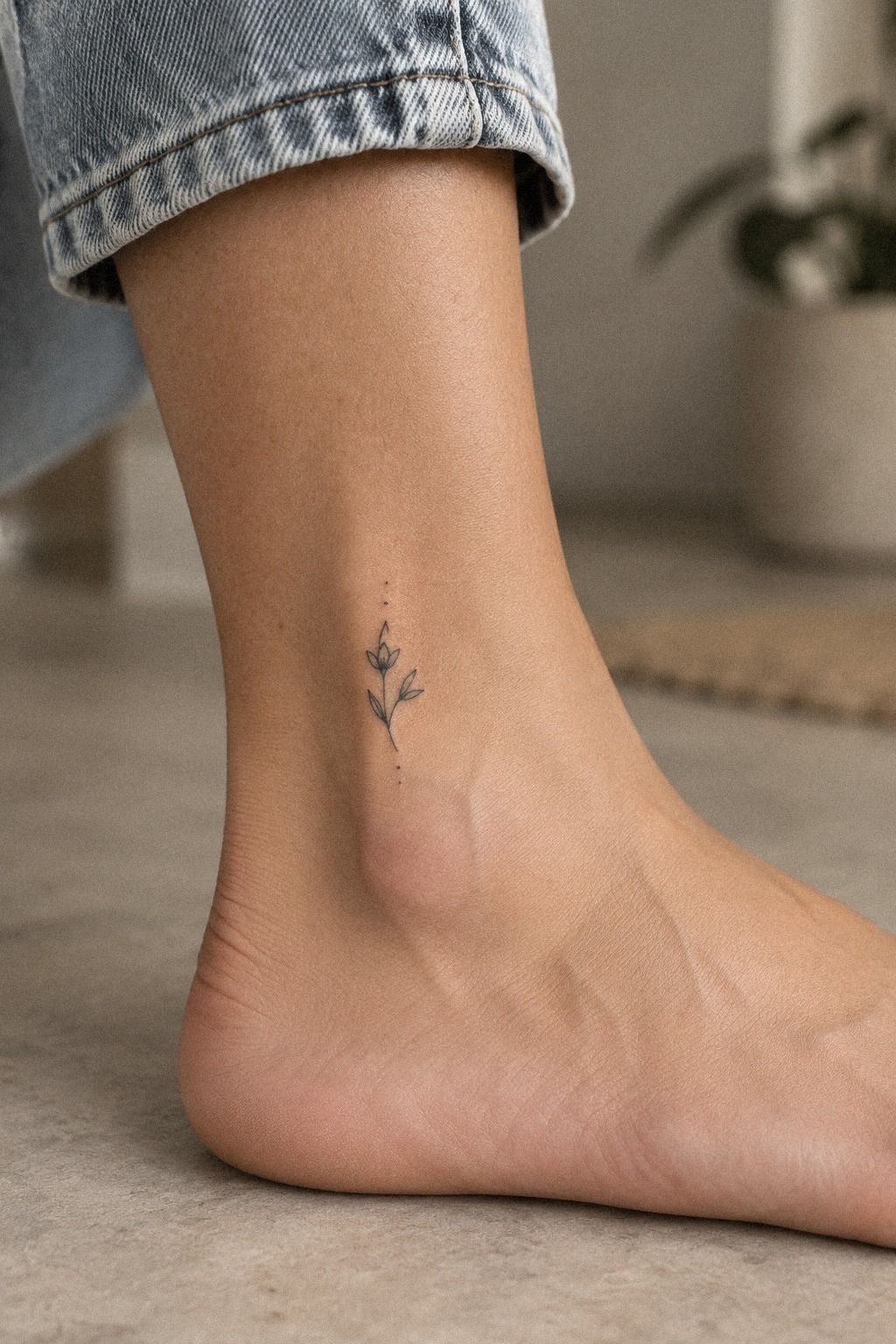
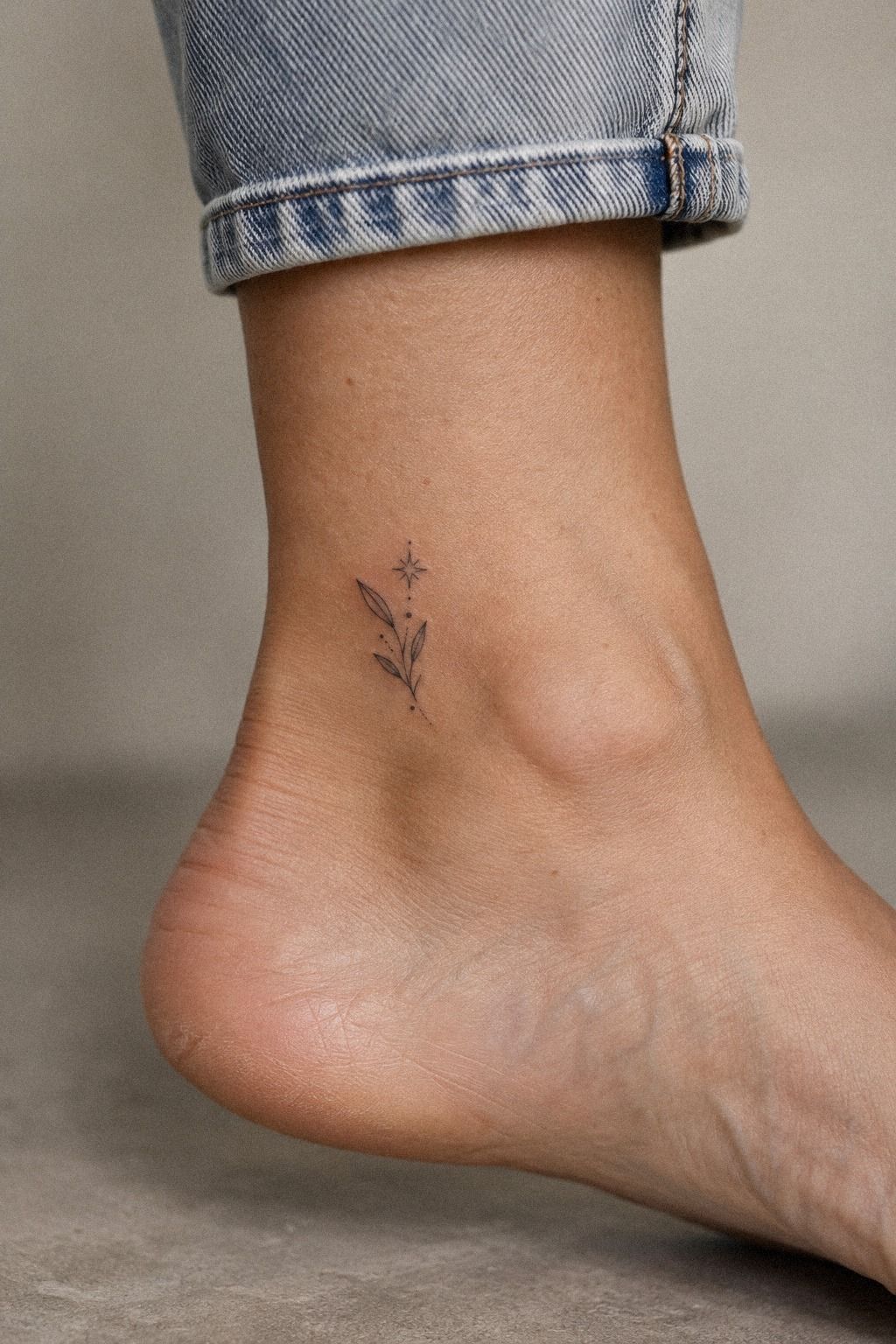
9Play With an Ankle Motif
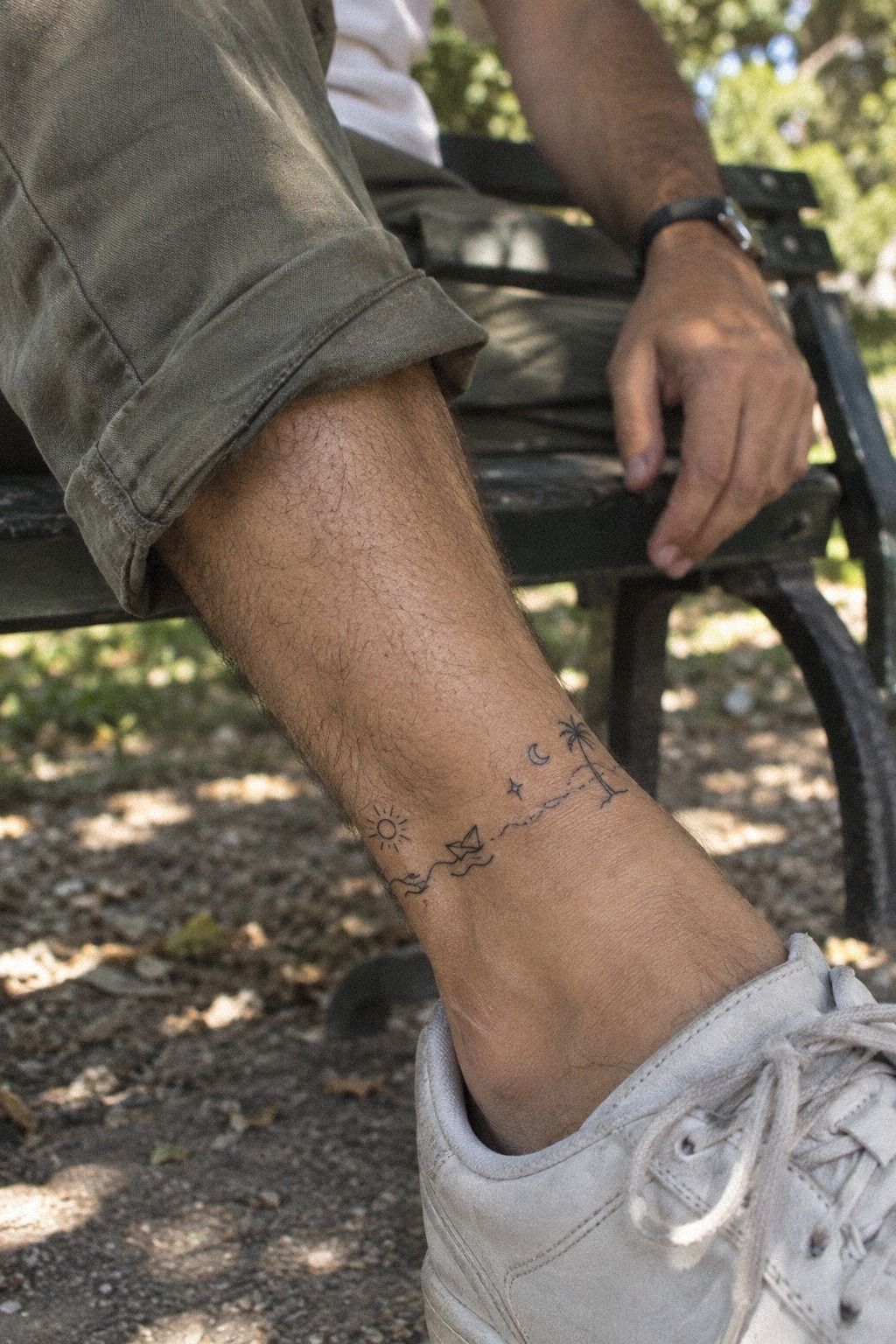
Ankle tattoos can carry a playful symbol without taking over your whole leg. A tiny copper outline works well when the design has one readable gesture. Clean ankle linework suits a star, tiny fruit, miniature flame, or simple bow.
You’ll want to account for shoes, socks, and shoe friction before choosing the exact spot. A mark directly under a shoe edge may get more rubbing than one placed slightly above the ankle bone. I’d choose the outer ankle for visibility and the inner ankle for something more private.
The ankle can look charming, but small details need breathing room. A tiny smiley face may need thicker eyes than the reference shows. A small flame may need a stronger outer contour so it doesn’t turn into an indistinct dark fleck.
If you’re unsure about visibility, place a temporary mark there for a few days. You’ll learn whether the symbol catches on clothing or disappears from your own view.
If you’re working within a tight budget, test the location before paying for a design you may later want moved. For hand-sized motifs with more placement options, compare small side hand tattoos before you settle on the ankle.
10Geometric or Organic? Choose Carefully
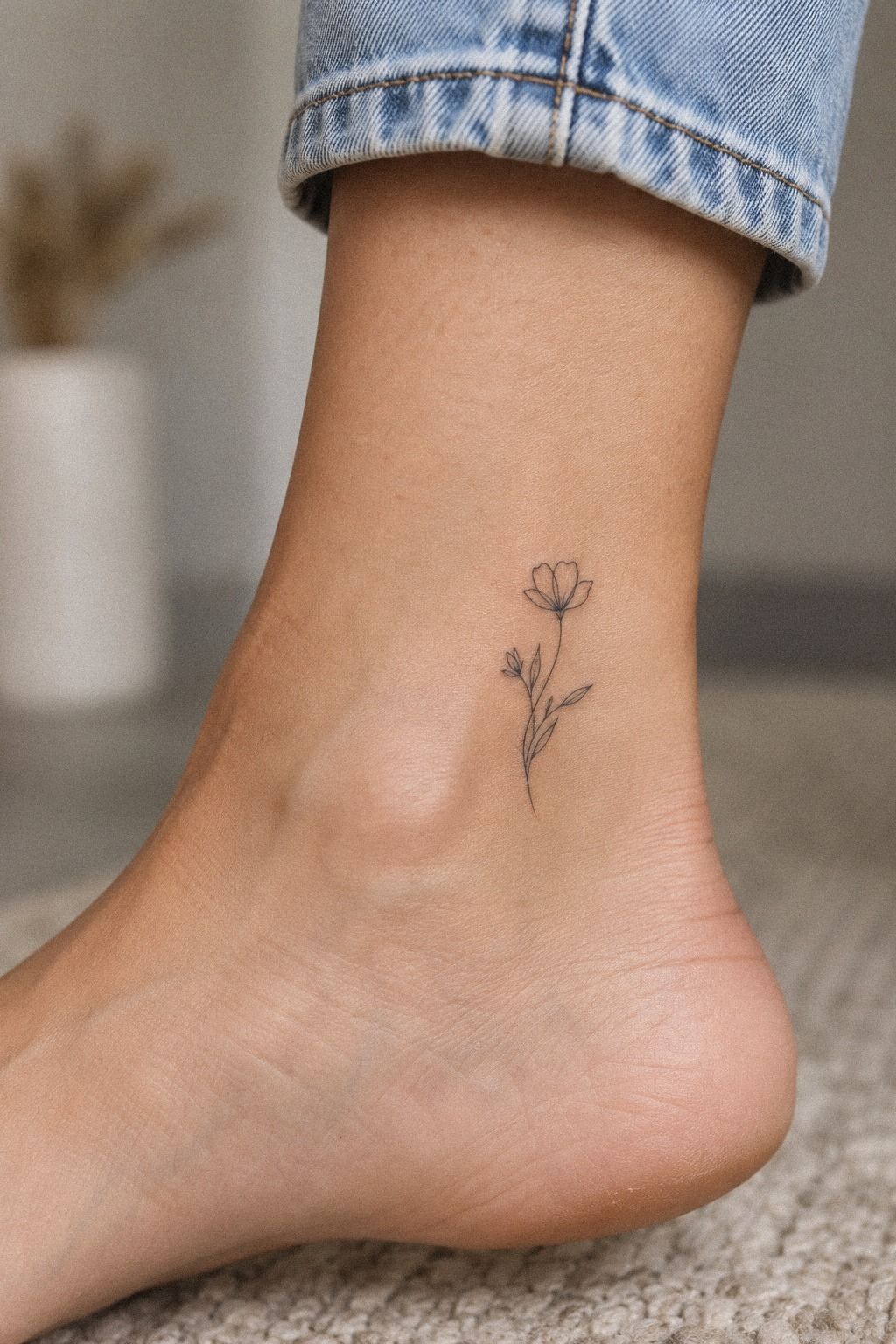
A geometric tattoo should be judged twice: once as a stencil and again after healing. Geometric stencil work shows the intended angles, while the healed result reveals whether the lines stayed balanced on the body.
You’ll want to choose a shape that can survive slight softening. A triangle, open circle, four-point star, or small grid usually has more staying power than a crowded mathematical pattern.
I’d choose three strong lines over ten fragile ones because the design will remain more legible. Strong geometry wins!
This style can feel sharp and meaningful without becoming cold. A broken circle might represent change.
Two linked shapes can suggest partnership. The line relationship matters more than filling every gap with extra detail.
Ask your artist whether the design needs a small adjustment for the skin curve. A stencil may look symmetrical on paper but shift when placed on a forearm, wrist, or ankle. The small tattoos meaning guide can help you connect the geometry to a personal idea before your appointment.
11Match Without Copying
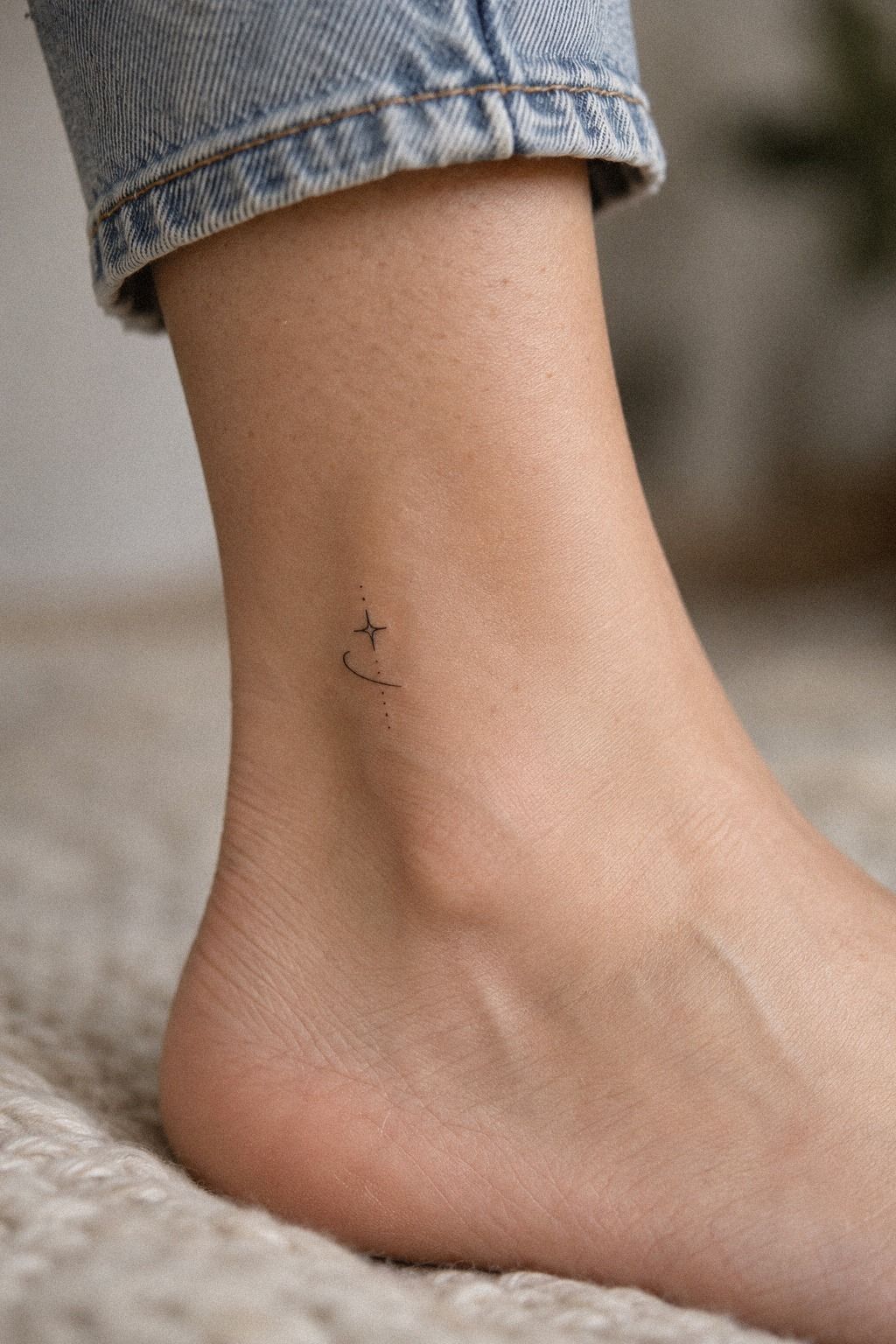
Matching tattoos don’t need to be identical. The inner forearm gives two people enough space to choose related symbols, such as two halves of a circle, paired stars, or a small lock and key. Terracotta couple tattoos can stay individual even when the designs share one idea.
You’ll want to plan for the possibility that your tastes may differ. One person might prefer a crisp geometric mark, while the other wants a botanical line. I’d choose a shared visual language instead of forcing exact copies because the tattoos should still suit each individual body.
The strongest pairings feel direct and emotionally honest. A tiny sun and moon can work, but only if that symbolism belongs to both of you. A shared date, favorite object, or private reference may feel more authentic than a familiar romantic symbol.
Take separate stencil versions before the appointment. You’ll notice whether the designs feel balanced together without requiring them to match perfectly. If one person wants a hand placement instead, browse small tiny hand tattoos for compact symbols with similar visual weight.
What I’ve Learned About Small Linework Tattoos
I’ve changed my opinion on small linework tattoos. I used to think the safest choice was the thinnest possible line and the tiniest possible design. That sounds logical until you see a small linework tattoo lose its structure after healing.
The best version isn’t the one with the least ink. It’s the one with the clearest shape, the right placement, and enough breathing room to remain itself.
I’d rather choose a slightly larger flower than compress an intricate one into a few millimeters. Your artist can simplify the petals, strengthen one outer line, and keep the idea recognizable.
That doesn’t make the design less refined. It makes it more honest about how skin changes over time.
Placement matters just as much. Zones over bone, including ribs, feet, hands, and the sternum, can feel more intense than the forearm, thigh, or shoulder. You’ll also want to think about UV exposure.
Sun can affect how tattoo lines age, so protecting healed skin is part of keeping the design crisp.
Surface healing usually takes about 2 to 3 weeks, while complete healing can take about 2 to 3 months. Gentle washing, light moisturizing, and avoiding sun and swimming during the early stage matter more than buying complicated products. Follow your artist’s aftercare instructions carefully.
How to Set a Small Linework Tattoo Budget
Start by deciding whether you want one symbol, a few connected details, or a design that needs custom drawing time. A shop minimum can determine the final quote even when the tattoo itself takes only a short appointment. Shop minimums are worth asking about before you send a deposit.
You’ll also want to leave room for consultation time, placement changes, and possible touch-ups. The cheapest option isn’t always the strongest result, especially if the artist’s healed portfolio is limited. Compare the work, communication, and expected longevity before you choose.
A fair quote should reflect the artist’s preparation, the stencil, the appointment, and the skill required for clean lines. I’d rather pay for a careful consultation than rush toward a low number and regret the compromise. Ask for the design consultation terms before you book.
The One-Session Rule
A one-session tattoo works best when the design has a clear silhouette and limited detail. You can bring references, but your artist may need to simplify them so the stencil stays readable. Design simplicity gives the appointment a better chance of staying focused.
If you’re choosing between two ideas, select the one that still works at thumbnail size. You’ll know it’s ready when the shape remains recognizable without tiny texture. Worth the planning!
What to Ask Before You Book
Ask to see healed examples in the artist’s portfolio, especially for placements such as fingers, ankles, wrists, and behind the ear. Fresh work can look beautiful while hiding how much the lines soften later. Healed examples give you a more honest basis for comparison.
You should also ask about placement, aftercare, touch-ups, minimums, and how the design will be adjusted to your body. A careful consultation should feel specific, not rushed. If the artist can’t explain the aftercare plan clearly, keep looking.
Before You Commit to Placement
Use a temporary version of the design before your appointment. A paper stencil or skin-safe transfer can show whether you like the mark from the side, while sitting, and while your body moves. Start small, but think long!
A placement test is especially useful for fingers, ankles, collarbones, and behind-ear tattoos. You may discover that a design you loved in a reference feels too visible, too hidden, or slightly awkward on your own body.
Think about uniforms, sports, sun exposure, and daily friction. Your tattoo doesn’t need to fit every situation, but you’ll want to understand how often you’ll see it and how much care the location may require. Body movement should be part of the decision.
The Questions I Get Asked Most
How much does a small linework tattoo usually cost?
A small linework tattoo may fall within the typical US range listed above, though shop minimums and artist rates vary. I’d ask for a final quote after discussing size, placement, and detail. The estimate should account for the actual design rather than relying only on a generic online range.
Are small linework tattoos a good idea for a first tattoo?
Yes, small linework tattoos can be a good first choice because the appointment may be brief and the design can remain personal. I’d choose a clear symbol that’s easier to live with than a crowded trend piece. Forearm, thigh, shoulder, and upper arm placements are often more tolerable than hands, feet, ribs, or sternum.
How do I choose a tattoo artist for small linework tattoos?
Choose an artist whose portfolio shows clean healed work, not only fresh tattoos. Healed examples reveal the real line quality. You’ll also want to check their linework specialty, studio hygiene, consultation process, and whether they explain placement and aftercare clearly.
How much do small linework tattoos hurt?
Pain varies by placement and person. Hands, feet, ribs, and the sternum can feel more intense because they’re close to bone or have less padding. The forearm, thigh, and shoulder are often more tolerable, though your artist and session length also matter.
How long does a small linework tattoo take to heal?
The surface usually heals in about 2 to 3 weeks, while complete healing can take about 2 to 3 months. Gentle washing and light moisturizing support the early stage. You’ll want to avoid sun and swimming while the skin is healing, following your artist’s instructions.
What’s the best placement for small linework tattoos?
The best placement depends on visibility, pain tolerance, and how much movement or sun the area receives. The forearm and shoulder offer readable space, while the wrist, ankle, finger, and behind-ear areas feel more discreet. Ask your artist how the lines may age in each location.
Can I plan small linework tattoos myself?
You can plan the design yourself, but you shouldn’t tattoo your own skin or use an unlicensed setup. A careful consultation protects the result. Save by choosing one clear symbol, avoiding unnecessary detail, and asking about the shop minimum before booking.
Where I’d Start First
If I had to pick one, I’d start with the tiny botanical shoulder tattoo. Its clear stem and open spacing give fine lines room to age without losing the meaning. Pin it for later, then compare it with these small rose tattoo ideas before your consultation.