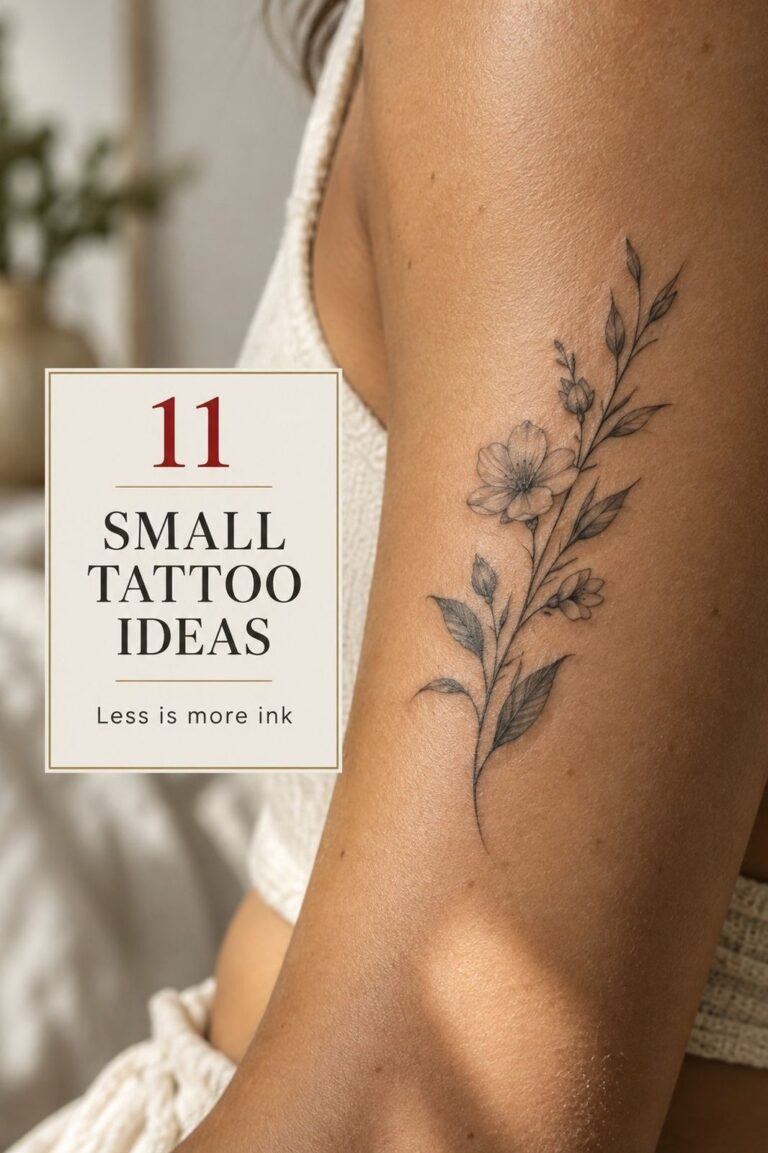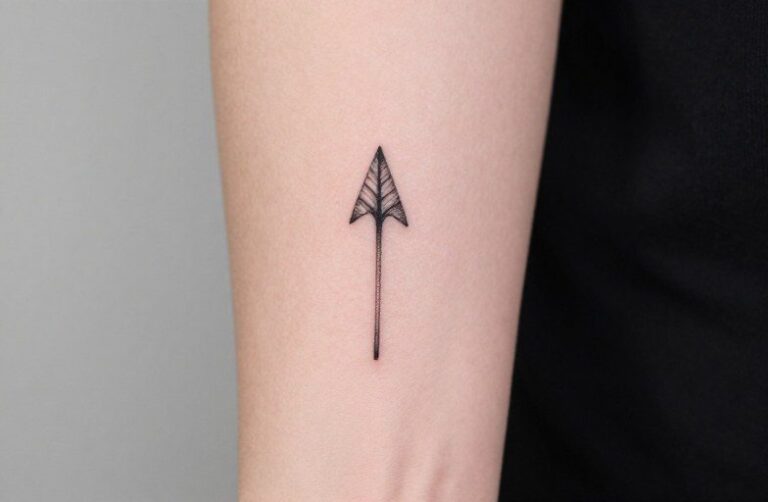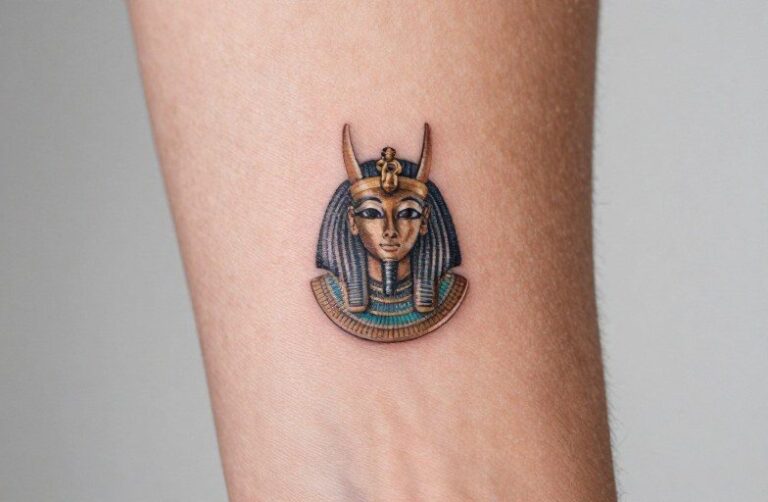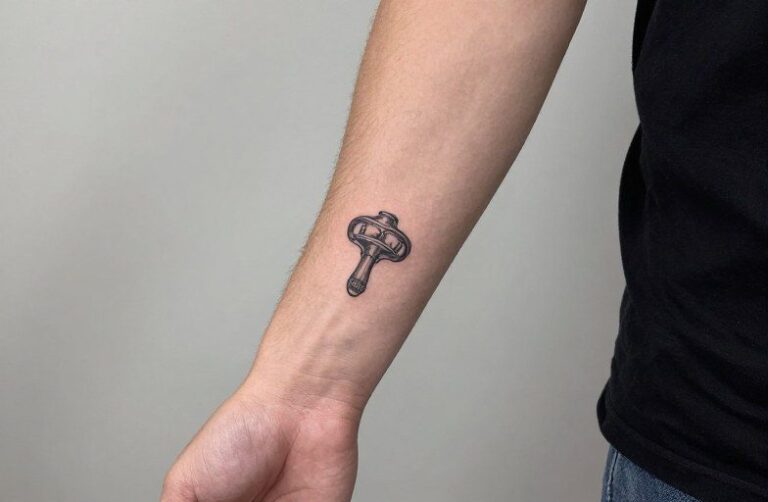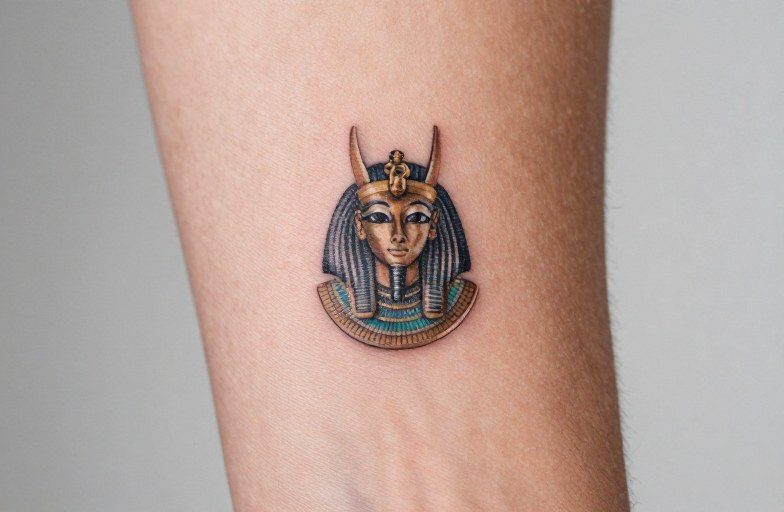
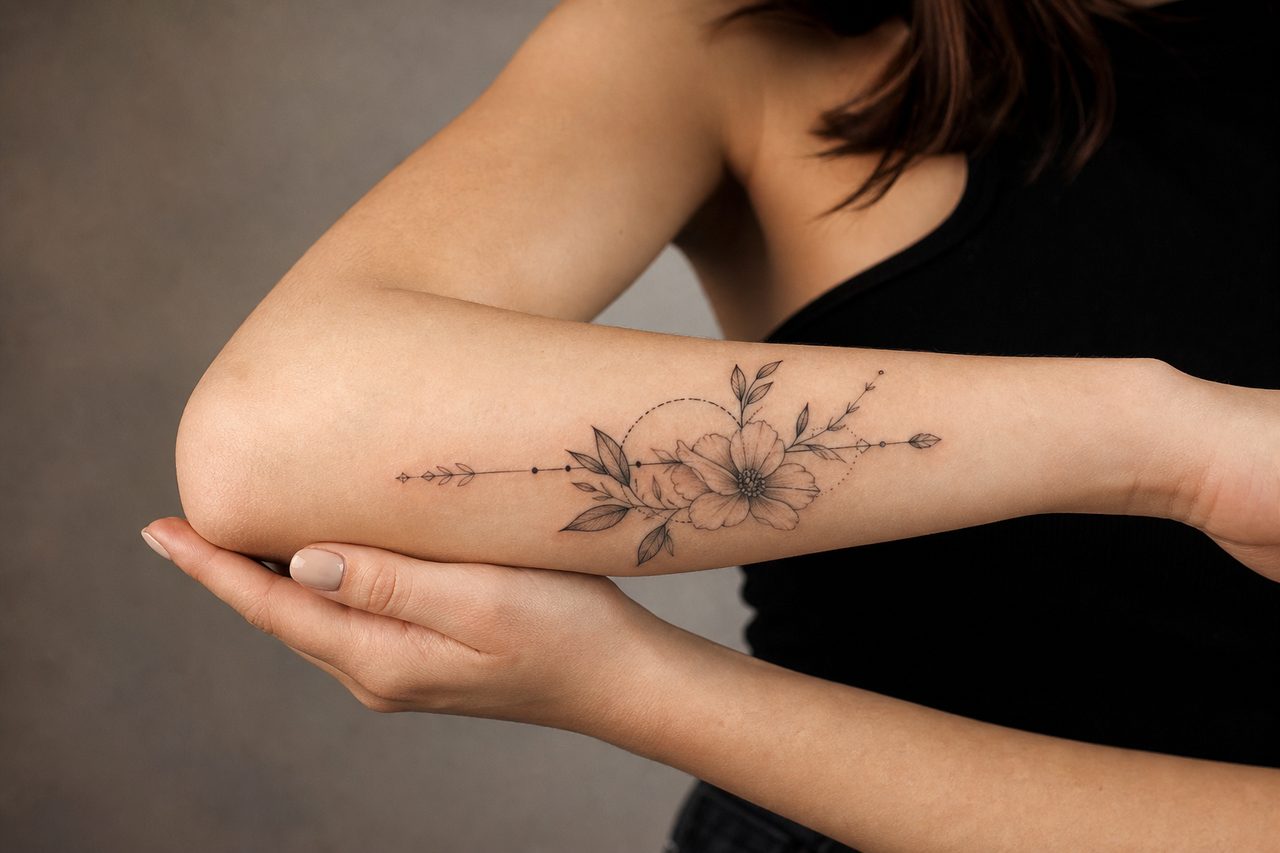
When someone searches for “tattoo ideas for women,” they’re usually looking past generic Pinterest boards for something that actually resonates. The phrase itself carries no fixed meaning, it’s a doorway into personal symbolism, aesthetic preference, and practical decisions about what will look good on a body for decades. Common directions include nature motifs (flowers, animals, celestial bodies), abstract linework, text or lettering, and symbolic imagery drawn from cultural or personal sources. The meaning emerges from the specific design chosen, where it’s placed, and why that particular image matters to the person wearing it.
History & Cultural Roots
Women’s tattooing has deep, often overlooked roots. In many indigenous cultures, tattooing was practiced by women as rite of passage, healing ritual, or social marker. Polynesian societies often linked specific patterns to genealogy and status, with some designs traditionally applied by female tattooists. In Japan, horimono was historically male-dominated, but female performers and workers in the pleasure districts sometimes wore tattoos as marks of devotion or defiance.
European and American Shifts
Western women with visible tattoos faced serious social consequences until recent decades. Circus performers and “tattooed ladies” of the 19th and early 20th centuries were spectacle and sideshow, curiosities rather than norm-breakers. The gradual mainstreaming accelerated in the 1990s and 2000s, driven partly by celebrity visibility and partly by women reclaiming bodily autonomy through permanent adornment. Today’s “tattoo ideas for women” search reflects a complete inversion: tattooing as expected self-expression rather than rebellion.
Global Motifs That Persist
- Floral imagery: Often linked to fertility and life cycles across cultures, though specific flowers carry distinct meanings (lotus in Buddhist and Hindu contexts, roses in European heraldry)
- Moon phases: Commonly associated with menstrual cycles and feminine divinity in various traditions, though this connection is sometimes overstated by modern marketers
- Snakes and serpents: Some trace these to renewal symbolism in ancient Mediterranean and Mesoamerican cultures
- Birds and wings: Freedom and transition motifs appear in countless folk traditions
Personal & Modern Meanings
Contemporary women’s tattoo choices typically cluster around several genuine thematic areas, though individual variation is infinite.
Commemoration and Memorial
Dates, names, coordinates, and portraits serve as permanent markers of relationships, losses, and pivotal moments. These demand particular care in design, small text blurs faster than most people expect, and portrait realism requires an artist with specific technical training. Script fonts should be tested at actual size; elaborate cursive often becomes illegible within years.
Body Positivity and Reclamation
Scar cover-ups, mastectomy tattoos, and stretch mark incorporation have grown significantly. These aren’t “tattoo ideas” in the decorative sense; they’re functional art that restores agency. The technical approach differs substantially, scar tissue takes ink unpredictably, often requiring multiple sessions and specialized needle configurations.
Aesthetic-First Choices
Many women prioritize pure visual appeal over explicit symbolism. Fine-line botanicals, ornamental patterns, and abstract compositions fall here. The meaning becomes “I wanted this to look beautiful on my body”, which is legitimate and common, though rarely acknowledged in tattoo discourse that demands “significance.”
Design Tips & Pairings
Placement fundamentally shapes how a tattoo reads and ages. Here’s what actually matters:
- Ribs and sternum: High pain, significant movement during breathing; linework can distort as skin stretches and contracts
- Inner bicep: Moderate pain, relatively protected from sun; good for medium-sized pieces with detail
- Behind the ear: Trendy but technically challenging, thin skin, proximity to lymph nodes, and frequent hair contact complicate healing
- Thighs and hips: Generous canvas, moderate pain, but weight fluctuation affects these areas substantially
- Hands and fingers: High visibility, rapid fading due to constant use and sun exposure; touch-ups are essentially guaranteed
Complementary Pairings
Some designs gain coherence through combination. A floral sleeve with interspersed insects or geometric frames creates visual rhythm. Matching tattoos with partners or friends carry obvious social meaning but require honest assessment of relationship permanence. Mirror-image designs on both arms or legs work well for symmetrical compositions; asymmetrical pairs (one large, one small) often look accidental rather than intentional.
How It Ages on Skin
This is where most “tattoo ideas” content fails entirely, by ignoring the biological reality of aging ink.
All tattoos spread. The dermis is a living, changing tissue, and pigment particles migrate slowly over years. Fine lines blur into soft edges. Details merge. What reads clearly at 25 may become a colored smudge at 60. This isn’t failure; it’s physics.
Skin type affects this dramatically. Oilier skin tends to hold color longer but may show more raised texture during healing. Dry skin often heals cleaner but can become ashy or faded faster. Sun exposure is the single largest controllable factor, UV radiation breaks down pigment directly. A tattoo on a sun-exposed area without protection will degrade visibly within five years.
Weight changes stretch or compress designs. Pregnancy particularly affects abdominal tattoos. Muscle growth can distort pieces on arms, shoulders, or thighs. These aren’t reasons to avoid tattooing, but they’re realities to incorporate into placement decisions.
Color vs Black and Grey
The technical choice between color and black and grey carries practical consequences beyond aesthetics.
Black and Grey Advantages
Black ink is carbon-based and stable. It fades slowly and predictably, typically shifting to blue-grey tones over decades. Shading techniques (whip shading, greywash, stippling) create dimension without relying on multiple pigments. Touch-ups are straightforward. Black and grey also photographs more consistently across lighting conditions and skin tones.
Color Realities
Red and yellow inks fade fastest, red sometimes within 3-5 years on sun-exposed skin. Blues and greens hold longer. White ink is notoriously unreliable; it often disappears entirely or yellows, and is frequently used for highlights that will simply vanish. Pastel colors require dense saturation that can look heavy initially and muddy later.
Some skin tones carry undertones that affect color perception. Cool undertones can make purples appear bluer; warm undertones may shift oranges toward red. Experienced artists account for this during design, but it’s rarely discussed in initial consultations.
Similar & Related Symbols
Women’s tattoo imagery overlaps substantially with broader tattoo vocabulary, though certain motifs cluster more heavily in this demographic.
Butterflies and moths share transformation symbolism but carry different connotations, butterflies trend decorative, moths somewhat darker or more nocturnal. Cats versus dogs in pet portraits: cats often rendered more stylized, dogs more realistic, though this is shifting. Floral alternatives to roses include peonies (associated with prosperity in East Asian contexts), poppies (remembrance), and wildflowers (less structured, more “naturalistic”).
Geometric and ornamental patterns, mandala derivatives, dotwork, sacred geometry, offer non-representational options that avoid the cliché associations of literal imagery. These age well technically because their symmetry distributes visual impact; localized fading matters less when the overall pattern holds.
Text and lettering remain perpetually popular but technically problematic. Foreign languages (Sanskrit, Arabic, Hebrew, Chinese characters) carry risks of mistranslation and cultural appropriation that many wearers don’t adequately investigate. English text faces the legibility problem already noted.
The Bottom Line
“Tattoo ideas for women” is ultimately a search for permission and possibility. The permission is already there, there are no designs gender-restricted by anything but social convention. The possibility depends on honest self-assessment: what you actually want to see daily, what your skin and lifestyle will support, and which artist has the technical skill to execute it.
Research artists thoroughly. Look at healed photos, not just fresh work. Ask about their experience with your specific skin type and placement. Budget for quality; revision or removal costs dwarf the savings of a cheap initial tattoo. And accept that your relationship with the image will evolve, what it means at 30, at 50, at 70, will not be what it means today. The tattoo stays; your reading of it changes. That’s not a flaw in the concept. That’s how permanent marks on living people actually function.
Frequently Asked Questions
What tattoo placements hurt the most for women?
Ribs, sternum, feet, and hands typically rank highest for pain due to thin skin and proximity to bone. However, pain tolerance varies enormously by individual; some find inner thigh or hip more difficult than expected.
Do fine-line tattoos last as long as bold traditional work?
Fine-line tattoos fade and blur faster than bold designs with thicker outlines. They require more frequent touch-ups and careful sun protection to maintain clarity over years.
How do I choose between color and black and grey for my first tattoo?
Consider your lifestyle (sun exposure, willingness to use sunscreen daily), your skin’s undertone, and whether you want the lowest-maintenance option. Black and grey ages more predictably and needs fewer touch-ups.
Are there tattoo designs that don’t age well on aging skin?
Very small text, intricate single-needle details, and designs relying on negative space tend to degrade most visibly. Larger, bolder imagery with adequate spacing between elements generally holds up better over decades.