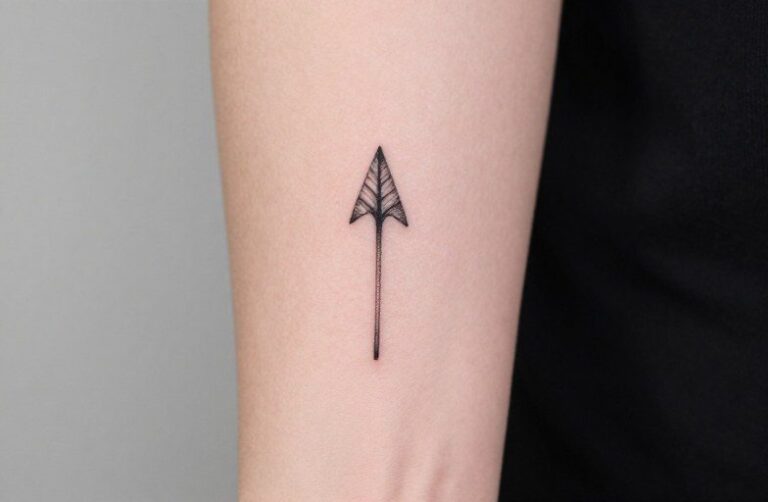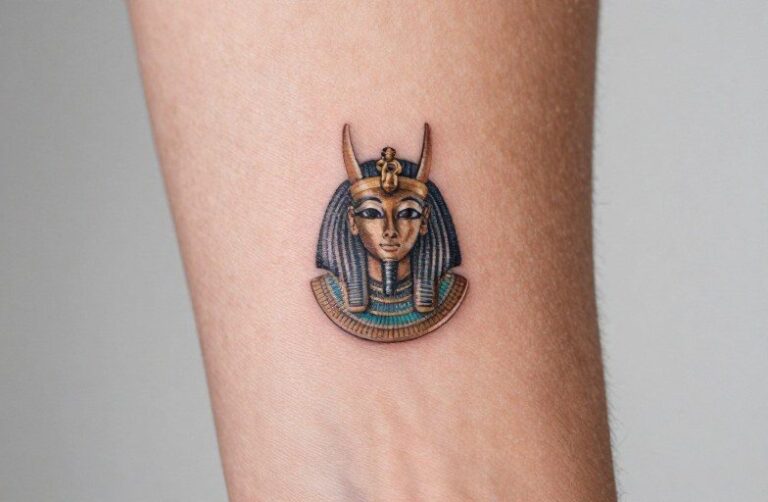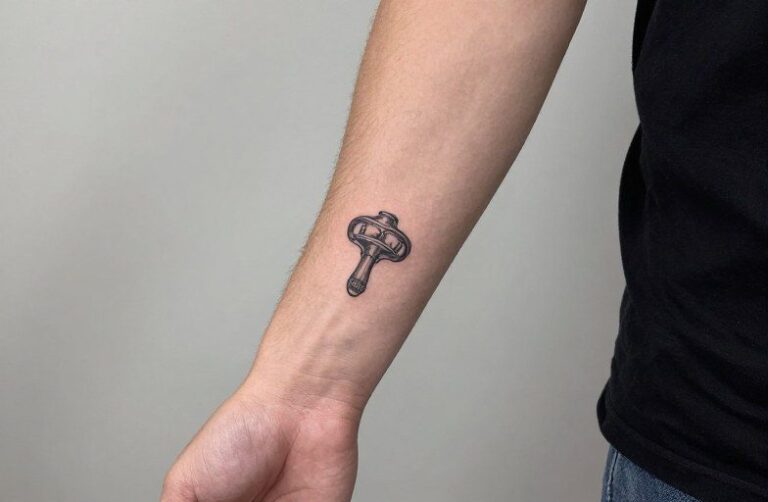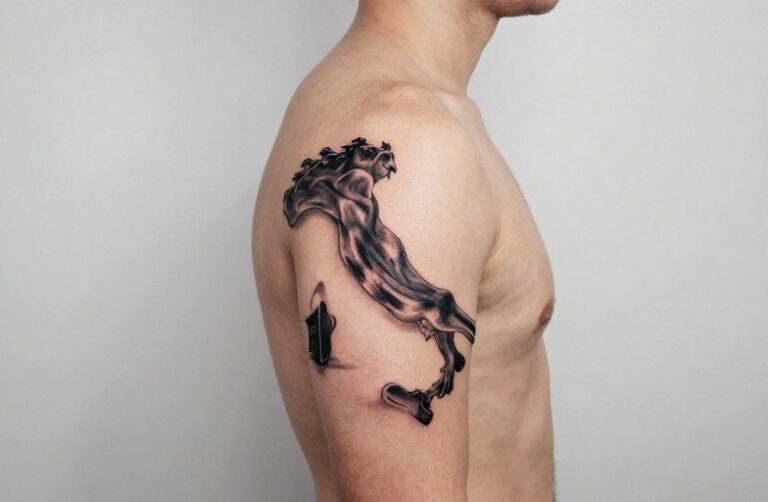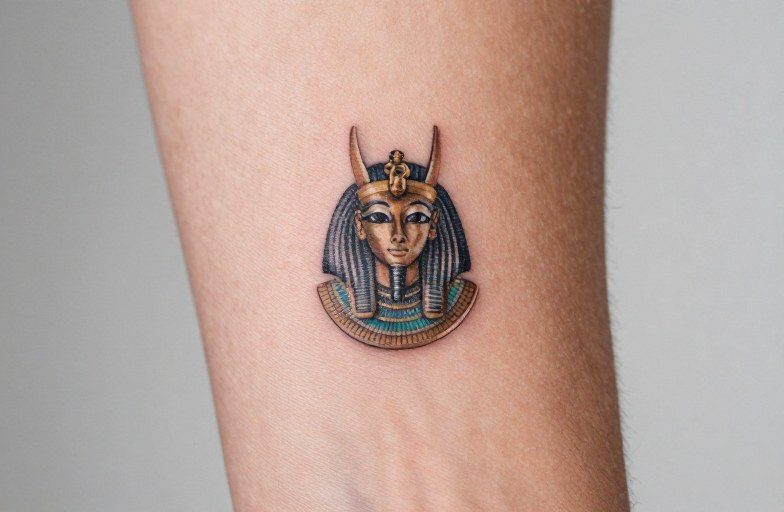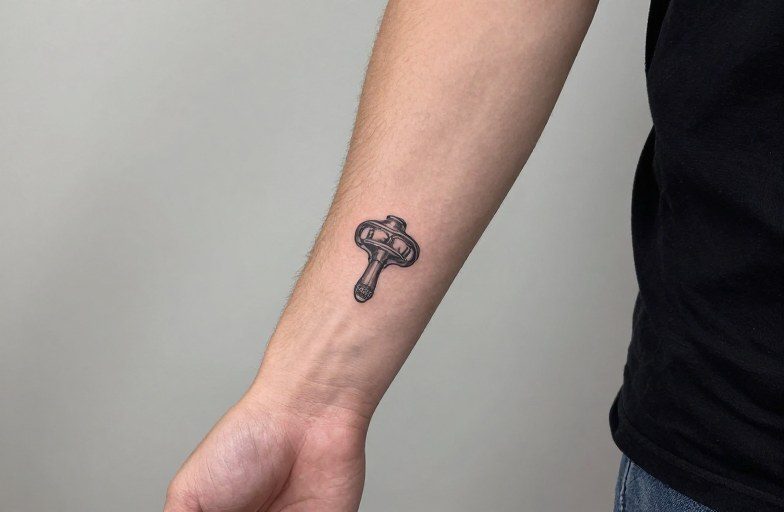
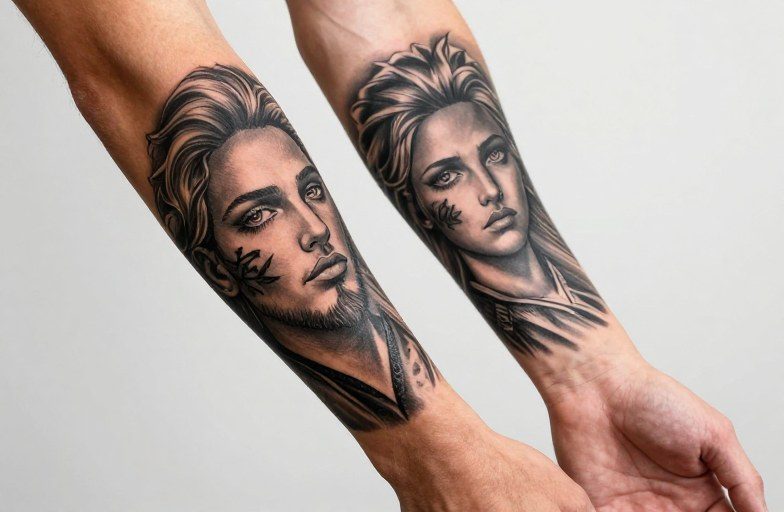
Forearm tattoos for men with meaning represent deliberate self-expression on the body’s most visible real estate. The forearm offers a stage: you see it daily, others see it constantly, and that exposure shapes what the placement communicates. Unlike hidden back pieces or easily concealed upper arms, the forearm signals that whatever sits there is meant to be witnessed, questioned, owned.
History & Cultural Roots
Warrior Marks and Maritime Traditions
Sailors and soldiers pioneered forearm ink for practical reasons. A forearm anchor or swallow could identify a drowned man. Polynesian warriors wore forearm bands that denoted rank and bravery, visible to enemies, visible to kin. These weren’t decorative choices; they were functional identifiers in contexts where being seen mattered. The forearm’s visibility made it ideal for marks of belonging, protection, or earned status.
Japanese irezumi sometimes incorporated forearm panels as part of larger body suits, though the full sleeve remained more prestigious. In Western traditions, the forearm became working-class territory, carpenters, machinists, longshoremen, people whose arms were already on display, already telling stories through calluses and scars.
The Shift to Intentional Placement
By the mid-20th century, forearm tattoos had accumulated stigma: ex-convict, carnival worker, military washout. That reputation began reversing gradually through the 1980s and 1990s as tattooing professionalized and visibility became desirable rather than shameful. The forearm transformed from a place of last resort to a considered choice, still bold, but now deliberately so.
Personal & Modern Meanings
What Men Actually Choose and Why
Contemporary forearm motifs cluster around several genuine preoccupations:
- Family identifiers: Children’s names, birth dates, handprints, permanent declarations that resist divorce or distance
- Professional pivots: Covering old tattoos with new imagery, or marking career transitions (chef’s knife, camera, code brackets)
- Recovery markers: Dates, semicolons, phoenix imagery, private significance worn publicly
- Geographic anchors: Coordinates, skyline silhouettes, area codes, connection to place that outlasts relocation
The forearm suits these because you control visibility. Long sleeves conceal; short sleeves expose. That toggle matters when navigating workplaces with unwritten rules about ink.
The Commitment Signal
There’s a social reading too. A forearm tattoo announces that you’re past the deliberation phase. You didn’t get drunk and stumble into a shop. You sat with the idea, endured the hours, accepted the permanence. That process itself, regardless of image, communicates something about constitution to observers who understand tattoo culture.
Symbolism & Core Meaning
Placement as Message
The forearm divides into zones with different resonances. Inner forearm: private, seen by you most often, often reserved for personally significant imagery. Outer forearm: public, defensive, the shield side. A wolf facing outward reads differently than one facing inward. A compass on the inner wrist points toward the self; on the outer forearm, it orients toward the world.
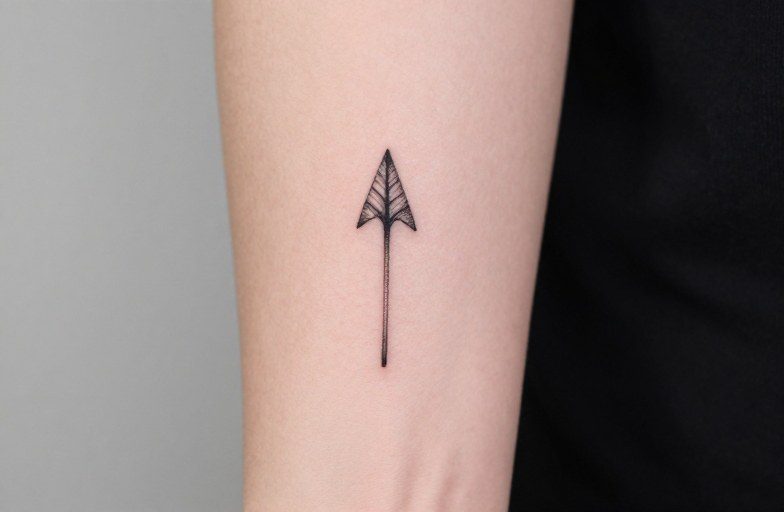
Size constraints matter. The forearm’s cylinder shape limits horizontal compositions. Vertical designs, snakes, swords, script, flow naturally. Broad horizontal images (landscapes, banners) warp around the bone and flatten when the arm rotates. Experienced artists compensate with curved baselines or wrap-around designs that read correctly from multiple angles.
Common Motifs and Their Traction
Certain images recur for structural reasons as much as symbolic ones:
- Animals: Wolves, bears, lions, their vertical proportions suit forearm anatomy. Predators face outward; prey species face inward more often
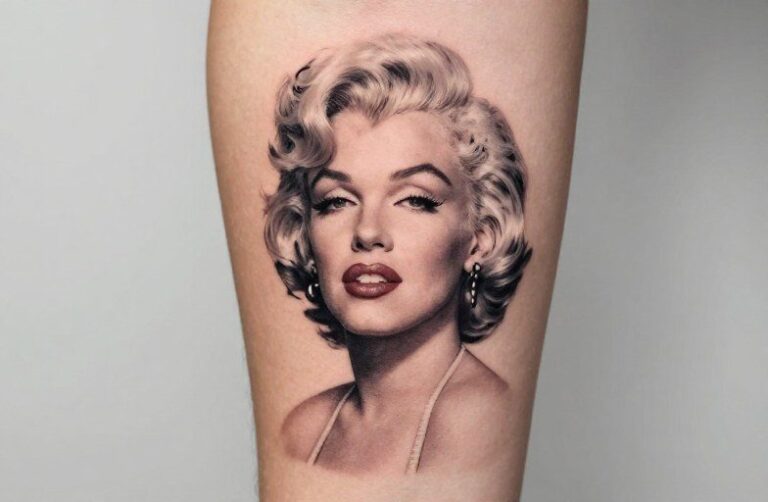
- Botanical: Roses, olive branches, pine trees, organic lines that age gracefully as they soften
- Scriptural: Text runs vertically or wraps; font choice determines legibility at distance versus intimacy
- Geometric: Mandalas, sacred geometry, symmetrical designs that center on the forearm’s natural axis
The meaning isn’t inherent to the image; it’s constructed through placement, orientation, and personal context. A skull on a bicep reads gym-bro; on a forearm with a clock and rose, it reads memento mori.
Similar & Related Placements
Full Sleeve Versus Isolated Forearm
The forearm piece exists in tension with the full sleeve. A sleeve implies comprehensive narrative, years of investment, unified aesthetic. An isolated forearm tattoo, whether extending from a hidden upper arm piece or standing alone, creates deliberate boundary. It says: this much, this specifically, no more required. For men uncertain about full commitment, the forearm offers substantial canvas without the sleeve’s totalizing demand.
Hand and Wrist Extension
Hand tattoos extend the forearm’s visibility into absolute inescapability. The jump from forearm to hand is significant in employment terms and social signaling. Many men stop at the wrist bone, maintaining the option of coverage. Those who continue onto the hand are making a further statement about identity priority over conventional flexibility.
Relatedly, the “half sleeve” that stops at mid-forearm often looks truncated, like a sentence without punctuation. Good design either commits to the forearm as complete unit or flows through to the wrist with intention.
Color vs Black and Grey
The Practical Reality of Forearm Wear
Forearms suffer. Sun exposure is constant; sleeves ride up, sunscreen gets missed, the arm rests on tables and absorbs UV through windows. Color fades predictably: reds orange out, blues grey down, yellows disappear entirely. Black and grey ages more gracefully, maintaining readable contrast longer. A saturated forearm piece requires ongoing maintenance, touch-ups every 3-5 years for preservation, not just refreshment.
That said, color carries symbolic weight that black cannot replicate. Blood reds, military greens, ocean blues, these communicate specifically. A black and grey American flag reads differently than a full-color rendering. The choice is partly aesthetic, partly about willingness to maintain.
Skin Tone Considerations
On darker skin, color saturation requires heavier pigment loads and experienced technique. Black and grey with high contrast, deep blacks, bright highlights, often reads more clearly than muted color. This isn’t limitation; it’s parameter. Artists who understand melanin-rich skin can achieve striking results, but the forearm’s sun exposure makes careful planning essential.
How It Ages on Skin
The Specifics of Forearm Deterioration
Forearm skin moves constantly, flexion, extension, rotation. The area between wrist and elbow crease experiences repeated stretching. Fine lines blur; tight detail spreads. A compass rose with 1mm needlework looks crisp at six months, fuzzy at six years. Bold lines, adequate spacing, and simplified forms endure.
The outer forearm (ulnar side) sees more sun and abrasion than the inner. Tattoos here fade faster, develop that greyish cast that comes from sun-damaged ink particles. The inner forearm (radial side) preserves better but scars more noticeably from any touch-up work because the skin is thinner and heals differently.
Designing for the Long Term
Effective forearm work anticipates aging:
- Minimum line weight of 3mm for longevity
- Contrast between elements, not subtle gradation that will muddy
- Orientation that reads correctly in the arm’s natural resting position
- Negative space that prevents the “black blob” effect as edges soften
A forearm tattoo at twenty years should still communicate its intent, even if detail has softened. The meaning lives in the structure, not the minutiae.
What to Remember
The forearm remains the most considered visible placement for men. It demands enough confidence to be seen, enough restraint to stop at the wrist, enough foresight to design for decades of weathering. Whatever you load into the image, family, survival, transformation, simple aesthetic preference, the placement itself adds a layer: you chose to be accountable for this, daily, publicly. That accountability is part of what forearm tattoos for men with meaning actually mean.
Frequently Asked Questions
Will a forearm tattoo affect my job prospects?
It depends entirely on your field. Construction, creative industries, food service, and many trades have little concern with visible forearm ink. Corporate finance, law, medicine, and client-facing roles in conservative industries may still carry unwritten restrictions. The forearm’s advantage is its coverability: long sleeves hide it completely. Many men get forearm work while maintaining professional flexibility, though you should research your specific workplace culture before committing.
How much does a quality forearm tattoo cost?
A professional forearm piece typically runs between $400 and $1,500 depending on complexity, artist reputation, and geographic location. Custom design work, multiple sessions for detail or color, and touch-ups add to lifetime cost. Avoid bargain hunting: the forearm is highly visible, and poor work is expensive to fix or cover. Budget for the artist you want, not the price you hope for.
How long does forearm tattoo healing take?
Surface healing takes 2-3 weeks, but the forearm’s constant movement means full settling can take 6-8 weeks. The inner forearm, with thinner skin, sometimes scabs more heavily and requires gentler aftercare. Avoid gym work that flexes the area intensely, and keep the arm out of sun during healing. The forearm’s exposure makes it easy to bump, scratch, or sun-damage during vulnerable early weeks.
Can I work out after getting a forearm tattoo?
Wait at least 48-72 hours before any exercise that significantly flexes or strains the forearm. Heavy lifting, pull-ups, and rowing all stretch the healing skin and can pull out ink. Sweat introduces bacteria risk. Light lower-body work is usually fine after the first couple days, but give the forearm itself a week of minimal strain if possible. Your artist will give specific guidance based on the piece’s size and placement.