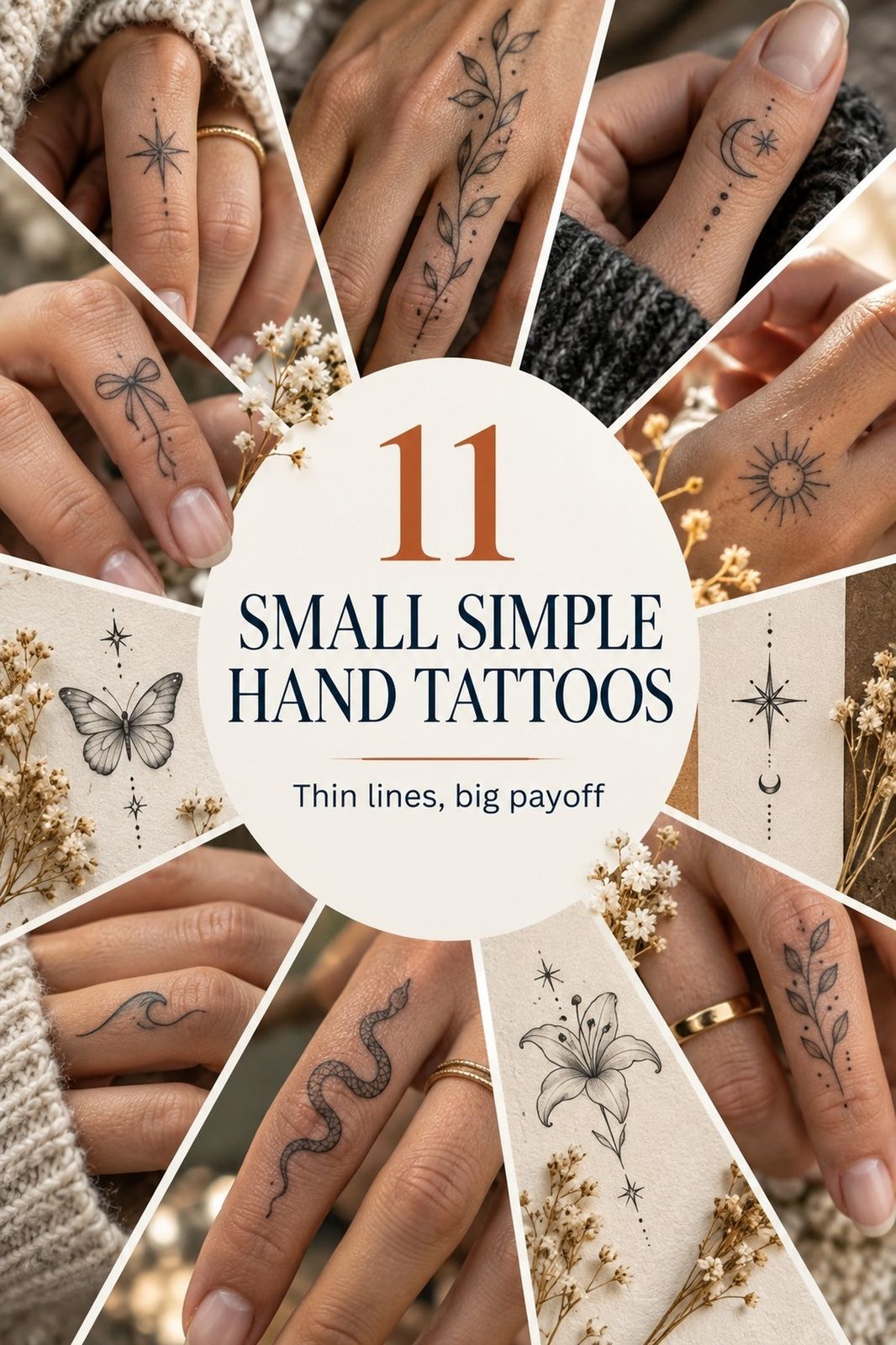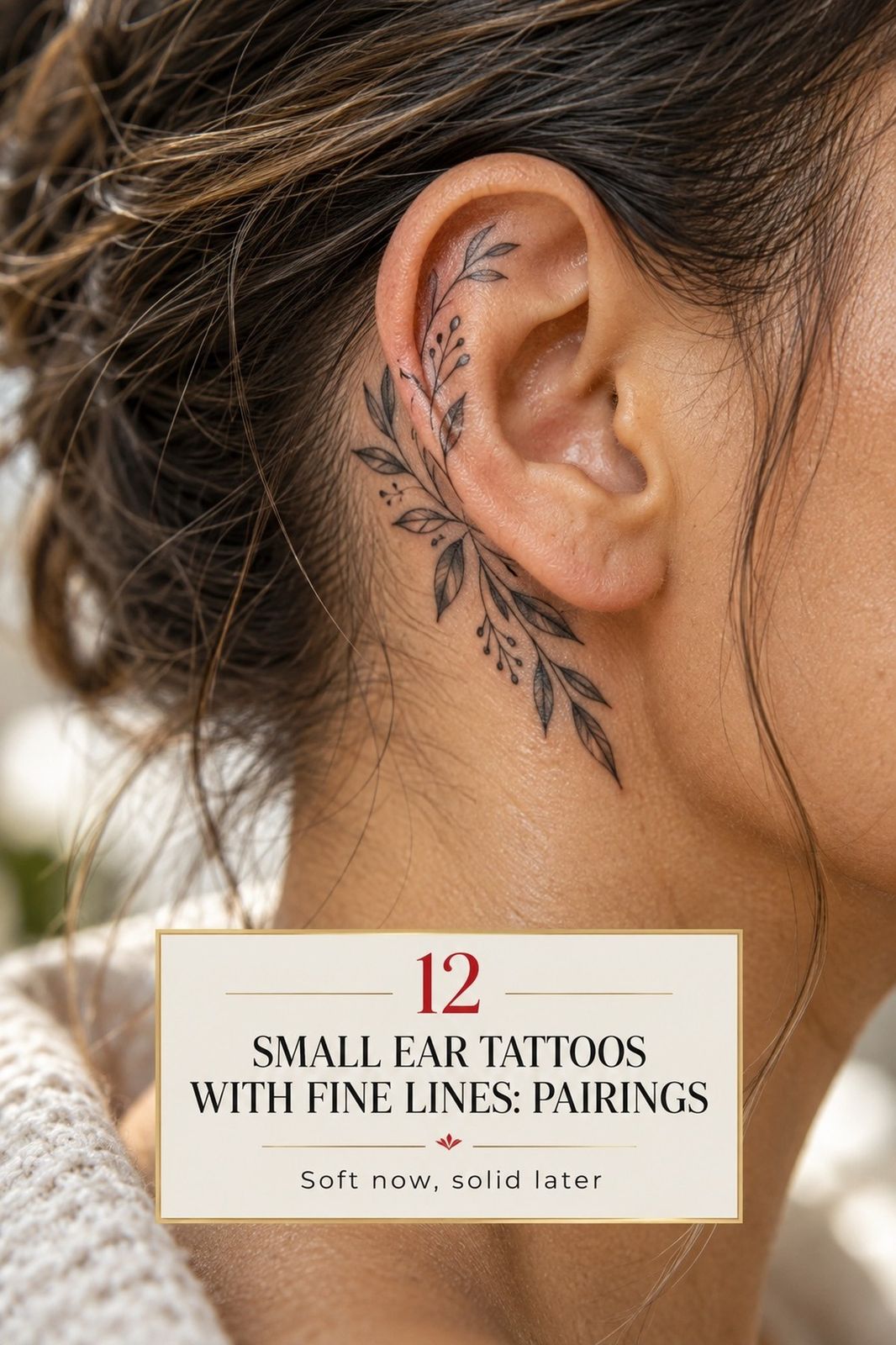
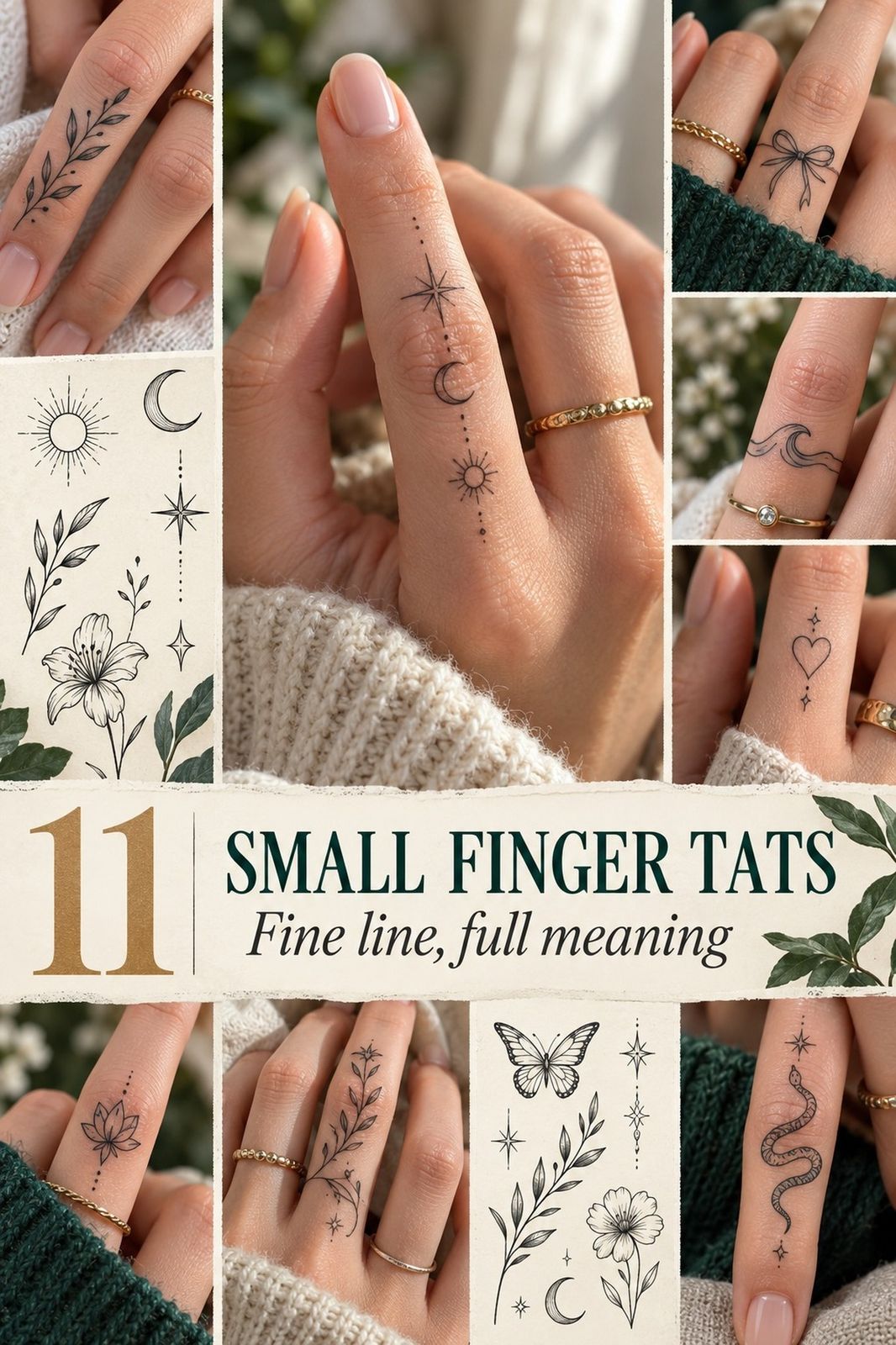
Small finger tats for women usually cost about $50 to $300 in the US, depending on the artist, region, size, and placement. I budgeted $300 for mine, expecting the full amount to disappear. The appointment was quicker, cleaner, and less expensive than I feared, while the final mark still feels personal.
Editor’s note: The best choice wasn’t the most complicated sketch. It was a visible symbol with enough space to remain clear through movement, washing, jewelry, and time. I treated the appointment as a permanent decision, not a quick trend purchase.
Here’s What It Looked Like Before
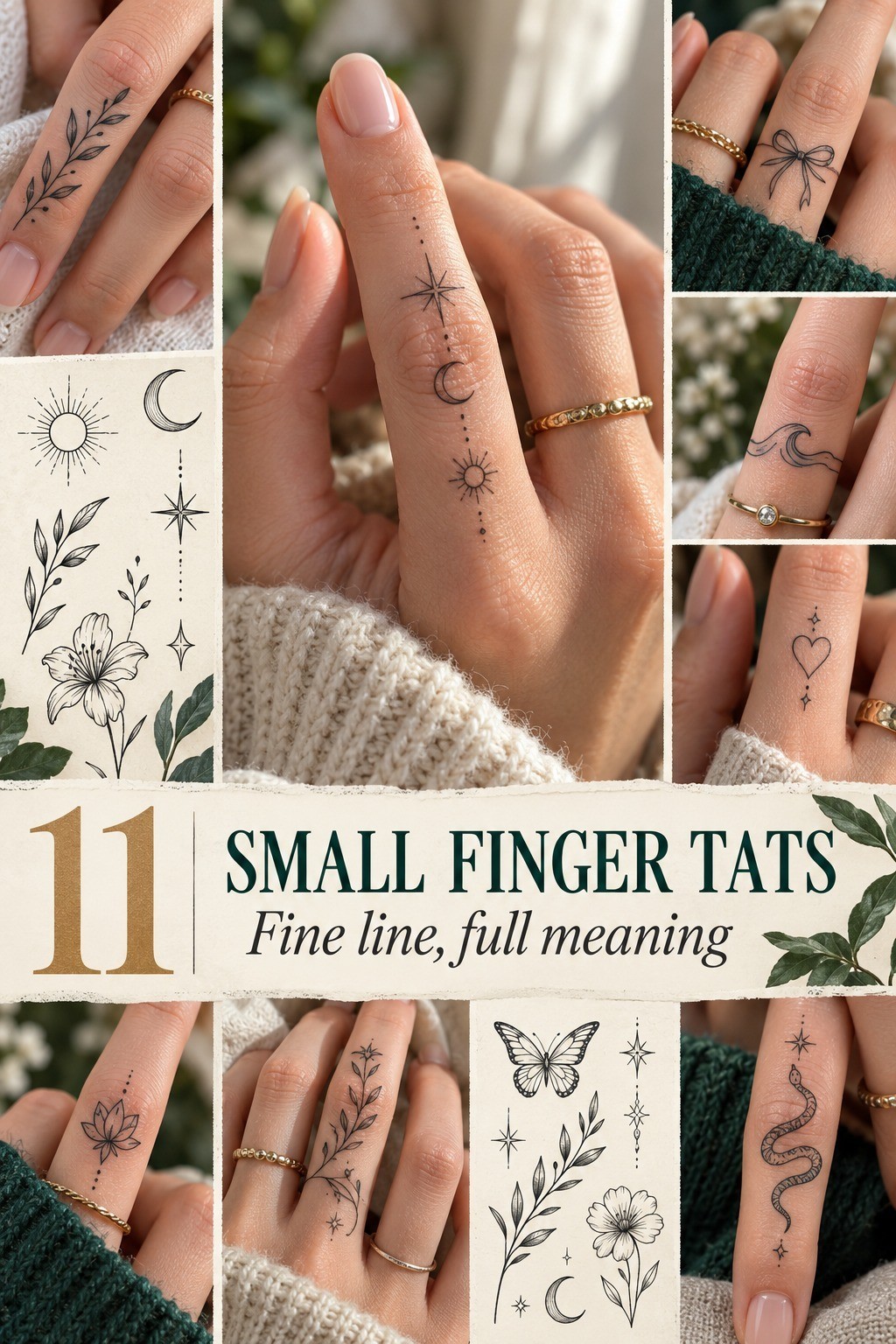
Before the appointment, I had one patch of blank skin I’d been saving for the right idea. It wasn’t damaged or irritated. It simply looked unfinished beside the rings I wear every day, so I scrolled through small finger tattoo ideas at night and closed my phone whenever a reference felt too loud.
I kept changing my mind between an intricate symbol, a minimal outline, and a tiny word. That indecision helped.
It showed me that I didn’t want decoration for its own sake. I wanted something meaningful, understated, and easy to recognize years from now.
Visibility mattered, too. A tattoo on the hand appears while you type, hold a cup, reach for a bag, or gesture during a conversation. That made the choice feel more deliberate and expressive than choosing a hidden placement.
The useful question was simple: would I still like the mark if nobody asked what it meant? That answer cut my list in half!
- Choosing My First Finger Tattoo
- Which Delicate Symbols Actually Worked?
- Sketching Unique Tattoo Ideas
- Matching Ink Style to My Hand
- Where Should a Finger Tattoo Sit?
- Testing Dainty Linework Before the Appointment
- Preparing My Skin for Finger Tattooing
- Getting a Tiny Feminine Finger Tattoo
- What Does Fine Finger Linework Feel Like?
- Protecting My Tattoo Through Early Healing
- Admiring My Finished Finger Tattoo
1Choosing My First Finger Tattoo
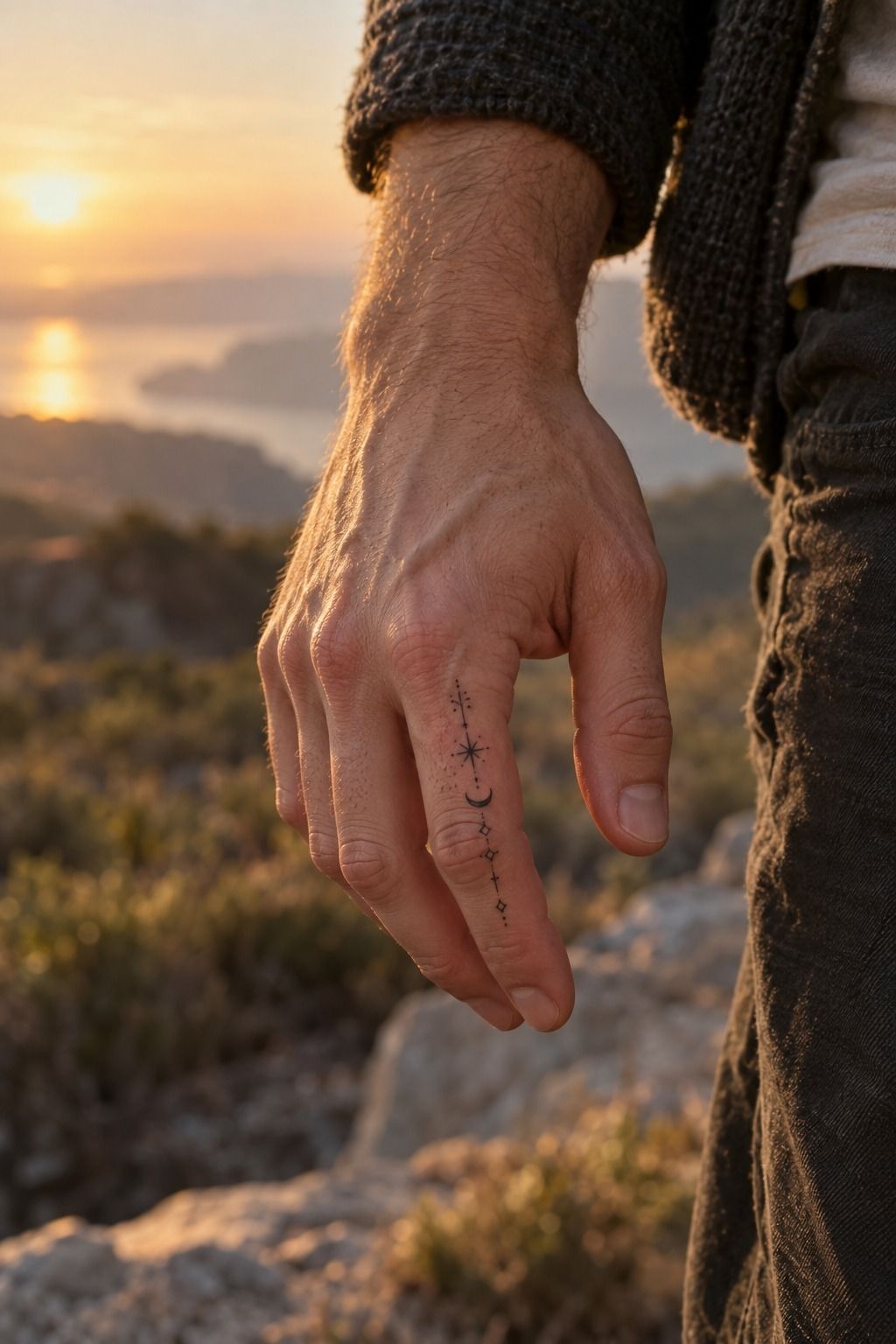
I started with a black line symbol rather than a portrait, flower cluster, or long quote. A finger doesn’t offer much room, so I wanted a crisp shape that could be understood at a glance. I printed three sketches at roughly 1/2 inch, or 1.3 cm, and held each one against my hand in daylight.
The first sketch was too ornate. The second was delicate, but disappeared when I bent my finger.
The third had one open curve and a pointed detail, which made it feel symbolic without explaining itself. I’d choose the third again because it had breathing room.
When I compared small finger tats, I looked for a mark that survived both a straight finger and a relaxed hand. Something can seem striking on a flat screen and lose its identity once the skin folds.
I noticed that fine-line spacing could make a mark feel more powerful. Untattooed skin gave the shape a sleek outline instead of turning it into a crowded patch. I didn’t need initials, dates, or extra stars to make the symbol mine.
I refused to approve the sketch until I could describe why I wanted it in one sentence. That rule kept the choice honest. A tattoo can be visually attractive and still feel wrong when its meaning belongs to someone else.
2Which Delicate Symbols Actually Worked?
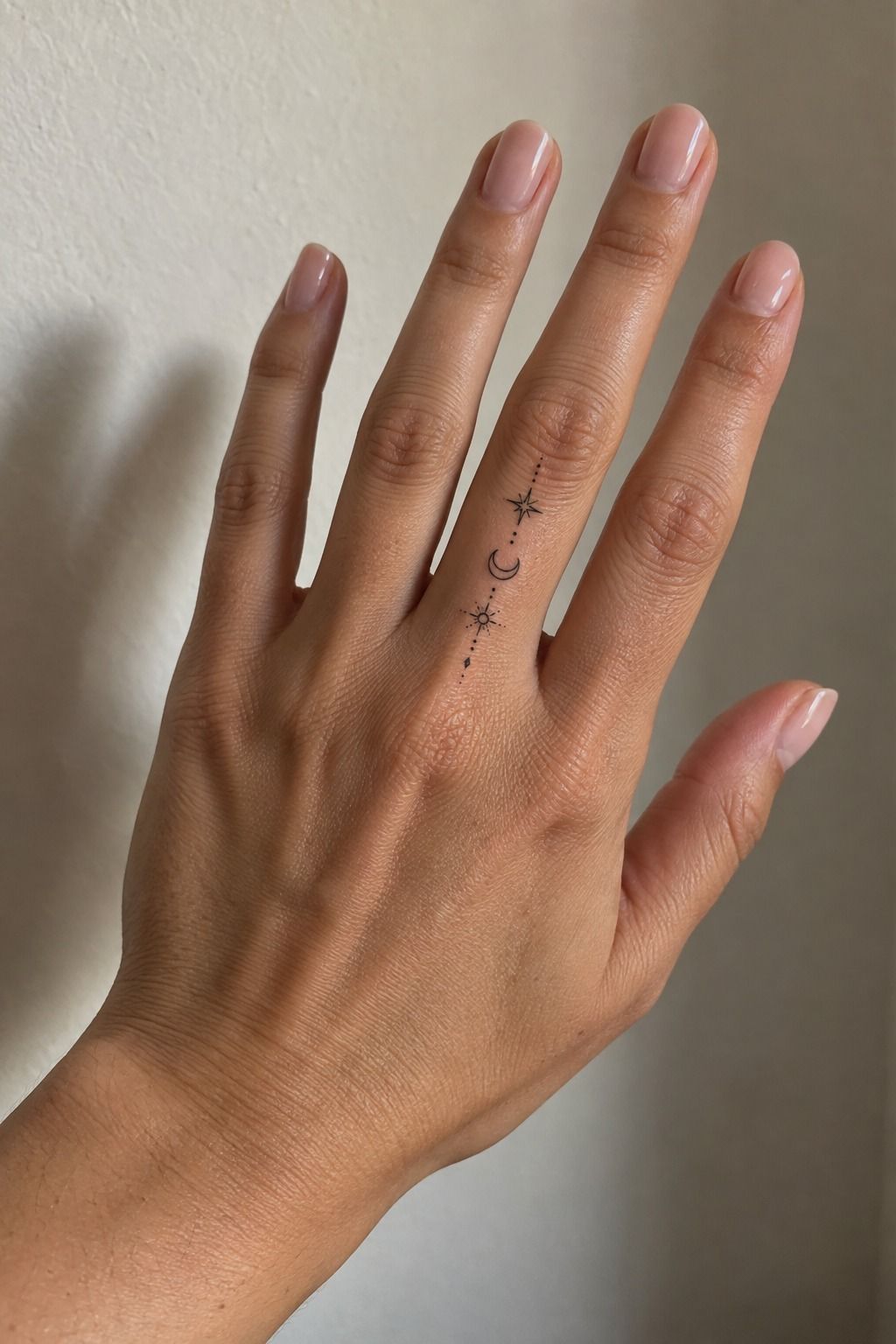
I compared moons, tiny bows, single leaves, initials, arrows, stars, and abstract marks. The moons felt too familiar, the bows too decorative, and the initials made the piece feel tied to a specific moment. The abstract marks held my attention longer because they left room for interpretation.
The single leaf had a flowing shape that followed the natural direction of my finger. I liked its graceful curve, but I removed the stem because it became muddy at the smallest size. The edited version felt less literal and more like a private sign.
The arrow was visually sharp, though its point looked awkward over a crease. The star had energy, but it needed thicker lines than I wanted. In the end, the open curve gave me the clearest silhouette and felt more connected to my hand.
3Sketching Unique Tattoo Ideas
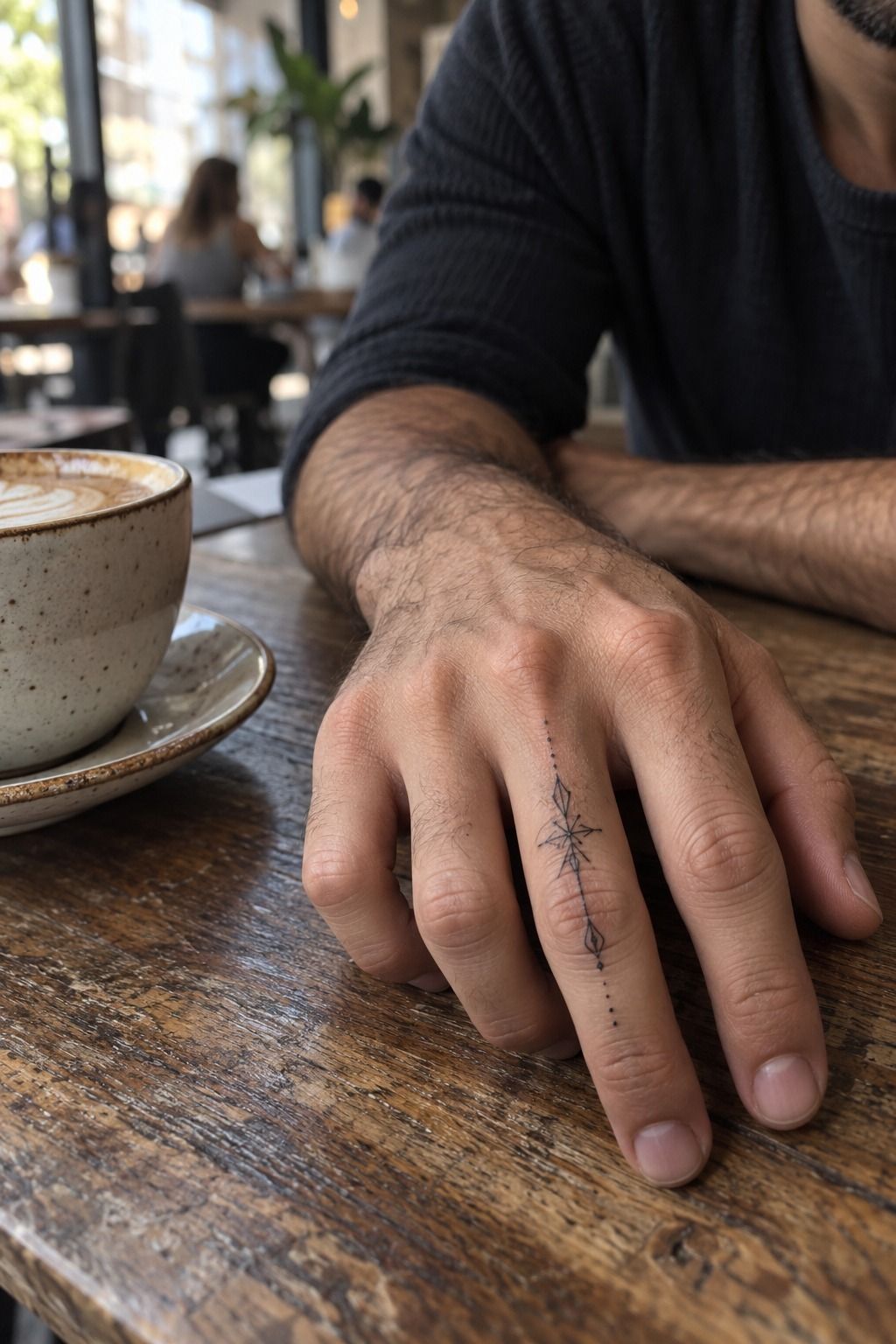
I sketched directly over a photograph of my hand instead of trusting a blank page. The photo showed my finger slightly bent, with the natural creases visible. That made the mark feel more personal and less like a sticker copied from a flash board.
My first drawing had three interior lines. I removed two.
The remaining curve looked flowing, graceful, and easier to tattoo cleanly. My artist softened one sharp corner because it would have sat directly over a crease.
That adjustment was tiny, but it changed the balance. The symbol looked calmer when the point no longer fought the movement of my hand. I saved that version as the reference instead of continuing to add detail.
I kept the paper sketches in a folder for one week. Every time I looked at them, I asked whether I still wanted the mark on my body or whether I only liked the drawing. Why rush a permanent choice when a pencil gives you time?
I pictured the design in black tattoo ink from the beginning, with no color fill or shading. The tattoo idea collection helped me compare proportions, but anything dependent on crowded detail had to be redrawn.
The most striking option was the one with the least going on. It had one open curve, one pointed feature, and enough untouched skin around it to remain legible.
I printed the sketch in three sizes: 3/8 inch, 1/2 inch, and 5/8 inch. The largest looked more bold, but took over the finger. The smallest was subtle, although the point became difficult to see.
The middle size gave me the best balance.
That was the second useful clue: the right mark wasn’t necessarily the prettiest drawing. It was the version that held together when reduced.
4Matching Ink Style to My Hand
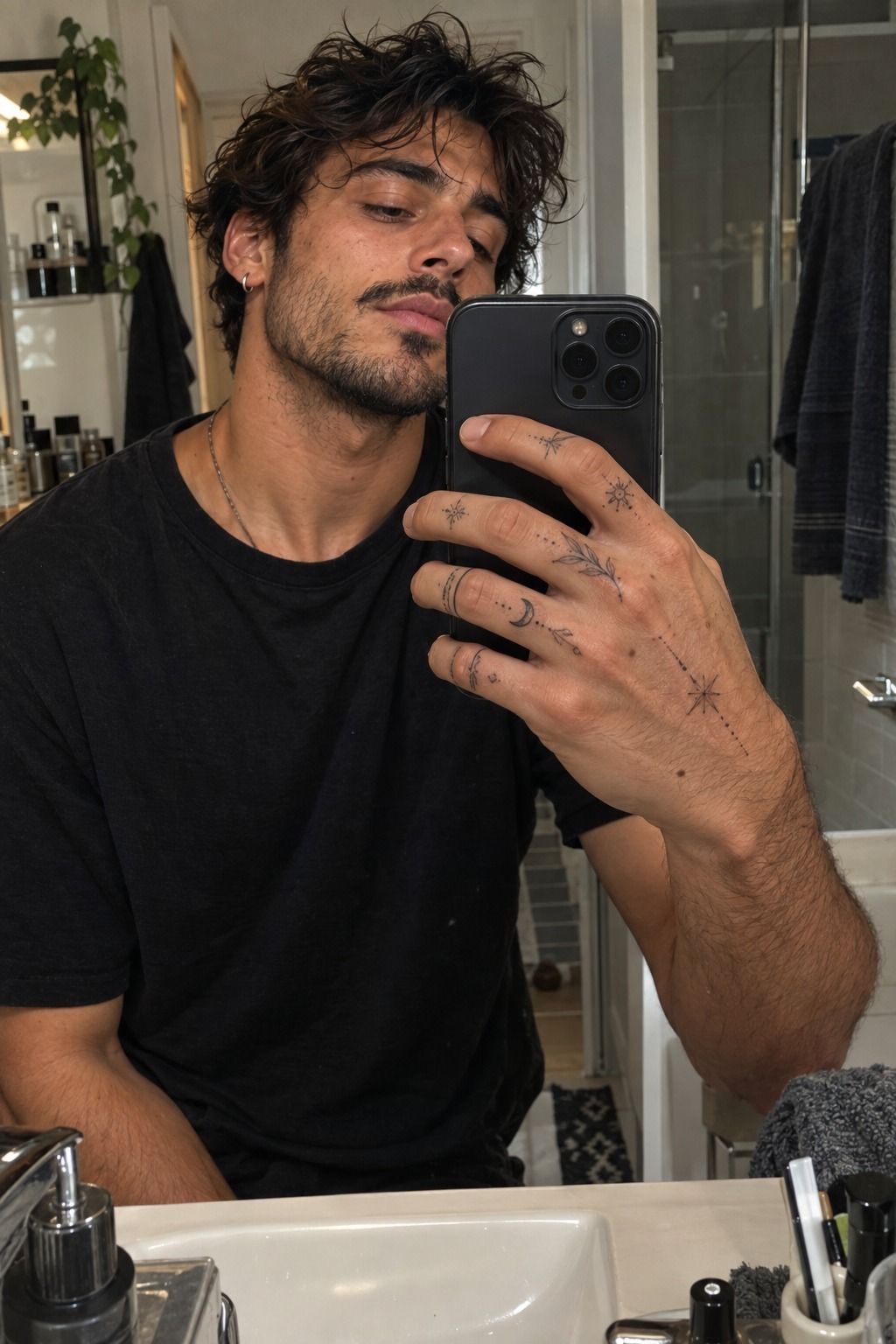
My skin has a golden tan undertone, so I wanted black ink that would remain visible without looking heavy. I asked to see healed finger work, not only fresh photographs. Fresh ink can look vibrant and sharp, while older work reveals whether the artist understands spacing.
The artist recommended a single-needle approach for the open curve, with a slightly stronger line at the point. I liked that contrast. It kept the piece expressive without making every section equally dark.
I’d avoid asking for a uniform hair-thin line everywhere. One fragile section can vanish faster than a slightly reinforced focal point. The goal wasn’t maximum delicacy.
It was a line weight that looked intentional after healing.
My appointment plan was simple: stencil, placement check, tattooing, and aftercare instructions. I expected the session to take about an hour, but the actual tattooing felt much shorter. My hand tattoo research helped me compare styles, yet the artist’s healed portfolio mattered more than any trend board.
A single-needle configuration can look refined in one placement and too faint in another. I wanted a mark that would feel timeless, even if the jewelry around it changed.
I checked whether the artist photographed work under ordinary light. Strong filters can make every line look cleaner than it really is. I wanted proof of spacing, softness, and healed texture.
The most elegant examples I saved weren’t necessarily the thinnest. They had clear proportions and enough visual confidence to survive a little change.
5Where Should a Finger Tattoo Sit?
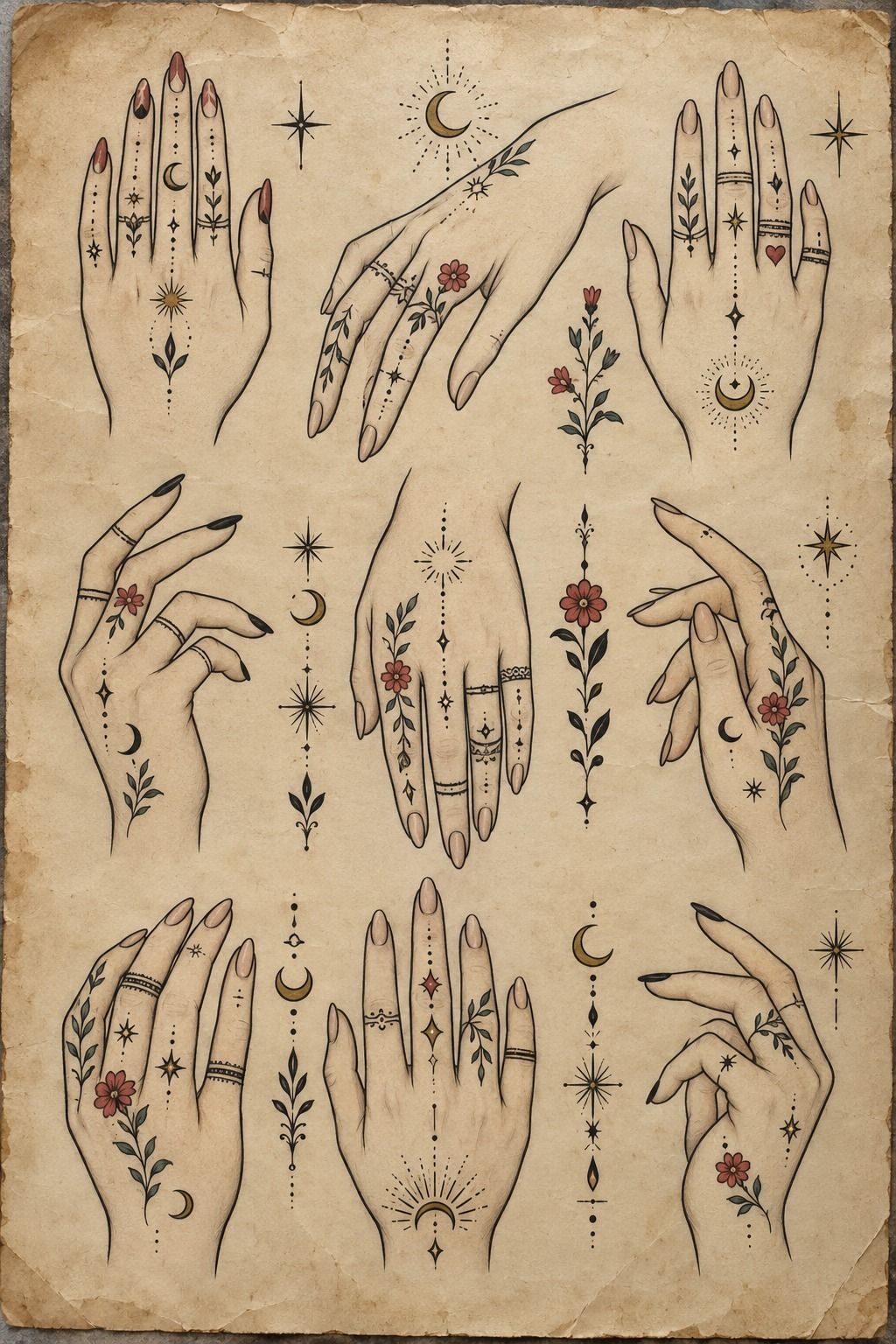
I tested the side of the finger, the top near the knuckle, and the inner surface. The side felt discreet but distorted when I gripped something. The inner surface was private, though it received more friction during ordinary hand movement.
The top gave me the clearest view without forcing my hand into an unusual position. It also let the open curve follow the length of the finger. That placement felt classic rather than trendy, which mattered because I didn’t want the tattoo to depend on one fashion moment.
I placed the temporary stencil with my rings on and off. Jewelry changed the balance more than I expected. Without a ring, the mark felt visible; with my usual band, it became understated and almost secretive.
6Testing Dainty Linework Before the Appointment
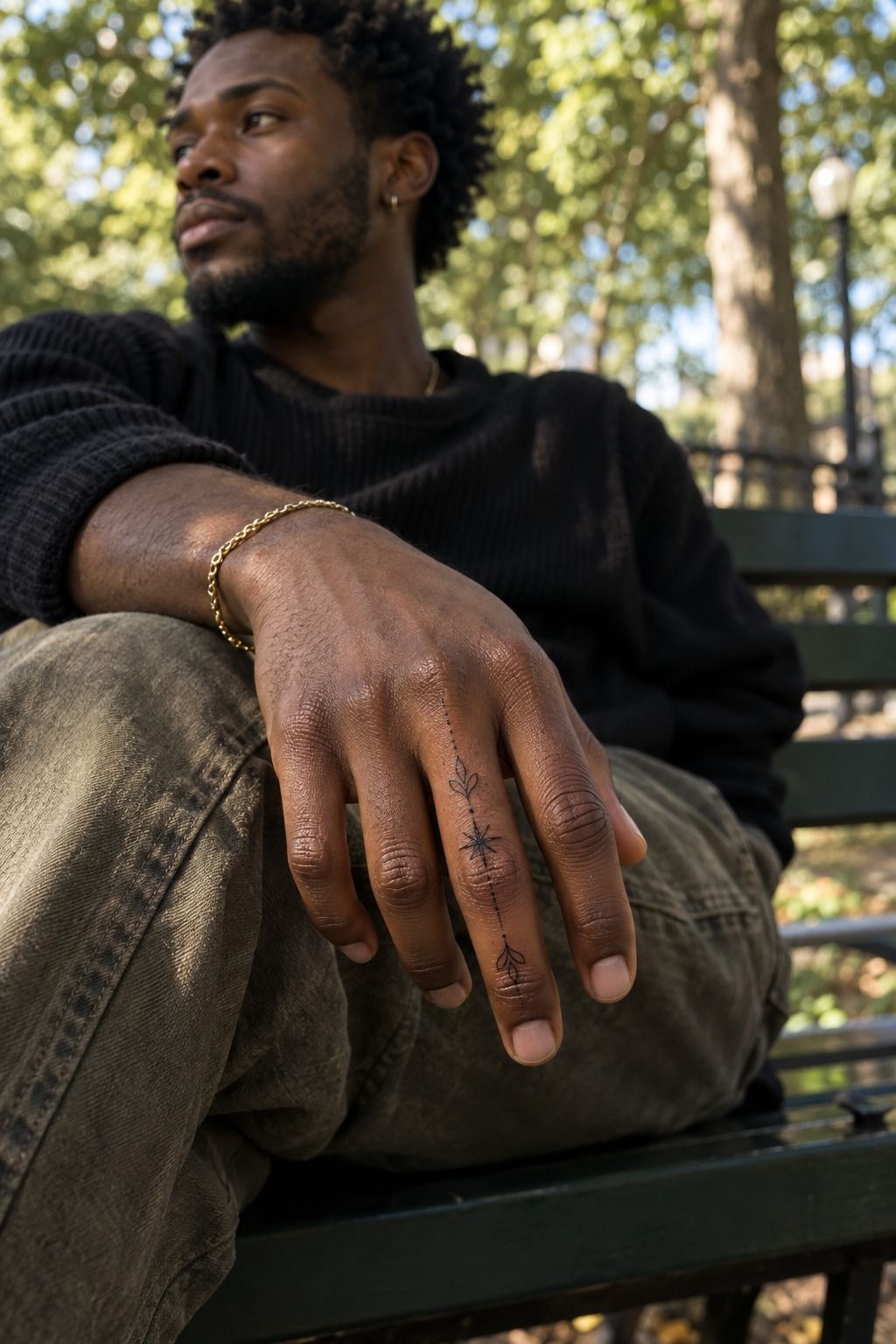
Before booking, I drew the symbol with a fine black pen and wore it for two days. The test wasn’t meant to predict the tattoo perfectly. It showed me whether I’d get tired of seeing the shape while typing, washing my hands, or reaching for my keys.
The temporary version looked playful at first, then more classic once the ink faded around the edges. I caught myself turning my hand toward the light to check it. That reaction mattered more than the first burst of excitement.
A tiny tattoo has to survive ordinary moments, not only the appointment mirror. I watched whether the line distracted me during work or felt like a natural part of my hand.
For another placement comparison, I looked through small hand tattoo references and marked the ideas that depended on perfect symmetry. I crossed out most of them. If a line shifts slightly on a finger, a rigid symbol can look accidental, while an organic curve still feels intentional.
I asked my artist how fine the line would be after healing. She showed me examples with black carbon ink and explained that very fine marks can soften or widen over time. That honesty made me trust the appointment.
My final sketch stayed dainty, but it wasn’t fragile in concept. The outer curve gave it enough structure to remain readable if the smallest point softened.
I also tried the stencil with rings on and off. Without jewelry, the tattoo felt more noticeable.
With my usual ring, it became understated and almost secretive. That helped me understand how I’d actually see it in daily life.
If a temporary version feels annoying after two days, listen to that. Excitement can be loud for an hour. Wearability is quieter, but it lasts longer.
7Preparing My Skin for Finger Tattooing
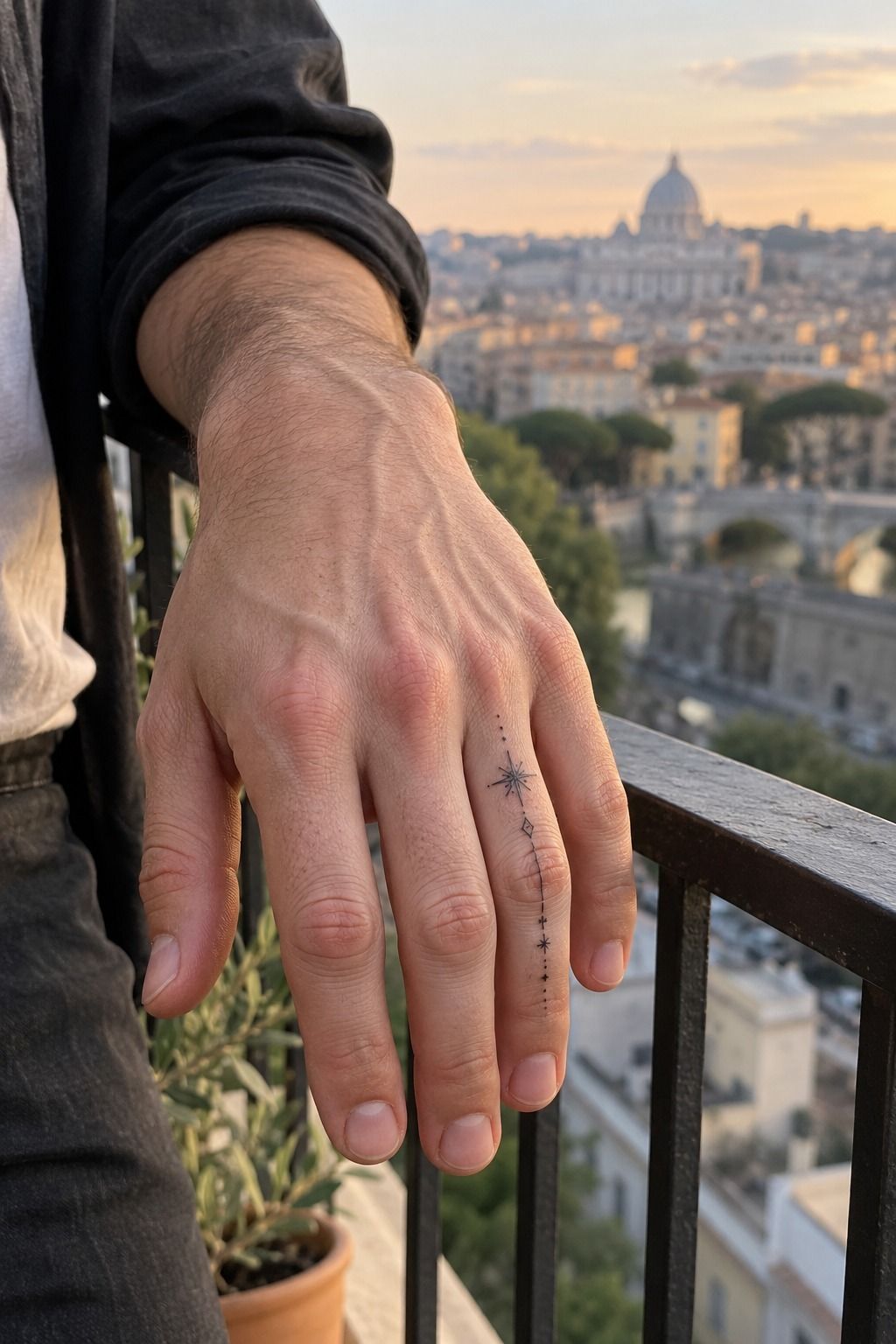
I arrived with clean skin, no fresh cuts, and no irritation around the placement. I had eaten beforehand, brought water, and left enough time to review the stencil without feeling rushed.
The artist confirmed the studio minimum before we began. That small conversation removed the awkwardness from payment and let me concentrate on the stencil, the placement, and the final size.
8Getting a Tiny Feminine Finger Tattoo
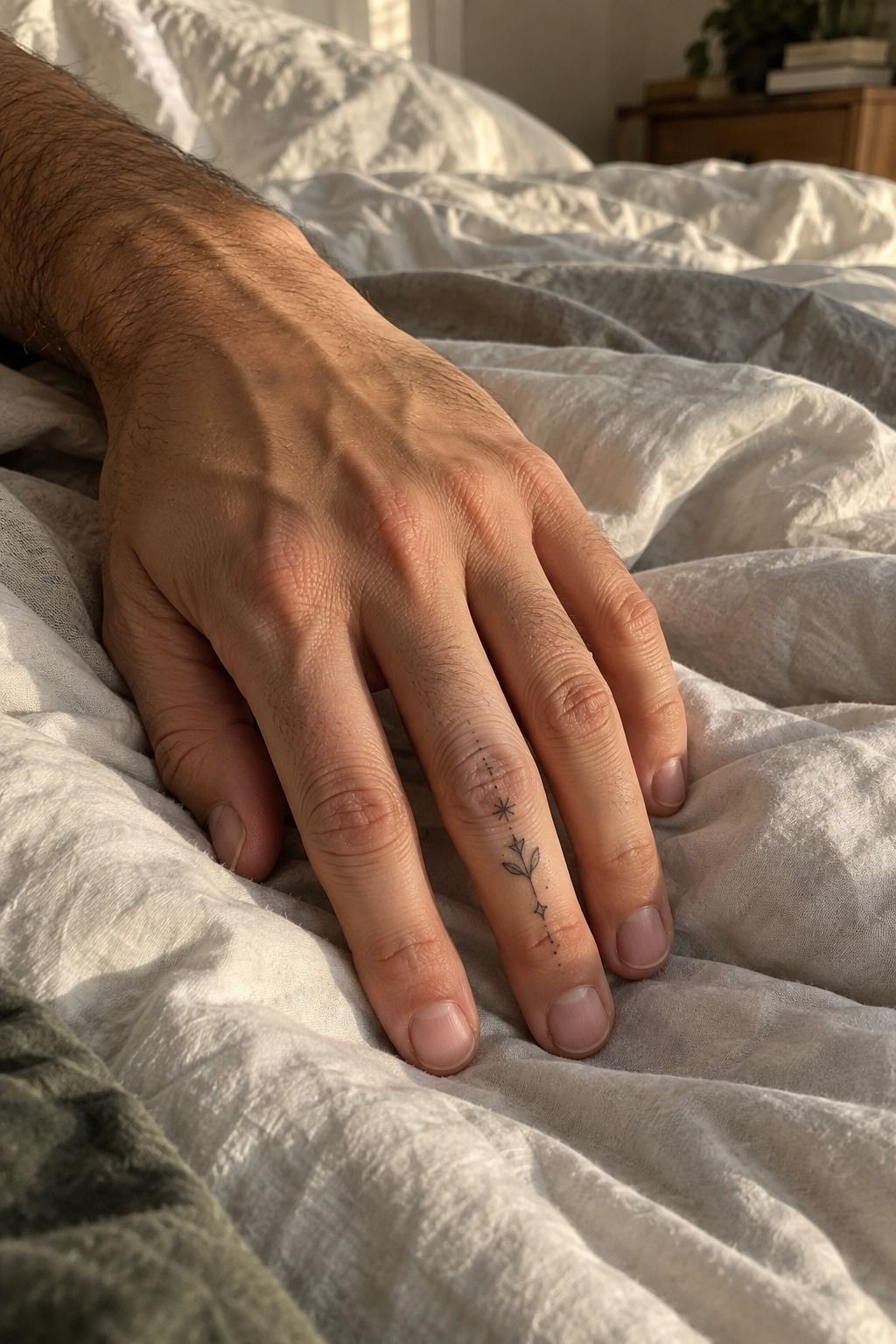
The needle began at the outer curve, and the first sensation was sharper than I expected but manageable. I watched the artist stretch the skin and follow the stencil in short passes. The mark appeared slowly, with each section of black ink giving the symbol more structure.
I expected to tense my whole hand, so I focused on dropping my shoulder and breathing out during each pass. The appointment stayed quiet except for the machine and occasional questions. That calm made the experience feel gentle rather than intimidating.
The first line looked darker than the reference, which is normal with fresh ink. I reminded myself that the surface would change as it healed. Judging the finished result immediately would have been pointless.
When the stencil was wiped away, the tattoo looked feminine without using a stereotypical heart or flower. It was elegant, small, and slightly whimsical, which gave it more character than the original reference.
You know a design is working when your hand looks like your hand, only more deliberate. That was exactly what I wanted.
I chose this direction over a filled-in shape because solid black would have made the mark louder. In the women’s hand tattoo guide, I compared open marks with blackwork before the appointment.
The fine-line tattoo suited my hand better, and that was the decision I was happiest to keep. It felt empowering without demanding attention.
The actual tattooing took about twenty minutes. Including consultation, stencil adjustments, cleaning, payment, and aftercare, I spent less than an hour at the studio.
The short appointment didn’t make the choice feel insignificant. It made the preparation feel more important.
9What Does Fine Finger Linework Feel Like?
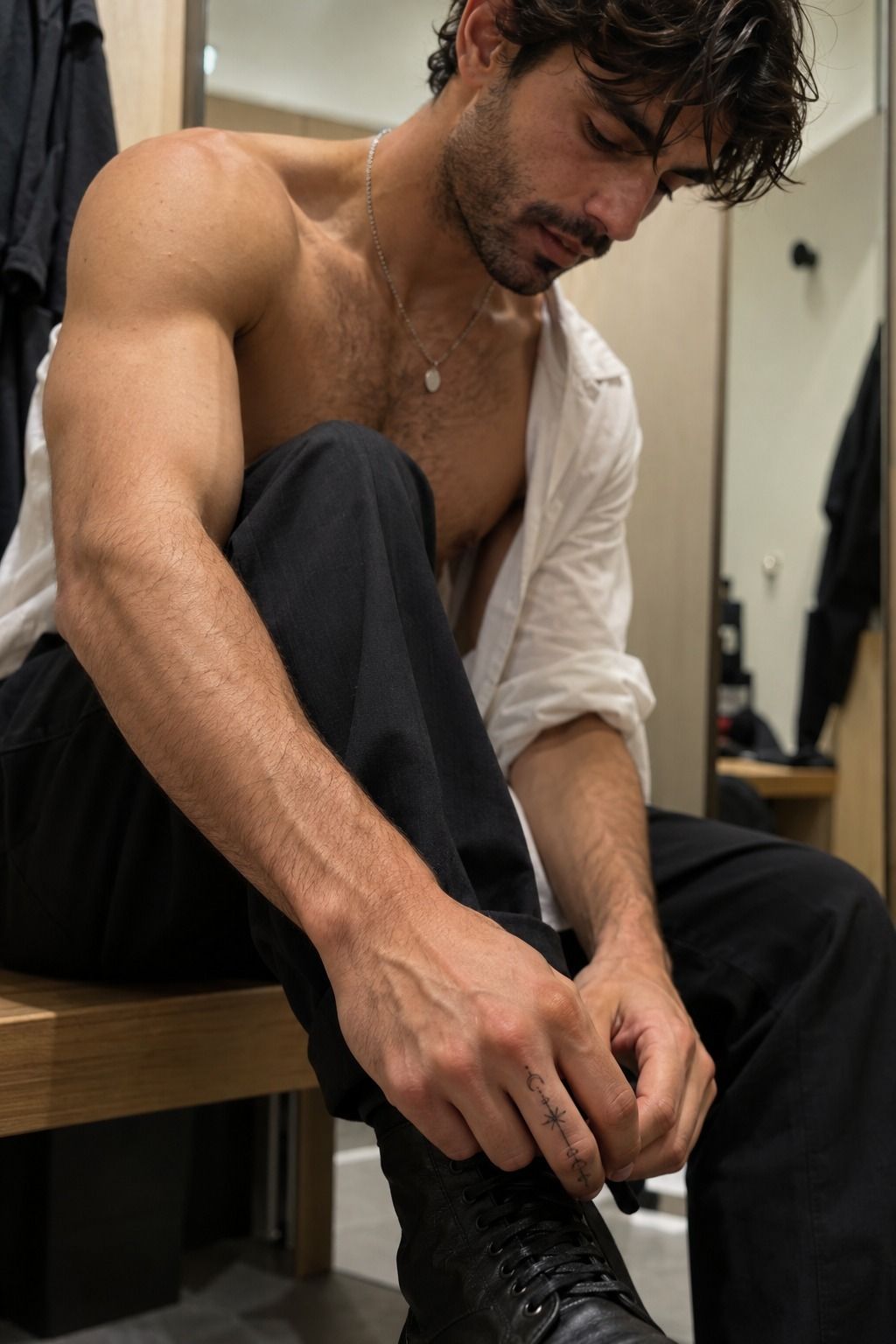
Finger tattoos can hurt more than their size suggests because hands have sensitive, bony areas and little padding. The sensation was concentrated rather than overwhelming, with the pointed area feeling sharper than the open curve.
Pain also changed with the placement. The top of my finger was manageable, while the section near the crease felt more sensitive. I preferred knowing that in advance because it made the brief discomfort feel expected instead of alarming.
The artist paused when I needed to relax my hand. That mattered. A steady hand and a clear conversation made the appointment feel controlled, even when the needle passed over a tender spot.
10Protecting My Tattoo Through Early Healing
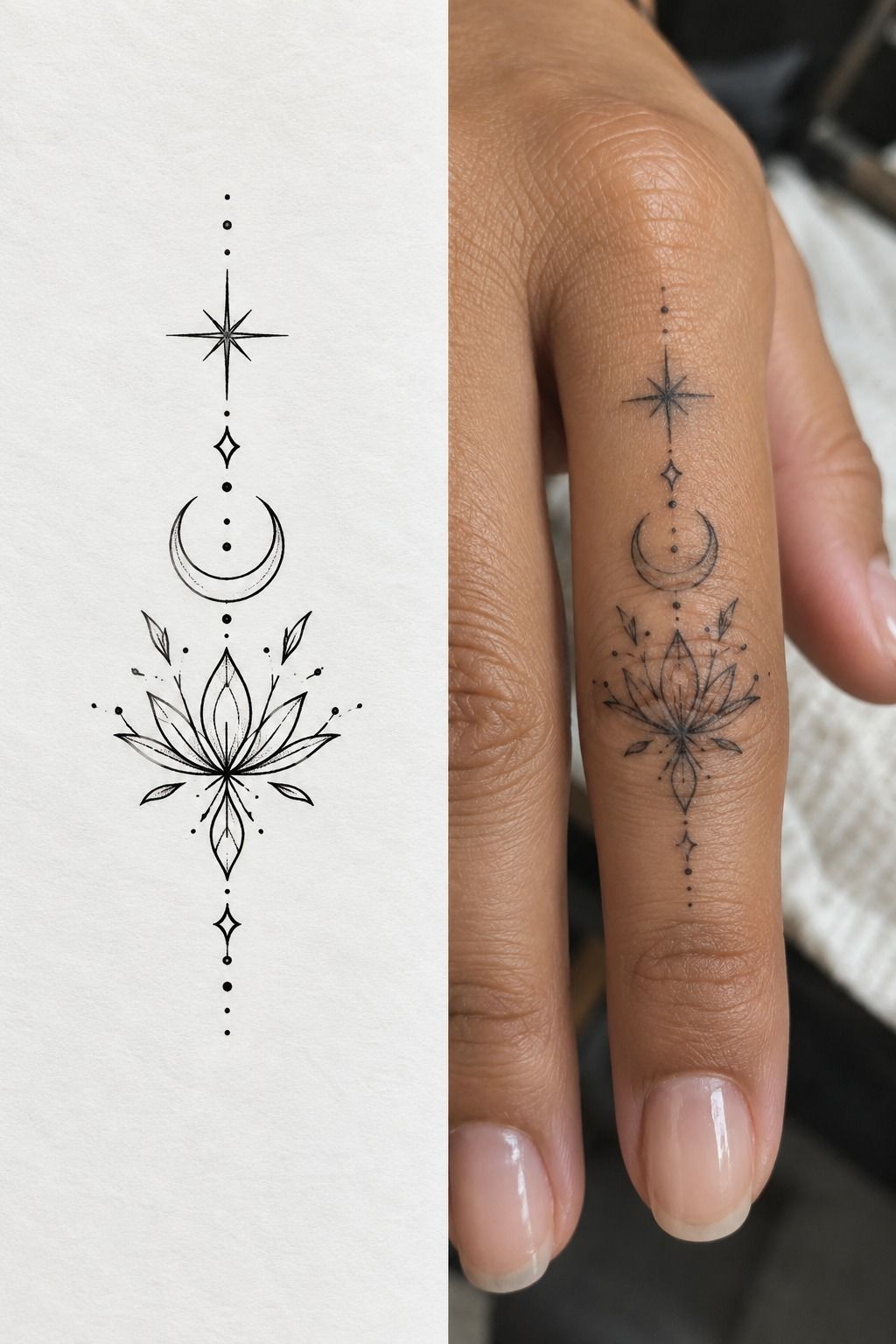
The first stage looked darker and more defined than the healed result. I followed the studio’s instructions: wash gently, keep the area clean, moisturize lightly, and avoid swimming and direct sun while the surface recovered.
The outer healing stage took about two to three weeks. Complete healing can take roughly two to three months, even when a small tattoo looks settled sooner. That surprised me.
I stopped judging the final color during the first few days because the skin was still changing. A fragrance-free cleanser and patience did more for the result than constant checking.
The comparison between fresh and healed ink helped me understand why the two stages shouldn’t be treated as identical. The healed line looked softer, but it remained crisp, polished, and easy to read.
I took a photo at the same angle each week rather than examining the mark constantly. I didn’t scratch peeling skin, pick at flakes, or add products my artist hadn’t recommended.
I limited unnecessary sun exposure after healing and understood that very fine marks may widen over time. Solid black and sensible spacing tend to age better than crowded details.
UV can work against a delicate tattoo, especially on a hand that receives frequent exposure. I kept my expectations realistic instead of treating one week’s appearance as the final verdict.
During healing, the tattoo looked slightly raw and more intense than I expected. By the second month, it had settled into a softer version of the same shape.
That change didn’t make it worse. It made the result feel more lived-in.
I avoided swimming, heavy rubbing, and unnecessary handling during the early stage. The rules were simple, but following them consistently mattered more than buying a complicated aftercare routine.
11Admiring My Finished Finger Tattoo
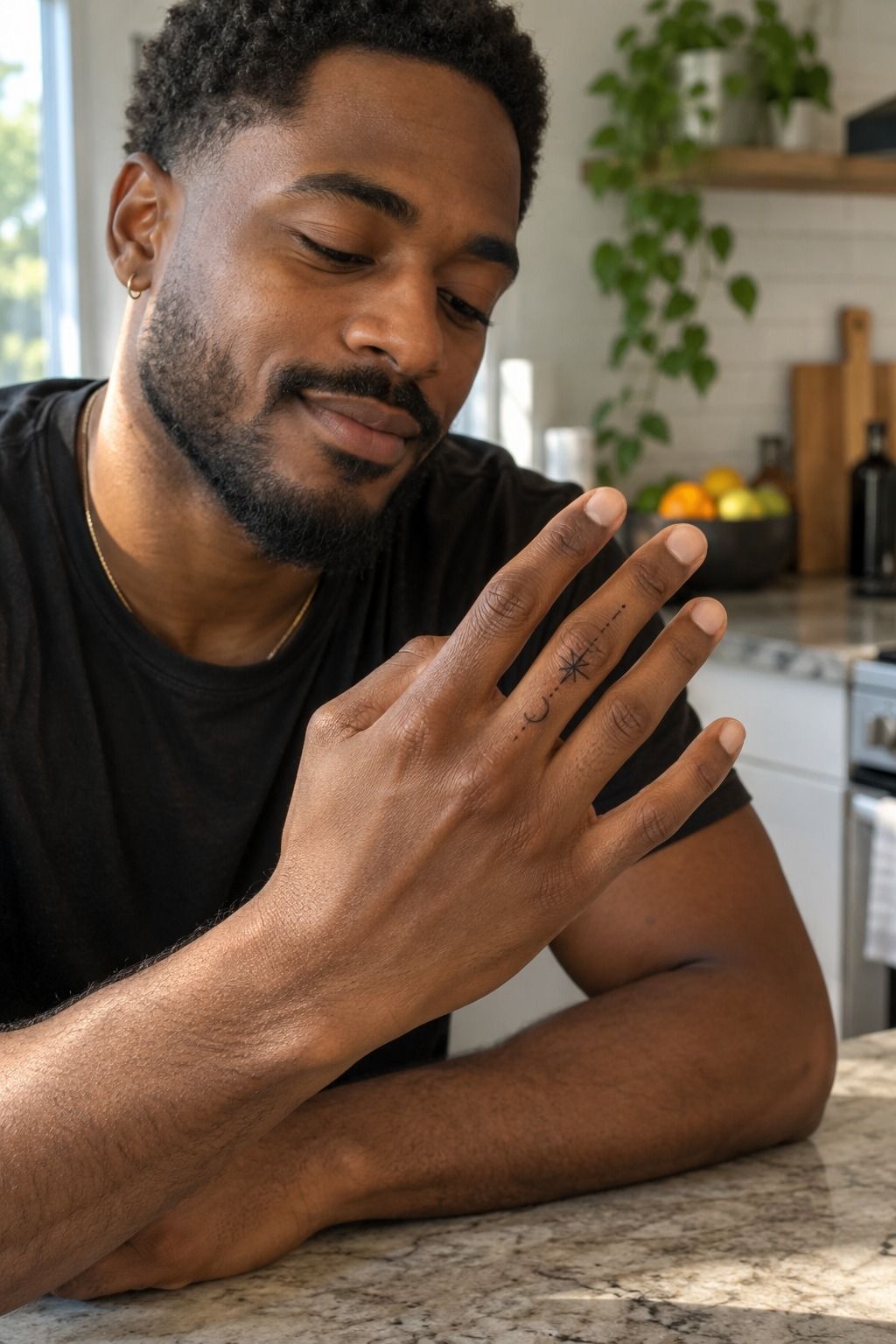
After the surface healed, the tattoo became quieter than I expected. The outer curve still caught my eye when I moved my hand, but it no longer demanded constant attention.
That balance was the goal. The result felt fierce enough to represent a decision, yet restrained enough to fit beside my rings and daily gestures.
How Much It Cost
I budgeted $300 because I wanted room for a studio minimum, regional pricing, and an artist whose healed work I trusted. The final cost came in below that ceiling, but I’m not going to invent a precise invoice for another person’s appointment.
Tattoo pricing changes by artist, location, placement, detail, and minimum charge. These figures are planning ranges, not promises.
The numbers are useful as planning points, not guarantees. My appointment used a sterile setup, fresh supplies, and a short session, but another artist may charge a higher minimum for a similar symbol.
Ask for the shop’s minimum before booking so your budget isn’t based on wishful math. Ask whether a consultation, stencil revision, touch-up, or aftercare product carries an extra fee.
For another cost and placement reference, I reviewed hand tattoo ideas for women before committing. I’d rather pay for clean work and sound hygiene than chase the lowest quote.
That choice felt responsible, daring, and worth the difference. A cheaper appointment isn’t a bargain if the portfolio has no healed examples or the studio can’t answer basic hygiene questions.
I paid less than my $300 ceiling because the design was compact and the session was short. I still treated the budget as flexible. My priority was an artist who could make a tiny mark look intentional.
How I Planned the Appointment
I booked only after reviewing the artist’s healed finger work, not just the newest social media photos. Fresh tattoos can look sharp, saturated, and exciting. Healed work shows spacing, softness, and whether the original shape still reads.
I sent the reference several days in advance and explained that I wanted an open curve with one focal point. I didn’t ask the artist to copy a design exactly. I wanted the idea redrawn for my anatomy.
My message included the approximate size, preferred placement, black ink, and a note that I didn’t want heavy fill. That reduced back-and-forth and gave the artist useful information before the appointment.
I checked the cancellation policy and deposit requirements, too. Those details aren’t glamorous, but they’re part of planning. A clear appointment policy is one sign that a studio takes the process seriously.
Before leaving home, I wore clothing that made my hand easy to access. I brought identification, water, and the reference sketch. I didn’t bring a crowd because I wanted to make the final decision without outside opinions piling up.
The consultation was where the design became meaningful in practical terms. The artist pointed out how the crease would affect the pointed detail and suggested a slight adjustment. I accepted it because the change protected the readability of the tattoo.
That conversation reminded me that collaboration can improve a design without diluting its meaning. The best result wasn’t the exact drawing I arrived with. It was the personal version that suited my hand.
The One-Anchor Rule: Why I Chose Fine Line Over Heavy Blackwork
I went back and forth between a fine-line symbol and a small solid-black mark. Heavy blackwork can age with authority, and I understand the appeal. It reads from across a room.
Still, I chose the fine line because my meaning was quiet, and I didn’t want the tattoo to become the first thing anyone noticed about my hand. The mark felt more graceful and connected to the reason I chose the symbol.
The decision came down to one anchor: the tattoo needed a single feature that would remain recognizable if the thinnest details softened. For mine, that anchor was the outer curve.
Everything else supported it. This is why I’d avoid stacking several tiny symbols together. More detail doesn’t automatically create more emotion.
My mistake was assuming that a smaller tattoo would require less thought. It required more editing. I removed a second interior mark, shortened the tail, and tested the stencil while my finger was bent.
Those choices made the final piece refined, subtle, and easier to live with. I saved healed examples and asked the artist what might change after two to three months.
The answer was more honest than a fresh photo. My preference is clear now: choose one striking idea, give it room, and let the skin do some of the visual work.
For more restrained references, I revisited small finger tattoo designs and removed anything that needed several explanations to make sense. The strongest marks usually have a clear silhouette before they have a complicated story.
How Finger Ink Changes Over Time
A finger is exposed to frequent washing, friction, sunlight, and movement. That doesn’t mean every tattoo fails, but it does mean the design should be chosen with realistic expectations.
My line softened slightly during healing and then settled. The main curve remained clear because it had enough spacing around it. A crowded symbol would have been harder to read after the same amount of change.
I asked my artist whether the piece might need a touch-up. She said it was possible, especially because finger skin can be unpredictable. I appreciated the direct answer more than a promise that the tattoo would look identical forever.
Some people prefer a fresh, extremely crisp line. I prefer the softened result because it looks less stark and more integrated with my hand. Neither response is wrong, but it helps to know which finish you’re hoping for.
For longevity and easy reading, avoid tiny words, dense shading, and details that depend on perfect spacing. A simple symbolic outline gives the skin more room to change gracefully.
I take occasional photos in the same light so I can notice gradual changes without obsessing over them. The tattoo still looks classic, and the slight softness hasn’t erased its personality.
A future touch-up is a possibility, not an automatic requirement. I’d wait until the piece is fully healed and stable before deciding. Fresh skin can make a small line look more dramatic than it will later.
Questions I Asked Before Paying
I asked how the artist approached finger tattoos, whether healed examples were available, and what line weight she recommended for my placement. Those answers told me more than a large portfolio of unrelated work.
I asked about the shop’s minimum and whether the quoted price included the consultation. The answer was straightforward. That made the cost easier to understand.
I asked what to do if the skin became unusually swollen, painful, or irritated. The artist explained normal healing and when to seek professional medical advice. That conversation made the experience feel safe and organized.
I asked whether I could change the placement after seeing the stencil. The answer was yes, before tattooing began. That gave me permission to look carefully instead of treating the first stencil as final.
I asked whether the mark should be adjusted for my skin tone and hand movement. The artist suggested reinforcing one point rather than thickening the entire symbol. That was a small but clever adjustment.
I saved those questions with my reference sketches. I didn’t need to sound like an expert. I needed clear information before making a permanent decision.
I also compared small hand tattoo placements for ideas, while remembering that a reference is only a starting point. An artist should adapt the symbol to the finger rather than treating skin like a flat page.
The answers gave me confidence because they were specific. Vague reassurance wouldn’t have been enough for a visible tattoo.
A Few Things Worth Answering
How much do small finger tattoos for women usually cost?
A small finger tattoo usually costs about $100 to $300 in the US, though a shop minimum may be around $50 to $100 and hourly rates may run about $100 to $250. Your budget should account for the artist, region, placement, detail, and any consultation or touch-up fees.
Are small finger tattoos for women a good idea for a first tattoo?
They can be a good first tattoo if you’re comfortable with visible placement and possible changes over time. The compact format may feel manageable, while a clean, meaningful symbol lets you choose something personal without committing to a long appointment or a large area.
How do I choose an artist for small finger tattoos for women?
Choose an artist with healed hand-tattoo photographs, a clean portfolio, and clear hygiene practices. Look for consistent spacing and marks on real hands rather than only polished fresh-ink images. Ask how the artist handles finger placement before paying a deposit.
How much do small finger tattoos for women hurt?
Finger tattoos can feel sharper than tattoos on padded areas because hands have sensitive, bony sections and little cushioning. My appointment was brief, and steady breathing made the focused discomfort easier to manage. Pain varies by placement, line weight, skin sensitivity, and the artist’s technique.
How long do small finger tattoos for women take to heal?
The surface usually heals in about two to three weeks, while complete healing can take roughly two to three months. Wash gently, moisturize as directed, and avoid swimming and strong sun during early healing. Those simple steps helped protect the fine mark while the skin recovered.
What’s the best placement for small finger tattoos for women?
The top or side of a finger can offer clear visibility, while the inner surface feels more private. Consider movement, friction, sunlight, jewelry, and sensitivity. I chose the top because the visible placement kept my symbol readable without twisting my hand.
Where I’d Start First
If I had to pick one, I’d start with the single curved symbol. Its open spacing keeps the mark readable as fine lines soften, and it doesn’t compete with rings or daily movement.
I’d save a few options from inside finger tattoo ideas and ask the artist to redraw one for my hand. I’d compare healed photos, test the stencil for two days, and decide on the final size only after seeing it move.
The right tattoo may be minimal, iconic, or even a little fierce, but it should feel like something you chose rather than something you borrowed. That choice still feels right!