
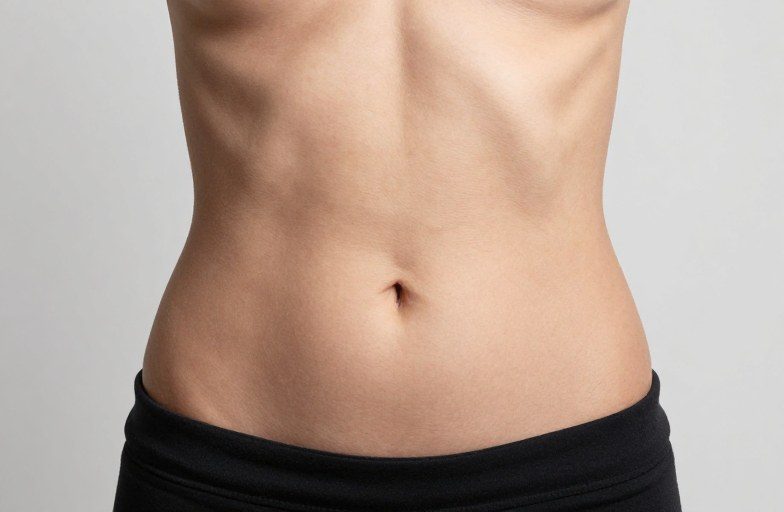
Belly tattoos occupy a tricky, expressive space. The stomach stretches, folds, and changes more than almost any other area, which makes it both a challenge and an opportunity. Done well, a belly piece can follow the body’s natural architecture in ways no other placement allows. Done poorly, it fights against movement and gravity for the rest of its life. If you are drawn to a small navel accent, a wraparound side piece, or something that covers the full lower abdomen, understanding how this specific skin behaves will save you from disappointment down the road.
What Works Here
Navel-Centered Mandalas and Florals
Designs radiating from the navel remain consistently popular for good reason. The belly button acts as a natural focal point, and circular patterns exploit this symmetry beautifully. Mandalas, lotus blooms, and sunburst styles all translate well here. Line-heavy versions tend to age cleaner than densely shaded ones, since stomach skin sees so much flexing and friction. A common pitfall: making the center too intricate. The navel itself distorts whatever sits directly on it, so smart designs leave the absolute center relatively open or use simple geometry that can tolerate some stretching.
Underboob Extensions and Sternum Drops
You can extend existing chest or rib work downward onto the upper stomach, creating continuous vertical compositions. This connects separate pieces into flowing narratives: snakes, botanical vines, or ornamental lacework traveling from sternum to navel. The transition point, just below the breastbone, requires careful planning. Skin tension changes abruptly here, so lines need to be weightier to prevent them from blurring into each other as the piece ages.
Other Approaches Worth Considering
- Wraparound side pieces that curve from the back ribs to the front hip
- Minimalist single-needle accents clustered near the waistline
- Scar-covering pieces that incorporate stretch marks into the design rather than fighting them
- Small designs placed intentionally off-center for asymmetry
How to Personalize It
Working With Your Specific Anatomy
Two people with the same design idea will wear it differently. Torso length, navel depth, hip width, and existing skin texture all determine what actually flatters. Longer torsos accommodate vertical compositions more comfortably. Deeper-set navels create natural shadow that can be emphasized or countered depending on the design. Some people carry more subcutaneous fat in the lower abdomen, which affects how color sits and how lines spread over time. A skilled artist will account for these factors in the stencil phase, not discover them during the tattoo session.
Incorporating Life Changes
Pregnancy, weight fluctuation, and aging all impact stomach tattoos more visibly than most placements. If you are planning children, the lower abdomen below the navel stretches most dramatically. Upper stomach pieces above the navel generally survive these changes better, though no area remains completely untouched. Some people specifically choose belly work to reclaim the area after childbirth or surgery, using the tattoo to redraw boundaries on familiar skin. This is not about hiding. It is about redefining the landscape on your own terms.
Placement and Healing Realities
The Four Zones of the Stomach
Placement precision matters more here than with arm or leg tattoos. The stomach has multiple distinct zones with different behaviors:
- Upper stomach (above navel to sternum): Relatively stable, less prone to dramatic stretching, good for detailed linework
- Navel ring: High movement zone; keep central designs bold and simple
- Lower abdomen: Most vulnerable to weight change and pregnancy stretching; plan for potential distortion
- Side stomach/love handle area: Frequent compression from clothing; expect more friction during healing
Healing Discipline
Healing a belly tattoo demands genuine discipline. Waistbands rub. Sitting bends the area. Sleeping on your stomach is off-limits for weeks. The compression from high-waisted pants can cause ink fallout in the lower regions. Most artists recommend loose, breathable fabrics and strategic time off from abdominal workouts. Plan the timing around your life. Do not schedule a stomach piece two weeks before a beach vacation or a job requiring physical labor.
Color and Longevity
Black and Gray Durability
Black ink holds up reliably on stomach skin, but the specific tone matters. Carbon-based blacks stay cooler; iron oxide formulations can warm slightly over decades. For stomach work, the cooler blacks often read better as the skin ages and yellows naturally. Graywash shading in this area tends to settle softer than on tighter skin surfaces, so contrast needs to be punched harder initially to account for this diffusion.
Color Saturation Realities
Bright colors face genuine challenges on the stomach. Red and yellow pigments, especially organic formulations, may fade faster here due to sun exposure and the constant micro-movement of the area. Blues and greens generally persist longer. If you want a colorful belly piece, consider limiting brights to the upper stomach where there is less mechanical stress, or using them as accents within a predominantly black design. White ink is particularly unpredictable here. It often disappears entirely or yellows within a few years.
Design Subjects That Suit the Canvas
Certain subjects particularly suit the belly’s unique form:
- Serpents and eels: Their natural curvature follows stomach contours; ribcage to hip flows feel organic rather than forced
- Botanical with roots: Plants emerging from the navel or sinking roots toward the pubic bone create plausible vertical narratives
- Ornamental belts and chains: Wrapping designs that sit at the natural waistline, often extending slightly onto the hips
- Abstract geometry: Large-scale shapes that intentionally distort with movement, making the body’s motion part of the design
- Text and lettering: Best kept above the navel where stretching is minimized; curved baselines following the ribcage line
Avoid tiny, ultra-detailed designs in the center of the stomach. The navel’s daily movement and the area’s propensity for bloating will blur fine details within a few years. What looks crisp on day one often becomes indistinguishable mush by year five. Boldness and relative simplicity are not artistic compromises here. They are technical necessities.
Size and Scale Decisions
Small Accents That Work
Not every belly tattoo needs to be large. Small pieces placed deliberately off the navel, high on one side of the upper stomach, low on the opposite hip, or floating in the side waist, can be striking without committing to a major piece. The key is placement that respects natural body lines rather than fighting them. A two-inch design sitting awkwardly in the absolute center of the stomach often looks lost; the same design shifted two inches toward the hip reads as intentional and composed.
Large-Scale Commitments
Full stomach pieces, from sternum to pubic bone or wrapping entirely around the torso, require substantial planning. These work best when designed as unified compositions rather than assembled separate images. The eye needs pathways to travel: negative space, consistent line weight, or repeating motifs that connect disparate elements. Large stomach work also demands multiple sessions and significant financial investment. Rushing the process to save money or time usually results in a piece that looks disjointed or heals poorly due to excessive trauma in one sitting.
Scale should relate to your actual body proportions. A design that fills a tall person’s upper stomach might overwhelm a shorter torso. Stencil trials, where the artist applies the outline temporarily and you move through normal positions, reveal problems that static tracing paper cannot predict. Sit down, bend forward, raise your arms, watch how the design morphs.
What to Remember
Belly tattoos reward patience and punish impatience. The canvas is unforgiving: it moves constantly, changes shape throughout life, and sits where clothing friction is unavoidable. But these same qualities make successful belly pieces uniquely powerful. They literally inhabit the body’s most dynamic territory.
Choose an artist with proven stomach work in their portfolio, not just technical skill elsewhere. Demand a consultation that includes movement testing. Prioritize bold, clean designs over intricate detail that will not survive the stretch. Schedule the work when your life allows for proper healing time, not when your calendar happens to have a gap. And go into the process with realistic expectations about how your body will change, because it will. The best belly tattoos are not the ones that ignore this reality. They are the ones that make peace with it.
Frequently Asked Questions
Do belly tattoos stretch during pregnancy?
Lower abdomen tattoos stretch most dramatically. Upper stomach pieces generally survive better, though no area remains completely untouched. Many people choose belly work specifically to reclaim the area after childbirth.
How long does a belly tattoo take to heal?
Surface healing typically takes 2-3 weeks, but full settling requires 6-8 weeks. The challenge is protecting the area from waistband friction and avoiding stomach sleeping during this period.
Can you tattoo over stretch marks on the stomach?
Yes, though the texture differs from surrounding skin. Experienced artists often incorporate stretch marks into the design rather than attempting to hide them completely. Results vary based on mark age and depth.
Are belly tattoos more painful than arm tattoos?
Generally yes, due to thinner skin, proximity to bone in some areas, and the nervous system’s density around the core. Pain varies significantly by specific zone: upper stomach near ribs tends to hurt more than lower abdomen with more fat coverage.
Will a belly tattoo change if I lose weight?
Significant weight loss can cause skin laxity that distorts the tattoo, particularly in the lower abdomen. Moderate, gradual changes affect pieces less dramatically than rapid fluctuations.

Leave a Reply