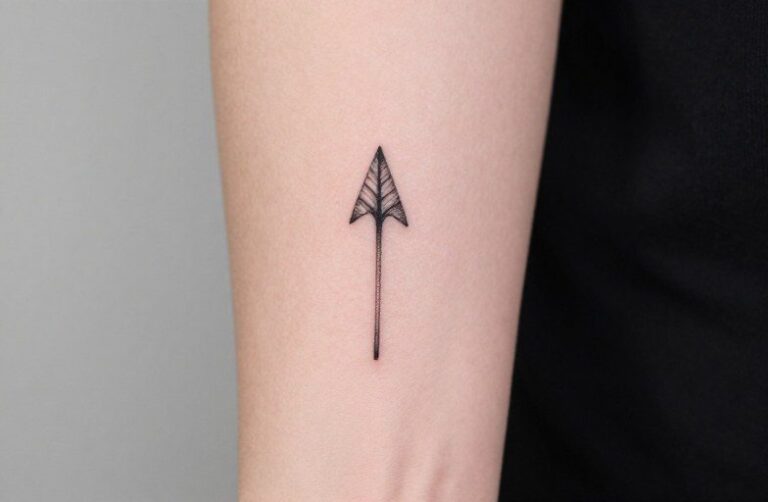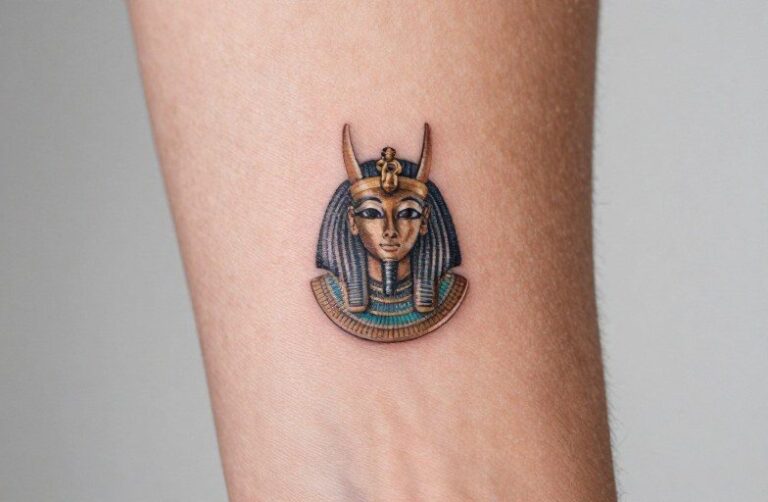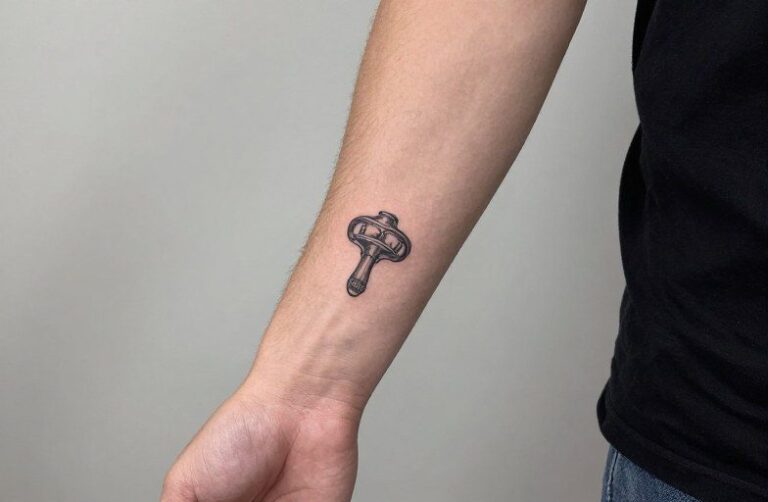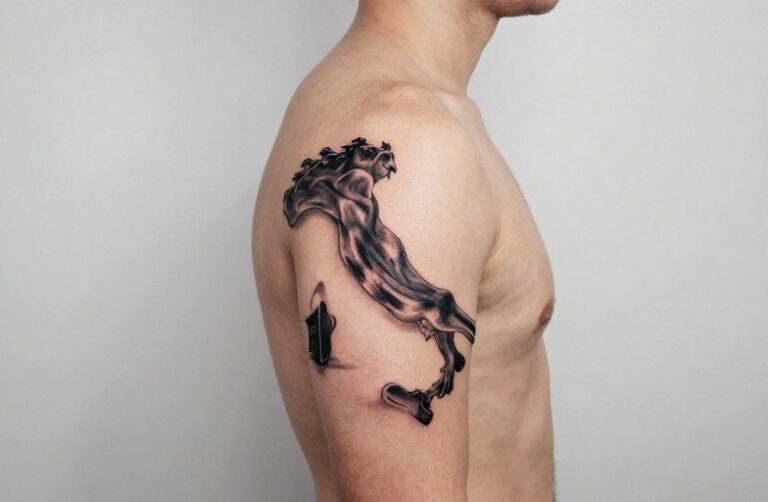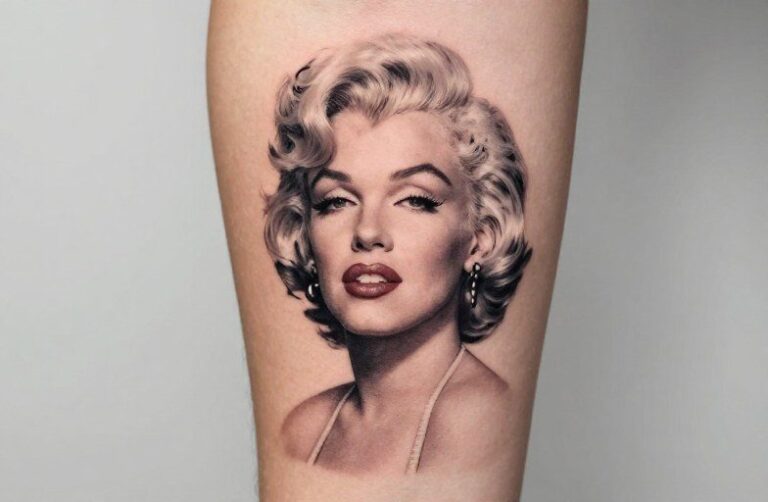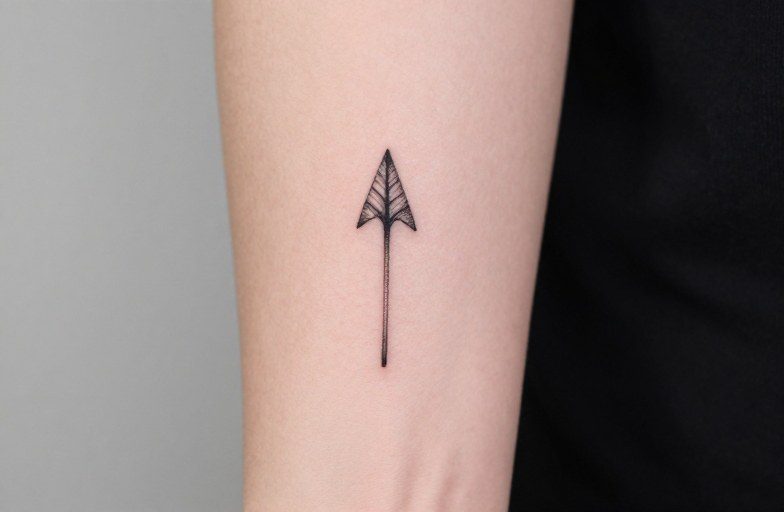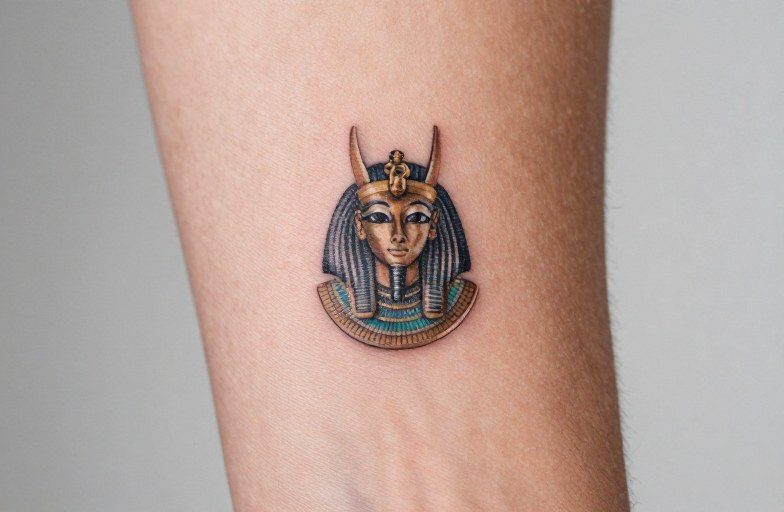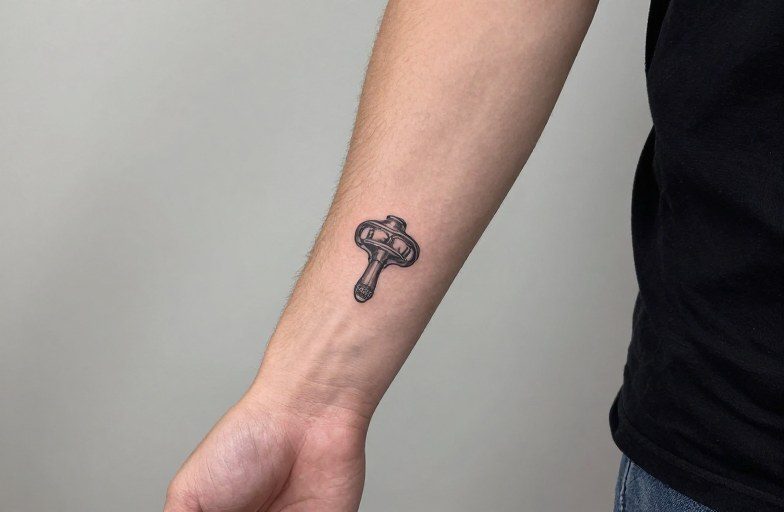

A tattoo cover-up replaces an old design with new ink by strategically using darker colors, larger shapes, and dense shading to hide what lies beneath. Most successful cover-ups require a design 1.5 to 2 times the size of the original, with the new elements placed to break up the old lines so your eye reads the new image first. Not every tattoo can be covered, and the honest truth is that some old work needs laser fading first to give you real options.
When to See a Professional
Cover-ups are not a beginner’s game. The skill set overlaps with regular tattooing, but the problem-solving layer, working with existing ink, skin that has been traumatized before, and the absolute constraint that you cannot erase, makes this specialty work. You want an artist who shows healed cover-ups in their portfolio, not just fresh photos where the old tattoo is still swollen and partially obscured by blood and plasma.
Red Flags That Scream “Go Elsewhere”
- The artist claims they can cover any tattoo with any design, no matter the size or color
- No healed photos exist, or they only show fresh work under perfect lighting
- They suggest white ink to “lighten” the old tattoo (white over dark ink heals to a muddy gray-green)
- The consultation feels rushed, or they refuse to draw a custom stencil that accounts for your specific old lines
When Laser Fading Becomes Necessary
Heavy black tribal work, dense solid black backgrounds, and tattoos with significant scar tissue often need 2-4 laser sessions to break up the ink enough for a cover-up to succeed. Laser does not remove the tattoo completely for cover-up purposes; it simply knocks the darkness back so the new pigment has room to breathe. This adds months and hundreds of dollars to your timeline, but it expands your design options from “large dark dragon” to nearly anything you actually want.
Healing Timeline
Cover-ups heal similarly to standard tattoos, but with a few wrinkles. The skin has been tattooed before, so it may be less elastic, more prone to extended peeling, or slower to settle into its final color. Expect 2-3 weeks of surface healing and 2-3 months before the true settled colors emerge. During that first month, the old tattoo can actually become more visible as the new ink scabs and flakes, which panics a lot of people unnecessarily.
What the First Two Weeks Look Like
- Days 1-3: Redness, swelling, plasma weeping, wash gently with unscented soap, pat dry, thin layer of recommended aftercare
- Days 4-7: Scabbing and itching begin; do not pick, and do not soak the area in baths, pools, or hot tubs
- Days 8-14: Flaking and peeling; the tattoo will look dull and possibly patchy as the top layer sheds
Long-Term Settling
At the 6-8 week mark, you can usually assess whether a touch-up is needed. Cover-ups sometimes require one because the old ink can “ghost” through as the new layer settles, especially in areas where the original was densest. This is normal, not a failure of the artist’s skill. Budget for a touch-up session in 2-4 months, and communicate with your artist about any areas that concern you once healing is complete.
What to Expect Step by Step
The process starts with a consultation where the artist photographs your old tattoo, traces its outlines, and discusses what imagery can realistically mask it. They will likely propose designs that incorporate the old shape rather than fight it, flowing organic elements like roses, koi, or snakes that can wrap around and swallow up existing lines. Geometric or highly symmetrical designs rarely work because the old tattoo’s irregularities will disrupt the precision.
The Design Phase
Expect to compromise. Your dream tattoo might not be the tattoo that can successfully hide what’s there. A good artist will explain which elements of your old work are the biggest problems, the darkest spots, the sharpest lines, any blowout or scarring, and design specifically to neutralize them. This usually means the new piece will be larger, darker in key areas, and more detailed than you might have wanted if you were starting from blank skin.
Sitting for the Tattoo
Cover-up sessions often run longer than comparable fresh work because the artist is working blind in some respects, tattooing over ink they can only partially see through the stencil and vaseline. Multiple sessions are common for large pieces. The pain tends to be more intense on previously tattooed skin, especially if scar tissue exists, though individual tolerance varies enormously. Bring snacks, stay hydrated, and do not schedule anything demanding afterward.
The Direct Answer
Yes, you can cover an old tattoo with a new design, but the process demands realistic design constraints, usually a larger size, and often darker or more saturated colors than you might prefer. The old tattoo does not get removed; it gets visually subsumed by the new work. Success depends on matching the right artist to your specific old tattoo, being open to design modifications, and sometimes investing in laser fading first. There is no magic technique that makes black ink disappear under lighter colors, physics and skin biology do not work that way.
Common Mistakes
People routinely sabotage their own cover-ups through impatience, poor research, or magical thinking about what tattoo ink can accomplish.
Design Choices That Fail
- Trying to cover black ink with white, yellow, or pastel colors, these will heal to a murky version of the old tattoo showing through
- Insisting on a design too small to break up the old tattoo’s recognizable shape
- Choosing text or fine-line work, which offers no coverage density and ages poorly over old ink
- Ignoring blowout or scarred areas, which will distort any new lines passing over them
Aftercare Errors Specific to Cover-Ups
Over-moisturizing is a frequent problem. People see the old tattoo becoming visible through scabs and panic, applying more ointment in thick layers that suffocate the healing skin. Stick to thin applications. Another mistake is premature judgment, taking photos at week two, posting them online for opinions, and spiraling about perceived failure before the tattoo has remotely settled. Cover-ups look worse before they look better; that is simply the process.
Realistic Expectations
Even excellent cover-ups are rarely perfect upon close inspection. In bright light, at certain angles, someone who knows what to look for may detect traces of the old work. This is not a flaw; it is the reality of working within biological constraints. The goal is not archaeological erasure but visual dominance, the new design should read immediately and hold attention, rendering the old tattoo irrelevant to the overall impression.
Cost and Time Reality
Cover-ups cost more than equivalent fresh tattoos because they require more design time, more session time, and more problem-solving. Budget 50-100% above standard rates for comparable size and complexity. A piece that might take 3 hours on virgin skin could take 5-6 hours as a cover-up. If laser is needed first, add $200-500 per session and 6-8 weeks between treatments. The total timeline from decision to finished, healed tattoo can easily stretch past a year.
How Ink Ages Over Old Work
Cover-ups age differently. The old ink continues to exist beneath, and as the new layer fades slightly over decades, the original can become more perceptible. This is especially true if the cover-up relied heavily on black and gray that softens into blue-gray tones. Saturated color holds up better long-term in cover-up contexts because it maintains more visual density. Plan for a refresh or touch-up every 5-10 years if you want the cover-up to stay crisp.
The Bottom Line
Covering an old tattoo is absolutely possible, but it trades the freedom of a blank canvas for the puzzle of existing ink. The best outcomes come from artists who treat cover-ups as a specialty, clients who accept design guidance rather than fighting it, and the patience to do laser prep when needed. Go in with your eyes open about size, darkness, cost, and the possibility of ghosting over time. A well-executed cover-up does not pretend the old tattoo never existed, it builds something new that makes the old work forgettable. That is the honest win.
Frequently Asked Questions
Can any tattoo be covered up without laser removal?
No. Very dark, large, or scarred tattoos often need laser fading first to create enough visual room for a new design. An honest artist will tell you when your old ink is too dense to cover successfully.
Will my new cover-up tattoo hurt more than my original?
Generally yes, especially if the skin has scar tissue or if the artist needs to work densely over the same area. Previously tattooed skin can be less elastic and more sensitive, though pain tolerance varies widely.
How much bigger does a cover-up design need to be?
Most successful cover-ups are at least 1.5 to 2 times the size of the original tattoo. The extra area allows the artist to create new focal points and break up the old tattoo’s recognizable shape with surrounding detail.
Can I see what my cover-up will look like before committing?
A professional artist should provide a stencil or digital mockup showing how the new design overlays your old tattoo. Be wary of anyone who refuses to let you preview the placement and coverage strategy.