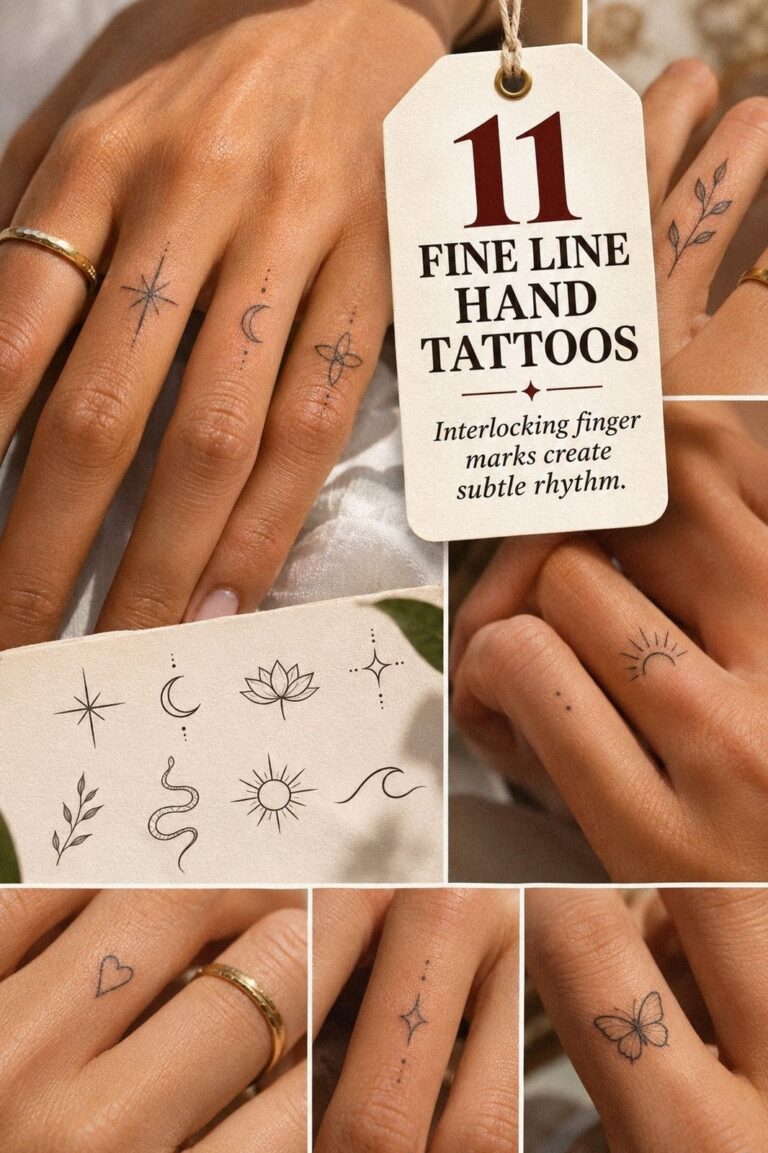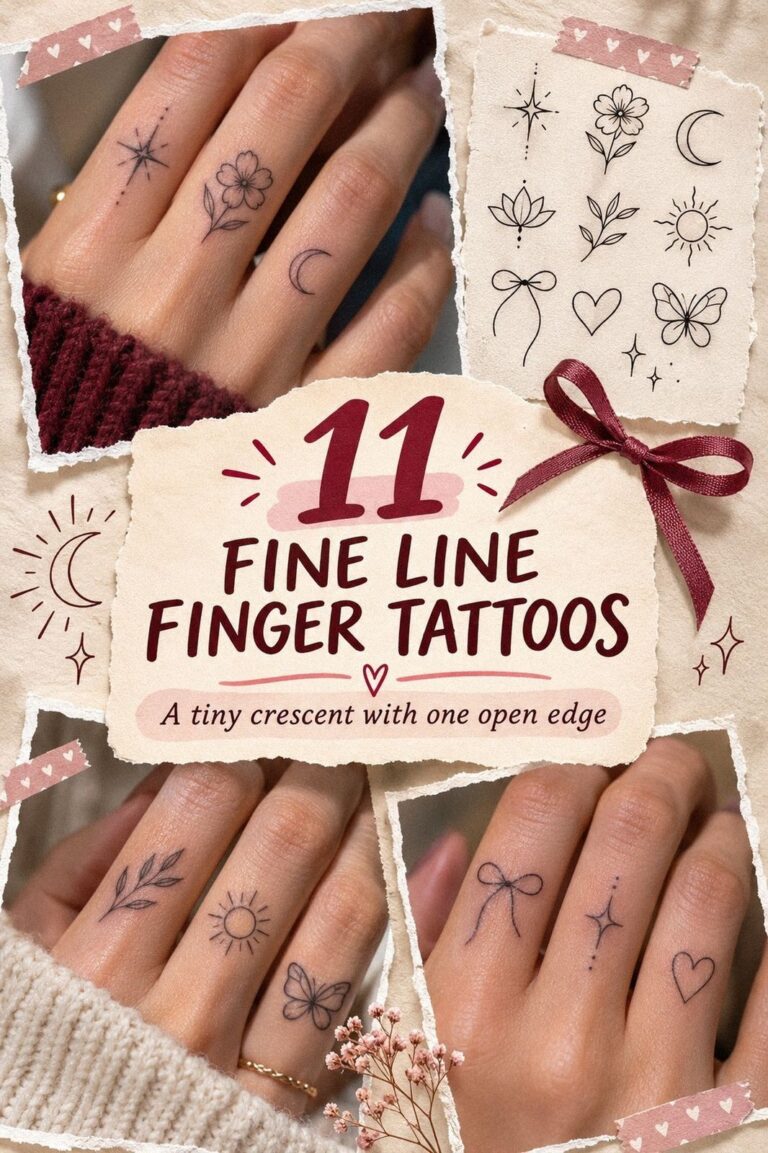
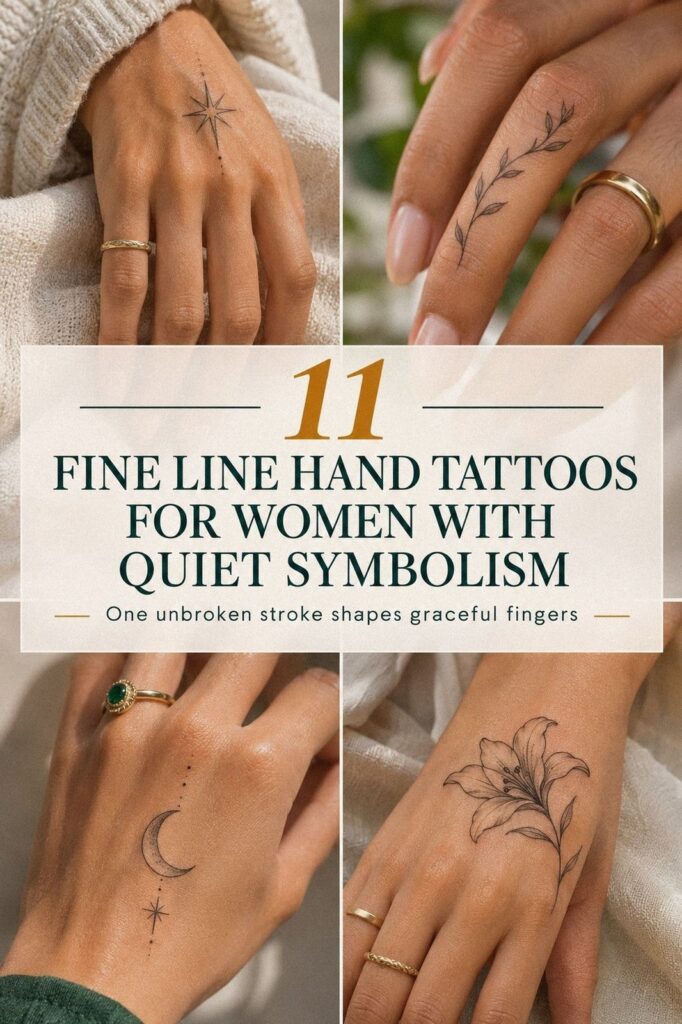
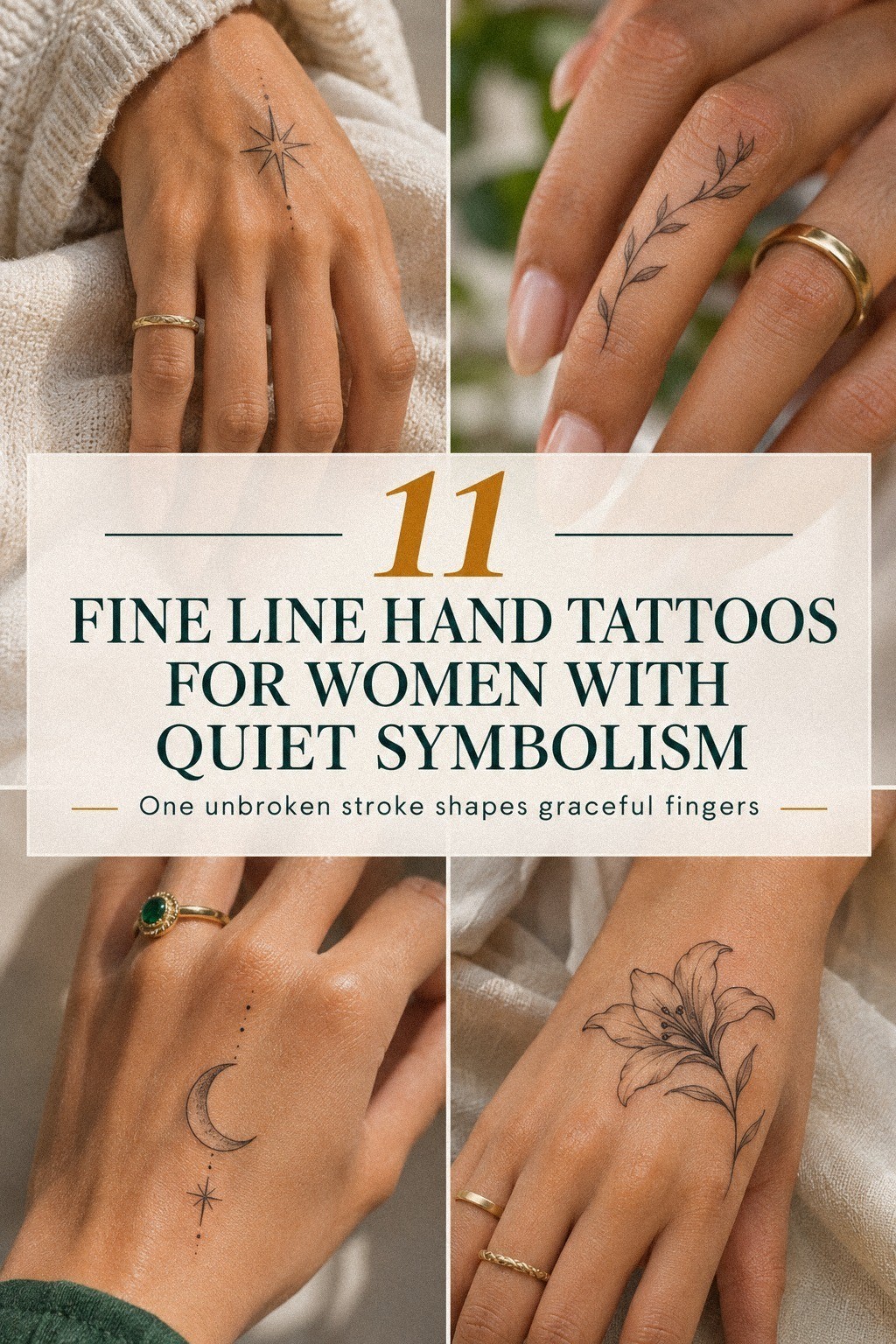
Fine line hand tattoos for women can cost about $100 to $300 in the US, depending on size, placement, artist, and region. I chose mine after nearly backing out, then watched a tiny symbol become the most personal piece I own. The lines are delicate, but the decision wasn’t!
I wanted something personal meaning could carry quietly. My hand would show it during ordinary moments, so the design had to feel empowering, crisp, and completely mine.
Before I Chose Anything
Before the appointment, my hand was simply skin I kept studying in bad lighting. I had a patch near my thumb that looked different in every mirror, and I couldn’t decide whether visibility felt daring or reckless. You might know that pause: wanting a visible tattoo that feels meaningful, but wondering if you’ll still love seeing it while typing or reaching for your keys.
I saved references for weeks, then deleted most of them. A moon felt too familiar.
A flower felt too ornate. A letter felt too obvious.
What stayed was a small black ink symbol with one open curve and a short vertical line, simple enough to read at a glance but personal enough that you wouldn’t guess its meaning.
The skin on your hand moves constantly, so I didn’t treat this like choosing a hidden shoulder piece. I looked at how the design sat when my fingers were relaxed, curled, and spread. That changed everything!
A symbol that looked graceful on a screen looked cramped across my knuckle.
My artist reminded me that fine lines can soften or widen with time, especially with sun exposure and friction. That didn’t scare me off. It made me choose a crisp readable design with enough open skin around it to stay elegant.
- I Chose a Delicate Hand Tattoo Symbol
- Where Should a Fine Line Hand Tattoo Sit?
- I Sketched Meaningful Ideas Across My Fingers
- Beside My Thumb, I Tested an Intricate Design
- Scale Changed Everything
- My Symbolic Knuckle Tattoo: Minimal or Too Daring?
- What Did Finger-Joint Pain Feel Like?
- My Artist Refined the Unique Linework
- I Prepared My Skin for Crisp Fine Lines
- Healing Asked for Patience
- The First Moment I Loved
1I Chose a Delicate Hand Tattoo Symbol
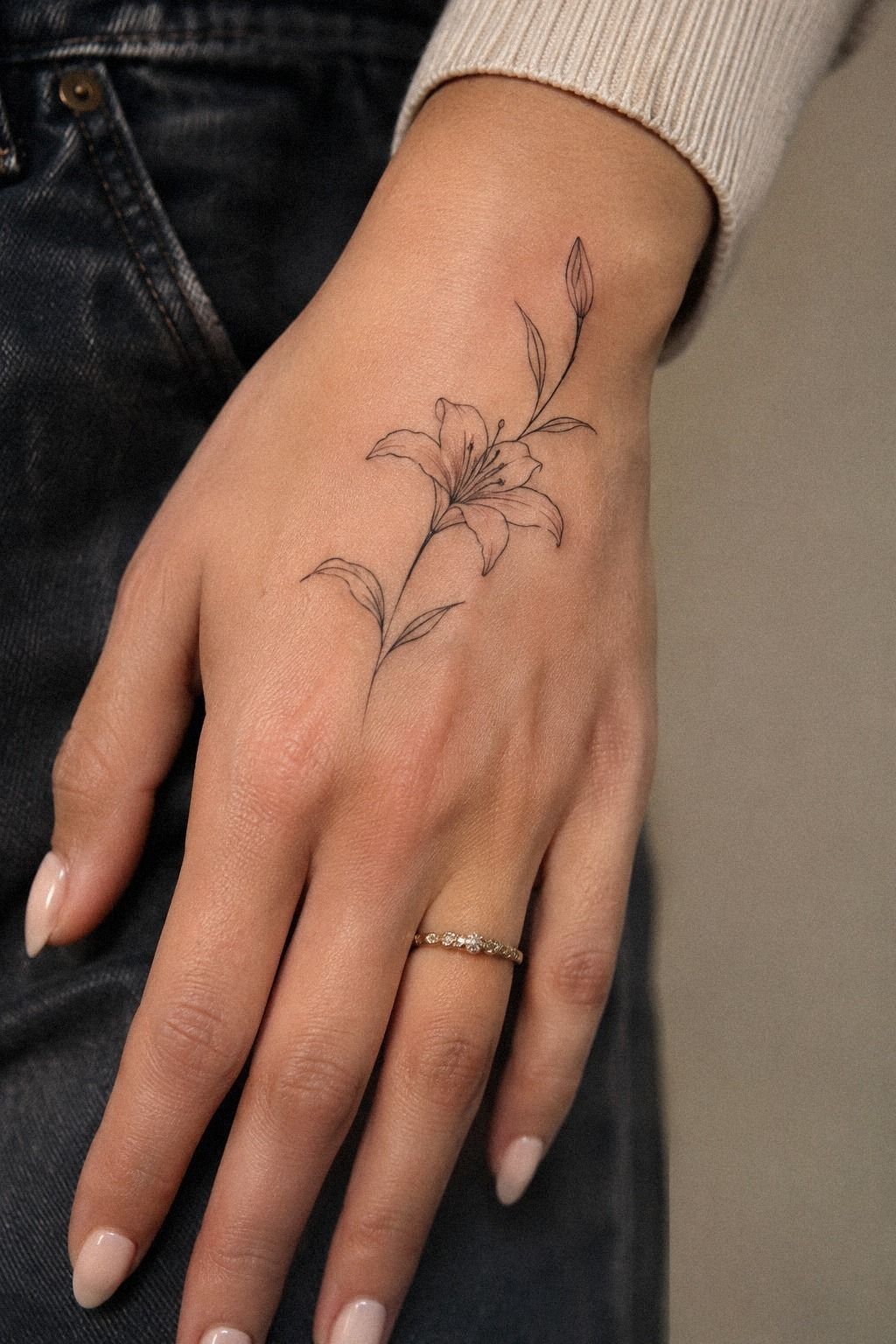
I started with a symbol that felt meaningful without explaining my entire life to everyone who saw it. My final sketch was a small single-needle line shape, no shading, no initials, and no extra flourishes. It looked understated from a distance, but the curve had a private connection to a place I used to walk every morning.
You don’t need a complicated image to carry a complicated memory. In fact, I’d skip a crowded design if your reason for getting ink is personal. A tiny star, botanical mark, abstract wave, or celestial shape can feel powerful when the negative space is intentional.
Mine looked elegant because the artist resisted filling every gap. I wanted a minimal tattoo symbol that could remain symbolic without becoming overly ornate.
I asked to see the symbol at several sizes before choosing. At roughly half an inch, the center opening stayed readable. Smaller felt dainty at first, but the lines began to crowd each other.
You’ll want to judge the stencil on your actual hand, not only in a phone mockup.
For more understated references, I compared my sketch with these fine line tiny hand tattoos. The best options weren’t the most ornate. They were the ones that still looked sharp when I stopped staring at them.
2Where Should a Fine Line Hand Tattoo Sit?
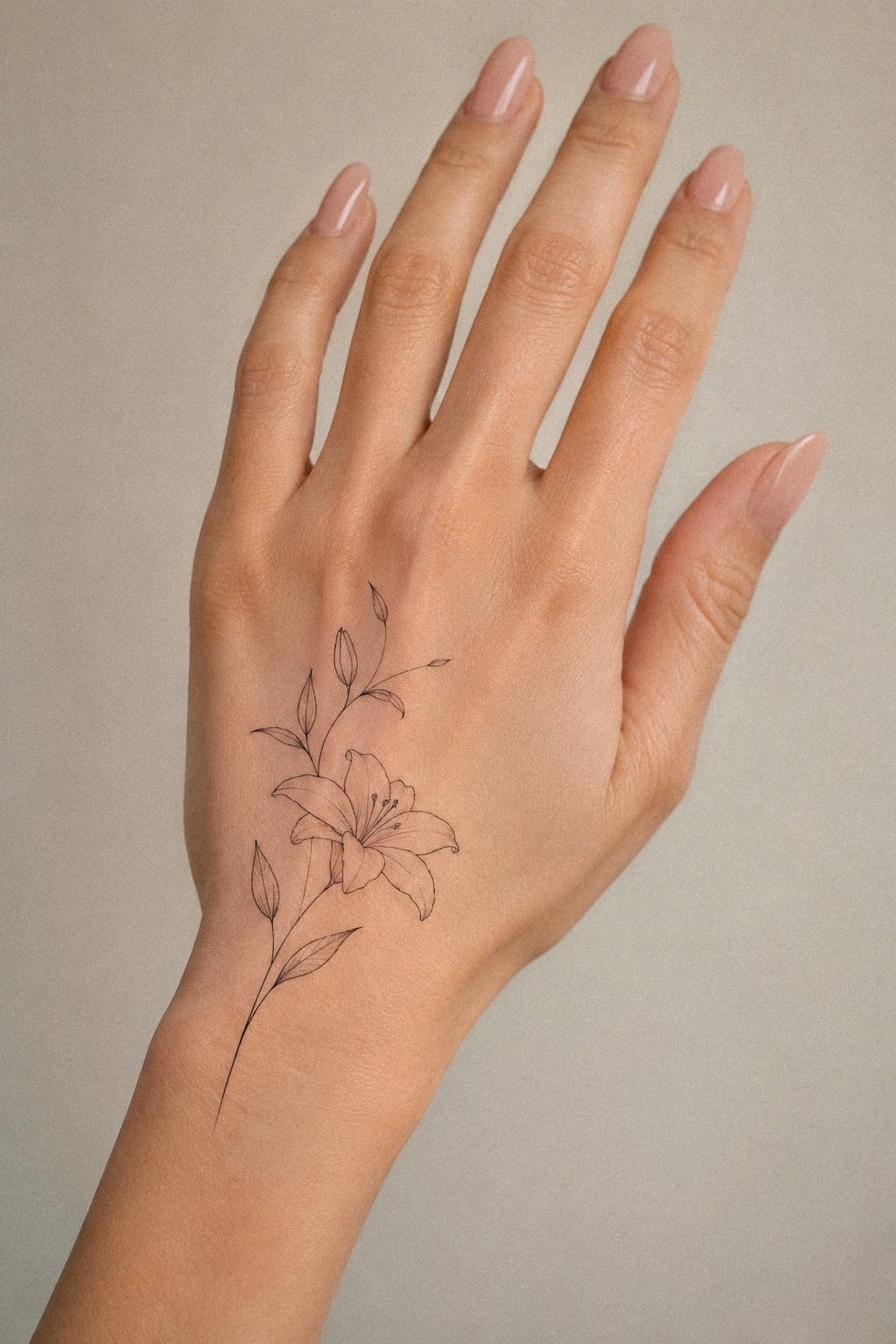
I tested the design on the side of my hand, near the base of one finger, and beside my thumb. The placement test made the final decision much easier.
A Question of Placement
Would I choose the most visible position again? Yes, but only because I had already lived with a temporary version for several days. That test showed me whether I liked the top-hand visibility or preferred something quieter.
I also considered how jewelry, sleeves, and daily movement would interact with the mark. A bold position can still feel understated when the shape is small. A tiny symbol can feel iconic when it sits exactly where your eye expects it.
3I Sketched Meaningful Ideas Across My Fingers
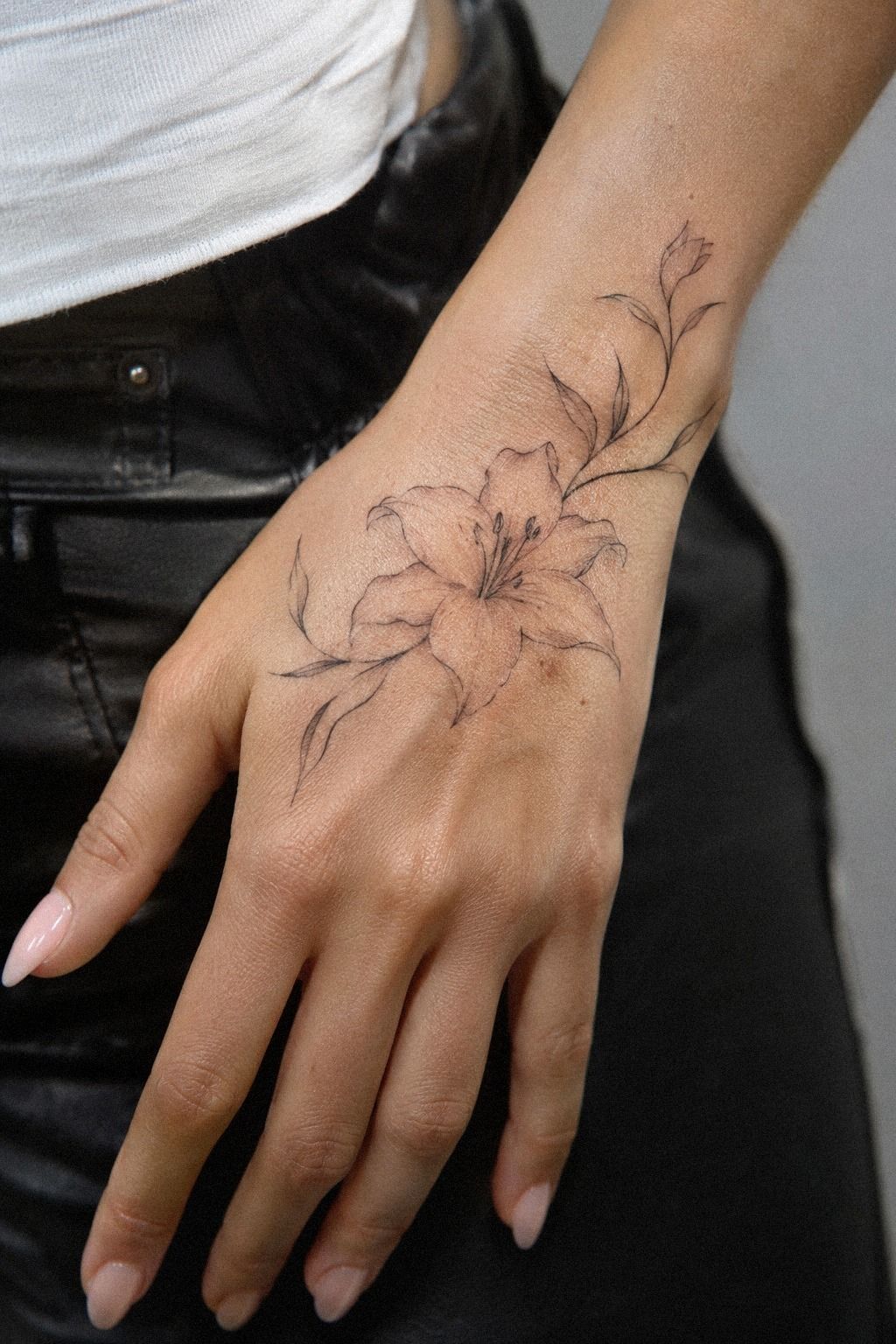
I made a page of small sketches across the fingers because I wanted to see which ideas could survive at hand scale. There were tiny stars, a flowing stem, a sharp little flame, and one whimsical mark that looked charming on paper but childish on my skin.
Sketching quickly helped me separate an expressive idea from a merely pretty one. I kept the finger tattoo sketches loose at first, then tested only the shapes that still felt personal after a few days.
Your fingers don’t offer much uninterrupted space. A design that feels intricate on a full sheet may become muddy when it crosses a joint. I kept the final symbol away from the deepest crease and avoided details that would need perfect healing to remain readable.
The winning sketch used one fine line botanical form, but it wasn’t a realistic flower. It had two open leaves and a short stem, enough to feel organic without becoming ornate. I loved that it could read as a plant, a path, or nothing specific at all.
And if you’re building a collection, you’ll want nearby pieces to share a visual rhythm. These small hand finger tattoos for women show how delicate marks can sit together without making your fingers look crowded.
4Beside My Thumb, I Tested an Intricate Design
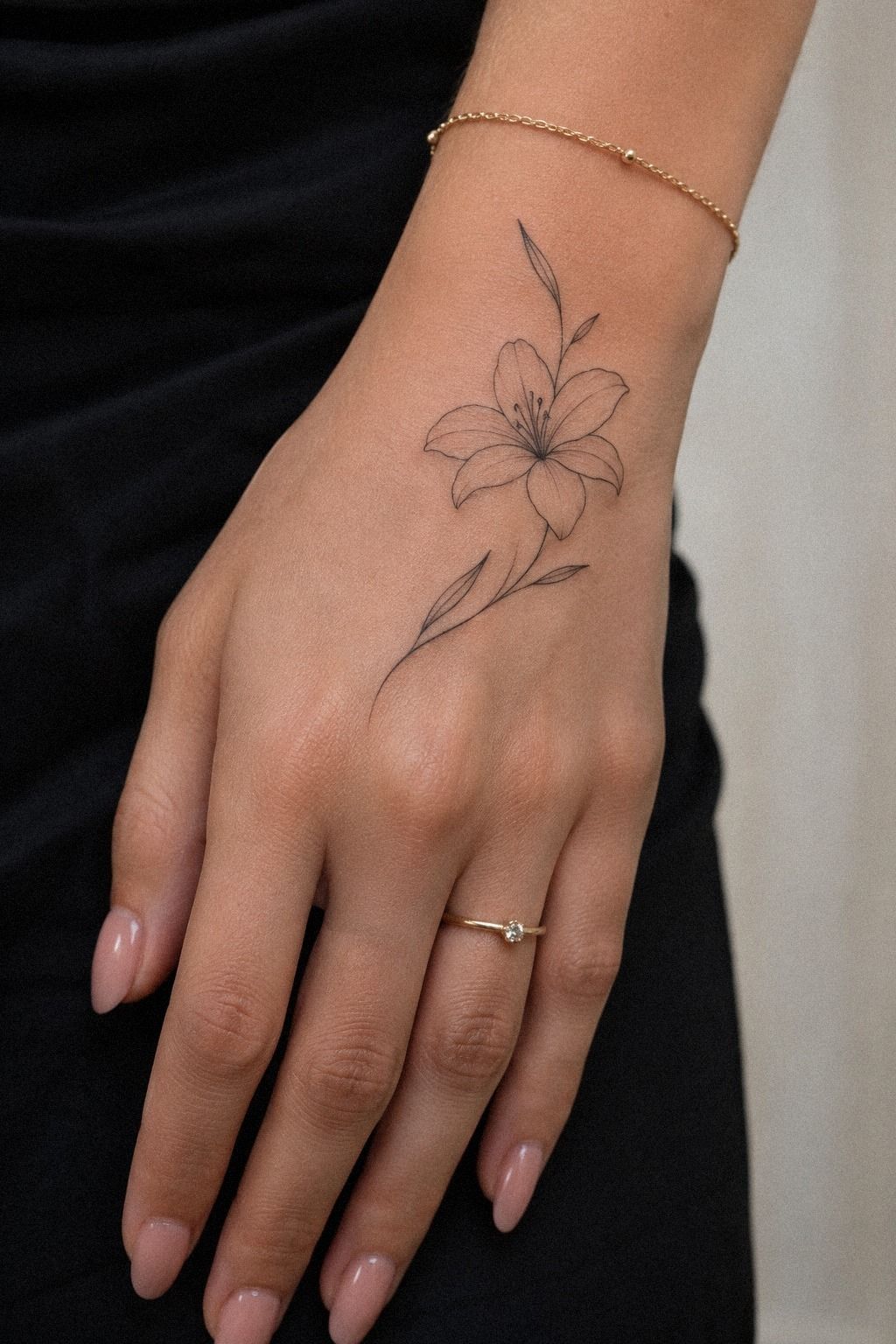
The area beside my thumb gave me more space than a finger, so I tested an intricate version there. The thumb-side placement made the shape easier to read without making it loud.
I tried a curved stem, an open flame, and a tiny crescent. The flame felt fierce but too obvious. The crescent looked romantic, though it reminded me of dozens of saved references.
The stem stayed expressive without demanding an explanation.
A temporary stencil helped me understand how the mark looked while gripping a cup, holding my phone, and resting my hand against my leg. No shortcut here! Those ordinary movements revealed more than a carefully posed reference.
A Question of Contrast
I liked the contrast between rich ink and different complexions in the reference work I collected. Fine line does not belong to one complexion. Your artist should understand how skin-tone contrast affects the final read instead of relying on a single portfolio example.
I asked about healed examples in different lighting. A design may look sharp in one setting and softer in daylight. That isn’t automatically a problem, but you deserve a clear explanation before choosing a delicate style.
For a more minimal direction, I looked through these minimalist hand tattoos for women. The strongest examples were expressive without being loud, and that distinction helped me keep my own choice personal.
5Scale Changed Everything
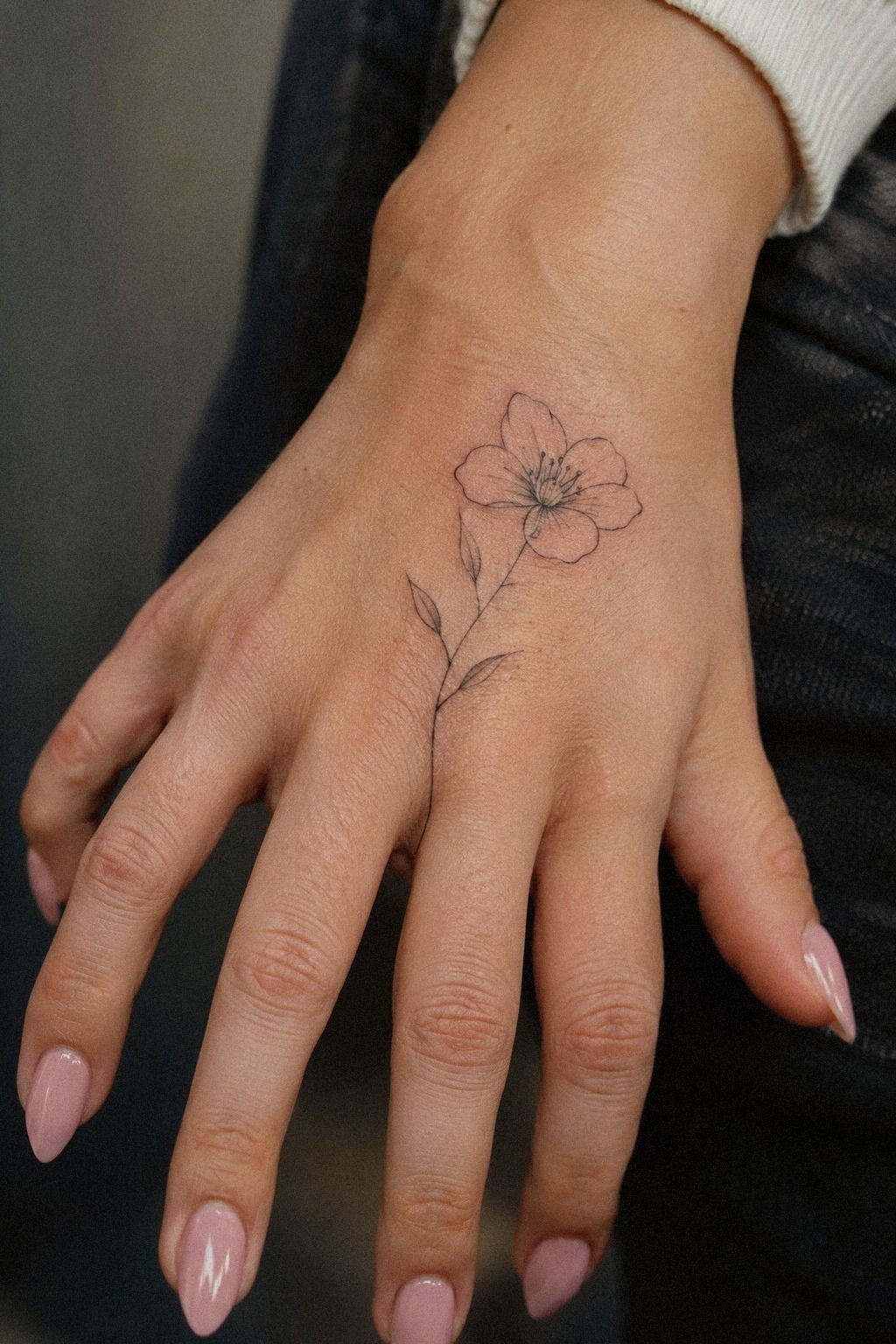
The flash sheet changed my decision more than any online gallery. Seeing several traditional tattoo flash designs on aged paper made the scale feel real. Some symbols looked graceful at one inch, while others needed more space to avoid becoming a dark knot after healing.
I held the sheet beside my hand and checked it from the distance people would see it. Your eye reads a tattoo differently at two feet than at six inches. That simple test kept me from choosing a design that only worked under inspection.
My artist recommended a compact scale with enough negative-space spacing between the lines. We didn’t chase the thinnest possible needle just to call the piece fine line. We chose a compact tattoo scale and a small solid mark that could remain readable if the skin changed over time.
But I’d skip copying a flash design exactly if it doesn’t fit your anatomy. A custom stencil should respond to your knuckles, curves, and movement. The most stylish result is the one that looks placed for your hand, not borrowed from someone else’s.
These simple hand tattoos helped me compare readable shapes. I noticed that the most polished designs weren’t necessarily the smallest ones.
6My Symbolic Knuckle Tattoo: Minimal or Too Daring?
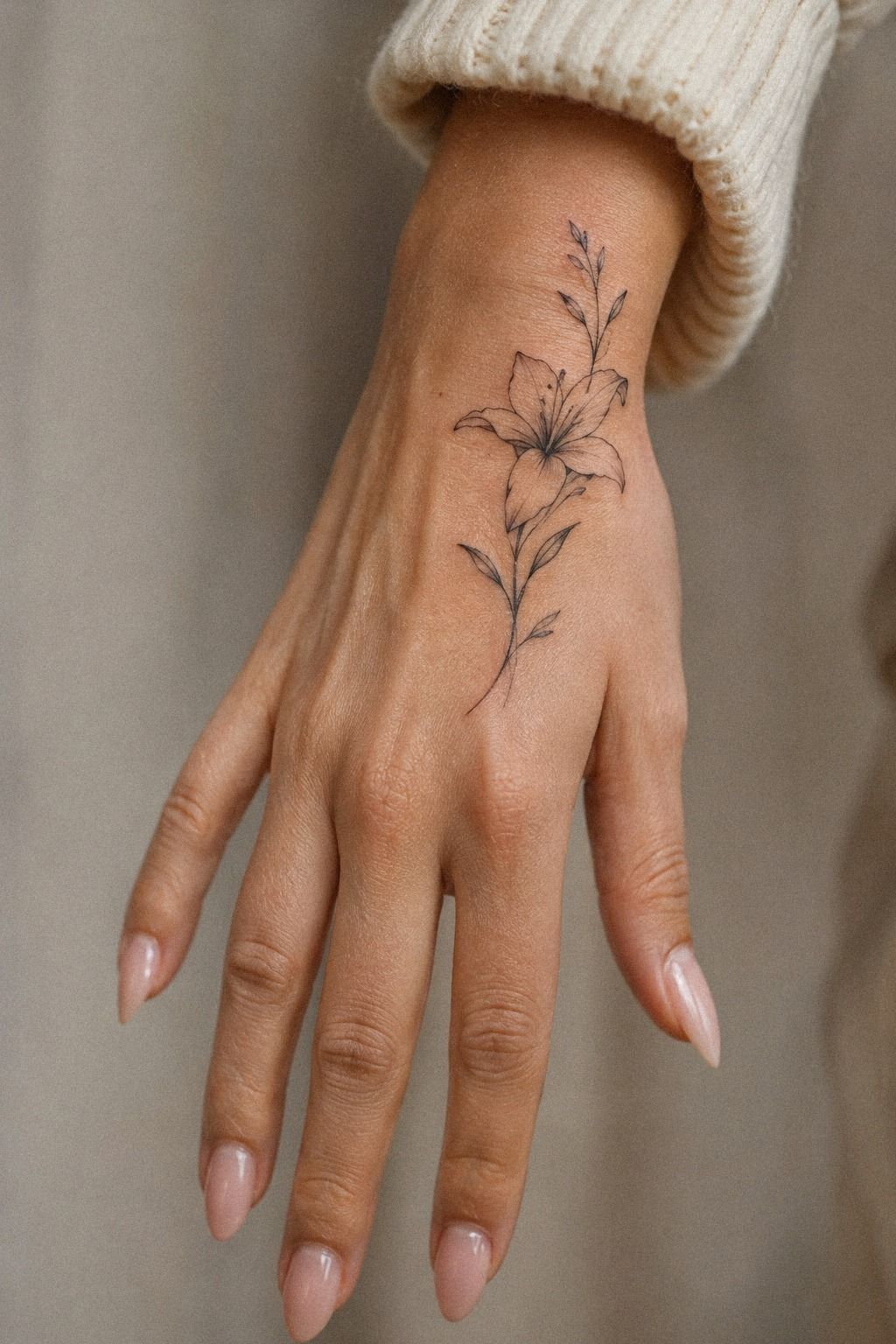
The knuckle option was the most daring because I couldn’t hide it when my hand was closed. I tested a small solid black dot beside the symbol, then removed it after seeing how much attention it pulled.
The remaining linework felt more timeless and less like a trend I might outgrow. I still love that restraint! A little less detail made the central curve feel more meaningful.
If you’re considering a knuckle tattoo, watch the creases carefully. They change the way your design reads, and the skin there gets plenty of friction. My artist kept the mark slightly above the deepest fold, which gave the shape a cleaner edge when my fingers moved.
I wanted the knuckle tattoo design to look intentional from every angle. That meant checking it with my hand open, closed, relaxed, and holding something.
When Minimal Still Feels Bold
Minimal doesn’t mean forgettable. My mark is small, but its placement gives it a bold presence. That contrast is why I prefer a minimal hand tattoo over a crowded composition.
A graceful curve can feel more powerful than a dense image when it has emotional weight. If your idea is sacred or private, you don’t need extra decoration to prove it matters.
7What Did Finger-Joint Pain Feel Like?
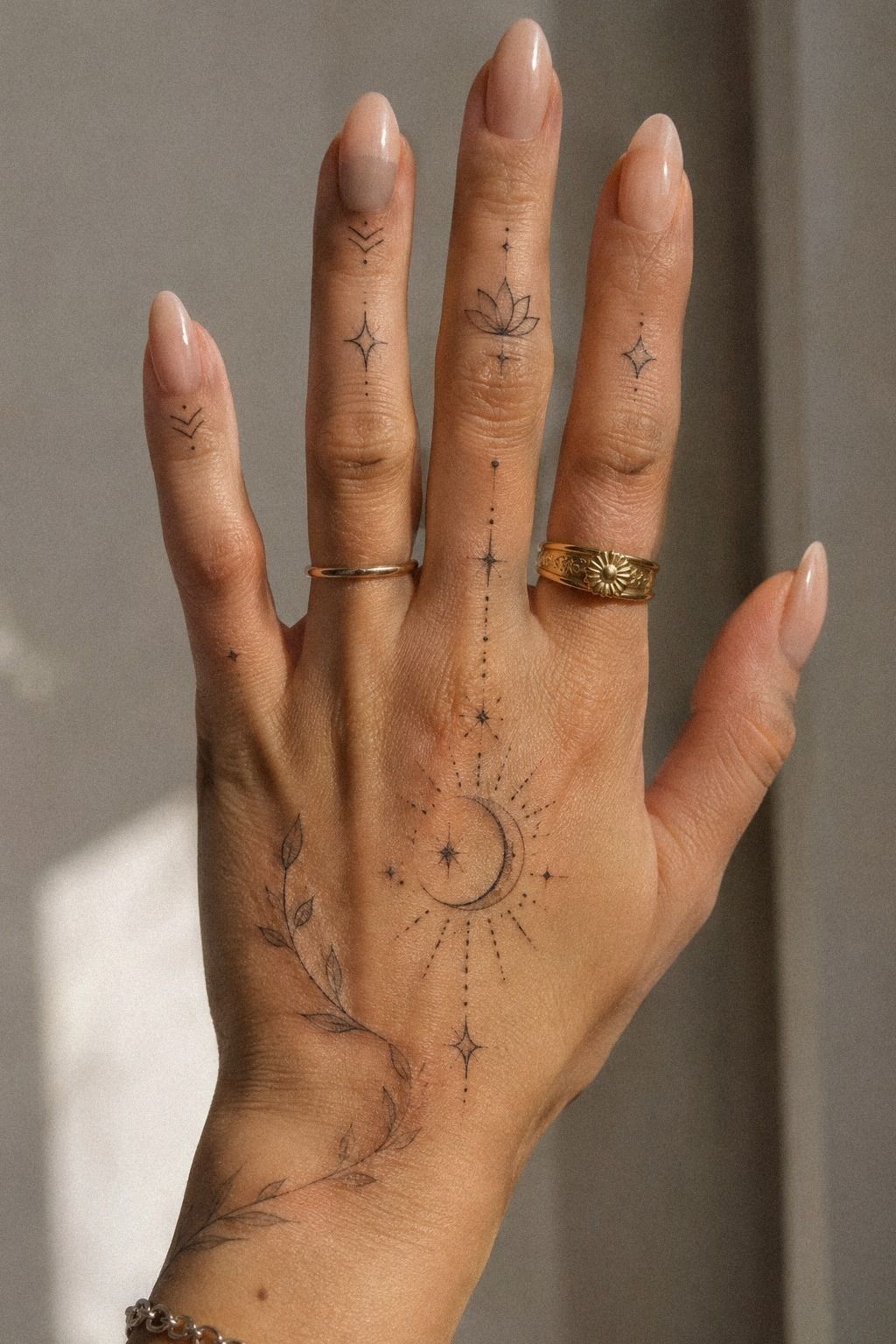
I expected the appointment to be uncomfortable, and it was, especially near the finger joints. The sensation was sharp and concentrated rather than long and overwhelming. My appointment stayed short because the design was small, but the hand still felt sensitive afterward.
Pain varies from person to person, yet hands, feet, ribs, and sternum are often more painful areas because of bone, thin skin, and nerve sensitivity. The forearm, thigh, and shoulder are usually more tolerable. You’ll want to plan around your own comfort, not someone else’s dramatic story.
I brought water, ate beforehand, and wore a loose sleeve that wouldn’t rub the fresh tattoo wrap. My artist paused when I needed a moment. That made the process feel calm and controlled, even when the needle reached the joint.
Would I call the placement painless? No.
But I also wouldn’t let fear choose for you if the design matters. A meaningful, well-scaled piece can make a brief uncomfortable session feel manageable, and you’ll know the hardest minute is temporary.
For more ideas about discreet placements, I compared these minimalist finger tattoos for women. I noticed that less exposed areas often looked dainty without losing personality.
The Appointment Conversation
The consultation was where my uncertain idea became a polished plan. I asked about hand tattoo pain, line weight, placement, and how the mark might change after healing.
My artist didn’t promise that the lines would look identical forever. I appreciated that honesty. A skilled artist can be encouraging while still explaining the limits of delicate work.
8My Artist Refined the Unique Linework
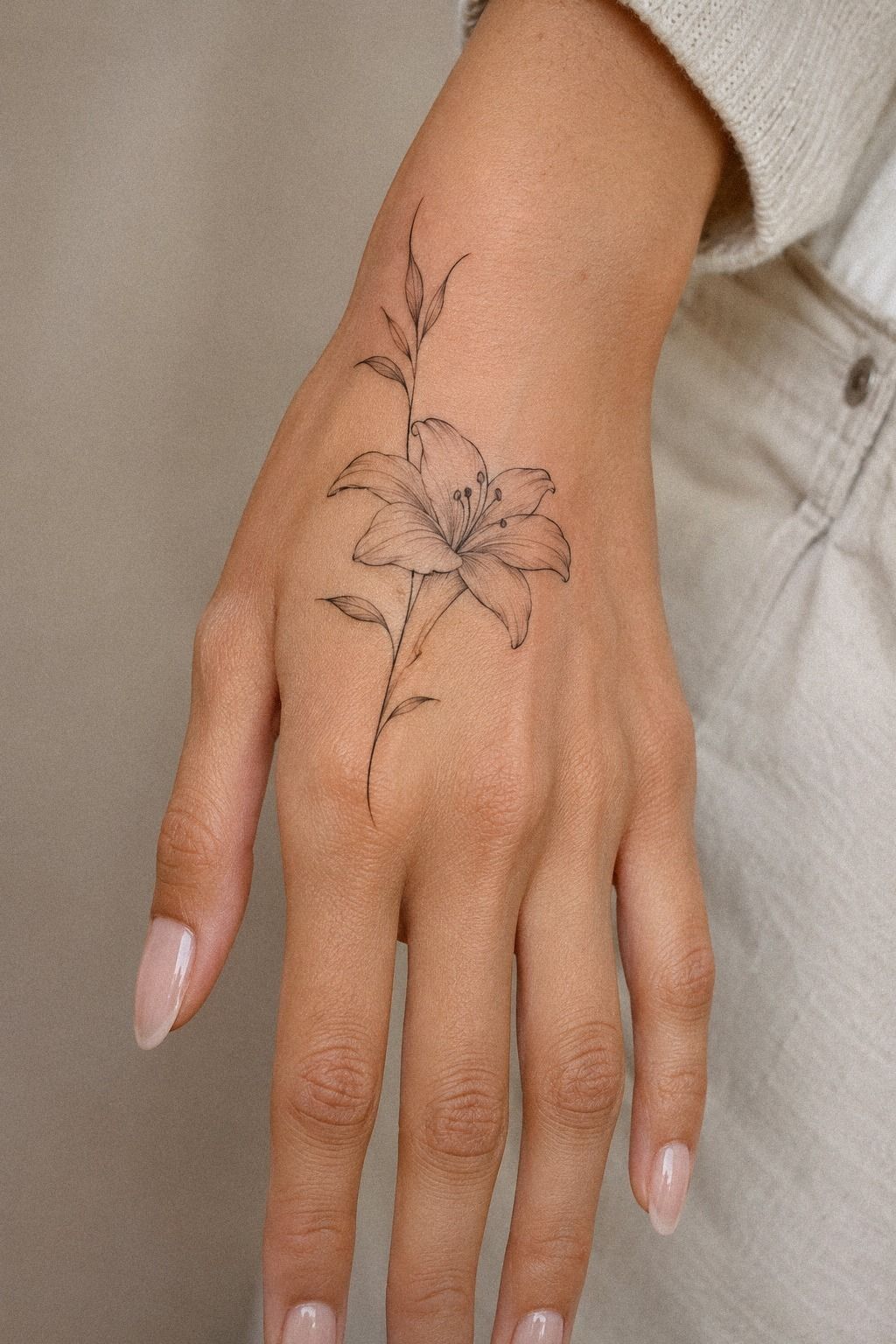
The best part of the consultation was watching my rough sketch become a balanced custom linework design. I wanted the shape slightly tilted, but my artist noticed that the tilt looked accidental when my hand relaxed.
We adjusted the curve until it followed the natural direction of my thumb. The final version was more polished because it responded to my anatomy instead of forcing my hand to match the sketch.
You should bring references, but you shouldn’t arrive demanding an exact copy. Your artist can see spacing problems that are invisible on a screen. Mine widened one opening by a fraction and removed two decorative dots.
I asked to see healed examples, not only fresh work. Fresh ink can look incredibly crisp, while healed lines show how the work settles into real skin. That healed portfolio check mattered more to me than dramatic presentation.
And if you’re comparing artists, look for consistent healed fine line work, clear hygiene practices, and examples taken in ordinary light. I’d choose a careful artist with fewer flashy designs over someone whose portfolio only shows fresh, heavily edited tattoos.
9I Prepared My Skin for Crisp Fine Lines
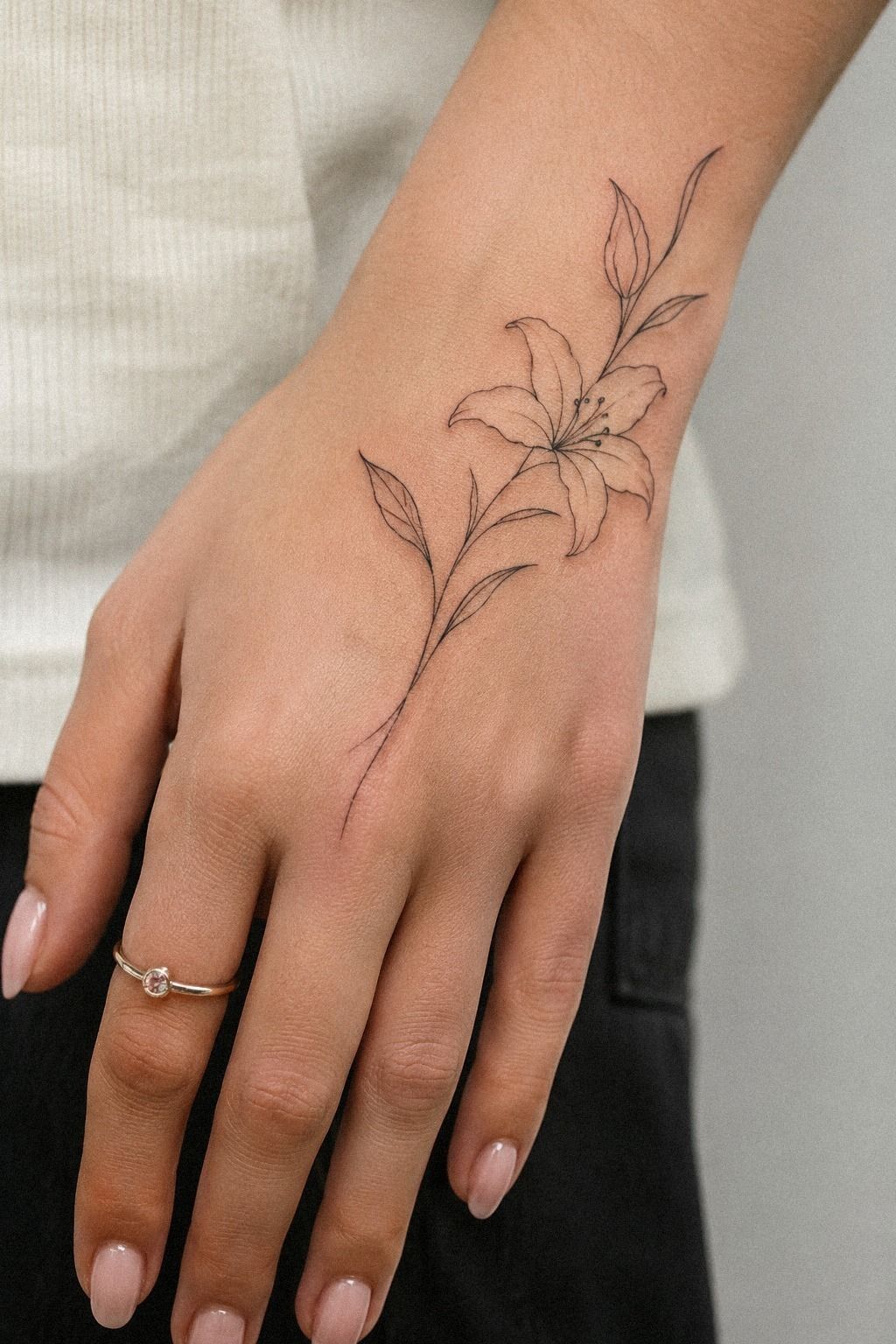
I kept my skin moisturized in the days before the appointment, but I didn’t apply lotion right before arriving. The goal was comfortable, healthy skin, not an overworked pre-tattoo skin routine.
I also avoided arriving dehydrated or hungry. A proper meal, water, and a calm schedule made the appointment easier. You’ll want to leave enough time for the stencil rather than rushing into the chair.
My artist checked the skin before placing the stencil. That pause mattered because a clean tattoo surface supports accurate placement and a sharper final result.
10Healing Asked for Patience
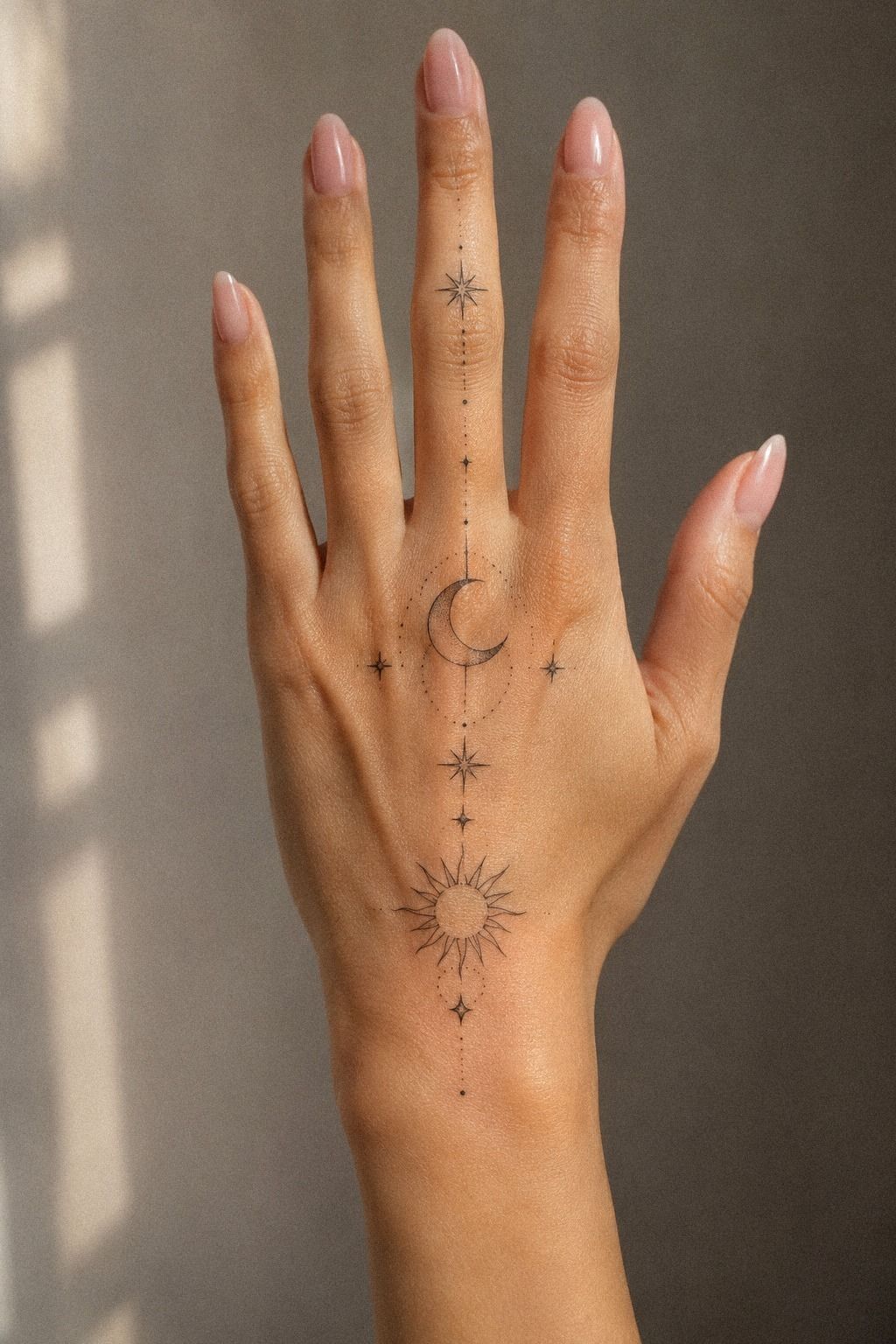
My aftercare instructions were simple: wash gently, moisturize lightly, and avoid picking.
I followed the guidance even when the skin became itchy. I skipped swimming, limited sun exposure, and kept friction away from the area. That patience protected the fine line healing process.
11The First Moment I Loved
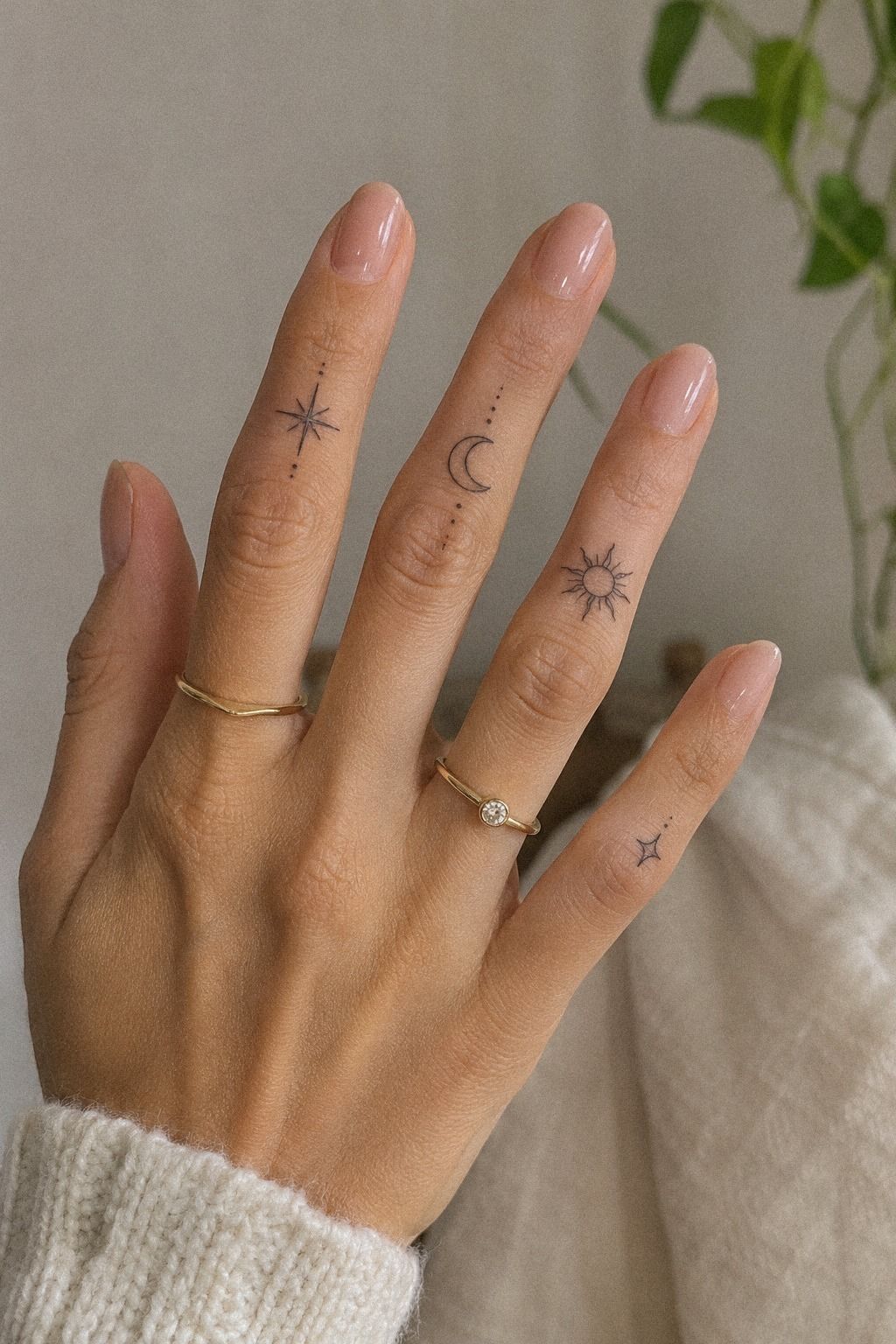
The first moment I loved was seeing my hand beside my phone, with the mark visible but not staged. The healed tattoo detail looked softer than the first-day version, yet the symbol remained clear.
That moment made the choice feel real. I could see how the tattoo belonged to my actual life rather than existing only as a carefully selected reference.
I liked that the mark looked feminine without being overly sweet. It felt stylish and personal, with enough edge to keep it from becoming generic.
Living With a Visible Mark
A hand tattoo participates in every ordinary moment. It appears while you sign a receipt, wash fruit, answer a message, or reach across a counter. That visibility makes the piece feel intimate, but it also asks you to live with your choice in public.
People notice it. Some ask what it means.
Others only glance and move on. I don’t owe everyone the story behind my visible hand ink, and that boundary has made the piece feel even more private.
The design still looks graceful when my fingers are spread and more understated when my hand is relaxed. That flexibility was important to me. I wanted one symbol that could shift with the moment.
How Much It Cost
My budget stayed within the typical US range for a small hand tattoo, but the final quote depended on the artist, shop minimum, region, design detail, and appointment length. I didn’t choose the cheapest available option. Hands are visible, and a rushed line is hard to ignore.
The tattoo consultation was part of my decision even though the price conversation came first. You’ll want to ask what the shop minimum covers, whether a redraw is included, and whether the quoted amount changes if the stencil takes longer to place.
I also left room in my budget for a skilled artist rather than spending every dollar on a larger design. A small, carefully placed symbol can require more thought than a bigger piece. My opinion is firm here: save for precision before you add complexity.
If you’re still comparing placement, these minimalist hand finger tattoos for women can help you decide whether a smaller design gives you enough meaning. You don’t need to fill the available space just because you have it.
I asked for the shop minimum price before booking so there wouldn’t be a surprise at the appointment. Clear pricing made the whole decision feel more polished and professional.
What I Learned Before Choosing Fine Line Hand Ink
I thought the emotional decision would be the symbol itself. It wasn’t. The harder decision was accepting that a hand tattoo participates in every ordinary moment.
My first mistake was collecting too many references. I saved delicate moons, fierce snakes, tiny initials, and graceful botanical marks until every idea started to look like a version of the same idea. The useful question became simpler: what would I still choose if nobody could ask me what it meant?
That answer led me back to the open symbol I had almost dismissed. The private tattoo meaning mattered more than whether the design looked impressive to strangers.
I also learned that “fine line” shouldn’t mean chasing the smallest possible mark. A line can be refined and still need enough room to age gracefully. My artist used a fine line tattoo needle suited to the design, but the real improvement came from spacing, placement, and restraint.
You can’t solve a crowded stencil with a thinner needle. That lesson changed how I judged every reference afterward. A sleek design needs discipline, not endless detail.
The biggest surprise was how much the consultation affected my confidence. I expected to arrive with a finished answer. Instead, I arrived with a meaningful idea and left room for professional judgment.
If you’re choosing your first visible tattoo, look for an artist who explains why a design may fail, not one who agrees with every request. That kind of artist design guidance felt more valuable than enthusiastic approval.
I still believe hand tattoos require honesty. Lines may soften or widen, and frequent UV exposure can affect their appearance. Solid black and sensible placement generally hold up better than fragile detail packed into a tiny area.
That doesn’t make the style less elegant. It makes the decision more informed, more personal, and much less impulsive. I’d rather choose a timeless mark with realistic expectations than chase a flawless first-day result.
The Questions I Get Asked Most
How much does a fine line hand tattoo for women usually cost?
I’d expect a small fine line hand tattoo to cost about $100 to $300 in the US. The final price varies by artist, region, placement, detail, and shop minimum. Many studios list minimums around $50 to $100, while hourly rates commonly run about $100 to $250.
Are fine line hand tattoos for women a good idea for a first tattoo?
I think they can be, if you’re comfortable with visible ink and choose a readable design. A small placement can feel manageable, and clean linework suits meaningful symbols. I’d ask to see healed work first because hands experience more friction than covered areas.
How do I choose a tattoo artist for fine line hand tattoos for women?
I’d choose an artist with a portfolio showing consistent healed linework, not only fresh tattoos. Check hygiene practices, hand-specific experience, and stencil placement. You’ll want someone who can explain spacing, aging, and skin movement before you commit.
How much do fine line hand tattoos for women hurt?
I found hands and finger joints sharper than the forearm, thigh, or shoulder. Pain is brief but noticeable, especially over bone and creases. I ate beforehand, brought water, and told my artist whenever I needed a pause.
How long does a fine line hand tattoo for women take to heal?
I’d allow two to three weeks for surface healing and roughly two to three months for complete healing. Gentle aftercare means washing softly, moisturizing as directed, avoiding picking, and limiting sun and swimming until your artist says it’s safe.
What’s the best placement for fine line hand tattoos for women?
I think the best placement gives the design enough open skin and avoids the deepest creases. The side hand offers discreet visibility, while the top of the hand gives a symbol more room to read. Your artist should check the stencil with your fingers relaxed, spread, and curled.
Where I’d Start First
If I had to pick one, I’d start with the symbol. A clean, personal mark gives you room to choose placement without forcing the meaning to fit the anatomy.
I’d keep it readable, leave breathing space, and let the private reason carry the piece. These fine line tiny hand tattoos are useful for comparing scale, but your final stencil should respond to your hand.
You’ll notice it every day. That’s the daring part, and also the reason I still find it so meaningful.