Minimalist mandala tattoos can feel striking and deeply personal for a first tattoo, but simplicity takes serious editing. The design has to survive scale, movement, healing, and your changing taste. Here’s the order I’d follow before booking.
- Start With Small Minimalist Mandala Tattoos
- What Makes Fine Linework Stay Readable?
- Choose Symbolic Petals With Personal Meaning
- Where Should Fine Mandala Ink Sit?
- Keep Negative Space Around Intricate Geometry
- The Skin-First Scale Test
- Match Mandala Scale To Your Anatomy
- Bold Centering or Quiet Balance?
- Balance Sacred Symmetry With Playful Elements
- Before You Book: Prepare For Pain
- Protect Graceful Ink Through Complete Healing
1Start With Small Minimalist Mandala Tattoos
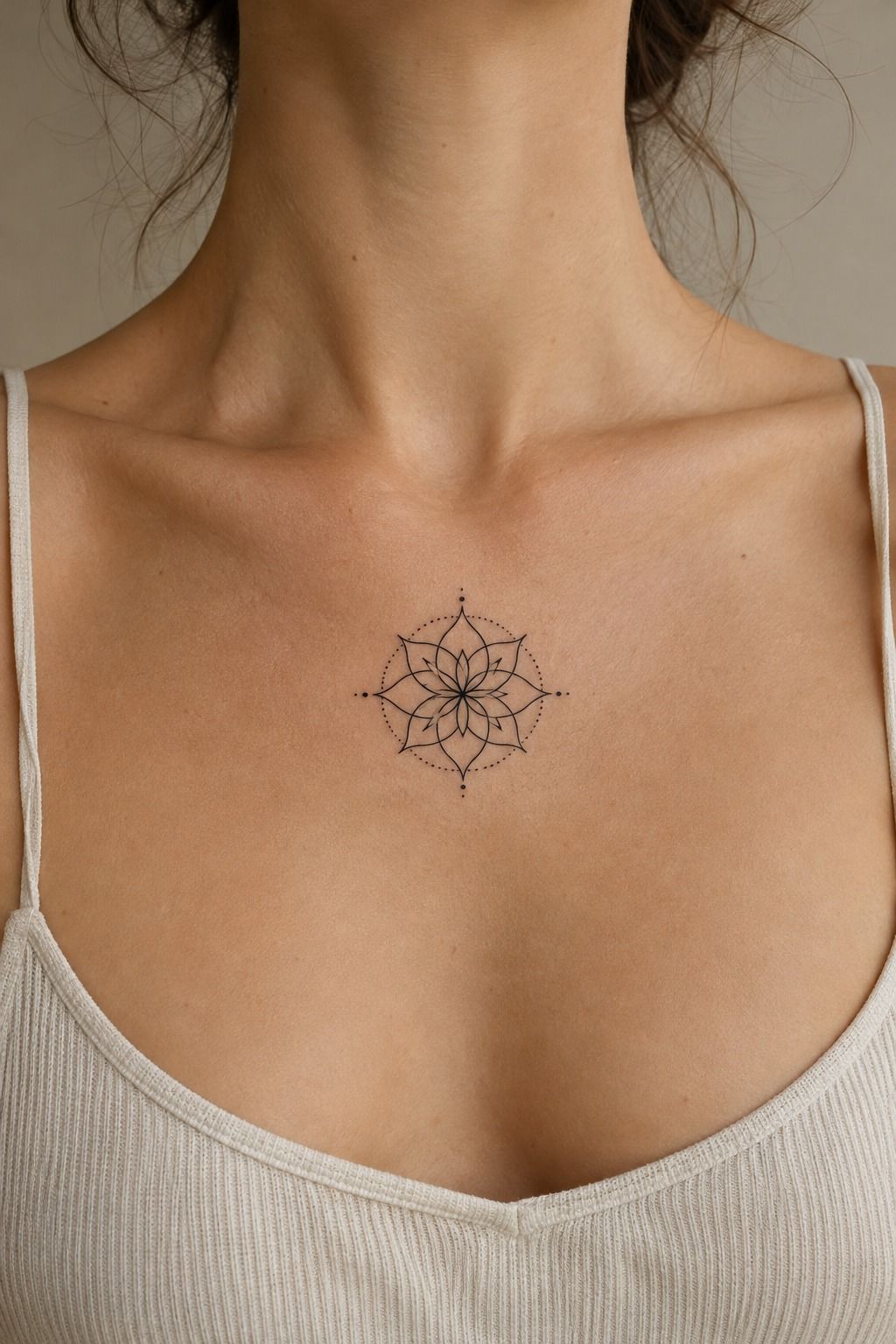
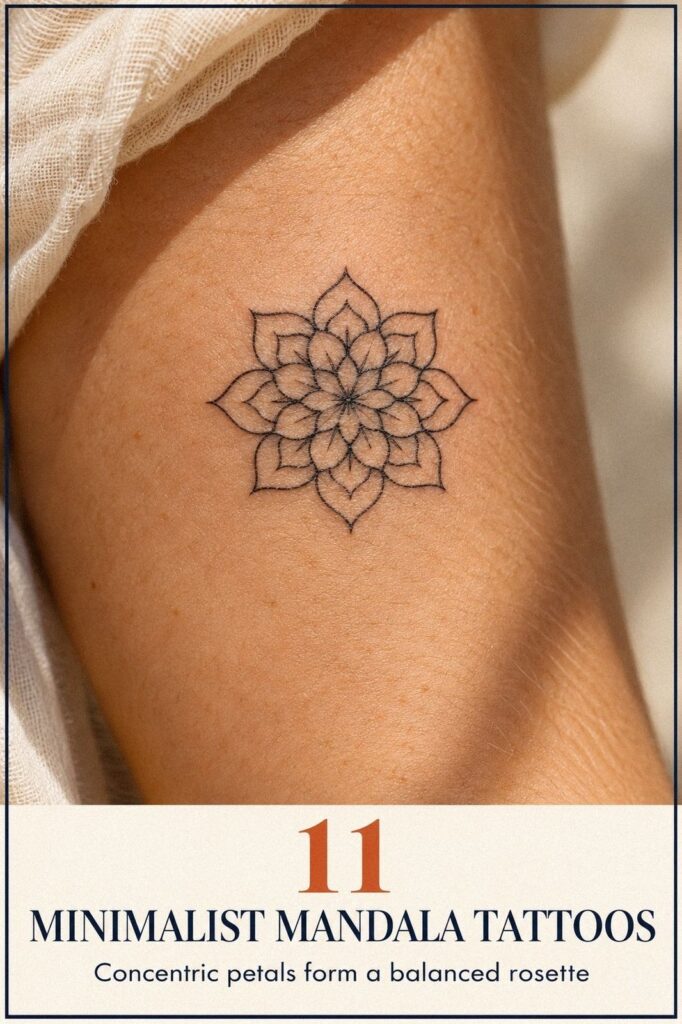
Start with one clear focal point. A small mandala can look delicate without feeling forgettable when the center, outer ring, and open skin are easy to read.
If you’re considering small mandala tattoos, ask your artist to print the design at its intended size. A tattoo that looks elegant on a phone may become crowded once every petal is reduced.
Your first tattoo doesn’t need to prove anything. I’d choose a minimal mark with one personal detail over an ornate design that already feels too busy.
Save several references, then compare the outer ring of each design. The strongest examples usually have breathing room between petals, dots, and borders.
A tiny star, dot, or open petal can make the piece meaningful. Five extra symbols usually make it less polished. That restraint is what makes a small tattoo worth it!
2What Makes Fine Linework Stay Readable?
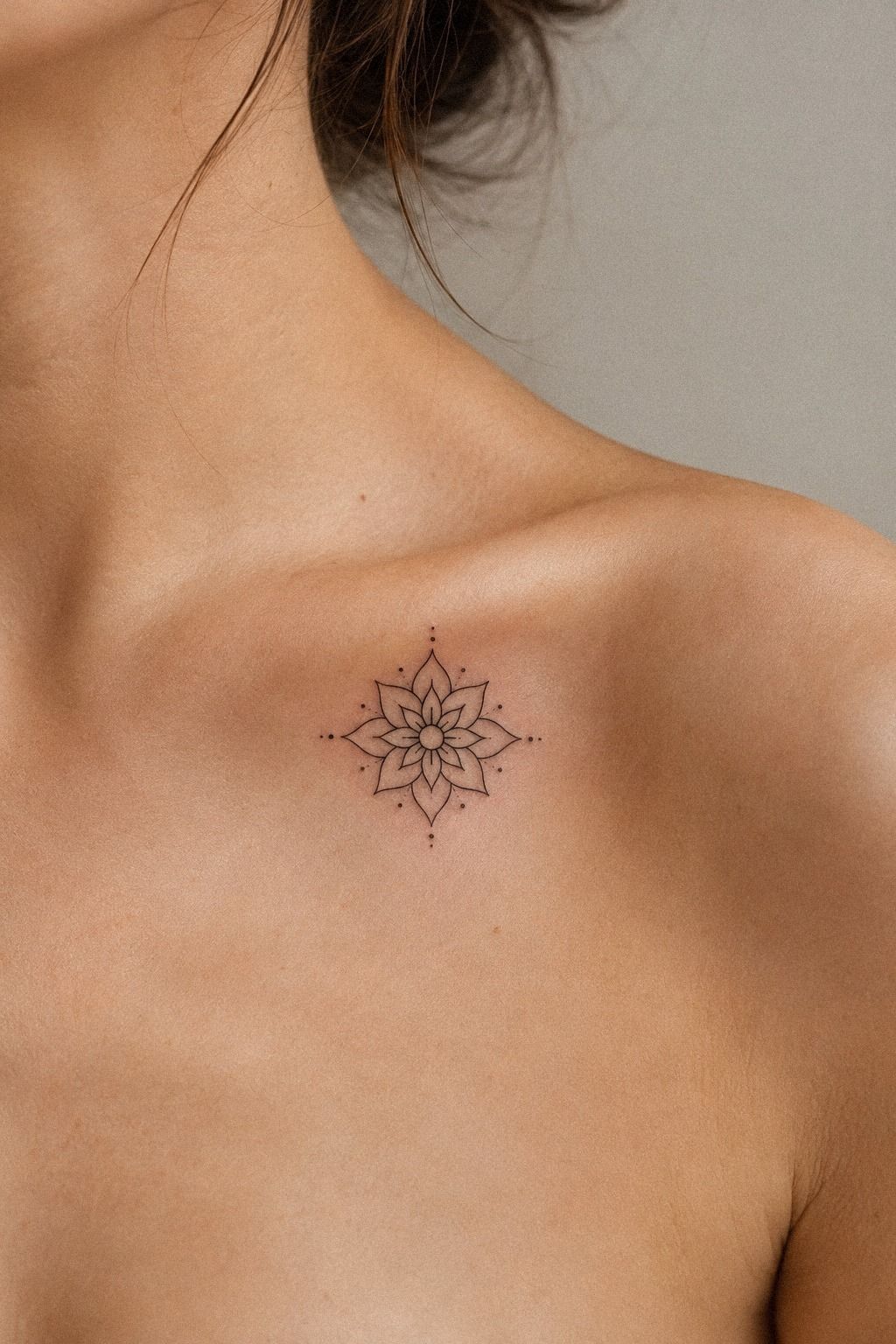
Fine linework needs spacing more than decoration. A crisp mandala gives the eye a clear route through the center, petals, and border.
Ask to see healed work, not only fresh portfolio examples. Fresh single-needle linework can look sharp and vibrant while the skin is still settling.
Your artist should explain how they’ll adjust narrow petals, fine dots, and repeated geometry. If they only show perfect studio examples, I’d keep looking.
Don’t assume the thinnest possible line is the most timeless choice. A slightly stronger outline may stay expressive when an ultra-fine interior detail softens.
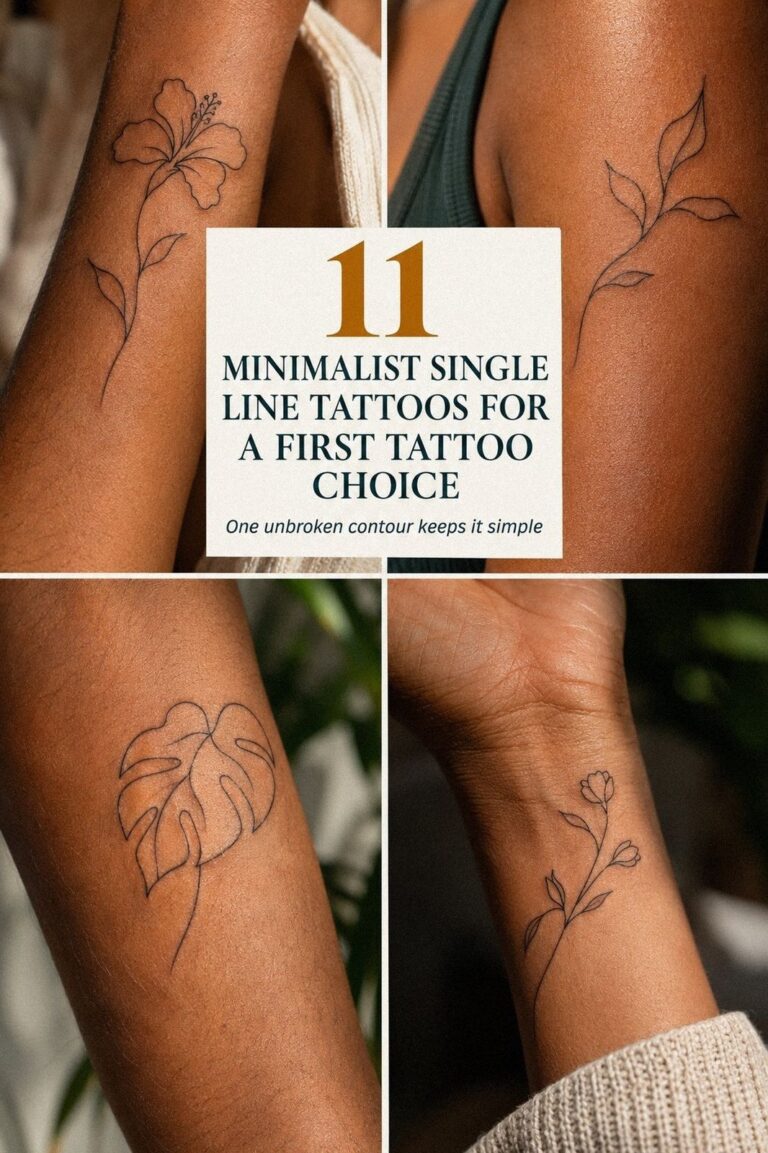
Compare your ideas with these minimalist linework tattoos and minimalist single-line tattoos. You’ll notice that the strongest examples aren’t always the most complicated.
The best design has a sharp visual rhythm. You should be able to understand its main shape in one second.
3Choose Symbolic Petals With Personal Meaning
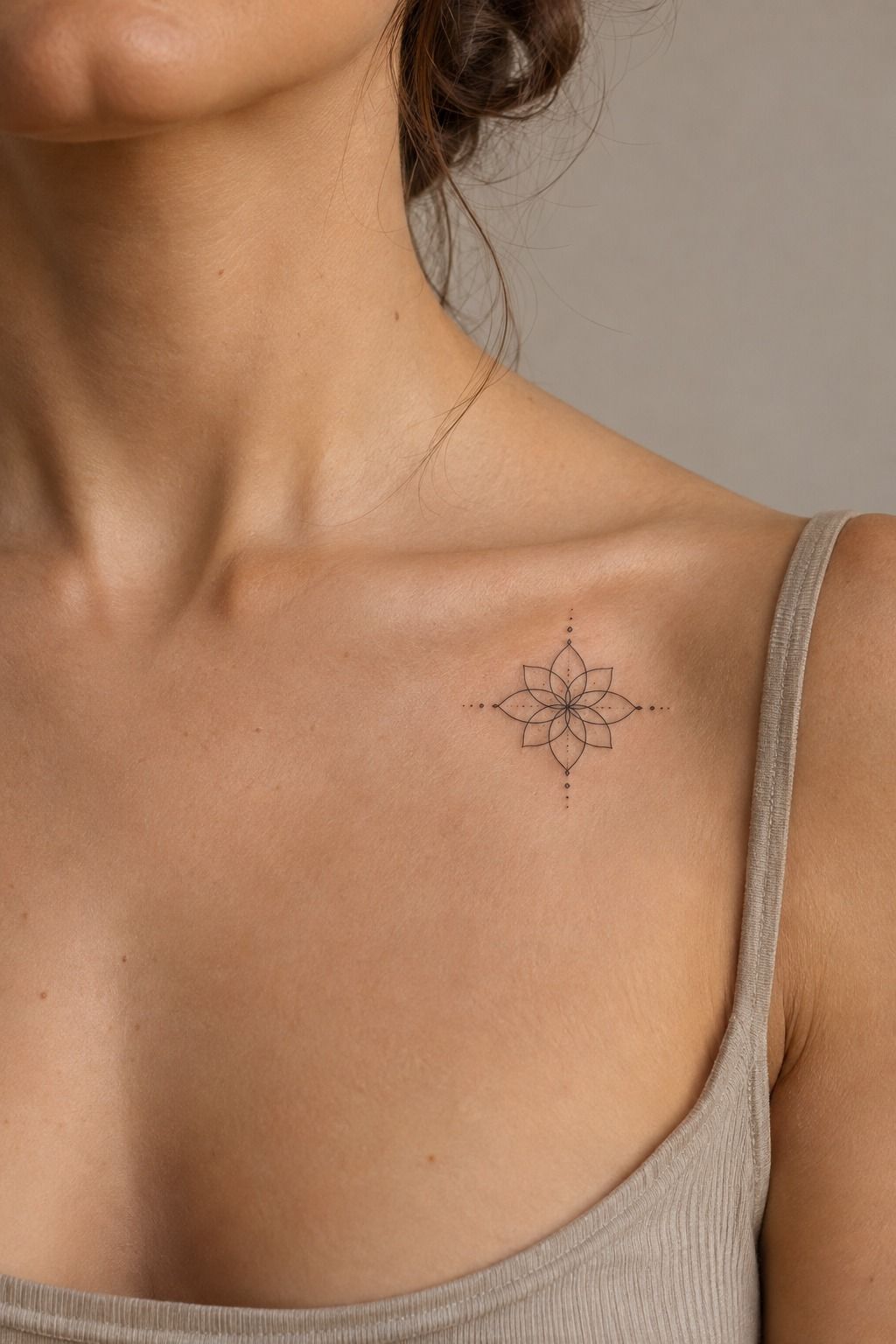
Choose meaningful petals because they mean something to you, not because a mandala looks incomplete without them.
4Where Should Fine Mandala Ink Sit?
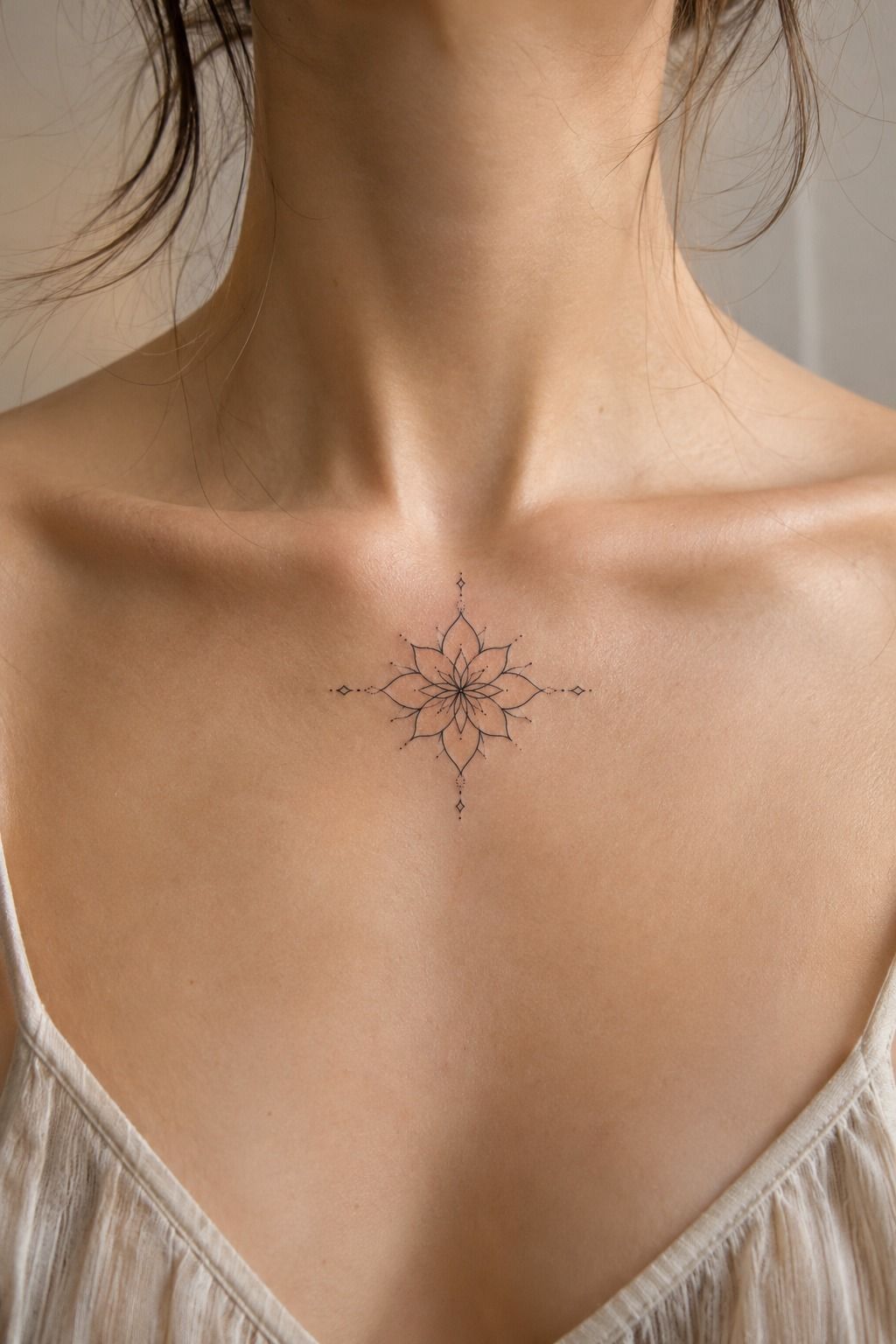
Place the mandala where you’ll enjoy seeing it, but consider friction points before committing. The ankle, wrist, calf, and forearm each change how the circle moves with your body.
An ankle placement can feel empowering because it’s visible with sandals or cropped trousers. It can also experience rubbing from socks, shoes, and daily movement.
Ask your artist how the design should sit around the ankle bone. Leave enough open skin around the circle so the shape remains readable.
I’d avoid pushing the lowest petal directly into a crease. Repeated movement can make a carefully planned design feel cramped.
Visibility also changes the emotional weight of a first tattoo. If you want privacy at work, a higher placement may feel more understated.
Compare narrow placements with minimalist small spine tattoos and minimalist outline tattoos. Your artist can help you decide whether the body’s curve supports a flowing layout.
The right placement isn’t the most fashionable one. It’s the one that fits your daily routine, clothing, comfort, and long-term expectations.
5Keep Negative Space Around Intricate Geometry
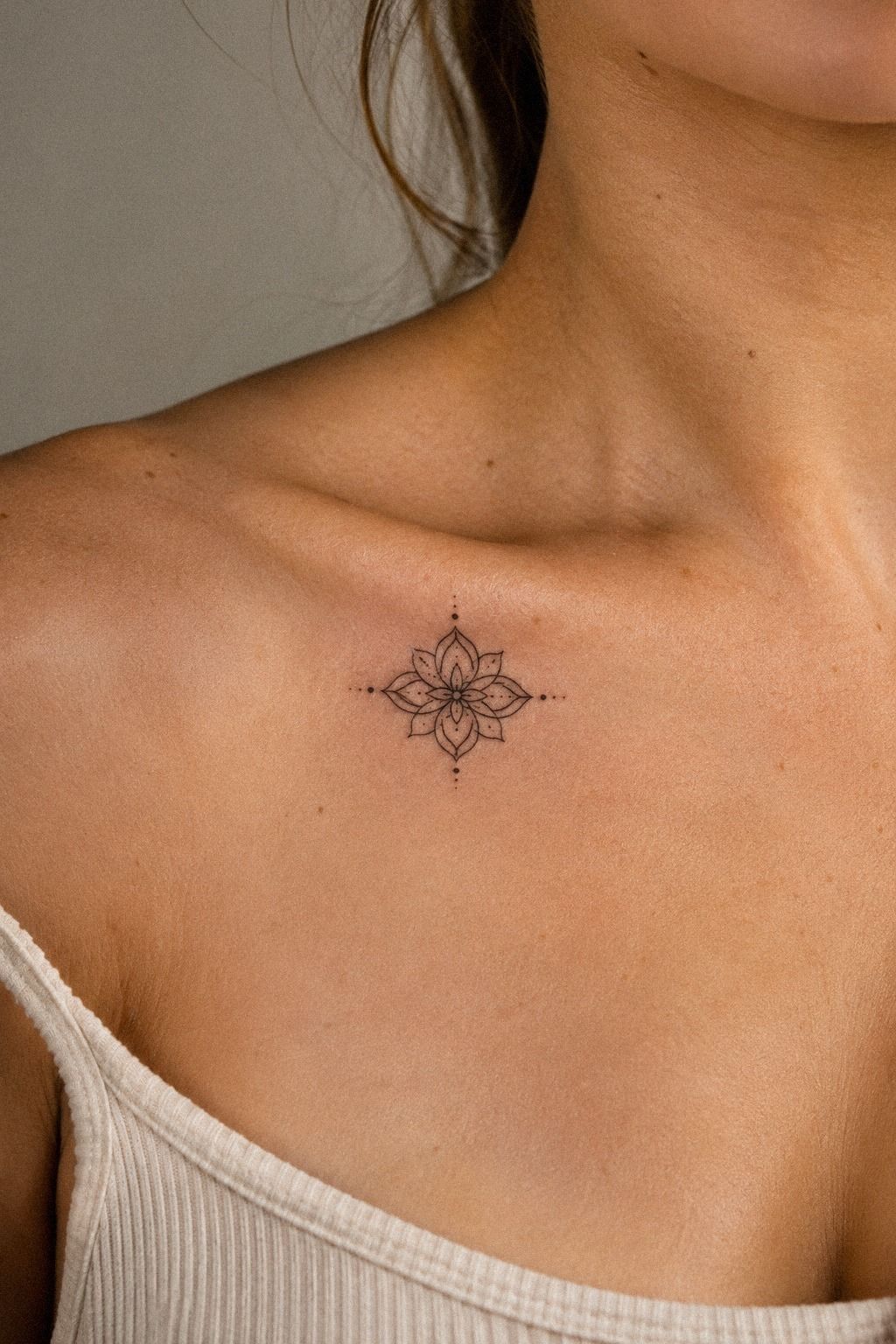
Protect negative space when you edit the design.
6The Skin-First Scale Test
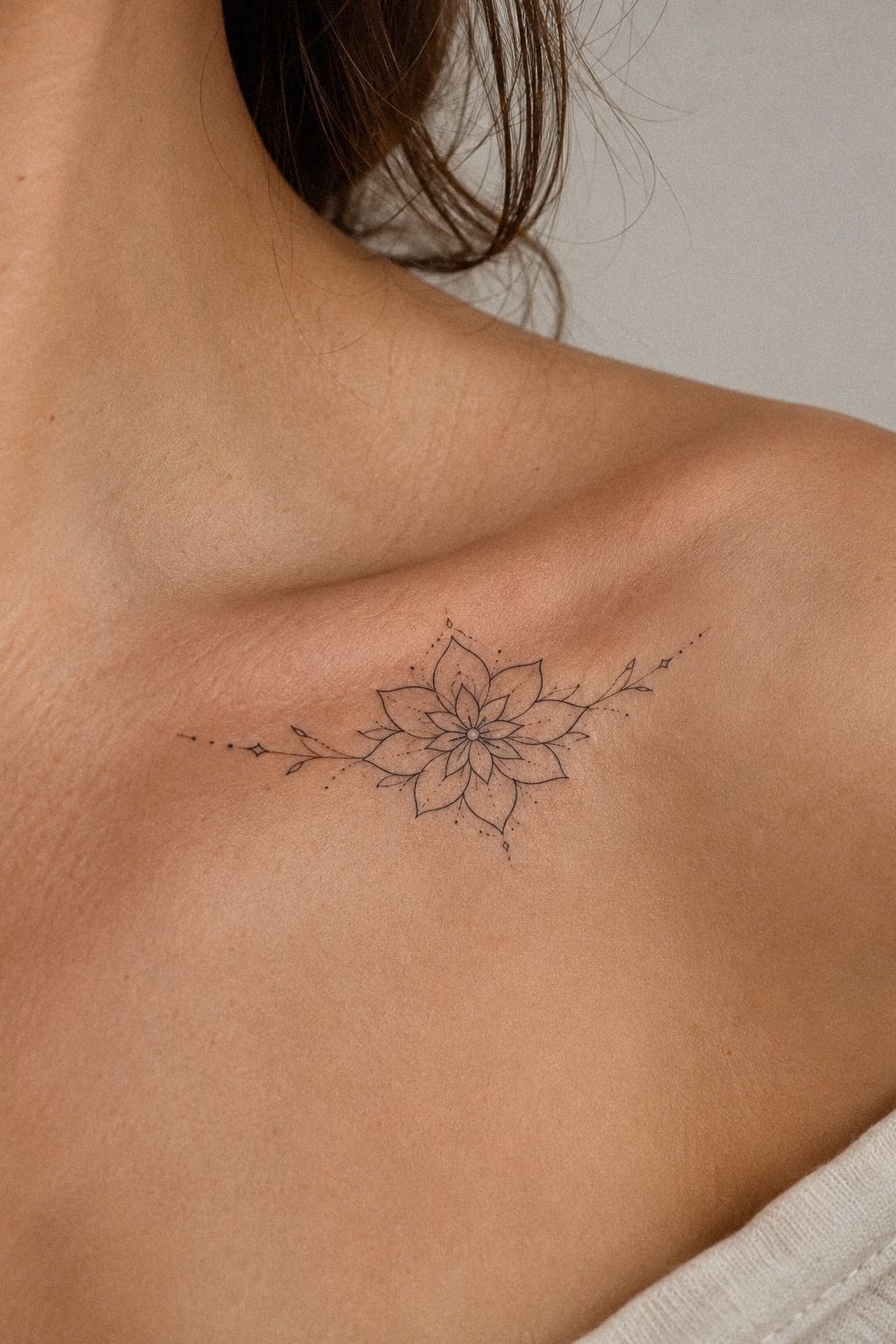
Plan the wrist around your wrist anatomy, not around a screenshot. Your tendons shift, your hand bends, and the lower edge may disappear when you grip something.
Ask your artist to show the stencil placement from the top, side, and palm-facing angles. A centered mandala may look balanced at rest but slightly crooked when your hand moves.
The Skin-First Scale Test is simple: inspect the stencil with your hand relaxed, bent, and turned sideways. If the mandala still feels bold in all three positions, you’re close.
Unique doesn’t mean complicated. You could change four petals to six, open the center slightly, or align one star with your wrist bone.
That one choice can create a daring adjustment without forcing your artist to draw a maze of tiny details.
Compare the proportions with minimalist small wrist tattoos. You’ll see that a tattoo can be small without being visually weak.
Your anatomy should lead the drawing. The reference should only start the conversation.
7Match Mandala Scale To Your Anatomy
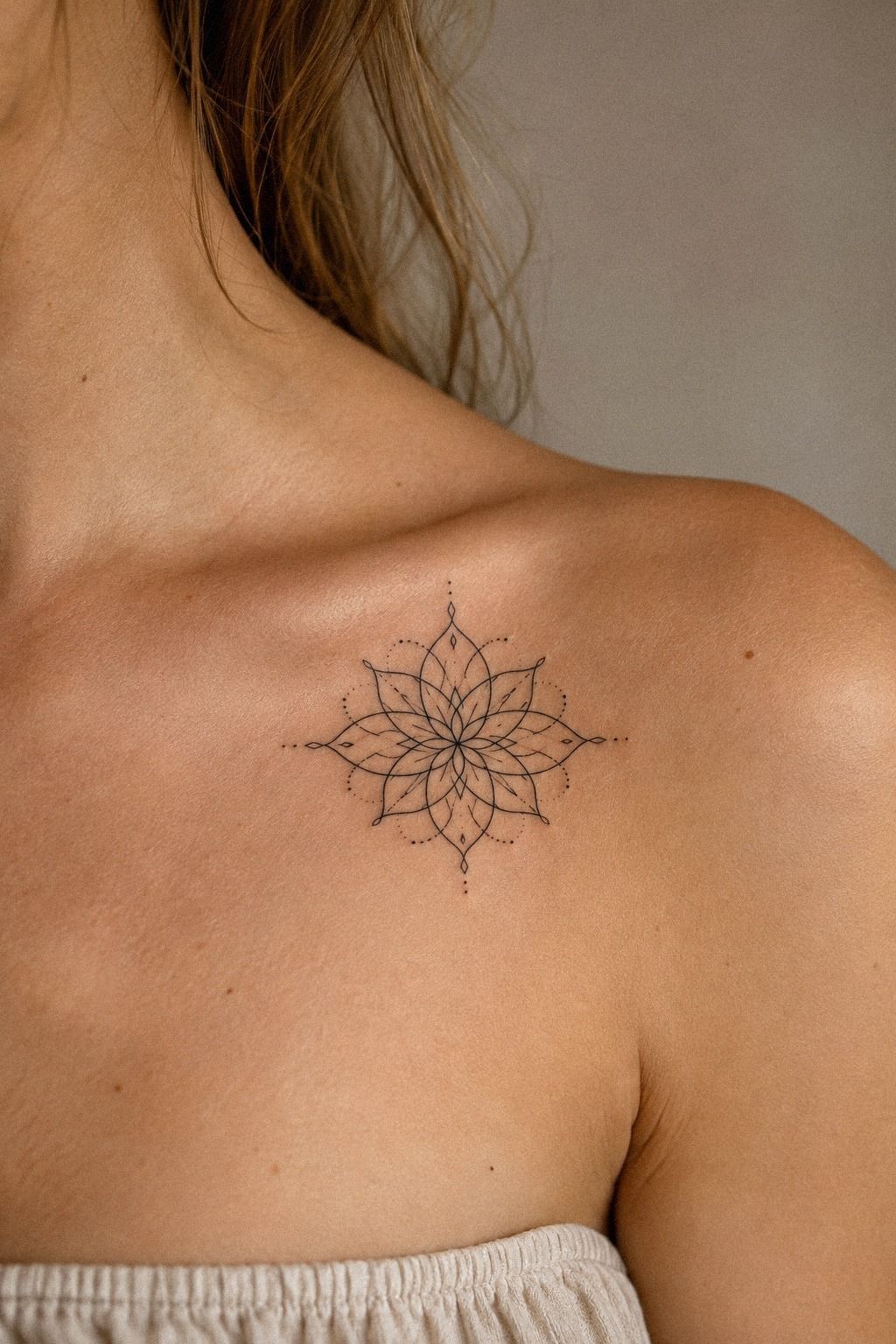
Match the scale to the body area’s curve. The upper arm, calf, wrist, and ankle each give a circular design a different visual tension.
A small mandala may look dainty on the upper arm, but too little scale can make the geometry feel lost.
A larger design can look powerful without becoming ornate when the line hierarchy stays simple. Ask which parts must remain visible after healing.
I wouldn’t choose a circle only because it fits inside a screenshot. Your arm has front, side, and back views, and each angle changes the design’s impact.
If you’re planning future tattoos, leave intentional skin around the piece. A timeless design doesn’t need to occupy every available patch.
Look through minimalist linework tattoos for examples of scale changes. A crisp design often needs more room than expected.
A single outer line can stay elegant at a smaller size, but repeated micro-details usually need extra space.
The most expensive mistake isn’t always the tattoo cost. It’s choosing a size you’ll want to alter later.
8Bold Centering or Quiet Balance?
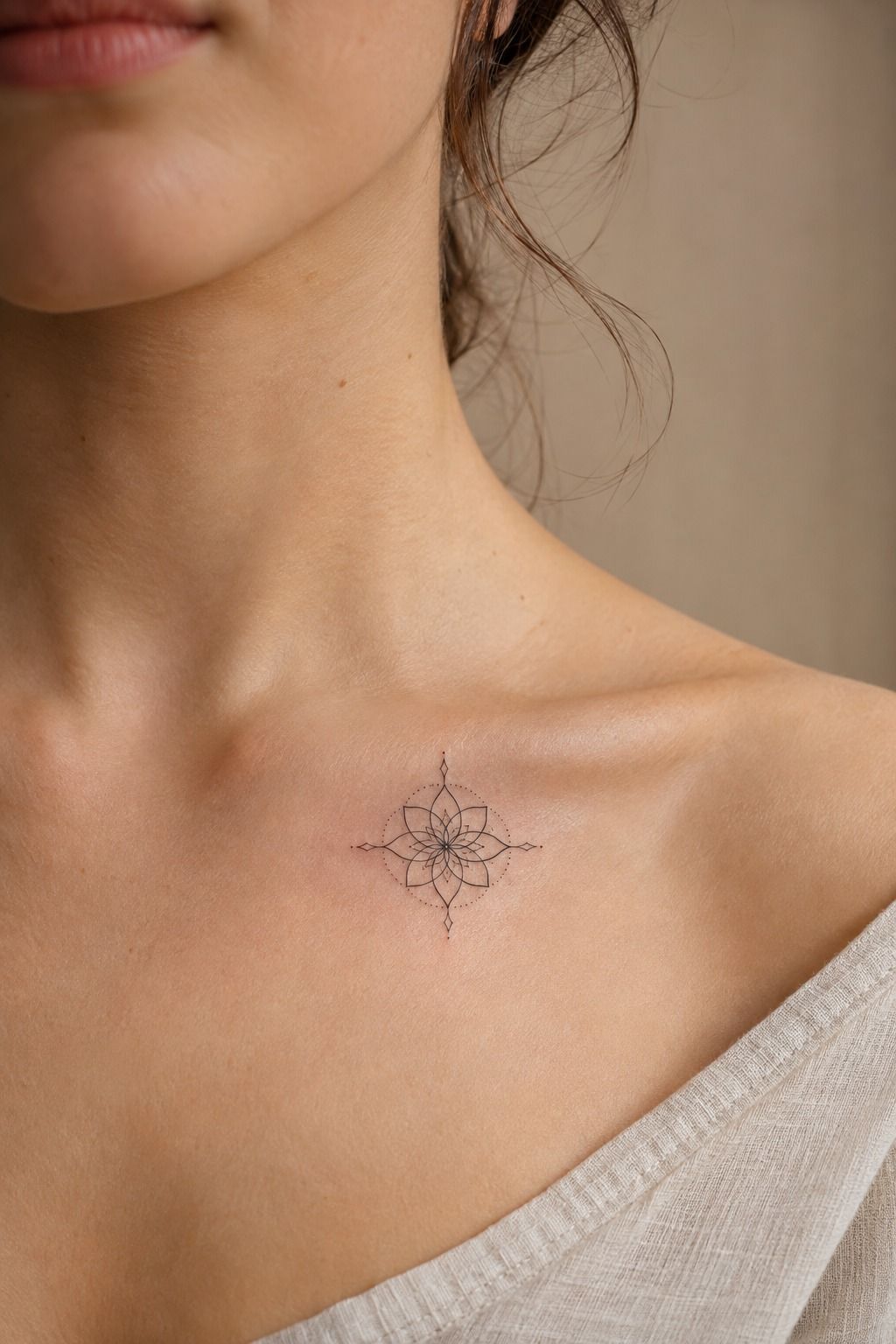
Choose bold centering when you want the mandala to feel fierce. Choose a quieter center when you want the surrounding petals to carry the attention.
A solid black center can create powerful contrast. An open center can feel more ethereal, especially when the design uses fine rays or delicate dots.
Ask your artist to show both options at the actual stencil size. A center that seems subtle on paper may become the dominant feature on skin.
You don’t have to choose between a bold tattoo and a delicate one. The outer ring, line weight, and negative space can make both qualities work together.
I’d avoid adding shading simply to make the tattoo feel finished. Shading should support the central geometry, not cover weak proportions.
The right center gives the mandala a visual anchor. That makes the tattoo easier to recognize from a distance and more satisfying in everyday view.
9Balance Sacred Symmetry With Playful Elements
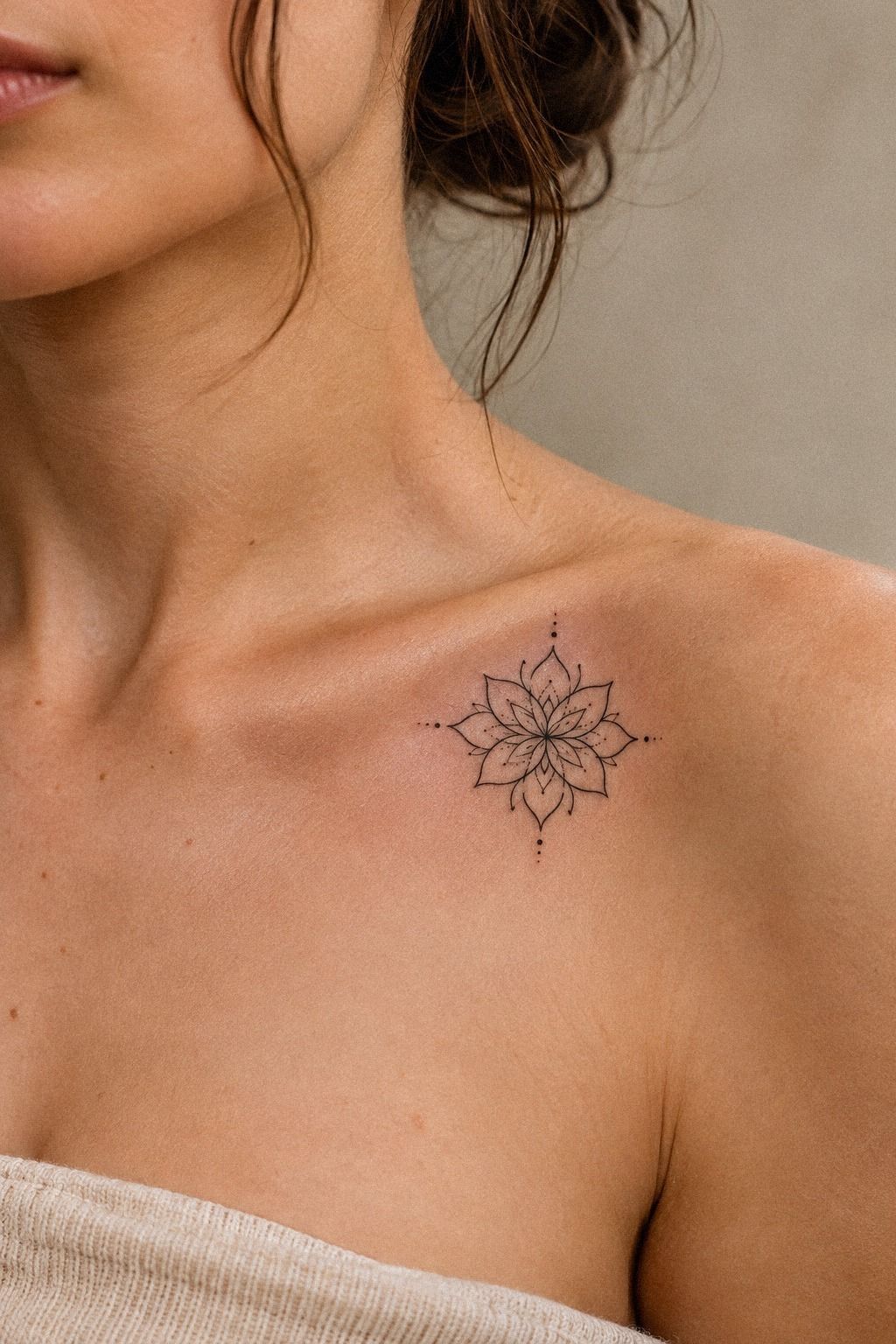
Symmetry gives a mandala its sacred pattern and harmonious feeling.
10Before You Book: Prepare For Pain
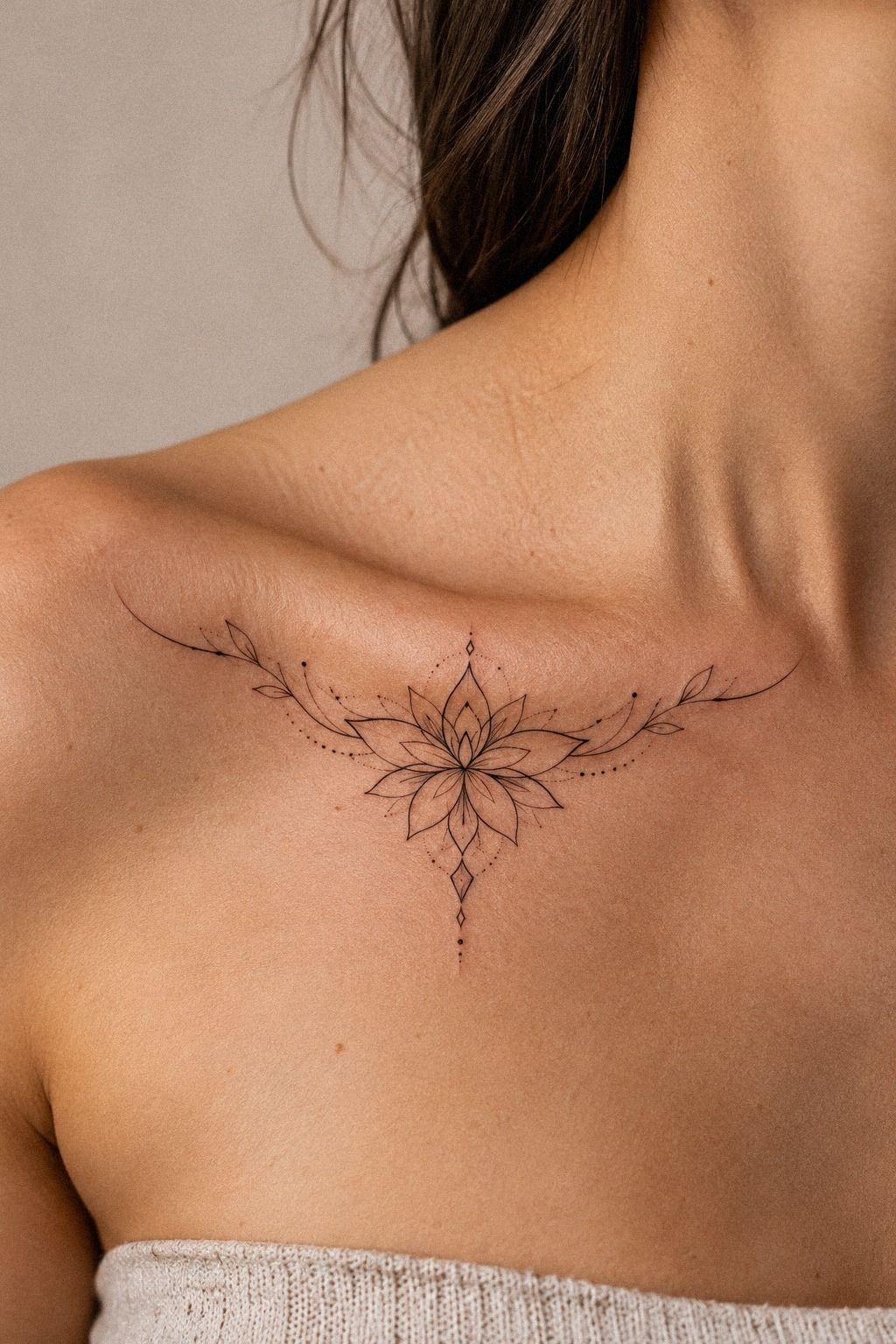
Prepare for discomfort by planning around the placement, not by guessing from someone else’s story. Pain varies with anatomy, session length, and your own tolerance.
Feet, ribs, hands, and the sternum are often more intense. The forearm placement may be easier for many people, although every body responds differently.
Your calf or ankle can feel sharp near bone. A short appointment isn’t automatically painless, so eat, hydrate, and tell your artist if you need a pause.
I’d also ask how long the appointment should take. A small tattoo may be quick, but stencil placement and revisions still deserve time.
Choose an artist whose approach feels gentle and professional. You’re allowed to ask questions about hygiene, breaks, equipment, and aftercare.
A first tattoo should feel considered, not rushed. If the appointment plan makes you uneasy, pause before paying a deposit.
You don’t need to act fearless. A calm conversation about discomfort, breaks, and session length can make the appointment feel much more manageable.
11Protect Graceful Ink Through Complete Healing
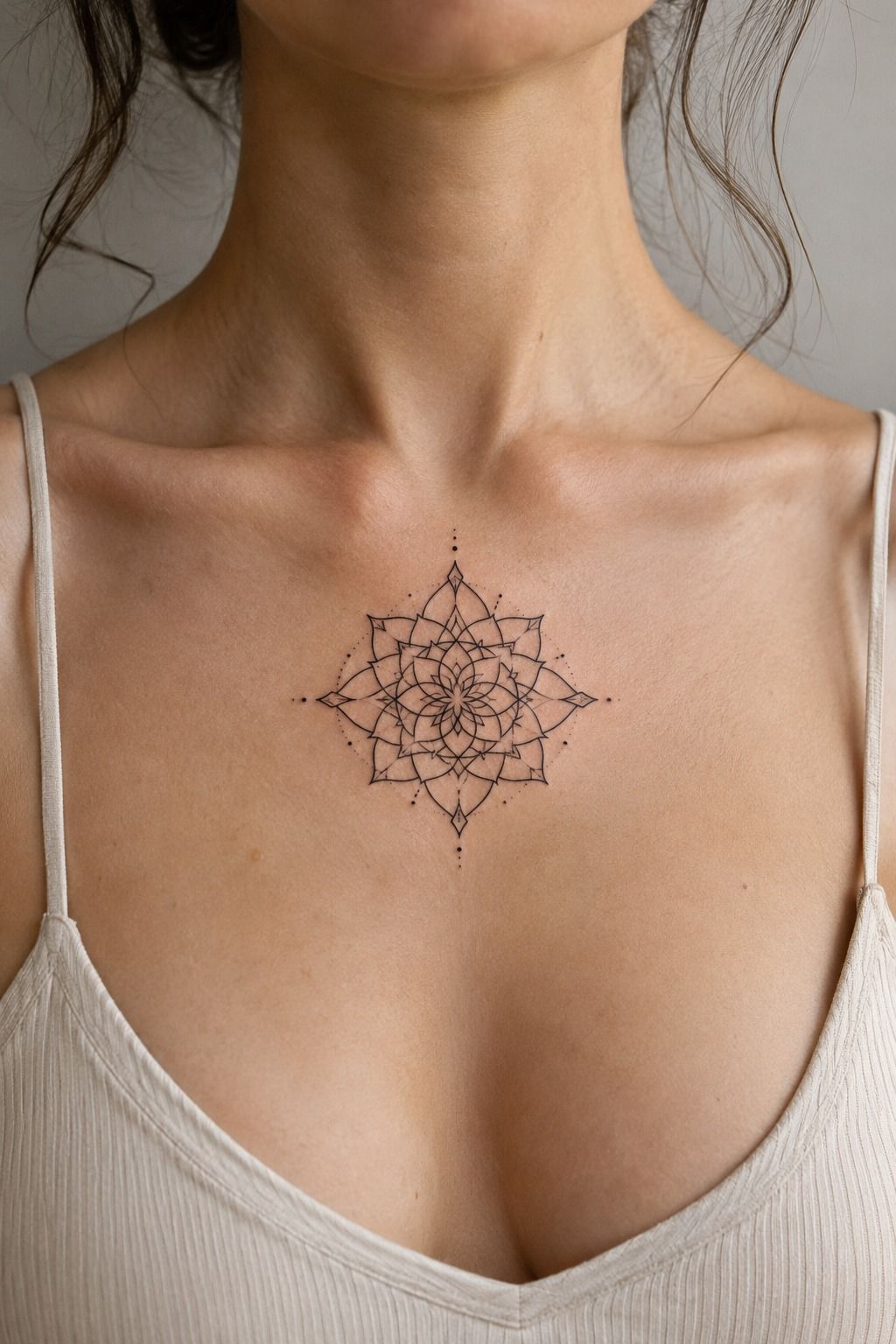
Protect the tattoo through the full healing period. Follow your artist’s aftercare instructions first because bandage type and skin response can differ.
Surface healing commonly takes about two to three weeks. Complete healing can take about two to three months.
During early healing, wash with a mild cleanser, moisturize as directed, avoid picking, and keep the tattoo away from prolonged sun and swimming.
Peeling, dullness, and temporary tightness can make fresh ink look less vibrant than expected. Don’t judge the final result during the first week.
Sun protection matters long term. Ultraviolet exposure can soften fine lines and fade black detail.
A healed tattoo with sensible placement generally ages better than one packed with fragile micro-details. That’s why line weight matters before the appointment.
Save minimalist rose tattoos for healed reference ideas, and ask your artist how the line weight should be protected.
If your skin reacts unusually or healing seems delayed, contact your tattoo artist or a medical professional. Good aftercare is part of the tattoo, not an afterthought.
The Meaning Test
Before choosing the final design, ask what you want to remember when you see it. The answer may be a person, a transition, a belief, or simply the moment you decided to do something for yourself.
A romantic design doesn’t have to involve a partner. It can honor your relationship with your own body or a season of change.
Write the meaning in one sentence. If you need a full paragraph to explain every symbol, the design may be carrying too much.
That doesn’t mean you should remove all complexity. An expressive mandala can hold layered meaning when its visual structure remains simple.
I’d keep the symbol that still matters when the trend has passed. That’s usually the detail that gives the tattoo lasting value.
The Placement Test
Wear the clothing you usually wear around the proposed placement. Think about work, exercise, weather, and whether you’ll enjoy seeing the tattoo every day.
A visible tattoo can feel iconic when it suits your daily style. It can also feel stressful if you’re constantly covering it or explaining it.
Ask whether friction will affect the area. Socks, watchbands, tight shoes, and repeated hand movement can change your aftercare routine.
If privacy matters, choose a location that disappears under normal clothing. That doesn’t make the design less meaningful.
The best placement has practical value and emotional value. You shouldn’t have to sacrifice one completely.
The Budget Check
Set a budget before you fall in love with a design. A small tattoo can still meet a studio minimum, and a respected artist may charge more because their judgment reduces risk.
The cheapest quote isn’t always the best value. Clean healed work, strong design judgment, and clear aftercare can make a higher price worth it.
Ask what the quote includes. You’ll want to understand the consultation, stencil revisions, deposit, minimum, and any touch-up policy.
A realistic budget protects you from making a rushed decision. It also gives you room to choose an artist whose work you genuinely trust.
Why Minimalist Mandala Tattoos Need Editing
I like minimalist mandala tattoos because they ask you to make decisions. A mandala can carry sacred symmetry, personal symbolism, and a flowing rhythm without becoming oversized.
The best design usually starts with one question: what should someone notice first? It may be the center, a symbolic flower, or the open skin around the circle.
Once you know that, the rest becomes easier. A bold center needs quieter petals. A meaningful flower needs enough room to read.
I made the common mistake of treating simplicity like a lack of planning. I thought a small tattoo would be easy because it used fewer lines. It wasn’t.
The smaller the design became, the more important spacing and line weight felt. A delicate mark has nowhere to hide when the proportions are wrong.
I’d resist the pressure to make your first tattoo dramatically personal through too many symbols. One expressive detail can carry more emotional weight than six generic ones.
Your artist should help you simplify without dismissing the meaning. That’s the real craft: keeping the part that feels personal and removing the part that only fills space.
A polished tattoo isn’t necessarily perfect or symmetrical. It’s edited with enough care that every remaining line has a reason.
What To Ask Before Booking
Ask to see healed work in a range of skin tones. Fresh portfolio examples can hide how delicate lines settle and how black areas change after healing.
Ask how the artist approaches feminine or masculine design language if that matters to you. Your tattoo doesn’t have to fit a category, but the visual tone should feel right for your taste.
Ask whether the artist has experience with circles, fine geometry, and small placements. Technical confidence matters more than a large social media following.
Ask how they’ll adapt the design to your anatomy. A tattoo that looks stylish on one wrist may need a different rotation or scale on yours.
Finally, ask what happens if the stencil doesn’t feel right. You should be able to request changes before the needle starts.
That conversation is part of the value you’re paying for. Good communication can prevent an expensive regret.
The Questions Worth Answering First
How much do minimalist mandala tattoos usually cost?
A minimalist mandala tattoo commonly costs about $100 to $300 in the US, although a boutique minimum may be $50 to $100 and hourly rates may reach $250.
The final cost depends on your artist, region, placement, detail level, and appointment length. Ask for a quote after sharing the intended size and design.
Are minimalist mandala tattoos a good idea for a first tattoo?
Yes, they can be a meaningful first tattoo when the scale, placement, and line weight work together.
I’d choose a clear design with one personal detail, then prioritize healed portfolio examples over dramatic fresh examples.
How do I choose a tattoo artist for minimalist mandala tattoos?
Choose an artist with clean healed linework, consistent circles, and strong spacing.
Look for work on different skin tones, ask about studio hygiene, and check whether the artist regularly creates minimalist mandalas. You’re hiring judgment as much as drawing skill.
How much do minimalist mandala tattoos hurt?
Pain varies by location, but ribs, feet, hands, and the sternum are often more intense. The forearm placement may be more tolerable for many people.
Your calf and ankle may feel sharp near bone. Eat, hydrate, and tell your artist if you need a break.
How long does a minimalist mandala tattoo take to heal?
The surface usually heals in about two to three weeks, while complete healing may take two to three months.
Wash gently, moisturize as directed, and avoid sun and swimming during early healing. Your artist’s aftercare instructions should always take priority.
What’s the best placement for minimalist mandala tattoos?
The best placement depends on whether you want visibility or privacy.
The forearm, shoulder, calf, ankle, and wrist each have different movement, friction, and clothing considerations. Your artist should check the design while you move.
Where I’d Start First
If I had to pick one step, I’d start with the scale test. A minimalist mandala that reads clearly at its intended size will age more gracefully than a crowded design with impressive detail.
Save your favorite reference, test the stencil from three angles, and let your artist edit what your skin can’t support. That’s a real win!
A classic mandala doesn’t need to look ordinary. It needs enough space for its most important idea to remain visible.
If the design still reads after the stencil moves, you’re ready!