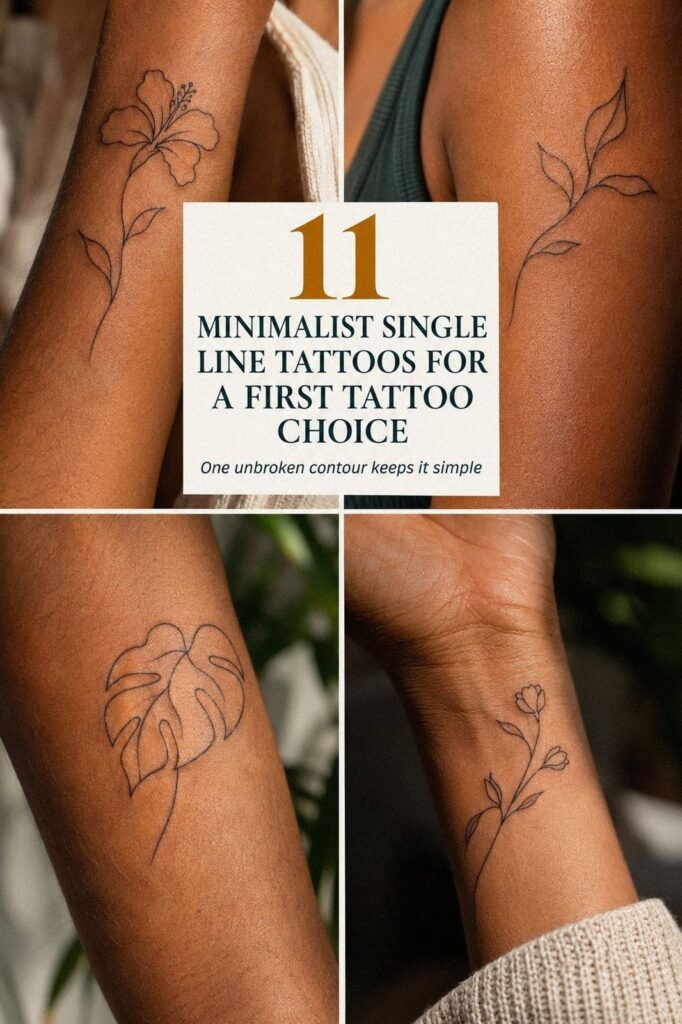
Minimalist single line tattoos usually cost about $100 to $300 in the US. Your tattoo budget depends on size, placement, artist, and region. I once chose a design before checking how it might age, and that was a sharp lesson. These ideas balance clean movement with meaningful placement. Your favorite may be the one you keep returning to!
- Start With Fine Botanical Stems Along the Forearm
- Would Tiny Celestial Symbols Behind the Ear Suit You?
- The Flowing Continuous Face
- Animal Profiles: Small, Not Flat
- Follow Single Line Waves Across the Wrist
- What Makes Delicate Zodiac Shapes on the Collarbone Work?
- Bold Abstract Shapes Along the Spine
- Family Lines That Stay Personal on the Upper Arm
- Playful One Line Insects Behind the Shoulder
- Could Graceful Mountain Outlines Work Across the Calf?
- Choose Personal Handwritten Words Along the Side Ribs
1Start With Fine Botanical Stems Along the Forearm

Fine botanical stems work beautifully on the forearm because you’ve got a long, readable area without forcing the design to curve too sharply. I’d keep the composition terracotta-and-olive linework, with a muted stone accent, because heavy shading could erase the crisp, elegant feeling.
Ask your artist to leave breathing room between the leaves. You don’t need every stem packed with detail.
A tiny olive branch or eucalyptus-inspired sprig can feel personal without becoming overly literal. The result can look delicate, expressive, and quietly striking.
Your artist should show healed botanical work, not only fresh results. Very thin lines can soften or widen over time, especially with strong UV exposure.
I’d choose a slightly stronger line over an ultra-fragile one if longevity is your priority. That choice isn’t less delicate. It’s more practical.
For planning, compare this idea with other small single line tattoos before you book. Your forearm is relatively tolerable for many people, but everyone’s sensitivity differs. Unframed botanical stems and a little asymmetry will keep the piece personal instead of overly polished.
You could also compare minimalist rose tattoos if you prefer a symbolic flower with a sharper silhouette. A rose can feel romantic, classic, or daring depending on how freely the line moves.
2Would Tiny Celestial Symbols Behind the Ear Suit You?
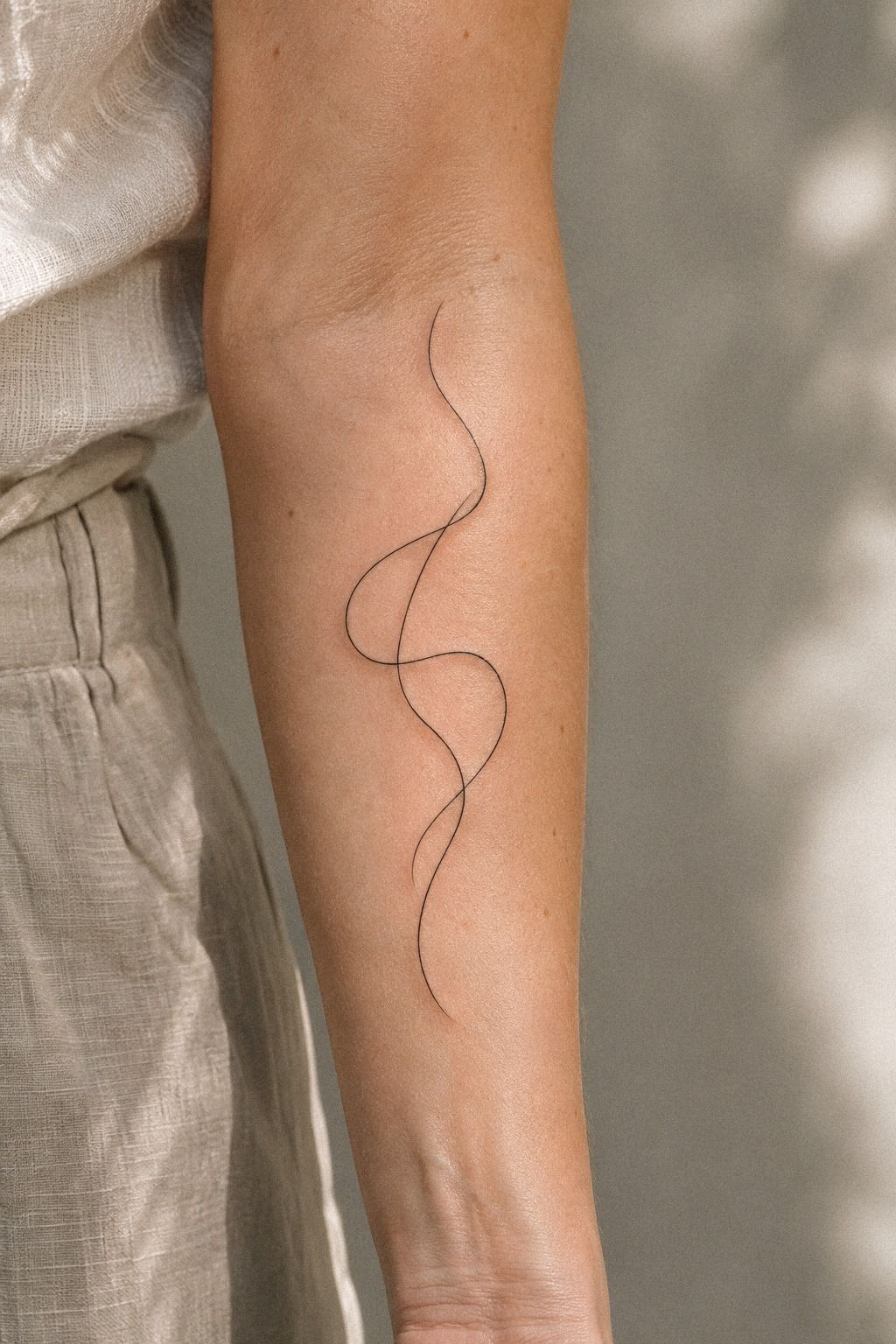
Behind-the-ear tattoos are discreet, personal, and surprisingly striking when the symbols stay simple. A clay-and-aged-brass palette can make tiny stars feel ethereal without needing a dense constellation.
I’d keep the symbols crisp and separated, perhaps using one muted clay crescent with two small brass-toned points. The area is compact, so intricate details may blur faster than you expect. A restrained design can still feel sacred, meaningful, and stylish.
Ask your artist to check the placement while you turn your head naturally. The skin behind the ear curves and moves, and the design should remain graceful from different positions. Simple celestial spacing will usually age better than a crowded cluster.
3The Flowing Continuous Face
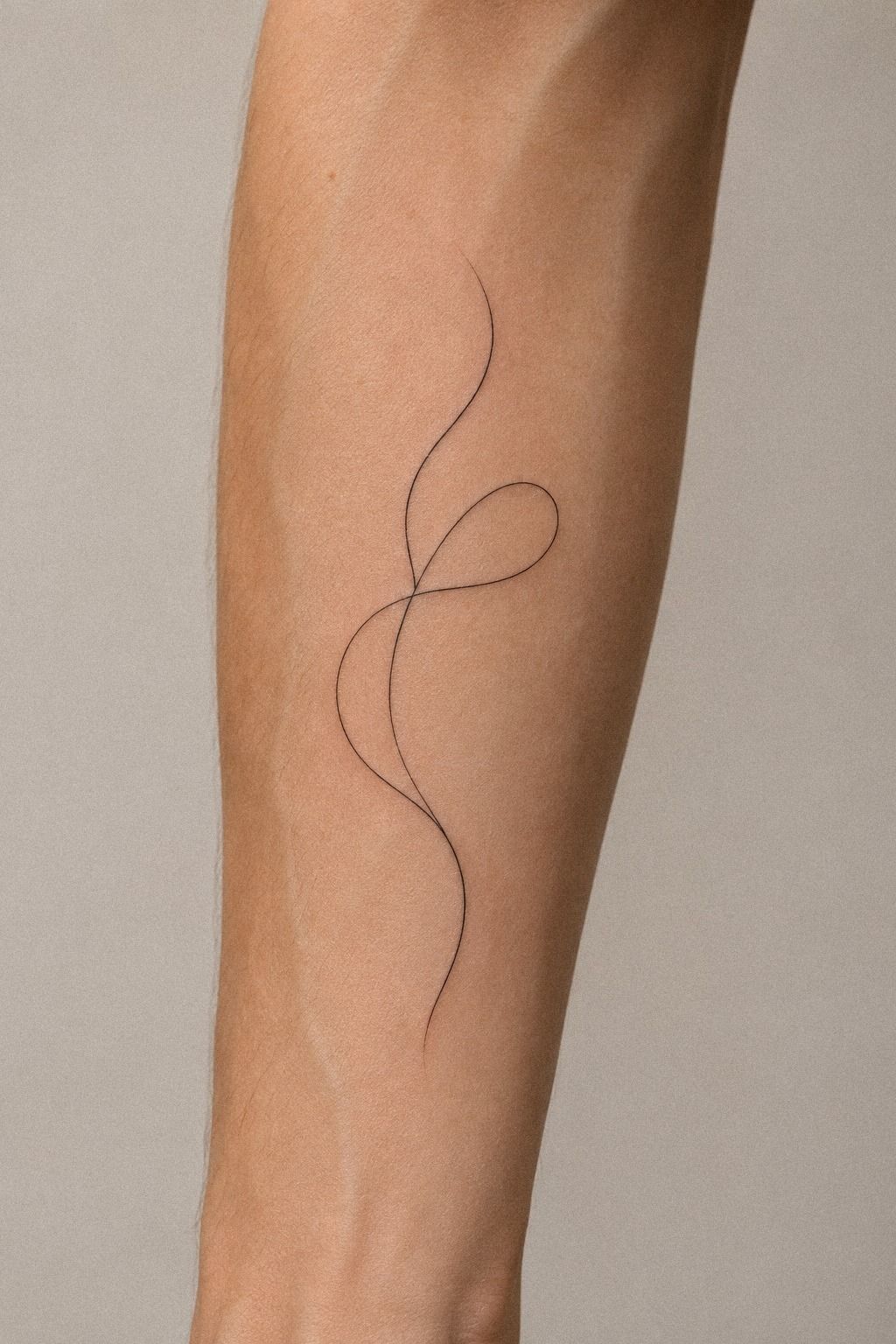
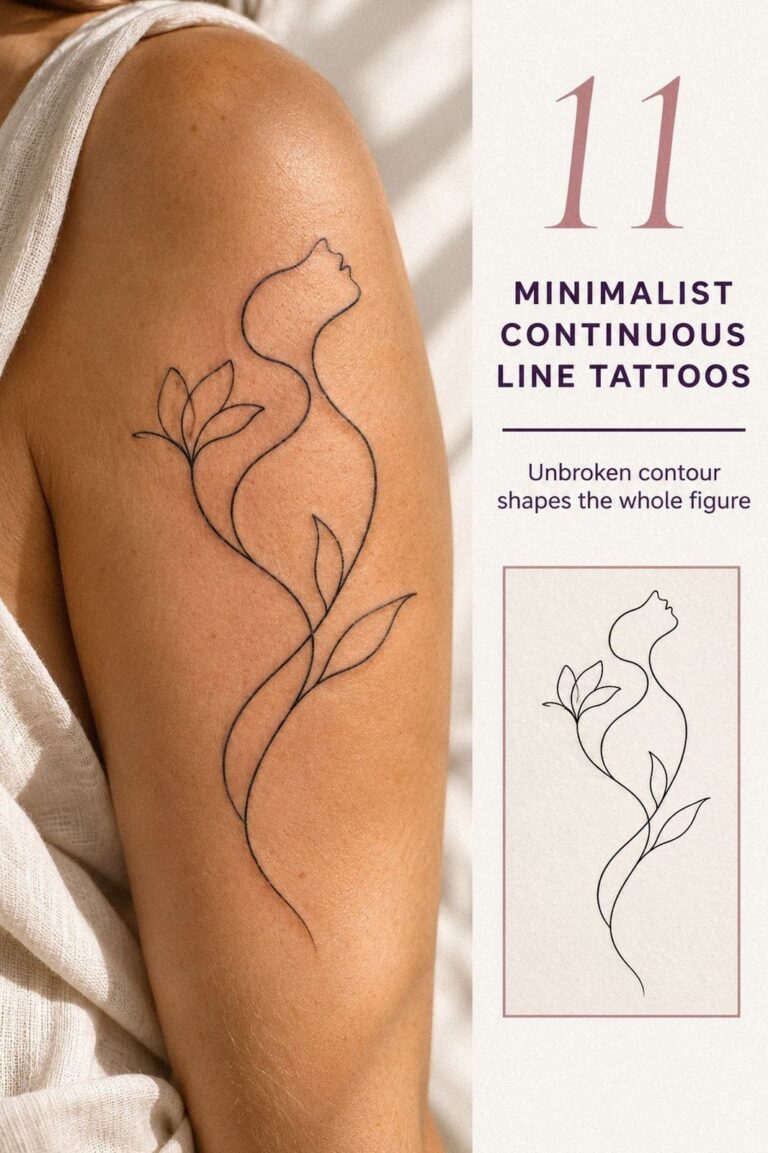
Continuous faces bring an artistic, expressive quality to a ribcage placement. One uninterrupted line can suggest a profile, closed eyes, or a pair of overlapping faces. I’d keep the plum-and-rose-gold face outline broad enough to remain readable after the skin settles.
Ribcage skin curves with every breath, so the stencil needs careful placement. You’ll want to stand, bend, and breathe normally before the design is applied. A flowing line can look graceful when it follows your body instead of fighting it.
This idea can feel raw, intimate, and meaningful without becoming literal. I’d avoid adding flowers, text, and extra symbols just to fill space. One confident gesture often carries more emotional weight than several competing details.
The most successful version is usually one uninterrupted gesture rather than a crowded portrait. It can look haunting when the line pauses at the eyes or mouth, but the pause should feel intentional.
Browse minimalist outline tattoos for profiles that use fewer marks. You can also compare small outline tattoos before deciding whether your face should be tiny, medium, or long and sweeping.
How Fine Lines Age
Fine lines don’t age in exactly the same way on every body. Sun exposure, friction, skin type, placement, and the artist’s technique all matter. Your healed tattoo portfolio will tell you more than fresh work under bright lights.
A delicate tattoo can remain elegant when the artist leaves enough separation between marks. If the details start too close together, they may soften into one darker shape. Ask how the design might look after five years, not just on appointment day.
This is where a timeless idea beats a complicated one. You’re paying for a design you’ll live with, so clarity has real value. A slightly stronger line may be worth it if it protects the design’s identity.
Look at delicate fine line tattoos and ask which examples are several months old. Aged line separation matters more than how bright the tattoo looks during the first week.
4Animal Profiles: Small, Not Flat
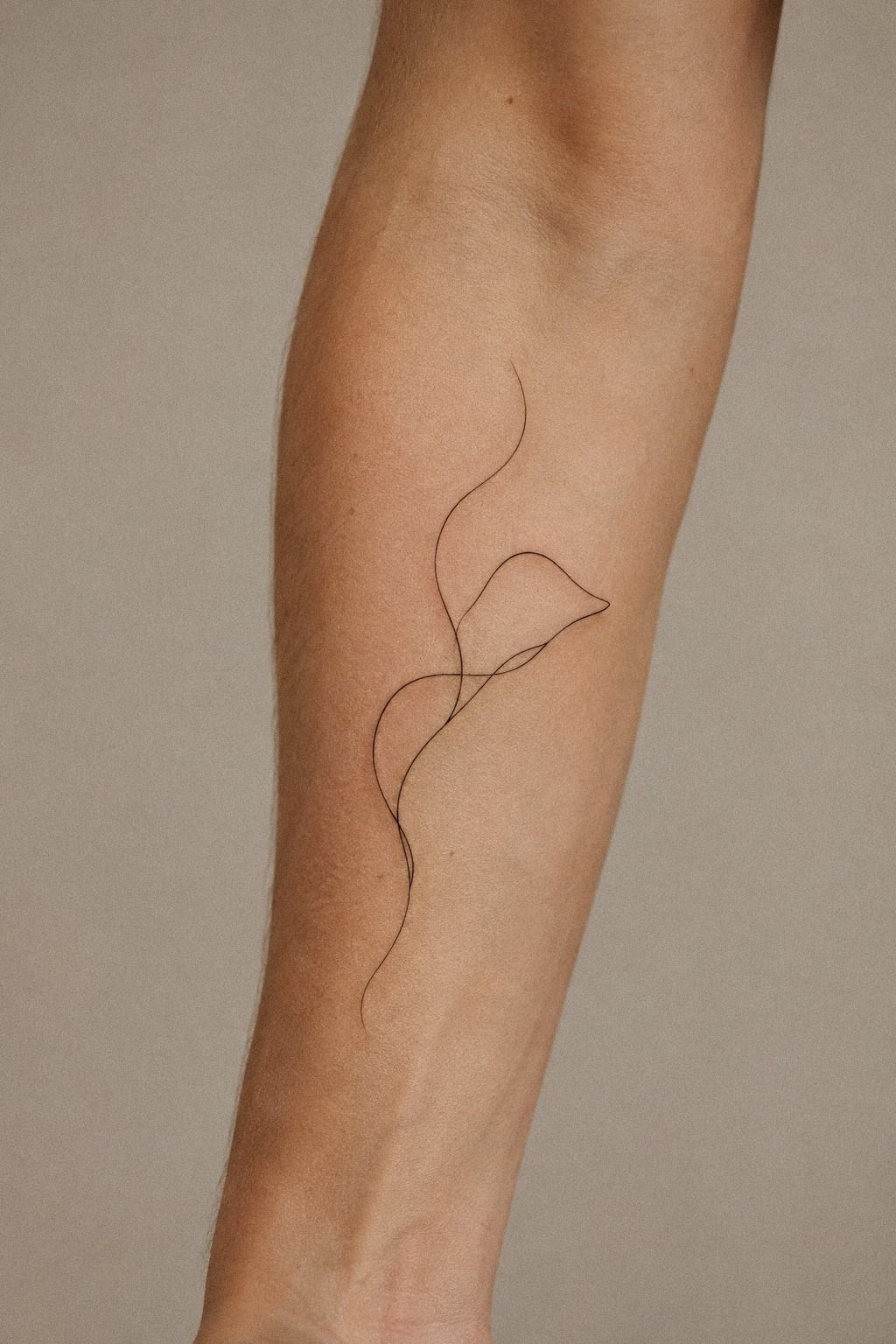
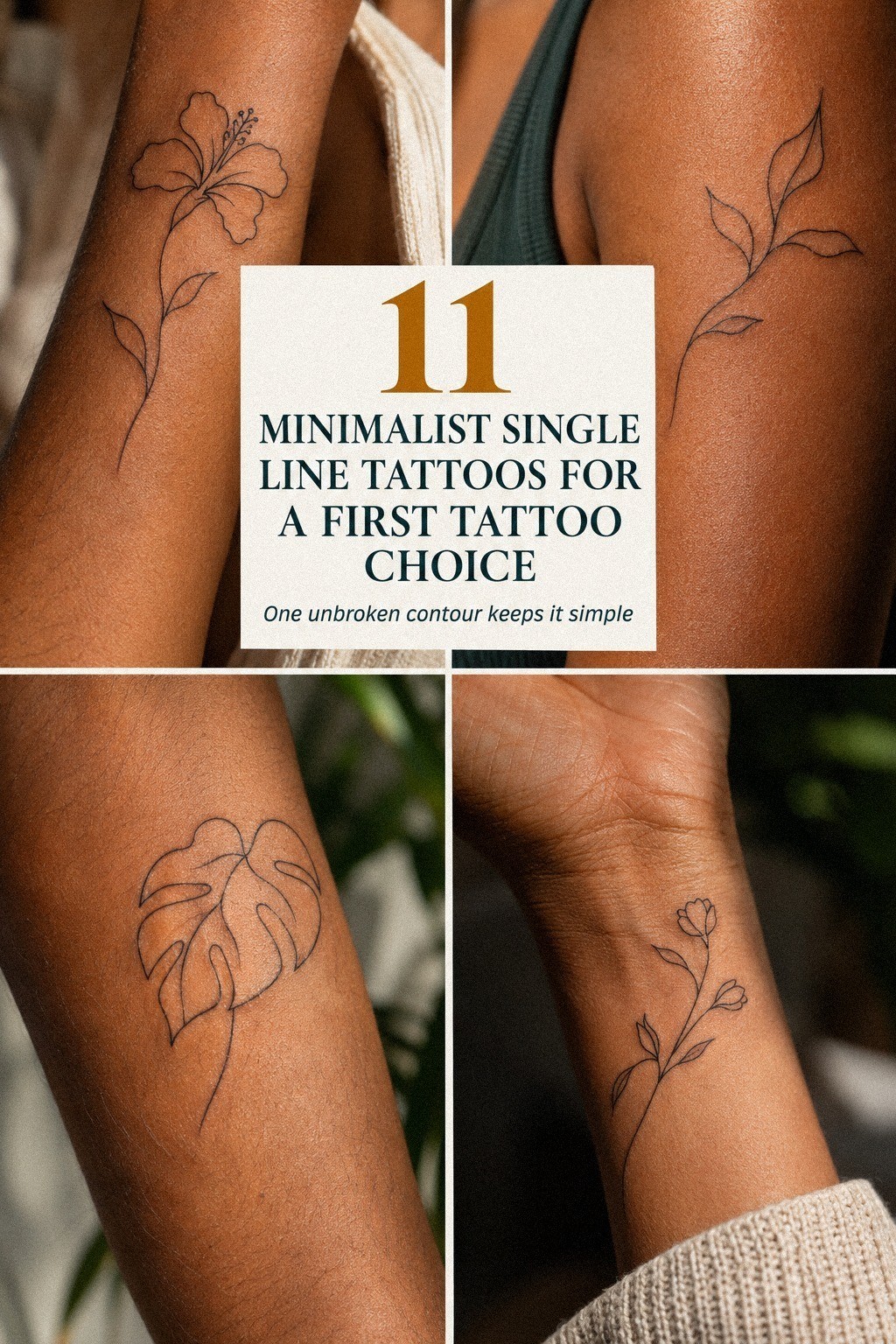
An animal profile near the ankle can be personal without becoming loud. I’d keep the subject recognizable through one expressive ear, nose, or tail curve. A navy wolf profile can feel fierce, while a rabbit or cat may look more playful.
Your ankle has a compact shape, so your artist needs to simplify the reference before making the stencil. You’ll get a stronger result from a few intentional contours than from tiny fur marks. Those details may not remain crisp.
I’d avoid realistic eyes at this scale, because they can turn muddy as the tattoo ages. A sharp silhouette will usually read better from a short distance. That makes the piece more iconic and easier to maintain visually.
The ankle can be more tender than the forearm, especially around the bone. Shoes may also rub the area during healing, so plan your appointment when you can wear loose, clean footwear. You’ll need to wash gently and avoid swimming until the surface has settled, usually around two to three weeks.
For more placement references, look through minimalist outline tattoos and small fine line tattoos. Navy-and-walnut contour work gives your animal a sharper read than pale gray ink. If you’re choosing between a tiny full-body animal and a clean profile, I’d pick the profile every time!
5Follow Single Line Waves Across the Wrist
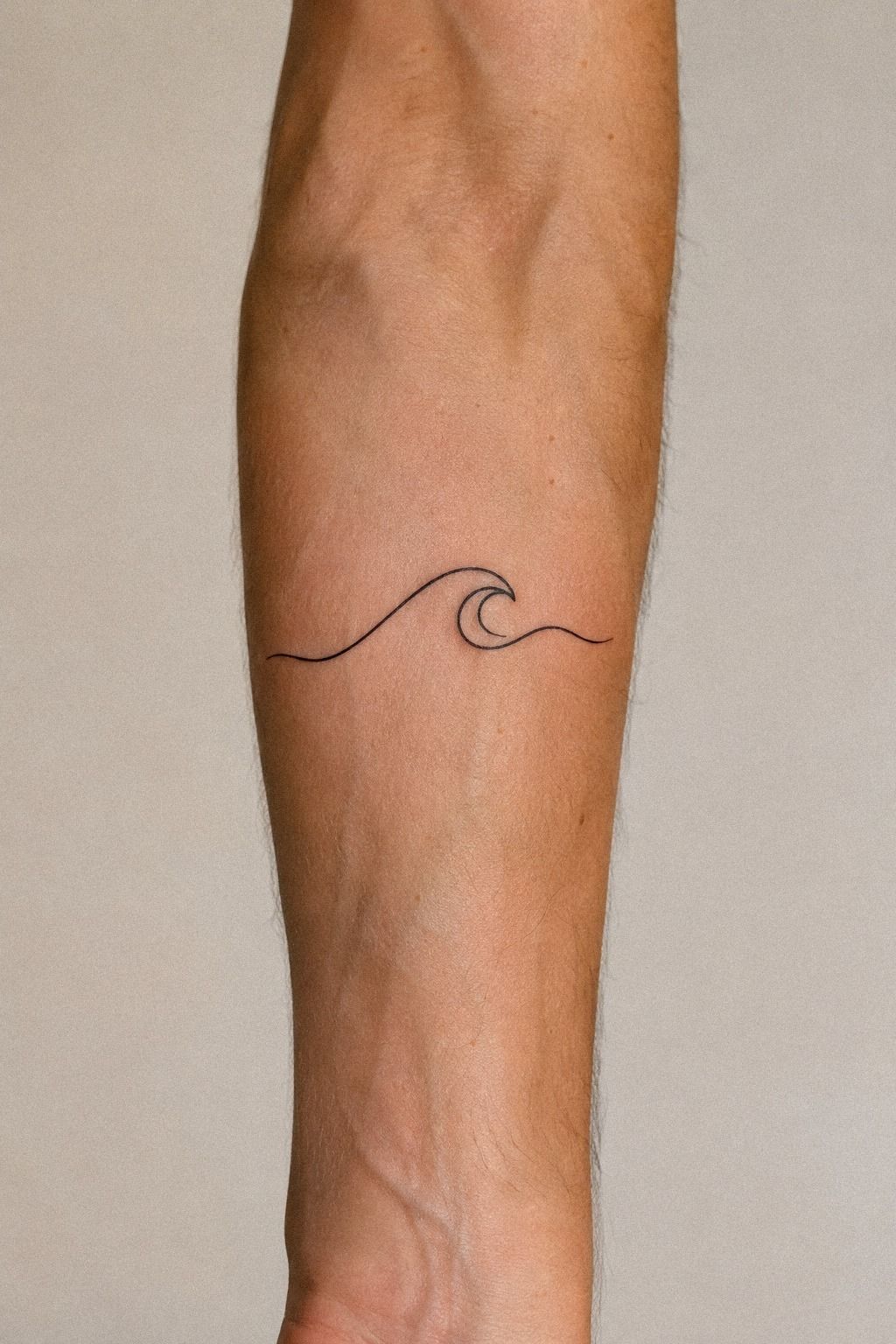
A wrist wave can look crisp, symbolic, and personal without needing a large composition. I’d choose one emerald-and-gold ocean line with a small break rather than stacking several waves together. The open curve gives the tattoo a flowing, almost musical quality.
Your wrist moves constantly, and that movement can make a simple design feel alive. You’ll want the line placed where it follows the natural width of your wrist without wrapping too far around the side. A tiny sun, dot, or horizon mark can add meaning.
I made the mistake of choosing a design that looked balanced on paper but felt crowded once it was placed on skin. You don’t need to copy every detail from a flash sheet. Pick the curve that feels most like you, then let your artist adjust it for anatomy.
Compare this with small continuous line tattoos and minimalist small wrist tattoos before you decide. Customized wrist placement will usually look better than a design copied without adjustment. Fewer marks often look more intentional, especially on a moving area.
A wave can be powerful without becoming bold or oversized. I’d keep the line slightly asymmetrical so it feels expressive rather than mechanically repeated.
6What Makes Delicate Zodiac Shapes on the Collarbone Work?
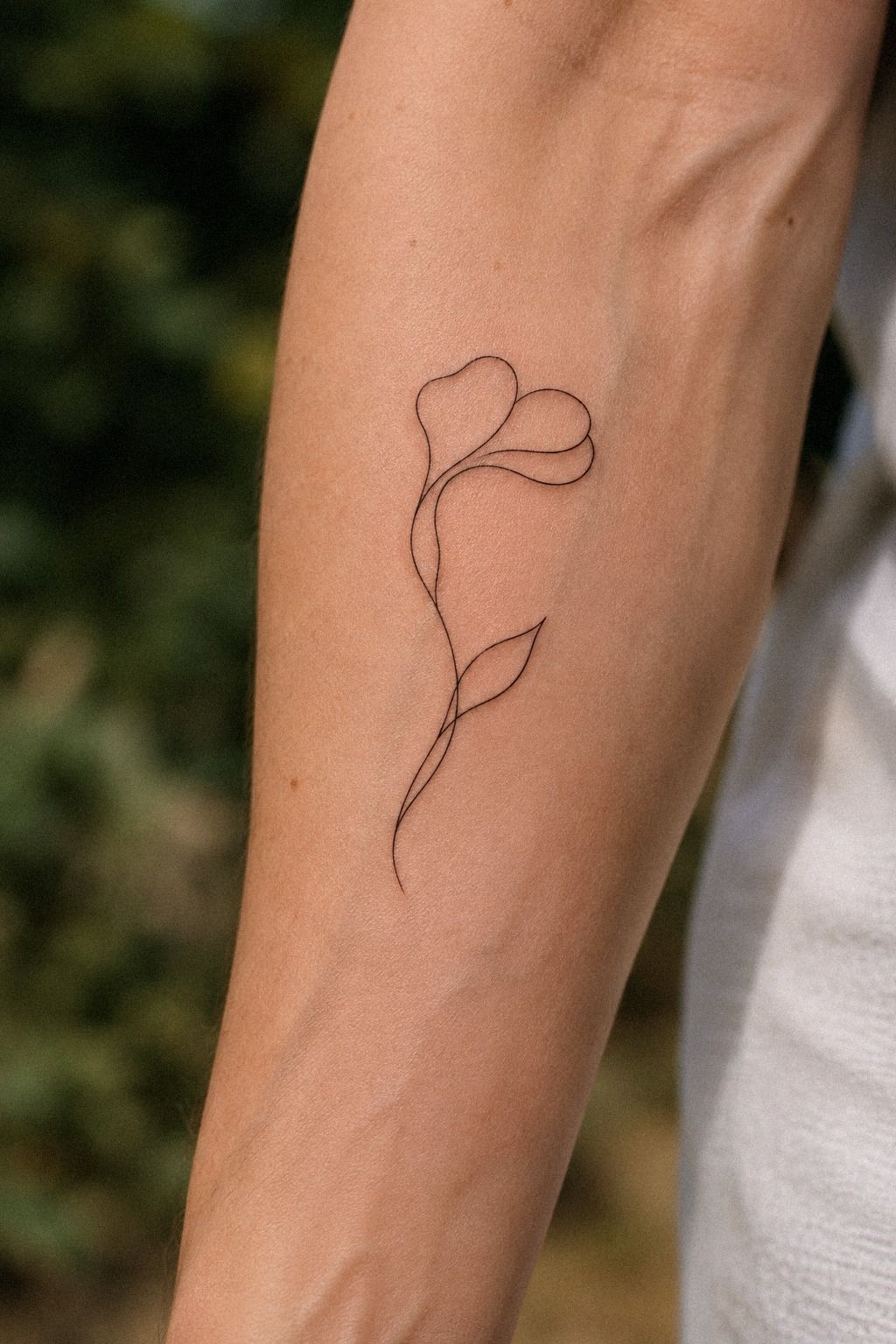
A constellation across the collarbone can feel sacred, personal, and quietly expressive. I’d use a few connected points instead of a dense field of stars. A custom forest-green constellation with restrained rust accents gives you meaning without requiring a large symbol.
The collarbone creates a natural horizontal path, but it also moves when you lift your arms or turn your shoulders. Your artist can adjust the spacing so the design stays balanced in both relaxed and active positions. That small change can make the final result feel more polished.
This concept can look ethereal when the marks stay restrained. It can also become difficult to read if every star has multiple rays, dots, and connecting lines. Keep the central symbol clear, then let the negative space do some work.
You could add one symbolic initial, but I’d avoid turning the constellation into an ornate chart. Restrained celestial spacing keeps the result sleek, dainty, and easier to read.
What Changes the Quote?
The final quote usually reflects more than the number of inches. Your artist may consider the placement, detail level, shop minimum, consultation time, and how long the stencil takes to apply. The shop minimum can make a very small tattoo cost more than you expected.
Ask whether the price is flat or hourly. Some artists quote a set amount for a small design, while others charge for appointment time. A clear quote helps you compare value instead of choosing only the lowest number.
Budget for aftercare supplies, too. You may need a gentle cleanser and the moisturizer your artist recommends. A realistic cost plan protects you from rushing toward an artist who fits the price but not the style.
A written tattoo estimate should explain the appointment length, design changes, deposit, and payment timing. That clarity is empowering, especially when you’re comparing several artists.
7Bold Abstract Shapes Along the Spine
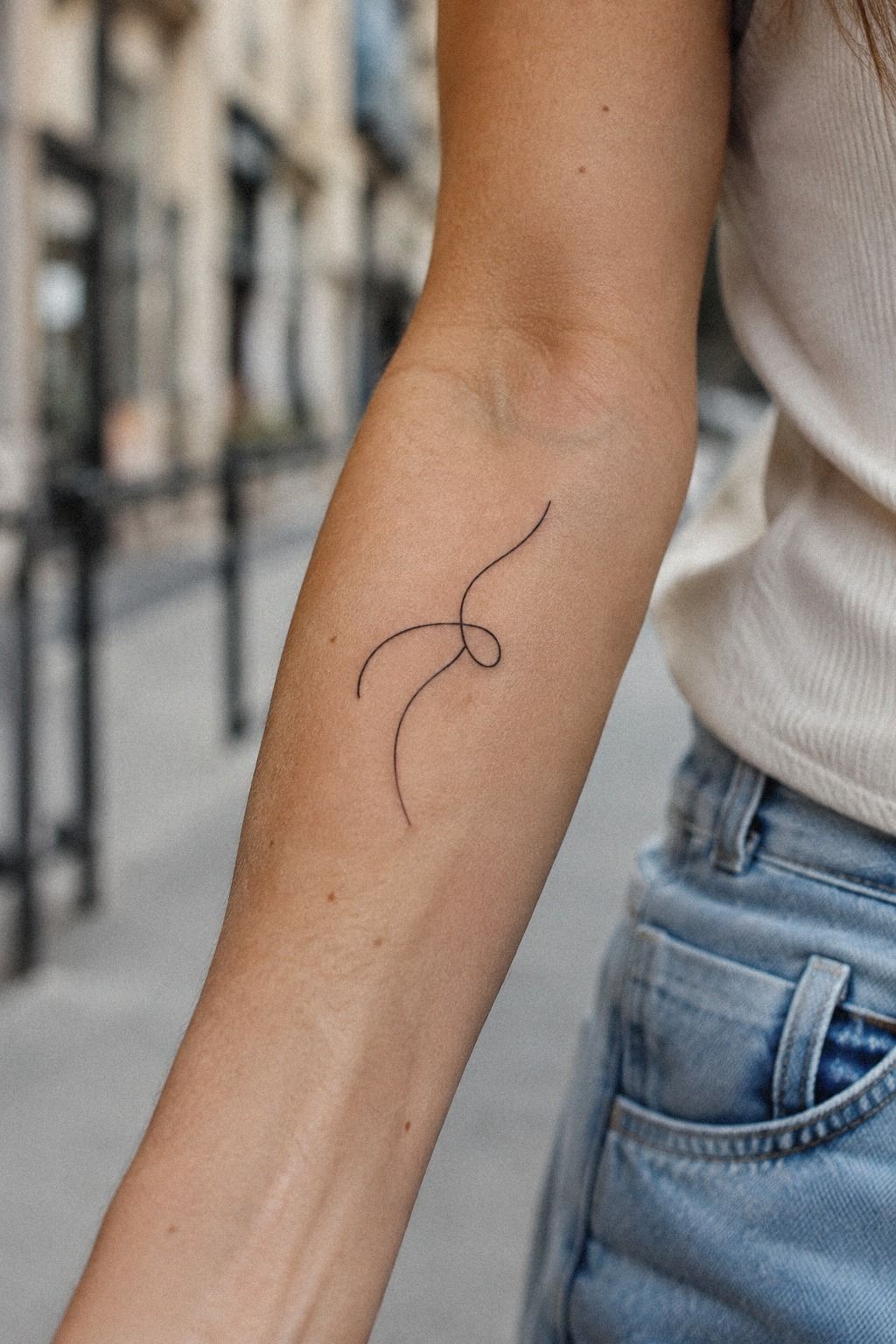
A spine tattoo can be bold without using heavy fill. Dusty-rose and charcoal shapes with a small brass-toned accent can feel daring while preserving the clean movement of the design.
Keep the forms separated enough that they remain distinct as the skin settles. The spine gives you a strong vertical path, but symmetry is not mandatory. An uneven arrangement can feel more expressive and personal.
I’d ask your artist to test the design while you stand naturally. Vertical spine spacing can change when you bend, so the stencil should follow your body instead of forcing a rigid pattern.
8Family Lines That Stay Personal on the Upper Arm
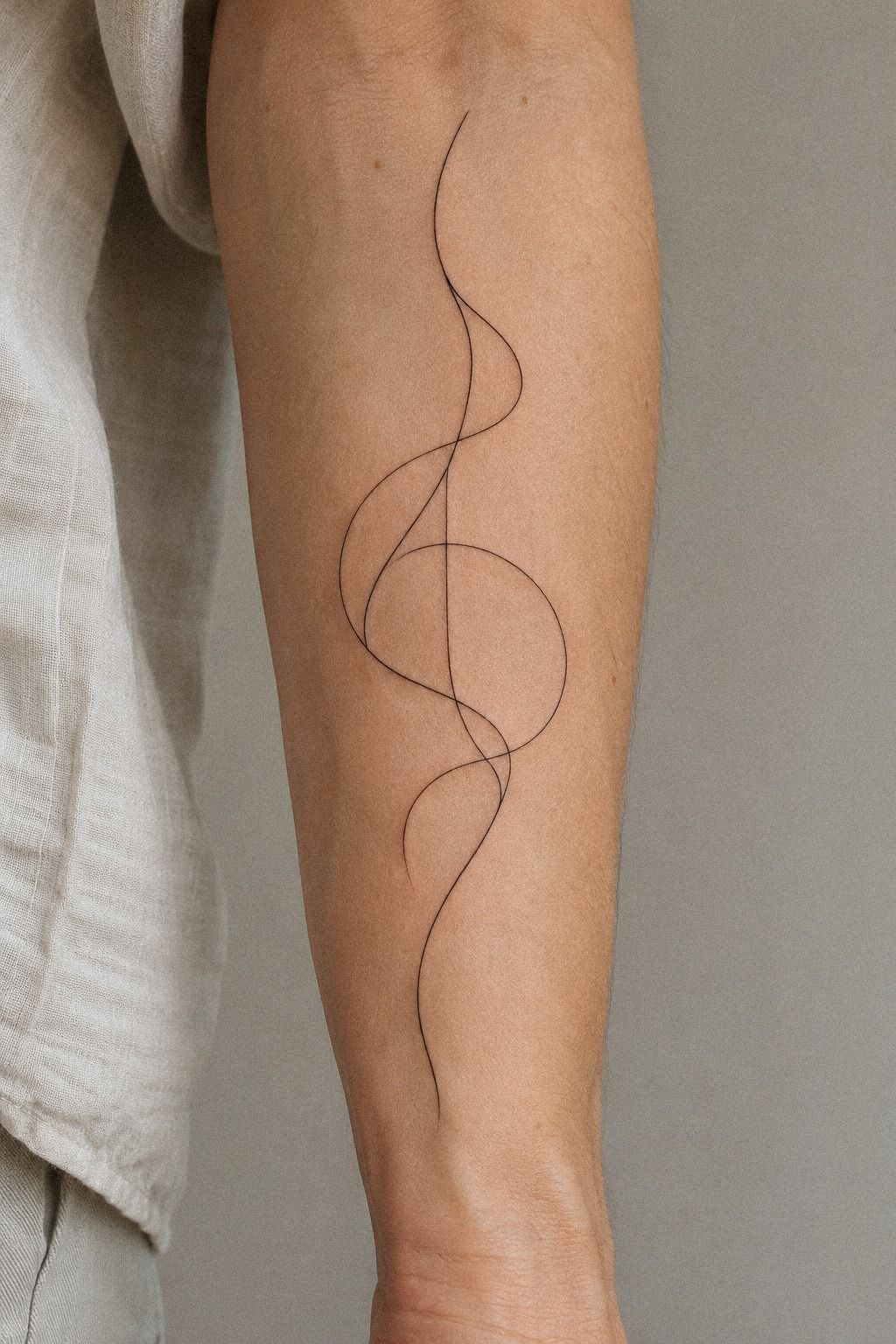
Family silhouettes can carry real emotional weight when you keep the line simple. A family profile line can represent parents, siblings, children, or chosen family without needing names or dates.
Your upper arm gives you enough skin to preserve the shape of each face. Bring your artist a clear reference, but don’t expect every facial detail to appear in the final design. The most meaningful part may be the spacing between figures or one small gesture only your family recognizes.
I’d avoid adding a long quote beneath the silhouettes. Text can compete with the faces and make the tattoo feel more literal than expressive. A single initial or tiny symbol may work, but your artist should help you decide whether it strengthens the story.
Look at minimalist outline tattoos and small tattoos with meaning for examples of simplified profiles. Clean upper-arm linework is usually easier to protect from constant rubbing than hand or foot work. You’ll get a graceful result when the design leaves room for interpretation.
A family line can feel classic without looking predictable. The strongest version usually includes one personal gesture rather than every possible face.
Ask to See Healed Work
Fresh ink can look vibrant, sharp, and impressive. Healed ink gives you a more honest picture of the artist’s control. Ask to see work several months old, especially when the design uses small gaps or very thin lines.
Pay attention to whether circles stayed open, whether facial profiles remain clear, and whether the design still feels expressive. A healed linework sample can answer questions that a filtered social post can’t.
You don’t need the most famous artist in your area. You need someone whose healed work matches your goal, skin tone, and preferred style. That fit is usually better value than a lower price from someone who rarely makes this kind of tattoo.
Ask specifically for healed fine-line examples in a similar placement. Skin movement and friction can make the same design behave differently on the arm, ribs, ankle, or wrist.
9Playful One Line Insects Behind the Shoulder
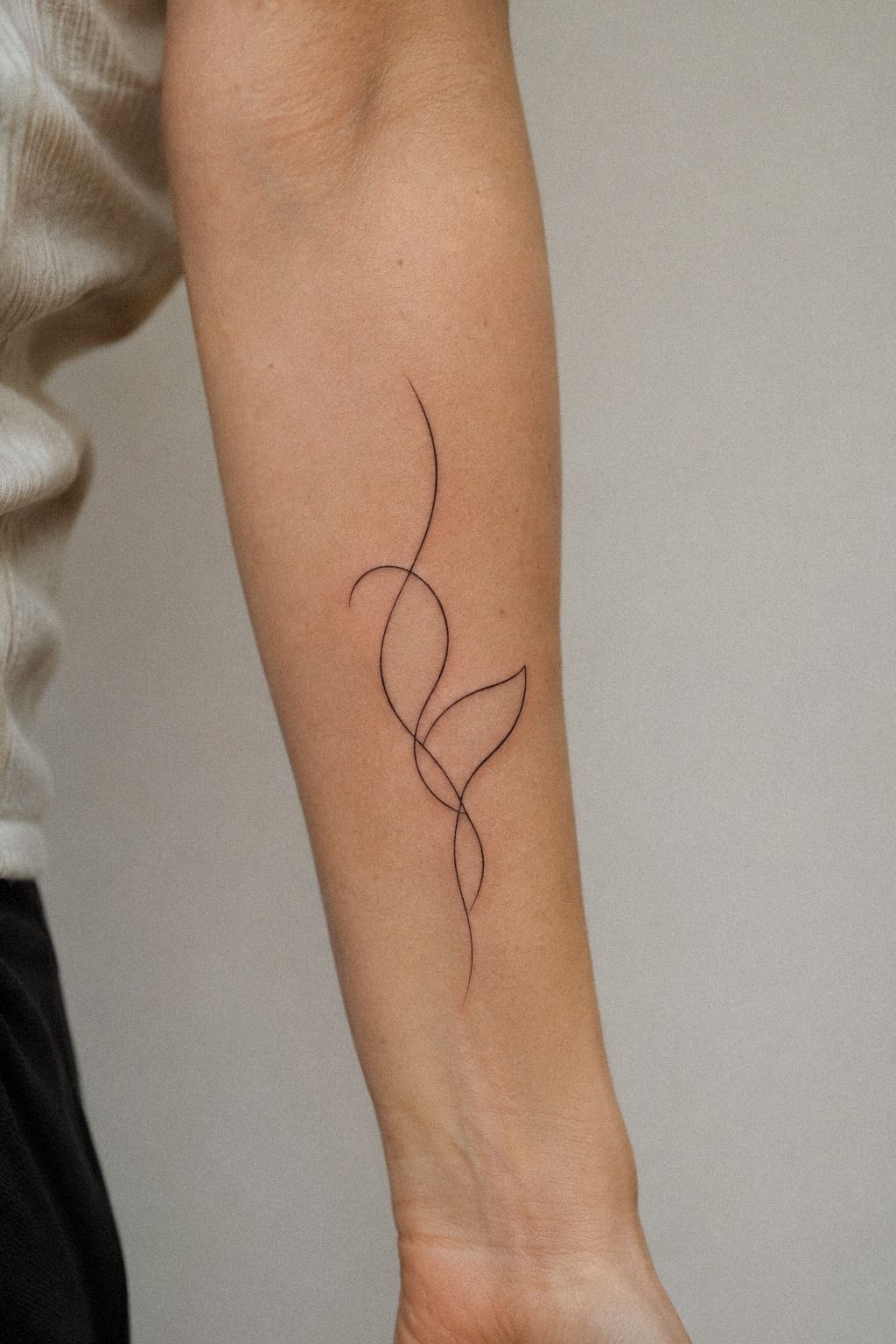
One-line insects can be whimsical, symbolic, and unexpectedly fierce. A midnight-blue beetle outline with a copper accent can feel edgy, while a butterfly or moth may look romantic and mysterious.
Your shoulder blade gives the design a subtle curve, so your artist can use the anatomy instead of fighting it. You’ll want enough space for the wings, legs, or antennae to remain readable. I’d skip microscopic legs if the piece is very small.
Behind-the-shoulder placement is easy to conceal, but it can rub against clothing during healing. Choose loose fabric and avoid scratching if the skin feels itchy. The surface typically settles in about two to three weeks, while the tattoo can take around two to three months to mature beneath the skin.
For more insect-like simplicity, browse small fine line tattoos and small continuous line tattoos. Delicate blue insect linework looks elegant when the silhouette is readable from a short distance.
You don’t need a dramatic illustration to make the tattoo memorable. One clever curve can do it!
A moth may feel haunting and symbolic, while a tiny beetle can look playful or daring. Let the insect’s natural shape provide the personality.
10Could Graceful Mountain Outlines Work Across the Calf?
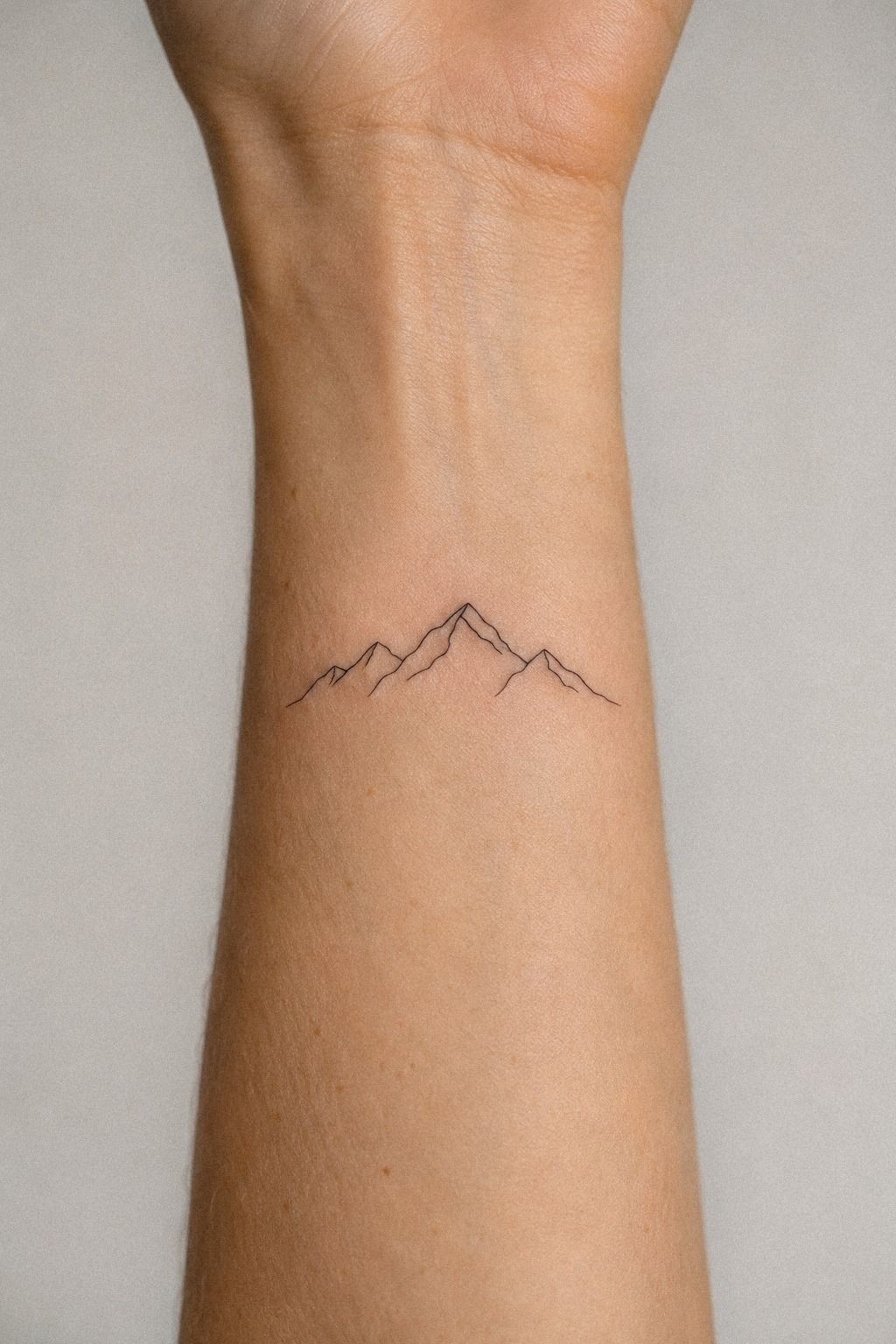
A mountain outline with a low horizon and one taller peak can feel powerful and personal. Sage-green mountain lines with a muted cream accent can suggest distance without filling the design with unnecessary detail.
Your calf gives the outline room to stretch, but the shape still needs to follow the leg’s natural curve. I’d keep one peak slightly sharper than the others so the silhouette feels expressive instead of generic.
A mountain can represent travel, resilience, home, or a private turning point. A graceful calf placement lets you keep that meaning visible without making the tattoo oversized.
Aftercare Protects the Read
Good aftercare won’t freeze a tattoo in time, but it can support a cleaner heal. Follow your artist’s instructions, wash gently, avoid picking, and keep the area away from swimming until the surface has settled. Gentle cleansing is more useful than adding a long list of products.
Friction matters, especially on ankles, wrists, shoulders, and ribs. Loose clothing can help while the skin feels tender. Once healed, sunscreen can reduce the effect of repeated UV exposure.
Don’t panic when the tattoo looks dull or flaky during healing. That stage can be temporary. If something seems unusual, contact your artist or a medical professional instead of guessing from social media.
The goal is calm, consistent aftercare, not constant touching or product changes. A delicate tattoo needs time to settle before you judge its final clarity.
11Choose Personal Handwritten Words Along the Side Ribs
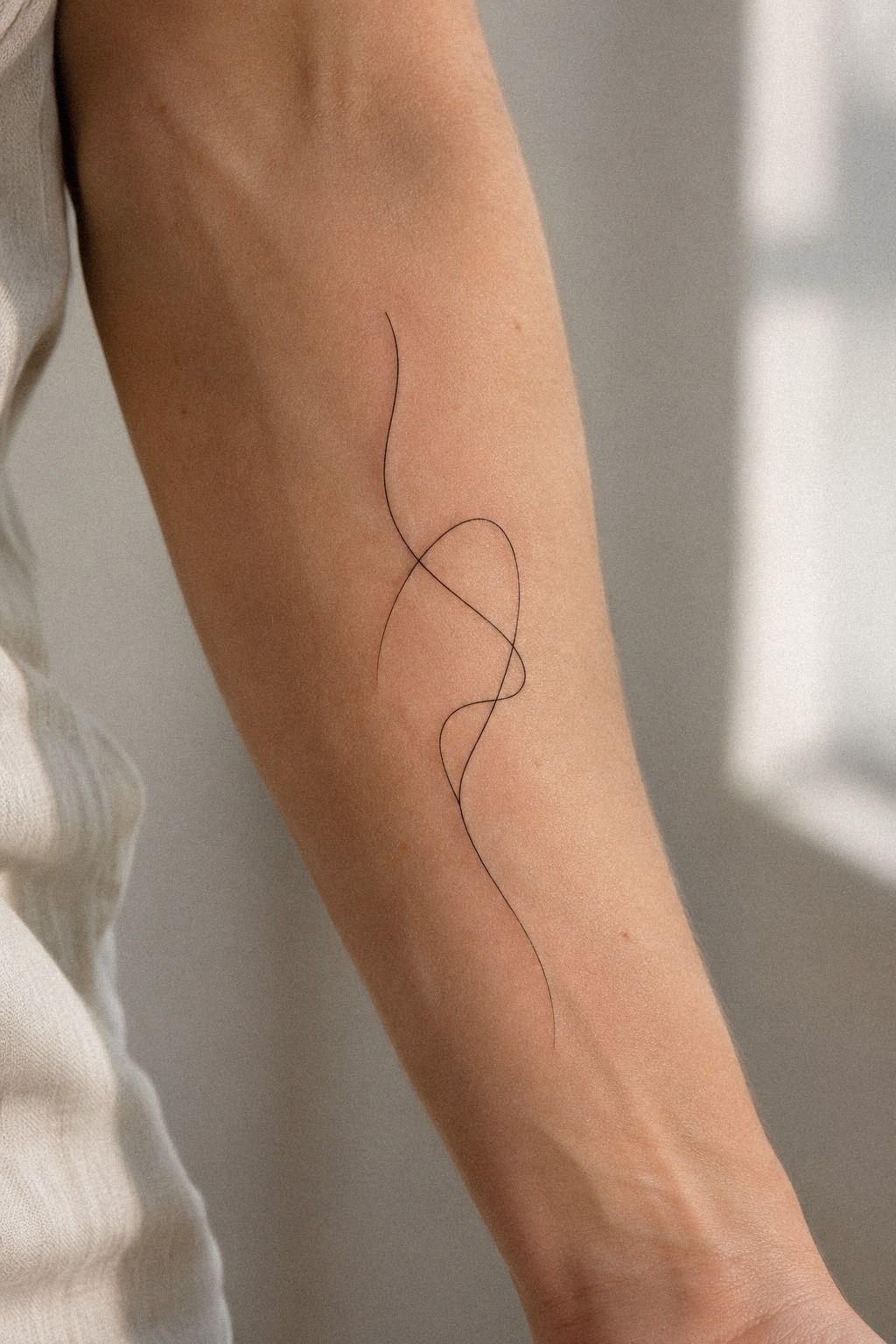
Handwritten words along the side ribs can be deeply personal without becoming overly ornate. Choose custom terracotta lettering from your own handwriting or a meaningful family sample, with a small olive accent only if it improves readability.
You’ll want to test the words at the exact placement before committing. Ribs curve, and lettering can change shape when your body twists or breathes. I’d choose one short word or phrase rather than a full sentence.
Side-rib tattoos can be more painful than forearm, thigh, or shoulder placements. Your artist can pause when needed, and you don’t have to turn the session into a test of endurance. Keep aftercare simple and give the skin time.
If you’re considering other text placements, review small continuous line tattoos and minimalist rose tattoos for scale and movement. Terracotta handwritten lettering will usually read more clearly than a pale gray version. Your words should sound like you, not like a quote selected because it looked good online.
Short lettering can feel understated, meaningful, and empowering when the handwriting remains genuinely yours. I’d rather see one honest word than an elaborate phrase with no personal connection.
Build a Personal Budget Before Booking
Start with the shop minimum, then ask whether your design needs extra consultation time. Add any aftercare products and travel costs before you decide what feels comfortable. Your total tattoo cost should be clear enough that you’re not anxious on appointment day.
A lower price isn’t always better value. You’re choosing the artist’s technique, healed results, communication, and judgment. If waiting a few months lets you book the right person, that delay may be worth it.
I’d rather save for a skilled appointment than spend less and wish the line were cleaner. A minimalist tattoo has fewer marks, but each one matters. Your budget should support the result you actually want.
A realistic tattoo savings plan can include the deposit, appointment balance, transportation, tip, and aftercare. Planning those costs in advance keeps the decision personal instead of rushed.
What I’ve Learned About Fine Single Line Work
I used to think minimalist tattoos were automatically easy because they contain fewer marks. That assumption cost me time. A sparse design gives every line more responsibility, so placement, spacing, contrast, and control matter even more in a small piece.
The first question I ask now is whether the idea still reads without explanation. If your tattoo needs a paragraph before anyone can understand its shape, the design may be too complicated for the scale you want.
That doesn’t mean symbolic work has to be obvious. It means the visual structure should hold together on its own.
I also pay attention to healed portfolios. Fresh ink can look striking under bright lights, but healed results show whether the lines stayed crisp and whether small gaps survived. You’ll want to ask how the artist approaches aging, especially if your idea uses very thin lines.
Cost matters, too. The cheapest appointment isn’t always the most personal choice.
A typical US shop minimum may sit around $50 to $100, while hourly pricing often falls near $100 to $250. Many small pieces land around $100 to $300, although region, artist, placement, and complexity can shift the quote.
You don’t need to choose the most expensive artist. You should choose someone whose healed work matches your goal.
I’d rather wait for a skilled appointment than rush toward a lower quote and spend months wishing the line were cleaner. Your tattoo is small, but the decision isn’t.
What People Always Want to Know
How much do minimalist single line tattoos usually cost?
In the US, a small minimalist single line tattoo commonly falls around $100 to $300. Shop minimums may be about $50 to $100, and hourly rates can land around $100 to $250. Your artist, region, placement, and detail level can change the quote.
Are minimalist single line tattoos a good idea for a first tattoo?
Yes, they can be a meaningful first choice because you can select a relatively tolerable placement and keep the design focused. A clean personal outline may feel less overwhelming than a large piece. You’ll still want an artist with healed linework in their portfolio.
How do I choose a tattoo artist for minimalist single line tattoos?
Look for healed photographs, clean linework, strong placement examples, and clear hygiene practices. Ask how the artist handles aging and whether they’ve worked on your skin tone before. A relevant healed portfolio tells you more than a polished social media image.
How much do minimalist single line tattoos hurt?
Pain varies, but ribs, feet, hands, and sternum are often more sensitive because they’re close to bone or have less padding. Forearms, thighs, and shoulders are commonly more tolerable. Your minimalist small wrist tattoos options may feel easier than a rib placement.
How long do minimalist single line tattoos take to heal?
The surface usually heals in about two to three weeks, while complete healing can take around two to three months. Wash gently, moisturize as directed, and avoid strong sun and swimming while the surface heals. Your artist’s instructions should come first.
What’s the best placement for minimalist single line tattoos?
Forearms, upper arms, shoulders, and calves are practical choices when you want readable lines and generally more tolerable sessions. Ribs, feet, hands, and sternum can be more painful. Browse minimalist small spine tattoos if you prefer a private, vertical placement.
Should I choose black ink or another color?
Black ink is usually the safest choice for crisp minimalist linework because it creates clear contrast and tends to age more predictably than very pale tones. Your artist can discuss alternatives, but I’d avoid choosing color just to make a delicate design seem more distinctive.
Where I’d Start First
If I had to pick one, I’d start with the forearm botanical stems. They’re visible, readable, and easier to protect than rib or hand work. The open spacing gives fine lines room to age gracefully.
Pin the idea for later, then compare it with these minimalist rose tattoos and small fine line tattoos before booking. The best choice won’t simply be the cheapest or most striking. It’ll be the one that still feels personal when you look at it years from now.